Key Takeaways
-
Proper drainage installation is critical — poor drainage is the number one cause of retaining wall failure, requiring a perforated drain pipe behind the wall to prevent hydrostatic pressure buildup.
-
Base preparation requires crushed stone compacted to a depth of at least 6 inches below grade for every 1 foot of wall height — a 3-foot wall needs approximately 18 inches of buried base.
-
Walls taller than 4 feet require geogrid reinforcement, a grid-like material embedded in soil and connected to blocks that anchors the wall and dramatically increases its strength.
-
Standard residential segmental retaining wall installation takes 3-5 days including excavation, base prep, block placement, drainage work, and cleanup; complex projects take longer.
-
Professional installation is strongly recommended for walls taller than 2 feet to ensure proper compaction, correct drainage design, permit compliance, and structural soundness for Chicago’s heavy clay soils.
-
Segmental retaining walls use interlocking concrete blocks stacked without mortar in a slight backward lean (batter) pattern, creating durable structures that control erosion and transform sloped yards into usable terraces.
If your yard has a slope, you’ve probably noticed how rain can wash away soil, create muddy patches, or make outdoor areas feel unusable. A segmental retaining wall installation is one of the best solutions to fix that problem — and make your outdoor space look stunning at the same time. These walls use interlocking concrete blocks to hold back soil, control erosion, and create flat, usable terraces in your landscape. Whether you’re a homeowner in the Chicago suburbs, a commercial property manager, or a developer building new homes in Aurora, understanding how this process works can help you make smarter decisions for your property. In this guide, we’ll walk you through everything you need to know — from what these walls are, to how they’re built, to why professional installation matters. Let’s dig in!
What Is a Segmental Retaining Wall?
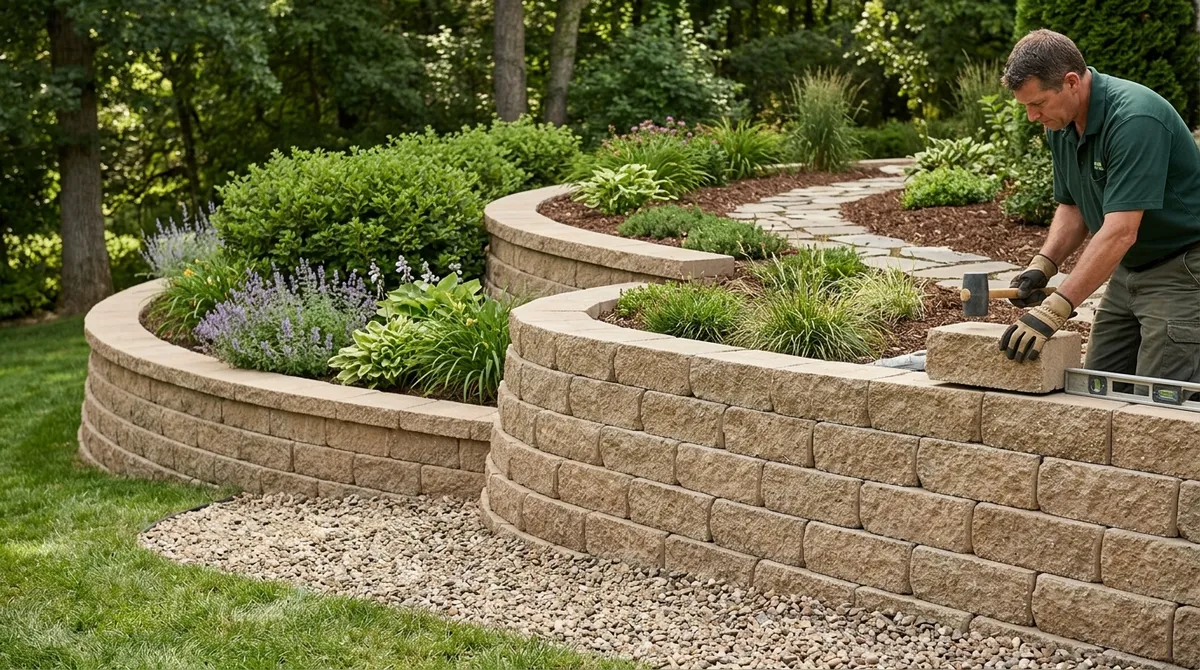
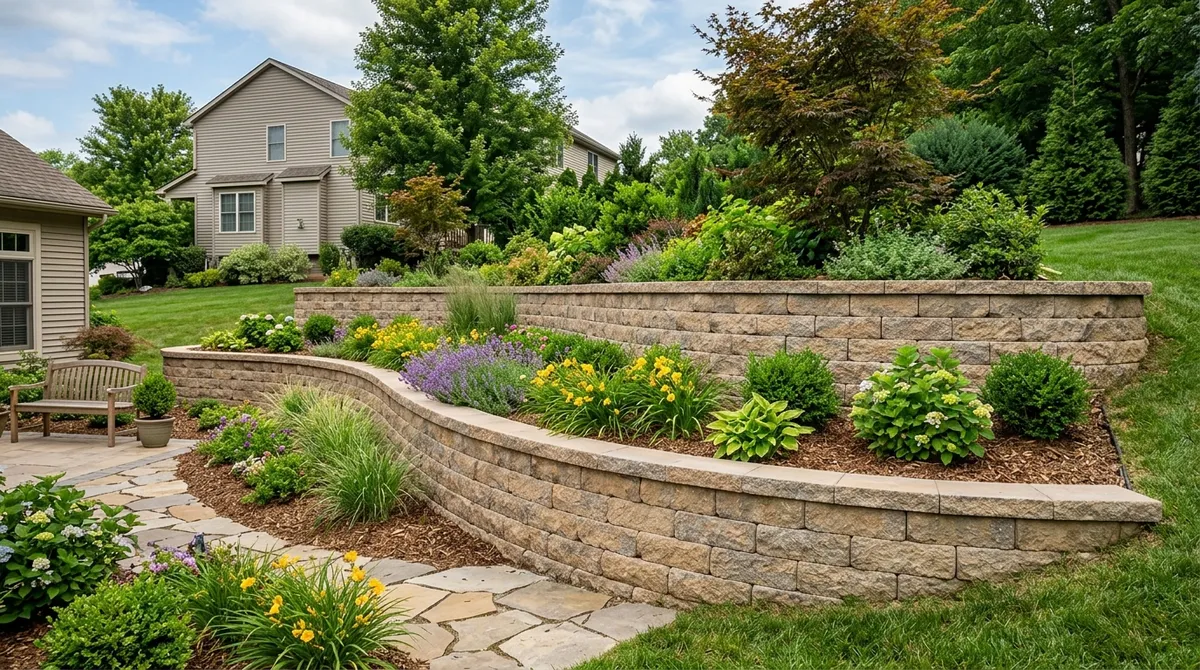
A segmental retaining wall (SRW) is a type of retaining wall made from individual interlocking concrete blocks. Unlike poured concrete or natural stone walls, these modular blocks stack together without mortar, creating a strong, flexible structure. The interlocking design is what gives these walls their strength and durability.
You’ve likely seen these walls in residential landscaping — they’re the neat, structured walls that turn a steep slope into a series of flat garden beds or usable patio areas. They come in many colors, textures, and sizes, so they can match almost any home or commercial property style. You can learn more about what goes into these structures by visiting our page on retaining walls.
Beyond looks, these walls serve a very practical purpose. They stabilize soil on sloped or uneven ground and reduce erosion caused by rain runoff. If you’ve ever wondered whether your yard needs one, check out this helpful resource: What Is a Retaining Wall and Do You Need One?
Why Are Segmental Retaining Walls Popular in Landscaping?
Segmental retaining walls have become a go-to choice for landscaping professionals and homeowners alike. Here’s why they’re so popular:
- Versatility: They work in residential yards, commercial properties, and even public spaces.
- Aesthetic appeal: Available in many styles, they add a clean, polished look to any landscape.
- Functionality: They create flat terraces for gardens, patios, and seating areas on slopes.
- Durability: Properly installed walls last for decades with minimal maintenance.
- Cost-effectiveness: Modular blocks are efficient to install compared to poured concrete or natural stone.
- Erosion control: They protect your property from soil loss caused by heavy rainfall — a big concern in the Chicago area.
If you’re thinking about how a retaining wall can transform your sloped yard into something truly usable, this article is a great read: Why Do Retaining Walls Transform Sloped Yards Into Usable Spaces.
Key Benefits for Different Property Owners
Not everyone who needs a segmental retaining wall has the same goals. Here’s a quick look at how different property owners benefit:
| Property Owner Type | Primary Benefit | Common Use Case |
|---|---|---|
| Suburban Homeowner | Curb appeal and usable yard space | Tiered garden beds, patio terraces |
| Commercial Property Manager | Stormwater management and safety | Parking lot borders, slope stabilization |
| New Home Developer | Site preparation and buyer appeal | Graded lots, turnkey landscape features |
| Small Business Owner | Attractive entrance and pedestrian safety | Decorative walls near storefronts |
| Urban Condo Owner | Space efficiency on small lots | Rooftop or courtyard borders |
Step-by-Step: How Segmental Retaining Wall Installation Works
Professional segmental retaining wall installation is a detailed process. Each step is critical to the wall’s long-term performance. Cutting corners at any stage can lead to shifting, leaning, or failure down the road. Here’s how a quality installation unfolds:
Step 1: Site Evaluation and Planning
Before a single block is placed, a thorough site assessment is essential. A professional will check the slope angle, soil type, drainage patterns, and load requirements. This information guides the entire wall design. For taller walls or challenging terrain, an engineer may be involved to ensure the design is safe and structurally sound.
Permit requirements also come into play here. Many municipalities in the Chicago area require permits for retaining walls above a certain height. Always check local regulations before starting a project. You can also explore our project process page to understand how we handle planning from start to finish.
Step 2: Excavation
Once the plan is set, excavation begins. The crew removes soil to create a level trench where the base of the wall will sit. The depth of this trench depends on the wall’s height and the soil conditions. Getting this step right is critical — a poorly excavated base leads to an unstable wall.
Step 3: Base Preparation and Compaction
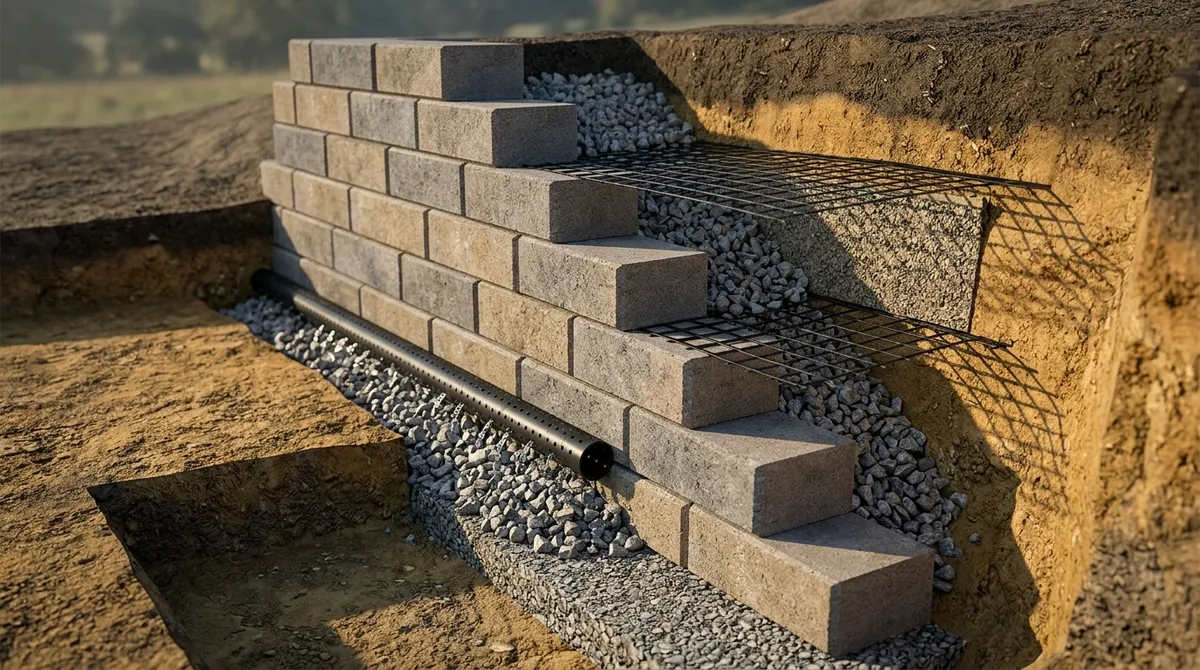
A solid base is the foundation of every successful retaining wall. Crushed stone (typically 3/4-inch compactable gravel) is added to the trench and compacted thoroughly. This creates a stable, level surface for the first course of blocks. The base typically needs to be buried at least 6 inches below grade for every 1 foot of wall height — so a 3-foot wall needs about an 18-inch buried base. This is a step where professional experience really makes a difference.
Step 4: Block Placement and Wall Construction
With the base ready, block placement begins. The first course (the bottom layer) is the most important — it must be perfectly level. Each subsequent layer is set back slightly (a technique called “batter”) to help the wall lean into the slope and resist soil pressure. Blocks are staggered like bricks for added strength.
Step 5: Drainage Installation
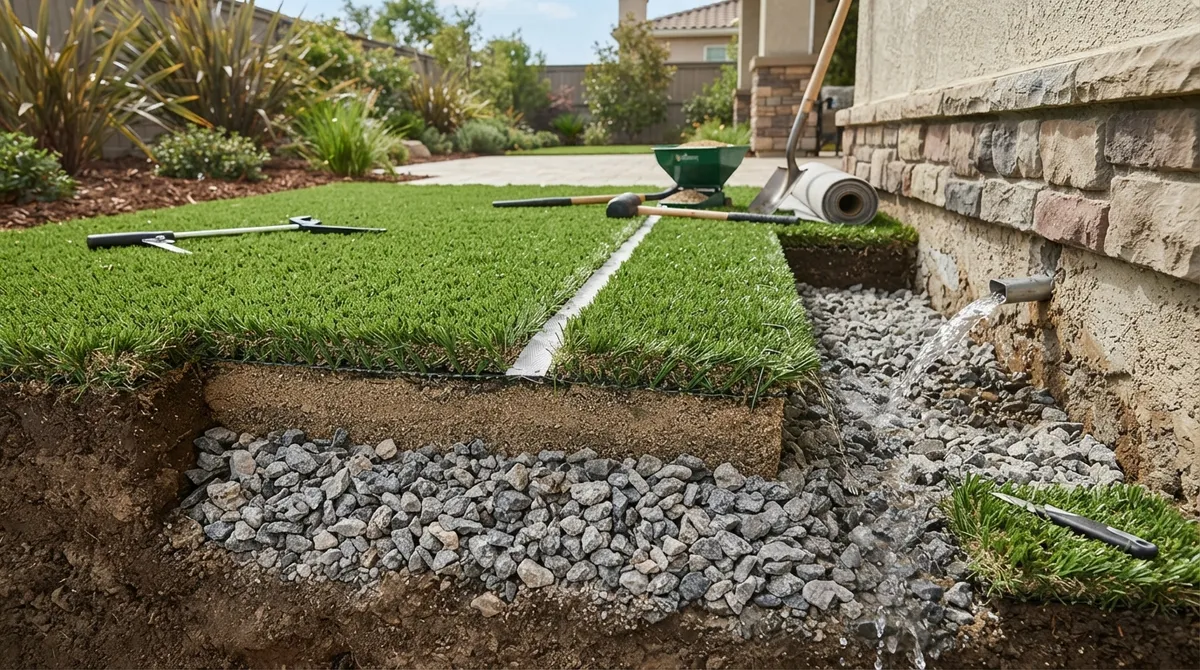
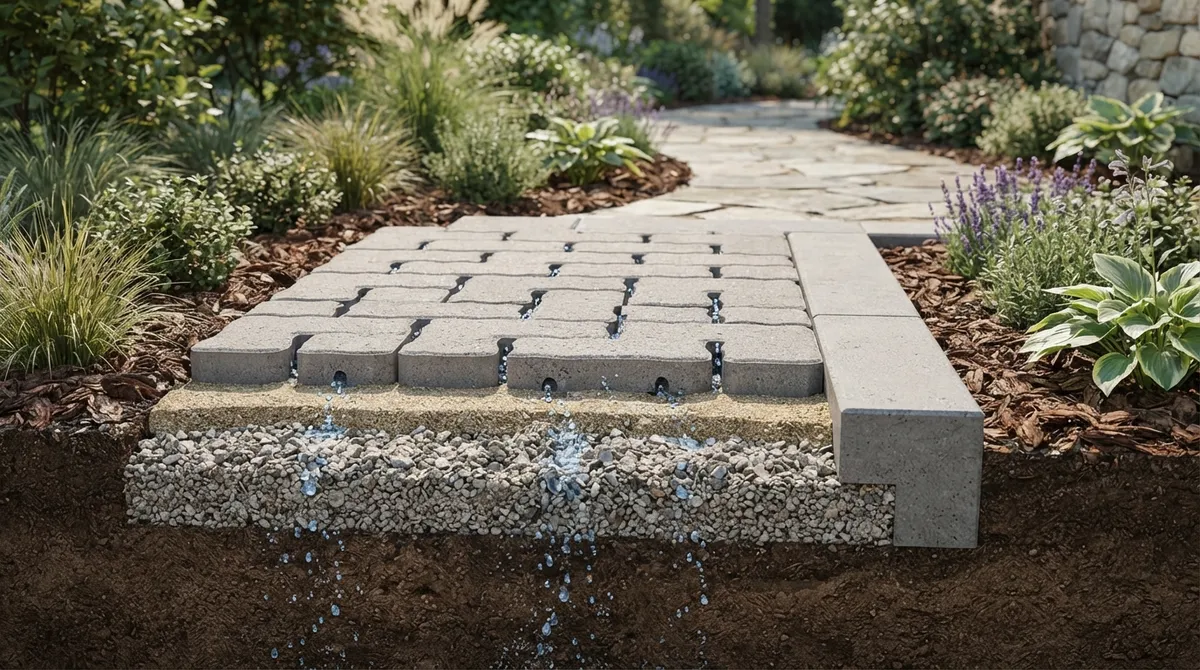
This is one of the most critical steps in segmental retaining wall installation. Poor drainage is the number one cause of retaining wall failure. A perforated drain pipe is typically placed behind the wall at the base, surrounded by crushed stone. This system directs water away from the wall and prevents hydrostatic pressure from building up behind it. Many landscaping sources emphasize that proper drainage prevents shifting and long-term structural issues. You can also learn how retaining walls compare to dedicated drainage systems in this article: Retaining Walls vs. Drainage Systems: Which Wins for Stormwater?
Step 6: Geogrid Reinforcement (When Needed)
For walls taller than about 4 feet, geogrid reinforcement is often required. Geogrid is a grid-like material that gets embedded into the soil and connected to the wall blocks. It essentially anchors the wall to the earth behind it, dramatically increasing its strength. Layers of geogrid are added at specific intervals as the wall height increases. ICPI Certified Installers follow industry guidelines to determine when and how geogrid should be used based on wall height and soil conditions.
Step 7: Backfill and Final Grading
Once the wall is built, the area behind it is backfilled with compactable gravel and then topsoil. The area is graded to direct water away from the wall. Cap blocks are placed on top to give the wall a finished, polished look. Finally, the surrounding landscape is cleaned up and prepared for plants, sod, or other features.
The Full Installation Process at a Glance
Here’s a numbered summary of the complete segmental retaining wall installation process for easy reference:
- Site evaluation and design planning
- Permit acquisition (if required)
- Excavation of the wall trench
- Base preparation with compacted crushed stone
- First course placement (perfectly level)
- Block-by-block wall construction with proper batter
- Drainage pipe installation behind the wall
- Geogrid reinforcement layers (for taller walls)
- Backfill, grading, and cap block installation
How Long Does Segmental Retaining Wall Installation Take?
For most standard residential projects, segmental retaining wall installation takes approximately 3 to 5 days. This timeline covers excavation, base prep, block placement, drainage work, and cleanup. More complex projects — those with taller walls, challenging terrain, or geogrid requirements — can take longer.
Commercial projects, such as those involving slope stabilization for parking lots or larger site development, may require additional planning and time. If you’re curious about what a commercial retaining wall project involves, this article explains it well: What Does a Commercial Retaining Wall Contractor Actually Do?
Materials Used in Segmental Retaining Walls
The most common material for segmental retaining walls is concrete block. These blocks are engineered for strength, durability, and a consistent appearance. Here are the main material options and their characteristics:
| Material | Pros | Cons |
|---|---|---|
| Concrete Segmental Blocks | Affordable, uniform, wide color range, durable | Can look less natural than stone |
| Natural Stone | Beautiful, unique appearance, highly durable | More expensive, harder to source and install |
| Precast Modular Blocks | Strong, consistent, good for taller walls | Heavier, may require equipment to install |
For most residential and commercial landscaping projects in the Chicago area, concrete segmental blocks offer the best balance of value, durability, and curb appeal. To explore whether natural stone might be right for your project, check out: How to Choose Natural Stone Commercial Retaining Walls.
What Can You Do With the Space a Retaining Wall Creates?
One of the most exciting parts of a segmental retaining wall installation is what comes after — the beautiful, functional space it creates. Here are some popular ways our clients use their newly leveled areas:
- Garden beds filled with seasonal plantings and perennials
- Patio spaces for outdoor seating and entertaining
- Fire pit areas for cozy evenings outdoors (see our fire pit services)
- Decorative borders to define outdoor rooms
- Accessible walkways connecting different yard levels
- Softscape features like ornamental grasses and flowering shrubs (explore our softscape services)
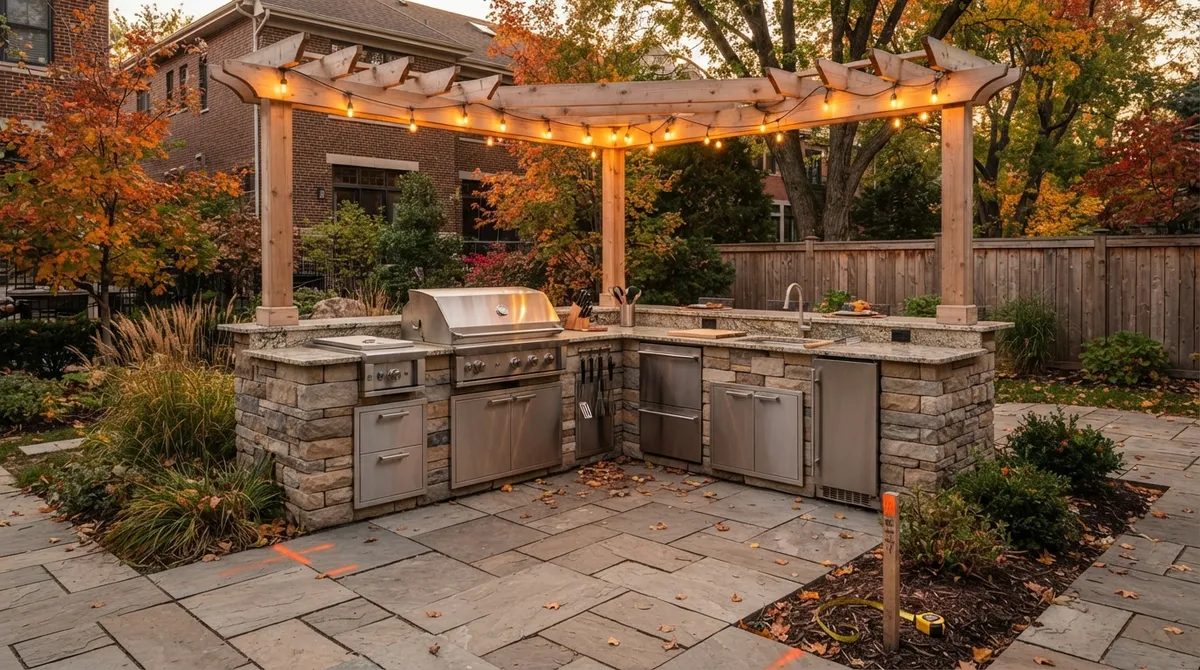
Pairing a retaining wall with beautiful paver surfaces is a classic combination that turns a sloped yard into a magazine-worthy outdoor living space. And of course, adding landscape lighting to your retaining wall creates a stunning effect at night.
Common Mistakes to Avoid During Installation
Even experienced DIYers can run into trouble with retaining wall projects. Here are the most common mistakes to avoid:
- Skipping drainage: This is the most frequent cause of wall failure. Always install a proper drainage system behind the wall.
- Inadequate base preparation: A shallow or uncompacted base leads to settling and shifting over time.
- Not accounting for soil pressure: Heavier, clay-based soils put more pressure on walls — this affects design choices significantly, and Chicago-area soils often include heavy clay.
- Skipping geogrid on taller walls: Walls above 4 feet need reinforcement. Skipping this step is risky.
- Ignoring permits: Building without required permits can lead to fines and forced removal.
For more hardscaping pitfalls to watch out for, this article is a great read: 7 Hardscaping Mistakes to Avoid in Your Outdoor Space. The Landscape Illinois association also provides helpful resources on local regulations and industry best practices for Illinois homeowners and contractors.
Why Professional Installation Matters
You might be tempted to tackle a small retaining wall yourself. And for very low, decorative walls (under 2 feet), DIY is sometimes manageable. But for anything taller or more structurally demanding, professional installation is strongly recommended.
A professional landscaping team brings:
- Experience with soil conditions specific to the Chicago area, including heavy clay soils
- Proper equipment for excavation and compaction
- Knowledge of local permit requirements
- Expertise in drainage design to prevent future problems
- Warranty and accountability for the finished work
At Serenity Landscape Group, we’ve been installing segmental retaining walls and hardscaping features throughout the greater Chicago area for over two decades. We understand the unique challenges of local soil, climate, and terrain — and we bring that experience to every project. Whether you need a small garden wall or a large-scale commercial slope stabilization, our team handles every detail from design to final cleanup.
Want to see examples of our retaining wall work? Browse our gallery of our work for inspiration.
Ready to Transform Your Yard With a Segmental Retaining Wall?
A segmental retaining wall installation is one of the smartest investments you can make for your property. It solves real problems — erosion, unusable slopes, poor drainage — while adding beauty, structure, and value to your landscape. Whether you’re envisioning a tiered garden, a flat patio space, or a polished commercial property entrance, the right retaining wall makes it possible.
If you’re ready to take the next step, our team at Serenity Landscape Group would love to chat about your project. Request your free estimate today and let’s start turning that slope into something spectacular. You can also call us at (630) 359-5139 — we’re always happy to answer questions and help you plan your ideal outdoor space.
FAQs
Q: What is a segmental retaining wall in landscaping?
A: A segmental retaining wall is a structure made from interlocking concrete blocks used to hold back soil on slopes, control erosion, and create flat, usable areas in your landscape. They’re popular in residential and commercial landscaping because they’re durable, attractive, and available in many styles to match your property.
Q: Do segmental retaining walls need drainage?
A: Absolutely — drainage is one of the most critical parts of a successful segmental retaining wall installation! Without proper drainage, water pressure builds up behind the wall and can cause it to shift, crack, or even collapse over time. A perforated drain pipe surrounded by crushed stone is typically installed behind the wall to direct water away safely.
Q: When does a retaining wall need geogrid reinforcement?
A: Geogrid reinforcement is generally recommended for retaining walls taller than about 4 feet. This grid-like material is embedded into the soil and connected to the wall blocks, anchoring the wall into the hillside for added strength. Your landscaping contractor will evaluate the wall height and soil conditions to determine if geogrid is needed for your specific project.
Q: How long does segmental retaining wall installation take?
A: Most standard residential segmental retaining wall projects take about 3 to 5 days to complete from start to finish. This includes excavation, base preparation, block placement, drainage installation, and cleanup. Larger or more complex projects — like commercial properties or walls requiring geogrid — may take additional time.
Q: Do I need a permit for a retaining wall installation in the Chicago area?
A: It depends on the height of the wall and your specific municipality’s rules — many Chicago-area communities require permits for retaining walls above a certain height, typically 3 to 4 feet. A professional landscaping contractor can help you navigate local permit requirements before the project begins, saving you headaches down the road!