Key Takeaways
-
Properly engineered retaining walls last 50+ years by correctly calculating lateral earth pressure, overturning forces, and sliding resistance; Chicago’s freeze-thaw cycles make professional engineering especially critical to prevent winter damage.
-
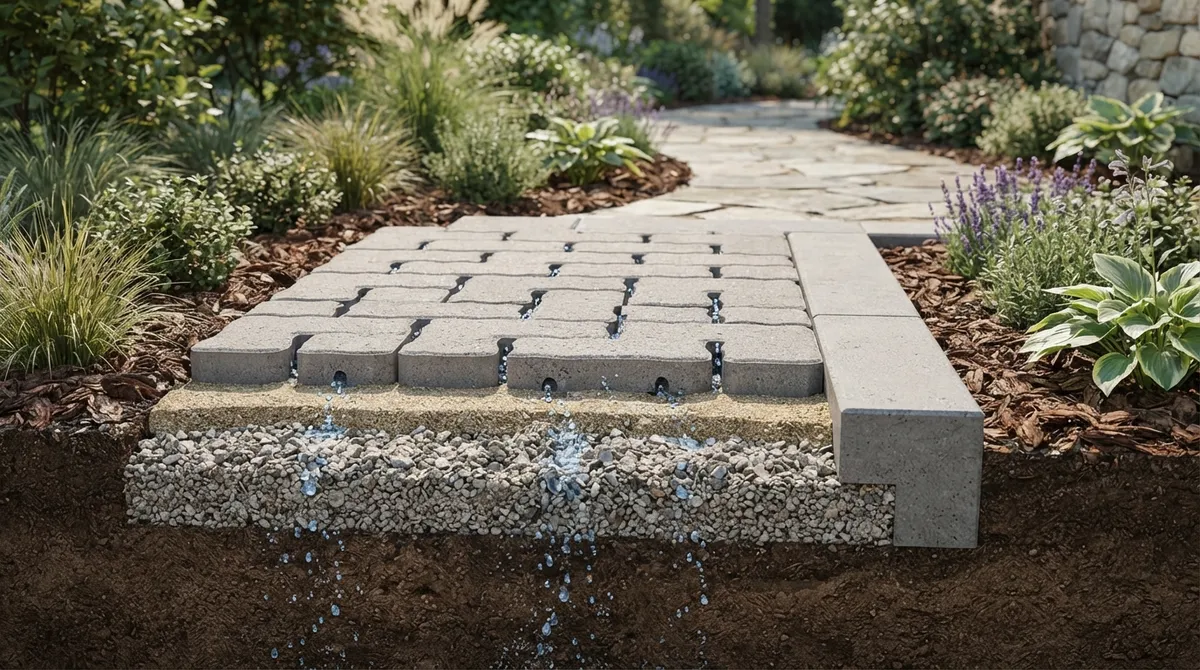
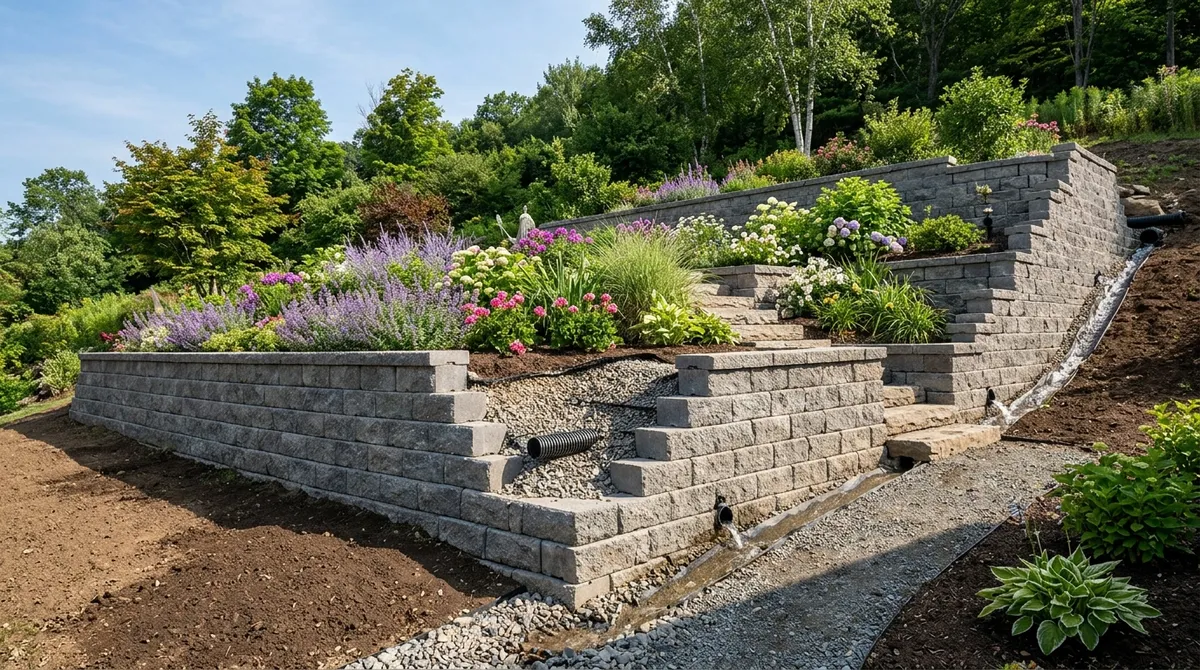
Drainage is the primary threat to retaining wall failure—water trapped behind walls creates hydrostatic pressure that can push over even well-built structures; essential solutions include gravel backfill, perforated drain pipes, and weep holes.
-
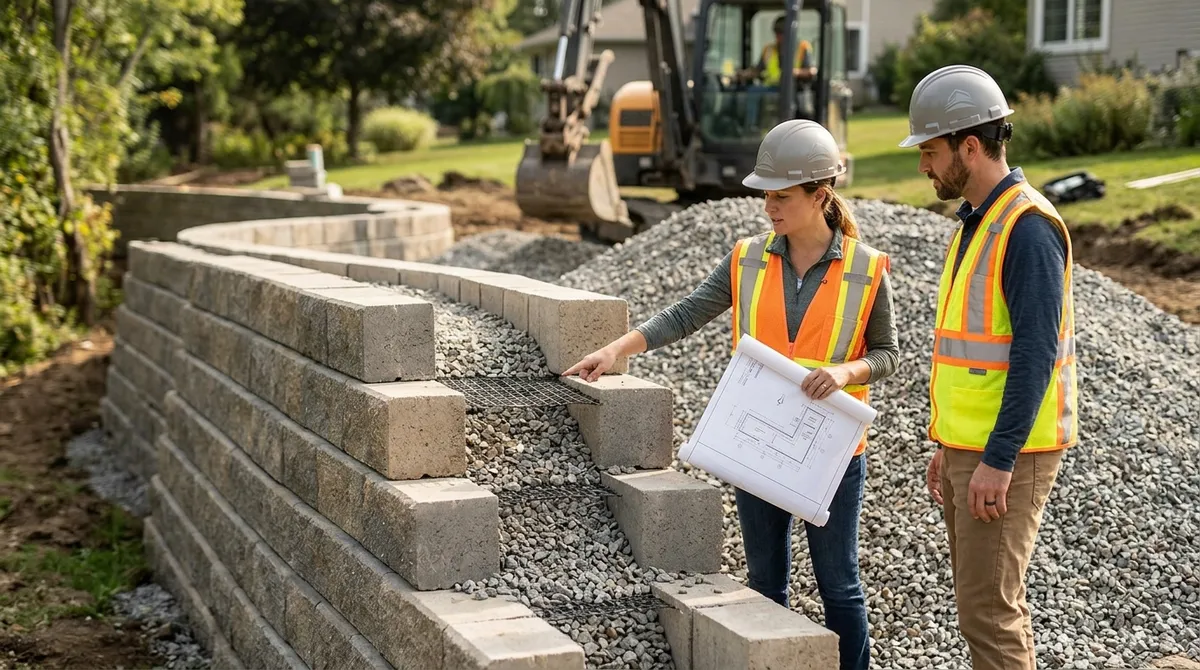
Walls over 4 feet tall typically require building permits and formal engineering review; engaging both structural engineers for design/permits and experienced landscaping contractors for installation is strongly recommended for taller or complex projects.
-
The engineering process takes 4-8 weeks total: 1-2 days site assessment, 1-3 weeks structural design, and 2-4 weeks permit approval before construction begins; proper planning prevents costly repairs later.
-
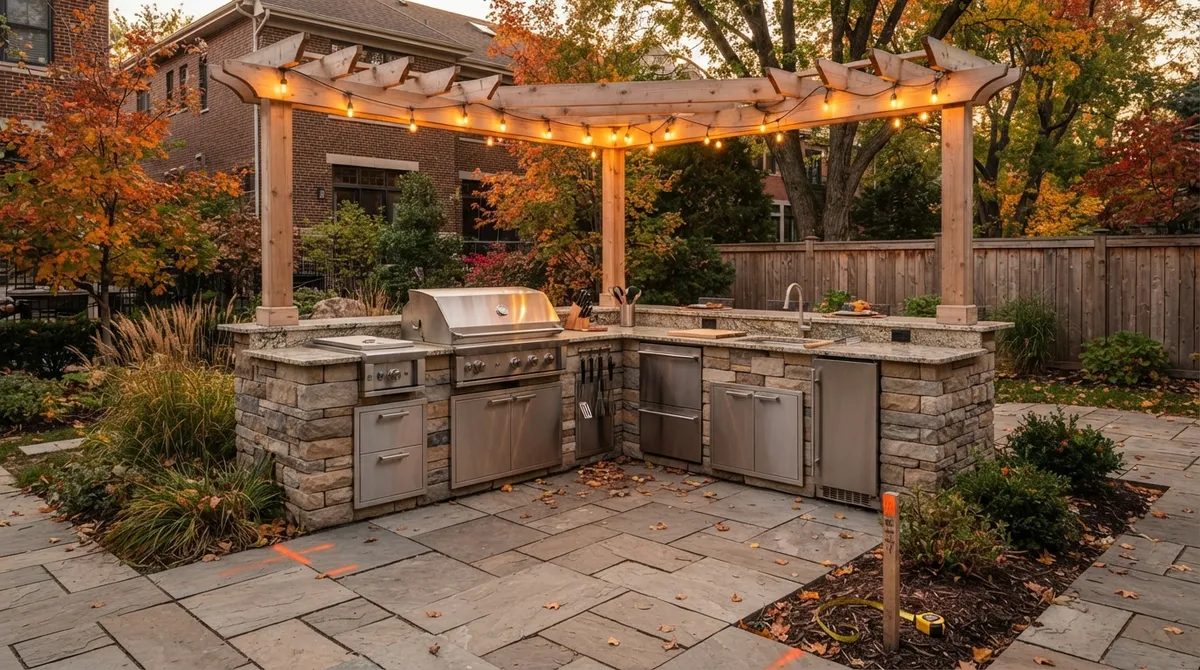
Properly engineered retaining walls create usable outdoor space by terracing steep slopes for patios, gardens, and pools while managing erosion and adding curb appeal; they’re among the most powerful landscaping tools available.
-
Choose contractors with local expertise in clay soil and freeze-thaw conditions, demonstrated knowledge of local permitting requirements, transparent drainage planning in every proposal, and a portfolio of similar completed projects to review.
If your yard has a slope, you’ve probably noticed what happens when it rains. Water runs downhill, soil shifts, and your beautiful landscaping can end up looking like a mudslide. That’s where retaining wall engineering services come in. These services combine smart design, soil science, and structural planning to build walls that hold everything in place—safely and beautifully. Whether you’re a homeowner in the Chicago suburbs, a commercial property manager, or a developer building new homes in Aurora, understanding how retaining wall engineering works can save you time, money, and a lot of headaches down the road. Let’s break it all down in plain English.
What Are Retaining Wall Engineering Services?
Retaining wall engineering services cover everything that happens before a single block is placed in the ground. Think of it as the planning phase that makes sure your wall stands strong for decades. These services typically include site assessment, soil evaluation, structural calculations, drainage design, and permit support. For more background on whether you even need a retaining wall, check out what a retaining wall is and whether you need one.
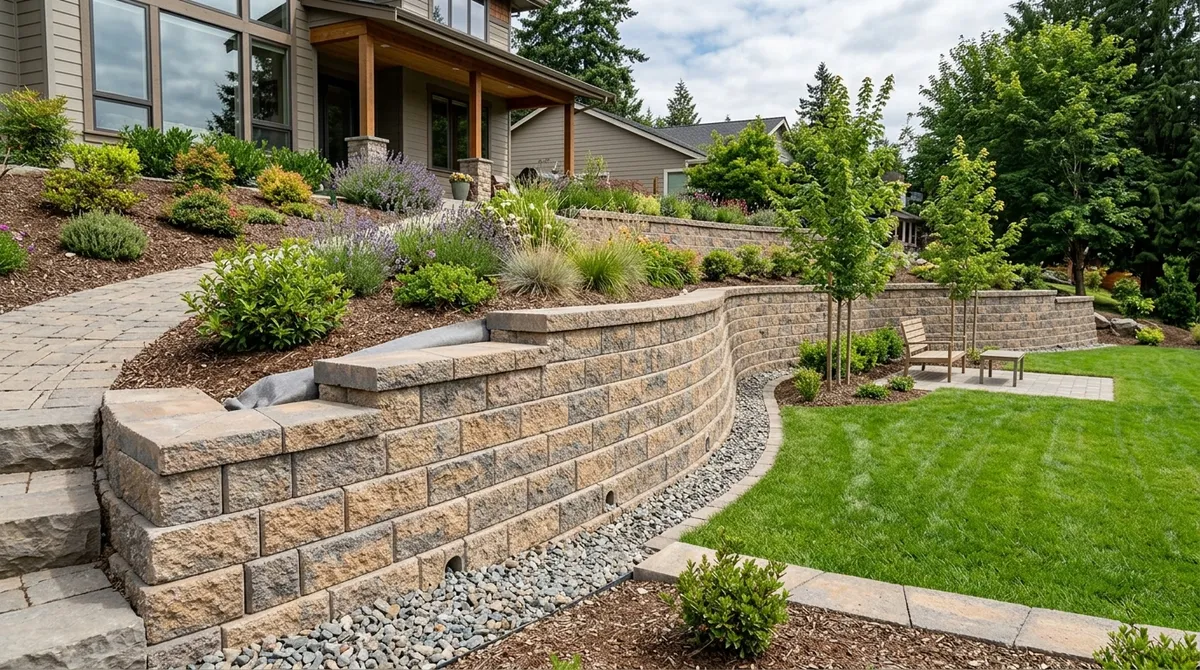
In landscaping, retaining walls do several important jobs. They stabilize slopes, prevent erosion, create terraces, and open up flat usable space for patios, gardens, and pools. Without proper engineering behind them, even a beautifully built wall can fail. And a failed wall doesn’t just look bad—it can be dangerous and expensive to fix.
Why Engineering Matters for Your Retaining Wall
A retaining wall isn’t just a stack of blocks or stones. It has to resist real forces pushing against it every single day. Engineers design walls to handle lateral earth pressure (the weight of soil pushing sideways), overturning forces, and sliding. In some regions, seismic forces matter too. Getting this math right is what keeps your wall standing for 50+ years instead of cracking after the first hard winter.
Chicago’s clay-heavy soil and freeze-thaw cycles make this especially important. Soil that expands in winter and contracts in summer puts extra stress on any structure. That’s why working with experienced professionals—like the team at Serenity Landscape Group’s retaining wall services—makes such a big difference here in Chicagoland.
According to industry professionals, walls over 4 feet high often require building permits and formal engineering review. Even if your local code doesn’t mandate it, having an engineer involved in taller or more complex walls is simply smart practice. You can learn more about industry standards through Landscape Illinois, a great resource for Illinois landscaping professionals and homeowners alike.
What Does the Engineering Process Look Like?
Most people are surprised by how methodical the process is. Here’s a step-by-step look at what retaining wall engineering typically involves:
- Site Assessment (1–2 days): A professional visits your property to evaluate the slope, existing drainage patterns, soil type, and any structures nearby. This sets the foundation for every decision that follows.
- Soil Evaluation: Soil samples may be taken to understand bearing capacity, moisture content, and how the ground behaves under load. Clay, sandy soil, and loam all behave very differently.
- Structural Design (1–3 weeks): Engineers calculate the wall height, thickness, footing depth, and reinforcement needed. They also design the drainage system that will run behind the wall.
- Permit Application Support: Your contractor or engineer prepares the drawings and documentation needed to get local building permits. Permit approval often takes 2–4 weeks depending on your municipality.
- Construction Handoff: The approved plans go to your landscaping contractor for installation. A good contractor follows the engineered plans precisely to ensure safety and code compliance.
If you’re curious about how a professional landscaping team manages this kind of project from start to finish, take a look at how Serenity Landscape Group approaches each project.
Drainage: The Hidden Hero of Every Retaining Wall
Here’s something most people don’t think about: water is the number one enemy of retaining walls. When water gets trapped behind a wall, it builds up what engineers call hydrostatic pressure. That pressure can literally push a wall over, even a well-built one.
Good retaining wall engineering always includes a drainage plan. Common drainage solutions include:
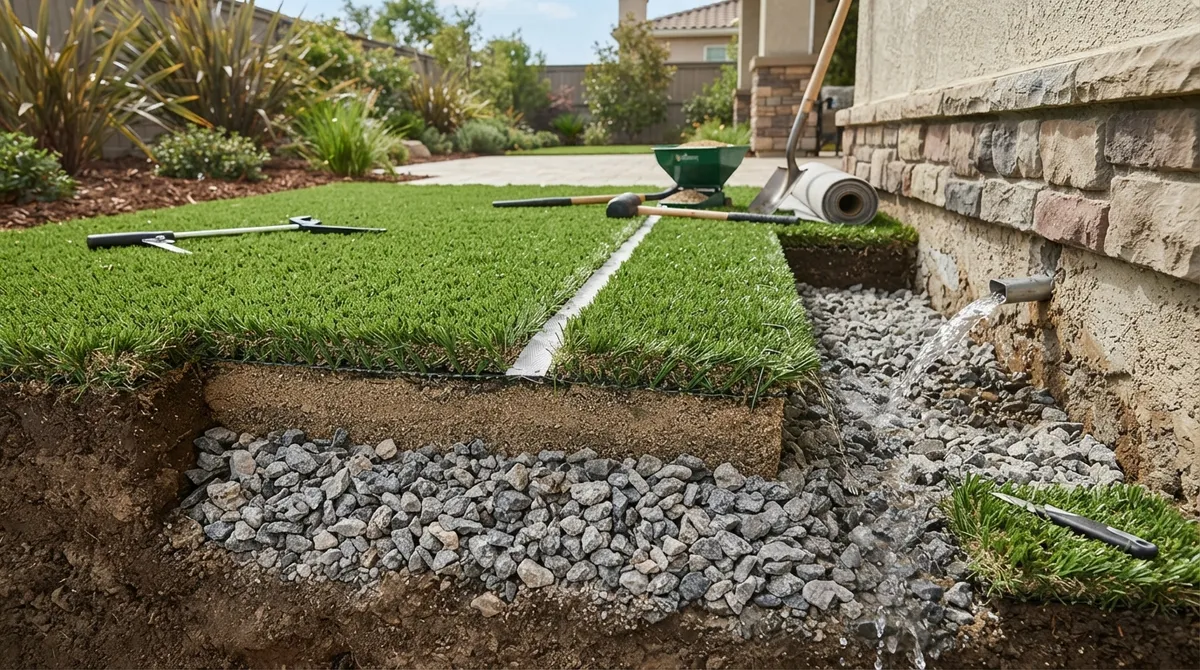
- Gravel backfill behind the wall to let water flow freely
- Perforated drainage pipes (often called drain tile) to carry water away
- Weep holes in the wall face to release pressure
- Swales or surface grading to direct runoff away from the wall base
In the Chicago area, where heavy spring rains and snowmelt are facts of life, drainage design isn’t optional—it’s essential. For a deeper dive into how drainage and retaining structures work together, explore retaining walls vs. drainage systems for stormwater management.
Types of Retaining Walls Commonly Used in Landscaping
Engineering services apply to all kinds of retaining walls. The right type depends on your soil, slope height, budget, and aesthetic goals. Here’s a quick comparison to help you understand your options:
| Wall Type | Best For | Key Advantage | Engineering Need |
|---|---|---|---|
| Segmental Block Walls | Residential yards, terracing | Affordable, flexible design | Moderate (engineer for taller walls) |
| Natural Stone Walls | Aesthetic-focused projects | Beautiful, durable, natural look | Moderate to high |
| Concrete Block Walls | Commercial properties, high loads | High strength, long lifespan | High (usually requires engineer) |
| Gabion Walls | Erosion control, large slopes | Excellent drainage built in | Moderate to high |
| Gravity Walls | Short slopes, decorative borders | Simple construction, no reinforcement | Low to moderate |
Want to learn more about specific wall types? Cantilever vs. gravity retaining walls is a great place to start. You can also explore how to choose natural stone retaining walls for a more aesthetic-focused perspective.
Do You Need a Structural Engineer or a Landscaping Contractor?
This is one of the most common questions homeowners and property managers ask. The short answer: often both. Here’s how the roles break down:
- Structural engineers handle the calculations, designs, and permit documentation. They ensure the wall is structurally safe and code-compliant.
- Landscaping contractors handle the actual installation—grading, excavation, material placement, and finishing touches.
- For small walls under 4 feet, an experienced landscaping contractor with retaining wall expertise may handle the project without a separate engineer.
- For taller, more complex, or commercial projects, bringing in both professionals is strongly recommended.
At Serenity Landscape Group, we’ve spent over two decades helping Chicago-area clients navigate exactly this kind of decision. We coordinate with structural engineers when needed and manage the entire process so you don’t have to juggle multiple contractors. Learn more about our team and experience.
For projects involving commercial properties, it’s also worth understanding what a commercial retaining wall contractor actually does so you know what to expect throughout the process.
Retaining Walls That Transform Your Outdoor Space
Beyond the engineering, retaining walls are one of the most powerful landscaping tools available. A properly engineered wall doesn’t just hold soil in place—it creates new possibilities for your outdoor space. Here are some of the most popular ways homeowners and businesses use engineered retaining walls:
- Creating flat terraced areas on steep slopes for gardens, patios, or play spaces
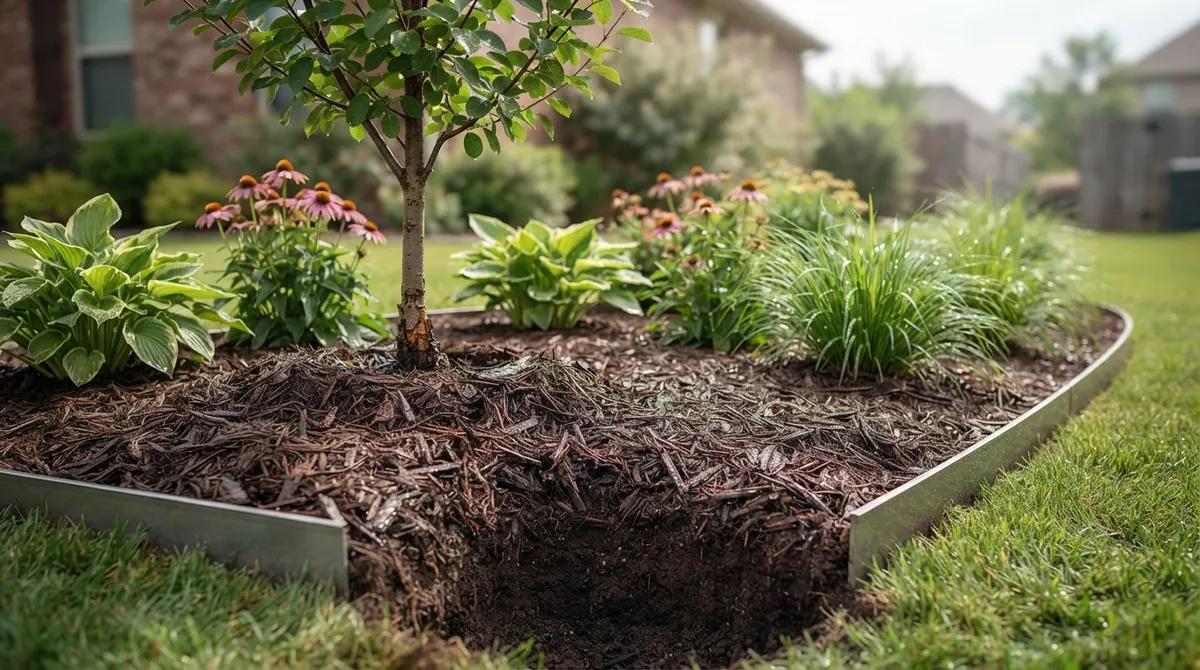
- Building raised planting beds with built-in drainage for healthier plants
- Defining outdoor living zones around fire pits, seating areas, or pool decks
- Managing erosion along driveways, parking lots, and commercial properties
- Adding visual structure and curb appeal to otherwise plain slopes
If you’re dreaming about what your sloped yard could become, check out why retaining walls transform sloped yards into usable spaces. And if you want to see how pavers and retaining walls work together for stunning outdoor designs, browse our gallery of completed projects.
The ICPI Certified Installer program is also a helpful resource when evaluating contractors—it sets industry standards for hardscape installation quality.
How to Choose the Right Retaining Wall Engineering Partner
Not all contractors are created equal when it comes to engineered retaining walls. Here’s what to look for when selecting a partner for your project:
- Experience with local soil and climate: Chicago’s clay soil and freeze-thaw conditions demand specific expertise. Ask how many similar projects they’ve completed in the area.
- Knowledge of local permitting: A good contractor knows which walls require permits in your municipality and handles the paperwork for you.
- Transparent drainage planning: Make sure drainage is part of every proposal—not an afterthought.
- Clear communication throughout: You should always know what’s happening, when, and why. Look for a team that keeps you informed at every stage.
- A portfolio you can review: Seeing real completed projects builds confidence. Ask to see examples of walls similar to your project.
Want to avoid common project mistakes? Read about hardscaping mistakes to avoid in your outdoor space before you get started. You can also explore grading and retaining wall mistakes that cost you for commercial property insights.
What Does It Cost and How Long Does It Take?
Costs for retaining wall engineering services vary based on wall height, length, materials, and project complexity. Here’s a general timeline breakdown to set your expectations:
| Project Phase | Typical Timeline |
|---|---|
| Initial site assessment | 1–2 days |
| Structural design and calculations | 1–3 weeks |
| Permit application and approval | 2–4 weeks |
| Wall construction (residential) | 1–2 weeks (varies by size) |
The best way to get an accurate cost estimate is to have a professional assess your specific site. Every slope is different, every soil type is different, and every project has unique variables. Request a free estimate from our team and we’ll walk you through exactly what your project needs.
Ready to Build a Retaining Wall That Lasts?
A well-engineered retaining wall is one of the best investments you can make in your property. It protects your soil, expands your usable outdoor space, and adds lasting beauty to your landscape. Whether you’re managing a sloped backyard in Naperville, a commercial property in downtown Chicago, or a new development in Aurora, getting the engineering right from the start is what makes the difference between a wall that lasts 50+ years and one that needs costly repairs in just a few seasons.
If you’re ready to take the next step, we’d love to help. Get in touch with Serenity Landscape Group for your free estimate, or feel free to call us directly at (630) 359-5139. Let’s build something beautiful—and built to last.
FAQs
Q: What does retaining wall engineering include for landscaping projects?
A: Retaining wall engineering services typically cover site assessment, soil evaluation, structural calculations, drainage design, and permit support. Think of it as the planning blueprint that makes sure your wall is safe, code-compliant, and built to last for decades—not just a few seasons!
Q: Do I need an engineer for a retaining wall in my yard?
A: It depends on the wall’s height and complexity. Many jurisdictions require permits and engineering review for walls over 4 feet tall. Even when it’s not required, having an engineer involved in taller or more complex walls is a really smart move for your safety and peace of mind.
Q: How does drainage affect retaining wall design?
A: Drainage is absolutely critical! Water trapped behind a wall builds up hydrostatic pressure that can push even a well-built wall over time. Good retaining wall engineering always includes a drainage plan—think gravel backfill, perforated drain pipes, and weep holes—to keep that water moving safely away.
Q: How long does it take to design and permit a retaining wall?
A: A typical timeline includes 1–2 days for site assessment, 1–3 weeks for structural design, and 2–4 weeks for permit approval—so plan for roughly 4–8 weeks before construction begins. Working with an experienced contractor who knows local permit requirements can help speed things along!
Q: How long will a properly engineered retaining wall last?
A: When designed and built correctly with good drainage and quality materials, a retaining wall can last 50+ years. Of course, local soil conditions, climate, and regular maintenance all play a role—but starting with solid engineering is the best way to protect your investment long-term.