Key Takeaways
-
Average artificial grass installation costs $15-$19 per square foot professionally installed; a typical 500 sq ft lawn runs $7,400-$9,350 including mid-quality materials and labor.
-
Material costs ($4-$6/sq ft) and labor ($4-$7/sq ft) make up most of your budget, but plan additional expenses like grass removal ($0.88-$1.84/sq ft) and edging ($2-$11.50/linear ft).
-
Sloped or irregular yards cost 15-60% more due to extra grading and seaming work; flat, standard layouts are most affordable and should be confirmed during a professional site visit.
-
Upgrade to nylon turf (+20%) or premium synthetic grass (+20% more) is worthwhile for high-traffic areas with kids or pets, but mid-range turf works fine for low-use spaces.
-
DIY installation saves $3,000-$11,000 but risks drainage problems and wrinkles; professional installation on larger or complex yards provides warranty protection and pays off long-term.
-
Annual maintenance costs $250-$350 versus natural grass expenses; artificial turf typically pays for itself in 2.5-5 years through reduced watering, mowing, and lawn care costs.
Thinking about swapping your patchy, thirsty lawn for something greener that stays green? You’re not alone. So many Chicago homeowners ask us the same question: what’s the real cost for installing artificial grass? It’s a fair question, and honestly, one you deserve a clear answer to before you spend a single dollar.
The good news is that artificial grass pricing isn’t some mysterious secret. Once you understand the main factors, you can budget with confidence. In this guide, we’ll walk through real numbers, break down what affects your price, and help you figure out if synthetic turf is the right move for your home or business. Grab a coffee, and let’s dig in together.
What Is the Average Cost for Installing Artificial Grass
Let’s start with the number everyone wants: the average cost for installing artificial grass runs between $15 and $19 per square foot. That price covers mid-quality turf materials plus professional labor, which is the sweet spot most homeowners choose.
For a typical 500 square foot residential lawn, you’re looking at a total between $7,400 and $9,350. That price assumes a fairly standard, flat yard without major site prep or fancy edging upgrades. If your project is bigger or smaller, just scale that per-square-foot number up or down.
Here in the Chicago area, prices tend to land right around the national average, though harsher winters and clay-heavy soils can sometimes add a bit to site preparation. If you’re comparing notes with friends in other cities, know that costs vary. For example, New York homeowners often pay $17 to $23 per square foot, according to recent industry data.
Breaking Down Material and Labor Costs
It helps to know where your money actually goes. Roughly speaking, mid-grade turf material runs $4 to $6 per square foot, while installation labor adds another $4 to $7 per square foot. The rest covers base materials, infill, and finishing touches.
- Turf material: $4–$6 per square foot for mid-range synthetic grass
- Labor and installation: $4–$7 per square foot for professional crews
- Base preparation: gravel, sand, and grading work
- Infill products: sand or rubber granules for cushioning and drainage
- Edging and finishing: seams, borders, and secure attachment points
When you add it all up, you can see why professional artificial turf installation costs what it does. Every layer plays a role in how your lawn looks and performs for years to come.
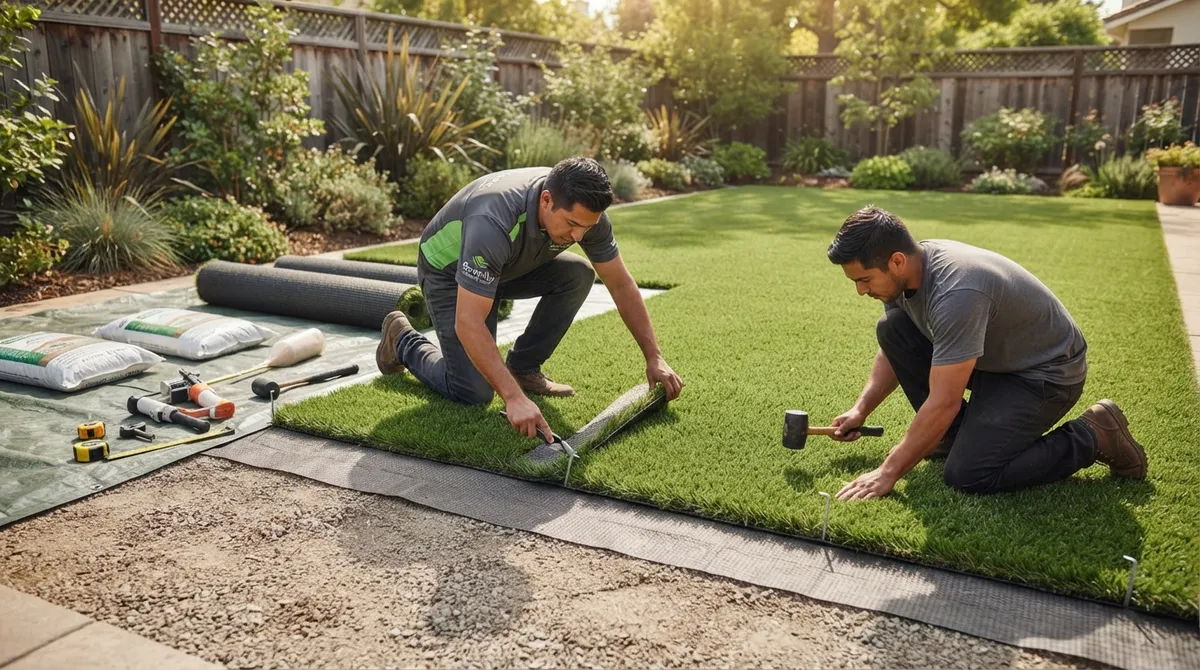
Factors That Change Your Total Price
No two yards are exactly alike, and that’s exactly why pricing varies so much from house to house. Let’s look at the biggest factors that can push your cost for installing artificial grass higher or lower.
Turf Quality Makes a Real Difference
Not all artificial grass is created equal. Choosing nylon turf, which is known for its durability and realistic feel, typically increases your installation cost by about 20%. If you want the top-tier, ultra-realistic synthetic grass, expect another 20% bump above mid-range pricing.
Is the upgrade worth it? For high-traffic areas like backyards with active kids or pets, we usually say yes. For a rarely used side yard, mid-range turf often does the job beautifully.
Site Complexity and Terrain
Flat, open yards are the easiest and cheapest to work with. But life isn’t always flat, right? Here’s how tricky terrain affects your budget:
- Sloped areas can increase installation costs by 50% to 60% due to extra grading and stabilization work
- Curved or irregular shapes add 15% to 20% because of extra cutting and seaming
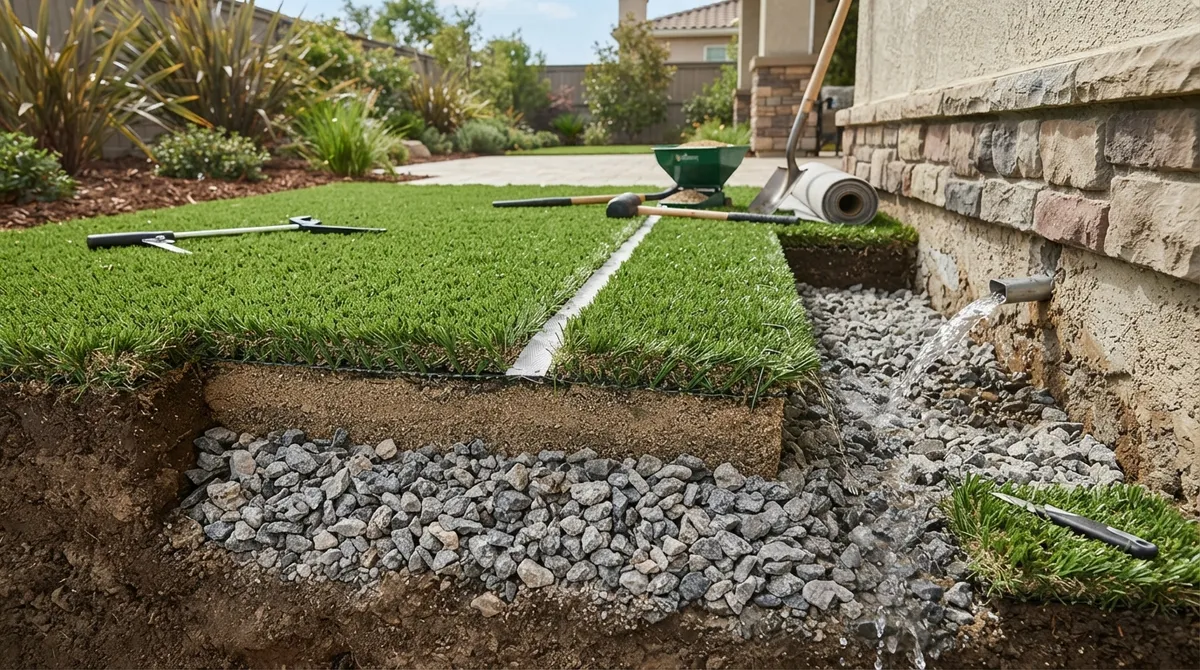
- Areas with poor drainage may need additional base work to prevent pooling
- Existing structures like tree roots or old patios can complicate removal and prep
- Rooftop or elevated spaces often require specialized drainage and lightweight base systems
If your property has a slope or unusual layout, our team walks you through it during a site visit so there are no surprises later. Learn more about our step-by-step approach on our process page.
Additional Costs You Should Plan For
Beyond the base installation price, a few extra costs tend to sneak up on homeowners. Knowing about them now means you won’t be caught off guard later.
Grass Removal and Site Prep
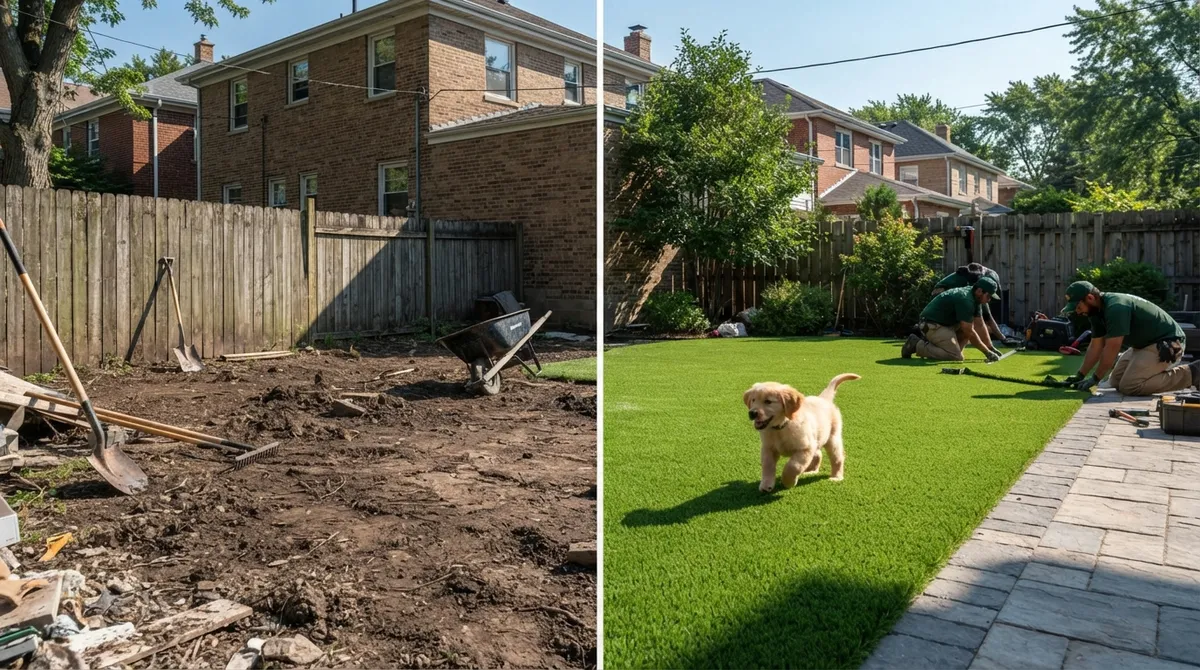
If you’re replacing an existing lawn, removing old grass and roots costs $0.88 to $1.84 per square foot. This step is important because leftover roots can poke through your new turf over time.
Landscape Edging
Edging keeps your turf looking sharp and prevents shifting at the borders. Prices range from $2 to $11.50 per linear foot, depending on whether you choose plastic, metal, or natural stone edging.
| Additional Service | Cost Range | Why It Matters |
|---|---|---|
| Grass removal | $0.88–$1.84/sq ft | Clears old roots and debris for a clean base |
| Landscape edging | $2–$11.50/linear ft | Secures turf edges and improves appearance |
| Annual maintenance | $250–$350/year | Keeps fibers upright and infill topped off |
| Slope installation upcharge | +50–60% | Covers extra grading and anchoring work |
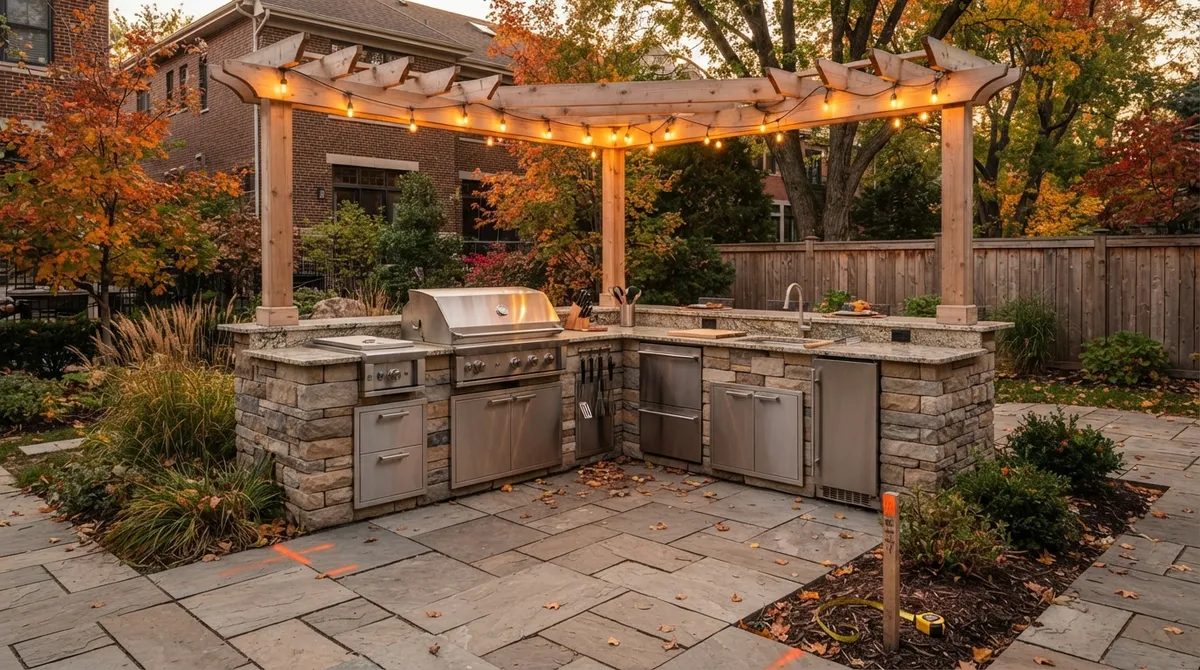
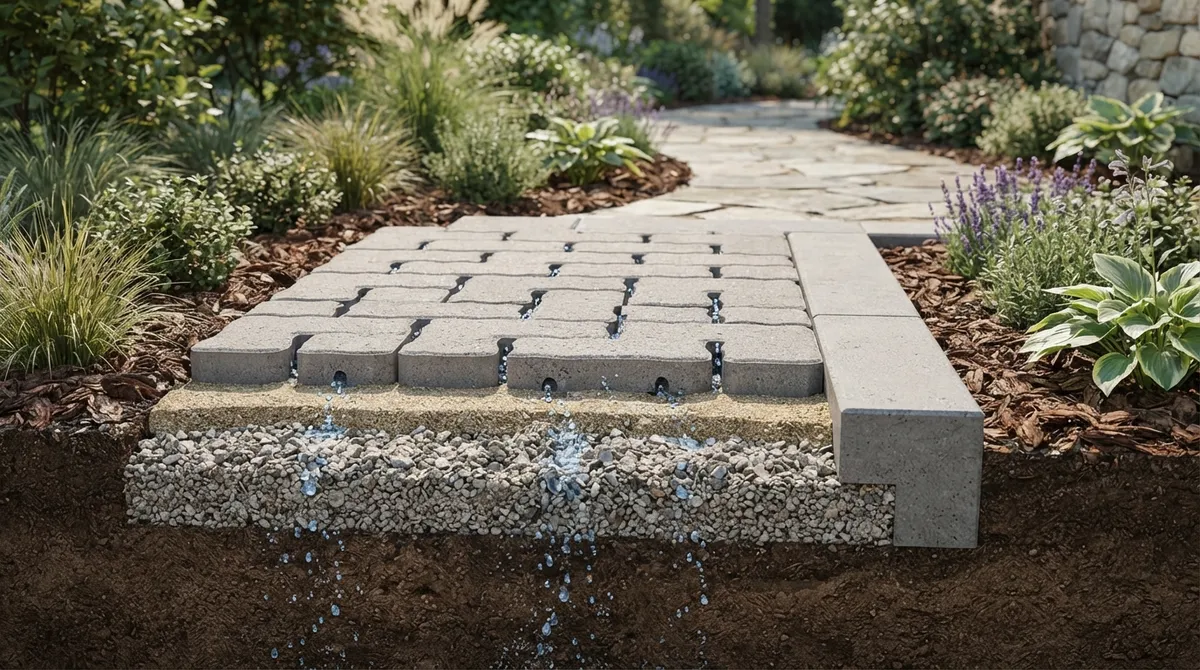
Many homeowners pair their turf project with other upgrades, like pavers for walkways or a cozy seating area near a fire pit. Bundling projects can sometimes save on overall labor costs, so it’s worth asking during your consultation.
DIY Installation vs Hiring a Professional
We get this question a lot: can I install artificial grass myself and save money? The honest answer is yes, you can save $3,000 to $11,000 by going the DIY route. But there’s a catch worth considering.
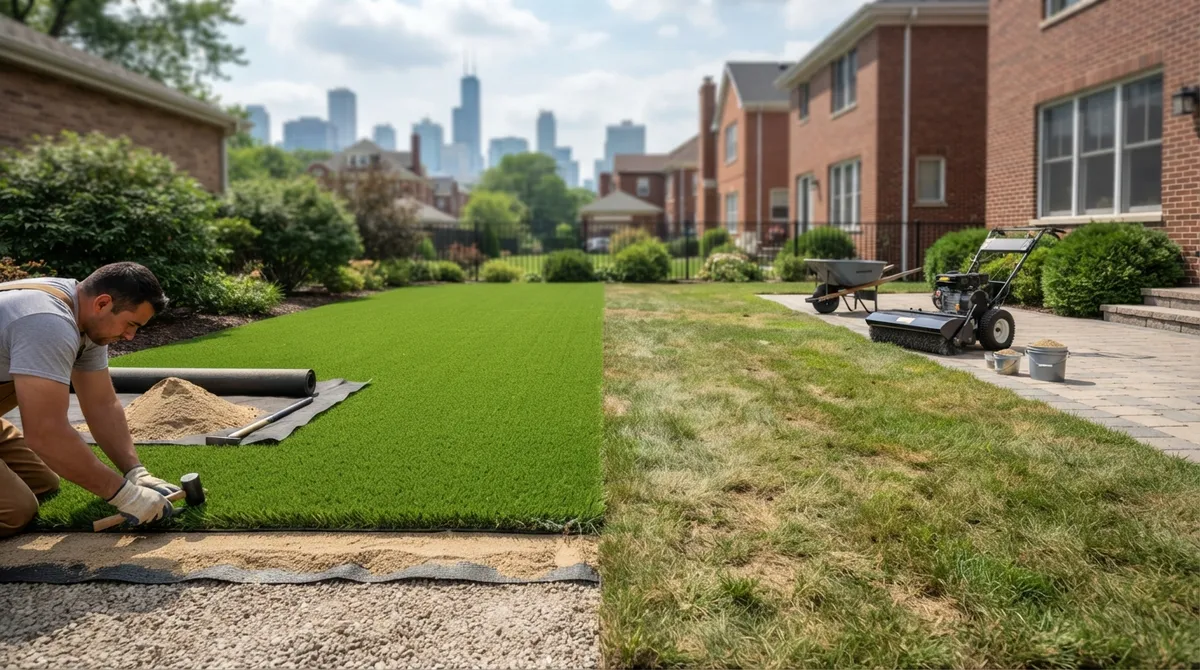
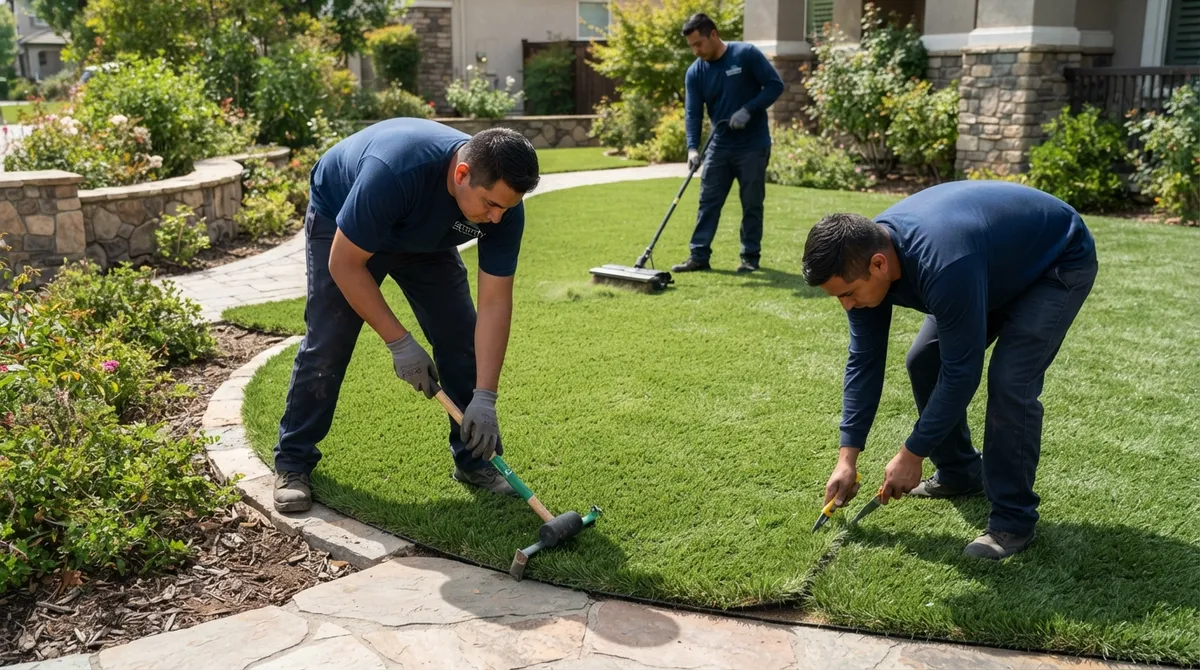
Artificial grass installation involves precise grading, proper base compaction, and careful seaming. Skip a step, and you might end up with drainage problems, wrinkles, or turf that doesn’t lay flat. Redoing a botched job often costs more than hiring a pro from the start.
When DIY Makes Sense
- Small, flat areas like a dog run or garden border
- You have experience with landscaping or construction projects
- You’re comfortable renting or buying compaction equipment
- Your timeline is flexible if things take longer than expected
When Professional Installation Is Worth It
- Large lawns or commercial properties with high foot traffic
- Sloped, curved, or oddly shaped yards
- You want warranty protection on materials and labor
- You value getting it right the first time without do-overs
Professional installers, especially those certified through organizations like the ICPI Certified Installer program, bring training that helps avoid costly mistakes. If you’d rather leave the heavy lifting to experienced hands, our guide on why choosing professional turf installation over DIY pays off dives even deeper into this comparison.
Maintenance Costs Compared to Natural Grass
One reason artificial grass appeals to busy homeowners and property managers is lower upkeep. Annual maintenance for synthetic turf runs $250 to $350, mostly for brushing fibers upright (about $165 per year) and topping off infill (around $85 per year).
Compare that to natural grass, which needs regular mowing, watering, fertilizing, and pest control. Over several years, artificial turf often pays for itself. Industry sources estimate the return on investment period lands somewhere between 2.5 and 5 years, depending on your local water rates and lawn care costs.
Simple Steps to Keep Artificial Grass Looking Great
- Brush the fibers with a stiff broom every few weeks to keep them standing tall
- Rinse the turf occasionally to remove dust and pollen
- Remove debris like leaves and branches before they decompose into the infill
- Check infill levels once or twice a year and top off as needed
- Address pet waste promptly to prevent odor buildup
For pet owners specifically, we’ve put together helpful tips in our article on cleaning artificial turf from pet waste, which covers easy routines that keep your yard fresh.
Who Benefits Most from Artificial Grass Installation
Every property owner has different needs, so let’s talk about who tends to get the most value from this investment.
Suburban Homeowners
If you’re dealing with heavy clay soil, harsh winters, or HOA landscaping standards, artificial grass offers a consistent, green look year-round without the constant battle against drainage issues.
Urban Condo Owners
Rooftop decks and small patios benefit hugely from synthetic turf. It’s lightweight, low-maintenance, and helps combat urban heat compared to bare concrete. Check out our piece on rooftop terrace turf design for inspiration.
Commercial Property Managers
Office buildings and retail centers want curb appeal without the ongoing labor costs of natural lawns. Our commercial lawn maintenance team can help you weigh synthetic versus natural options for your property.
New Home Builders
Developers appreciate turnkey landscaping that looks polished from day one and requires minimal buyer maintenance, which is a strong selling point in competitive markets.
Small Business Owners
Restaurants and retail shops use artificial grass to create pedestrian-friendly, photo-worthy spaces that stay green through every Chicago season, boosting foot traffic and ambiance.
Getting an Accurate Estimate for Your Property
Every yard is different, which is why online calculators only get you so far. The most reliable way to know your true cost for installing artificial grass is a hands-on site visit from an experienced team.
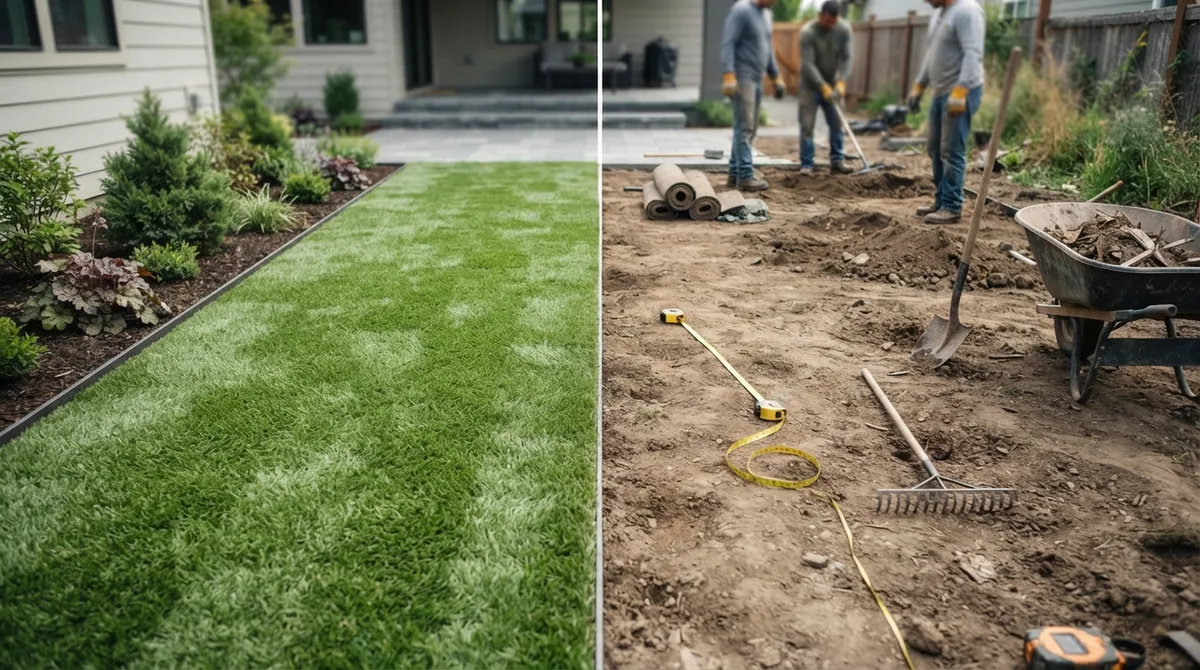
During a consultation, professionals measure your space, assess soil and drainage conditions, and discuss turf options that fit your budget and lifestyle. This is also a great time to ask about complementary upgrades like retaining walls for sloped yards or lighting and sound features to enhance your new lawn at night.
Groups like Landscape Illinois emphasize the importance of hiring trained professionals for outdoor projects, and we couldn’t agree more. Quality installation protects your investment and ensures your turf performs well for a decade or longer.
Final Thoughts on Budgeting for Artificial Grass
Understanding the cost for installing artificial grass doesn’t have to feel overwhelming. With average pricing between $15 and $19 per square foot, plus a clear picture of what affects that number, you’re now equipped to plan your project with confidence.
Whether you’re a homeowner tired of brown patches every summer or a property manager looking to boost curb appeal, synthetic turf offers a practical, beautiful solution. At Serenity Landscape Group, we’ve spent over two decades helping Chicago area families and businesses create outdoor spaces they genuinely love. We’d be honored to help you too.
Ready to see what artificial grass could look like on your property? Get a Free Estimate today, or feel free to call us at (630) 359-5139 to chat with our friendly team about your vision. We can’t wait to help you fall in love with your outdoor space all over again.
FAQs
Q: How much does it cost to install artificial grass per square foot in 2026?
A: On average, you’re looking at $15 to $19 per square foot for professional installation with mid-quality turf. This includes both materials and labor, so it’s a great starting point for budgeting your project.
Q: What is the total cost for a 500 sq ft artificial grass lawn with professional installation?
A: A typical 500 square foot lawn runs between $7,400 and $9,350 with mid-range turf. That price can shift based on your yard’s slope, shape, and any extra edging or removal work needed.
Q: Does using nylon or high-quality synthetic turf significantly increase installation costs?
A: Yes, nylon turf adds about 20% to your total cost, and premium synthetic grass can add another 20% on top of that. It’s a worthwhile upgrade for high-traffic areas, but mid-range turf works great for many yards too.
Q: How much extra do I pay for installing artificial grass on a slope or curved area?
A: Sloped areas can increase your total cost by 50% to 60% because of extra grading and anchoring work. Curved or irregular shapes typically add 15% to 20% due to additional cutting and seaming.
Q: Can I save money by installing artificial grass myself, and how much?
A: Absolutely, DIY installation can save you anywhere from $3,000 to $11,000 depending on your project size. Just keep in mind that proper site prep is crucial, since mistakes often cost more to fix than hiring a pro upfront.