Key Takeaways
-
Proper site preparation is critical for longevity—skip excavation and base compacting and your turf will look bumpy and drain poorly within a season, reducing lifespan from 15 years to just 5.
-
Choose turf type based on actual use: pet-friendly turf for dogs, cushioned turf for children’s play areas, and short-blade turf for putting greens to avoid costly disappointment.
-
Hire certified, experienced installers (look for ICPI or Landscape Illinois credentials) to avoid common problems like separating seams, curling edges, and infill washaway that plague DIY attempts.
-
Artificial turf drainage actually outperforms natural grass, critical for Chicago’s heavy spring rains and snowmelt—poor drainage leads to standing water, mold, and musty smells within months.
-
Average installation cost around $3,458 pays for itself through eliminated water bills, mowing services, and fertilizer costs; quality turf lasts 15-20 years versus constant natural grass maintenance.
-
Basic maintenance prevents long-term problems: occasional rinsing, blade brushing, debris removal, and prompt pet waste cleanup keep turf fresh and prevent odor buildup.
So you’re thinking about imitation grass installation for your Chicago-area yard? You’re going to love this journey. Whether you’re tired of muddy patches after every spring thaw or you’re just plain done with the weekend mowing routine, artificial turf might be the answer you’ve been searching for. But here’s the thing: not every installation is created equal, and a few common mistakes can turn your dream lawn into a lumpy, sad-looking headache.
We’ve spent over two decades helping homeowners and business owners across Chicagoland fall in love with their outdoor spaces again. And along the way, we’ve seen it all. The good news? Every single mistake we’re about to share is completely avoidable when you know what to look for. Let’s walk through this together, friend to friend, so your new lawn stays lush, green, and gorgeous for years to come.
Why Imitation Grass Installation Is Winning Over Chicago Homeowners
Let’s talk about why so many of your neighbors are making the switch. Imitation grass installation, often called artificial turf installation, gives you a green lawn all year round without the fuss. No more watering, no more mowing, no more fertilizing weekends away. It just sits there looking beautiful, rain or shine, snow or sun.
Modern synthetic turf has come a long way from the plastic-looking stuff of decades past. Today’s products use multiple blade shapes and color tones that mimic real grass so well, your guests might not even notice the difference. It’s a fantastic option for our unpredictable Midwest weather, where natural grass often struggles with freeze-thaw cycles and summer droughts.
If you want to see this transformation in action, check out our gallery of our work to get inspired for your own yard.
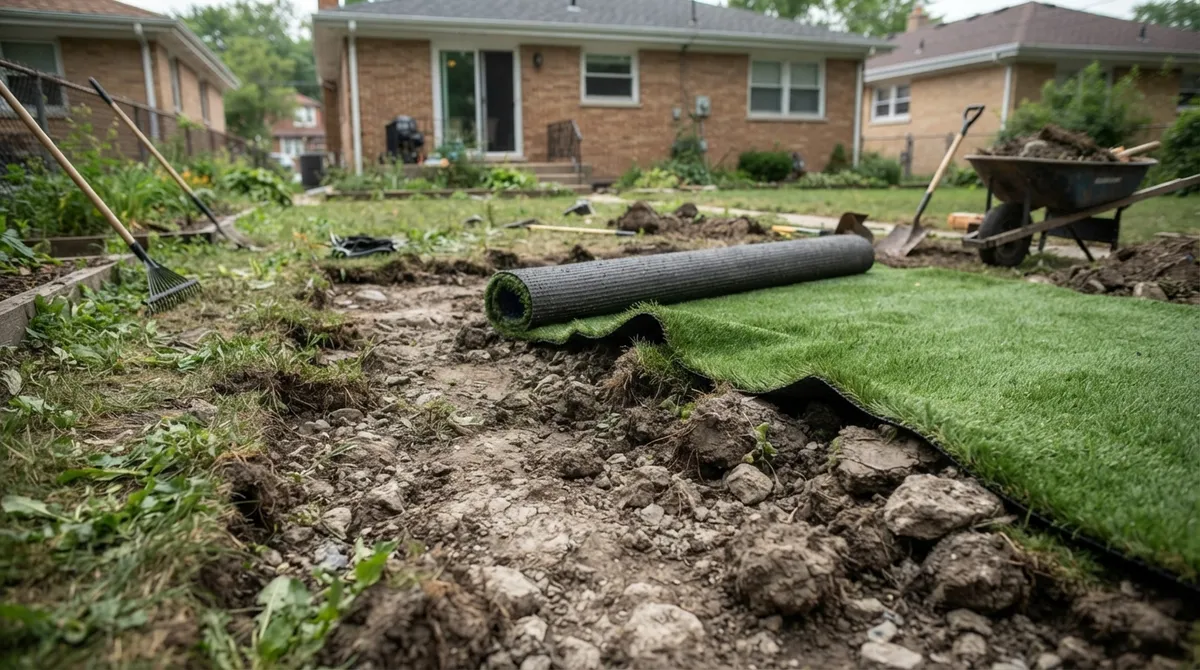
Mistake 1: Skipping Proper Site Preparation
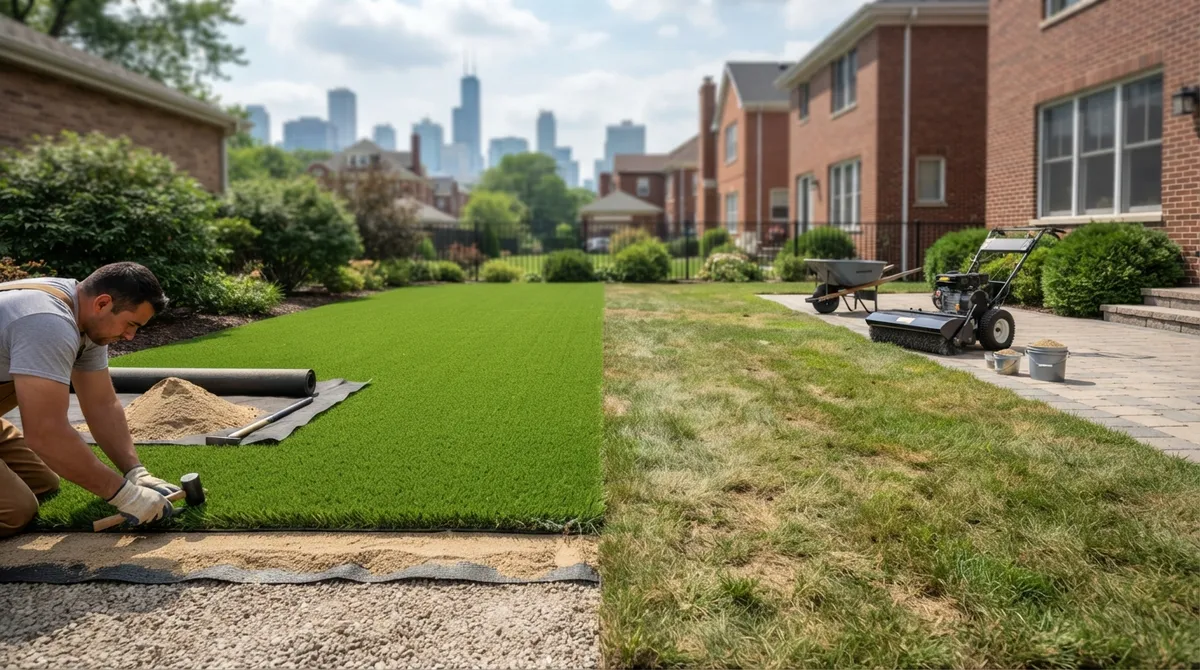
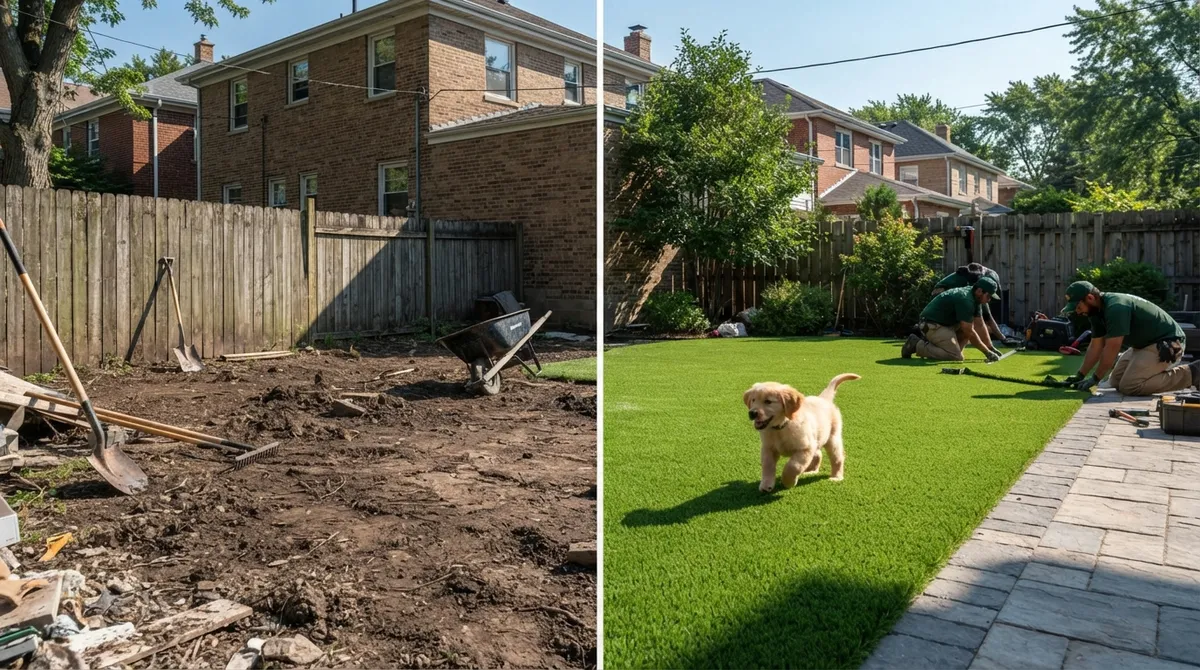
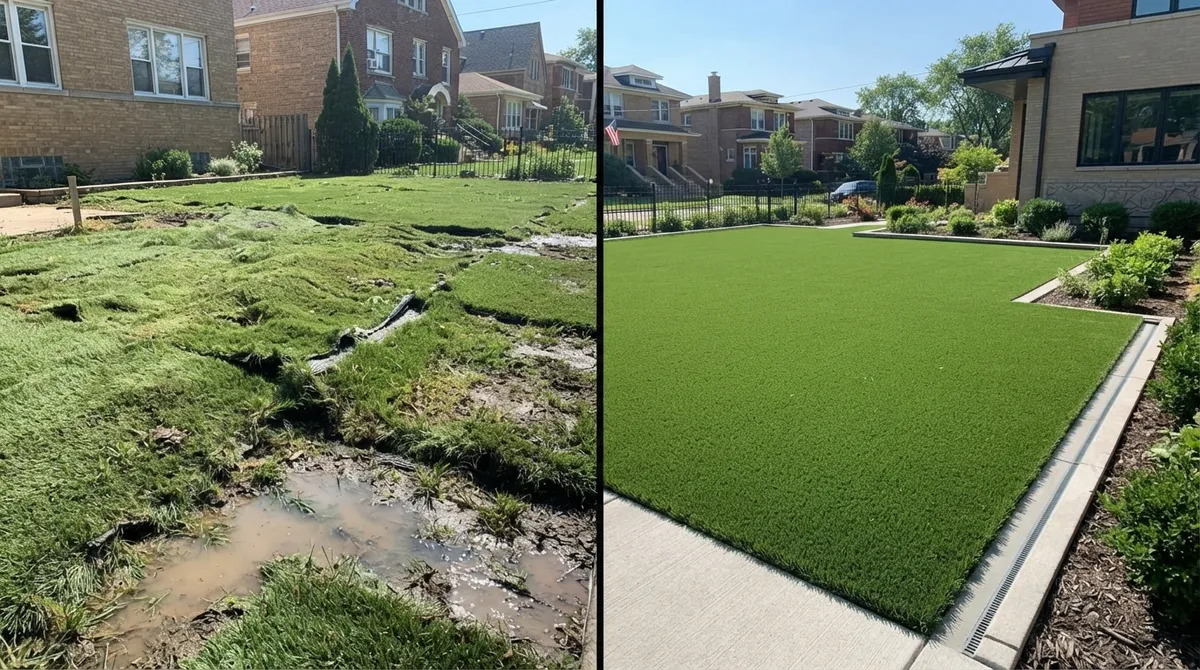
This is the big one, and honestly, it’s where most DIY attempts go sideways. Some homeowners think you can just roll turf over existing grass or dirt and call it a day. Please don’t do this. Without proper excavation, grading, and a solid base layer, your turf will look bumpy and drain poorly within a season.
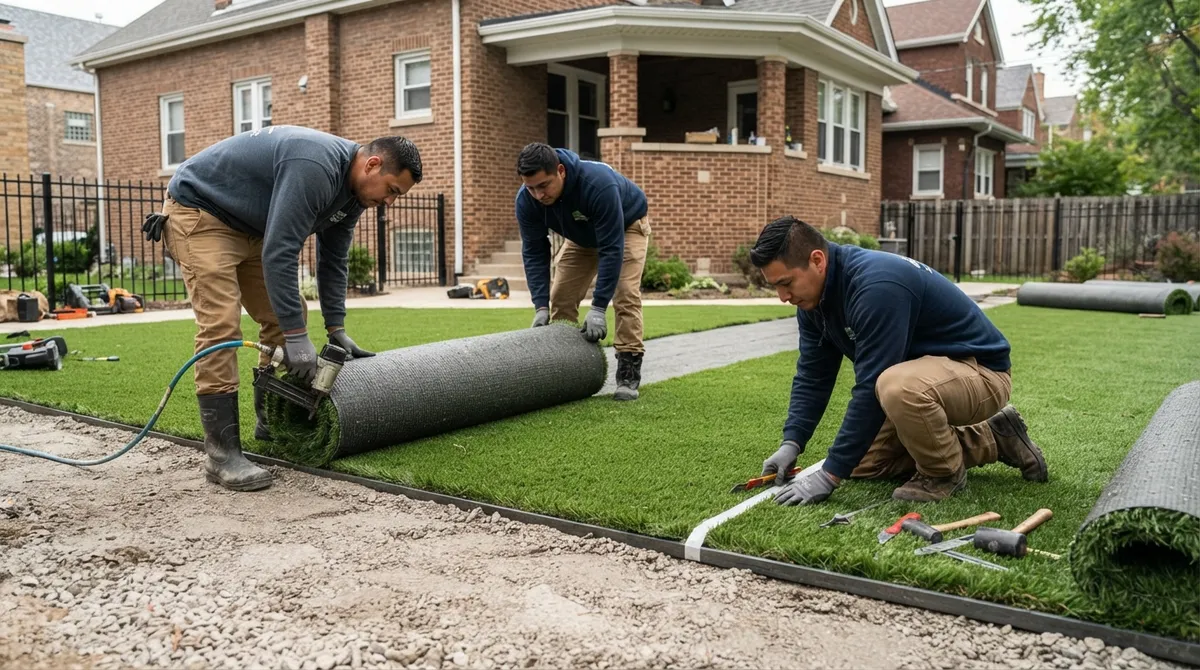
Professional installers remove the old sod, grade the soil for drainage, and add a compacted base material before the turf ever touches the ground. This step alone determines whether your lawn lasts five years or fifteen. Curious about the best materials for this step? Our article on 7 Best Base Materials for Turf Installation in 2026 breaks it down simply.
What Good Site Prep Looks Like
- Removing all existing grass, roots, and debris
- Grading the soil for proper water runoff
- Installing a crushed stone or aggregate base
- Compacting the base thoroughly to prevent shifting
- Adding a weed barrier to stop unwanted growth
Mistake 2: Ignoring Drainage Needs
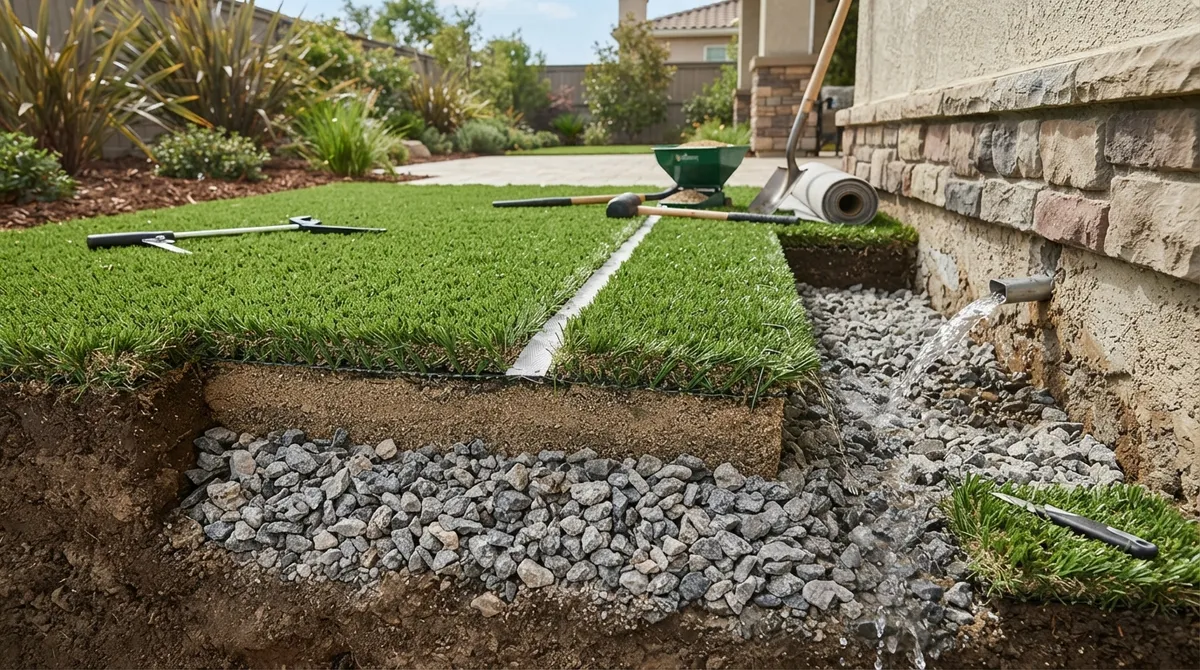
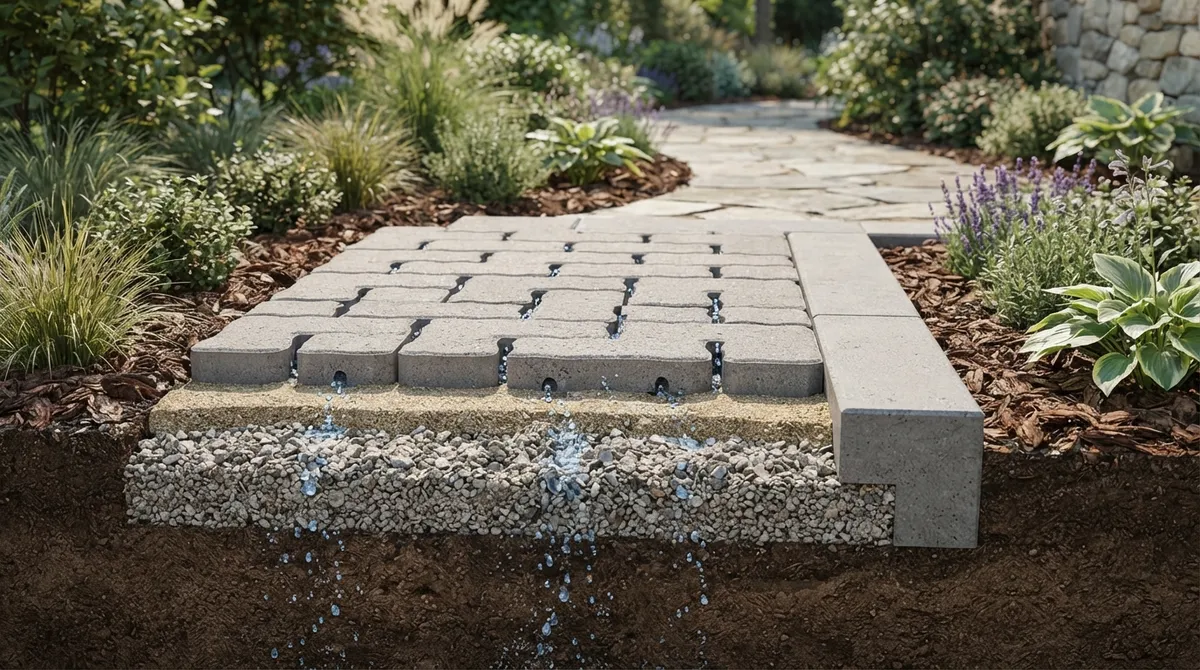
Chicago weather is no joke. We get heavy spring rains, sudden summer storms, and plenty of snowmelt in late winter. If your imitation grass installation doesn’t account for proper drainage, you’ll end up with puddles, mold, or worse, a soggy mess that smells bad, especially if you have pets.
A well-installed synthetic lawn actually drains better than natural grass because water passes through the backing and base layer instead of pooling on top. To understand this better, take a look at why synthetic grass drains better than natural lawns. It’s a game changer for low-lying yards or areas near downspouts.
Signs Your Drainage Plan Needs Work
- Standing water after rainfall lasting more than an hour
- A musty smell coming from the turf, especially near pet areas
- Visible sagging or uneven spots after storms
- Mud seeping up through turf seams
Mistake 3: Choosing the Wrong Turf Type for Your Needs
Not all artificial grass is created equal, and that’s actually a good thing because it means there’s a perfect match for every situation. But picking turf meant for a putting green when you actually need something for a busy dog run is a recipe for disappointment.
Think about how you’ll actually use the space. Families with kids need cushioned, safe surfaces. Pet owners need odor-resistant, easy-to-clean options. Homeowners wanting a golf feature need short, dense blades. We’ve written extensively about these choices, including how to choose artificial turf for your backyard and options specifically for four-legged family members in our guide to the best artificial grass options for dogs in Chicago.
| Turf Type | Best For | Key Feature |
|---|---|---|
| Pet Turf | Dog runs, backyards with pets | Odor resistance, easy drainage |
| Play Area Turf | Kids’ play zones, playgrounds | Extra cushioning for safety |
| Putting Green Turf | Golf enthusiasts | Short, dense blades for accuracy |
| Landscape Turf | Residential lawns, curb appeal | Realistic color and blade variety |
| Commercial Turf | High-traffic business areas | Extra durability and wear resistance |
Mistake 4: Hiring the Wrong Installer (Or Trying DIY)
We get it, saving money feels great. But imitation grass installation is one of those projects where cutting corners on labor almost always costs more down the road. Seams that separate, edges that curl up, and infill that washes away are common results of inexperienced installation.
Look for installers who are certified and experienced, ideally ones connected to respected organizations like Landscape Illinois or recognized as an ICPI Certified Installer. These credentials show a real commitment to quality work. If you want to understand what separates the pros from the amateurs, our article on why you should choose professional turf installation over DIY lays it all out.
Questions to Ask Before Hiring an Installer
- How many years of experience do you have with turf installation?
- Can you show examples of past residential or commercial projects?
- What warranty do you offer on materials and labor?
- How do you handle drainage and site preparation?
- What infill options do you recommend for my specific needs?
Service providers who know what they’re doing can install up to 700 square feet of artificial grass per day when weather cooperates. That efficiency comes from experience, not guesswork. Our team follows a proven process designed to deliver consistent, beautiful results every time.
Mistake 5: Underestimating Long-Term Maintenance and Cost Planning
Here’s a myth we hear all the time: “artificial turf needs zero maintenance.” That’s mostly true, but not entirely. Your turf still needs occasional rinsing, brushing, and debris removal to keep it looking fresh. Skipping this small effort can lead to flattened blades or trapped odors over time.
On the cost side, many homeowners get surprised by the upfront investment. The average cost to install artificial turf is around $3,458, depending on your yard size and site conditions. That number might feel like a lot at first glance. But when you add up years of water bills, fertilizer, mowing services, and reseeding after rough winters, artificial turf often pays for itself. Check out our breakdown of cost-benefit facts comparing artificial turf vs real grass for the full picture, and see what factors shape artificial grass installation cost in your specific situation.
Simple Maintenance Steps to Keep Turf Looking New
- Rinse the turf occasionally to remove dust and pollen
- Brush against the grain to keep blades standing upright
- Remove leaves and debris regularly, especially in fall
- Address pet waste promptly to prevent odor buildup
- Check infill levels yearly and top off if needed
Who Benefits Most From Imitation Grass Installation
This solution isn’t one-size-fits-all, but it fits a surprising number of situations beautifully. Suburban homeowners dealing with HOA standards love how consistently neat artificial turf looks, no brown patches or overgrown edges ever. Urban condo owners with small rooftop spaces appreciate how lightweight, low-maintenance turf options transform tiny areas into green retreats without heavy soil or irrigation systems.
Commercial property managers find that turf boosts curb appeal while cutting down on water use and labor costs, something we discuss further in our commercial lawn maintenance services. New home builders in Aurora and surrounding suburbs use turf installations to deliver polished, buyer-ready yards without waiting for sod to establish. And small business owners creating inviting patio spaces love how turf pairs beautifully with pavers and outdoor seating areas.
Common Applications We See Across Chicagoland
- Residential front and backyard lawns
- Rooftop terraces and urban condo patios
- Pet runs and dog-friendly yard sections
- Children’s play areas with added cushioning
- Commercial curb appeal and entryway landscaping
- Backyard putting greens for golf lovers
How Imitation Grass Installation Fits Into Your Bigger Landscape Vision
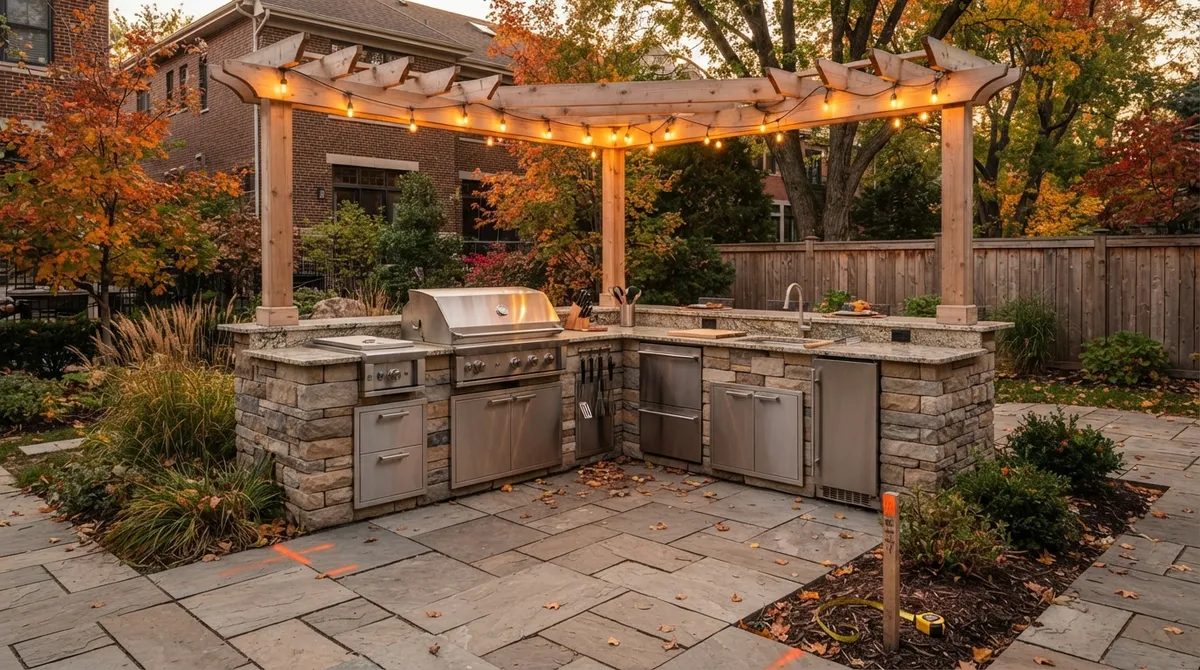
Here’s something we love reminding our clients: turf doesn’t have to stand alone. It works beautifully alongside other features like fire pits, pergolas and pavilions, and thoughtful lighting and sound setups. Imagine a cozy evening on your patio, surrounded by lush green turf that never needs mowing, string lights glowing overhead, and a fire pit crackling nearby.
If you’re also considering retaining walls for sloped yards or drainage concerns, our retaining walls services pair wonderfully with turf installations to create a cohesive, functional landscape. And for those who love a mix of greenery and hardscape, our softscapes team can help blend natural plantings with your new artificial lawn for the best of both worlds.
Wrapping Up Your Imitation Grass Installation Journey
We know that’s a lot of information, but here’s the simple truth: imitation grass installation done right gives you years of beautiful, low-maintenance outdoor living. Avoid these five mistakes, and you’ll set yourself up for a lawn that looks amazing through every Chicago season, from muddy springs to snowy winters to scorching summers.
At Serenity Landscape Group, we’ve spent over 20 years helping families and businesses across Chicagoland fall in love with their outdoor spaces. Learn more about our story and the passion we bring to every project. We’d genuinely love to help you avoid these common pitfalls and create a lawn you’ll be proud of for years to come. Ready to get started? Get a Free Estimate today, or feel free to call us at (630) 359-5139 to chat about your project. We can’t wait to help you create the serene, stunning outdoor space you deserve.
FAQs
Q: What is the average cost to install artificial grass for a residential lawn?
A: On average, homeowners can expect to spend around $3,458 for imitation grass installation, though this varies based on yard size and site prep needs. It might sound like a big number upfront, but think of all the water bills, mowing costs, and lawn care services you’ll skip year after year. Most of our clients tell us it’s one of the best investments they’ve made in their outdoor space.
Q: How long does artificial turf last compared to natural grass?
A: Quality artificial turf typically lasts 15 to 20 years with proper care, while natural grass requires constant reseeding, repair, and seasonal upkeep just to look decent. It’s honestly one of our favorite parts of recommending turf to clients because it just keeps performing year after year. No more patchy spots or bare areas from heavy foot traffic!
Q: Does artificial grass installation require a lot of maintenance after it is installed?
A: Not at all, and that’s the beauty of it! You’ll just need occasional rinsing, brushing, and clearing away leaves or debris to keep things looking fresh. Compare that to weekly mowing, watering, and fertilizing, and you’ll see why so many busy families make the switch.
Q: Can artificial turf be installed in areas with pets or for play areas?
A: Absolutely, and we install turf specifically designed for these purposes all the time. Pet-friendly turf resists odors and drains quickly, while play area turf includes extra cushioning to keep kids safe during those energetic backyard adventures. It’s one of the most popular reasons families reach out to us.
Q: Is artificial grass a good option for regions with harsh winters and hot summers?
A: Yes, and honestly, that’s exactly why so many Chicago homeowners love it. Modern turf resists damage from freezing temperatures and stays vibrant green even during scorching summer heat, handling our unpredictable Midwest weather like a champ. You won’t deal with mud season or drought-stressed brown patches ever again.