Key Takeaways
-
Professional sod installation costs $1.00 to $2.50 per square foot total including soil prep, delivery, and labor, making it affordable for most homeowners while delivering an instant green lawn in one day.
-
New sod establishes roots in just 2-3 weeks compared to 2-3 months for seeding, and requires daily watering for the first 1-2 weeks, no mowing for two weeks, and light foot traffic to ensure long-term success.
-
Sod is laid in a staggered brick pattern rather than straight lines to distribute stress evenly and prevent water from channeling through weak seams, which is critical for lawn durability during the first few months.
-
Professional installation includes five essential steps: consultation, soil preparation with nutrient amendments, proper grading to prevent pooling, correct sod placement, and rolling for root contact—skipping steps is why DIY projects often fail.
-
Early fall and late spring offer ideal installation windows in the Chicago area due to mild temperatures and consistent rainfall that support root establishment, though professional installers can often work around tighter timelines for new construction.
-
Sod is best suited for homeowners with bare dirt yards, erosion issues, urgent curb appeal needs, or those whose seeding attempts failed, while heavy clay soil common in Chicago may increase costs but doesn’t prevent successful installation.
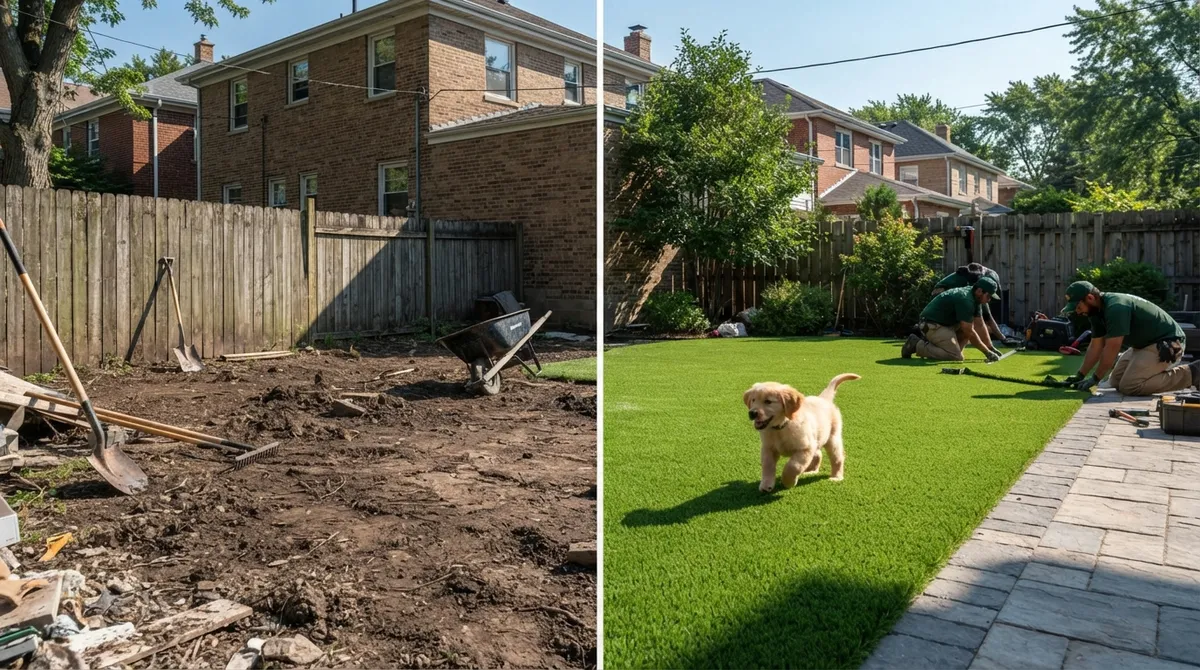
Picture this: you walk outside on a Saturday morning and your yard looks like a golf course. No patchy brown spots. No bare dirt. Just thick, green grass ready for bare feet and backyard barbecues. That’s the magic of professional sod installation, and it’s a lot more achievable than most Chicago homeowners think.
Whether you’re a suburban homeowner tired of staring at dead grass, a builder in Aurora finishing off a new construction project, or a property manager who needs instant curb appeal, sod installation might be your best friend. In this guide, we’ll walk through exactly how it works, what it costs, and how to make sure your new lawn thrives for years to come. Let’s dig in.
What Is Sod Installation and Why Does It Matter?
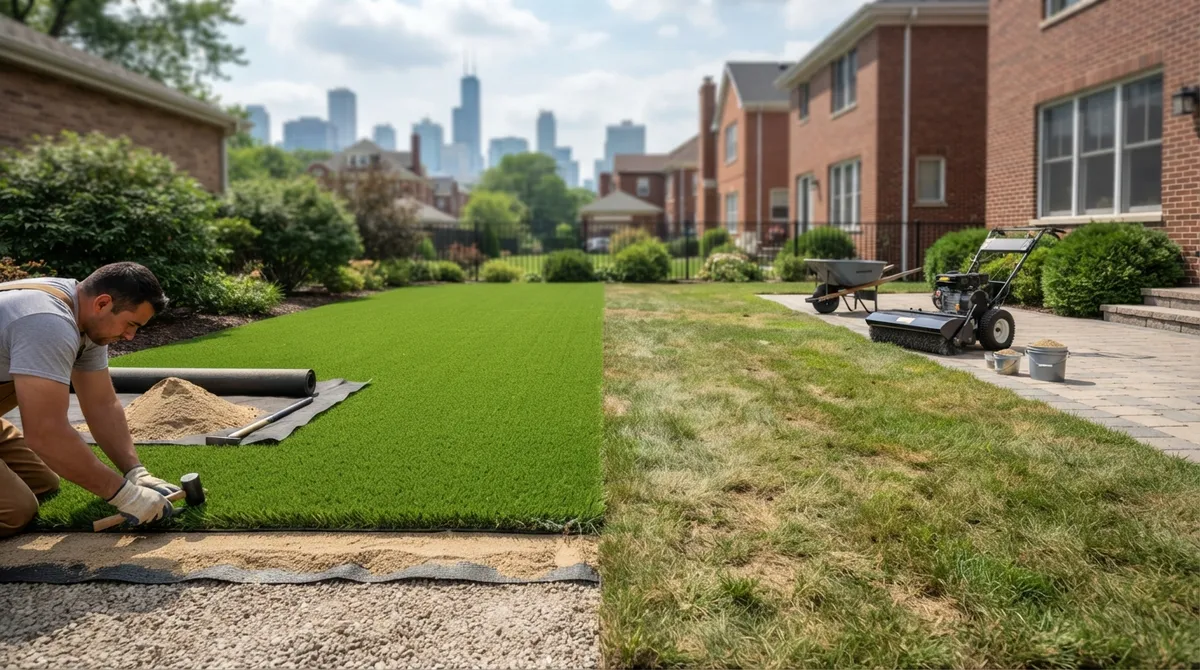
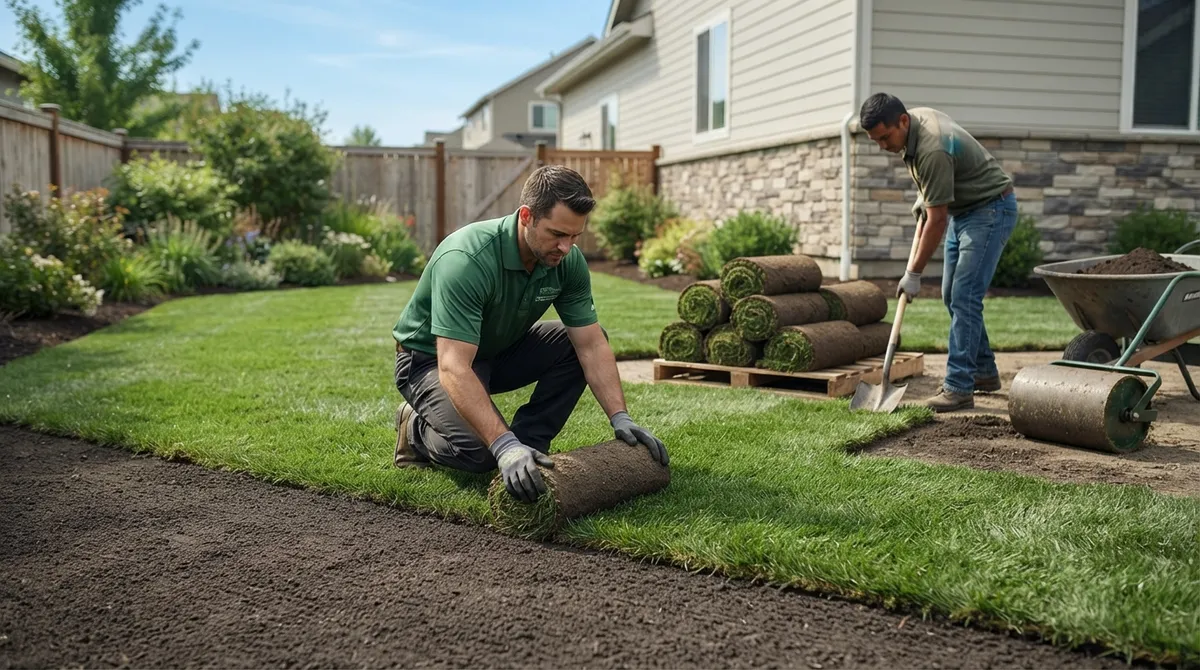
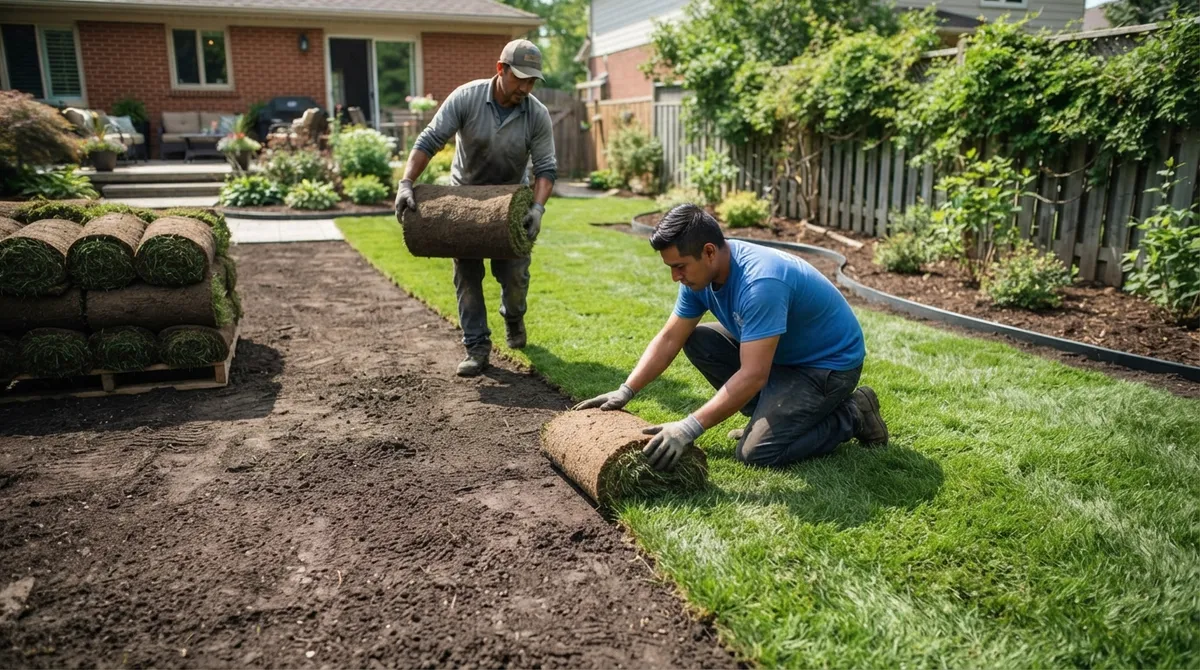
Sod installation means laying down pre-grown grass, roots and all, onto freshly prepared soil. Instead of waiting months for seeds to sprout, you get a full, green lawn in about a day. It’s like unrolling a carpet, except this carpet grows and needs a little TLC.
For busy homeowners, commercial property managers, and new home builders alike, this instant transformation is a huge draw. You skip the awkward “seedling stage” and jump straight to a lawn you can actually enjoy. If you’ve ever tried seeding a lawn and watched birds eat half of it, you already know why sod has such loyal fans.
Sod vs. Seeding: A Quick Comparison
Both methods get you grass, but they get you there very differently. Here’s a simple breakdown to help you decide which fits your timeline and budget.
| Factor | Sod Installation | Seeding |
|---|---|---|
| Time to establish | 2–3 weeks | 2–3 months or more |
| Instant curb appeal | Yes, same day | No, takes months |
| Weed resistance | High | Lower, more vulnerable early on |
| Best for erosion control | Yes, immediate coverage | Not ideal, soil stays exposed |
| Upfront cost | Higher | Lower |
If you need a lawn fast for a home sale, a new build, or a business property, sod wins almost every time. Seeding can work well for large rural areas with more patience and budget flexibility, but it’s rarely the right call for busy Chicago properties.
How Much Does Sod Installation Cost in 2026?
Good news: sod is more affordable than most people expect. Prices vary based on grass type, yard size, and how much prep work your soil needs.
- Small patches under 500 square feet typically run $1.00 to $1.75 per square foot
- Average yards between 500 and 4,000 square feet cost $1.25 to $2.25 per square foot
- Full-lawn installations or premium grass varieties range from $2.00 to $3.50 per square foot
- Most installed sod projects average $1.00 to $2.50 per square foot total, including soil prep, delivery, and labor
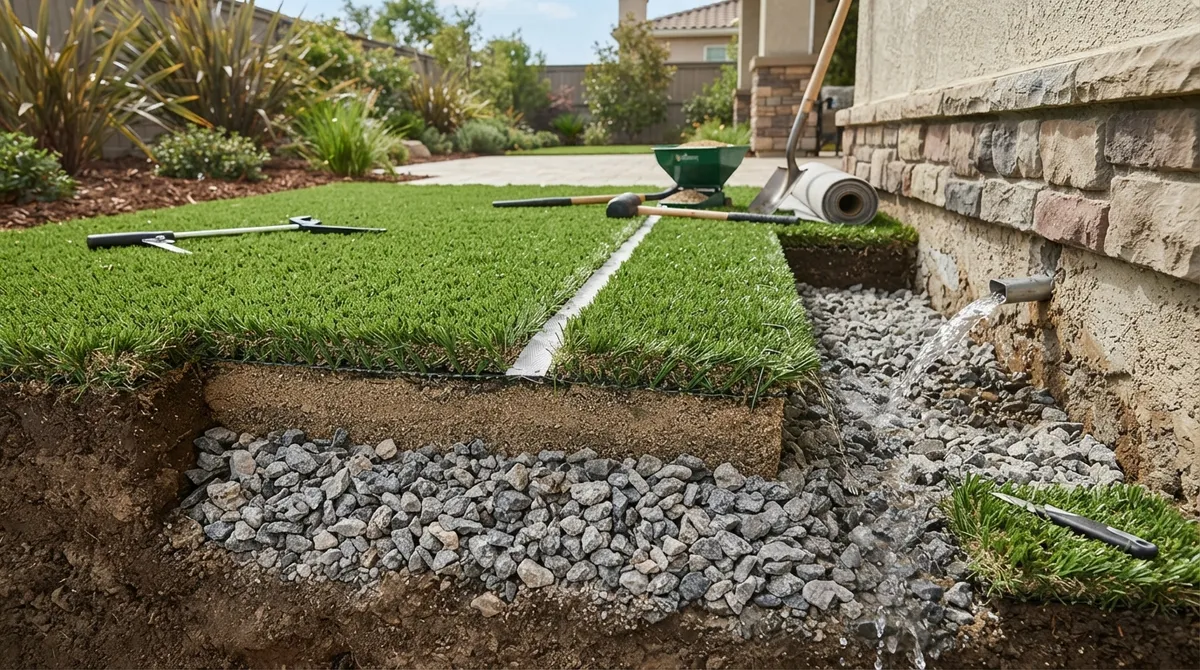
These numbers include everything: removing old grass, amending the soil, delivering the sod, and laying it properly. If your yard has drainage issues or heavy clay soil, which is common around Chicago, expect costs on the higher end.
The 5-Step Sod Installation Process
Professional installation isn’t just rolling out grass and walking away. There’s a real process behind that perfect lawn, and skipping steps is exactly why DIY sod jobs often fail. Here’s how it’s done right.
- Consultation and planning: A landscaper measures your yard, checks sunlight and drainage, and recommends the best grass variety for your soil and lifestyle.
- Soil preparation: Old grass, weeds, and debris get removed. The soil is then amended with nutrients so new roots have something good to grab onto.
- Grading and leveling: The ground gets graded to fix low spots and slope water away from your home’s foundation, which also helps prevent future puddling.
- Laying the sod: Rolls are placed in a staggered brick pattern, similar to bricklaying, so seams don’t line up and create weak spots.
- Rolling and aftercare guidance: A lawn roller presses the sod firmly into the soil for good root contact, and your installer walks you through watering and care instructions.
This whole process usually wraps up in a single day for most residential yards. Larger properties, like those over 12,000 square feet, might take up to two days. If you’re a commercial property manager overseeing a bigger site, planning around that timeline matters for tenant communication and scheduling.
Why the Staggered Pattern Matters
You might wonder why installers bother with that brick-like pattern instead of just lining up rolls edge to edge. It’s simple: staggered seams distribute stress evenly and stop water from channeling straight through weak points. It’s a small detail that makes a big difference in how well your lawn holds together during its first few months.
How Long Until Sod Roots Take Hold?
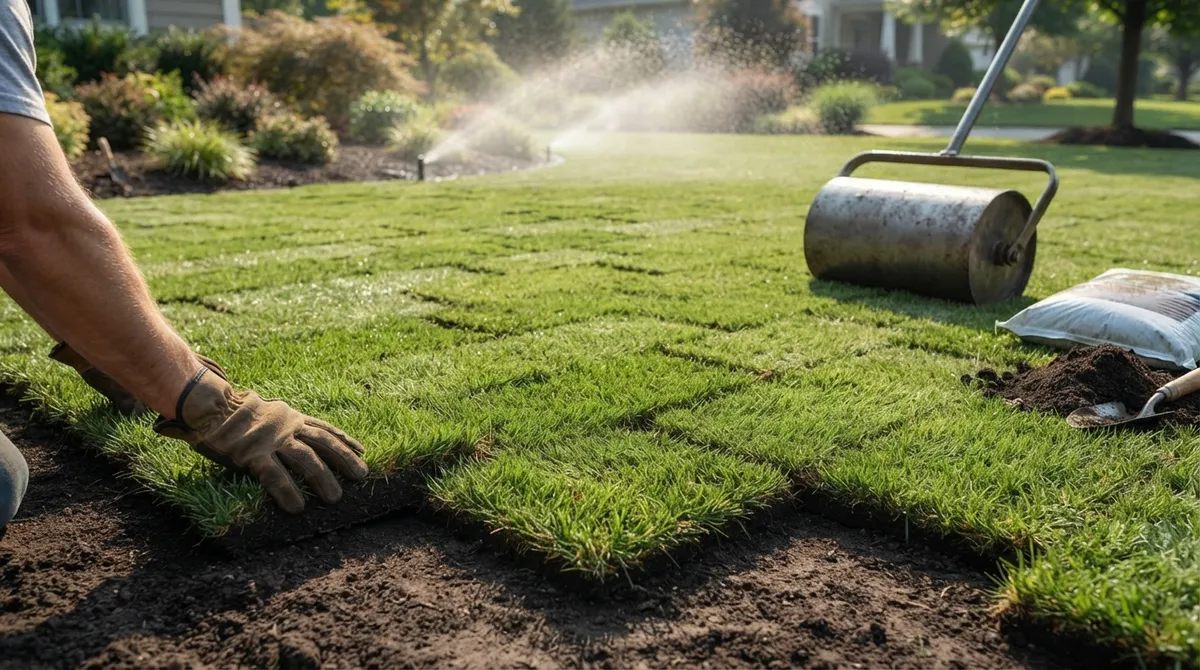
Here’s something worth celebrating: new sod typically establishes roots in just 2 to 3 weeks. Compare that to seeding, which can take months and still might not fill in evenly. During those first few weeks, your new lawn is settling in, so treat it gently, like a new houseplant finding its footing.
Avoid heavy foot traffic, skip the mower for the first two weeks, and definitely keep pets off newly laid sod until roots grab hold. Patience here pays off with a lawn that lasts for years.
Watering and Care Tips for New Sod
Watering is the single most important thing you can do after installation. Here’s a simple watering guide to keep your new lawn happy and healthy.
- Water daily for the first 1 to 2 weeks, keeping soil consistently moist but not soggy
- Water early in the morning to reduce evaporation and fungal risk
- Reduce watering gradually after week two as roots establish
- Hold off on mowing until at least two weeks after installation
- Avoid walking on the lawn heavily during the establishment period
Chicago’s unpredictable weather, from humid summers to sudden dry spells, makes consistent watering even more important. If you’re unsure how much water your specific grass variety needs, a professional team can set you up with a simple schedule tailored to your yard.
When Is the Best Time to Install Sod?
Timing matters more than people realize. In the Chicago area, early fall and late spring tend to offer the best combination of mild temperatures and consistent rainfall. These conditions help roots establish without the stress of summer heat or winter freeze.
That said, professional installers can often work around tighter timelines, especially for new construction or urgent commercial needs. If you’re planning a project, it helps to loop in your landscaping partner early so they can recommend the ideal grass variety and installation window for your site.
Is Sod Installation Right for Your Property?
Sod isn’t right for every single situation, but it’s a fantastic fit for a lot of common scenarios. Consider sod installation if any of these sound familiar:
- Your yard is mostly bare dirt, with less than 30% live grass coverage
- You’ve tried seeding before and it just didn’t take
- You’re dealing with erosion on a slope or near a drainage area
- You’re selling your home soon and need instant curb appeal
- You’re a builder finishing out new construction and want a turnkey lawn for buyers
- You manage a commercial property and need a polished, professional look fast
For urban condo owners with small courtyards or rooftop green spaces, sod can also work beautifully when paired with proper drainage planning. And if a full grass lawn isn’t practical for your space, it’s worth exploring artificial turf installation as a low-maintenance alternative that still delivers that lush, green look year-round.
Sod Installation for Different Property Types
Suburban Homeowners
If you’re dealing with heavy clay soil, HOA standards, or just want your yard to be the envy of the block, sod delivers fast results without months of babysitting bare seed. It pairs beautifully with other upgrades like softscapes and updated pavers for a complete outdoor refresh.
Commercial Property Managers
For office parks and retail centers, a patchy lawn sends the wrong message to tenants and customers. Fresh sod combined with ongoing commercial lawn maintenance keeps your property looking sharp all season long, which supports both curb appeal and stormwater management goals.
New Home Builders
Buyers want to see a finished product, not a construction zone. Sod gives builders in Aurora and surrounding suburbs a fast, reliable way to deliver a beautiful, move-in-ready lawn that boosts buyer confidence at closing.
Small Business Owners
A well-kept lawn out front makes your shop or restaurant feel welcoming before customers even walk through the door. Combine sod with seasonal plantings and lighting and sound features to create a pedestrian-friendly space people want to visit.
DIY Sod Installation vs. Hiring Professionals
We get it, DIY projects can be fun and satisfying. But sod installation has more moving parts than it looks like on YouTube tutorials. Here’s a quick pros and cons breakdown.
| Approach | Pros | Cons |
|---|---|---|
| DIY Installation | Lower upfront labor cost, hands-on experience | Physically demanding, easy to mess up grading, no warranty on results |
| Professional Installation | Proper grading, correct grass variety, warranty-backed work, faster turnaround | Higher upfront cost |
Sod is heavy, and one skid can hold around 90 rolls covering roughly 810 square feet. That’s a lot of lifting and precise placement for a weekend warrior. Professionals also know how to grade soil so water flows away from your foundation instead of pooling in your new lawn. A membership organization like Landscape Illinois highlights just how much technical knowledge goes into proper site preparation and long-term lawn health.
Choosing the Right Grass Variety for Chicago
Not all sod is created equal, and your climate plays a big role in which variety will thrive. Here are a few things to consider when picking grass for your Chicago-area property:
- Cool-season grasses like Kentucky Bluegrass handle Midwest winters well and stay green longer
- Fescue blends tolerate shade better, great for yards with mature trees
- Sun-loving varieties work best for open, unobstructed lawns
- Traffic-tolerant blends suit families with kids or pets who use the yard often
A knowledgeable installer will walk you through these options based on your yard’s sun exposure, soil type, and how the space gets used. This step is just as important as the installation itself, since the wrong grass variety can struggle no matter how well it’s laid.
What to Expect After Installation
Once your sod is down, your landscaping partner should walk you through a simple aftercare plan. This typically includes a watering schedule, guidance on when to mow, and tips for spotting early signs of stress like yellowing or wilting. Companies certified through organizations like the ICPI Certified Installer program often bring that same level of professionalism to grading and drainage work that supports your lawn long-term.
If you’re combining your new lawn with other hardscape features, it’s worth checking out our gallery of our work for inspiration on how sod pairs with patios, fire pits, and pathways.
Ready for a Lawn You’ll Actually Love?
Sod installation is one of the fastest, most reliable ways to transform a tired yard into a lush, welcoming space. Whether you’re a homeowner ready to ditch the dirt patches, a builder finishing a new development, or a business owner wanting to impress every customer who walks by, a properly installed lawn makes a real difference.
At Serenity Landscape Group, we’ve spent over two decades helping Chicago-area homeowners and businesses create outdoor spaces they’re proud of. From soil prep to the final roll of sod, our team handles every detail so you don’t have to worry about a thing. Ready to see what a fresh, green lawn could do for your property? Get a free estimate today, or call us at (630) 359-5139 to talk through your project with our friendly team.
FAQs
Q: How much does sod installation cost per square foot in 2026?
A: Most homeowners pay between $1.00 and $2.50 per square foot for professionally installed sod, including soil prep and delivery. Prices climb a bit for premium grass varieties or yards needing extra grading work, but it’s still a great value for an instant lawn.
Q: What is the difference between sod installation and seeding a lawn?
A: Sod gives you a full, green lawn in about a day, while seeding can take two to three months just to fill in. Sod also resists weeds much better early on, which makes it a favorite for anyone who wants results without the wait.
Q: How long does it take for sod to establish roots?
A: New sod typically roots into the soil within 2 to 3 weeks. During this time, we recommend keeping foot traffic light and following a consistent watering schedule so those roots really settle in.
Q: Can I install sod myself or should I hire a professional?
A: You can technically DIY it, but proper grading and soil prep make a huge difference in how well your lawn performs long-term. A professional crew brings the right equipment and know-how to avoid common mistakes like poor drainage or uneven seams.
Q: When is the best time of year to install sod in the Chicago area?
A: Early fall and late spring are usually ideal, since mild temperatures and steady rainfall help roots establish faster. That said, a good landscaping team can often work around your timeline, especially for new construction projects.