Key Takeaways
-
Pet turf costs $9-$18 per square foot in Chicago and adds $1-$3 over standard artificial grass due to antimicrobial infill and enhanced drainage systems designed specifically for pet areas.
-
Pet turf installation takes 2-5 days for typical residential projects and requires proper site preparation including 3-4 inch excavation, compacted base, weed barrier, and drainage layers for effective pet urine management.
-
Pet-specific turf features enhanced drainage (30+ inches/hour), antimicrobial infill to reduce odors and bacteria, bite-resistant fibers, and non-toxic materials that eliminate need for pesticides or fertilizers.
-
Daily solid waste pickup and weekly rinsing with a garden hose are essential maintenance tasks; monthly enzyme cleaner applications and brushing every 4-6 weeks keep pet turf sanitary and looking fresh.
-
High-quality pet turf is safe for dogs and children as it’s made from non-toxic, lead-free materials and creates a cleaner environment by eliminating chemical lawn treatments.
-
Choose installers with proven pet turf experience, request written quotes with detailed specs, ask for past project references, and verify they offer free on-site consultations before committing to installation.
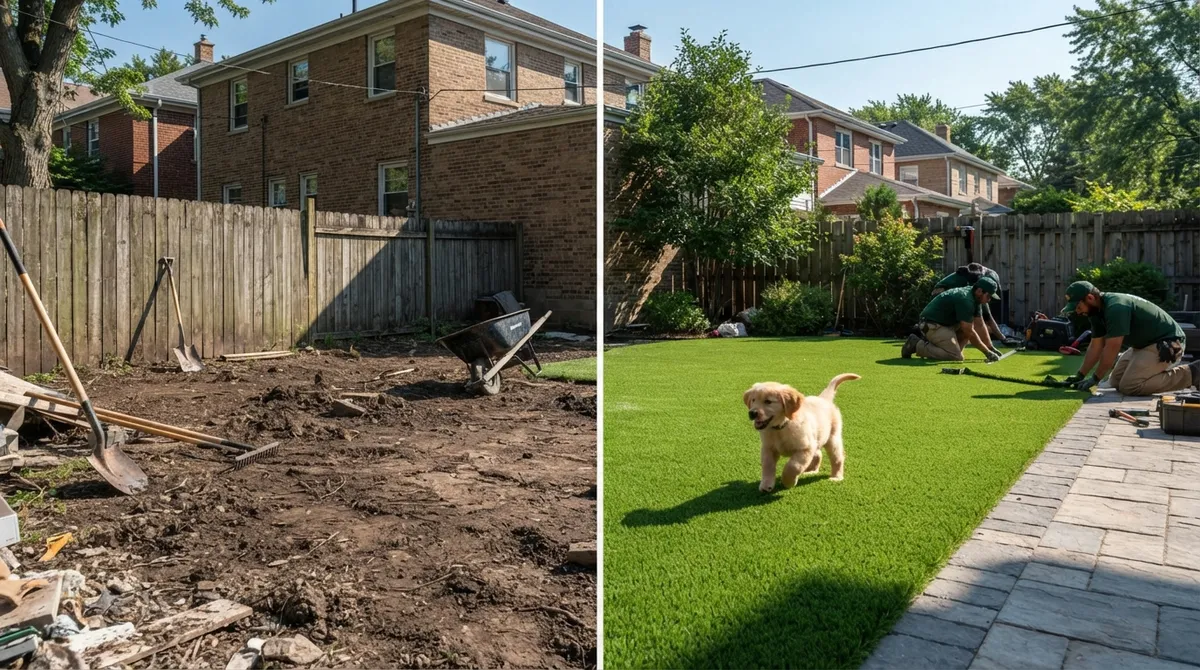
If you’re a dog owner in Chicago, you know the struggle all too well. One rainy weekend, and your backyard turns into a muddy mess. Your pup tracks dirt inside, your lawn looks patchy, and you spend more time cleaning up than actually enjoying your outdoor space. Sound familiar? Pet turf installation in Chicago is the game-changer you’ve been waiting for. It gives your furry friend a safe, clean, and beautiful space to play — all year long — without the mud, the bare spots, or the endless mowing.
In this guide, we’ll walk you through everything you need to know about getting pet turf installed in the Chicago area. From understanding what makes pet turf special to the installation process, costs, and maintenance tips, we’ve got you covered. Let’s dive in!
What Is Pet Turf and Why Is It Different?
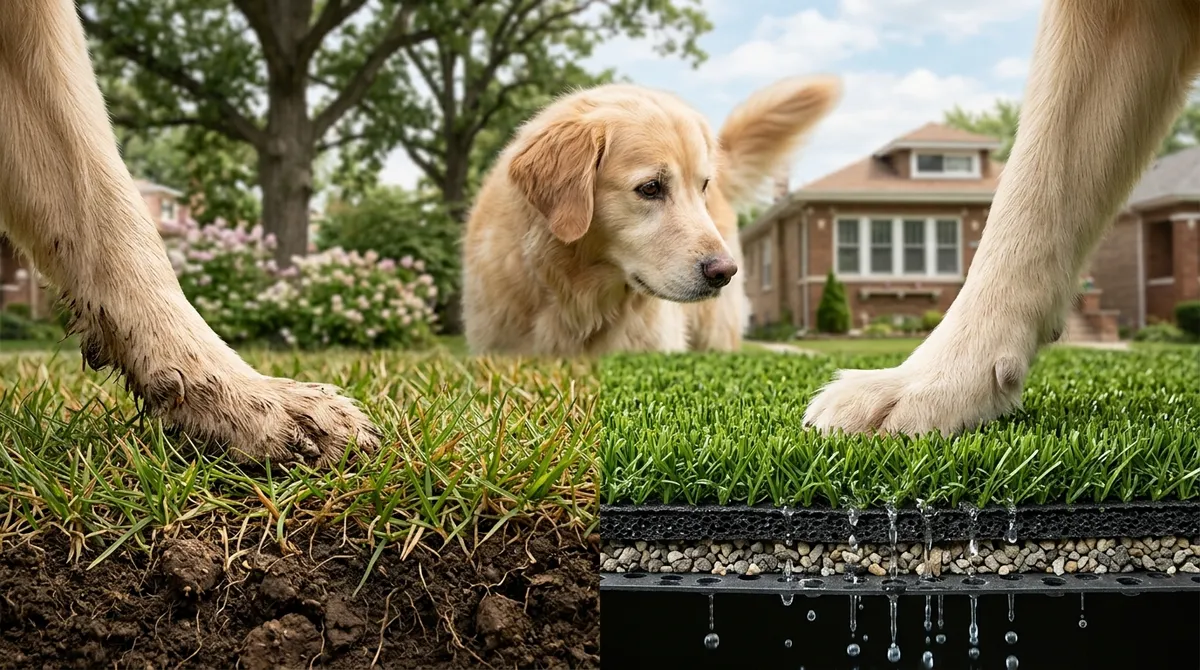
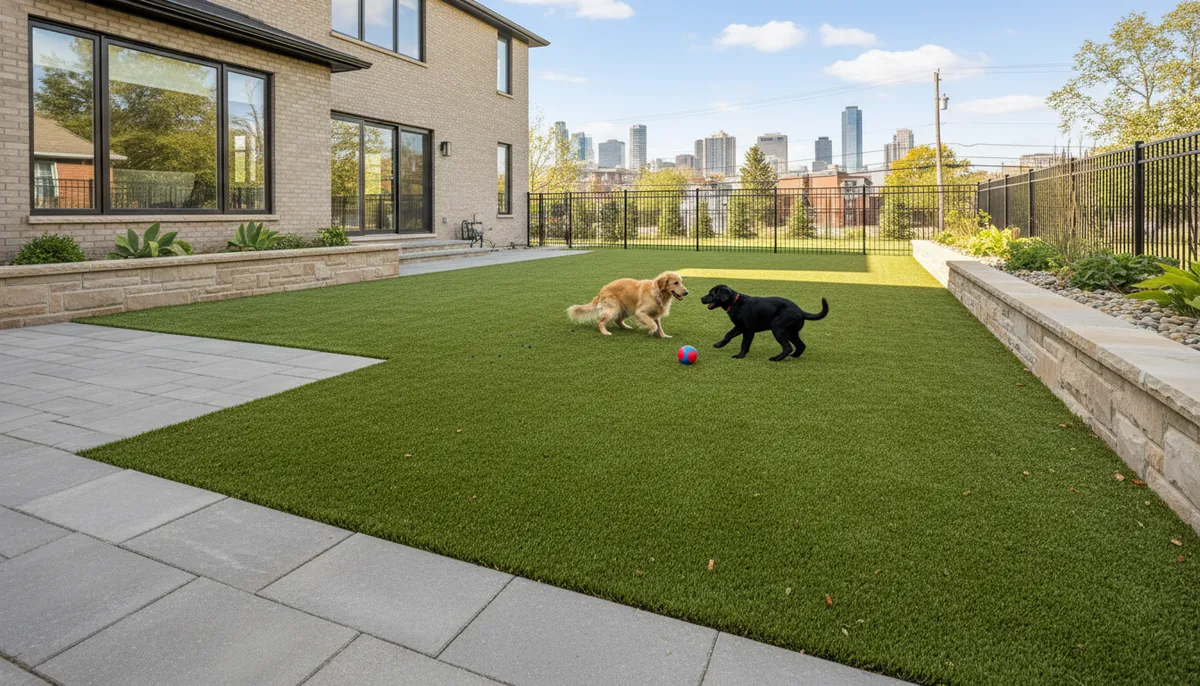
Pet turf is a type of synthetic grass designed specifically for animals. It looks and feels like natural grass, but it’s built to handle the extra wear and tear that comes with having pets. Regular artificial turf and pet turf are not the same thing, and that difference matters a lot for Chicago homeowners.
Here’s what sets pet turf apart from standard artificial grass:
- Enhanced drainage systems that handle pet urine quickly and efficiently
- Antimicrobial infill that fights bacteria and prevents odors from building up
- Durable, bite-resistant fibers that hold up against digging and heavy play
- Non-toxic materials that are safe for both dogs and children
- 100% permeable backing that allows liquid to drain straight through
- UV-resistant blades that stay green even through Chicago’s intense summers
If you want to explore more about how synthetic grass handles pets, check out our helpful comparison of natural grass vs. non-toxic synthetic grass for pets. It’s a great read for any pet owner weighing their options.
Why Pet Turf Installation Makes Sense in Chicago
Chicago’s weather is famously unpredictable. Freezing winters, rainy springs, and scorching summers all take a toll on natural grass. For dog owners, this means a lawn that’s muddy in April, dry and patchy in July, and buried under snow in January.
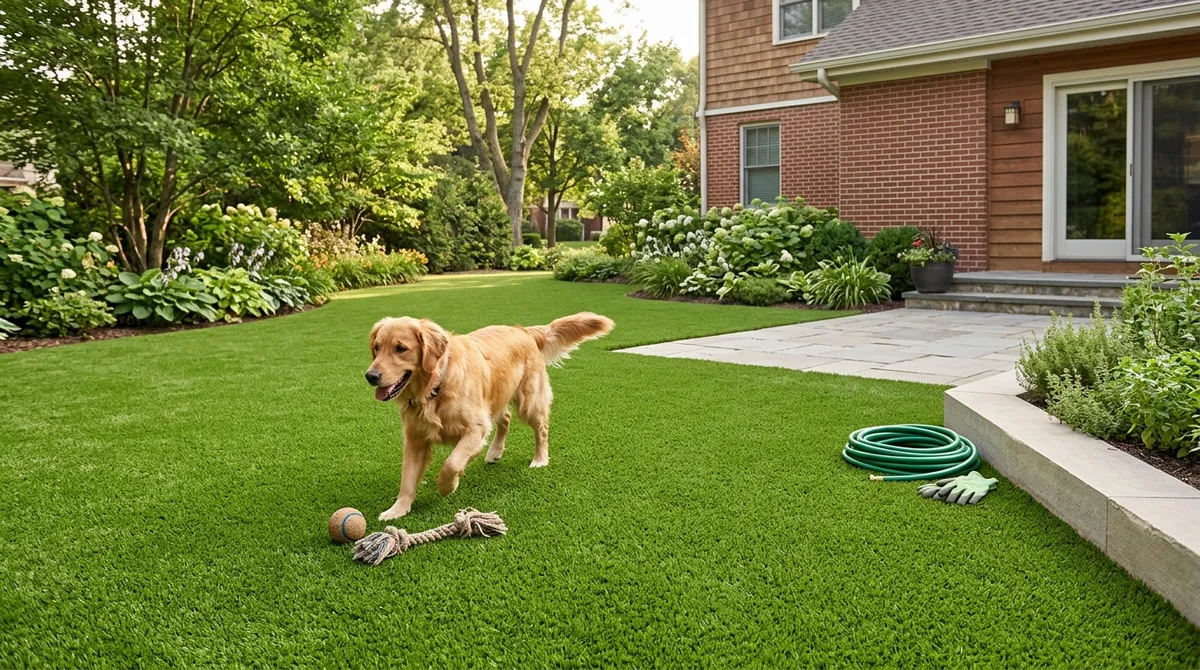
Pet turf solves all of these problems. It stays green and functional 365 days a year, no matter what the weather throws at it. It also means no more pesticides or fertilizers, which is a huge plus if you have kids or pets who love rolling around in the yard. Want to learn more about how synthetic turf handles our harsh Midwest winters? Our article on artificial turf vs. natural grass in Midwest winters breaks it all down.
Pet turf is also a fantastic option for:
- Suburban homeowners who want a low-maintenance backyard for their dogs
- Urban condo owners with rooftop spaces or small balconies
- Commercial property managers creating pet-friendly amenities
- Dog parks and daycare facilities looking for durable, sanitary surfaces
How Much Does Pet Turf Installation Cost in Chicago?
Cost is usually the first question on everyone’s mind, and that’s completely fair. Here’s a simple breakdown of what you can expect to pay for pet turf installation in the Chicago area.
| Turf Type | Cost Per Square Foot | Best For |
|---|---|---|
| Standard Artificial Grass | $8 – $12.25 | General landscaping use |
| Pet-Specific Turf | $9 – $15.25 | Dog runs, backyards, pet areas |
| Premium Pet Turf with Upgrades | $13 – $18+ | High-traffic areas, large dogs |
Pet turf typically adds $1 to $3 per square foot to the base cost of standard artificial grass. This extra cost covers the antimicrobial infill, upgraded drainage, and more durable fibers. For most residential backyards in Chicago, the total project cost will vary based on the size of the area, site preparation needs, and any custom features you choose. Most companies offer free on-site consultations to give you an accurate estimate before any work begins.
For a broader look at the financial benefits, our guide on cost-benefit facts for artificial turf vs. real grass is a must-read.
The Pet Turf Installation Process: Step by Step
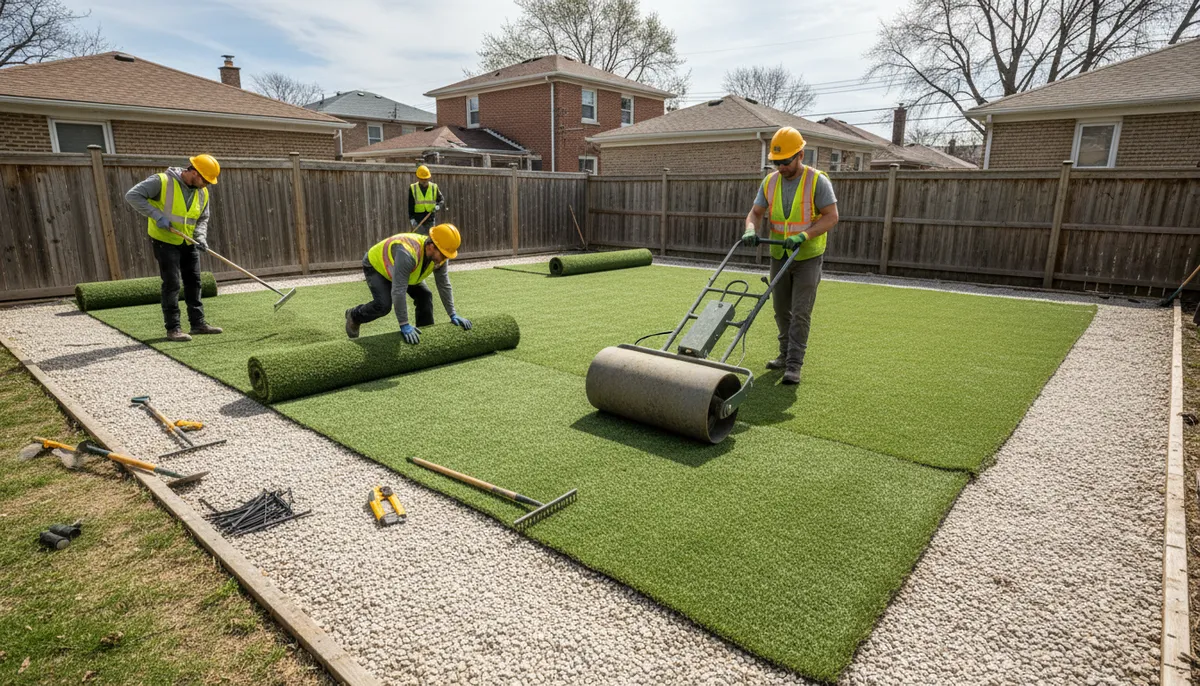
Knowing what to expect from the installation process helps you plan better and feel confident in the project. Here’s a step-by-step overview of how professional pet turf installation in Chicago typically works.
Step 1: Site Assessment and Consultation
A professional installer will visit your property to assess the space. They’ll look at drainage patterns, soil conditions, existing vegetation, and any obstacles. This free consultation helps them design the right solution for your specific yard. You can schedule your visit by reaching out to request a free on-site estimate and get the process started.
Step 2: Site Preparation and Excavation
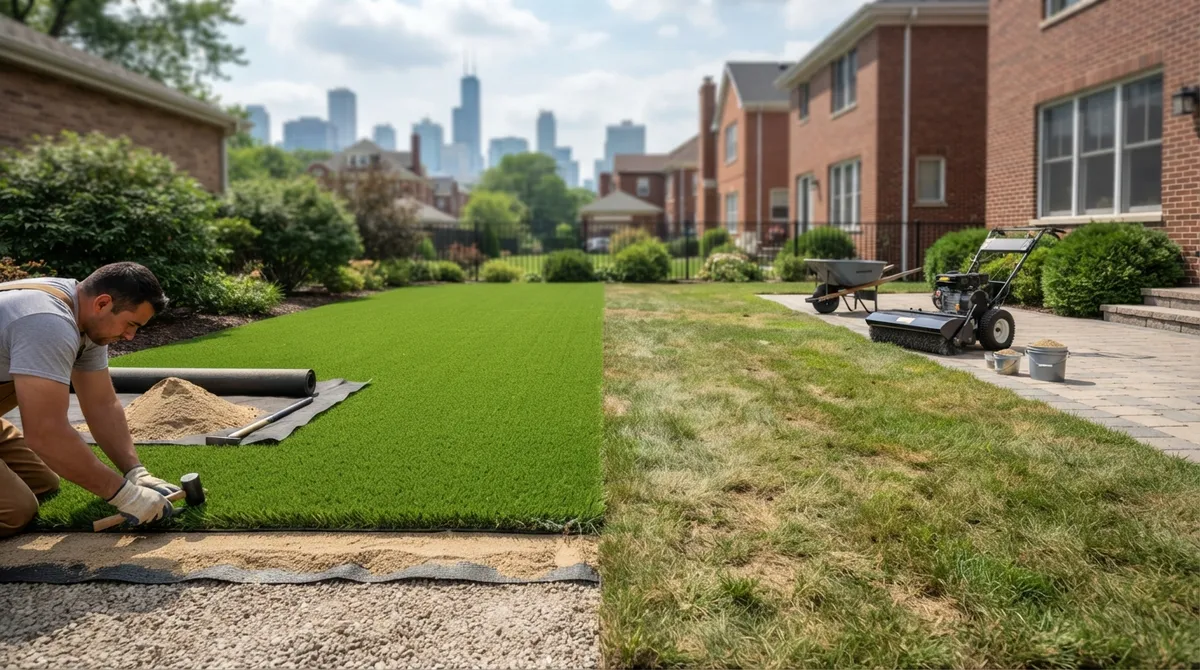
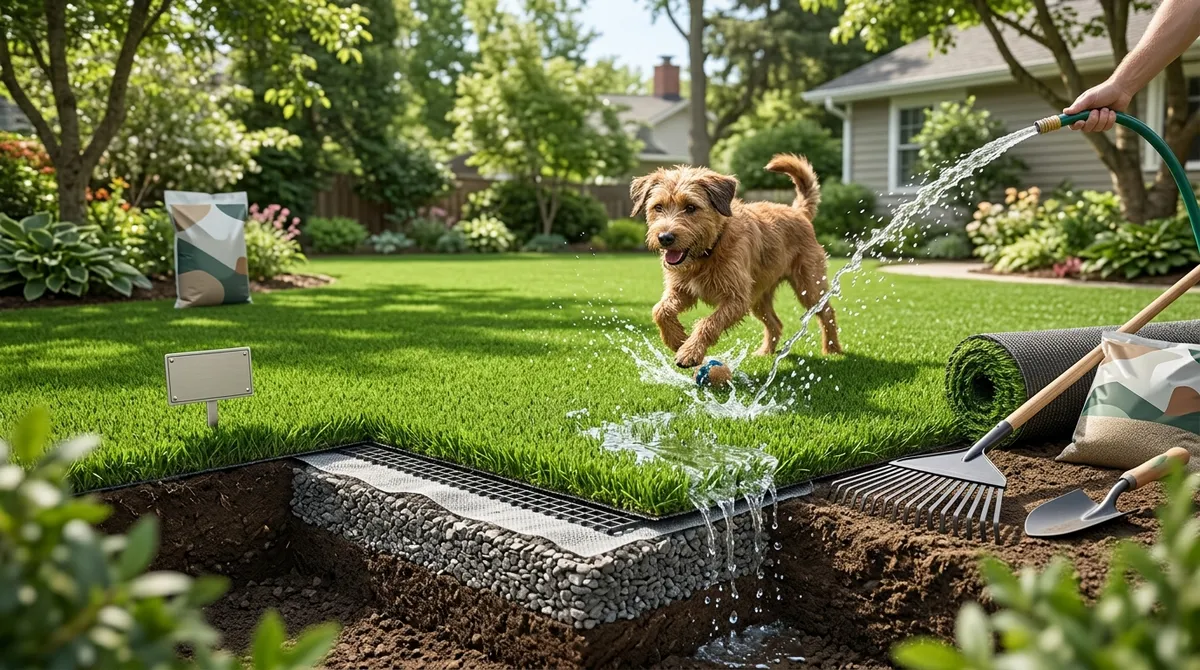
The crew will remove existing grass, weeds, and debris. They’ll excavate the area to a depth of about 3 to 4 inches to create room for the base layers. Proper excavation is critical — it sets the foundation for everything that comes after.
Step 3: Base Installation and Drainage Integration
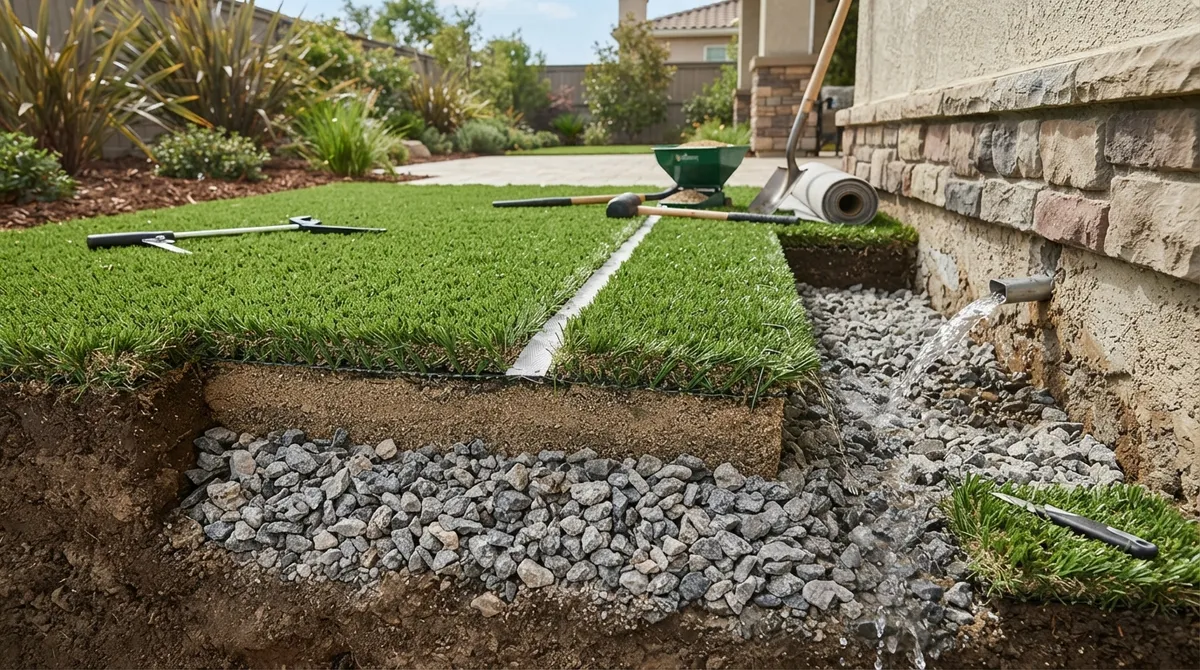
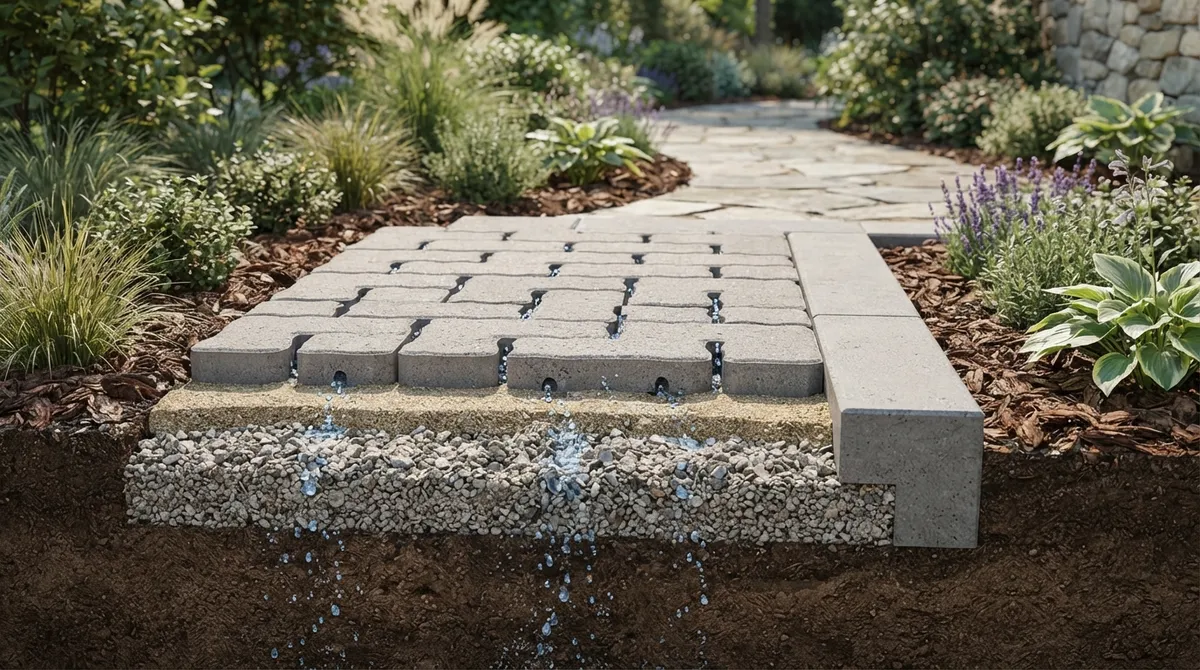
A compacted aggregate base is installed to provide stability and promote drainage. A weed barrier goes in next, followed by a drainage layer designed to handle pet urine and rainwater efficiently. Good drainage is one of the most important features of pet turf, especially in Chicago’s wet seasons. You can learn more about how this works in our detailed guide on how turf drainage systems work.
Step 4: Turf Placement and Seaming
The pet turf is rolled out, cut to fit the space precisely, and seamed together where needed. Professional installers use specialized adhesives and seaming tape to create seamless joints that are virtually invisible. The turf is then secured around the edges to keep it firmly in place.
Step 5: Infill Application and Final Brushing
Antimicrobial infill is spread evenly across the turf surface. This infill supports the turf blades, adds cushioning, and helps neutralize odors. Once the infill is in place, the turf is power-brushed to stand the blades upright. A flood test is often performed to confirm the drainage is working properly.
Typical residential projects take anywhere from 2 to 5 days to complete, depending on the size and complexity of the space. Want to see the full picture? Our article on the 5 key stages of the artificial turf installation process goes into even more detail.
Key Features to Look for in Pet Turf
Not all pet turf products are created equal. When you’re shopping around or speaking with installers, here are the features you should ask about.
- Drainage rate: Look for turf that drains at least 30 inches per hour — pet areas need fast, efficient drainage
- Antimicrobial infill: Products like zeolite or acrylic-coated silica sand help fight bacteria and reduce odors
- Pile height: A pile height of 1.5 to 1.75 inches works best for pet areas — short enough to clean easily but soft enough for paws
- Blade shape: W-shaped or C-shaped blades tend to be more resilient and bounce back better after heavy use
- Recyclable materials: Look for products made from recyclable, non-toxic materials for sustainability and pet safety
For even more insight on infill options, our guide to 9 infill types for artificial grass that actually work is a great resource.
How to Maintain Pet Turf After Installation
One of the best things about pet turf is how easy it is to maintain compared to natural grass. But it does still need some basic care to keep it looking and smelling fresh. Here’s a simple maintenance routine to follow.
- Pick up solid waste daily — this is the number one rule for keeping pet turf sanitary and odor-free
- Rinse the turf weekly with a garden hose to dilute and flush away urine and any residue
- Use a pet-safe enzyme cleaner monthly to break down organic matter and neutralize bacteria
- Brush the turf every 4 to 6 weeks with a stiff bristle broom to keep the blades upright and the surface looking lush
- Inspect the edges and seams seasonally to make sure everything is still secure and no lifting has occurred
For a full breakdown of keeping your turf in top shape, our simple guide to cleaning artificial turf from pet waste is packed with helpful tips.
Common Pet Turf Installation Mistakes to Avoid
Whether you’re considering a DIY approach or hiring a professional, knowing what can go wrong helps you avoid costly mistakes. Here are some of the most common errors homeowners make with pet turf.
- Skipping proper excavation — insufficient depth leads to poor drainage and uneven surfaces over time
- Using standard turf instead of pet-specific turf — regular turf won’t have the drainage or antimicrobial features pets need
- Choosing the wrong infill — some infill materials trap heat or odors, making the space uncomfortable for pets
- Neglecting edge securing — loose edges can be a tripping hazard and allow weeds to creep in underneath
- Skipping the weed barrier — weeds will push up through turf over time without a proper barrier in place
For more on this topic, check out our article on synthetic grass dog run mistakes to avoid before you commit to any installation plan.
Is Pet Turf Safe for Dogs and Children?
Absolutely — and this is one of the top concerns we hear from Chicago families. High-quality pet turf is made from non-toxic, lead-free materials that are safe for both dogs and kids. Because you’re no longer using pesticides, herbicides, or fertilizers on the lawn, you’re actually creating a cleaner, healthier environment for your whole family.
Industry organizations like Landscape Illinois encourage sustainable landscaping practices, and pet turf fits right into that philosophy by eliminating chemical lawn treatments. The antimicrobial infill also helps reduce the presence of harmful bacteria, making the surface more hygienic than natural grass in many cases.
It’s worth noting that pet turf can get warmer than natural grass on very hot summer days. Choose turf with heat-reduction technology where possible, and provide shaded areas in your yard to keep things comfortable for your pets. Our article on how artificial turf heat reduction technology works explains this in detail.
Pairing Pet Turf with Other Landscape Features
Pet turf doesn’t have to stand alone. In fact, it looks amazing when combined with other landscaping and hardscaping features. Here are some popular pairings Chicago homeowners love.
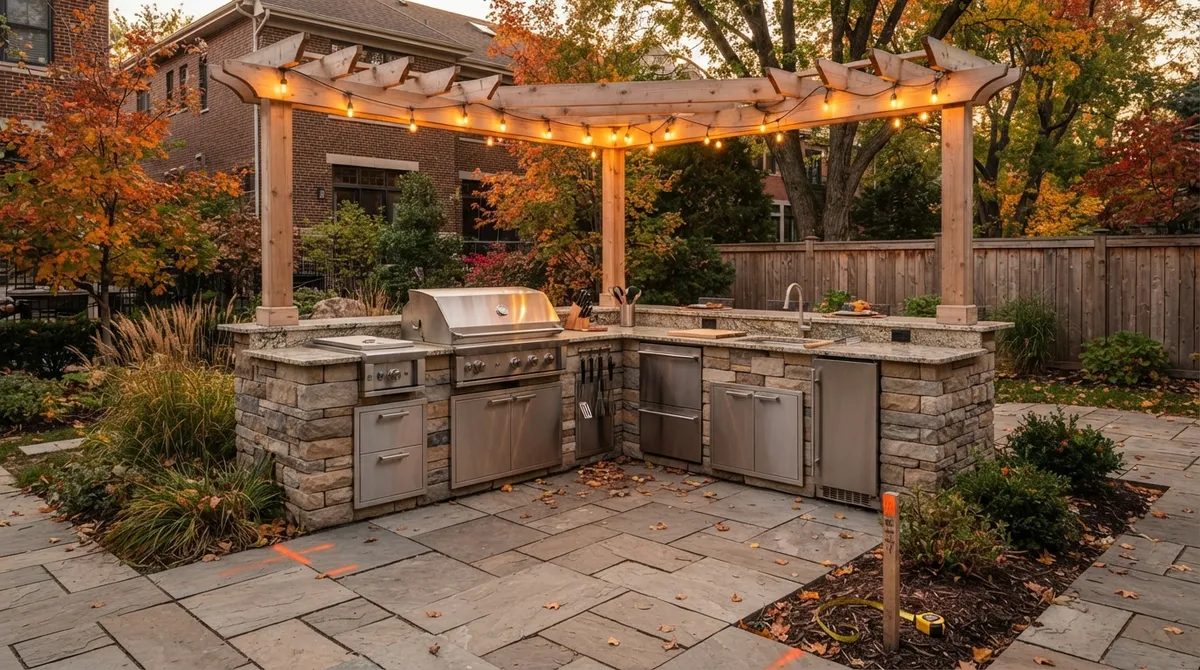
- Paver borders and pathways to create clean transitions between turf areas and hardscape — explore our paver installation services for inspiration
- Retaining walls to level out sloped yards and create defined pet play zones — learn more about retaining wall options
- Pergolas or pavilions to provide shaded areas over pet turf — browse our pergola and pavilion designs
- Landscape lighting so your pets (and you!) can enjoy the yard safely after dark — check out our outdoor lighting and sound options
At Serenity Landscape Group, we offer a full suite of landscaping and hardscaping services to complement your pet turf installation. With over two decades of experience serving the greater Chicago metropolitan area, our team knows how to create outdoor spaces that work beautifully for both people and their pets. You can see examples of our work in our gallery of completed projects.
For professional guidance on combining synthetic surfaces with broader landscape elements, resources from a certified hardscape professional can help you make the best decisions for your property.
Choosing the Right Pet Turf Installer in Chicago
Not every landscaping company has experience with pet-specific turf systems. When evaluating installers, here’s what to look for.
- Ask about experience with pet turf specifically — general turf installers may not know the drainage and infill requirements for pet areas
- Request to see past projects — photos or references from similar pet turf installations give you confidence in their work
- Get a written quote with full details — materials, labor, drainage specs, infill type, and warranty should all be spelled out clearly
- Look for companies that offer free consultations — this shows they’re invested in understanding your needs before starting work
- Check reviews and credentials — online reviews and industry affiliations are good indicators of reliability and quality
Helpful tips on finding the right local pro are available in our guide on how to find the best landscaping services near you in Chicago. You can also explore our dedicated artificial turf installation service page to learn more about what we offer. For additional industry standards and best practices, the Landscape Illinois association is a trustworthy resource for homeowners and businesses alike.
Ready to Transform Your Yard for Your Pets?
Pet turf installation in Chicago is one of the smartest investments you can make as a dog owner or pet-friendly property manager. It eliminates mud, reduces maintenance, creates a safe space for your pets, and keeps your yard looking beautiful through every season Chicago throws at you. Whether you have a small city backyard or a sprawling suburban lawn, there’s a pet turf solution that fits your space and budget.
Serenity Landscape Group is here to help you every step of the way — from consultation to final installation and beyond. We’d love to help you create an outdoor space you and your furry family members will enjoy for years to come. Request your free estimate today and let’s get started on building the pet-friendly yard of your dreams. Or, if you prefer to chat right away, feel free to call us at (630) 359-5139 — we’re always happy to talk landscaping!
FAQs
Q: How much does pet turf installation cost in Chicago?
A: Pet turf installation in Chicago typically runs between $9 and $18 per square foot, depending on the turf quality, drainage upgrades, and size of the area. Pet-specific turf adds roughly $1 to $3 per square foot over standard artificial grass because of the antimicrobial infill and enhanced drainage systems. Most installers offer free on-site consultations so you can get an accurate quote for your specific yard!
Q: How long does pet turf installation take in Chicago?
A: Most residential pet turf projects in the Chicago area take between 2 and 5 days to complete. The timeline depends on the size of the space, the amount of site preparation needed, and any custom design features. Your installer will give you a clearer timeline after the initial site assessment.
Q: Is pet turf safe for dogs and kids in Chicago backyards?
A: Yes, absolutely! High-quality pet turf is made from non-toxic, lead-free materials that are completely safe for both dogs and children. Because you no longer need pesticides or fertilizers on your lawn, pet turf can actually create a cleaner, healthier environment for your whole family. Just be sure to choose turf with heat-reduction technology for those hot Chicago summer days.
Q: What makes pet turf different from regular artificial grass?
A: Pet turf is specifically engineered to handle the demands of animals — think enhanced drainage systems, antimicrobial infill to fight bacteria and odors, and more durable fibers that stand up to digging and heavy play. Regular artificial grass doesn’t include these pet-specific upgrades, which can lead to odor issues and faster wear in high-use pet areas.
Q: How do I maintain pet turf after installation in Chicago?
A: Maintaining pet turf is pretty simple! Pick up solid waste daily, rinse the surface weekly with a hose, and use a pet-safe enzyme cleaner once a month to keep bacteria at bay. Brush the turf blades upright every 4 to 6 weeks and do a seasonal check of the edges and seams to make sure everything stays secure and looking great.