Key Takeaways
-
Pet-specific synthetic turf must have shorter, denser pile with antimicrobial technology (like Microban) that reduces odors by 99%, not standard decorative turf designed for lawns.
-
Proper drainage relies on a layered base system (compacted aggregate, decomposed granite, then turf) that enables 30+ inches per hour drainage—the turf alone cannot drain effectively without correct foundation preparation.
-
Dog run sizing matters: small dogs need minimum 10×4 feet, medium dogs 15×5 feet, large dogs 20×6-8 feet to prevent stress and concentrated wear in single areas.
-
Professional installation is essential to avoid DIY failures like poor seaming, incorrect edging, and drainage problems; professionals handle site prep, base layering, seam cutting, edge securing, and finishing brushing.
-
Maintenance is low but not zero: daily waste removal, weekly water rinsing, monthly enzymatic cleaning, and seasonal fiber brushing keep odors controlled and extend turf lifespan.
-
Pet-specific synthetic turf is lead-free, non-toxic, hypoallergenic, and resists fleas and ticks while draining at rates nearly four times faster than standard infill-based systems, making it safer than natural grass.
Your dog deserves a great backyard. And you deserve a yard that doesn’t turn into a muddy disaster every time it rains. That’s where synthetic grass for dog runs comes in — a game-changing solution that pet owners across the Chicago suburbs are loving in 2026. But here’s the thing: not every installation goes smoothly. In fact, some common mistakes can turn a great idea into a costly headache. Whether you’re a suburban homeowner trying to keep your HOA happy, a commercial property manager running a dog daycare, or a condo owner with a small rooftop space, this guide will help you get it right. We’ll walk you through the five biggest mistakes people make when installing synthetic grass for dog runs — so you can skip the trial and error and go straight to enjoying a clean, green, pet-friendly outdoor space all year long.
Why Synthetic Grass for Dog Runs Is So Popular in 2026
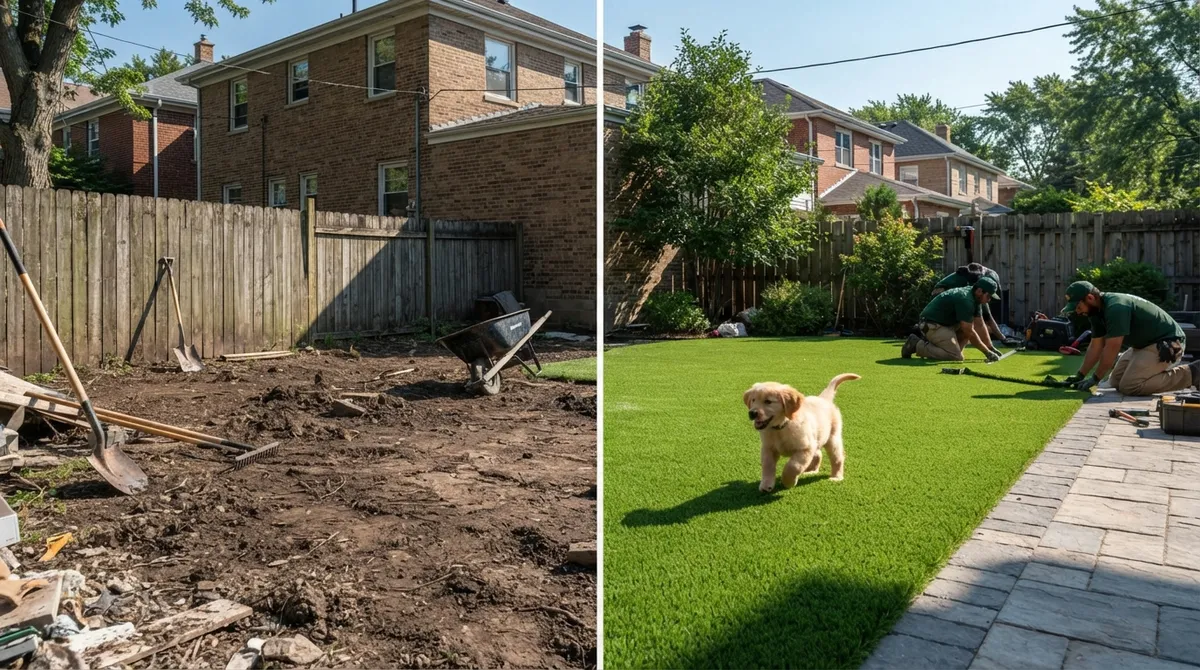
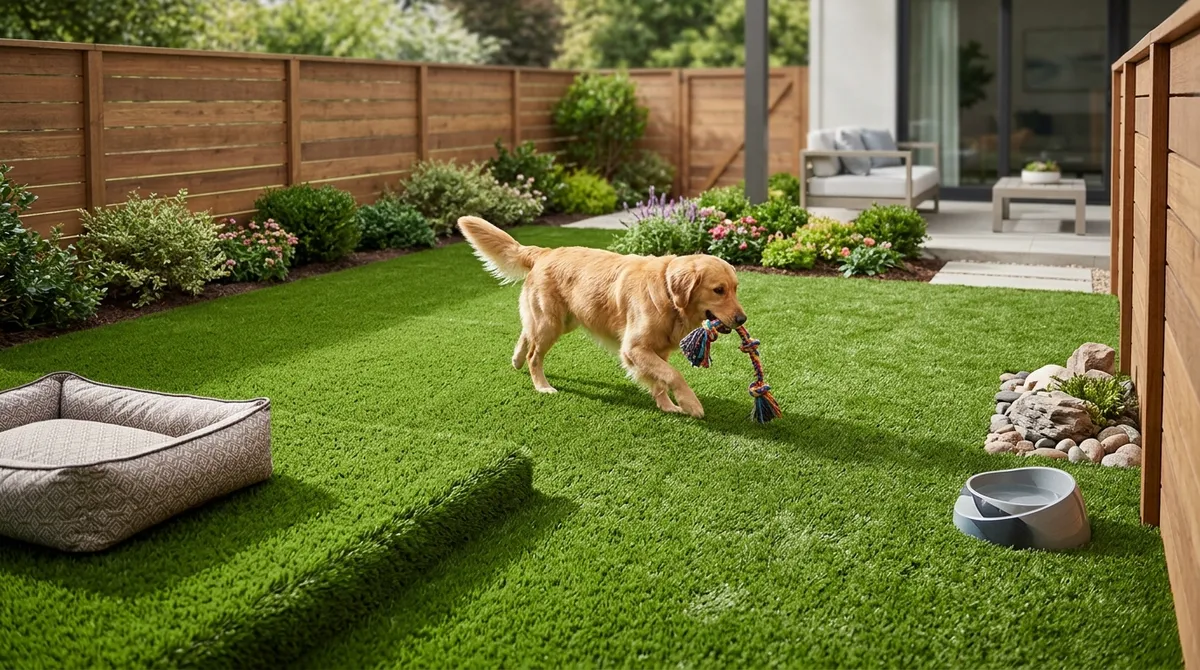
It’s no surprise that pet turf installations have exploded in popularity. Dog runs made with professional artificial turf installation offer something natural grass simply can’t match: consistent performance under heavy paw traffic, rain, and daily use. No bare spots. No mud. No digging holes that look like a construction zone.
Pet-specific synthetic turf is lead-free, non-toxic, and anti-bacterial. It resists fleas, ticks, and pet odors. The built-in drainage systems allow water and urine to drain at rates of 30 or more inches per hour — nearly four times faster than standard infill-based systems. For Chicago-area pet owners dealing with spring rain and heavy winters, that’s a big deal. You can also explore how non-toxic synthetic grass compares to natural grass for pets to understand what makes pet turf so much safer and cleaner.
Mistake 1: Choosing the Wrong Type of Pet Turf
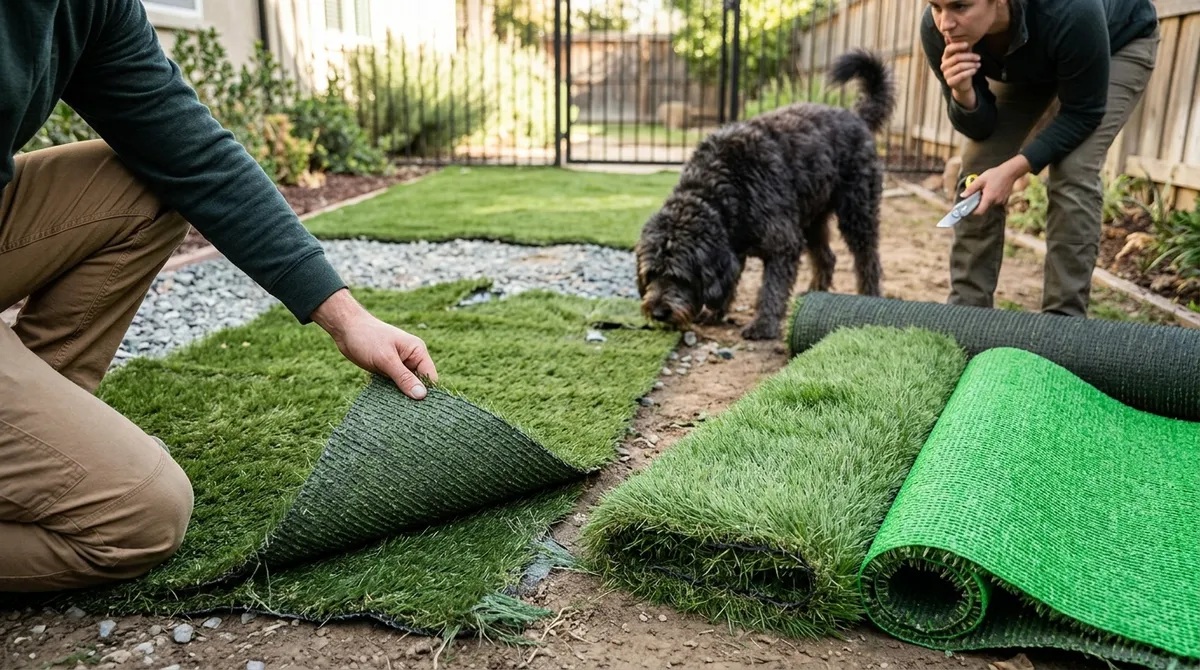
Not all synthetic grass is the same. This is one of the most common mix-ups homeowners make. Standard decorative turf is designed for lawns — not for a dog that runs, digs, and uses the bathroom in the same spot every day.
Pet-specific turf is built differently. Here’s what sets it apart:
- Shorter, denser pile that resists digging and paw wear
- Antimicrobial technology (like Microban) that inhibits bacteria and reduces odors by up to 99%
- Hypoallergenic fibers free from pesticides and pollen
- Infill-free options that reduce heat buildup, which is especially important during Chicago summers
- Durable backing that holds up to years of heavy use
If you’re unsure which product fits your dog’s activity level and your yard’s layout, check out easy-clean pet turf options designed specifically for pet-friendly yards. Matching the right product to the right application is something a professional landscaper can help you nail on the first try.
Mistake 2: Skipping Proper Drainage Preparation
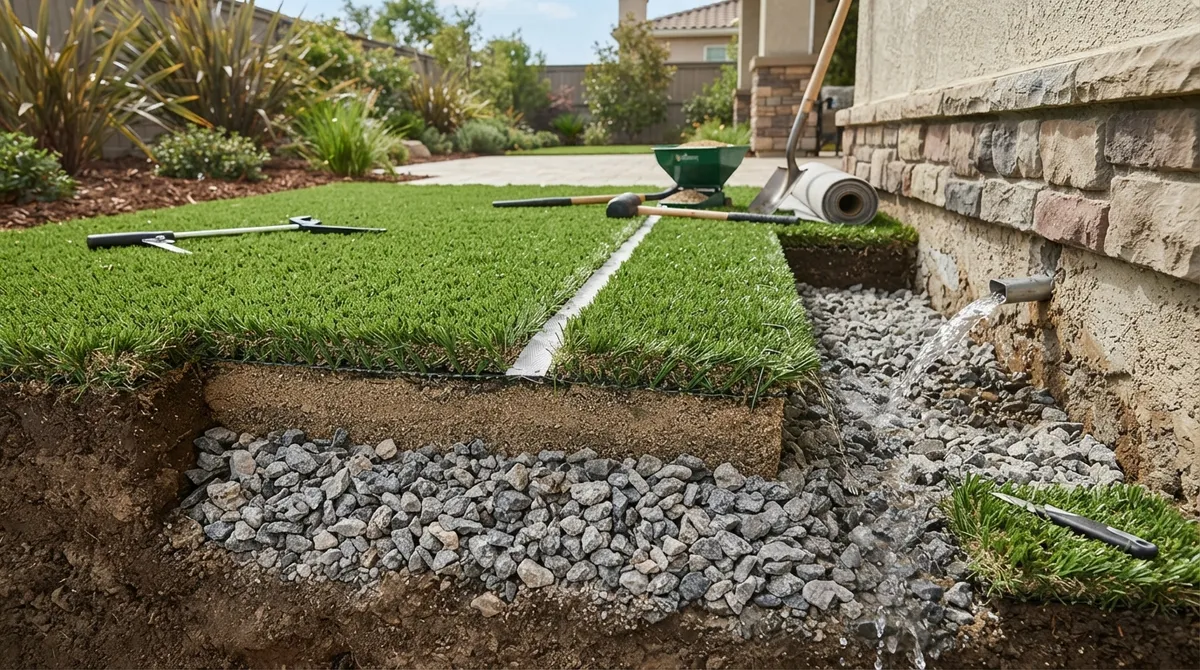
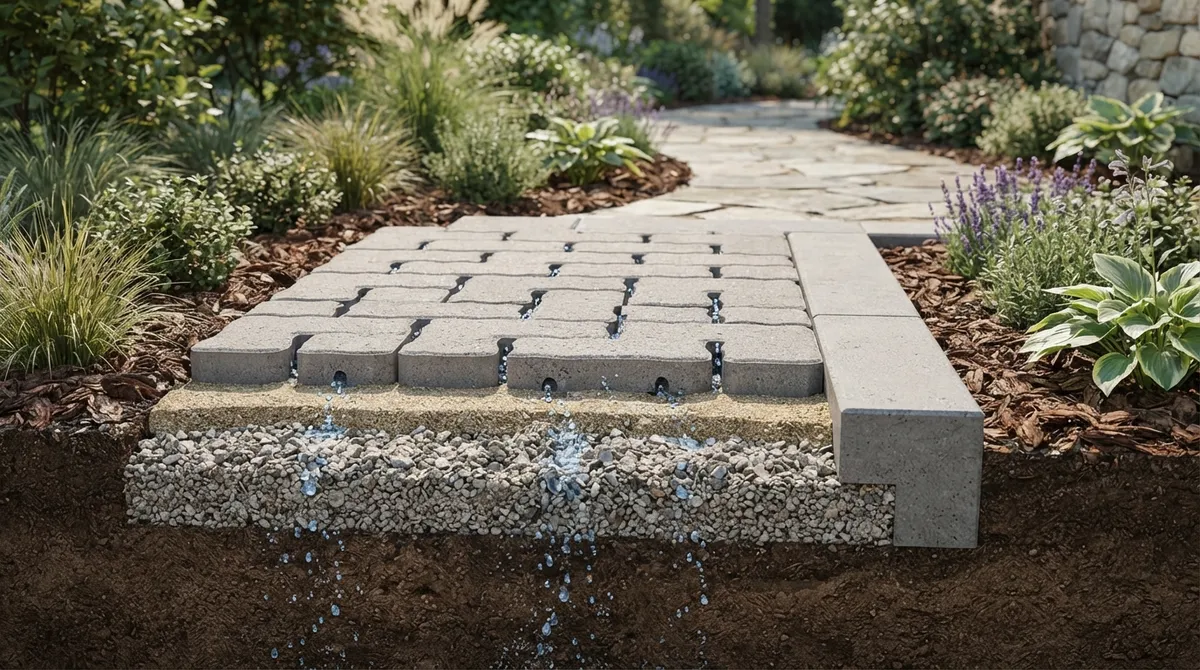
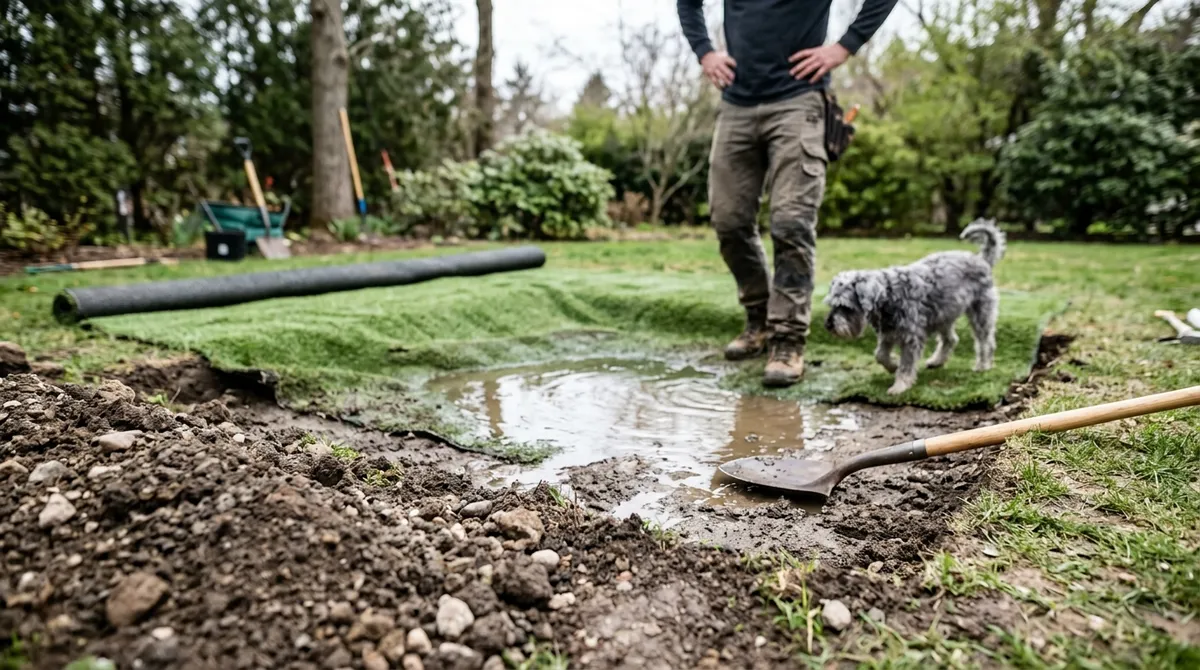
Here’s a truth that catches many homeowners off guard: the turf itself isn’t the drainage system. The base beneath the turf does most of the heavy lifting. If you skip proper base preparation, you’ll end up with puddles, soggy turf, and odors that won’t quit — even with premium pet turf installed on top.
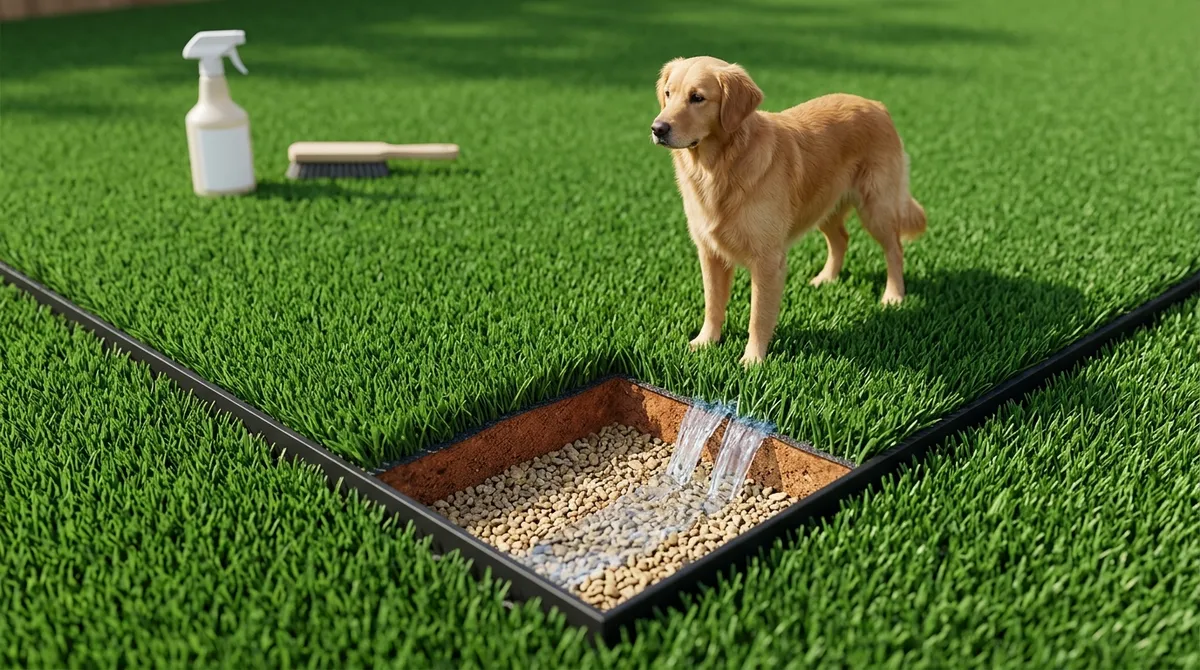
A professional installation includes a carefully layered base system. Here’s what a proper drainage setup looks like:
| Layer | Material | Purpose |
|---|---|---|
| Bottom Layer | Compacted aggregate base (crushed stone) | Allows rapid water flow and urine drainage |
| Middle Layer | Decomposed granite or sand | Provides stability and fine drainage |
| Top Layer | Pet-specific synthetic turf | Surface for play and comfort |
For dog runs, high-performance turf drains at 30+ inches per hour. But that only works when the base is set up correctly. Learn more about what goes into the foundation by reading about the best base materials for turf installation in 2026. Getting this step right makes all the difference between a dog run that smells fresh and one that doesn’t.
Mistake 3: Ignoring the Size and Layout of the Dog Run
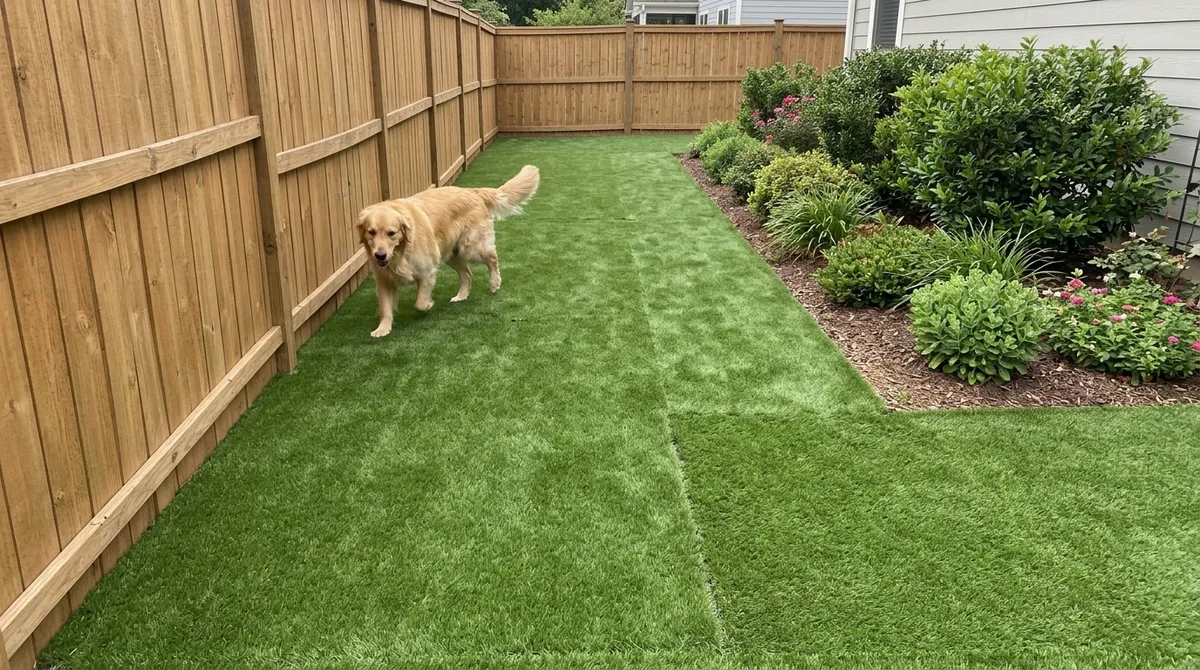
A dog run that’s too small creates stress for your dog and puts too much concentrated wear on a single area. A layout that’s poorly planned can create safety hazards or escape risks. Many homeowners underestimate how important the design phase is before any turf hits the ground.
Here’s a simple sizing guide based on dog size:
| Dog Size | Minimum Run Length | Recommended Width |
|---|---|---|
| Small (under 25 lbs) | 10 feet | 4 feet |
| Medium (25–60 lbs) | 15 feet | 5 feet |
| Large (60+ lbs) | 20 feet | 6–8 feet |
Beyond size, think about how the run connects to the rest of your yard. Will you pair it with a paver pathway leading from the back door? Will you add outdoor lighting so your dog can use the space safely after dark? These details matter and a well-planned layout makes the whole yard more functional and beautiful. You can explore how thoughtful design can elevate your full outdoor space by looking at how to create a landscape design that transforms your space.
Also consider these layout tips:
- Position the run in a shaded area to keep the turf cooler in summer
- Use a fence or border edging to define the space clearly
- Allow enough room for water bowls and a shaded shelter
- Plan for easy access for cleaning and maintenance
Mistake 4: Skipping Professional Installation
We get it — DIY projects are tempting. They seem like a great way to save money. But synthetic grass for dog runs is one of those projects where cutting corners on installation costs you more in the long run. Poor seaming, incorrect edging, and improper infill application can lead to gaps, wrinkles, and drainage failures within months.
Here’s a step-by-step look at what a professional installation actually involves:
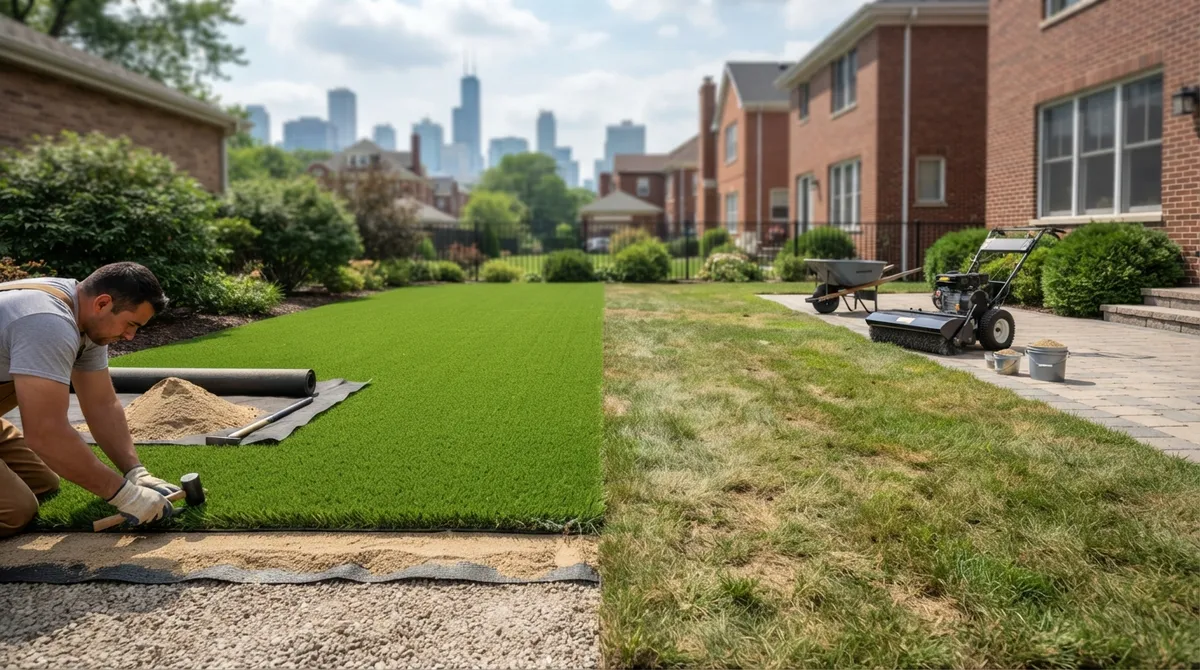
- Site assessment and soil removal to the correct depth
- Installation of a weed barrier membrane
- Layering and compacting the aggregate base
- Cutting and fitting the turf to the exact shape of the run
- Securing edges with nails, staples, or adhesive as needed
- Adding infill (if required) for blade support and cushioning
- Brushing and finishing the turf surface for a natural look
A professional team also knows how to handle Chicago’s challenging clay-heavy soil and freeze-thaw cycles. The five key stages of the artificial turf installation process explain exactly what happens from start to finish. Industry organizations like Landscape Illinois also recommend hiring certified professionals for pet turf work to ensure safety and quality.
At Serenity Landscape Group, our team brings over two decades of hands-on experience to every installation. We handle everything from site prep to the final brush — so you never have to wonder if it was done right. Reach out to get a free estimate and let’s talk about your dog run project.
Mistake 5: Neglecting Ongoing Maintenance
Synthetic grass is low-maintenance — not no-maintenance. This is a subtle but important difference. Pet owners sometimes assume that once the turf is down, there’s nothing left to do. Then they’re surprised when odors start building up after a few months of heavy use.
The good news? Keeping pet turf clean is genuinely simple when you stick to a routine. Here’s what a basic maintenance schedule looks like:
- Daily: Remove solid pet waste promptly
- Weekly: Rinse the turf with water to flush urine through the drainage system
- Monthly: Use a pet-safe enzymatic cleaner to neutralize odors and bacteria
- Seasonally: Brush the turf fibers upright to maintain a natural appearance
- Annually: Inspect edging, seams, and drainage for any wear or repairs needed
High-performance turf with antimicrobial technology — like products infused with Microban — delivers 99% odor reduction and keeps bacteria at bay between cleanings. For a deeper dive into keeping your pet turf fresh year-round, check out this helpful guide on cleaning artificial turf from pet waste. And if you want to make your turf last as long as possible, read about how to maximize your artificial turf lifespan in Illinois.
Bonus Tips: Getting the Most From Your Dog Run Turf
Once you’ve avoided the five big mistakes, there are a few extra steps that help you get even more value from your investment. These aren’t deal-breakers, but they make a noticeable difference.
- Train your dog to use a specific area of the run for bathroom breaks — this concentrates wear and makes cleaning easier
- Consider pairing your dog run with a softscape border of pet-friendly plants for a polished, finished look
- Add a shaded structure like a small pergola or pavilion nearby for you and your dog to enjoy together
- Use a gentle garden hose — not a pressure washer — for routine rinsing to protect the turf fibers
- Ask your installer about heat-reducing infill options if your run gets full afternoon sun
For commercial properties like dog daycares, boarding facilities, or apartment complexes with dog parks, professional turf offers even bigger advantages. You can explore how to plan dog park turf installation in Chicago for larger-scale projects. And if you’re wondering whether synthetic turf holds up through Illinois winters, this comparison of artificial turf vs. natural grass in Midwest winters will give you confidence in your choice. The ICPI Certified Installer standards also provide a helpful benchmark for what quality outdoor surface installation should look like.
Is Synthetic Grass for Dog Runs Worth the Investment?
Absolutely — when it’s done right. Pet turf eliminates mud, reduces allergens, saves water, and keeps your yard looking great every single day of the year. For Chicago homeowners dealing with clay soil that turns to mush every spring, it’s a particularly smart upgrade. And for commercial property managers, it’s a low-maintenance solution that looks polished and professional without constant upkeep.
The key is making smart choices from the start: the right turf product, proper drainage prep, a thoughtful layout, expert installation, and a simple maintenance routine. Avoid the five mistakes above and you’ll have a dog run that both you and your pup absolutely love. To understand the full range of long-term benefits, check out 8 benefits of synthetic grass for families in 2026 — and see why so many Chicago-area families are making the switch. You might also find it helpful to compare 14 cost-benefit facts about artificial turf vs. real grass to feel confident in your decision. For eco-conscious homeowners, you’ll also appreciate learning how to enjoy the eco-friendly benefits of synthetic lawns.
Ready to Transform Your Dog Run?
Your dog run should be a space you’re proud of — a clean, safe, and beautiful area that your pet loves and your yard benefits from. At Serenity Landscape Group, we’ve been helping Chicago-area homeowners and businesses create stunning, functional outdoor spaces for over 20 years. From initial design to professional installation, our team makes the whole process easy and rewarding. Get a free estimate today and let’s create a dog run that truly works for your home, your pet, and your lifestyle. You’re also welcome to call us at (630) 359-5139 — we’d love to chat about your project.
FAQs
Q: Is synthetic grass for dog runs safe for my pet?
A: Absolutely! Quality pet turf is lead-free, non-toxic, and hypoallergenic — making it a wonderful, safe surface for dogs of all sizes. It’s also free from pesticides, fertilizers, and grass pollen, which means fewer allergy flare-ups for both you and your furry friend.
Q: How does synthetic grass handle dog urine and drainage?
A: Pet-specific synthetic turf is designed with built-in drainage systems that can handle 30 or more inches of liquid per hour — that’s nearly four times faster than standard turf systems. When installed with a proper aggregate base, urine drains quickly through the turf and base layers, leaving no puddles or soggy spots behind.
Q: How much does installing synthetic grass for a dog run cost?
A: Costs vary depending on the size of the run, the type of pet turf selected, and the complexity of the base preparation needed. Most residential dog run installations in the Chicago area range from a few hundred to a few thousand dollars — and the long-term savings on water, lawn care, and mud cleanup make it a smart investment. Reach out for a free estimate to get an accurate number for your specific project.
Q: Can synthetic grass for dog runs be installed indoors?
A: Yes! Pet turf is versatile enough for both indoor and outdoor use — making it a great option for kennels, dog daycares, indoor play areas, and even rooftop spaces. A professional installer can tailor the drainage and base system to suit indoor conditions safely and effectively.
Q: Does synthetic grass for dog runs require a lot of maintenance?
A: Not at all — it’s genuinely low-maintenance, which is one of the best parts! A quick daily removal of solid waste, a weekly rinse with a garden hose, and a monthly spray with a pet-safe cleaner is really all it takes. No mowing, no mud, no chemicals, and no reseeding — ever.