Key Takeaways
-
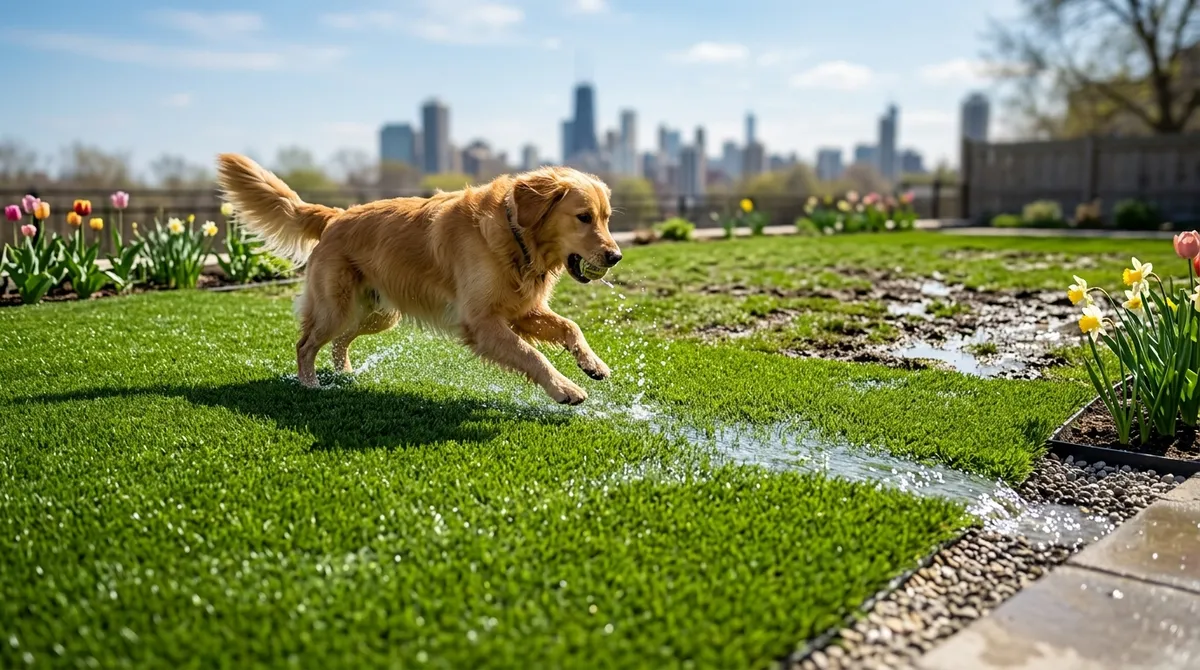
Chicago’s wet springs, heavy clay soil, and freeze-thaw winters make synthetic pet turf with 100% permeable backing (like DuraFlo) essential—it drains pet urine and rainwater quickly while natural grass gets muddy and patchy.
-
Residential dog park turf installation in Chicago costs $8–$18 per square foot ($4,000–$9,000 for a 500 sq ft backyard), with costs varying by turf quality, site preparation complexity, and existing surface conditions—request a professional site visit for accurate estimates.
-
Proper site preparation is non-negotiable in Chicago: remove existing surface, install weed barrier, add 2–3 inches of crushed aggregate base, grade for 1–2% slope, and compact thoroughly to prevent pooling, uneven surfaces, and turf shifting.
-
Pet-specific turf must have lead-free materials, UV protection, 1–1.5 inch pile height, antimicrobial infill options, and curved blades for resilience—general-purpose artificial turf won’t withstand dogs’ digging, running, and heavy paw traffic.
-
Maintenance is simple but essential: weekly rinsing, prompt solid waste removal, periodic brushing, monthly enzyme cleaner application, and winter seam inspections keep synthetic turf fresh and odor-free with far less effort than natural grass.
-
Professional installation is critical for Chicago projects—local experts understand freeze-thaw cycles and clay soil challenges that DIY installations typically fail at, ensuring a level surface, proper drainage, and long-term durability.
If you have a dog — or manage a space where dogs love to run — you already know the struggle. Natural grass gets chewed up, muddy, and patchy fast. Chicago’s wet springs, heavy clay soil, and freezing winters make it even harder to keep a grassy area looking good. That’s where dog park turf installation in Chicago becomes a game-changer. Synthetic pet turf gives dogs a safe, clean, and durable surface to enjoy all year long. Whether you’re a suburban homeowner, a commercial property manager, or a community park planner, artificial turf is one of the smartest investments you can make for a pet-friendly space. In this guide, we’ll walk you through everything you need to know — from planning and product selection to installation and maintenance — so your dog park project goes smoothly from start to finish.
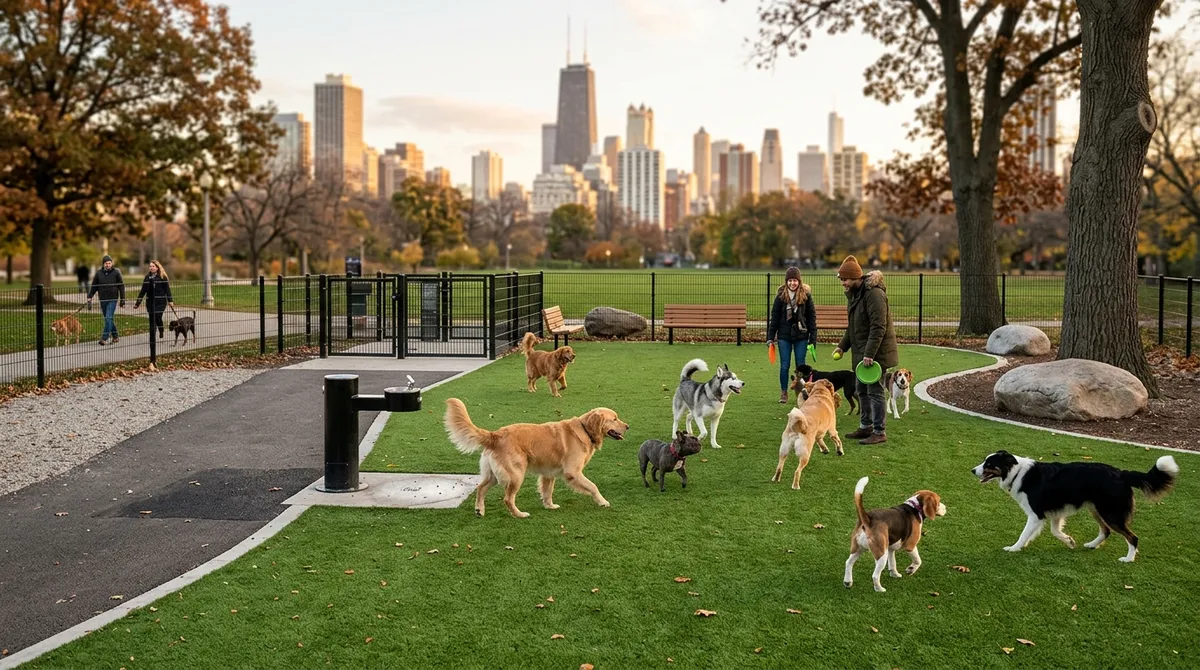
Why Dog Park Turf Makes Sense in Chicago
Chicago’s climate throws a lot at outdoor surfaces. You get heavy spring rains, humid summers, and brutal freeze-thaw cycles in winter. Natural grass simply can’t keep up — especially in high-traffic dog areas. Muddy paws, dead patches, and uneven ground are constant headaches. Artificial turf installation solves all of these problems at once.
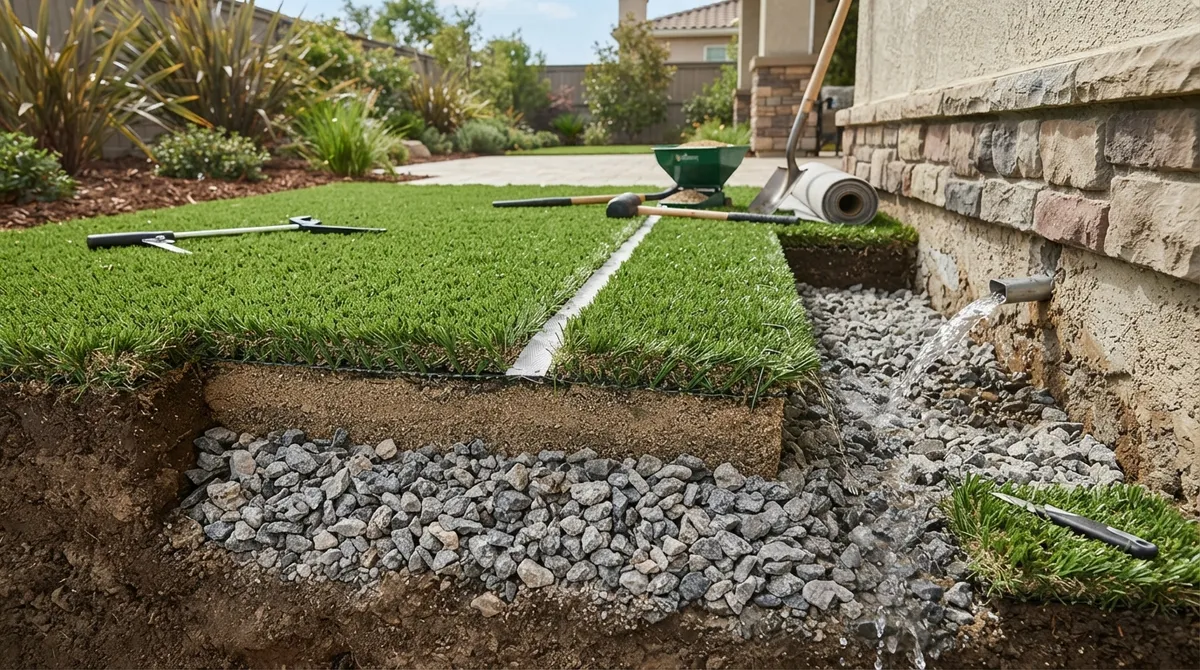
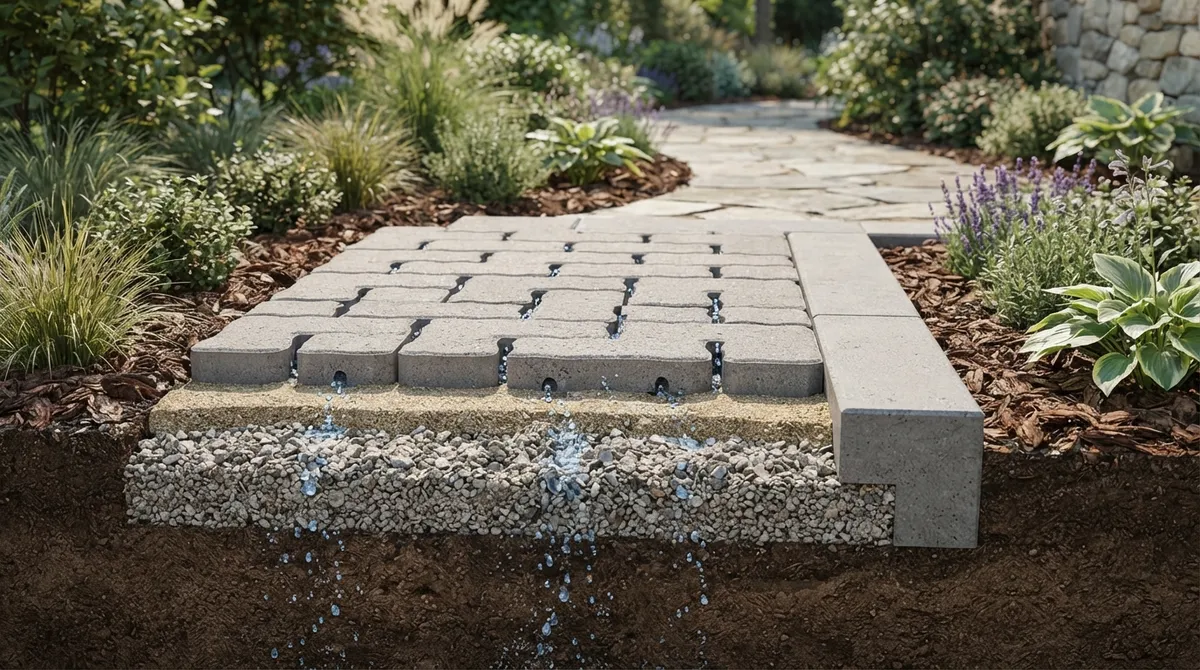
Synthetic turf designed for pet areas features 100% permeable backings — such as DuraFlo or DuraLock Ultra-Flo — that let water and pet urine drain through quickly. This is especially important in Chicago, where rainfall is frequent and the soil is dense clay. You can learn more about why synthetic grass drains better than natural lawns to understand this advantage. In fact, Landscape Illinois notes that sustainable, low-maintenance landscaping solutions are increasingly popular across the state.
It’s also worth noting that Illinois leads the country in artificial grass adoption — and that trend is only growing in 2026. Pet owners and park managers alike are making the switch because the long-term benefits far outweigh the upfront costs.
Step 1: Assess Your Space and Set a Budget
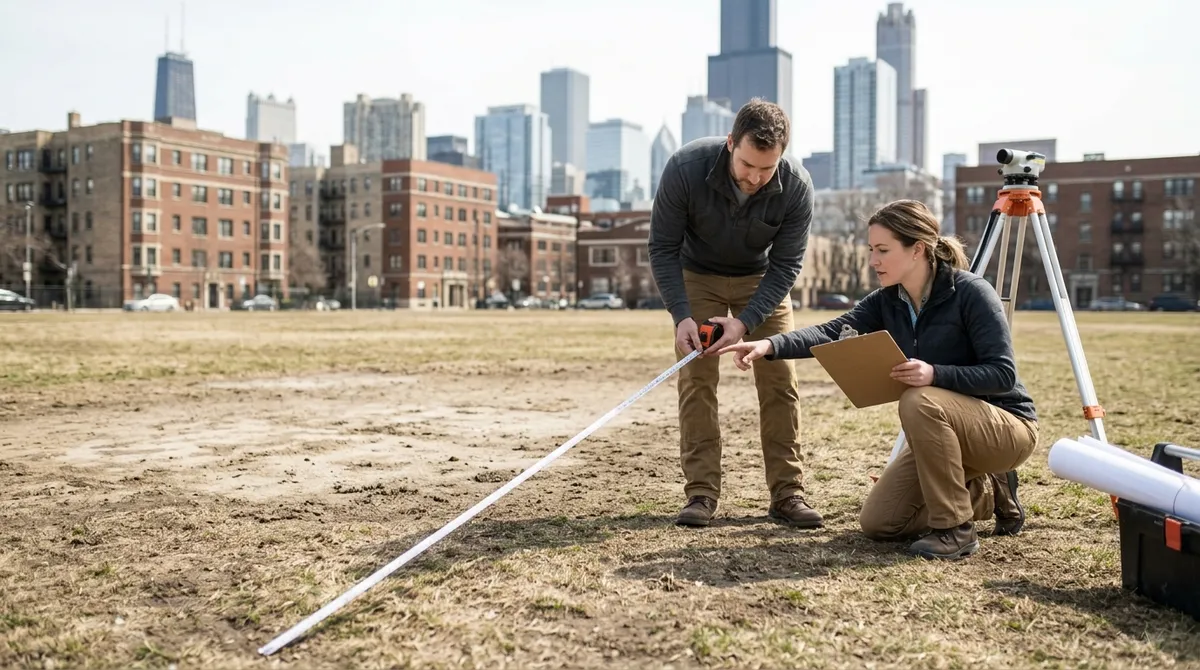
Before anything else, take a good look at the area you want to convert. Measure the square footage carefully. Note any slopes, drainage issues, or existing surfaces that need removal. This assessment shapes everything — from the type of turf you choose to the base preparation required.
Budget is a key factor. In the Chicago area, residential artificial turf installation typically costs between $8 and $18 per square foot, depending on product quality and site preparation needs. A small backyard dog run of 500 square feet might run $4,000–$9,000. A larger community dog park could be significantly more. Consider these cost factors:
- Size of the area to be covered
- Condition of the existing surface (grass, gravel, concrete)
- Type and quality of turf selected
- Depth and complexity of base preparation needed
- Infill material chosen for pet applications
- Any grading or drainage improvements required
If you’re unsure about your budget or scope, it’s always smart to request a free estimate from a professional landscaping team. A site visit will give you a much more accurate picture than any online calculator.
Step 2: Choose the Right Pet Turf Product
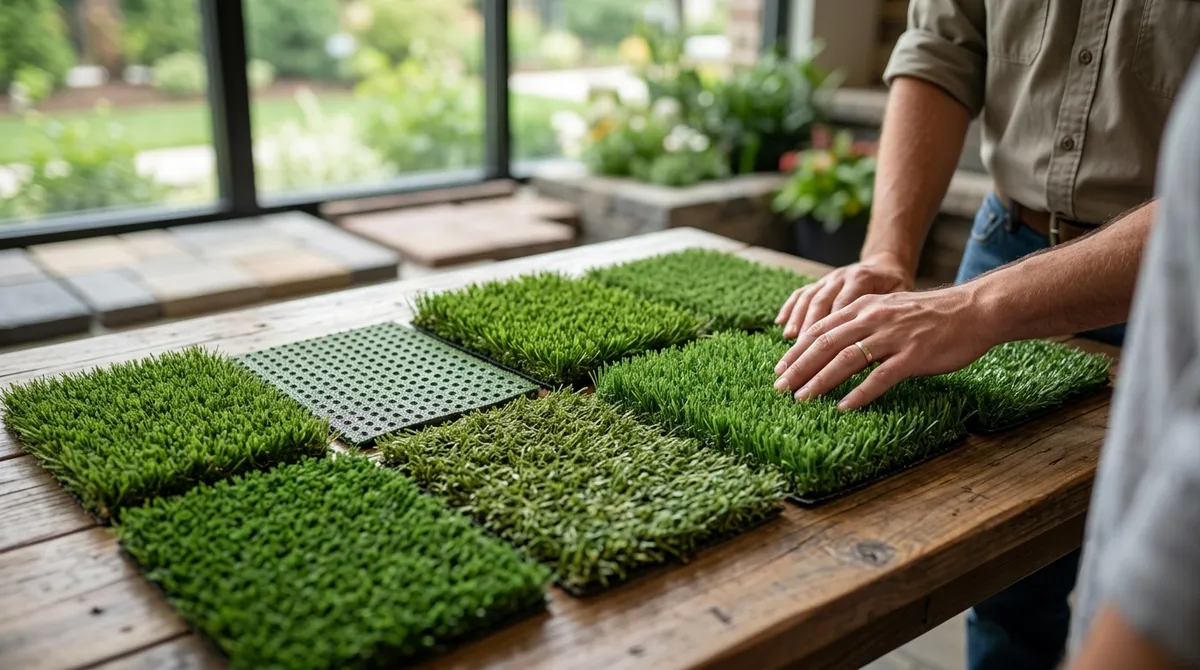
Not all artificial turf is the same. Pet turf is specifically engineered to handle what dogs dish out — digging, running, urinating, and everything in between. Here’s what to look for when selecting your turf product:
- Lead-free and non-toxic materials — essential for dog safety
- UV protection — prevents fading and degradation from sunlight
- High durability fibers — designed for high-traffic areas and heavy paw traffic
- 100% permeable backing — critical for drainage in Chicago’s wet climate
- Antimicrobial infill options — helps control odor and bacteria
Pile height and blade shape also matter. For dog parks, a shorter pile height (around 1 to 1.5 inches) tends to hold up better under heavy use. Curved or S-shaped blades are more resilient and spring back after pressure. You can explore infill types for artificial grass to find the best match for a pet environment.
| Turf Feature | Why It Matters for Dog Parks | Recommended Spec |
|---|---|---|
| Backing Type | Drainage of urine and rainwater | 100% permeable (DuraFlo, Ultra-Flo) |
| Pile Height | Durability under heavy paw traffic | 1″ – 1.5″ for dog areas |
| Fiber Material | Resistance to wear and digging | Polyethylene or nylon blends |
| Infill Type | Odor control and surface stability | Antimicrobial or silica sand |
| UV Rating | Color retention in direct sunlight | UV-stabilized fibers |
Step 3: Prepare the Site Properly
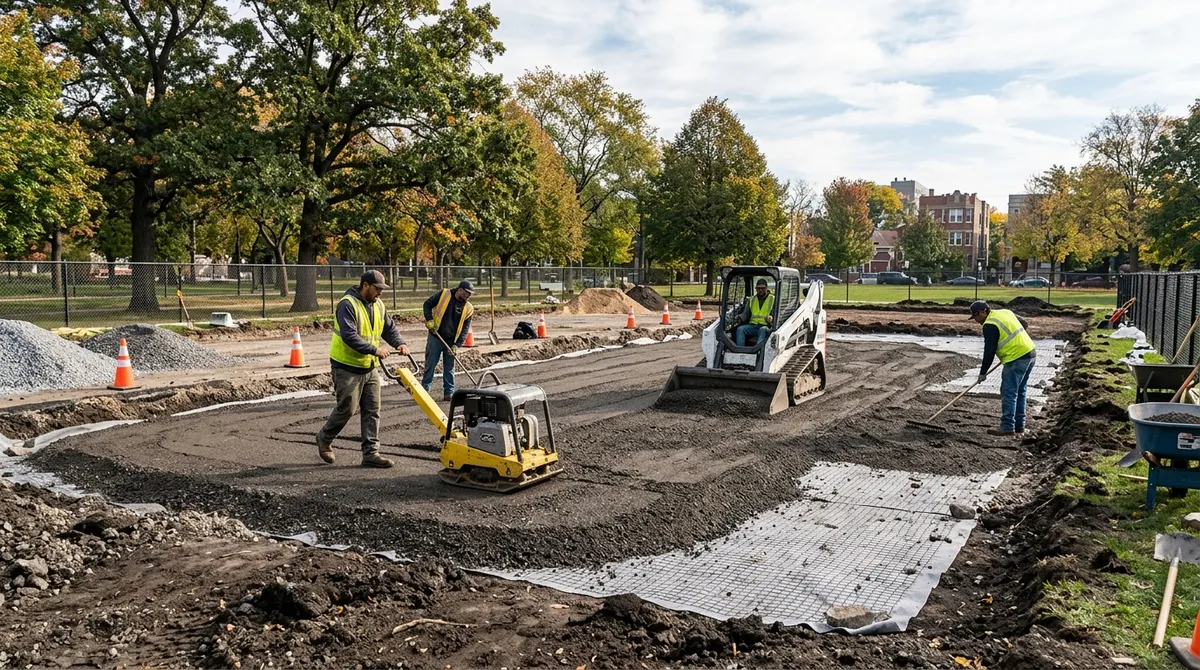
Site preparation is where the real work happens — and where most DIY projects go wrong. For dog park turf installation in Chicago, proper base preparation is non-negotiable. Chicago’s clay-heavy soil doesn’t drain well on its own, so your installer needs to address this before laying any turf.
Here’s a typical site preparation process for pet turf in the Chicago area:
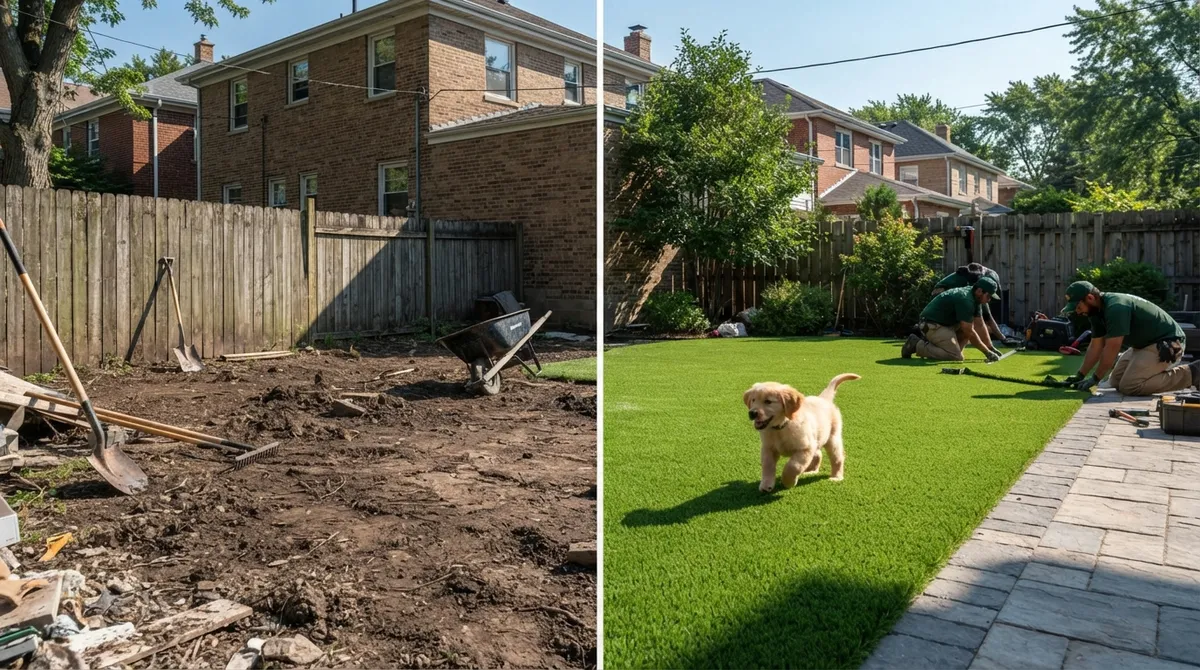
- Remove existing surface: Old grass, weeds, gravel, or pavement must be fully cleared. Excavation depth is usually 3 to 4 inches.
- Install a weed barrier: A quality landscape fabric goes down first to prevent weed growth beneath the turf.
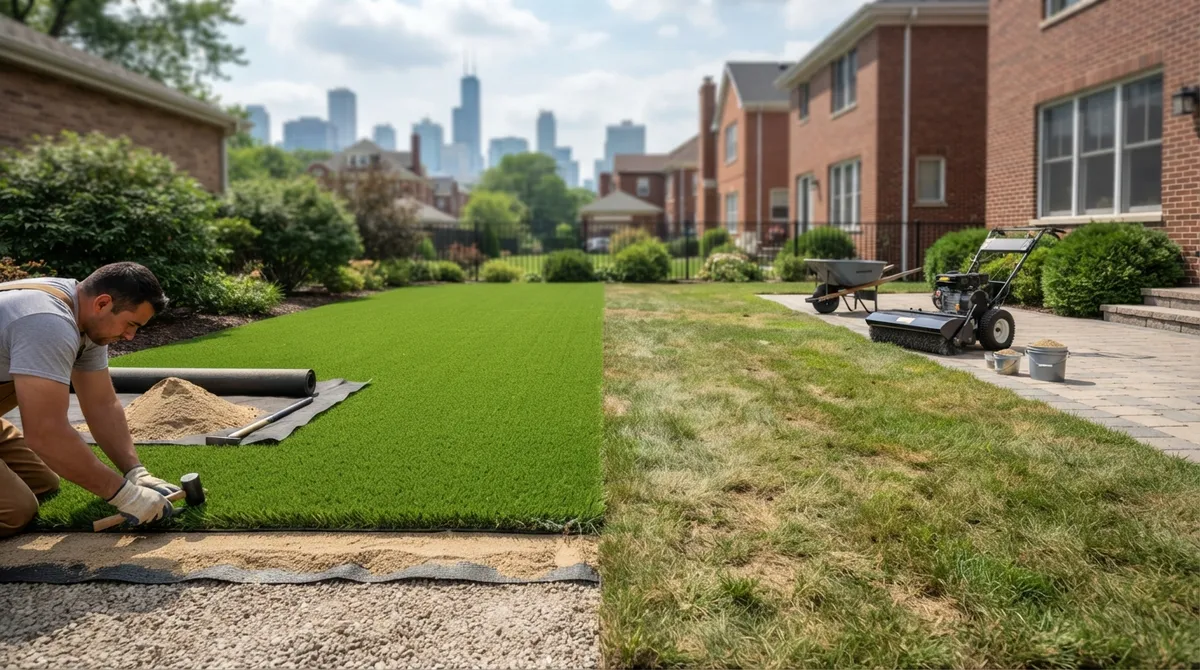
- Lay a crushed aggregate base: A compacted layer of decomposed granite or crushed rock (usually 2–3 inches deep) provides stability and drainage.
- Grade for proper slope: The base should have a slight slope (about 1–2%) to direct water away from structures or toward drainage points.
- Compact and level: The base is compacted thoroughly for a firm, even surface that won’t shift under heavy use.
Skipping any of these steps can lead to pooling water, uneven surfaces, or turf that shifts and wrinkles over time. You can read more about the best base materials for turf installation to understand your options. Working with experienced professionals who know Chicago’s freeze-thaw cycles and clay soil challenges makes all the difference.
Step 4: Install the Turf and Infill
With the base ready, it’s time for the fun part — actually installing the turf. This step requires precision and the right tools. Here’s how a professional installation typically unfolds:
- Roll out and cut the turf: Turf rolls are laid out, trimmed to fit the space, and seamed together if multiple rolls are needed. Seams are placed strategically to minimize visibility.
- Secure the edges: Turf is anchored along all edges using nails, staples, or bender board, depending on the border material and site conditions.
- Apply the infill: Infill material — such as antimicrobial silica sand or crumb rubber — is spread evenly across the turf and worked down into the fibers using a power broom.
- Groom the turf: A final pass with a power brush lifts the fibers and gives the surface a natural, lush appearance.
For commercial dog park installations, professionals also handle perimeter edging, drainage channel installation, and integration with surrounding hardscape elements like pavers or retaining walls. Working with a team experienced in both turf and hardscaping creates a cohesive, polished result. You can also explore the 5 key stages of the artificial turf installation process for a deeper look.
Step 5: Maintain Your Dog Park Turf
One of the biggest perks of synthetic turf is that it requires far less maintenance than natural grass. No mowing, no fertilizing, no reseeding. But pet turf does need some regular care to stay clean and fresh — especially in a high-use environment.
Here’s a simple maintenance routine to keep your dog park turf in great shape:
- Rinse weekly: Use a garden hose to flush the turf and help rinse away pet urine and debris
- Remove solid waste promptly: Pick up and dispose of solid pet waste as soon as possible
- Brush periodically: Use a stiff-bristle broom or power brush to keep fibers upright and distribute infill evenly
- Apply enzyme cleaner monthly: Pet-safe enzyme cleaners neutralize odor-causing bacteria in the infill
- Inspect for damage: Check seams and edges periodically, especially after winter’s freeze-thaw stress
For more detailed guidance, check out this helpful resource on cleaning artificial turf from pet waste. You’ll also want to know how to maximize your artificial turf lifespan in Illinois — especially important given our Midwest climate.
Dog Park Turf for Different Property Types
Dog park turf isn’t just for homeowners with a backyard. It’s a versatile solution used across many property types in the Chicago area. Here’s a quick look at how different property owners use it:
| Property Type | Common Application | Key Benefit |
|---|---|---|
| Suburban Homes | Backyard dog run or full yard | No more mud, low maintenance |
| Urban Condos / Rooftops | Rooftop pet area or small terrace | Space-efficient, easy to clean |
| Commercial Properties | Dog-friendly business outdoor areas | Boosts appeal, reduces upkeep costs |
| Municipal Parks | Community off-leash dog parks | Year-round usability, durability |
| Pet Boarding Facilities | Indoor and outdoor play areas | Hygiene, safety, and comfort |
Urban condo owners in Chicago, for example, are increasingly installing pet turf on rooftop terraces. It’s lightweight, drains well, and gives city dogs a green space to enjoy. You can explore how rooftop terrace turf design can transform your space for inspiration. Commercial property managers can also discover high-traffic commercial turf solutions for Illinois properties to find the right fit for their needs.
For municipal park projects, it’s worth reviewing installation standards from a reputable industry body like the ICPI Certified Installer network to ensure your project meets professional benchmarks.
Why Choose a Professional Landscaping Team
Dog park turf installation in Chicago is not a weekend DIY project. The base preparation alone requires specialized equipment and knowledge of local soil and drainage conditions. A professional team brings experience with Chicago-specific challenges — clay soil, freeze-thaw cycles, and significant rainfall — that can make or break a turf installation.
At Serenity Landscape Group, we’ve spent over two decades transforming outdoor spaces across the greater Chicago metropolitan area. We understand the unique demands of Midwest landscapes and bring that expertise to every pet turf project we take on. From residential dog runs to commercial park installations, we handle every step — from site assessment and base prep to final grooming and ongoing care advice. You can learn more about why professional turf installation beats DIY and see our full range of services on our gallery of our work.
It’s also helpful to understand how natural grass compares to non-toxic synthetic grass for pets before making your final decision. The differences in safety, durability, and cost are eye-opening. Resources from Landscape Illinois can also guide you toward environmentally responsible choices.
Common Mistakes to Avoid
Even with the best intentions, dog park turf projects can go sideways without proper planning. Here are the most common mistakes to watch out for:
- Skipping base preparation: A thin or poorly compacted base leads to an uneven surface, poor drainage, and early turf failure.
- Choosing the wrong turf: General-purpose turf won’t hold up to pet use. Always choose turf rated specifically for pet applications.
- Ignoring drainage planning: In Chicago’s wet climate, inadequate drainage creates pooling, odor, and hygiene issues fast.
- Underestimating maintenance: While low-maintenance, pet turf still needs regular rinsing and cleaning to stay odor-free.
- Poor seaming: Visible or weak seams create trip hazards and lead to turf lifting over time — especially under freeze-thaw stress.
You can also review 7 artificial turf installation mistakes to avoid in Chicago for a more detailed breakdown. And if you want to see how turf fits into a broader landscape plan, take a look at how to create a landscape design that transforms your space.
Ready to Transform Your Dog-Friendly Outdoor Space?
Dog park turf installation in Chicago is one of the best ways to create a clean, durable, and year-round usable space for your pets and community. With the right planning, the right products, and the right professional team, you’ll have a beautiful surface that looks great and performs even better — no matter what Chicago’s weather throws at it.
Whether you’re a homeowner ready to reclaim your backyard from muddy paw prints or a property manager planning a community dog park, the path forward is clear. Start with a professional consultation, get your site assessed, and let an experienced team guide you through every step of the process. Explore our full artificial turf installation services and discover what’s possible for your property.
Ready to get started? Request your free estimate today and let’s create a dog-friendly outdoor space you — and your pup — will absolutely love.
FAQs
Q: How much does dog park turf installation cost in Chicago?
A: In the Chicago area, artificial turf installation for pet areas typically costs between $8 and $18 per square foot, depending on the turf product, site conditions, and base preparation needed. A small backyard dog run might cost $4,000–$9,000, while larger commercial or municipal dog parks will vary based on scope. Getting a professional site assessment is the best way to get an accurate quote for your specific project!
Q: How does synthetic turf handle dog urine and drainage in Chicago’s wet climate?
A: Pet turf is specifically designed with 100% permeable backings — like DuraFlo or DuraLock Ultra-Flo — that let both rainwater and pet urine drain through quickly. This is a huge advantage in Chicago, where heavy rainfall and dense clay soil make drainage a real challenge with natural grass. Regular rinsing and an antimicrobial infill help keep odors under control too.
Q: Is artificial turf safe for dogs at Chicago dog parks?
A: Absolutely! Quality pet turf is made from lead-free, non-toxic materials and is UV-stabilized to prevent degradation in direct sunlight. It’s specifically engineered for high-traffic pet areas, so it holds up to running, digging, and heavy use. Just make sure you choose a product rated specifically for pet applications — not general-purpose landscaping turf.
Q: How does artificial turf hold up through Chicago winters?
A: Great news — synthetic turf handles Chicago winters really well! It’s designed to withstand freeze-thaw cycles without cracking, heaving, or deteriorating. Unlike natural grass, it won’t die off in winter and will bounce back to looking great come spring. Proper base preparation by an experienced local installer is key to long-term winter performance.
Q: What maintenance does dog park turf require in Chicago?
A: Pet turf is wonderfully low-maintenance compared to natural grass — no mowing, fertilizing, or reseeding needed. You’ll want to rinse it weekly with a garden hose, remove solid waste promptly, brush the fibers periodically, and apply a pet-safe enzyme cleaner monthly to control odors. A quick inspection of seams and edges after each winter season is also a smart habit!