Key Takeaways
-
Stump grinding is typically 30% to 50% cheaper than full removal and takes 30 minutes to 2 hours per stump, making it ideal for lawn restoration when replanting isn’t needed in that exact spot.
-
Old stumps attract termites, carpenter ants, and wood-eating pests that can spread to nearby trees and foundations, so removing stumps early prevents costly pest control problems.
-
Choose full stump removal if you’re planting a new tree in the same location or building hardscaping like patios, but grinding is sufficient if you only need lawn access and mowing clearance.
-
Professional stump removal requires a site assessment of stump size, root depth, and proximity to structures/utilities, with most residential jobs completed in under 2 hours depending on accessibility.
-
After grinding, you can reuse wood chips as natural mulch, mix them into soil, or have crews haul them away; newly leveled soil typically needs 1-2 weeks to settle before laying fresh sod.
-
Stumps create safety hazards for kids and pets, damage lawn mower blades, hurt property curb appeal and HOA compliance, and take up valuable yard space that could become patios, gardens, or seating areas.
So a tree came down, or maybe you finally cut down that old maple that’s been dropping branches on your roof. Now you’re staring at a stubborn stump sitting right in the middle of your lawn like it owns the place. We get it. That leftover stump can turn a beautiful yard into an obstacle course overnight, and it’s usually the last thing homeowners think about until they trip over it mowing the grass.
Here at Serenity Landscape Group, we’ve helped hundreds of families and business owners across the greater Chicago area say goodbye to those pesky stumps for good. Stump removal isn’t just about getting rid of an eyesore. It’s about reclaiming your outdoor space so you can actually use it again. Whether you’re dreaming of a fresh flower bed, a new patio, or just a mowable lawn, this guide walks you through everything you need to know.
What Is Stump Removal, Exactly
Stump removal is the process of getting rid of what’s left after a tree gets cut down. It sounds simple, but there’s actually more than one way to tackle it. Understanding your options helps you make a smart choice for your yard and your wallet.
Most landscaping professionals offer two main approaches. Knowing the difference will save you time, money, and a few headaches.
Stump Grinding vs Full Stump Removal
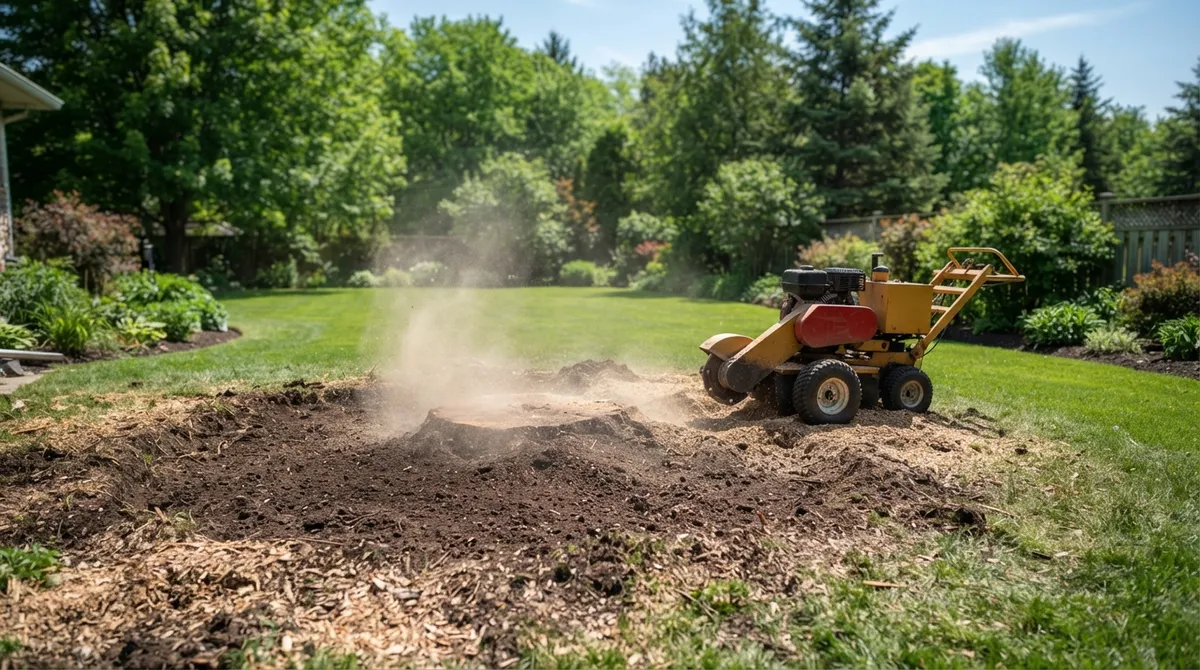
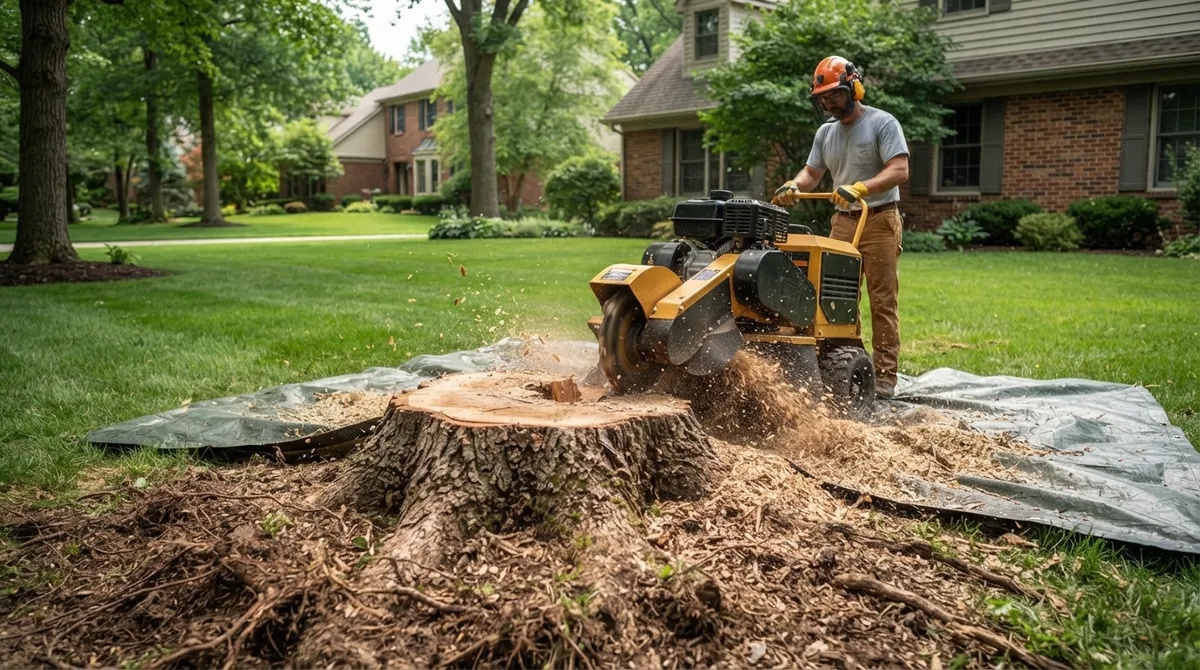
Stump grinding uses a machine to chew the stump down below ground level, usually around 6 to 12 inches deep. The roots stay in the ground and slowly decompose over time. This method is faster, less disruptive, and usually the more affordable choice.
Full stump removal, on the other hand, involves digging out the entire stump along with its root ball. This is a bigger job. It disturbs more soil and often leaves a larger hole that needs to be filled and leveled. Full removal makes sense if you’re planning new construction, a paver patio, or anything that requires the roots to be completely gone.
- Stump grinding is quicker and less invasive on your landscape
- Full removal is better if you’re planting a new tree in the exact same spot
- Grinding leaves usable wood chips behind, which many folks reuse as mulch
- Full removal requires more equipment and often more cleanup
- Grinding is typically the more budget-friendly option
- Full removal is sometimes necessary near structures or utility lines
Why Stump Removal Matters More Than You Think
It’s easy to look at a stump and think, “eh, I’ll deal with it later.” But there are some real reasons to handle it sooner rather than later.
Safety First
Stumps hide in tall grass and become tripping hazards for kids, pets, and guests. They’re also brutal on lawn mowers. One wrong pass and you’re looking at a bent blade or a trip to the repair shop.
Curb Appeal and Property Value
A yard full of stumps just doesn’t look finished. If you’re a suburban homeowner trying to meet HOA standards, or a small business owner wanting your storefront to shine, stump removal is often the missing piece. Clearing the space opens up options for new plantings, softscapes, or even a fresh patch of lawn.
Preventing Pest Problems
Old stumps are magnets for termites, carpenter ants, and other wood-loving pests. Removing the stump early can help protect nearby trees and even your home’s foundation.
How Professional Stump Removal Works
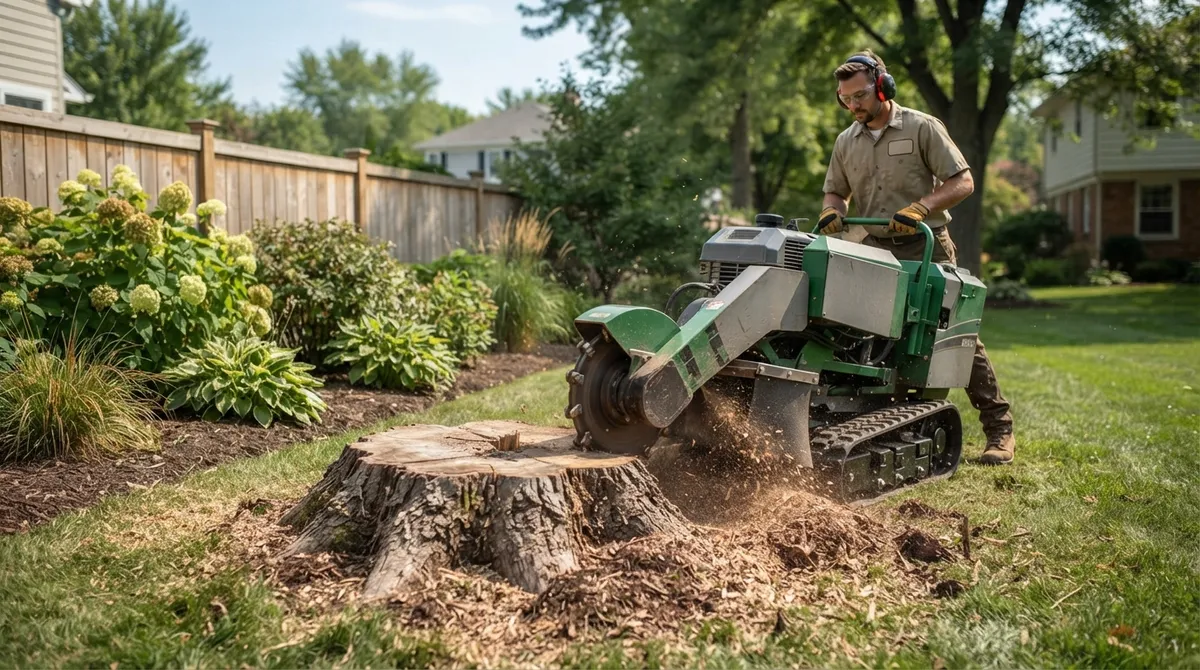
If you’ve never had a stump professionally removed, the process is pretty straightforward. Here’s what typically happens, step by step.
- Site assessment. A crew looks at the stump size, root depth, and how close it is to structures, fences, or utility lines.
- Equipment setup. Many stump grinders can fit through a standard 36-inch gate, which is great news for homeowners with tighter side yards.
- Grinding or excavation. The stump gets ground down below ground level, or dug out completely, depending on your goals.
- Debris cleanup. Wood chips and leftover material get collected, hauled away, or left behind if you want them for mulch.
- Soil filling and leveling. The hole gets filled with fresh soil and leveled so the area is ready for grass, plants, or hardscaping.
- Final walkthrough. A good crew will walk the site with you to make sure everything looks right before they pack up.
Most residential stump jobs take anywhere from 30 minutes to a couple hours, depending on size and number of stumps. Commercial properties with multiple stumps or larger root systems may take a full day or more.
Stump Grinding vs Stump Removal: A Quick Comparison
| Factor | Stump Grinding | Full Stump Removal |
|---|---|---|
| Speed | Fast, usually under an hour per stump | Slower, requires digging and hauling |
| Cost | Generally more affordable | Higher due to labor and equipment |
| Yard Disruption | Minimal, roots stay underground | More soil disturbance |
| Best For | Lawn restoration, mowing access | New construction, replanting same spot |
| Leftover Roots | Decompose naturally over years | Fully removed |
| Cleanup | Wood chips, easy site restoration | Larger hole, needs more soil fill |
What Happens to the Wood Chips After Grinding
This is a question we hear a lot. When a stump gets ground down, it produces a pile of wood chips right on the spot. You’ve got a few choices here.
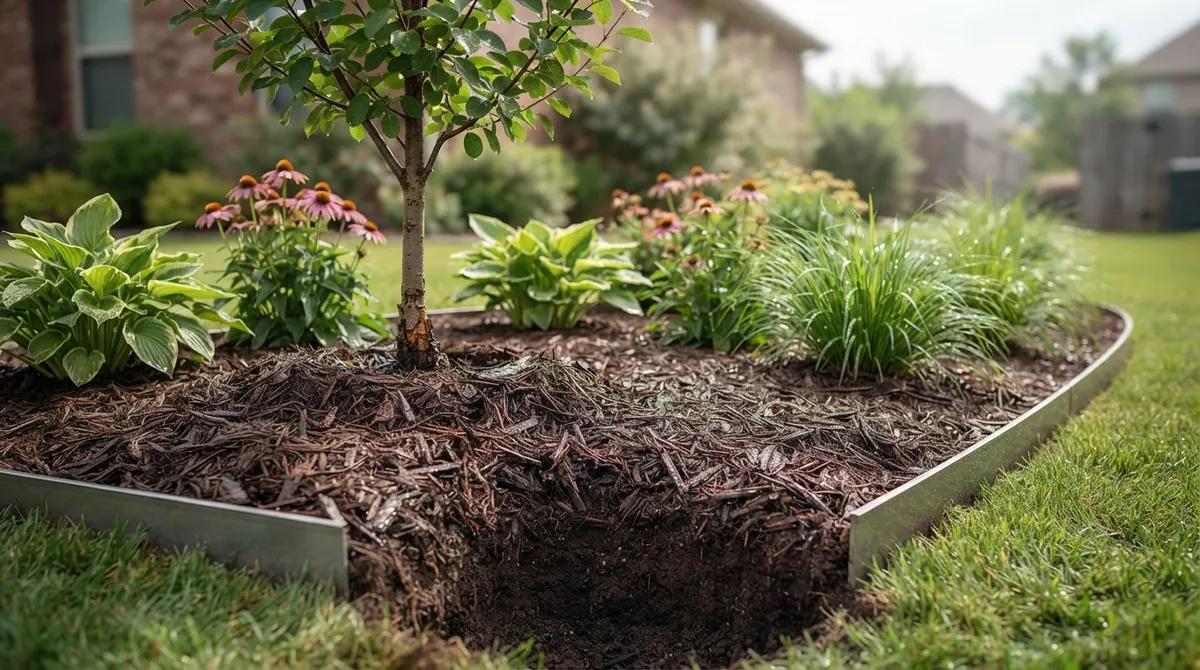
- Leave the chips as natural mulch around nearby plants or trees
- Have the crew haul them away if you’d rather not deal with cleanup
- Mix the chips into your soil to help with future landscaping projects
- Save them for pathways or garden borders around your property
Most professional services will ask what you prefer before they start, so there’s no surprise pile of debris left behind.
Can You Plant Grass or Sod After Stump Removal
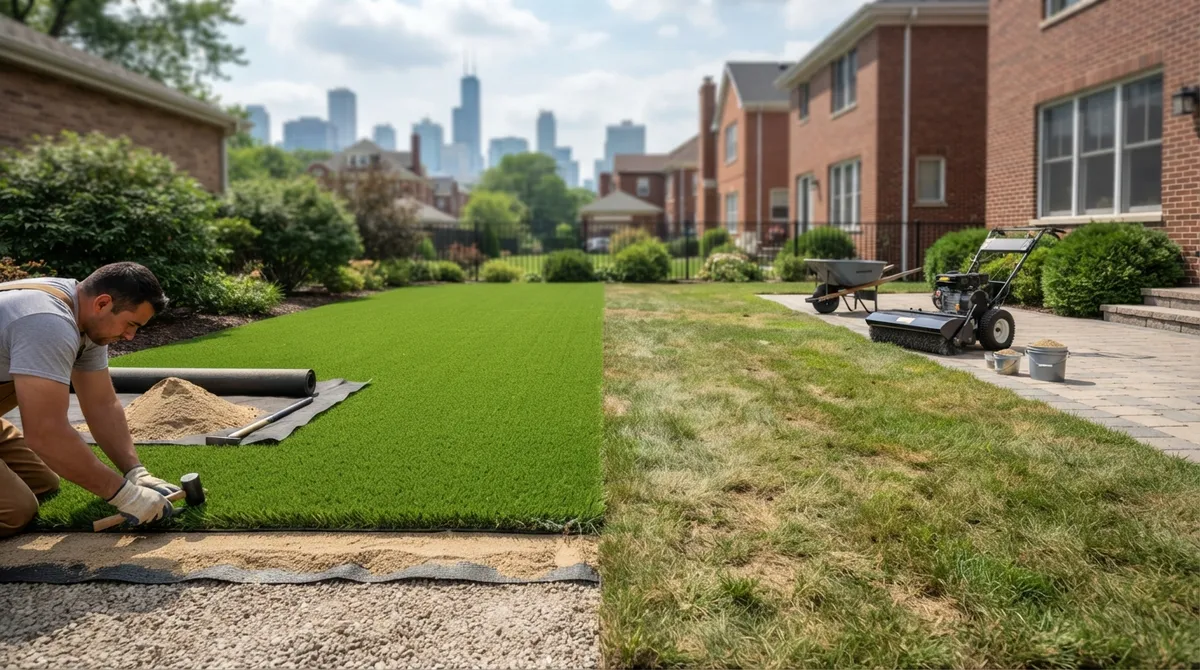
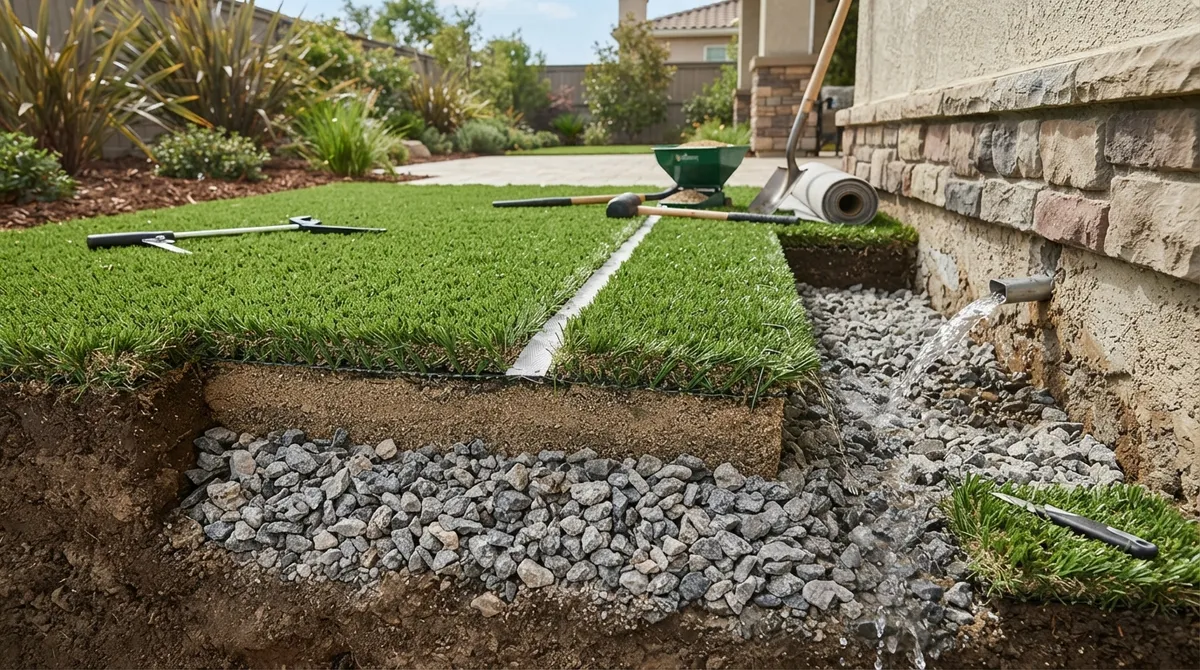
Absolutely, and this is one of the best parts of getting a stump properly removed. Once the area is filled with soil and leveled, it’s ready for new grass, sod, or even artificial turf installation if you want a low-maintenance option that skips the mud and reseeding altogether.
If you’re going with natural grass, give the soil a little time to settle before planting. Freshly filled ground can sink as it compacts, so patience pays off here. A good landscaping crew will typically recommend waiting a week or two before laying sod, just to be safe.
Signs You Should Call a Professional
Some stumps are small enough for a determined homeowner with a shovel and a weekend to handle. But plenty of situations call for professional help.
- The stump is large, old, or has a deep, sprawling root system
- It’s located close to your house, garage, or underground utility lines
- You have multiple stumps across a large property
- You’re planning hardscaping like pavers or a new patio in that exact spot
- You simply don’t have the time, tools, or patience for DIY digging
Commercial property managers especially benefit from bringing in the pros. Clearing multiple stumps across a parking lot island or business frontage takes specialized equipment most people don’t have sitting in their garage.
Cost Factors to Keep in Mind
Pricing for stump removal depends on a handful of variables. Knowing these ahead of time helps you budget and avoid surprises.
- Stump diameter and height above ground
- Root depth and how far roots have spread
- Accessibility, like tight side yards or fenced areas
- Number of stumps being removed in one visit
- Whether you choose grinding or full excavation
- Cleanup preferences, including wood chip removal or soil fill
Getting a quote from a trusted local team is the best way to know exactly what your project will cost. That’s exactly why we always recommend reaching out for a walkthrough before making any decisions.
Stump Removal for Different Types of Properties
Suburban Homeowners
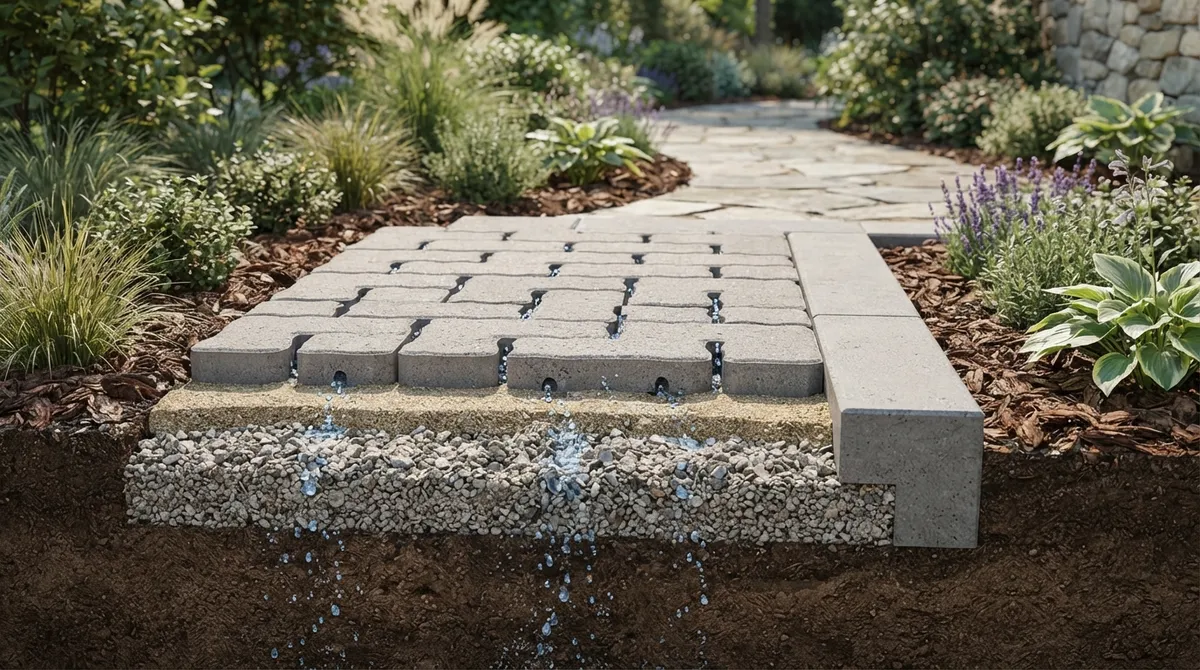
If you’re dealing with HOA rules or just want a tidy, polished yard, stump removal clears the path for new landscaping. Pair it with fresh softscape plantings or a walkway using durable pavers for a real transformation.
Urban Condo Owners
Smaller rooftop or courtyard spaces sometimes have limited old growth, but even one stump can eat up valuable square footage. Removing it opens room for compact, low-maintenance greenery or a small seating area.
Commercial Property Managers
Multiple stumps scattered across a business property don’t just look messy, they can be liability risks. Clean removal supports better stormwater management and boosts curb appeal for tenants and customers alike.
New Home Builders
Clearing stumps from a lot before construction is a must. It sets the stage for a smooth build and a turnkey landscape that impresses future buyers from day one.
Small Business Owners
A stump near your entrance or parking area sends the wrong message to customers. Removing it and adding seasonal plantings or landscape lighting can instantly boost your storefront’s appeal.
Restoring Your Landscape After Stump Removal
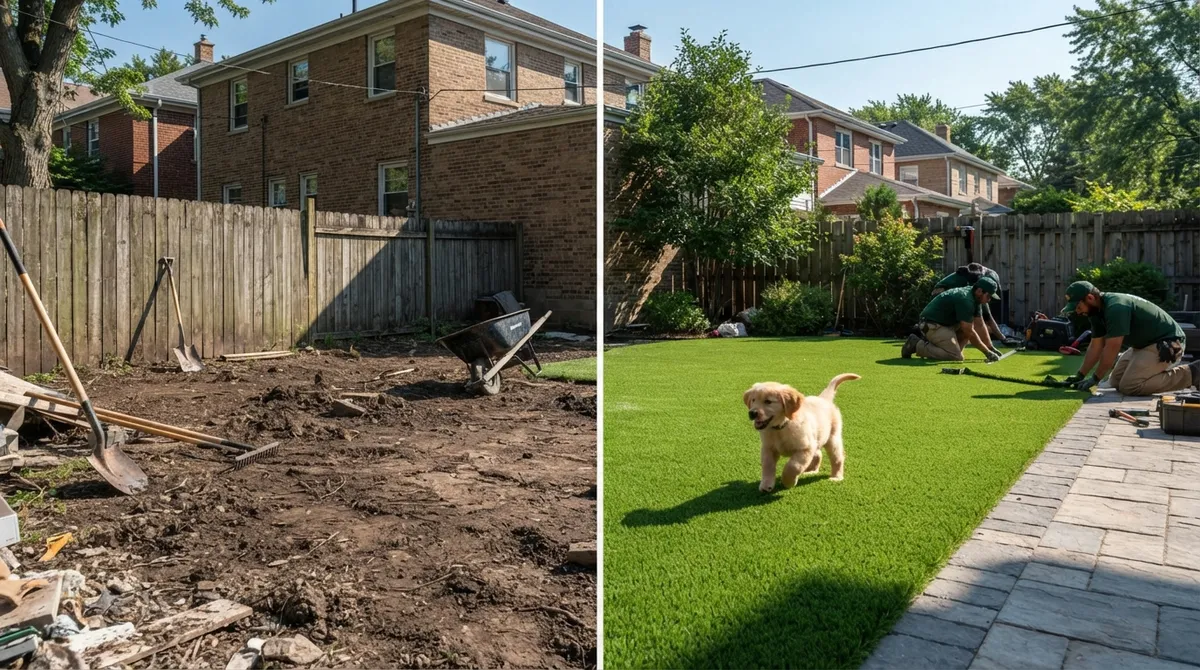
Once the stump is gone, the real fun begins. This is your chance to reimagine the space. Some popular options our clients love include:
- A cozy new fire pit area for evening gatherings
- Fresh sod or a lush lawn using proper landscape design process
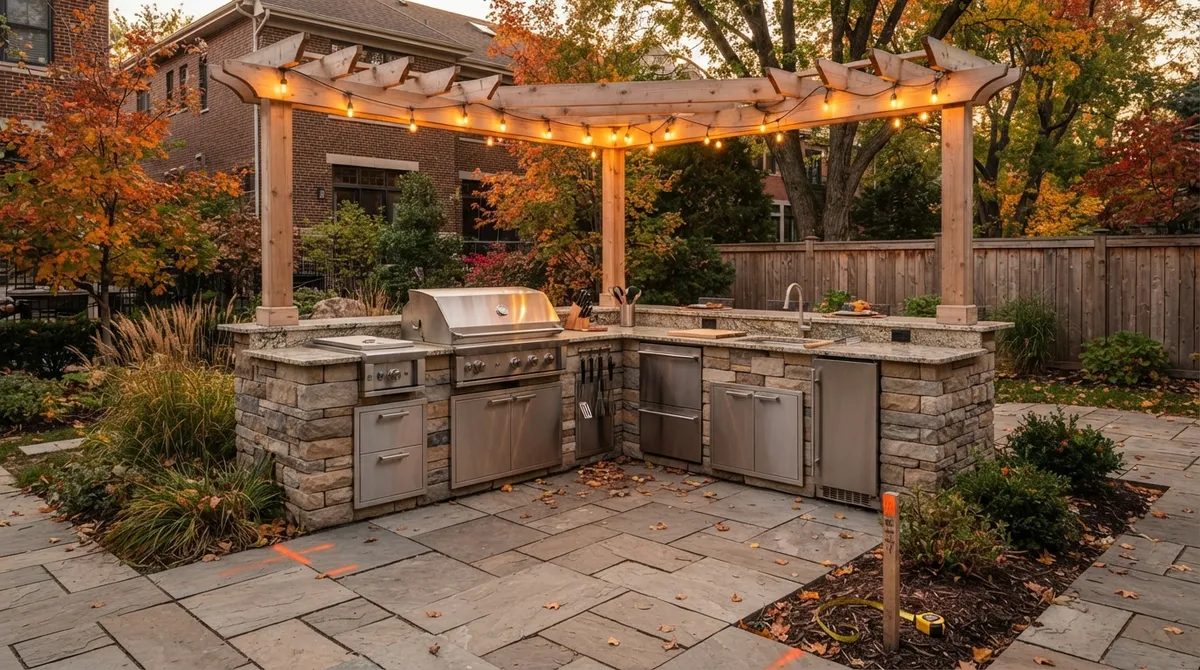
- A shaded pergola for outdoor relaxation
- A stone retaining wall if the stump removal revealed grading issues
Working with an experienced team means the transition from stump to stunning is smooth and stress-free. Check out our gallery of completed projects for inspiration on what’s possible once that old stump is history.
Working With Certified Professionals
When you’re hiring for stump removal or any hardscaping work, it helps to know your contractor follows industry best practices. Organizations like Landscape Illinois support high standards across the state’s landscaping industry, and certifications from groups like the ICPI Certified Installer program show a contractor takes their craft seriously. Choosing a team with this kind of training gives you peace of mind that the job gets done right the first time.
Final Thoughts on Stump Removal
That old stump doesn’t have to be a permanent fixture in your yard. Whether you’re going with grinding for a quick fix or full removal to prep for something new, taking care of it opens the door to a safer, more beautiful outdoor space. From suburban backyards to busy commercial properties across Chicagoland, we’ve seen firsthand how much of a difference this simple step can make.
Ready to reclaim your yard from that stubborn stump? Our team at Serenity Landscape Group has over two decades of hands-on experience transforming outdoor spaces throughout the greater Chicago area, and we’d love to help you plan your next step, whether that’s a fresh lawn, a new patio, or a whole new landscape design. Get a Free Estimate today, or feel free to call us at (630) 359-5139 to talk through your project with our friendly team.
FAQs
Q: What is the difference between stump grinding and stump removal?
A: Stump grinding shaves the stump down below ground level, usually 6 to 12 inches deep, while the roots stay put and break down naturally over time. Full stump removal digs out the entire stump and root ball, which is a bigger job but necessary if you’re planting or building in that exact spot.
Q: How much does stump removal cost in landscaping?
A: Costs vary based on stump size, root depth, accessibility, and whether you choose grinding or full excavation. The best way to get an accurate number is to request a walkthrough and quote from a trusted local team.
Q: Can you plant grass or sod where a stump was removed?
A: Yes, once the hole is filled with soil and leveled, it’s totally ready for new grass or sod. We usually suggest giving the soil a week or two to settle before planting, just so everything stays nice and even.
Q: What happens to the wood chips after stump grinding?
A: You’ve got options here. Some folks like keeping the chips as mulch around nearby plants, while others prefer having the crew haul them away for a clean, tidy finish.
Q: How long does professional stump removal take?
A: Most single stump jobs take anywhere from 30 minutes to a couple hours. Bigger properties with multiple stumps or deep root systems might take a full day, but our crews always aim to work efficiently without cutting corners.