Key Takeaways
-
Professional tree removal typically costs $150-$3,500+ depending on height, with average homeowner cost around $750 in 2026, plus $100-$600 for stump grinding as a separate add-on service.
-
Complete tree removal includes site assessment, permit checks, safe cutting and lowering, debris hauling, and optional stump grinding—not just chainsaw work—requiring trained professionals for safety around power lines and structures.
-
Before removal, verify if your city or HOA requires permits, especially for parkway trees, protected species, or trees over certain sizes, as many Chicago-area municipalities have local regulations.
-
Key warning signs requiring professional removal include dead/dying trees, storm damage with trunk cracks, roots damaging foundations, heavy lean with root failure, disease spread, or conflicts with power lines or structures.
-
Always hire licensed, insured companies with certified arborists, written estimates detailing cleanup and stump grinding, references from local jobs, and a safety plan for protecting your lawn, structures, and utility lines.
-
After removal, recycled materials become mulch, firewood, or wildlife habitat, and the empty space offers opportunities for new plantings, patios, or landscape redesign to refresh your yard.
That old oak leaning a little too far over your garage roof is more than a worry line on your forehead. It’s a decision waiting to happen. Whether you’re a homeowner in Naperville watching storm clouds roll in, or a property manager keeping an eye on liability near a parking lot, choosing the right tree removal service matters more than most people realize. This isn’t just about cutting something down. It’s about safety, timing, permits, and protecting everything around that tree, too.
At Serenity Landscape Group, we’ve spent over two decades helping Chicago-area homeowners and businesses care for their outdoor spaces, and that includes knowing exactly when a tree needs to go and how to remove it the right way. In this guide, we’ll walk you through everything you need to know before you make that call. You’ll learn what a professional tree removal service actually includes, how much it typically costs, and how to spot a company you can trust with your property.
What Does a Tree Removal Service Actually Include
A lot of folks think tree removal just means someone shows up with a chainsaw. In reality, it’s a full process with several steps, each one important for your safety and your yard.
Here’s what a complete, professional job usually covers:
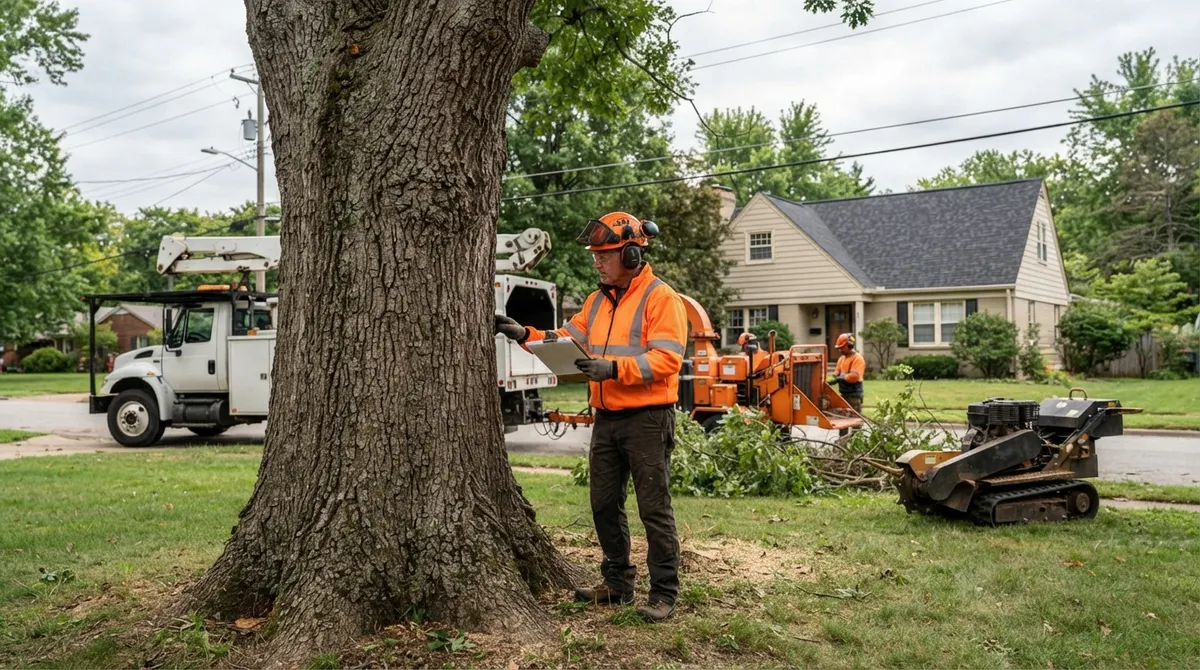
- A site visit and health assessment of the tree
- A plan for the safest removal method based on location
- Permit checks, if your city or HOA requires one
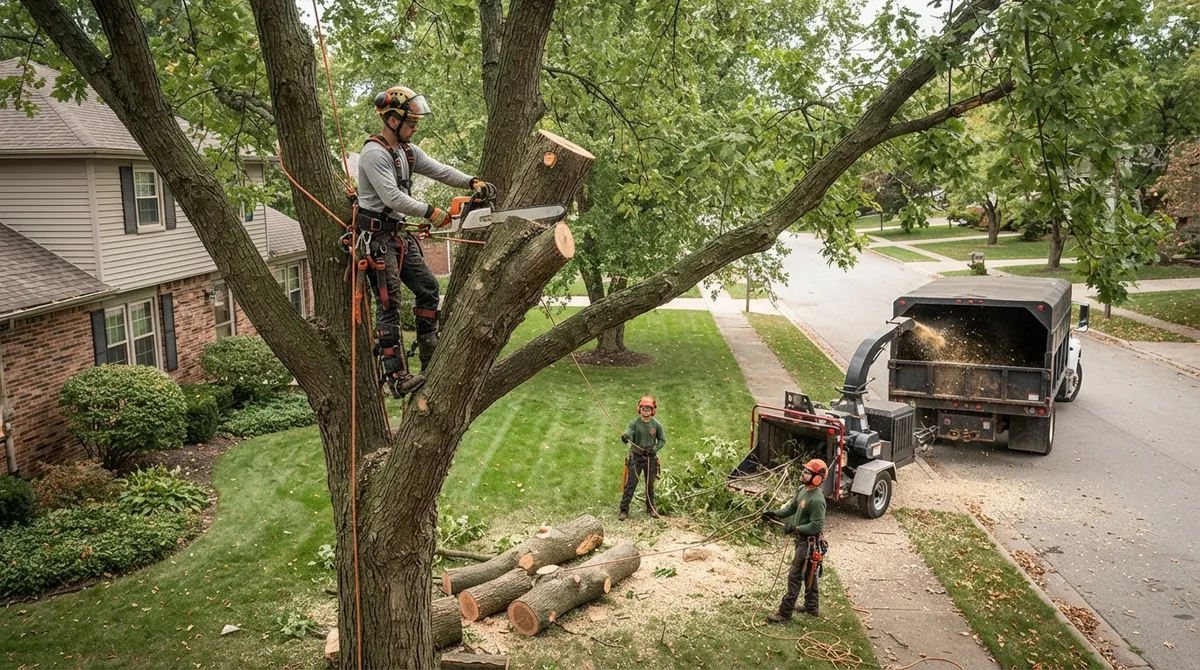
- Careful cutting, lowering, and removal of branches and trunk
- Hauling away all logs, limbs, and debris
- Optional stump grinding or full stump removal
- Cleanup of the surrounding lawn or garden beds
Tree removal is different from trimming or pruning. Trimming keeps a healthy tree looking good and growing safely. Removal means the whole tree comes down because it’s dead, dying, hazardous, or simply in the wrong spot. If you’re unsure which service you need, a good free estimate conversation can clear that up fast.
Signs Your Tree Might Need to Come Down
Not every damaged or odd-looking tree needs to be removed. Sometimes a trim or some cabling can save it. But certain warning signs mean it’s time to call a professional right away.
Common Reasons for Tree Removal
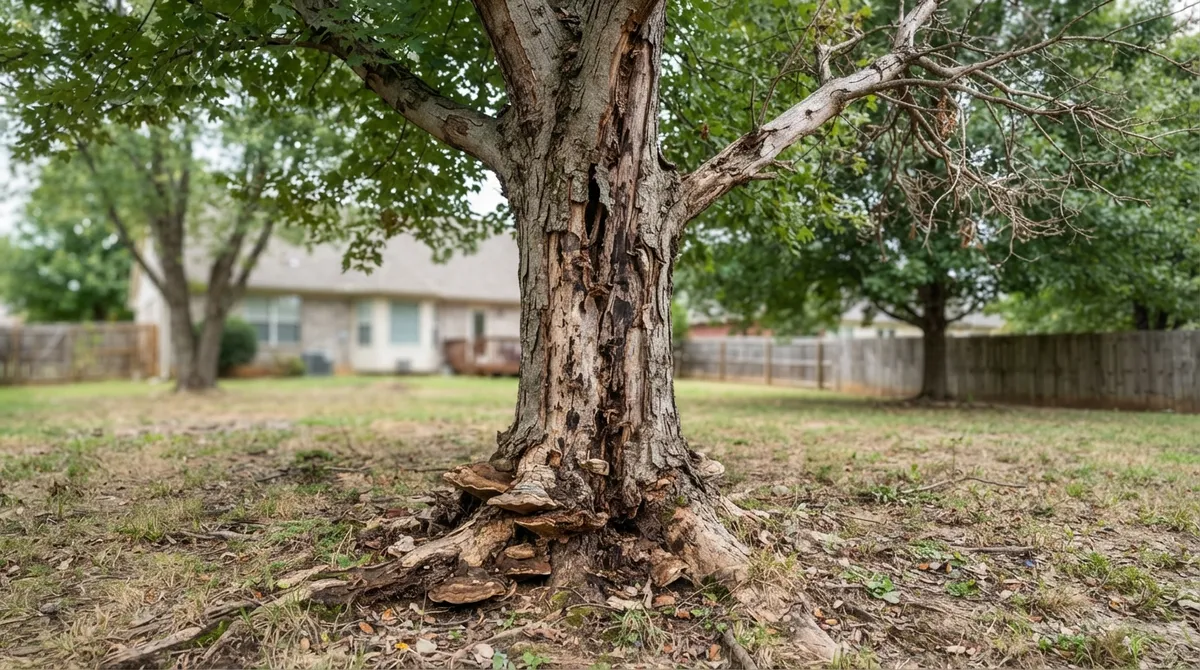
- The tree is dead, dying, or showing large sections of decay
- Storm damage has cracked the trunk or split major limbs
- Roots are lifting your patio, driveway, or foundation
- The tree leans heavily and shows signs of root failure
- Disease has spread through the trunk or canopy
- The tree conflicts with power lines, structures, or new construction
- It’s simply too large or unsafe to keep maintaining
Keep in mind, a tree with a defect isn’t automatically dangerous. What matters most is whether it could fall on something valuable, like your home, a fence, or a busy sidewalk. That’s called a “target,” and it’s a big part of how arborists judge risk. According to safety guidance highlighted by hazardous tree removal specialists, both the tree’s condition and what’s nearby need to be weighed together before removal is recommended.
How Much Does Tree Removal Cost in 2026
Pricing depends on a lot of things: tree size, how close it is to your house, and how tricky the access is. Here’s a quick breakdown based on current 2026 industry pricing data.
| Tree Height | Typical Cost Range |
|---|---|
| Under 30 feet | $150 – $500 |
| 30 – 60 feet | $450 – $1,200 |
| 60 – 80 feet | $800 – $2,200 |
| Over 80 feet | $1,000 – $3,500+ |
On average, most homeowners pay somewhere around $750 for a standard removal, according to 2026 Angi and HomeAdvisor pricing reports. Stump grinding is usually a separate cost, running about $100 to $600 depending on the stump’s size and how deep you want it ground. If you’re planning fresh landscaping afterward, our guide to removing a tree stump without wrecking your yard is worth a look.
Emergency removals after storms tend to cost more, sometimes $450 to $6,000 or higher, because crews have to work fast, often around damaged structures or downed lines. If you’ve got a tree resting on your roof after a windstorm, that’s not a wait-and-see situation. For more on urgent situations, check our article on emergency tree removal facts Chicago homes need.
What Makes Removal More Expensive
- Tight access near your house, garage, or fence
- Trees growing near power lines
- Very large or very tall trees
- Emergency or same-day scheduling
- The need for cranes or aerial lifts
Tight spaces or overhead wires can bump up your quote by 25% to 50% or more, since crews may need special rigging or a bucket truck instead of simple felling.
How to Remove a Tree Safely, Step by Step
Even though you’ll be hiring pros for the actual work, it helps to understand the process. Here’s how a typical safe removal unfolds.
- Initial assessment. An arborist or crew lead inspects the tree’s health, lean, and surroundings.
- Permit check. Many Chicago-area towns require permits for certain trees, especially on protected or parkway land.
- Utility coordination. If branches are near power lines, the company may loop in your utility provider.
- Method planning. Open yards may allow a straightforward felling cut. Tight spaces usually call for sectional dismantling with ropes and rigging.
- Removal day. Crews cut the tree down in sections or as a whole, always working from the top down when space is limited.
- Debris cleanup. Logs, branches, and wood chips get hauled away or chipped for mulch.
- Stump handling. Grinding or full extraction, plus soil and lawn repair if needed.
This is exactly why hiring trained professionals matters so much. Tree work involves chainsaws, heights, heavy limbs, and sometimes live electrical lines. It’s simply not a weekend DIY project.
Why Safety Should Be Your Top Priority
We can’t stress this enough: tree removal is one of the more dangerous jobs in landscaping. The Occupational Safety and Health Administration classifies tree care under Landscaping Services (NAICS 561730) and requires companies to follow strict rules covering personal protective gear, fall protection, chainsaw handling, chippers, and aerial lifts.
Power lines are a special concern. Guidance referenced by OSHA safety standards for tree service notes that unqualified workers should keep at least 10 feet away from lines carrying up to 50 kilovolts. Anything closer requires a trained line-clearance professional. This is exactly why DIY tree removal near power lines is never worth the risk.
A reputable company will always have a plan to protect your home, your neighbor’s fence, your garden beds, and nearby utility lines before the first cut is made.
How to Choose a Reliable Tree Removal Service
With so many companies out there, how do you know who to trust with a job this important? Here’s a simple checklist to run through before you sign anything.
Questions to Ask Before Hiring
- Are you licensed and insured, including workers’ compensation?
- Do you have certified arborists on staff?
- Can you provide references from recent local jobs?
- What’s included in the estimate: cleanup, stump grinding, permits?
- How will you protect my lawn, driveway, and nearby plants?
- Do you handle permit applications if my town requires one?
- What’s your plan if the tree is near power lines?
Always get a written estimate, not just a verbal number. It should spell out exactly what’s included, from the first cut to the final cleanup. Groups like Landscape Illinois and certified programs through the ICPI Certified Installer network are great resources for finding qualified, professional landscape and hardscape contractors in the region.
Permits and Local Rules to Know
Here’s something a lot of homeowners miss: not every tree on your property is automatically yours to remove without a permit. Many Chicago suburbs, and the city itself, have rules protecting certain species, parkway trees, or trees over a certain size.
Before any work begins, check with your local municipality or HOA, especially if:
- The tree sits on parkway or public land near the street
- It’s part of a protected species list
- Your neighborhood has an HOA with landscaping guidelines
- The tree is in a designated conservation or wetland area
A trustworthy tree removal service should be familiar with these local requirements and can help you navigate permits before the crew ever shows up.
What Happens to the Wood and Debris
Good news: removing a tree doesn’t have to mean waste. Many landscaping companies recycle almost everything from the job.
Here’s what typically happens to the material:
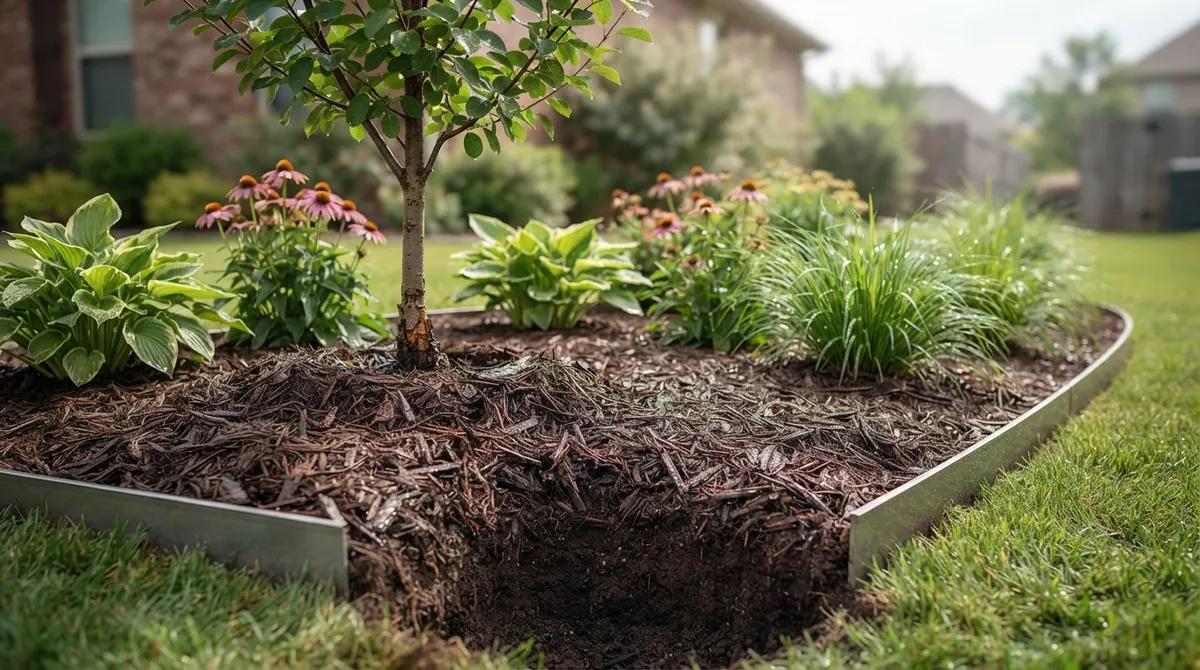
- Branches get chipped into mulch for garden beds
- Larger logs can be cut into firewood, if you want to keep it
- Some wood is set aside as habitat material for local wildlife programs
- Stumps are ground down and the area is backfilled and reseeded
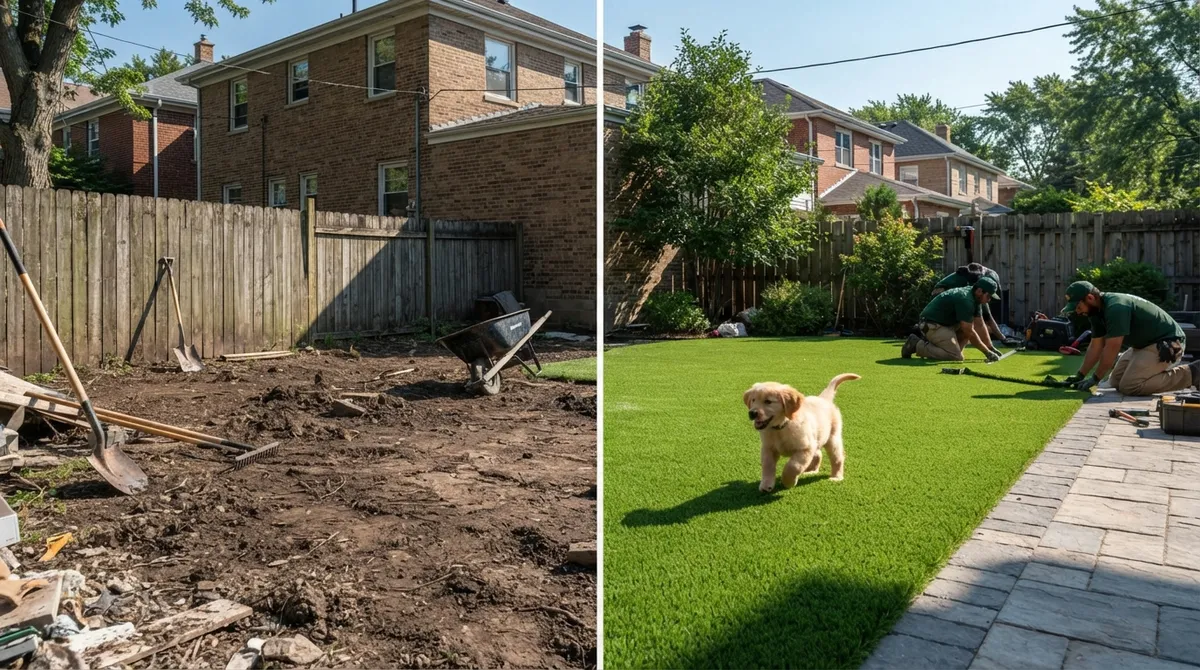
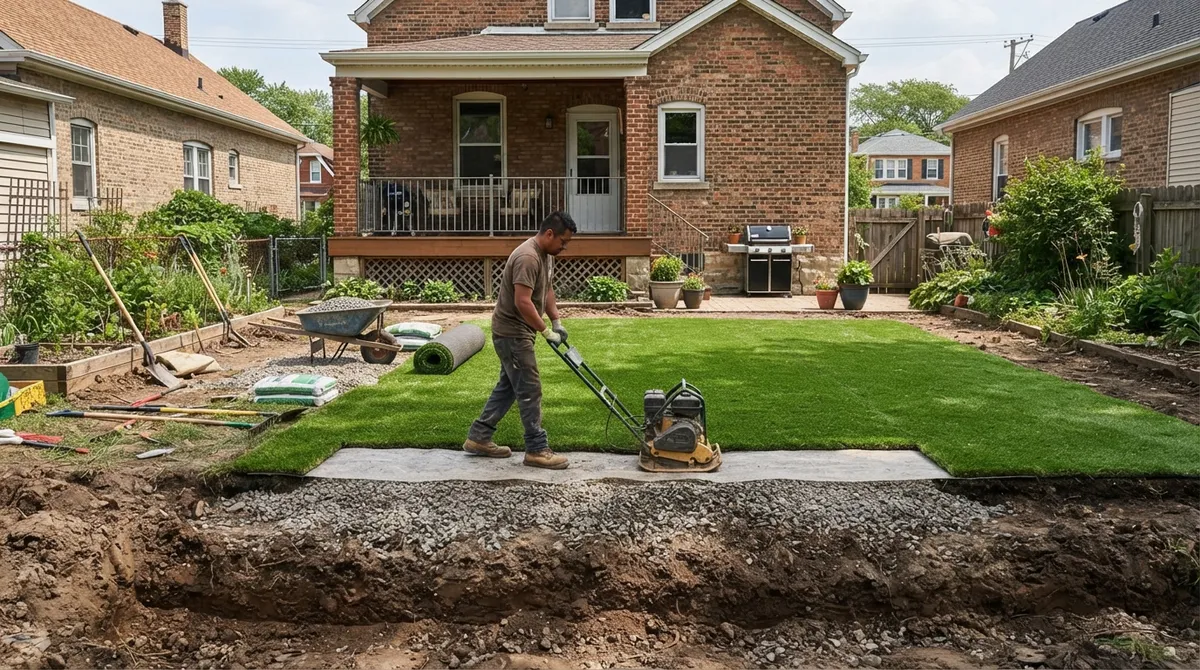
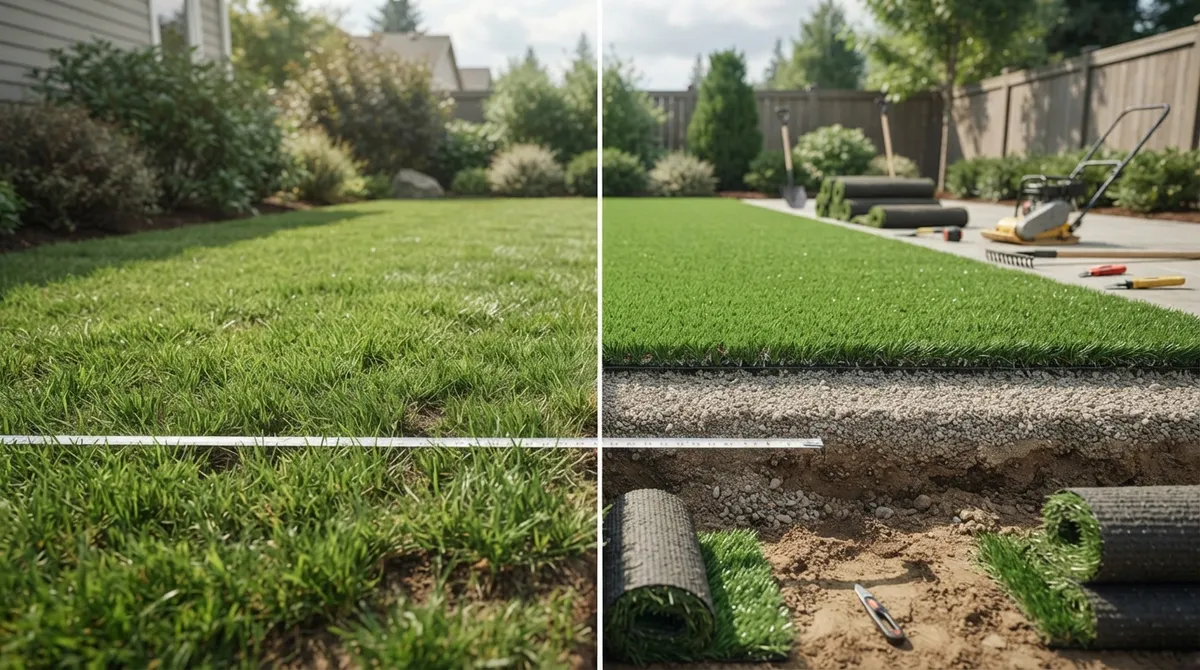
If you’re already thinking about what comes next for that empty spot in your yard, this is a great time to talk about softscape options, or even a low-maintenance artificial turf installation if grass has been struggling in that shaded area anyway.
After the Tree Is Gone: Restoring Your Landscape
Removing a large tree often leaves a noticeable gap, both visually and in terms of shade and soil health. This is actually a great opportunity to refresh that part of your yard.
Some popular next steps our clients choose include:
- Planting a new, better-suited tree species in a smarter location
- Adding fresh softscapes like shrubs, perennials, or ground cover
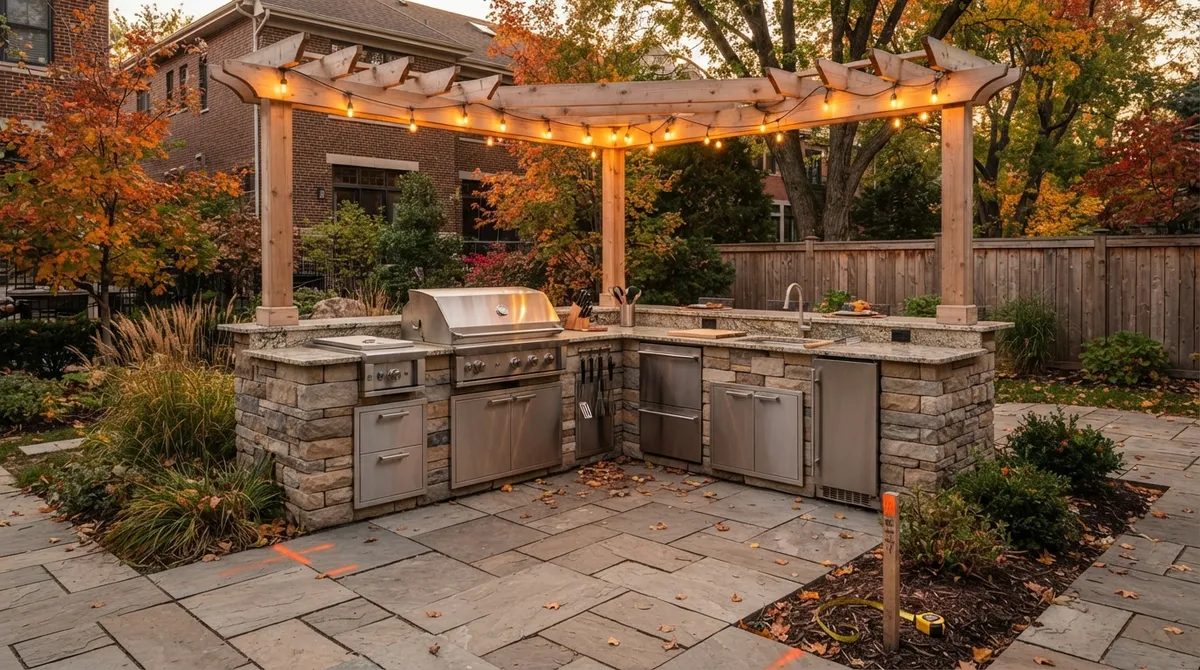
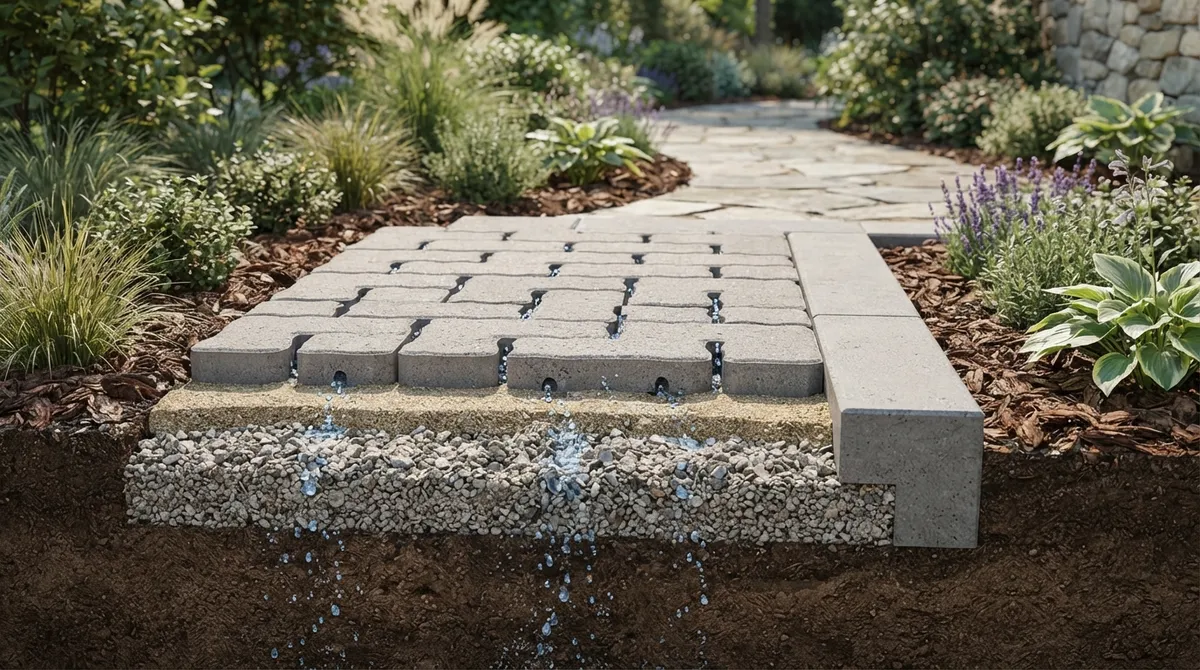
- Installing a small patio or seating area using pavers where the tree used to stand
- Adding a fire pit or cozy gathering spot in the newly sunny space
- Updating lighting now that the tree canopy isn’t blocking fixtures
Commercial property managers often use this moment to rethink the whole landscape plan, especially if the removed tree was affecting commercial lawn maintenance or blocking storefront visibility. Our design and installation process makes it easy to turn a removal project into a full landscape refresh.
Wrapping Up: Protecting Your Property Starts With the Right Call
A hazardous tree is not something to put off. Whether it’s storm damage, disease, or just years of growth pushing into dangerous territory, getting a professional assessment protects your home, your family, and your neighbors. The right tree removal service brings the right equipment, the right safety training, and a plan for cleanup and restoration, so you’re not left with a mess or a headache.
At Serenity Landscape Group, we’ve helped homeowners, builders, and commercial properties across the greater Chicago area handle everything from routine removals to storm emergencies, always with an eye toward what comes next for your outdoor space. If you’ve got a tree that’s worrying you, don’t wait for the next big wind storm to make the decision for you. Get a free estimate today, or give us a call at (630) 359-5139 to talk through your options with our team.
FAQs
Q: How much does professional tree removal cost?
A: Most homeowners pay somewhere between $200 and $2,000 per tree, with an average around $750, according to 2026 pricing data. The final price depends on the tree’s size, how close it is to your house, and how tricky the access is, so it’s always worth getting a written estimate first.
Q: Do I need a permit to remove a tree on my property?
A: It depends on where you live! Many Chicago-area towns require permits for trees on parkway land, protected species, or larger trees, so it’s smart to check with your local municipality before scheduling removal. A good tree service will often help you sort out the paperwork, too.
Q: Does tree removal include stump grinding and cleanup?
A: Not always automatically, but most companies offer it as an add-on service. Stump grinding typically costs an extra $100 to $600, and full cleanup, including hauling branches and raking debris, should always be spelled out clearly in your estimate.
Q: How do I know if a tree should be removed or just pruned?
A: A tree doesn’t always need to come down just because it has a flaw or two. The bigger question is whether it could fall on your house, driveway, or a busy walkway. A professional assessment weighs the tree’s health against what’s nearby before recommending removal.
Q: Can a tree be removed safely near power lines?
A: Yes, but it takes specialized training and equipment. Workers need to keep a safe distance from live lines, and utility coordination is often required. This is one of the biggest reasons DIY removal near power lines just isn’t worth the risk.