Key Takeaways
-
Ground preparation is the most critical step in turf installation; skipping soil leveling, grading, and breaking up compacted dirt is the number one reason DIY turf jobs fail.
-
Water newly laid turf deeply immediately after installation, then daily for 2-4 weeks; during summer heat you may need to water up to four times daily until roots establish.
-
Avoid laying new turf over existing grass as it traps moisture and blocks roots from reaching soil; always remove old grass and properly prepare the ground first.
-
Keep foot traffic completely off newly laid turf for 2-4 weeks and wait until grass reaches 5-7 cm tall before mowing to allow roots to grip the soil without disturbance.
-
Early autumn and spring are ideal planting seasons in Chicago; summer requires frequent watering while winter installation should be avoided due to frozen or waterlogged ground.
-
Order about 5% extra turf material to account for curves, corners, and trimming waste, ensuring you won’t fall short when reaching the final row of your installation.
Dreaming of a lush, green lawn without waiting months for grass seed to grow? You’re not alone. Laying a turf lawn is one of the fastest ways to give your Chicago area yard a fresh start, and it’s a favorite request we hear from homeowners across the suburbs. Whether you’re prepping for a summer barbecue or just tired of looking at dirt patches, turf installation can turn things around in a single weekend.
At Serenity Landscape Group, we’ve helped hundreds of families and business owners across greater Chicago fall in love with their yards again. This guide walks you through what laying a turf lawn actually involves, what it costs in time and effort, and how to keep that new grass looking gorgeous for years to come. Grab a cup of coffee, and let’s dig in together.
What Does Laying a Turf Lawn Actually Involve?
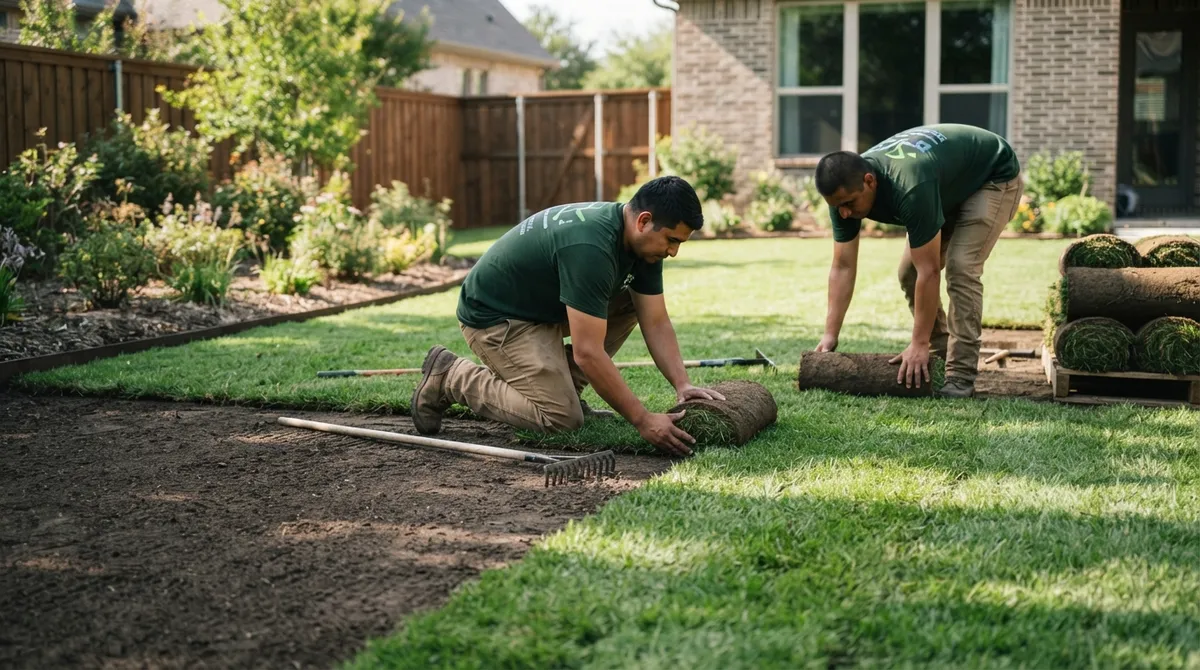
Laying a turf lawn means installing pre-grown rolls or slabs of grass to create an instant lawn. Instead of scattering seed and waiting weeks (or months) for it to sprout, you get a green, established-looking lawn almost overnight. It’s a bit like laying down a carpet, except this carpet is alive and needs a little love to settle in.
This isn’t a job where someone just drops off rolls of grass and drives away. A proper turf installation is a full landscaping project. It includes clearing the old surface, prepping the soil, laying the turf carefully, and giving you the aftercare tips you need for success. Homeowners who try to shortcut these steps often end up with patchy, uneven lawns that struggle within the first month.
Why Homeowners and Businesses Choose Turf Installation
There are plenty of reasons folks across Chicagoland turn to professional turf laying instead of starting from seed. Here are some of the biggest draws:
- Instant results, with a green lawn ready in days instead of months
- Fewer weeds and bare patches compared to seeding a new lawn
- Great for suburban homes that need to meet HOA landscaping standards quickly
- A practical option for new construction properties in Aurora and nearby suburbs
- Improves curb appeal fast, which matters for small businesses and retail properties
- Helps commercial properties present a clean, professional look for tenants and customers
If you’re a builder working on new homes, offering a freshly turfed lawn as part of the package can be a real selling point for buyers who want to move in and enjoy their yard right away. Check out our process page to see how we handle projects from start to finish.
The Step-by-Step Turf Laying Process
Every landscaping company does things a little differently, but a quality turf installation generally follows the same basic sequence. Here’s what you can expect when you hire professionals for the job.
1. Site Clearance
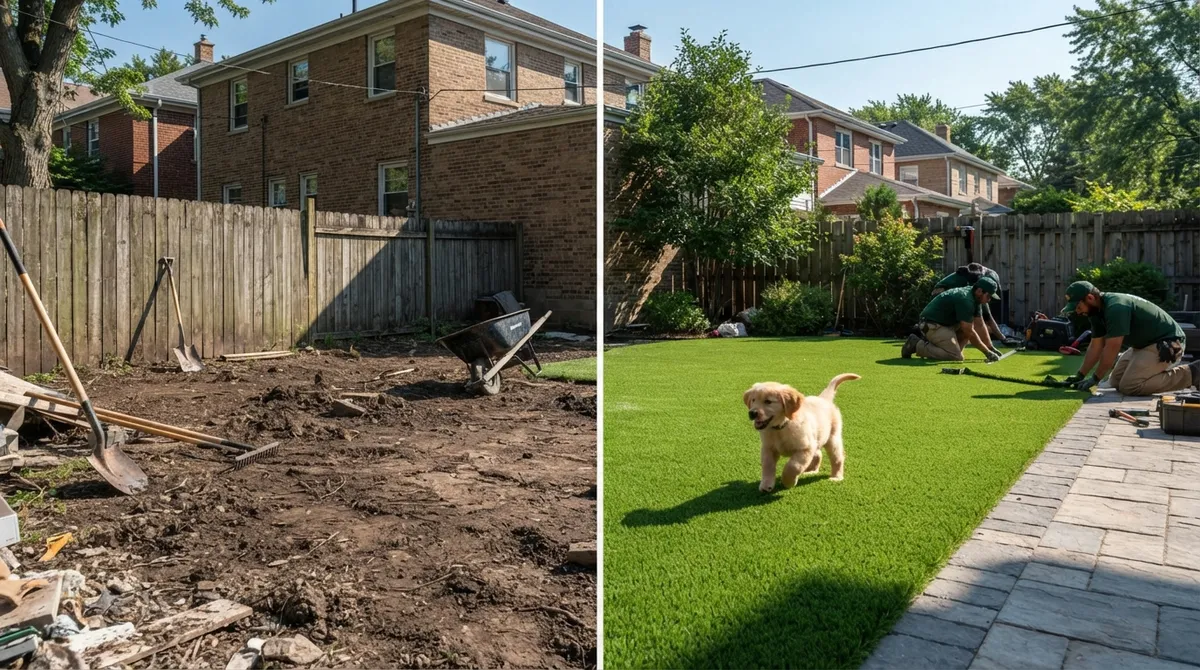
The first step is clearing the area completely. This means removing old grass, weeds, rocks, debris, and sometimes even old hardscaping features that are in the way. A clean slate is essential for turf to root properly.
2. Ground Preparation
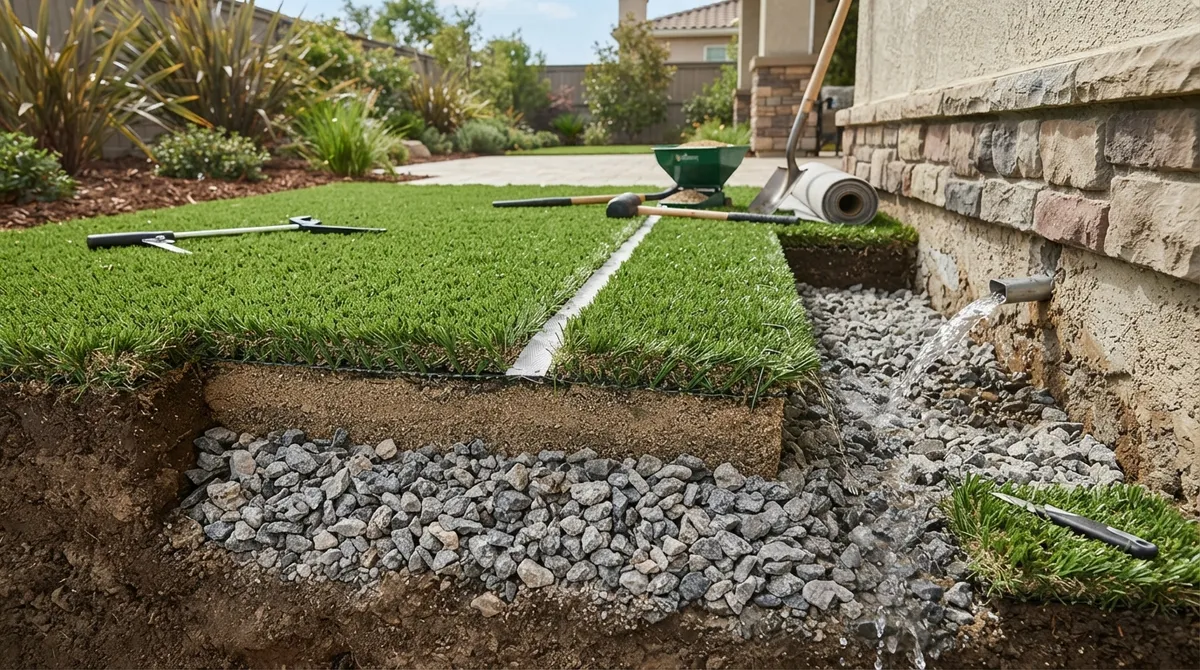
Next comes the ground prep, which is honestly the most important part of the whole job. This includes leveling out bumps and dips, grading the soil so water drains properly, and breaking up compacted dirt. Skipping this step is the number one reason DIY turf jobs go wrong.
3. Adding Topsoil
Many properties need a layer of fresh topsoil before turf goes down. This gives the grass roots something nutrient-rich to grow into, especially in areas with heavy clay soil, which is common throughout the Chicago region.
4. Laying the Turf
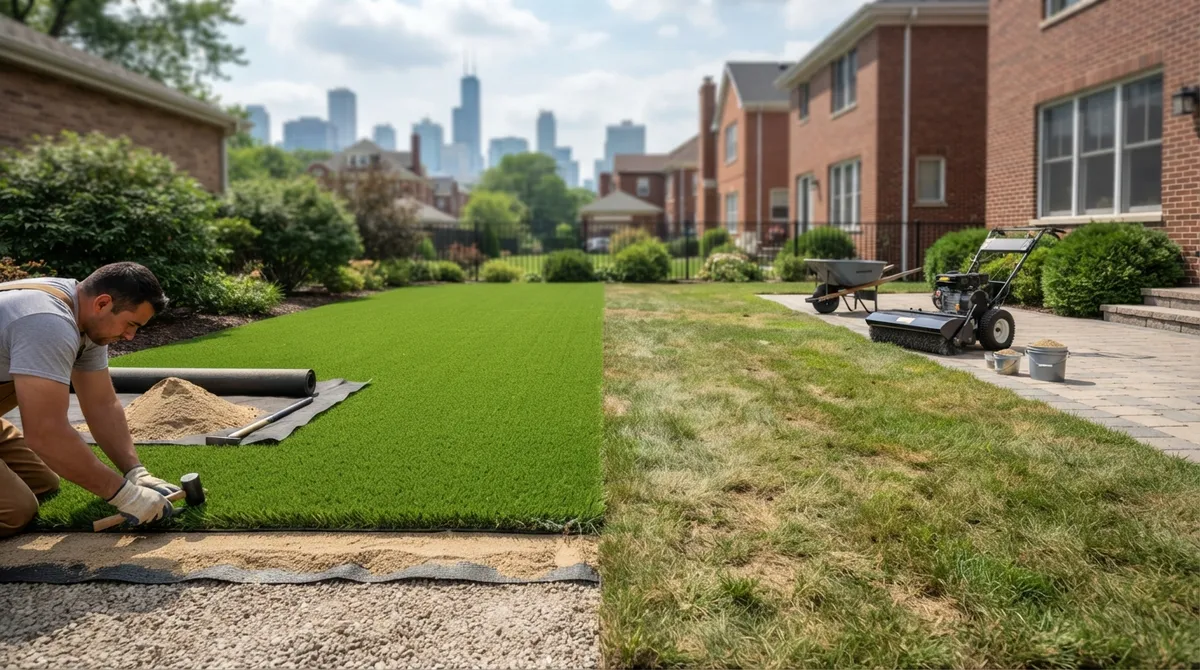
Now for the fun part. The turf rolls or slabs get laid tightly together, edge to edge, with no gaps or overlaps. This tight fit matters a lot. Gaps dry out fast and create ugly seams, while overlaps cause bumpy, uneven growth.
5. Trimming and Edging
Once the turf is down, installers trim the edges neatly along walkways, garden beds, and pavers to create a clean, finished look.
6. Watering and Aftercare Guidance
The final step is a deep watering session right after installation. Your landscaper should also walk you through aftercare, including watering schedules and when it’s safe to walk or mow on your new lawn.
Many installers also recommend ordering about 5% extra turf. This covers curves, corners, and any trimming waste, so you’re not left short on your last row.
Best Time of Year to Lay Turf in Chicago
Timing matters more than most people realize. Grass needs the right conditions to root well, and Chicago’s weather swings can make or break a new lawn.
- Early autumn is often considered the best window, since cooler temperatures and steady rainfall help roots establish without stressing the grass.
- Spring is the second-best choice, giving turf a full growing season before winter arrives.
- Summer installation is possible, but it demands much more frequent watering to keep the turf from drying out in the heat.
- Winter laying is generally avoided in our region, since frozen or waterlogged ground makes it hard for roots to take hold.
If you’re not sure which season works best for your property, our team can walk you through the pros and cons based on your specific yard conditions. We’ve handled projects across every season and know how to adjust our approach for Chicago’s unpredictable climate.
Caring for Newly Laid Turf
Your new lawn needs a little extra TLC in the first few weeks. Think of it like a new houseplant that just got moved into a bigger pot. It needs time to settle before it can handle regular life.
Watering Schedule
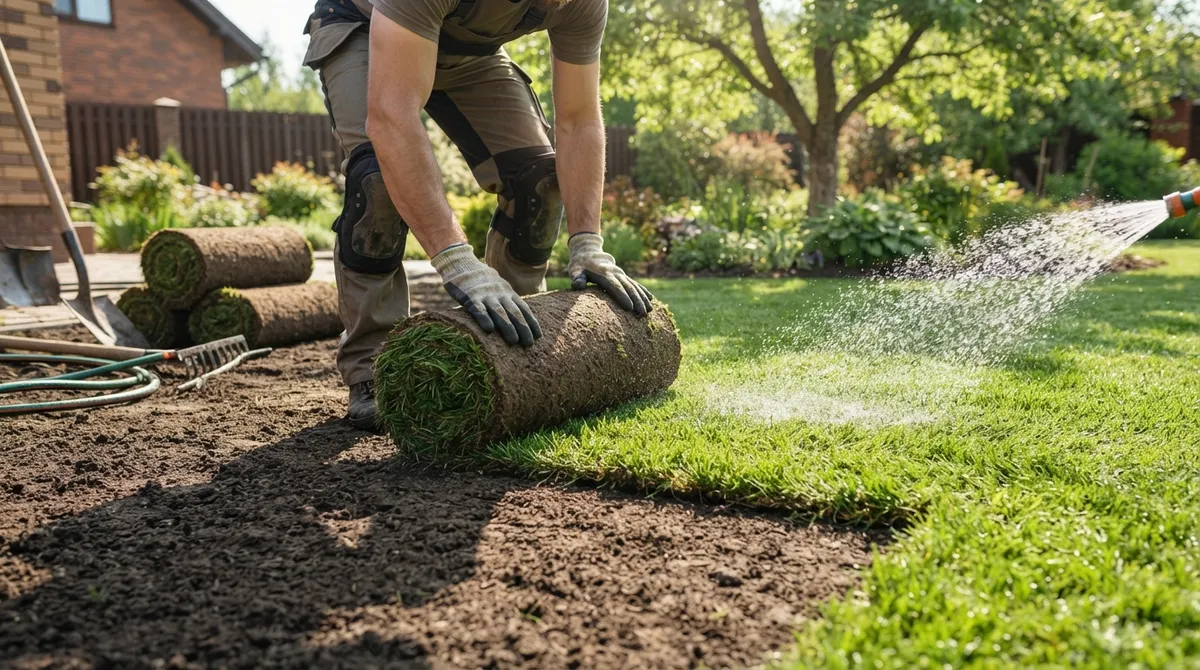
Right after installation, give your turf a really good soak. The next morning, water again to keep the roots moist. During hot summer months, you may need to water up to four times a day until the grass is established. As the roots take hold, you can gradually reduce watering frequency.
Keeping Foot Traffic Away
It’s tempting to walk on your beautiful new lawn right away, but try to resist. Most experts recommend keeping the area free from foot traffic for 2 to 4 weeks. This gives the roots time to grip the soil underneath without getting disturbed.
When to Mow for the First Time
Patience pays off here too. Wait until the grass reaches about 5 to 7 centimeters in height, which usually takes 2 to 3 weeks. Mowing too early can rip up turf that hasn’t rooted yet, undoing all that hard work.
Turf Laying Timeline: What to Expect
| Stage | Typical Timeframe | What Happens |
|---|---|---|
| Site survey and quote | 3 to 5 working days | Landscaper assesses the site and provides pricing |
| Site clearance and prep | 1 to 2 days | Old grass removed, soil leveled and graded |
| Turf installation | 1 day (most residential lawns) | Turf laid tightly, trimmed, and watered in |
| No foot traffic period | 2 to 4 weeks | Roots establish without disturbance |
| First mow | 2 to 3 weeks after laying | Grass reaches 5 to 7 cm and roots have settled |
Can You Lay Turf Over Existing Grass?
This is one of the most common questions we hear, and the answer is almost always no. Laying new turf directly over old grass traps moisture and creates a barrier that stops roots from reaching the soil. The old grass and weeds also compete with the new turf for nutrients. Removing the existing lawn first, then properly preparing the ground underneath, gives your new turf the best possible start.
Turf vs. Other Lawn Options
Turf isn’t the only option out there, and it’s worth knowing how it stacks up. Traditional grass seed costs less upfront but takes months to establish and needs careful watering the whole time. Synthetic turf is another popular choice for properties that want a green lawn without any watering or mowing at all. If you’re weighing your options, our artificial turf installation services might be worth a look, especially for high-traffic areas or spots with tricky shade and drainage.
For properties dealing with soggy or poorly draining yards, it also helps to understand grass alternatives for wet backyards before committing to natural turf.
How Turf Installation Pricing Works
Pricing for turf laying depends on a handful of factors, and every yard is a little different. Here’s what typically affects your quote:
- Total square footage of the area being turfed
- Condition of the existing ground and how much prep work is needed
- Whether topsoil needs to be added or replaced
- Access to the site for equipment and material delivery
- Any additional features like edging, irrigation, or drainage work
Most reputable landscaping companies will send someone out for a site survey before giving you a firm number. This ensures the quote reflects your actual yard, not just a generic estimate. We’re proud members of organizations like Landscape Illinois and hold certifications through the ICPI Certified Installer program, which helps us stay on top of best practices across the entire industry, not just turf.
Common Mistakes to Avoid
Even well-meaning homeowners can run into trouble when laying turf. Here are the mistakes we see most often:
- Skipping soil preparation and laying turf directly on hard, uneven ground
- Leaving gaps between turf pieces, which leads to dry, dead seams
- Watering too little in the first two weeks after installation
- Walking on the lawn too soon before roots have a chance to grip
- Mowing too early, before the grass reaches proper height
- Ignoring drainage issues that cause pooling water and root rot
A little planning goes a long way here. If you’d like to browse examples of finished projects, take a look through our gallery of our work to see how proper installation makes all the difference.
Pairing Turf With Other Landscaping Features
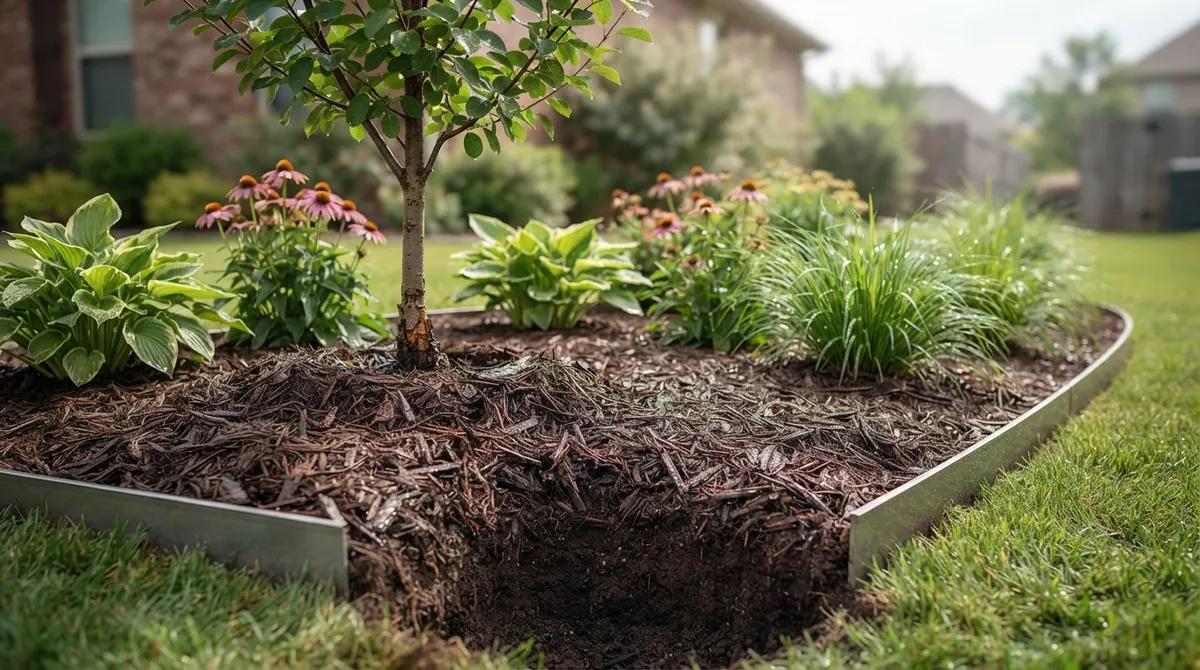
A fresh lawn is a great foundation, but it’s even better when paired with other outdoor features. Many of our clients combine new turf with softscapes like flower beds and shrubs, or hardscape additions like a fire pit or pergola for shade and gathering space. Adding outdoor lighting can also help highlight your new lawn in the evening hours, giving your property a polished look day and night.
Commercial properties often benefit from pairing turf installation with ongoing commercial lawn maintenance plans, ensuring the lawn stays healthy and attractive long after the initial install. This is especially valuable for office parks, retail centers, and restaurants that rely on curb appeal to draw customers in.
Why Professional Installation Beats DIY
We get it, DIY projects can be satisfying. But turf laying is one of those jobs where professional experience really shows. Trained crews know how to grade soil correctly, how much topsoil to add, and how tightly to fit turf pieces together. They also understand local soil conditions, which vary quite a bit across the Chicago suburbs, from sandy patches to heavy clay.
Beyond the technical skill, professional installers bring the right equipment for the job, from soil graders to proper cutting tools for clean edges. This means fewer mistakes, less wasted material, and a lawn that looks great from day one instead of needing repairs a few months later.
Ready for a Beautiful New Lawn?
Laying a turf lawn is one of the quickest ways to transform your outdoor space, whether you’re a homeowner tired of bare patches, a builder finishing off new construction, or a property manager wanting better curb appeal. With the right prep, timing, and aftercare, your new lawn can become the backdrop for years of backyard memories.
Our team at Serenity Landscape Group has spent over two decades helping Chicago area homes and businesses create outdoor spaces they truly love. If you’re ready to see what a professionally installed turf lawn could look like on your property, get a free estimate today, or feel free to call us at (630) 359-5139 to chat about your project. We’d love to help you take the first step toward a greener, more inviting yard.
FAQs
Q: What does laying a turf lawn include?
A: It includes clearing the old surface, prepping and leveling the soil, sometimes adding fresh topsoil, then laying the turf tightly with no gaps. Most landscapers finish up by trimming the edges, watering it in, and giving you aftercare tips so your lawn gets off to a great start.
Q: How long does it take for new turf to root?
A: Most new turf needs about 2 to 4 weeks to root properly, so it’s best to keep foot traffic off during this time. Once the roots settle in and the grass reaches about 5 to 7 centimeters tall, you’re usually good to start light use again.
Q: What is the best time of year to lay turf?
A: Early autumn and spring are the sweet spots for turf laying here in the Chicago area, thanks to cooler temps and steady rain. Summer installation works too, just be ready to water more often to keep things from drying out.
Q: Can you lay turf on existing grass or do you need to remove it first?
A: You’ll want to remove the old grass first rather than laying turf right on top of it. Old grass and weeds get in the way of proper root growth, so clearing the site gives your new lawn a much better shot at thriving.
Q: How often should you water newly laid turf?
A: Give it a really good soak right after installation, then water again the next morning. During hot summer stretches, you might need to water up to four times a day until those roots settle in and take hold.