Key Takeaways
-
Request on-site visits from contractors instead of phone estimates, as soil quality, drainage, grading, and access points significantly impact accurate pricing and prevent costly project delays.
-
Obtain at least 2-3 detailed quotes and compare scope, materials, warranties, and timelines—not just price—since the lowest bid often reflects lower quality or corner-cutting rather than the best value.
-
Ensure your landscape quote includes specific line items: scope of work, materials with quantities, labor/equipment costs, payment schedule, warranty details, exclusions, and a 15-30 day validity period.
-
Understand that professional landscaping ranges from $3,000-$25,000 for typical projects, with detailed breakdown costs like sod ($0.75-$1.70/sq ft), mulch beds ($1-$3/sq ft), and hardscaping ($15-$50/sq ft) to benchmark against quotes.
-
Distinguish between an estimate (rough ballpark for planning) and a quote (formal proposal with defined scope), then ask how change orders will be handled if unexpected conditions arise during the project.
-
Request references, verify insurance and licensing, review past work examples, and confirm the contractor's affiliations with industry groups like Landscape Illinois or ICPI certification before signing any agreement.
Getting a landscape quote can feel a little like a mystery box. You know you want a beautiful yard, but the numbers on that piece of paper can leave you scratching your head. Why does one company quote $3,000 and another quote $15,000 for what seems like the same job? Don’t worry, friend—you’re not alone in this, and we’re here to pull back the curtain.
Whether you’re a homeowner in the Chicago suburbs dreaming of a backyard oasis, a condo owner hoping to squeeze beauty out of a tiny balcony, or a property manager juggling budgets for a whole commercial site, understanding your landscape quote is the first step toward getting exactly what you want. In 2026, landscaping projects can range from a simple mulch refresh to a full-blown estate transformation, so the more you know, the better decisions you’ll make. Let’s walk through seven secrets that will help you read, compare, and trust your next landscape quote.
1. Know What a Real Landscape Quote Actually Includes
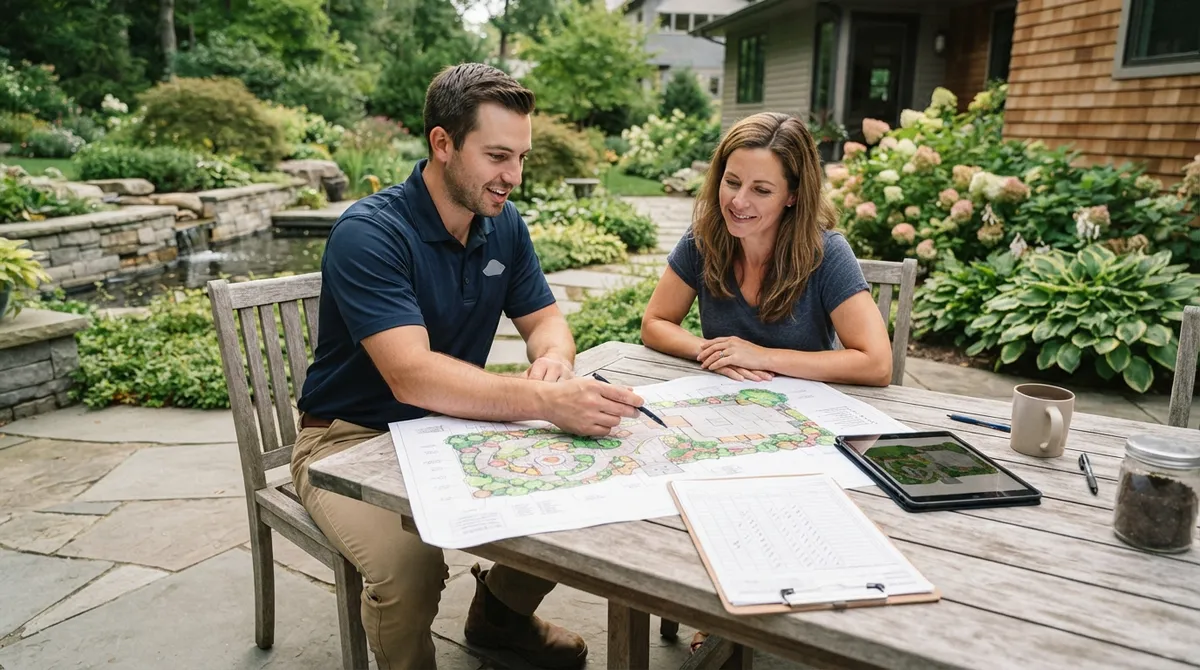
A landscape quote is more than a random number scribbled on a napkin. It’s a written proposal that spells out the work, the materials, the labor, the timeline, the price, and the terms of payment. Think of it as a roadmap for your project, not just a price tag.
A solid quote should also include exclusions (what’s NOT covered), warranty details, and how long the quote is good for. Industry experts often recommend a validity window of about 15 to 30 days, since material prices can shift with the seasons. If your quote doesn’t mention an expiration date, that’s a great question to ask before you sign anything.
- Detailed scope of work (what exactly will be done)
- Materials list with quantities and specifications
- Labor and equipment costs
- Payment schedule and terms
- Warranty or plant-replacement policy
- Quote validity period
Our team at Serenity Landscape Group believes transparency builds trust, which is why our process is designed to walk you through every line item before you commit to a thing.
2. Understand Why an On-Site Visit Beats a Phone Estimate
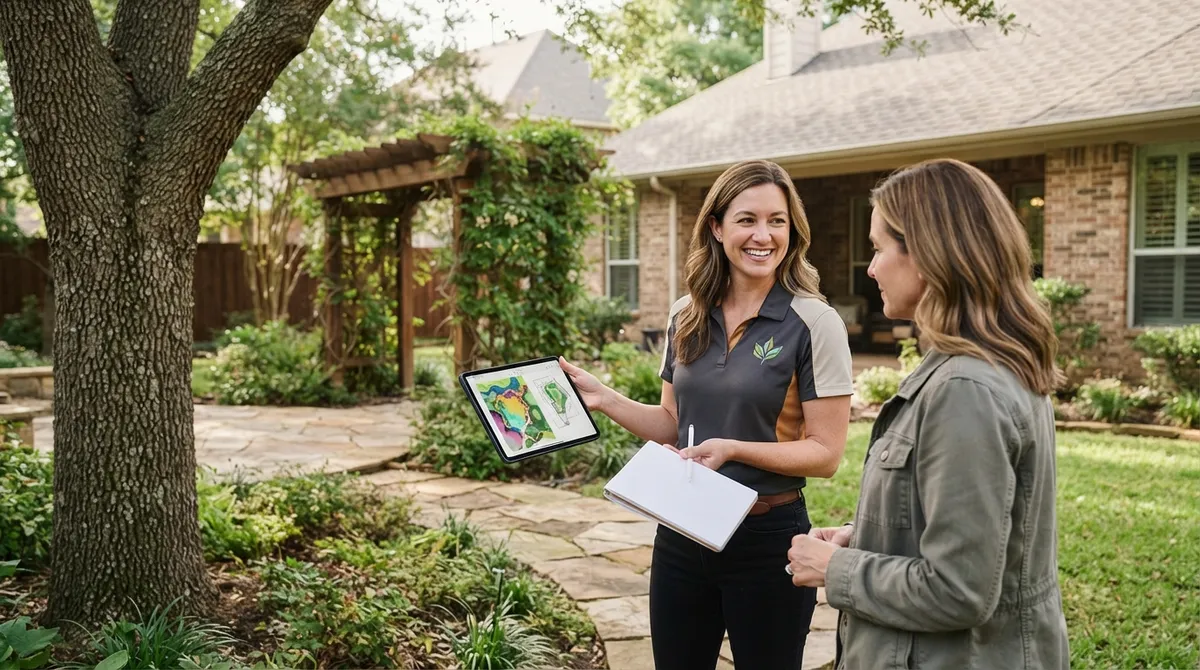
Here’s a secret that separates the pros from the guesswork: a reliable landscape quote comes from an actual site visit, not a generic price-per-square-foot formula. Every yard is different, and your soil, drainage, and access points matter more than you’d think.
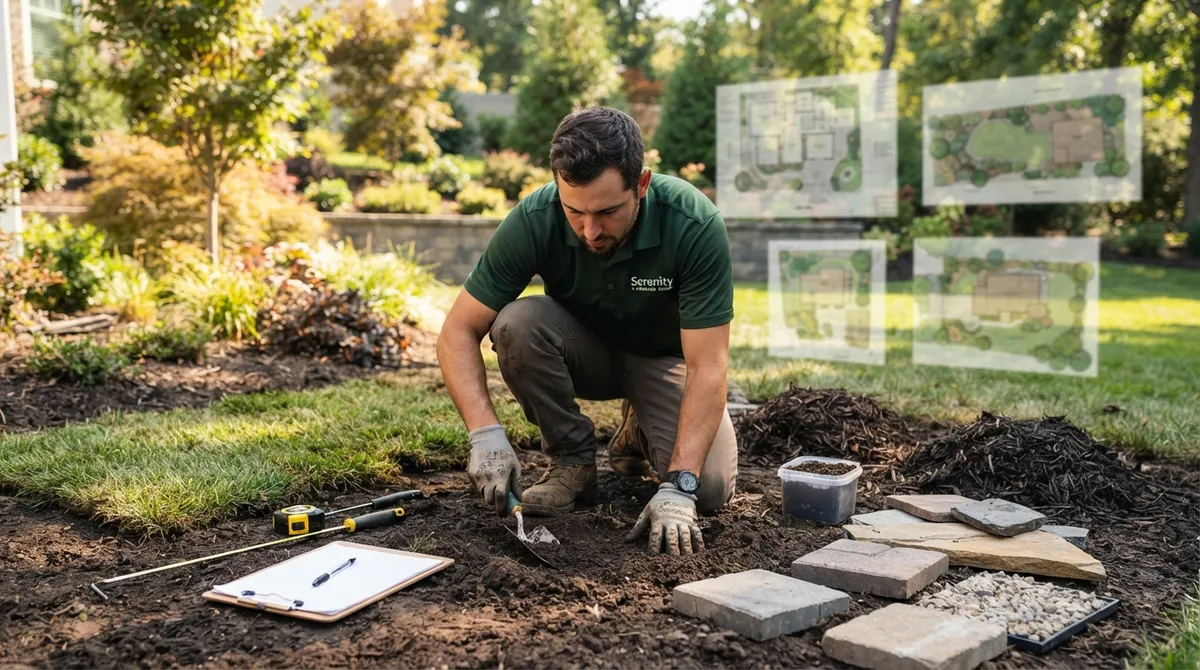
During a proper assessment, a contractor will measure your lawn and planting beds, check grading and drainage, inspect soil quality, and note any tricky access issues like narrow gates or steep slopes. They’ll also flag anything related to utilities or existing irrigation. Skipping this step is like a doctor prescribing medicine without an exam—it just doesn’t work as well.
What Contractors Look For During a Site Visit
- Total square footage of lawn and beds
- Grading and drainage patterns
- Soil condition and composition
- Sun exposure and shade patterns
- Access for trucks and equipment
- Existing irrigation or lighting systems
- Debris removal and disposal needs
3. Break Down the Real Cost Categories
Your landscape quote isn’t just “labor” and “plants.” There are usually several categories hiding behind that total price, and knowing them helps you compare quotes apples-to-apples.
| Cost Category | What It Covers |
|---|---|
| Labor | Crew time for installation, prep, and cleanup |
| Materials | Plants, mulch, sod, pavers, stone, soil |
| Equipment/Rentals | Machinery needed for grading, digging, or hauling |
| Site Prep | Clearing, leveling, and old material removal |
| Delivery & Disposal | Bringing in materials and hauling away debris |
| Permits | Required approvals for certain hardscape or drainage work |
| Overhead & Profit | Business costs and fair contractor margin |
Design fees, taxes, and future maintenance are often listed separately, so don’t assume they’re baked into the total unless the quote says so.
4. Compare Ballpark Numbers So You Know What’s Normal
Numbers help take the mystery out of pricing, so let’s talk real figures. According to HomeAdvisor’s 2026 landscaping cost guide, the average professional landscaping project runs about $3,515, with a typical range of roughly $1,248 to $6,066. Bigger or more complex jobs can climb past $14,750, especially on multi-acre properties.
A 2025 pricing guide noted that complete landscaping projects can range from about $3,000 for basic upgrades to $100,000 or more for luxury estate transformations. Many homeowners tackling substantial projects spend somewhere between $8,000 and $25,000. Meanwhile, design-only services (just the planning, not installation) typically run $2,200 to $6,180 per project, or $50 to $150 per hour, according to a 2026 landscape-design pricing guide.
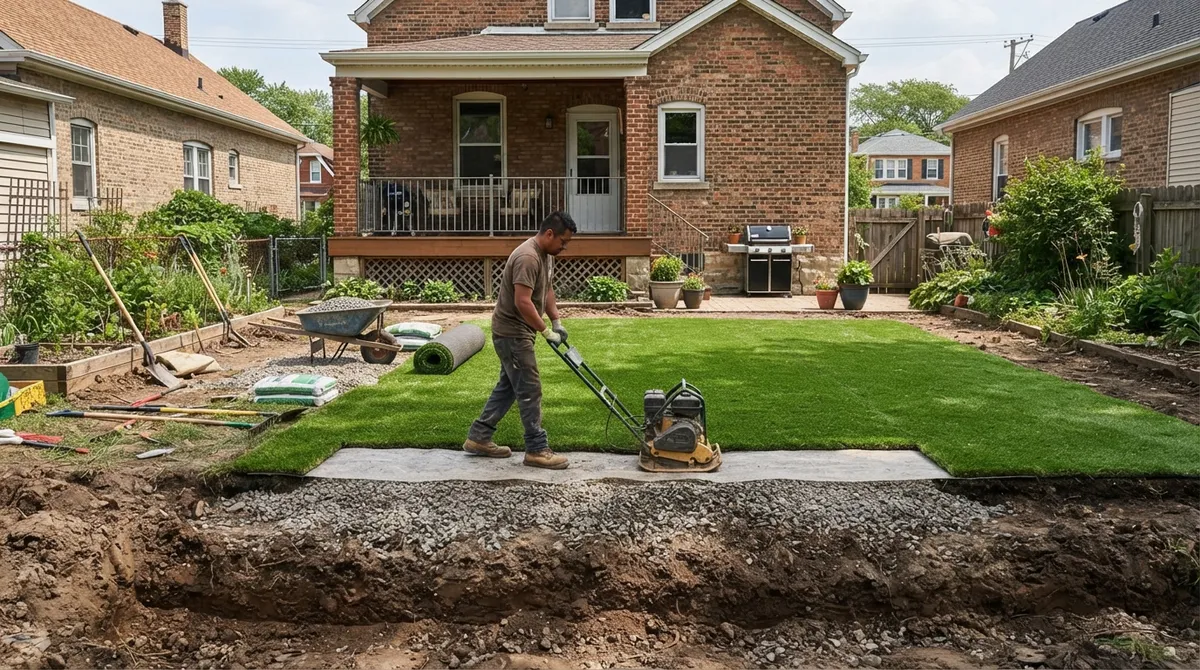
- Sod installation: about $0.75–$1.70 per square foot
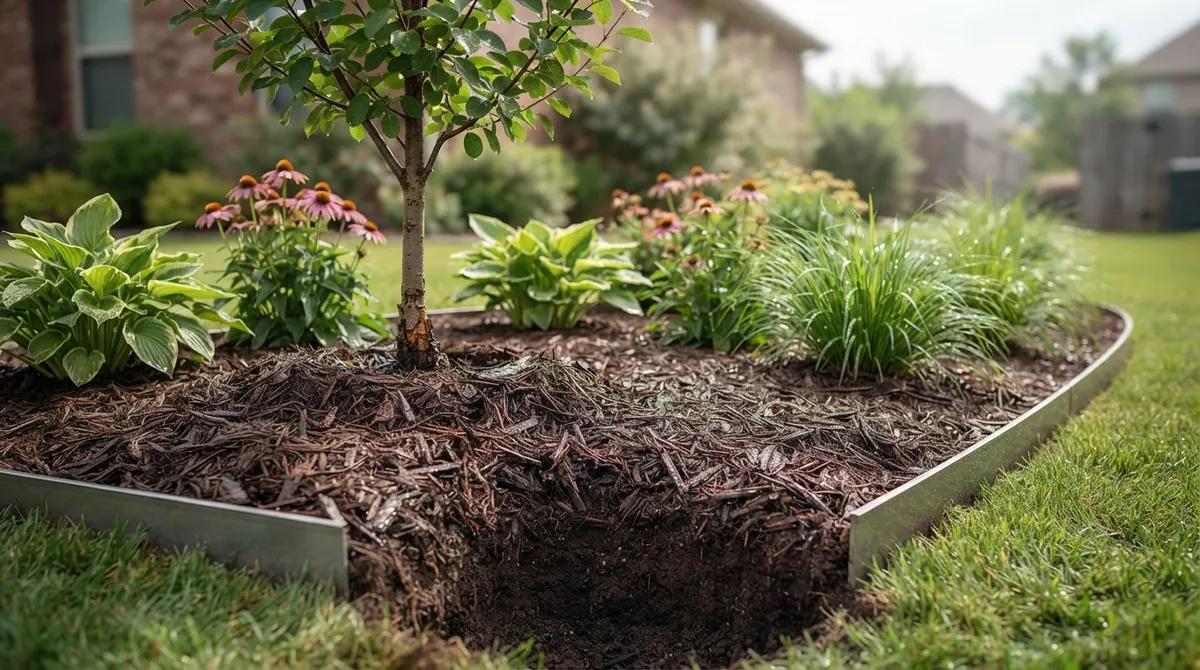
- Mulch beds: about $1–$3 per square foot
- Gravel: about $2–$5 per square foot
- Full landscaping: about $5–$20 per square foot
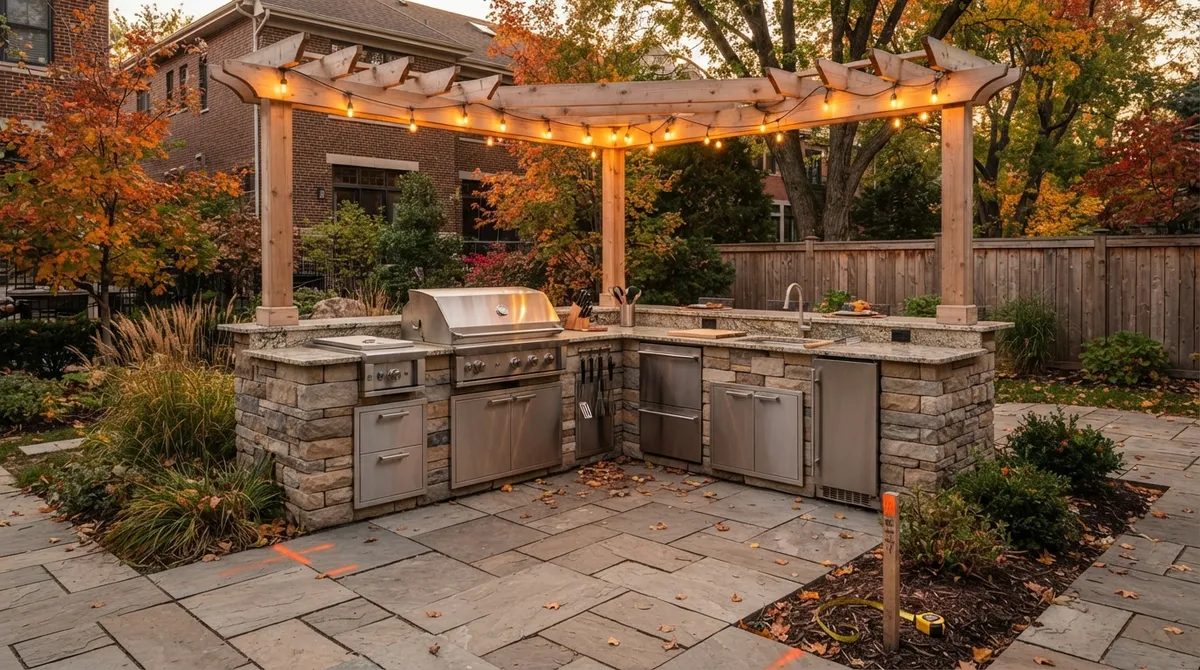
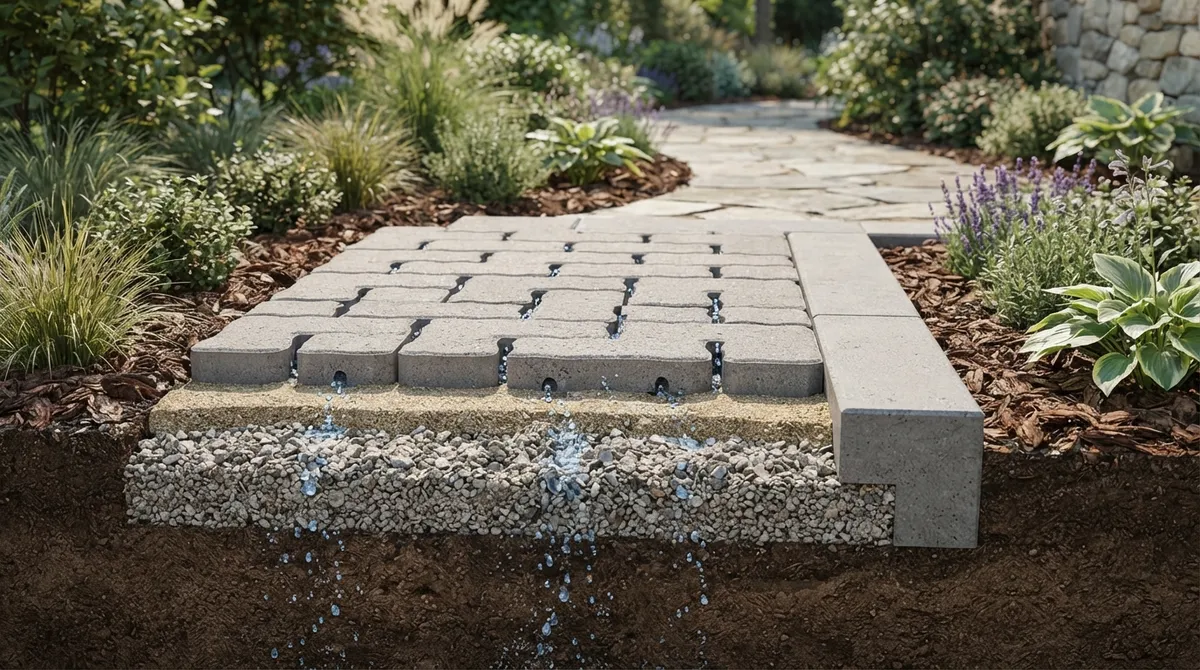
- Hardscaping: about $15–$50 per square foot
These numbers are planning benchmarks, not fixed prices. Your actual quote will depend on your location, site conditions, and material choices. If you’re eyeing a project involving pavers or a custom fire pit, expect the price to reflect the craftsmanship involved.
5. Learn the Difference Between an Estimate and a Quote
People use these words interchangeably, but they’re not quite the same thing. An estimate is a ballpark figure meant for early planning. A quote (or proposal) is a more formal, detailed price for a clearly defined scope of work.
Think of an estimate like a weather forecast—it gives you a good idea of what to expect. A quote is more like a signed contract for a specific day’s forecast. If your contractor gives you a written quote, ask how they’ll handle any surprises, like discovering poor drainage mid-project or if you decide to add a pergola after the fact. A well-written quote should explain how change orders work.
6. Ask the Right Questions Before You Sign
A little curiosity goes a long way here. Before accepting any landscape quote, take a few minutes to ask some smart questions. This isn’t about being difficult—it’s about protecting your investment and your peace of mind.
- What exactly is included, and what’s excluded?
- Are plant sizes, mulch depth, and material specs listed clearly?
- Is there a warranty on plants or hardscape work?
- How long is this quote valid?
- Do you carry insurance and proper licensing?
- Can I see examples of past work or client references?
- How will price changes be handled if conditions change?
It’s also smart to check if the company is affiliated with respected industry groups like Landscape Illinois or holds certifications through organizations such as the ICPI Certified Installer program. These affiliations often signal a contractor’s commitment to quality and ongoing education.
7. Get Multiple Quotes and Compare Wisely
Here’s a tip that saves people from headaches every single time: get at least two or three quotes before committing. But don’t just look at the bottom line—compare the scope, specifications, insurance, licensing, warranties, and timelines too.
The lowest price isn’t always the best deal if it means lower-quality materials or a company that’s cutting corners on labor. A thoughtful comparison protects you from unpleasant surprises down the road. Browsing a gallery of completed projects can also help you gauge whether a company’s style and quality match what you’re picturing for your own space.
Quick Checklist for Comparing Quotes
- Scope of work matches your vision
- Materials and specifications are clearly listed
- Insurance and licensing are verified
- References or reviews check out
- Warranty terms are fair and clear
- Timeline fits your schedule
Special Considerations for Different Property Types
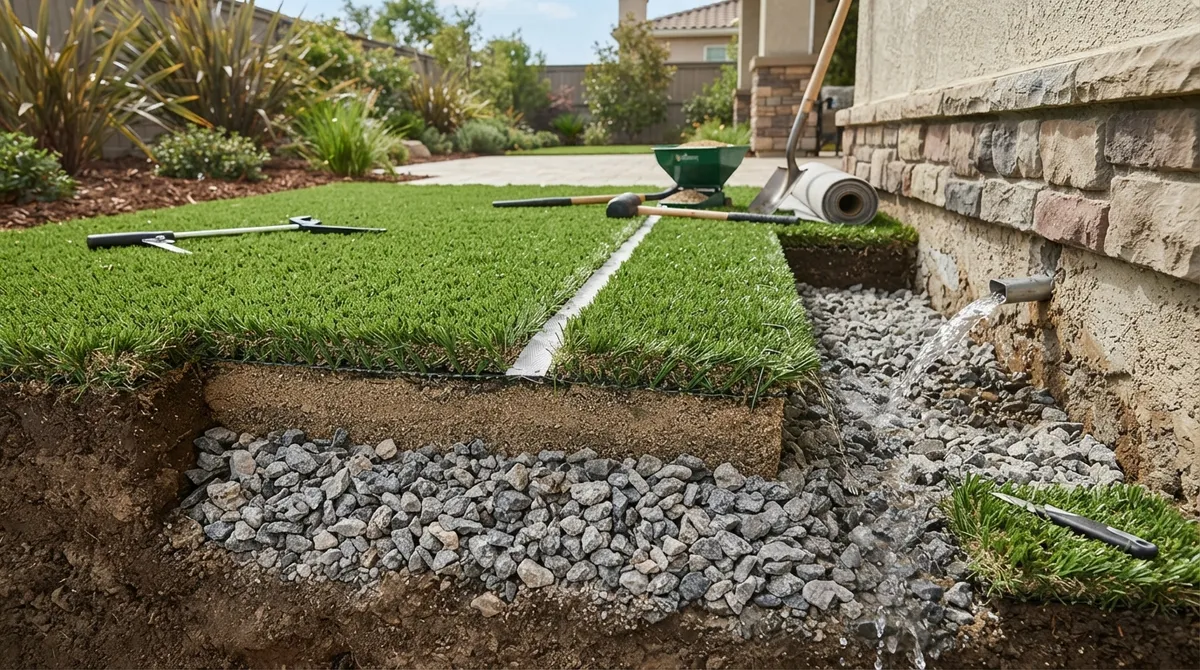
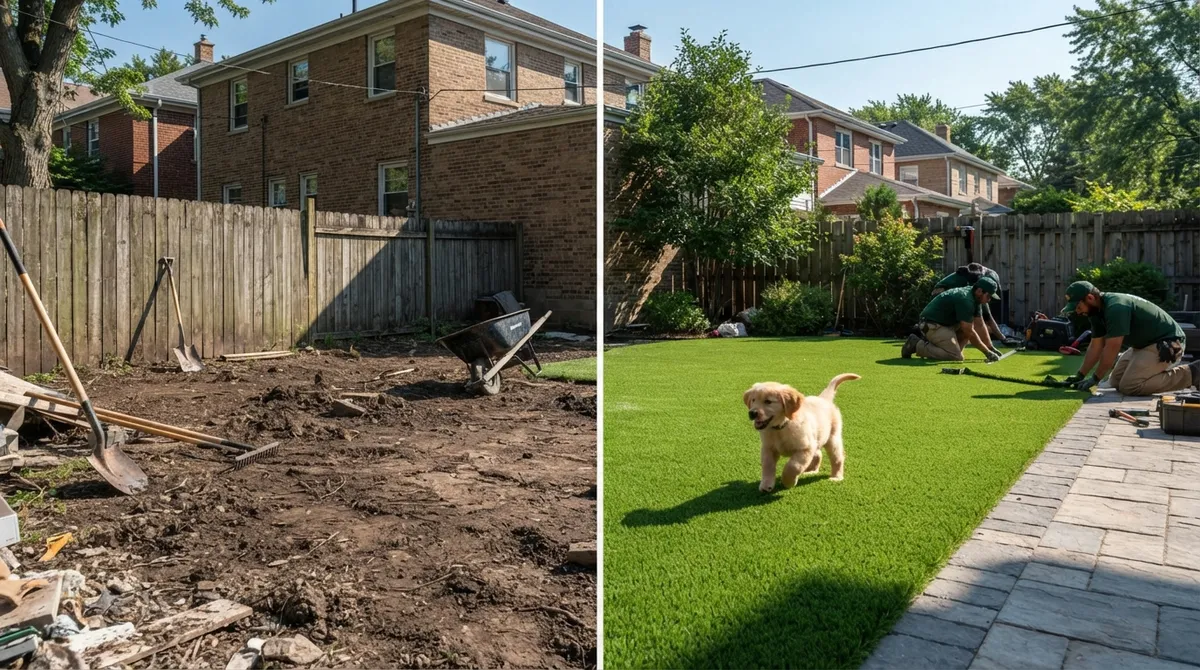
Not every landscape quote looks the same, and that’s because not every property has the same needs. Suburban homeowners often need quotes that account for HOA guidelines, larger lawns, and seasonal Chicago weather swings. Urban condo owners, on the other hand, usually need compact, low-maintenance designs suited for rooftops or small patios, sometimes involving artificial turf installation to combat urban heat and reduce upkeep.
Commercial property managers typically require quotes covering large-scale commercial lawn maintenance, stormwater management, and sustainable hardscaping designed to boost curb appeal while staying low-maintenance. New home builders in areas like Aurora often need turnkey landscape installation bundled into their overall construction timeline, ensuring a fresh property is truly move-in ready. Small business owners want quotes that include seasonal plantings, pedestrian-friendly walkways, and inviting lighting and sound features that make customers want to linger a little longer.
Why a Detailed Quote Protects Everyone
A vague quote might look tempting at first because it’s short and simple. But vague usually means trouble later. When quantities, plant varieties, mulch depth, and paver materials are spelled out clearly, both you and your contractor know exactly what’s expected. That clarity prevents disputes and keeps your project moving smoothly from the first shovel of dirt to the final walkthrough.
It’s also smart to remember that most professionals add roughly 10 to 15 percent extra to material quantities to cover waste, breakage, and overage. This isn’t padding—it’s smart planning that keeps your project from stalling mid-way because someone ran out of pavers or sod.
Ready to Get Your Own Landscape Quote?
You deserve an outdoor space that feels like home, whether that’s a peaceful backyard retreat, a stylish commercial entrance, or a rooftop garden that makes your condo feel like a resort. A clear, honest landscape quote is your first step toward making that dream real, and now you know exactly what to look for.
Our team at Serenity Landscape Group has spent over two decades helping Chicago-area homeowners and businesses turn ordinary yards into extraordinary spaces, from retaining walls to full-scale softscape designs. We’d love to walk your property with you, answer every question, and put together a quote that’s clear, fair, and tailored to your vision. Get a Free Estimate today, or call us at (630) 359-5139 to start the conversation. Your dream landscape is closer than you think, and we can’t wait to help you get there.
FAQs
Q: What should be included in a landscaping quote?
A: A good landscaping quote spells out the scope of work, materials, labor costs, timeline, payment terms, exclusions, and how long the price is valid. Think of it as your project’s roadmap—if something feels vague, just ask for more detail, and any honest contractor will happily explain it.
Q: How much does a landscape quote cost?
A: Getting a quote itself is often free, especially for smaller residential projects, though some companies charge a design fee for detailed planning work. The actual project cost varies widely, from around $3,000 for basic improvements to $25,000 or more for larger transformations, depending on your goals.
Q: Is a landscaping estimate the same as a quote?
A: Not quite! An estimate is a rough, early-stage number for planning purposes, while a quote is a formal, detailed price tied to a specific scope of work. It’s a bit like the difference between a weather forecast and an actual signed agreement.
Q: Should I get multiple landscaping quotes?
A: Absolutely, and we genuinely encourage it! Comparing two or three quotes helps you understand fair pricing, differing scopes, and which contractor truly listens to your vision, not just their bottom line.
Q: How long is a landscaping quote valid?
A: Most quotes stay valid for about 15 to 30 days because material prices can shift with the seasons. Always check the expiration date on your quote so you’re not caught off guard by price changes later.