Key Takeaways
-
Proper base preparation and drainage are critical to hardscape longevity; skipping steps like site assessment, utility checks, compaction, and gravel base causes pavers to shift, concrete to crack, and walls to fail prematurely.
-
Hardscape projects typically cost $5-$25 per square foot (averaging $9,000), with concrete pavers offering the best balance of style, durability, and value; always get a personalized quote since site slope, soil, and drainage work significantly impact final pricing.
-
Permeable pavers ($7-$14/sq ft) solve drainage problems by letting rainwater soak through instead of pooling, reducing runoff and ponding when installed correctly; they require occasional sediment removal to maintain water flow.
-
Budget 5-10% of your hardscape installation cost annually for maintenance like pressure washing ($100-$400), resealing ($250-$1,100), and joint sand replacement to prevent small issues from becoming expensive repairs.
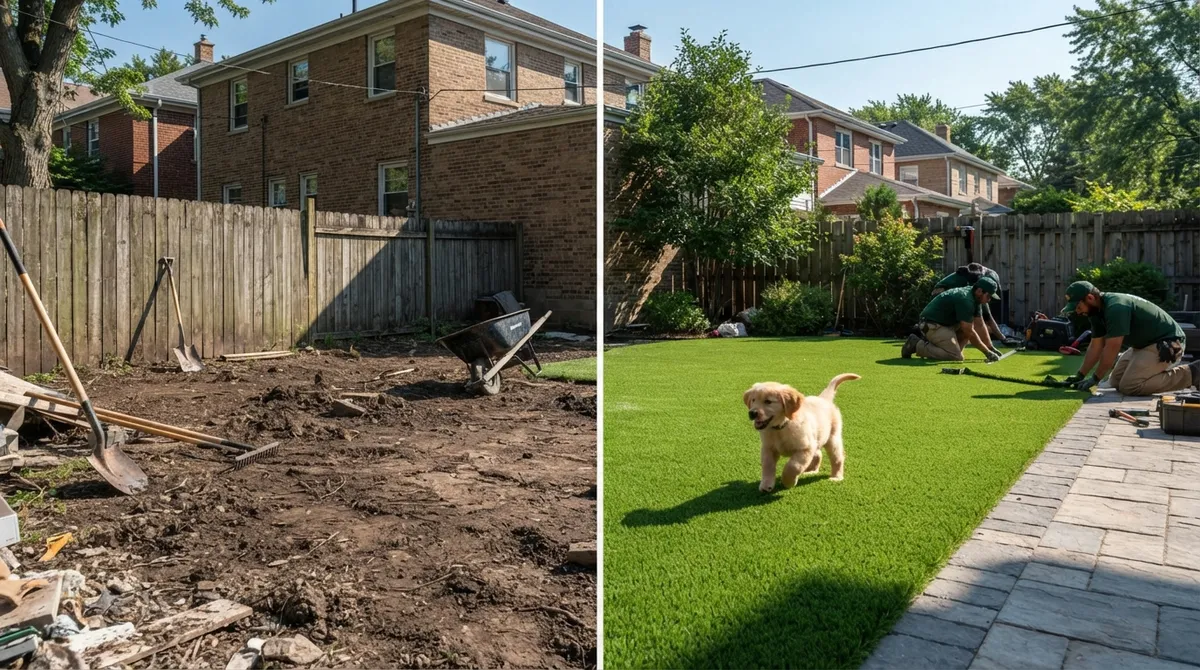
Ever look at your backyard and feel like something is missing? Maybe it’s a cracked walkway, a muddy patch where grass won’t grow, or a yard that just doesn’t invite you to sit and relax. That’s where hardscaping services come in. They’re the missing puzzle piece between a plain yard and an outdoor space you actually want to live in. Whether you’re a homeowner in the suburbs, a condo owner with a tiny balcony, or a property manager juggling curb appeal for a whole building, hardscaping can change everything.
At Serenity Landscape Group, we’ve spent over two decades helping Chicago-area homeowners and businesses fall in love with their outdoor spaces again. We know hardscaping can feel overwhelming at first. There are so many materials, so many decisions, so many questions about cost and permits. This guide will walk you through it all in plain, friendly language, so you can feel confident about your next project.
What Are Hardscaping Services, Exactly?
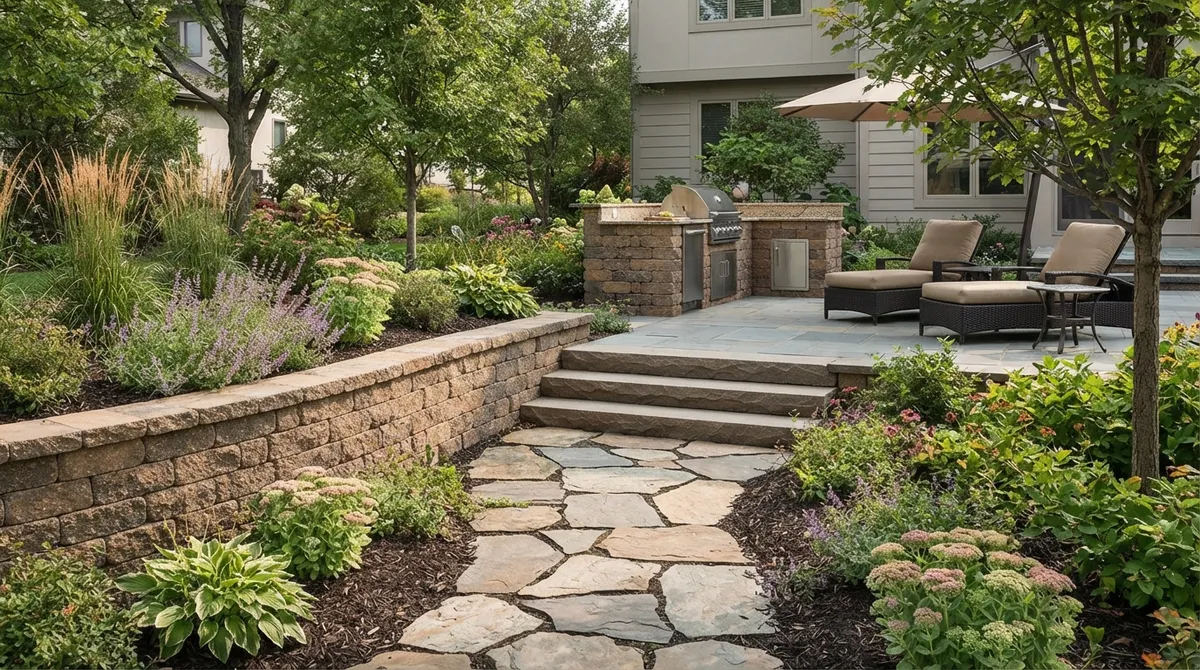
Hardscaping services cover the design, construction, renovation, and upkeep of the non-living, structural parts of your landscape. Think patios, walkways, driveways, retaining walls, steps, seating walls, fire pits, outdoor kitchens, decks, and drainage systems. Basically, if it’s built rather than grown, it falls under hardscaping.
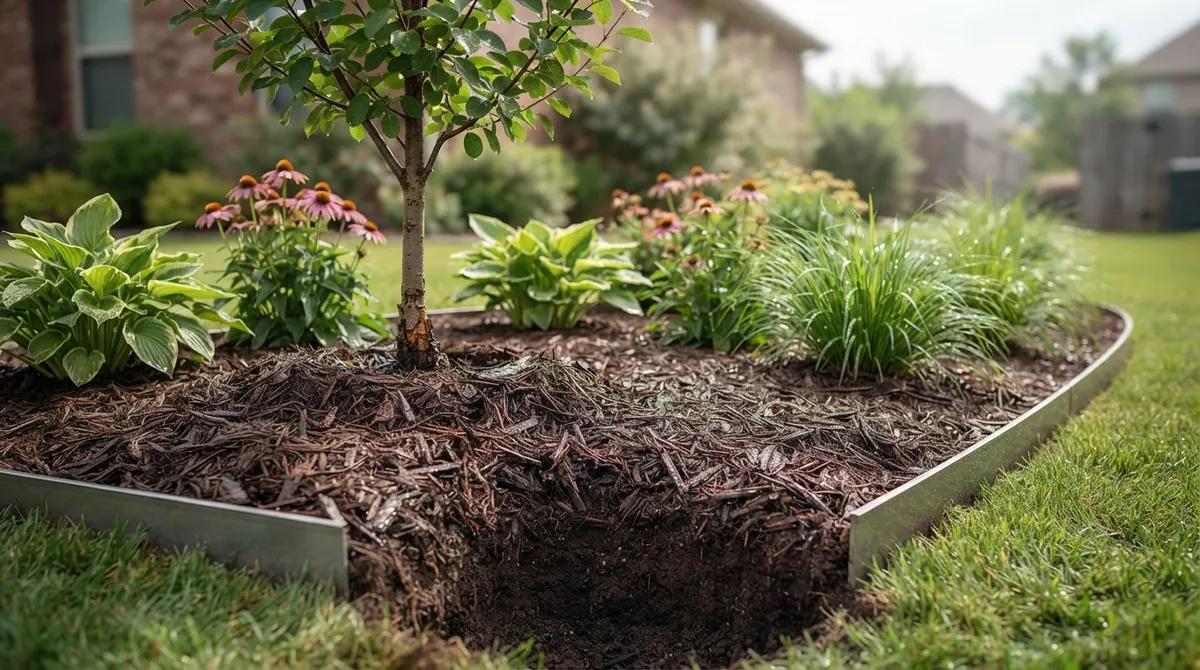
This is different from softscaping, which includes trees, shrubs, flowers, and lawns. The two work best together. A gorgeous patio surrounded by dead grass doesn’t feel finished. That’s why we always encourage clients to think about softscapes alongside their hardscape plans. Combining both creates a space that’s beautiful, functional, and easier to maintain long term.
Common Hardscape Projects
- Paver patios and walkways for entertaining and everyday use
- Driveways built to handle Chicago’s freeze-thaw cycles
- Retaining walls that turn sloped, unusable yards into flat, functional space
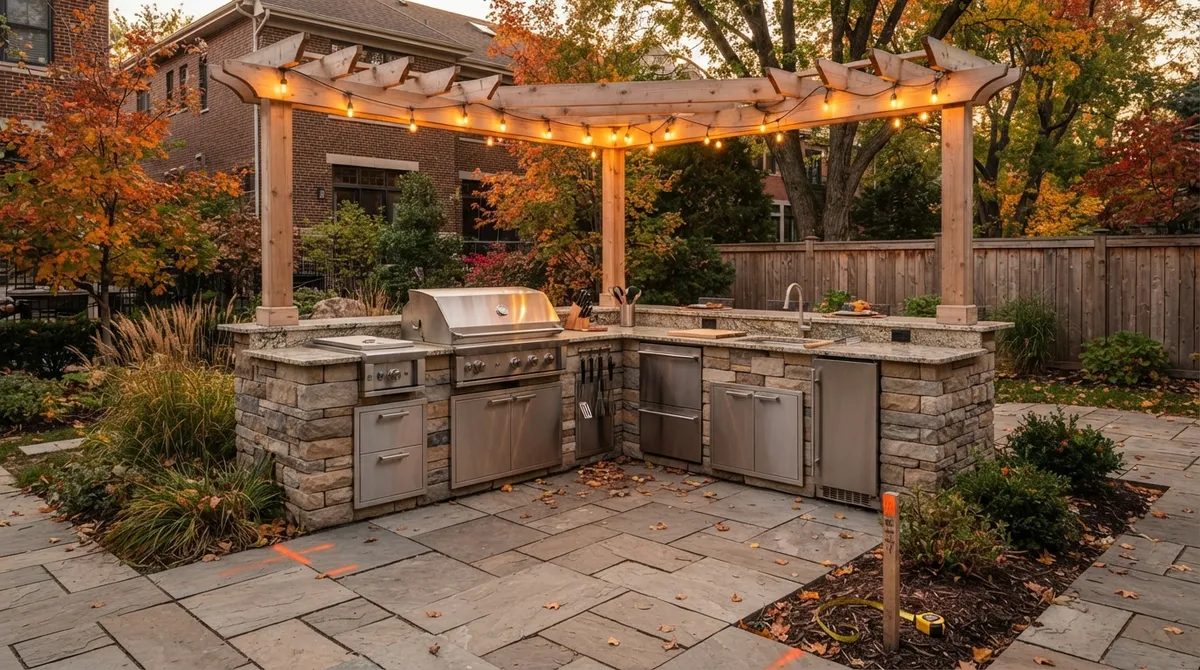
- Fire pits and outdoor kitchens for year-round gathering spots
- Pergolas and pavilions that add shade and structure
- Decorative rock, gravel, and drainage features that solve water problems
If you want to see real examples of these projects, our gallery of our work shows dozens of finished spaces across the Chicago area.
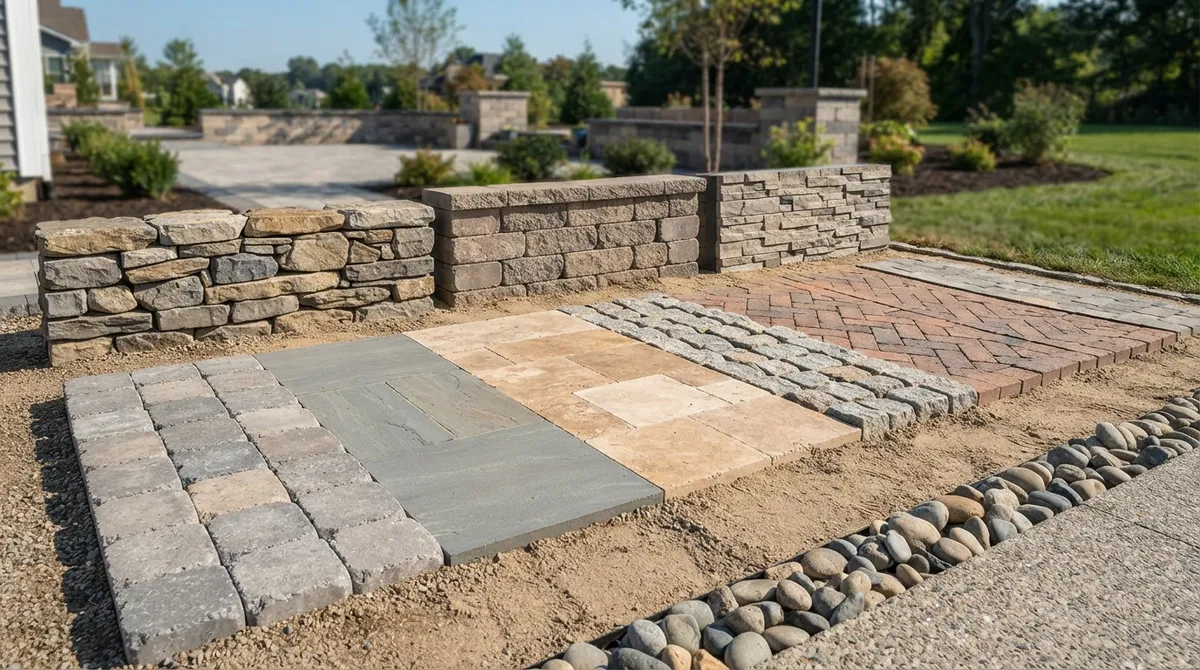
Popular Hardscape Materials and What They Cost
One of the first questions people ask is, “What should my patio or walkway actually be made of?” The answer depends on your budget, style, and how much traffic the area gets. According to Angi’s 2026 hardscaping cost guide, most hardscape projects run between $5 and $25 per square foot, with the average project landing near $9,000. Bigger price swings come from premium materials, tricky site access, and drainage work.
| Material | Typical Cost Per Sq. Ft. | Best For |
|---|---|---|
| Poured Concrete | $4 – $5 | Driveways, budget-friendly patios |
| Brick | $2 – $3 | Classic walkways, traditional homes |
| Pea Gravel | $0.80 – $2.75 | Pathways, low-cost ground cover |
| Concrete Pavers | $8 – $50 | Patios, driveways, pool decks |
| Natural Stone | $15 – $50 | High-end patios, upscale entries |
These numbers come from Angi’s 2026 cost data and are helpful starting points, not exact quotes. Your final price depends on your yard’s slope, soil, and the scope of the project. Many homeowners find that pavers offer the best mix of style, durability, and value, which is why they’re one of our most requested hardscape features.
Why Base Prep and Drainage Matter More Than You’d Think
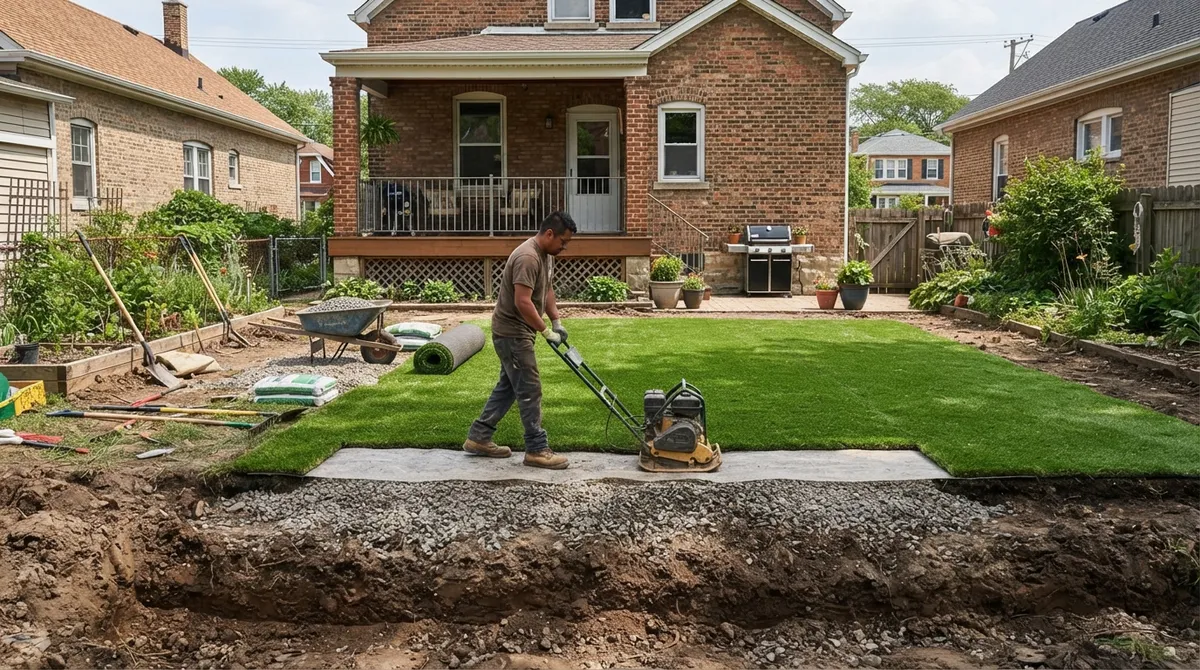
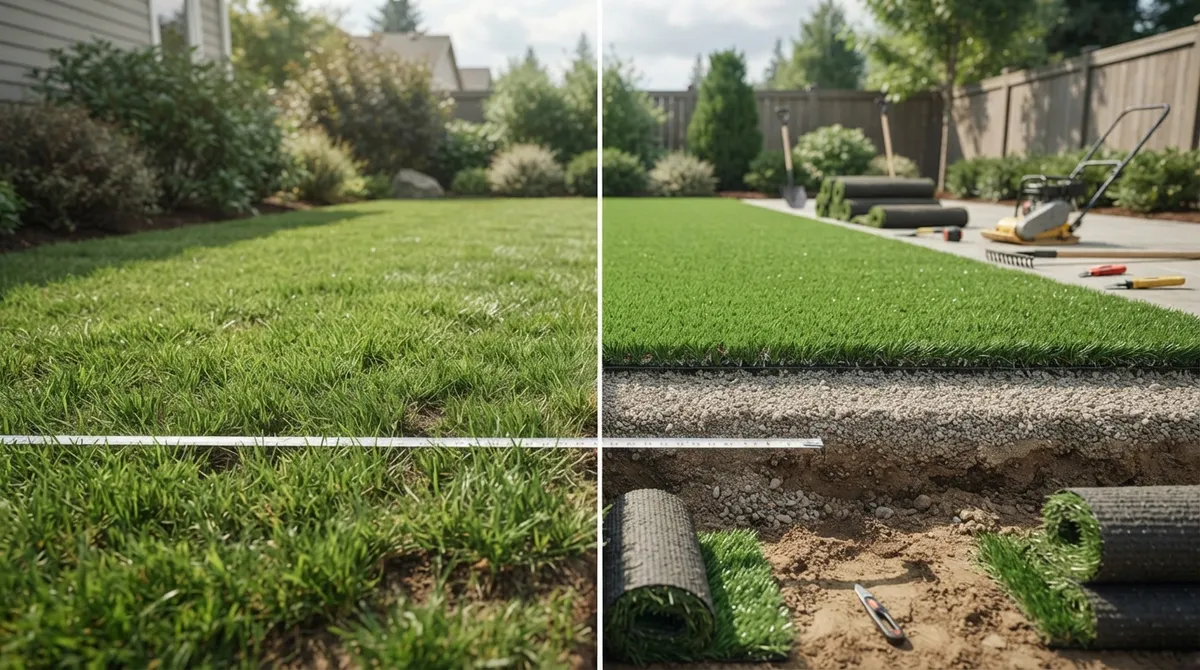
Here’s something a lot of people don’t realize until it’s too late: the prettiest patio in the world will fail if the ground underneath isn’t prepared correctly. Poor compaction, a sub-base that’s too shallow, or bad drainage can cause pavers to shift, concrete to crack, and retaining walls to lean or even collapse.
A proper hardscape installation should always include these steps:
- Site assessment and drainage review
- Design and layout planning
- Utility checks before digging
- Excavation and grading
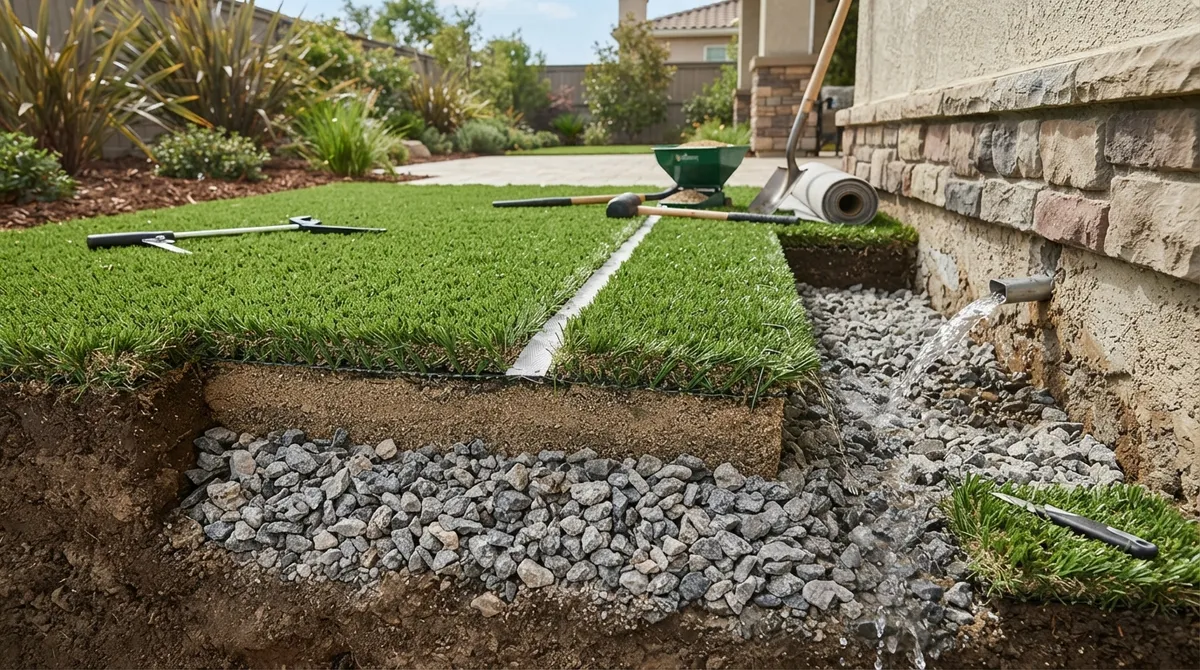
- Base preparation with compacted gravel
- Material installation
- Edging or reinforcement
- Joint filling and sealing
Skipping any of these steps is one of the most common reasons hardscapes fail early. If you’re curious about what pitfalls to avoid, check out our article on 7 hardscaping mistakes to avoid in your outdoor space. It’s a quick read that could save you thousands down the road.
Do You Need a Permit for Hardscaping Projects?
This is a big question, especially for suburban homeowners dealing with HOA rules or urban condo owners facing city regulations. The honest answer is: it depends. Retaining walls above a certain height, elevated decks, outdoor stairs, and anything near a property line often require permits or inspections. Local stormwater rules can also affect your project, especially in Chicago-area municipalities with strict drainage requirements.
Before you start digging, it’s smart to ask your contractor about permitting. A trustworthy hardscaping company will handle this conversation with you upfront, not after the work has started. Groups like Landscape Illinois can also be a helpful resource for understanding regional standards and best practices.
Permeable Pavers: A Smart Choice for Drainage-Challenged Yards
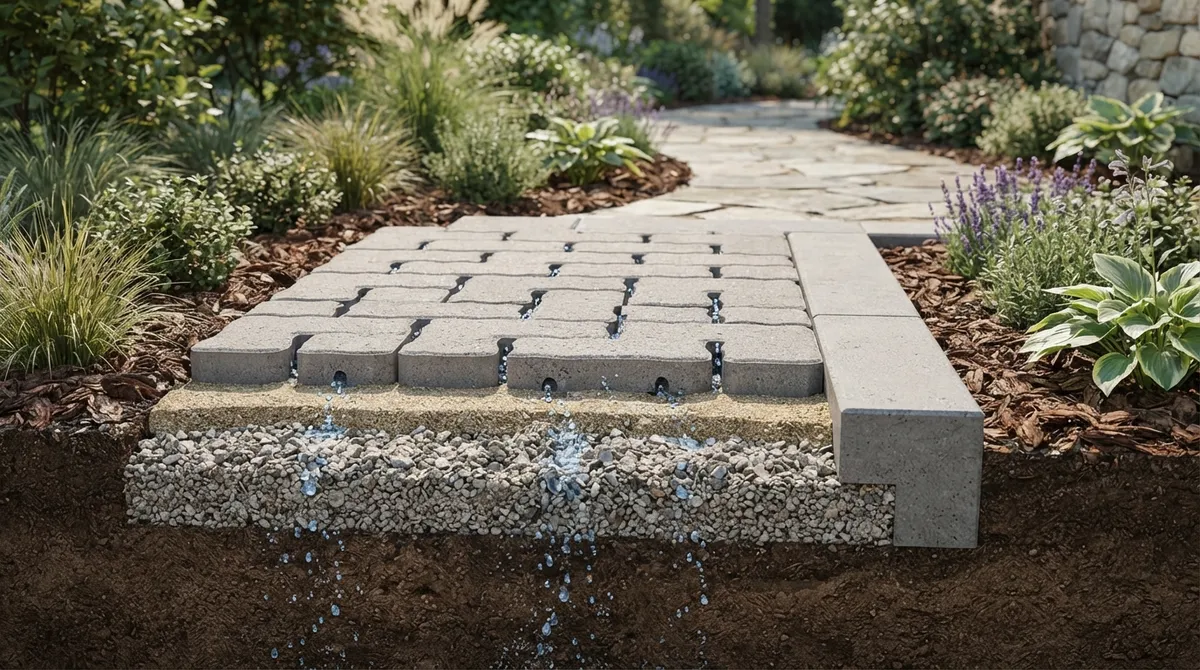
If your yard turns into a swamp every spring, permeable hardscaping might be your new best friend. The EPA identifies permeable pavement, including porous asphalt, pervious concrete, and permeable interlocking pavers, as an effective stormwater control tool. These systems let rainwater soak through the surface into a stone base below instead of running off into the street or pooling in your yard.
The EPA reports that when installed and maintained correctly, permeable pavement can meaningfully reduce runoff and ponding. Costs vary quite a bit: porous asphalt runs about $1 to $1.50 per square foot, pervious concrete costs $3 to $9, and permeable interlocking pavers range from $7 to $14, according to EPA project data. Keep in mind these systems do need occasional sediment removal to keep water flowing through properly.
For homeowners dealing with soggy backyards or businesses managing large parking areas, this is worth discussing with your landscaping team. Our retaining walls and drainage solutions often work hand-in-hand with permeable paving to solve stubborn water issues.
Retaining Walls: Solving Slope Problems the Right Way
Chicago’s clay-heavy soil and rolling suburban lots often mean uneven yards. Retaining walls aren’t just decorative, they hold back soil, prevent erosion, and create usable flat space for patios, gardens, or play areas. Poorly built walls can fail from frost heave, bad drainage, or inadequate engineering, so this is one hardscape feature where hiring an experienced contractor really pays off.
If you’re not sure whether your yard needs one, our guide on what is a retaining wall and do you need one breaks it down in simple terms.
Adding Life to Your Hardscape: Fire Pits, Lighting, and More
Once the structural work is done, it’s time for the fun part. A fire pit turns a plain patio into a year-round gathering spot, even during chilly Chicago evenings. Pair that with a pergola or pavilion for shade, and add lighting and sound features to set the mood after dark. These additions are especially popular with small business owners wanting a welcoming patio for customers, and with homeowners who love hosting backyard get-togethers.
Hardscaping for Commercial Properties
Commercial property managers face a different set of pressures. Curb appeal matters for attracting tenants and customers, but so does long-term maintenance cost and stormwater compliance. Permeable pavers, durable pavers, and well-designed drainage systems can reduce liability from ice and standing water while keeping the property looking sharp. Our commercial lawn maintenance team often works alongside hardscape crews to keep properties looking their best all year.
How Much Does Ongoing Hardscape Maintenance Cost?
Hardscaping isn’t a “install it and forget it” investment. Angi recommends budgeting roughly 5% to 10% of your installation cost each year for cleaning and upkeep. Here’s what that typically looks like:
- Patio pressure washing: $100–$400
- Walkway pressure washing: $100–$200
- Patio resealing: $250–$1,100
- Joint sand replacement and paver leveling as needed
- Retaining wall inspections, especially after harsh winters
Regular maintenance protects your investment and keeps small issues from turning into expensive repairs.
How to Choose a Reliable Hardscaping Contractor
Not all contractors are created equal, and hardscaping is not a great place to cut corners. Here’s what to look for:
- A detailed written proposal covering materials, base specs, drainage, and warranty
- Proof of insurance and proper licensing
- A strong portfolio of completed projects in your area
- References you can actually call
- Clear change-order policies so surprises don’t blow your budget
- Certifications, like those recognized by the ICPI Certified Installer program
Our own process page walks through exactly how we handle projects from that first phone call to the final walkthrough, so you always know what to expect.
Bringing It All Together
Hardscaping services do more than just add pretty patios and walkways. They solve drainage headaches, create usable outdoor living space, boost curb appeal, and add real value to your property. Whether you’re planning a small courtyard update or a full backyard transformation, the right materials and proper installation make all the difference.
At Serenity Landscape Group, we’ve helped homeowners, builders, and business owners across the greater Chicago area bring their outdoor visions to life for over 20 years. If you’re ready to start planning your project, we’d love to talk it through with you. Get a free estimate today, or give us a call at (630) 359-5139 to chat about what’s possible for your space. Your dream patio, walkway, or outdoor living area might be closer than you think.
FAQs
Q: What are hardscaping services in landscaping?
A: Hardscaping services cover the design, building, and upkeep of the non-living parts of your yard, like patios, walkways, driveways, and retaining walls. Think of it as everything built with materials like stone, concrete, or pavers rather than plants. It’s the backbone that makes your outdoor space usable and long-lasting.
Q: What is the difference between hardscaping and softscaping?
A: Hardscaping includes structural features like patios and walls, while softscaping covers living elements like trees, shrubs, and lawns. The best yards blend both together for a space that’s beautiful and functional. We always encourage clients to plan them side by side rather than treating them as separate projects.
Q: How much do hardscaping services cost per square foot?
A: Most hardscape projects run between $5 and $25 per square foot, according to Angi’s 2026 cost guide, with the average project costing around $9,000. Your final price depends on materials, site conditions, and design complexity, so it’s always best to get a personalized quote.
Q: Do I need a permit for a retaining wall or patio?
A: It depends on your city, the height of the structure, and how close it is to your property line. Retaining walls, elevated decks, and drainage work often require permits or inspections. A good contractor will help you figure this out before any digging starts.
Q: How can permeable pavers help with drainage?
A: Permeable pavers let rainwater soak through the surface into a stone base below instead of pooling on top or rushing into storm drains. The EPA notes this can reduce runoff and ponding when properly installed and maintained. It’s a great option if your yard tends to get soggy after heavy rain.