Key Takeaways
-
Sod installation typically costs $1 to $6 per square foot including labor and materials, while a standard 1,000-square-foot yard usually runs $1,000 to $2,500 total depending on grass type and site prep requirements.
-
Always request an itemized quote that includes site measurement, old lawn removal, grading, soil amendments, delivery, installation labor, and debris cleanup—skipping these steps compromises long-term lawn health.
-
Sod costs more upfront but provides an instant usable lawn in 2-3 weeks, while seed is cheaper initially but requires 6-8 weeks establishment time plus extra watering and higher risk of patchy growth.
-
Grass variety significantly impacts cost: Bahia ($1.20-$2.40/sq ft) is cheapest, while premium types like Zoysia ($1.40-$2.85/sq ft) cost more; for Chicago, fescue and Kentucky bluegrass are ideal for cold winters and humid summers.
-
Factors like soil condition (clay-heavy soil needs amendments), odd yard shapes, poor drainage, slopes, and difficult site access can double installation costs—these should be identified during a professional site evaluation.
-
Fall is the optimal planting season in Chicago when soil is warm but air is cool, reducing stress on new grass; avoid summer installation unless you can commit to intensive daily watering.
So you’re staring at a patchy, tired lawn and wondering what it would take to fix it. You’re not alone! Every week, we talk to Chicago-area homeowners and business owners asking the same thing: how much does grass installation cost? The honest answer is that it depends on a few key things, but don’t worry, we’re going to break it all down for you in plain, friendly terms. By the end of this article, you’ll feel confident walking into any conversation with a landscaping crew.
Whether you’re a suburban homeowner trying to meet your HOA’s lawn standards, a builder in Aurora finishing off a new development, or a property manager wanting your commercial grounds to shine, grass installation cost is one of those numbers everyone wants to nail down early. Let’s dig in together, no pun intended.
What Does Grass Installation Actually Mean?
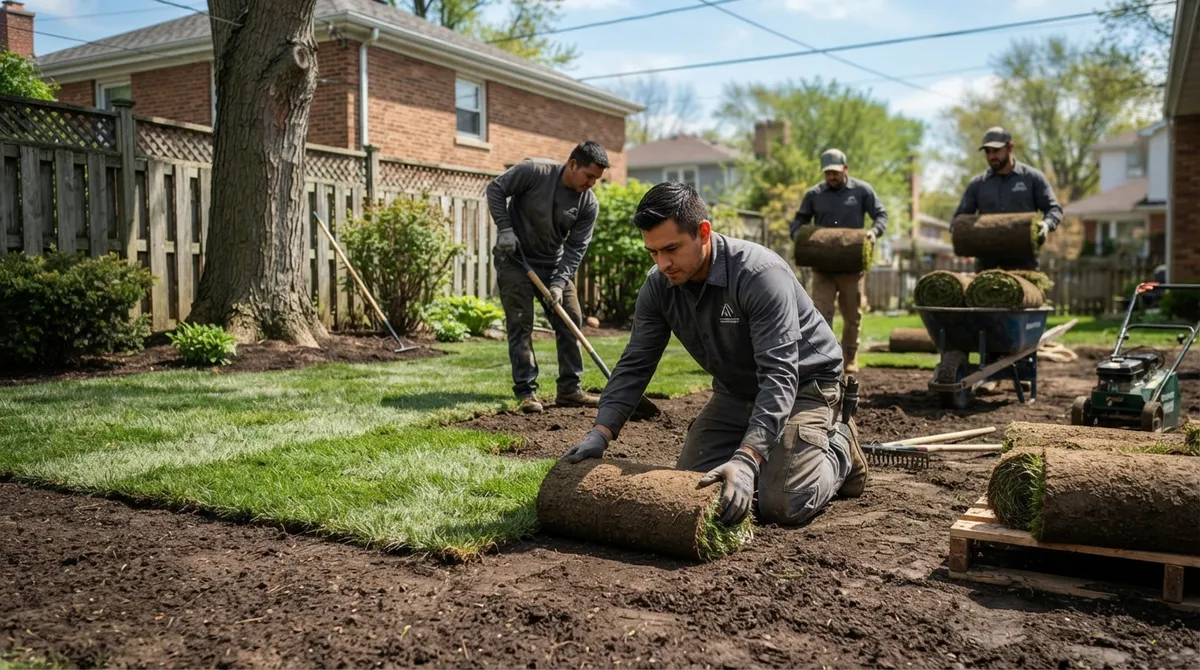
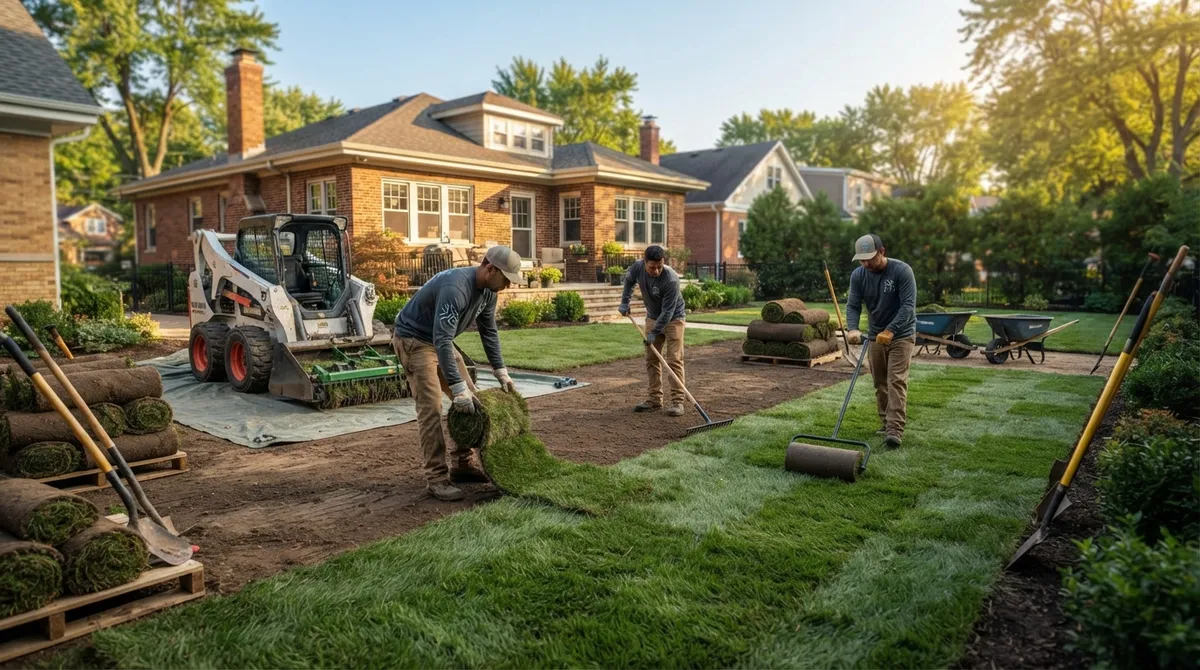
When landscapers talk about grass installation, they usually mean one of two things: laying sod or planting grass seed. Sod is basically pre-grown grass that arrives in rolled-up strips or rectangles, ready to plant like a living carpet. Seed, on the other hand, is exactly what it sounds like, tiny grass seeds spread across prepared soil that need time to sprout and grow.
Both methods can give you a gorgeous lawn, but they come with very different price tags, timelines, and levels of instant gratification. If you love a full, established lawn right away, sod is your friend. If you’re more patient and budget-conscious, seed might be the better fit.
Grass Installation Cost Per Square Foot
Here’s the number everyone wants: according to Angi’s 2025-2026 pricing guide, sod installation typically runs about $1 to $6 per square foot, including both labor and materials. That’s a wide range, and for good reason. Your final price depends on your lawn’s size, your soil condition, and how much prep work is needed before the sod even goes down.
Grass type also plays a big role in your total. Here’s a quick breakdown of installed costs by grass variety, based on current industry data:
| Grass Type | Installed Cost Per Square Foot |
|---|---|
| Bahia | $1.20 – $2.40 |
| Bermuda | $1.35 – $2.85 |
| Fescue | $1.35 – $2.65 |
| Kentucky Bluegrass | $1.35 – $2.40 |
| St. Augustine | $1.35 – $2.75 |
| Zoysia | $1.40 – $2.85 |
For Chicago-area lawns, fescue and Kentucky bluegrass are the popular go-to choices since they handle our cold winters and humid summers well. If you’re not sure which grass suits your yard, our team can walk you through it during a free estimate visit.
How Much Does It Cost to Sod a 1,000-Square-Foot Yard?
This is one of the most common questions we hear. Based on national averages, a typical sod installation project runs about $1,072 to $2,978 total, according to Angi’s national guide. For a standard 1,000-square-foot yard, that usually lands somewhere in the $1,000 to $2,500 range, depending on your grass choice and how much site prep is involved.
Keep in mind, sod material alone tends to cost less than the full installed price. Sources report sod material running roughly $0.30 to $1.00 per square foot, with labor adding another $0.50 to $1.00 per square foot on top. So when a quote seems low, always ask if it’s material-only or a full installed price.
Sod vs Seed: Which Costs Less?
Let’s settle this debate once and for all. Seed is almost always cheaper upfront since you’re just buying small packets or bags instead of heavy rolls of living turf. But cheaper materials don’t always mean a cheaper total project.
Here’s why: seeded lawns need more watering, more monitoring, and more patience while they establish. You might spend extra money on temporary irrigation, erosion control, or reseeding bare spots that didn’t take. Sod, while pricier upfront, gives you an instant, usable lawn with less risk of failure.
Quick Comparison: Sod vs Seed
- Sod: Higher upfront cost, instant green lawn, less risk of patchy growth, ready to use in about 2-3 weeks.
- Seed: Lower material cost, longer wait time (often 6-8 weeks or more), higher chance of uneven growth without proper care.
- Sod: Better for erosion-prone slopes or areas with heavy foot traffic soon after planting.
- Seed: Better for large open areas where budget matters more than instant results.
For most of our clients in the Chicago suburbs who want a lawn ready for summer barbecues or HOA inspections, sod tends to win out. But every yard is different, and that’s exactly why we recommend a personal consultation before deciding.
What’s Included in a Professional Grass Installation Quote?
Not all quotes are created equal, and this is where a lot of homeowners get surprised later. A thorough, itemized quote should spell out exactly what you’re paying for. Here’s what to look for:
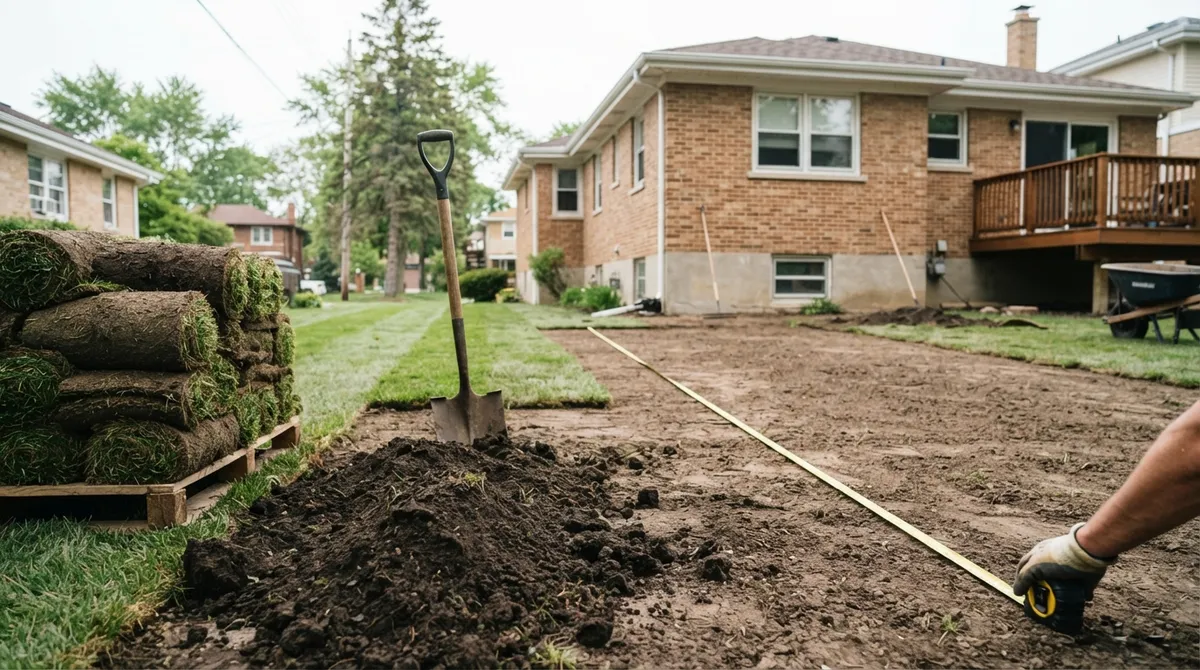
- Site measurement and evaluation: Your installer measures the yard and checks soil quality, drainage, and sun exposure.
- Old lawn removal: If you have existing dead grass or weeds, it needs to be stripped away first.
- Grading and leveling: The soil gets smoothed out so water drains properly instead of pooling.
- Soil amendments: Compost, topsoil, or fertilizer may be added to give your new grass the best start.
- Sod or seed delivery: Fresh materials arrive, often the same day they’re installed for sod.
- Installation labor: The actual laying of sod strips or spreading of seed across the prepared area.
- Debris removal and cleanup: Old sod, rocks, and leftover materials get hauled away.
If a quote skips several of these steps, ask why. A lawn installed on poor soil without grading will struggle no matter how good the grass seed or sod is. This is one reason our process always starts with a thorough site walk-through before we ever pick up a shovel.
Factors That Make Grass Installation More Expensive
Wondering why one quote is double another? Several factors can push your grass installation cost higher, and it usually has nothing to do with anyone trying to overcharge you. Here are the biggest price drivers:
- Lawn size and shape: Oddly shaped yards with lots of curves or obstacles take longer to prep and install.
- Soil condition: Rocky, compacted, or clay-heavy soil (common in parts of Illinois) needs extra amendment work.
- Site access: If delivery trucks can’t get close to your yard, materials must be hauled by hand, adding labor time.
- Slope and drainage: Sloped yards may need grading or even small retaining solutions to prevent erosion.
- Old lawn removal: Removing a thick, established lawn costs more than installing on bare dirt.
- Grass type: Specialty or premium grass varieties cost more than standard options.
If your yard has drainage issues or a noticeable slope, it might be worth exploring a retaining wall solution alongside your grass installation. It’s much easier to solve these problems together rather than revisiting them later.
Grass Installation Cost by Property Type
Different properties come with different challenges, and that affects your total investment. Here’s a quick look at how costs and considerations shift depending on your situation:
| Property Type | Typical Considerations |
|---|---|
| Suburban Home | HOA grass height and species rules, larger yard sizes, soil often clay-heavy |
| Urban Condo/Rooftop | Limited space, weight restrictions, may benefit from artificial turf installation instead |
| Commercial Property | Large open areas, stormwater management needs, ongoing commercial lawn maintenance plan required |
| New Construction | Bare, compacted soil from grading equipment, full turnkey landscaping needed |
New home builders in Aurora and nearby suburbs often need full turnkey grass installation across multiple lots at once. Bundling several properties together can sometimes reduce the per-square-foot rate, so it’s worth asking about volume pricing if you’re managing multiple homes.
When Is the Best Time to Install Grass in Chicago?
Timing matters a lot here in the Midwest. Cool-season grasses like fescue and Kentucky bluegrass do best when planted in early fall or spring, when temperatures are mild and rainfall is more consistent. Summer installation is possible but requires much more watering to help new sod or seed survive the heat.
Fall is often considered the sweet spot for our region. The soil is still warm from summer, but the air is cooler, which reduces stress on new grass while it establishes roots. If you’re planning a project, booking early in the season helps you avoid the fall rush when every landscaping crew in Chicagoland gets busy.
How Long Does New Grass Take to Establish?
Patience really does pay off here. Sod typically roots into the soil within 2 to 3 weeks, though it’s best to avoid heavy foot traffic during that window. Seeded lawns take longer, often 6 to 8 weeks before they’re ready for regular use, and even longer to fill in completely.
During establishment, consistent watering is non-negotiable. Skipping even a few days of watering during hot, dry stretches can undo weeks of progress. This is one area where working with an experienced crew really pays off, since they can set proper watering schedules tailored to your specific grass type and Chicago’s weather patterns.
Grass Installation vs Artificial Turf: A Quick Thought
While natural grass has that classic look and feel everyone loves, it’s worth mentioning that some properties benefit more from synthetic alternatives. Urban condo owners with rooftop spaces, restaurants wanting low-maintenance patio greenery, or commercial properties dealing with heavy foot traffic sometimes find artificial turf to be the smarter long-term investment. It’s not right for every situation, but it’s worth considering if maintenance time or water restrictions are a concern for your property.
Tips for Getting an Accurate Grass Installation Quote
Before you commit to any landscaping crew, keep these tips in mind to make sure you’re comparing apples to apples:
- Ask for an itemized breakdown, not just a single lump-sum number.
- Confirm whether old lawn removal and disposal are included.
- Ask which grass species they recommend for your specific soil and sun exposure.
- Request references or examples of past projects in your neighborhood.
- Check if the company is affiliated with respected industry groups, such as Landscape Illinois or holds credentials like an ICPI Certified Installer for related hardscape work.
A little homework upfront saves you from surprises down the road, and it helps you build trust with whoever ends up doing the work.
Why Professional Installation Beats DIY
We get it, laying sod or spreading seed sounds simple enough to tackle yourself. But there’s a reason professional installation tends to outperform DIY attempts long term. Proper grading, soil testing, and grass selection all require experience most homeowners simply don’t have time to develop.
Our crews have spent over two decades studying how Chicago’s clay-heavy soil and unpredictable weather affect different grass varieties. That kind of hands-on knowledge, paired with the right equipment, usually means a healthier lawn that establishes faster and lasts longer. You can browse our gallery of completed projects to see real examples of transformed yards across the region.
Ready to Get Your New Lawn Started?
Grass installation cost doesn’t have to feel like a mystery. Now that you know what drives the price, from grass type to soil prep to site access, you’re in a great position to ask smart questions and get a fair, accurate quote. Whether you’re refreshing a tired suburban lawn, finishing a new construction property, or upgrading a commercial space, the right installation makes all the difference for years to come.
At Serenity Landscape Group, we’ve spent more than 20 years helping Chicagoland homeowners and businesses fall in love with their outdoor spaces again. If you’re ready to see what a beautifully installed lawn could look like on your property, we’d love to help. Get a Free Estimate today, or feel free to call us at (630) 359-5139 to talk through your project with our friendly team.
FAQs
Q: How much does it cost to install grass per square foot?
A: On average, sod installation runs about $1 to $6 per square foot including labor and materials, according to Angi’s 2025-2026 pricing guide. The exact number depends on your grass type, soil condition, and how much prep work your yard needs, so it’s always best to get a personalized quote.
Q: How much does it cost to sod a 1,000-square-foot yard?
A: Most 1,000-square-foot sod projects land somewhere between $1,000 and $2,500 total, though it can vary based on grass species and site prep. Larger national averages show total sod projects often falling between $1,072 and $2,978, so your yard size and condition really matter here.
Q: Is it cheaper to install sod or grass seed?
A: Seed is usually cheaper upfront since the material itself costs less than pre-grown sod rolls. That said, seed takes longer to establish and can need extra watering or reseeding, so the total project cost sometimes evens out more than you’d expect.
Q: What is included in a professional grass installation quote?
A: A solid quote should cover site measurement, old lawn removal, grading, soil amendments, the sod or seed itself, delivery, installation labor, and debris cleanup. If any of these steps are missing from your quote, it’s worth asking why before you sign anything.
Q: How long does it take for newly seeded grass or sod to establish?
A: Sod typically roots into your yard within 2 to 3 weeks, while seeded lawns usually need 6 to 8 weeks or longer to fully establish. Either way, consistent watering during this period is key to a healthy, long-lasting lawn.