Key Takeaways
-
Check local permit requirements before hiring—freestanding pergolas typically need permits around 120-200 sq ft, while attached ones almost always do, so verify your municipality’s rules first.
-
Get written itemized estimates breaking down materials, labor, and add-ons separately; average costs range $2,103-$6,382 for 100 sq ft structures, with labor alone running $500-$1,000 for simpler projects.
-
Vet contractors thoroughly by requesting portfolios, verifying licensing and insurance, confirming they handle permitting, and checking references—evasiveness about credentials is a major red flag.
-
Choose materials based on durability and maintenance: cedar and composite handle Chicago’s freeze-thaw winters better than pressure-treated wood, while aluminum suits modern designs with minimal upkeep.
-
Match pergola size to actual usage—small patios need 8×10 structures, suburban yards can accommodate 12×16 or larger, and consider pairing with pavers, lighting, or climbing plants for a cohesive outdoor space.
-
Plan installation timelines realistically: simple freestanding pergolas take under a week, but custom builds with patios or lighting can take several weeks from consultation through finishing touches.
So you’re picturing lazy summer evenings under a beautiful pergola, maybe with string lights and a glass of iced tea in hand. That’s a wonderful goal, and honestly, you’re closer to it than you think. The tricky part isn’t dreaming up the perfect backyard shade structure. It’s finding a pergola builder near me who actually knows what they’re doing. Whether you’re in a Chicago suburb with strict HOA rules or a city condo with a tiny rooftop patio, this guide walks you through everything you need to know before you hire anyone.
We’ll cover costs, materials, permits, and the questions you should ask any contractor before signing a contract. By the end, you’ll feel confident and ready to start your project. Let’s get into it.
What Does a Pergola Builder Actually Do?
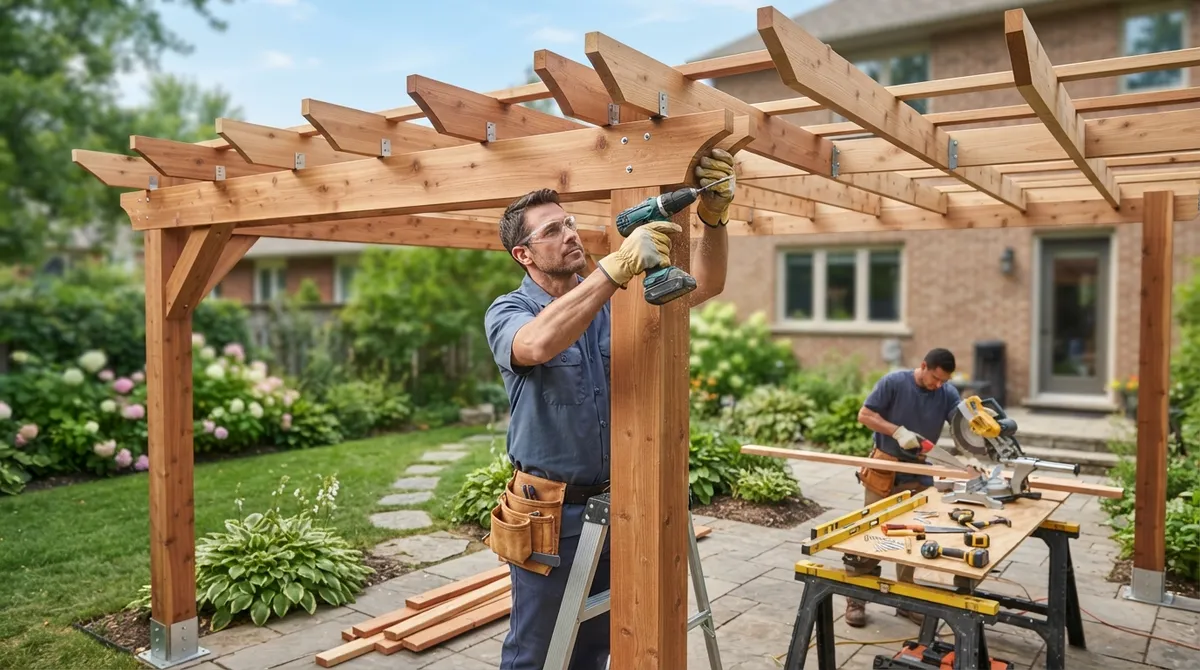
A pergola builder is usually a landscaping or outdoor-living contractor who designs and installs shade structures for your yard, patio, or rooftop. But good builders do a lot more than just hammer some posts into the ground. They think about how your pergola will work with the rest of your outdoor space.
Here’s what a solid pergola builder typically handles:
- Site evaluation to check soil, drainage, and sun exposure
- Design consultations to match your home’s style
- Permitting guidance for your city or county
- Foundation and footing work for structural stability
- Full installation, from framing to finishing touches
- Customization options like lighting, curtains, or climbing plants
Many landscaping companies, including Serenity Landscape Group, build pergolas as part of bigger backyard makeovers. That often means pairing your new structure with a paver patio, a fire pit, or even landscape lighting to tie everything together. If you want ideas, check out these 13 stunning pergola designs to transform your outdoor space in 2026.
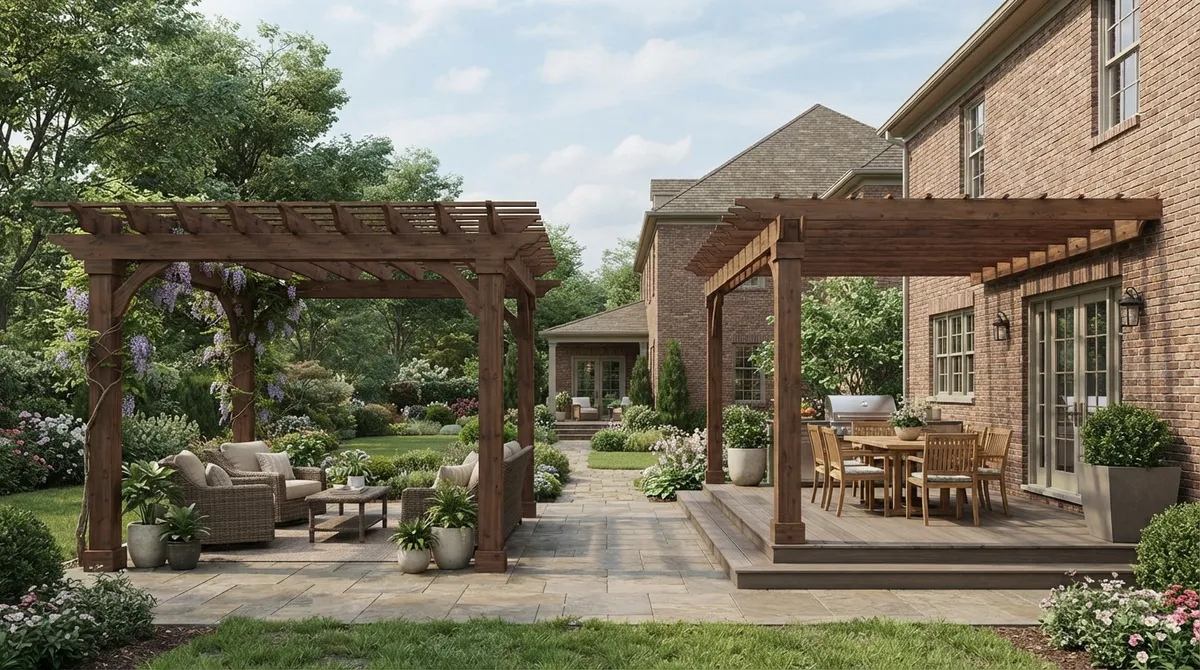
Freestanding vs Attached Pergolas: Which One Fits Your Yard?
This is one of the first big decisions you’ll make. Both options have their perks, and the right choice depends on your space and goals.
Freestanding Pergolas
These stand on their own, away from your house. They’re great for defining a separate outdoor room, like a spot near a fire pit or garden. Freestanding structures usually involve simpler permitting, though this varies by town.
Attached Pergolas
These connect directly to your home, often extending off a deck or patio door. They tend to require more structural planning since they’re tied into your house. Attached pergolas usually mean more permitting steps and inspections too.
Suburban homeowners with larger yards often lean toward freestanding structures near a patio or pool area. Urban condo owners with small balconies or rooftops usually need attached or space-saving designs. Either way, a good pergola and pavilion specialist can help you weigh the pros and cons for your specific property.
How Much Does a Pergola Builder Near Me Cost in 2026?
Let’s talk numbers, because budgeting matters. Pergola prices vary a lot depending on size, material, and how fancy you want to get.
| Project Type | Average Cost Range | Notes |
|---|---|---|
| Standard 10×10 pergola | $2,000 – $6,000 | Installed, basic materials |
| 100 sq ft pergola (average) | $2,103 – $6,382 | Average around $4,240 |
| Per square foot pricing | $30 – $60 | Depends on material and labor |
| Custom or large builds | $10,000+ | Premium materials, larger footprint |
| Motorized or louvered pergolas | $15,000 – $50,000+ | High-end, adjustable roof systems |
Labor alone often runs $500 to $1,000 for simpler projects, according to recent 2026 regional pricing guides. More complex custom builds naturally push labor costs higher. If you’re comparing quotes, make sure each estimate breaks down materials, labor, and any add-ons separately.
What Materials Work Best for a Pergola?
Material choice affects everything from price to how much upkeep you’ll need to do. Here’s a quick rundown of the most common options.
- Pressure-treated wood – budget-friendly, but needs regular staining and sealing
- Cedar – naturally resistant to rot and bugs, with a warm classic look
- Composite – low maintenance and long-lasting, though pricier upfront
- Aluminum – lightweight, rust-resistant, and great for modern designs
- Fiberglass – strong, weather-resistant, and easy to maintain
For Chicago’s freeze-thaw winters, durability really matters. Wood can warp or crack if it’s not properly treated, while aluminum and composite tend to hold up better through harsh weather. If you’re weighing hardscaping materials in general, our article on choosing between landscaping vs hardscaping might help you think through the bigger picture.
Do You Need a Permit to Build a Pergola?
This question comes up a lot, and the honest answer is: it depends. Most towns in Illinois have their own rules about structure size, setbacks, and attachment to your home.
Generally speaking, permitting thresholds for freestanding pergolas kick in around 120 to 200 square feet in many jurisdictions. But local rules vary quite a bit, so it’s smart to check with your municipality before you start digging. A trustworthy builder should handle this step for you or at least walk you through what’s needed.
Here are common factors that affect permit requirements:
- Total square footage of the structure
- Whether it’s attached to your house or freestanding
- Local setback rules from property lines
- Roof type, especially if it’s solid rather than open slats
- Any electrical work for lighting or fans
Commercial property managers should pay extra attention here, since municipal codes for retail or office properties often differ from residential rules. Working with a company familiar with local regulations, like those recognized by Landscape Illinois, can save you a lot of headaches.
How Long Does Pergola Installation Take?
Timelines depend on size, materials, and whether you’re adding extras like lighting or a paver base. But here’s a general sequence you can expect from most builders.
- Initial consultation and design discussion (1 to 2 weeks before start)
- Permit application and approval, if required (varies by town)
- Site prep, including grading and footing installation (1 to 2 days)
- Frame assembly and structural installation (2 to 4 days)
- Finishing touches like stain, lighting, or plantings (1 to 2 days)
Simple freestanding kits might be done in under a week. Custom or motorized pergolas, especially those integrated with a full patio or deck project, can take several weeks. New home builders working on multiple properties in Aurora and nearby suburbs should plan installation schedules early to avoid delays before move-in dates.
Questions to Ask Before Hiring a Local Pergola Contractor
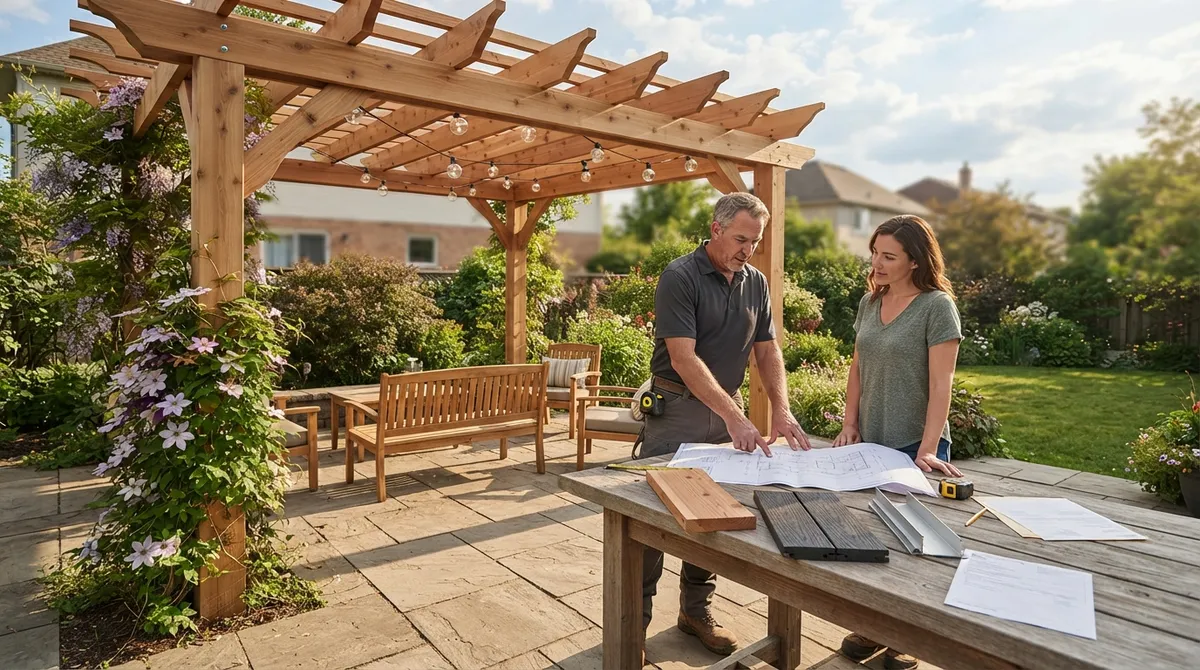
Not every contractor who says they build pergolas actually specializes in it. Here’s a checklist to help you vet your options properly.
- Can you show me photos or a portfolio of past pergola projects?
- Are you licensed and insured for this type of work?
- Will you handle permitting, or is that on me?
- What’s your estimated timeline for a project like mine?
- Do you offer a written estimate with itemized costs?
- Can you provide references from recent clients?
A reputable company should be happy to answer all of these without hesitation. If a contractor seems evasive about insurance or licensing, that’s a red flag worth taking seriously. Checking credentials through groups like the ICPI Certified Installer program can add extra peace of mind, especially for hardscape-heavy projects.
Choosing the Right Size Pergola for Your Space
Size matters a lot here, and it’s easy to either overbuild or underbuild if you’re not careful. A good rule of thumb is to match the pergola size to how you’ll actually use the space.
Small patios or urban balconies often do well with compact 8×8 or 10×10 structures. Suburban backyards with room for entertaining might go bigger, in the 12×16 or larger range. Commercial properties, like restaurant patios or office courtyards, sometimes need custom shapes to fit awkward lot lines or existing hardscaping.
Small business owners in Chicago suburbs looking to create a welcoming outdoor dining area should think about foot traffic flow and seating capacity when choosing a size. Pairing your pergola with pavers for the flooring underneath can also make the space feel more finished and inviting for customers.
Pairing Your Pergola With Other Outdoor Features
Here’s the fun part. A pergola rarely stands alone in a well-designed landscape. Most homeowners and property managers pair it with other features to create a complete outdoor living area.
Popular combinations include:
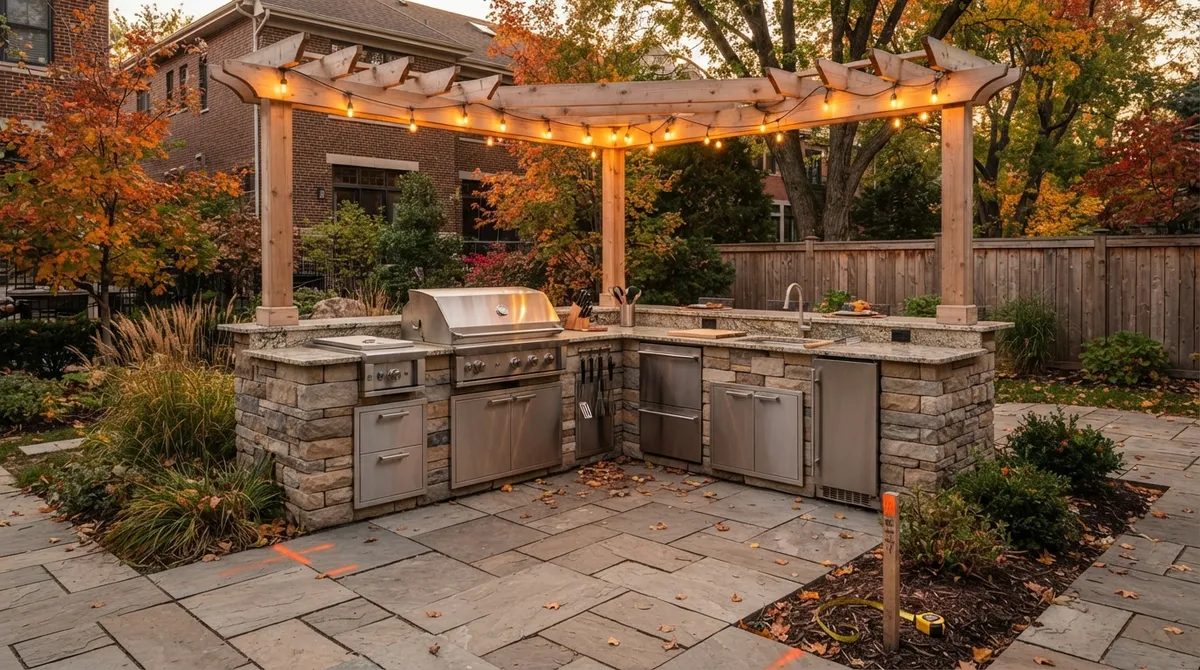
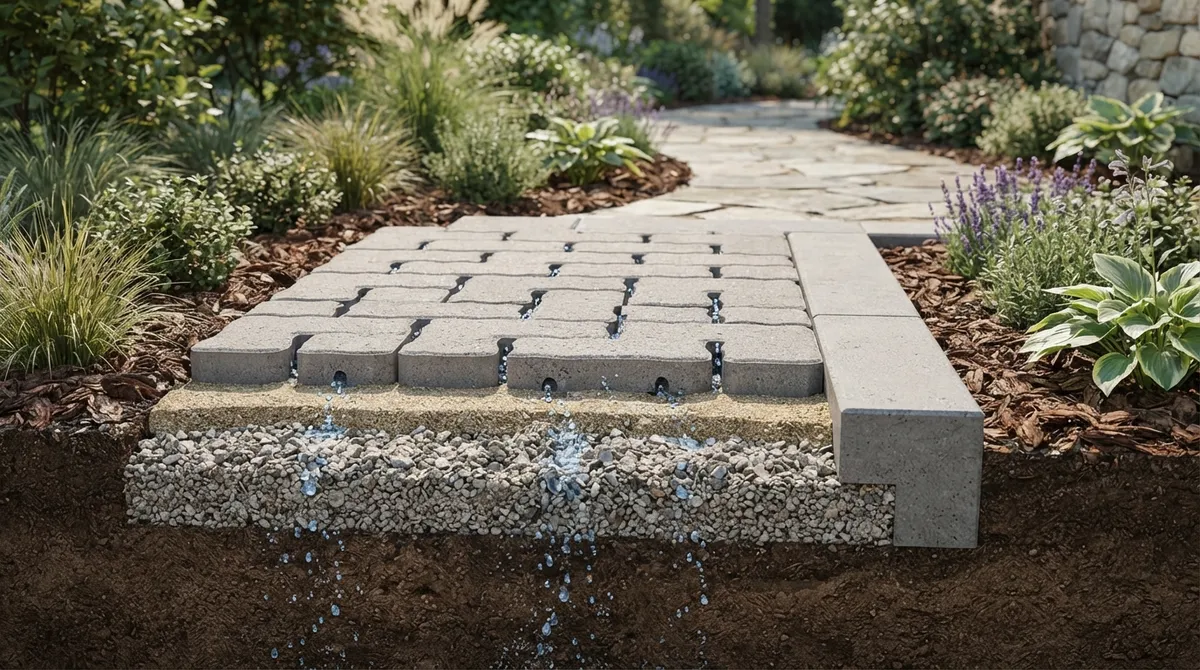
- Paver patios or walkways leading to the pergola
- Built-in fire pits nearby for cooler evenings
- Landscape lighting woven through the beams
- Climbing plants like wisteria or clematis for natural shade
- Retaining walls if your yard has slope or grading issues
If you’re planning a full outdoor renovation, it helps to work with one team that handles the whole vision, from softscapes to hardscaping. That way, everything looks cohesive instead of like separate projects stitched together. You can browse examples of completed work in our gallery of past projects for inspiration.
Special Considerations for Commercial Properties
If you’re managing an office building, retail center, or restaurant, your needs are a bit different than a typical homeowner. Commercial pergolas often need to handle more foot traffic and meet stricter code requirements.
Property managers should consider:
- ADA compliance for accessible pathways underneath
- Stormwater management if the pergola affects drainage
- Durability for high-traffic areas
- Branding opportunities, like matching colors or signage
Commercial clients often benefit from bundling pergola installation with ongoing commercial lawn maintenance services, so the whole property stays polished year-round. It’s a smart way to protect your investment and keep tenants or customers happy.
Final Thoughts on Finding Your Pergola Builder
Building a pergola is genuinely one of the best ways to upgrade your outdoor space without a full renovation. It adds shade, style, and function all in one project. The key is finding a builder who listens to your needs, understands local codes, and has real experience with the materials and designs you want.
At Serenity Landscape Group, we’ve spent over two decades helping Chicago-area homeowners and businesses turn empty yards into spaces they actually love spending time in. We handle everything from design to installation, so you don’t have to juggle multiple contractors. Ready to see what’s possible for your yard? Get a free estimate today, or call us at (630) 359-5139 to chat with our team about your vision. We’d love to help you create the outdoor space you’ve been dreaming about.
FAQs
Q: How much does a pergola builder near me cost?
A: Most professionally installed pergolas run between $2,103 and $6,382, with an average around $4,240 for a 100-square-foot structure. Costs depend on size, material, and any extras like lighting or motorized roofs, so it’s smart to get a few written estimates before deciding.
Q: Do I need a permit to build a pergola in my area?
A: It really depends on your town, but many places require permits once a freestanding pergola hits around 120 to 200 square feet. Attached pergolas almost always need permits since they connect to your home’s structure, so check with your local building department first.
Q: What is the best material for a pergola?
A: It comes down to your budget and how much maintenance you want to do. Cedar and composite tend to hold up beautifully in Chicago’s weather with less upkeep, while pressure-treated wood is more affordable but needs regular sealing.
Q: How long does it take to install a pergola?
A: A simple freestanding pergola can often be finished in less than a week once permits are approved. Custom or larger builds, especially those paired with patios or lighting, might take a few weeks from start to finish.
Q: Should I choose a freestanding or attached pergola?
A: Freestanding pergolas work great if you want a separate outdoor room away from your house, and they usually involve simpler permitting. Attached pergolas connect right to your home and often suit smaller yards or spaces near a back door, though they typically need more structural planning.