Key Takeaways
-
Most Chicago-area homeowners pay $4,000-$9,500 for artificial turf installation, with pricing ranging $6-$20 per square foot installed depending on yard size, turf quality, and site preparation needs.
-
Artificial turf typically pays for itself within 10-15 years through savings on water bills, mowing, fertilizing, and lawn care services compared to natural grass maintenance costs.
-
Site preparation is a hidden cost that heavily impacts final price; skipping proper base prep leads to drainage problems, weeds, and shorter turf lifespan, so invest in quality foundation work.
-
Quality artificial turf lasts 15-25 years in Chicago’s climate, but durability matters greatly for freeze-thaw cycles and heavy snow, making upfront investment in premium options worthwhile.
-
Get itemized quotes from at least 2-3 licensed installers, ask what’s included in site prep and drainage solutions, and consider bundling with other hardscaping work to reduce mobilization costs.
-
Mid-range turf quality paired with proper drainage solutions offers better value than premium options for most homeowners, and seasonal discounts or phased projects can help manage budget constraints.
So you’re tired of fighting with your lawn every summer. Between the brown patches, the endless mowing, and Chicago’s unpredictable weather, you’ve probably wondered if false grass cost is worth looking into. You’re not alone. More homeowners, condo owners, and business owners across the Chicago area are asking this exact question, and honestly, it’s a smart one to ask before you commit.
False grass, also called artificial turf or synthetic grass, has come a long way from the scratchy green carpet you might remember from decades ago. Today’s turf looks natural, feels soft underfoot, and can save you a ton of time and money on lawn care. But the price tag varies quite a bit depending on your yard, your goals, and who installs it.
In this guide, we’ll break down real numbers, explain what drives the cost up or down, and help you figure out what to expect for your own property. Whether you’re a suburban homeowner dealing with tricky soil, a condo owner with a tiny rooftop space, or a property manager trying to cut maintenance costs, this article has something for you.
What Does False Grass Cost on Average?
Let’s get right to the numbers, since that’s probably why you’re here. According to a 2026 installation guide, most homeowners pay between $4,000 and $9,500 for a full artificial turf install. That range covers materials, labor, and basic site preparation.
Thumbtack’s 2026 data pegs the national average at about $4,457, with most projects landing somewhere between $2,576 and $7,702. HomeAdvisor reports a slightly higher average of $5,786, with a typical range of $3,244 to $8,713. Larger or more complex projects can climb past $15,000, especially if your yard needs major grading or drainage work.
Here’s a quick way to think about it: a smaller project, like a 500-square-foot backyard patch, might run you $3,000 to $8,500 total. That’s a big range, and the reason for it comes down to a handful of factors we’ll cover next.
Price Per Square Foot Breakdown
Pricing per square foot gives you another useful lens. One 2025 landscaping pricing guide cites $6 to $17 per square foot installed, while a newer 2026 cost guide reports $10 to $20 per square foot. Material-only costs are much lower, often starting around $3 to $7 per square foot before labor and prep work are added.
| Cost Type | Price Range | What’s Included |
|---|---|---|
| Materials Only | $3 – $7 per sq ft | Turf rolls, no labor or prep |
| Installed (standard) | $6 – $17 per sq ft | Turf, base prep, labor, seaming |
| Installed (premium) | $10 – $20 per sq ft | High-end turf, drainage, edging |
| Full Project Average | $4,457 – $5,786 | Thumbtack and HomeAdvisor national averages |
If you want a closer look at how these numbers apply to Chicago-area homes, our article on real artificial turf prices for 2026 breaks it down even further.
What Factors Drive False Grass Cost Up or Down?
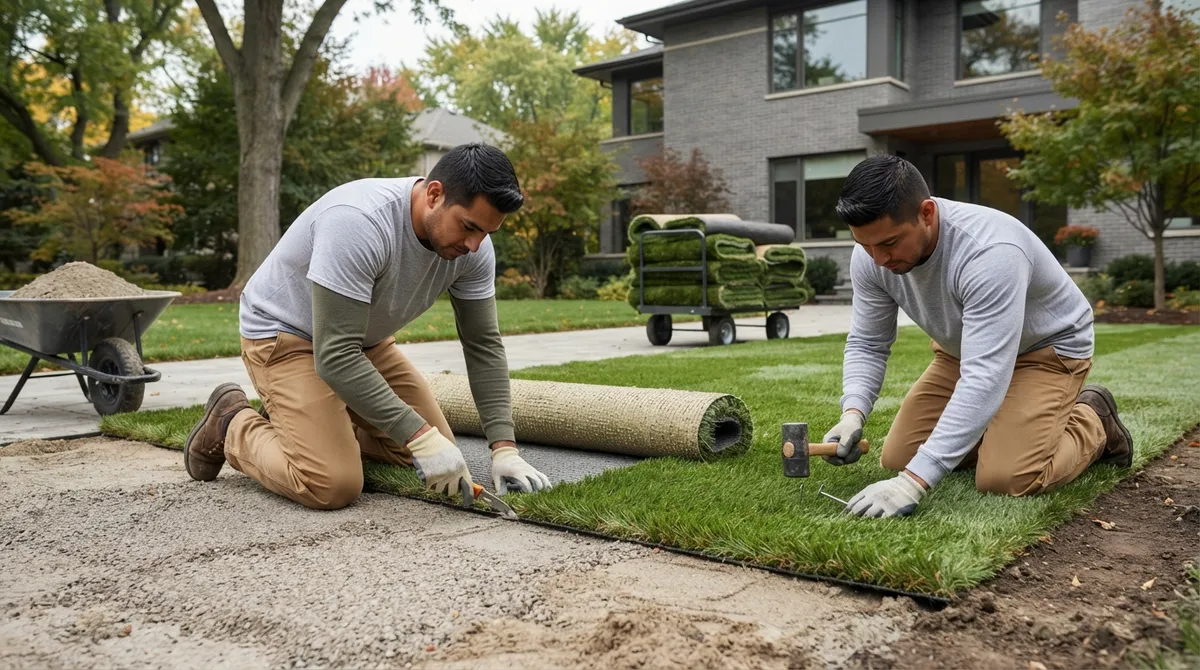
No two yards are the same, and that’s exactly why quotes vary so much. Here are the biggest factors that shape your final number.
- Yard size: Bigger spaces mean more material and more labor hours.
- Turf thickness and quality: Thicker, more realistic-looking turf costs more upfront but often lasts longer.
- Site preparation: Removing old grass, rocks, and debris adds time and cost.
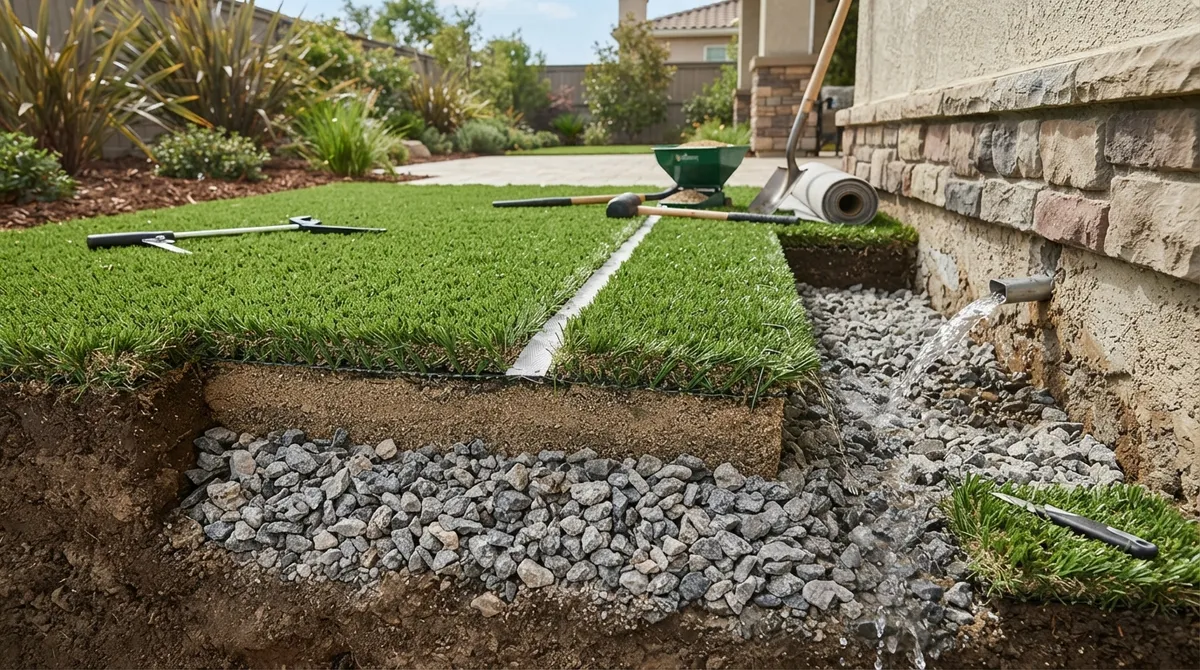
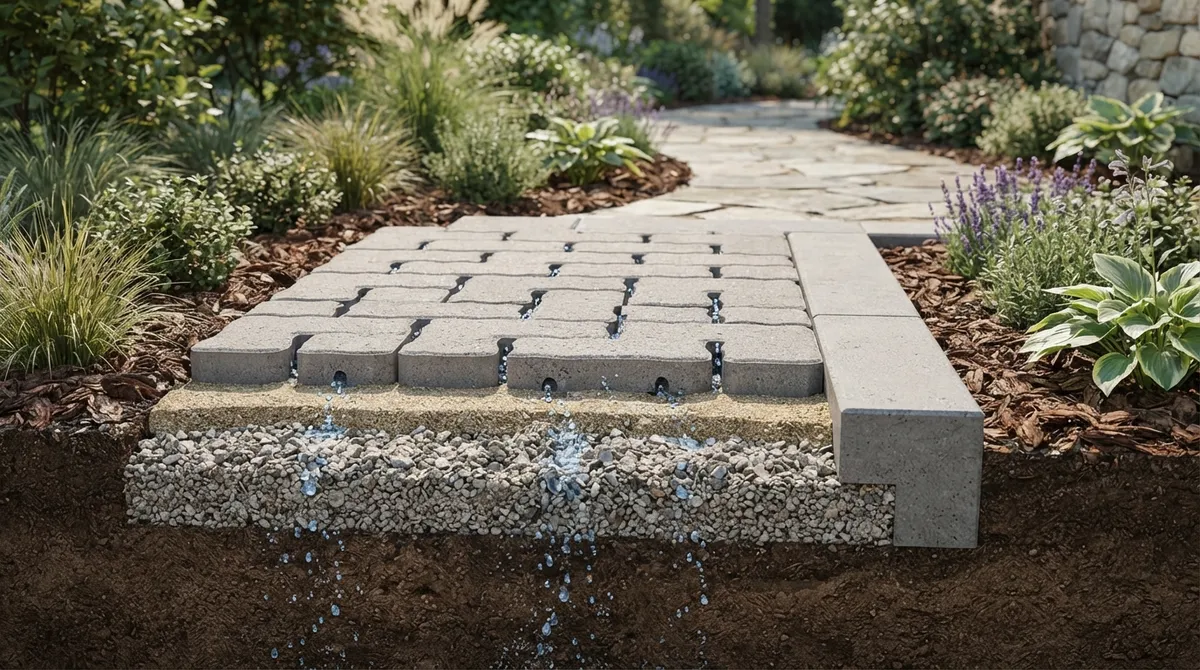
- Drainage needs: Chicago’s wet springs mean proper drainage isn’t optional, it’s essential.
- Subbase materials: A solid base under the turf prevents shifting and puddling later.
- Slope and grading: Uneven or sloped yards need extra grading work before turf goes down.
- Access to the yard: Tight urban lots or rooftop spaces can raise labor costs due to equipment limits.
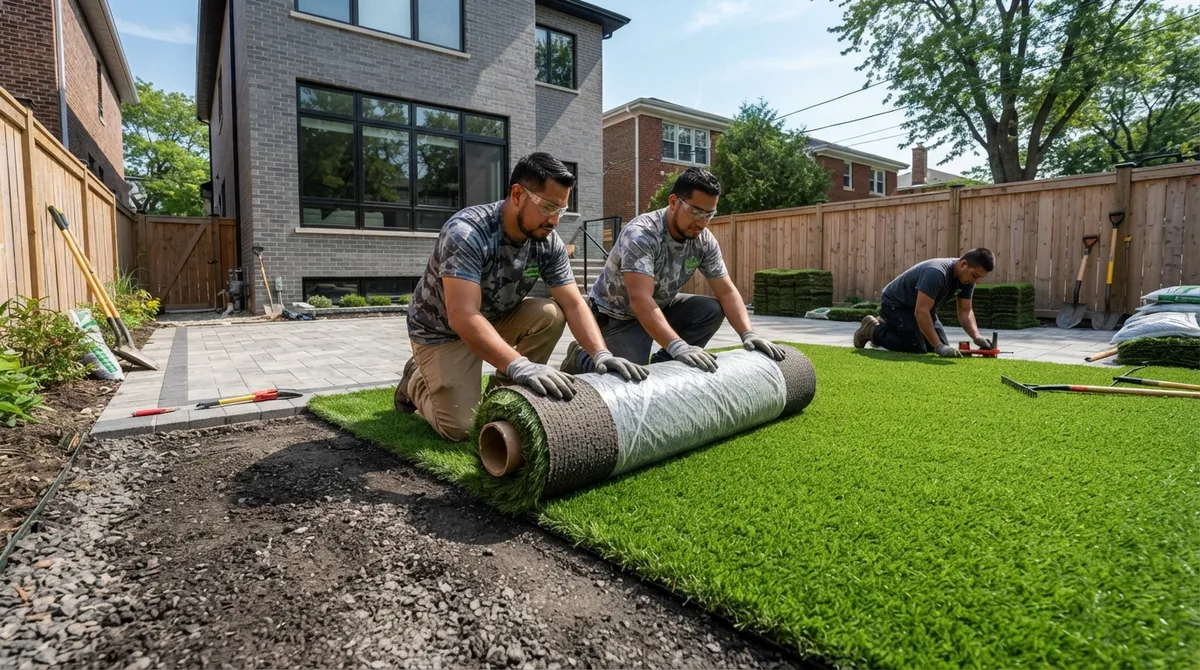
Our team has installed turf on everything from sprawling suburban lawns to compact urban rooftops, and we’ve seen firsthand how these factors change a quote. If you’re curious about the specific steps involved, check out our breakdown of the artificial turf installation process.
Why Site Prep Matters So Much
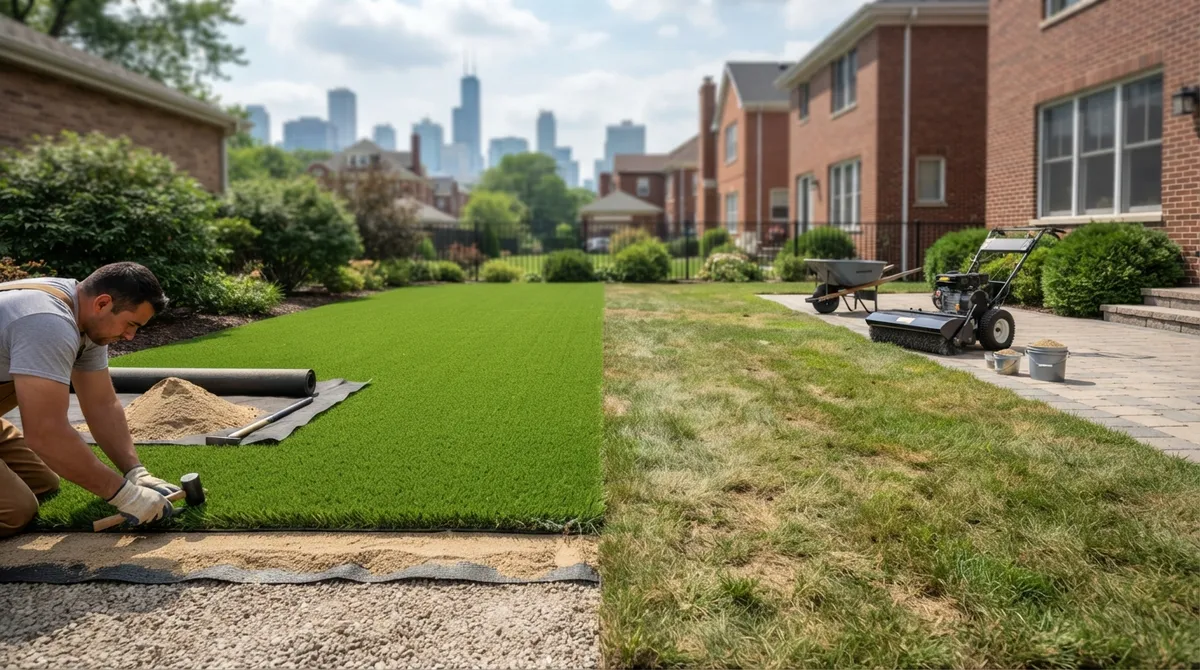
Site prep is often the hidden cost that surprises homeowners. Removing old sod, leveling the ground, and building a proper base takes real labor. Skimping here leads to drainage problems, weeds poking through, and a shorter turf lifespan.
Some contractors set minimum project spend thresholds, often around $2,000 for basic lawn installs. This reflects the fixed labor and material costs involved even in small jobs. It’s worth asking your installer exactly what’s included before you sign anything.
How Does False Grass Cost Compare to Natural Grass?
This is probably the question on everyone’s mind. Natural grass seems cheaper at first glance, but the ongoing costs add up fast. Think about mowing, watering, fertilizing, aerating, and dealing with pests year after year.
Here’s a simple comparison to help you weigh your options:
| Factor | Artificial Turf | Natural Grass |
|---|---|---|
| Upfront Cost | $4,000 – $9,500 average | $1,000 – $3,000 for sod |
| Annual Maintenance | Minimal, occasional rinsing | $500 – $1,500 per year |
| Water Usage | Little to none | Significant during summer |
| Lifespan | 15-25 years | Ongoing, needs regular renewal |
| Chicago Winter Performance | Handles snow and ice well | Can suffer damage from salt and freeze-thaw |
Over a 10 to 15 year period, many homeowners find that artificial turf actually saves money once you factor in water bills, lawn care services, and reseeding costs. For a deeper dive into this comparison, take a look at our article on cost-benefit facts for artificial turf versus real grass.
Does Artificial Grass Increase Property Value?
Many buyers see low-maintenance landscaping as a big plus, especially in busy suburban markets. A well-installed turf lawn can boost curb appeal without the upkeep hassle that scares off busy families. We’ve covered this topic in more detail in our piece on how artificial turf increases Chicago property value.
False Grass Cost by Property Type
Your property type plays a big role in what you’ll pay and what features matter most. Let’s walk through a few common scenarios we see across the Chicago area.
Suburban Homeowners
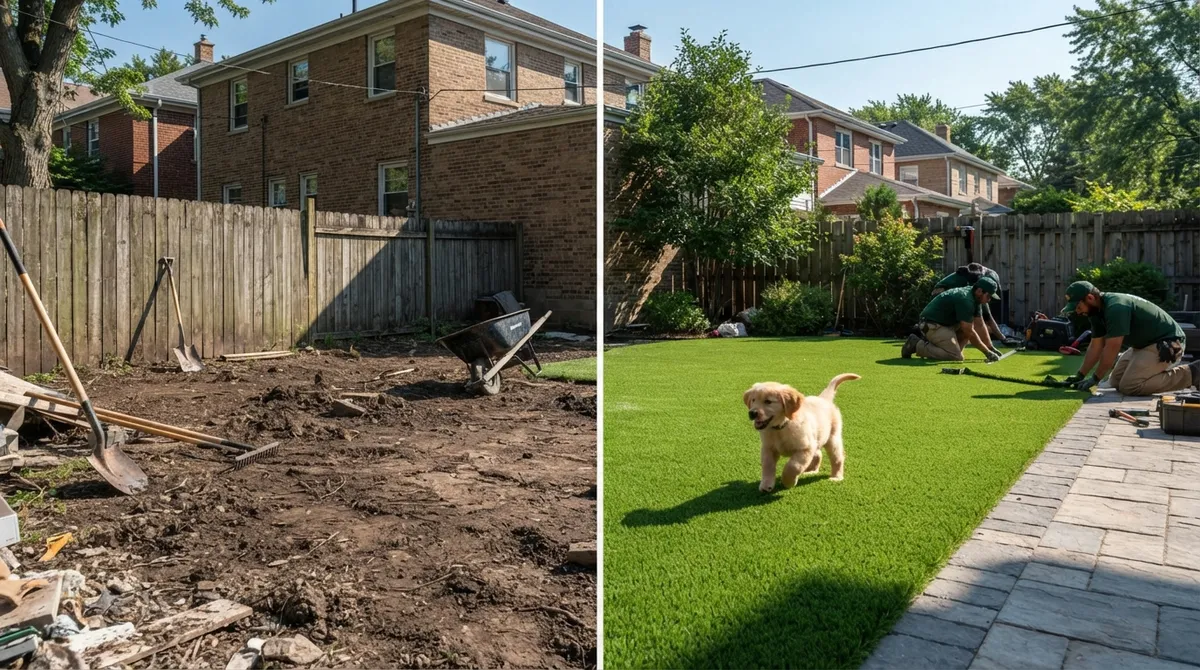
If you’re dealing with heavy clay soil or an HOA that demands a perfect lawn year-round, turf can be a game changer. Full backyard installs for suburban lots typically fall in the $5,000 to $12,000 range, depending on size and design complexity. Adding features like pavers or a fire pit alongside your turf can increase the total investment but also the enjoyment you get from the space.
Urban Condo Owners
Small rooftop or balcony spaces often cost less overall simply because there’s less square footage. However, access challenges, like carrying materials up several flights or through freight elevators, can add labor fees. Check out our guide on rooftop artificial turf if this sounds like your situation.
Commercial Property Managers
Larger commercial spaces benefit from bulk pricing but require more attention to drainage and foot traffic durability. Investing in high-traffic commercial turf solutions ensures your property looks sharp year-round without constant upkeep calls.
Steps to Get an Accurate False Grass Cost Estimate
Getting a real number for your project doesn’t have to be stressful. Follow these steps to make sure you’re comparing apples to apples.
- Measure your yard or have a professional measure it for you.
- Decide what turf quality and pile height fits your needs and budget.
- Ask about site prep, including removal of old grass and grading.
- Request details on drainage solutions, especially important for Chicago’s rainy seasons.
- Get at least two or three quotes from licensed, experienced installers.
- Ask about warranties on both materials and workmanship.
- Confirm what’s included versus what might be an added fee later.
Working with a professional team matters more than people realize. Poor installation leads to wrinkles, drainage issues, and a shorter lifespan for your turf. Our article on why professional turf installation beats DIY covers this in more detail.
Ways to Manage or Reduce False Grass Cost
Nobody wants to overspend, so here are some practical ways to keep your project affordable without cutting corners that matter.
- Choose a mid-range turf quality instead of the most premium option available.
- Bundle your turf project with other hardscaping work to save on mobilization costs.
- Ask your installer about seasonal discounts or off-peak scheduling.
- Prioritize proper base prep over fancy infill materials if budget is tight.
- Get a detailed, itemized quote so you know exactly where your money goes.
- Consider phasing larger projects across two budget cycles if needed.
Reputable installers, including members of organizations like Landscape Illinois and certified professionals through the ICPI Certified Installer program, follow industry standards that protect your investment long term.
How Long Does False Grass Actually Last?
Quality artificial turf typically lasts 15 to 25 years with proper care. Chicago’s freeze-thaw cycles and heavy snow can be tough on lower-quality products, so investing in a durable option upfront often pays off. Our piece on artificial turf lifespan in Chicago walks through what to realistically expect season by season.
Bringing It All Together
False grass cost isn’t a one-size-fits-all number. It depends on your yard size, the turf quality you choose, and how much site prep your property needs. Most Chicago-area homeowners can expect somewhere between $4,000 and $9,500 for a standard install, with larger or more complex projects costing more.
The good news is that this investment often pays for itself over time through lower water bills, less lawn care spending, and a yard that looks great in every season. Whether you’re planning a full backyard transformation or just want a small, low-maintenance patch near your patio, understanding these costs upfront helps you budget with confidence.
At Serenity Landscape Group, we’ve spent over two decades helping Chicago-area homeowners and businesses create outdoor spaces they truly love. Our team handles everything from artificial turf installation to complete backyard makeovers with pergolas, retaining walls, and outdoor lighting. You can browse our gallery of completed projects to see what’s possible for your own space.
Ready to find out exactly what your project would cost? Get a Free Estimate today, or feel free to call us at (630) 359-5139 to chat with our friendly team about your outdoor goals. We’re here to help you create a low-maintenance, beautiful space you’ll enjoy for years to come.
FAQs
Q: How much does fake grass cost installed?
A: Most homeowners pay between $4,000 and $9,500 for a full installation, according to 2026 pricing data. Your final cost depends on yard size, turf quality, and how much site prep your yard needs, so it’s always worth getting a personalized quote.
Q: How much does artificial turf cost per square foot?
A: Installed pricing typically runs $6 to $20 per square foot, while material-only turf can start around $3 to $7 per square foot. The range depends heavily on turf thickness, drainage needs, and labor in your area.
Q: Is artificial grass cheaper than real grass over time?
A: While natural grass has a lower upfront cost, ongoing expenses like watering, mowing, and fertilizing add up fast. Many homeowners find that artificial turf pays for itself within several years thanks to minimal maintenance needs.
Q: How long does fake grass last before needing replacement?
A: Quality artificial turf typically lasts 15 to 25 years with proper installation and care. Choosing a durable product built for Chicago winters helps you get the most life out of your investment.
Q: What factors affect artificial grass installation cost the most?
A: Yard size, turf quality, site preparation, and drainage needs are the biggest cost drivers. Sloped yards, poor soil, or tricky access can also add to your final quote, so it helps to get a detailed walkthrough before committing.