Key Takeaways
-
Proper drainage planning is critical—the base must slope away from your home to prevent water pooling, and skipping this step is the leading cause of turf failure within 1-2 years.
-
Professional installation requires excavating 3-4 inches, compacting 3 inches of crushed rock, grading for drainage, and carefully seaming and infilling—DIY shortcuts lead to lumpy, soggy, or failing turf.
-
Installed artificial turf costs $5-$20 per square foot (2026 pricing), with typical 500-sq-ft residential projects ranging $6,000-$9,500; demand itemized estimates breaking down turf, labor, drainage, and infill separately.
-
Choose polyethylene for soft, natural feel in backyards; polypropylene for budget-conscious projects; or nylon for high-traffic and commercial areas—material selection directly impacts durability and performance.
-
Artificial turf requires low but regular maintenance including debris removal, occasional rinsing, fiber brushing, and infill replenishment, costing $100-$400 annually—it's not zero-maintenance but saves significantly versus natural lawn care.
-
Always check local municipal codes and HOA rules before installation, as some Chicago-area jurisdictions have specific requirements on synthetic materials, front-yard coverage, or stormwater management compliance.
So you’re thinking about installing fake turf, and you keep picturing that lush, green lawn without the Saturday morning mowing marathon. We hear you! As Chicago homeowners and business owners, we deal with tricky clay soil, brutal winters, and busy schedules that leave little time for lawn care. Whether you’re in a suburban cul-de-sac, running a shop with a small patio, or managing a commercial property, artificial turf can feel like a dream come true.
But here’s the thing: installing fake turf is not as simple as rolling out a big green carpet. There’s real science behind it, from drainage planning to base compaction to seaming. Get it wrong, and you’ll end up with lumpy, soggy, or ugly turf that fails in a year or two. Get it right, and you’ll have a beautiful, functional lawn that holds up through Chicago’s freeze-thaw cycles for well over a decade. Let’s walk through exactly what goes into a proper installation, what it costs, and what to expect once it’s down.
What Happens During a Fake Turf Installation?
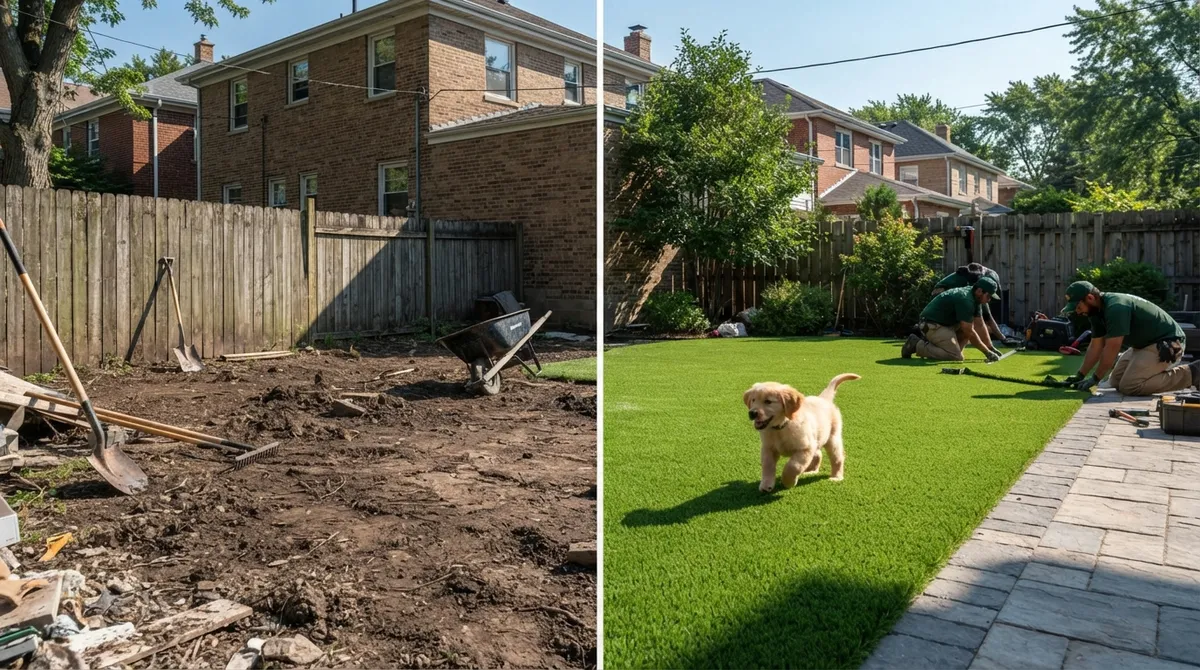
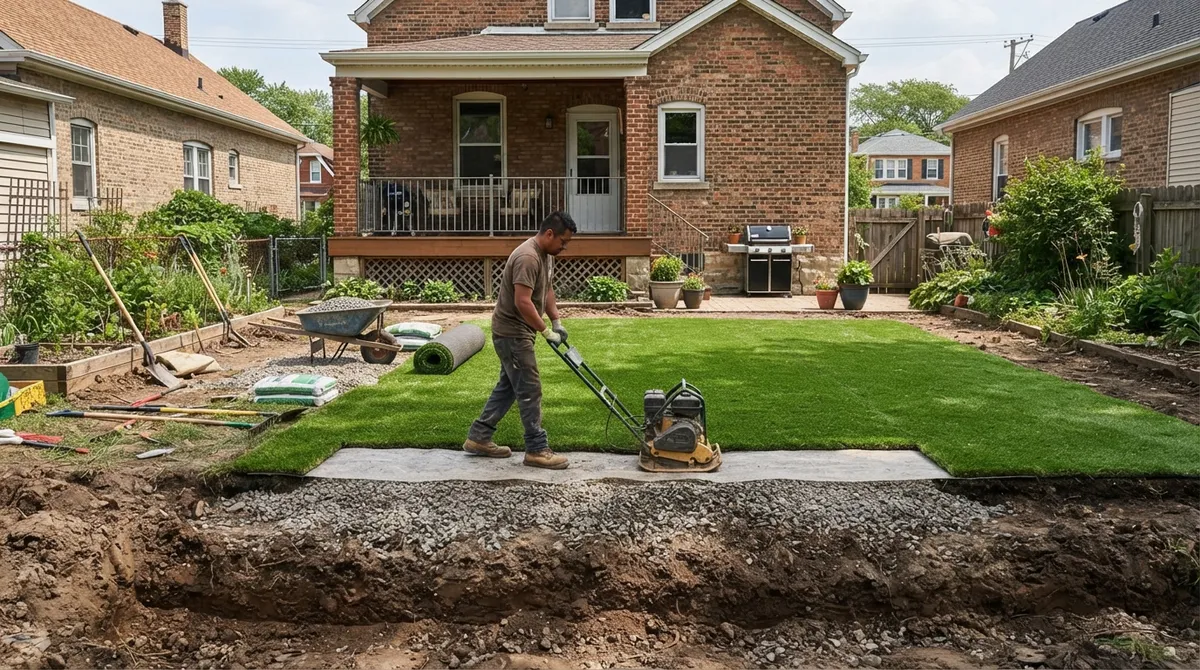
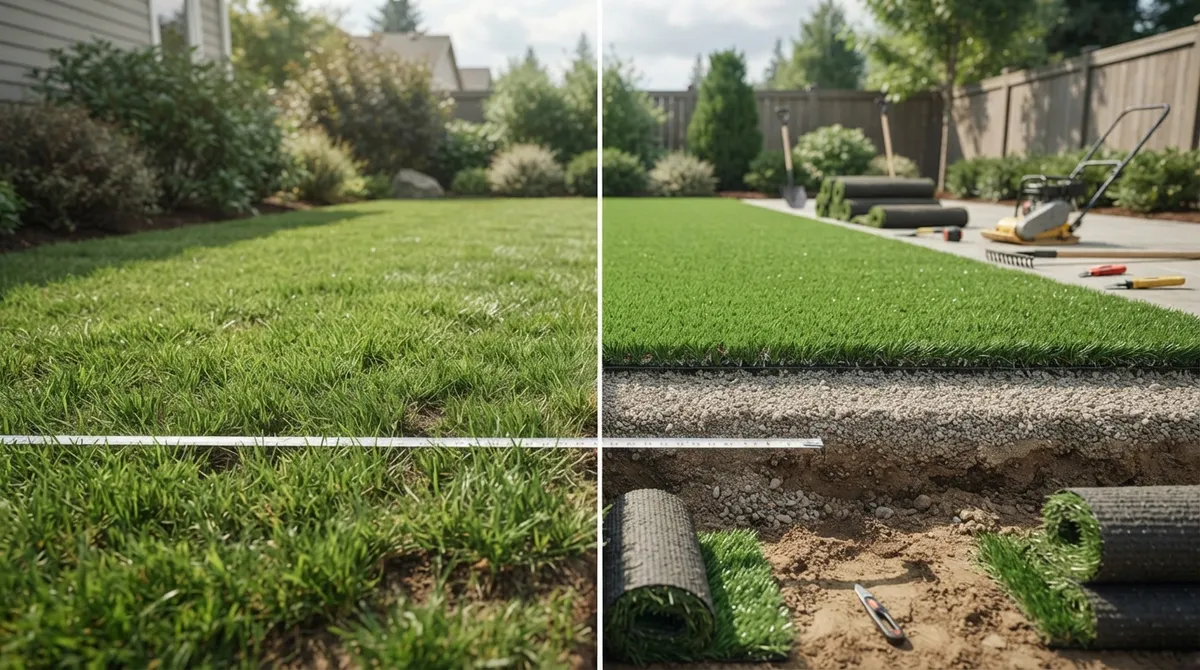
Installing fake turf is a multi-step process, and skipping steps is where most DIY projects and budget contractors go wrong. A proper job starts long before the turf ever touches the ground. It begins with removing your existing lawn, digging out the right depth, building a stable base, and only then rolling out and securing the synthetic grass.
Here’s the general order of operations that professional crews follow:
- Remove existing vegetation. Old grass, weeds, and roots get stripped away so nothing grows back up through your new turf.
- Excavate the area. Most residential projects call for digging out roughly 3 to 4 inches of soil to make room for the base materials.
- Install and compact aggregate. About 3 inches of crushed rock goes down first, followed by a finer leveling layer, then everything gets compacted tight for stability.
- Grade for drainage. The base gets sloped so water runs away from your home, patio, or foundation instead of pooling.
- Lay weed barrier fabric. This optional but valuable layer helps keep weeds from poking through at the edges.
- Roll out and relax the turf. Rolls are allowed to sit and settle before cutting, which helps them lay flat.
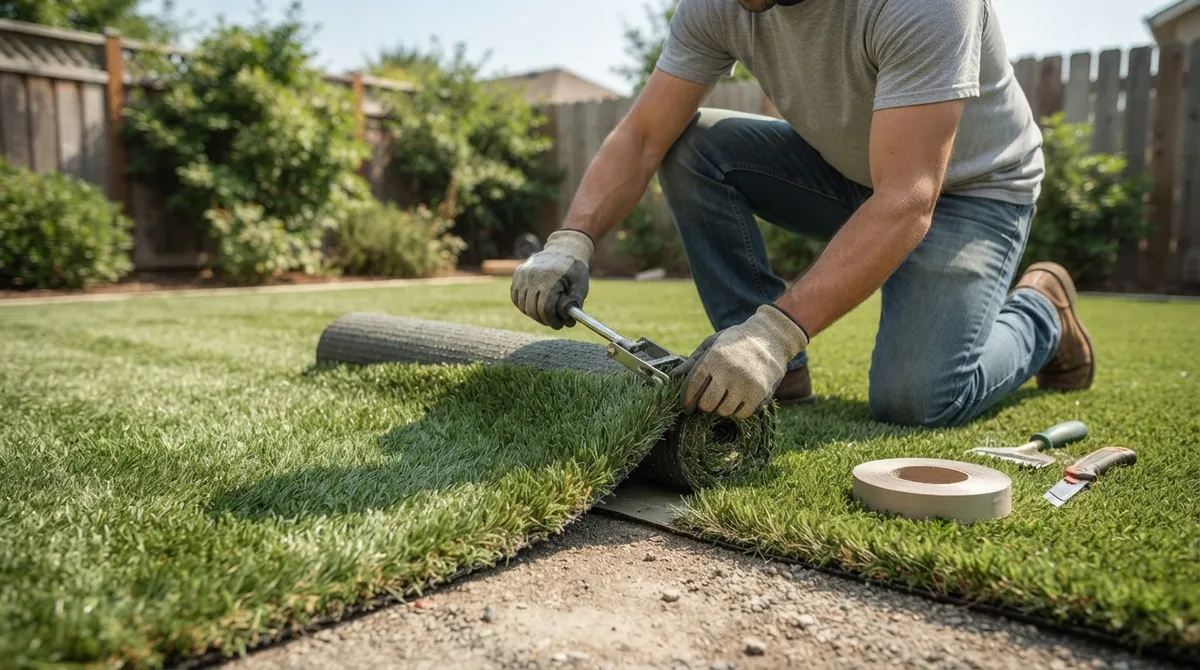
- Cut, seam, and fasten. Sections are trimmed to fit, joined with seam tape and adhesive, and secured around the perimeter and interior.
- Apply infill. Sand or specialty infill gets brushed into the fibers to weigh down the turf and help the blades stand up naturally.
If any of these steps sound like a lot of guesswork for a weekend DIY project, that’s because they are. This is exactly why so many homeowners turn to a trusted crew for their artificial turf installation rather than tackling it solo.
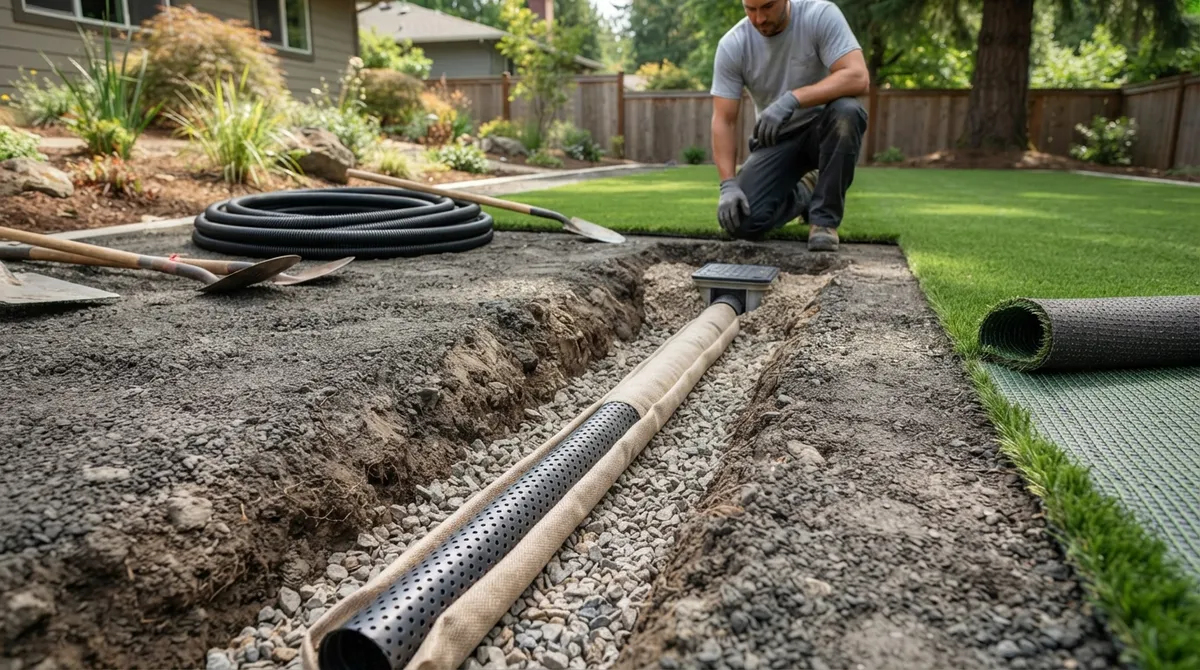
Why Drainage Planning Cannot Be an Afterthought
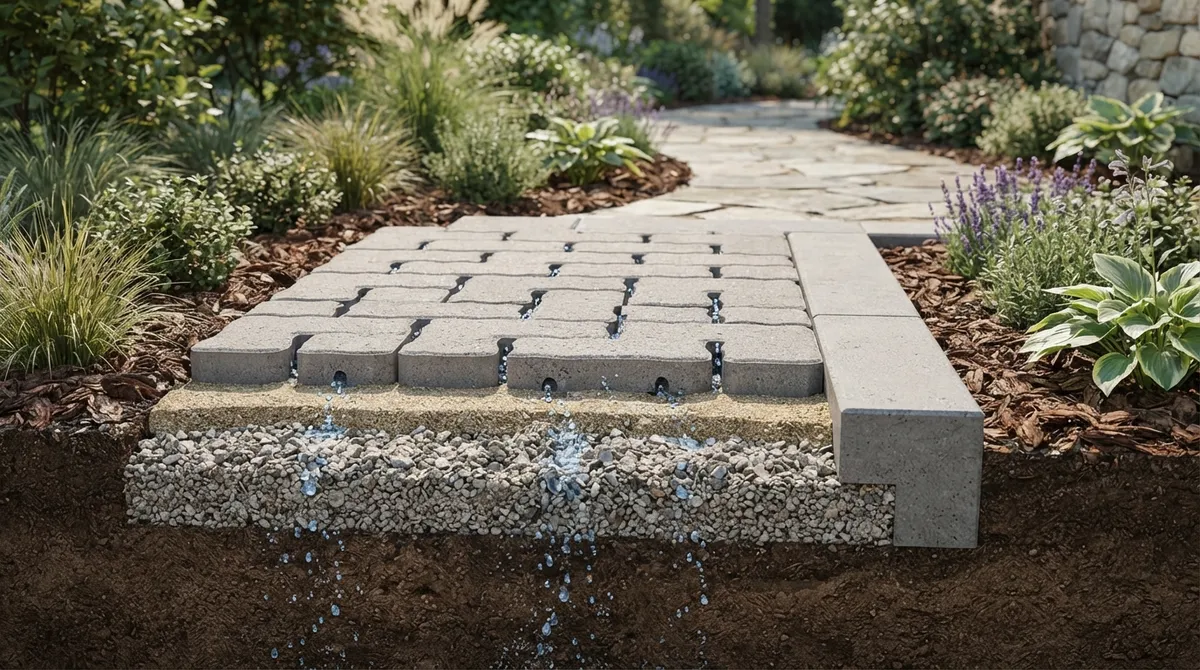
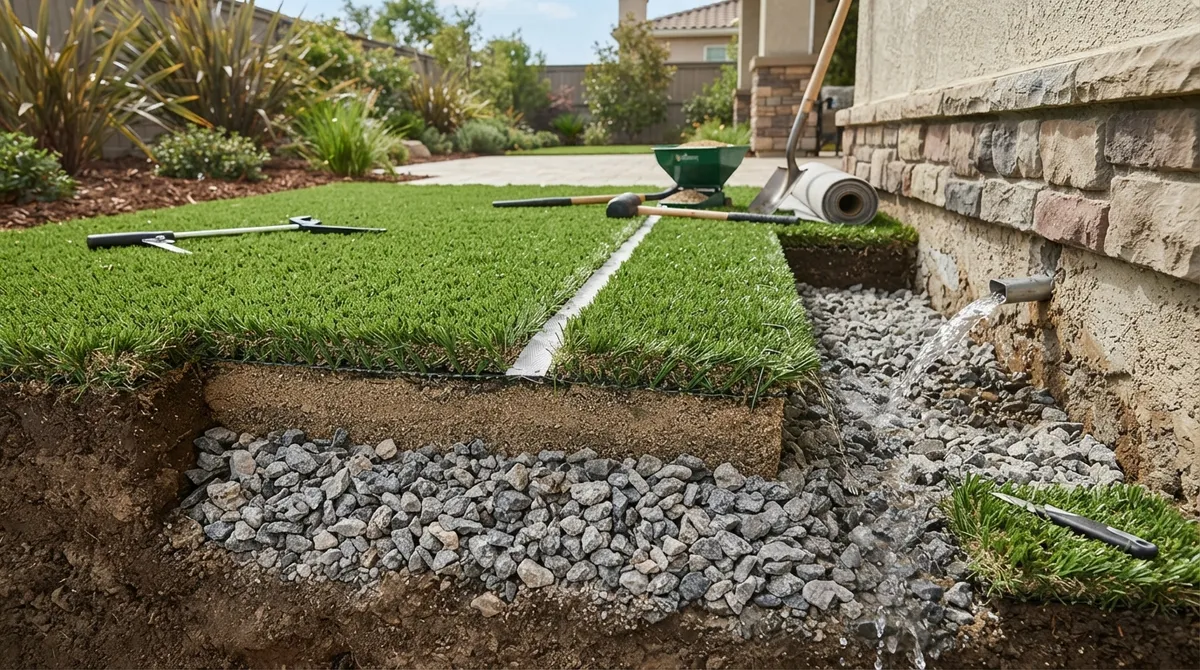
We can’t stress this enough: drainage is the single biggest factor in whether your turf looks great in five years or turns into a smelly, soggy mess. Synthetic grass itself is permeable, but if the ground underneath doesn’t drain well, water has nowhere to go.
Before any turf goes down, a good installer checks for a few key things:
- Low spots where water naturally collects
- Downspouts that dump water directly onto the lawn area
- Hardscape edges where water runoff needs a clear path
- Soil that drains poorly, which is common in many parts of Chicagoland’s clay-heavy ground
- The overall slope of the yard relative to your home’s foundation
The finished surface should always slope gently away from your house. If your yard has drainage challenges, it might be worth pairing your turf project with additional grading or even a look at how turf drainage systems work in your yard before installation day arrives.
How Much Does Installing Fake Turf Cost in 2026?
Cost is usually the first question on everyone’s mind, and rightfully so. Based on 2026 pricing data, installed artificial turf typically runs between $5 and $20 per square foot, with premium systems and tricky sites sometimes reaching $12 to $22 per square foot. That’s a wide range, and it depends heavily on turf quality, site prep needs, and labor.
To give you a clearer picture, here’s how a few well-known industry sources break down total project averages:
| Source | Reported Average Project Cost |
|---|---|
| Thumbtack | Approximately $4,569 |
| HomeAdvisor | Approximately $5,783 |
| Lawn Love | Approximately $6,375 |
For a common 500-square-foot lawn, published 2026 estimates range from about $2,725 to $10,000, with mid-quality professional installs typically landing between $6,000 and $9,500. Compare that to less than $1 per square foot for professionally laid natural sod, and you can see why turf is viewed as an investment rather than a quick fix. If you want the full breakdown of what drives these numbers, our guide on factors that shape artificial grass installation cost covers it in detail.
A good written estimate should never just say “turf” and a price. It should break down turf material, base prep, drainage work, edging, labor, infill, old sod removal, and cleanup separately. That way you know exactly what you’re paying for.
Choosing the Right Turf Material for Your Space
Not all fake grass is created equal. The three main materials used in synthetic turf are polypropylene, polyethylene, and nylon, and each one has its own strengths.
- Polyethylene feels the softest and most natural underfoot, making it a favorite for backyards and areas where kids and pets play.
- Polypropylene is generally more budget-friendly but can wear down faster in high-traffic zones.
- Nylon is the most durable and heat-resistant option, often used for putting greens or high-traffic commercial areas, though it costs more.
If you have dogs, you’ll want to think about permeable backing, odor-control infill, and a base built specifically for quick drainage. We’ve written extensively about this in our piece on best artificial grass options for dogs in Chicago, which is worth a read if pets are part of the picture.
Does Fake Turf Get Hot in Direct Sunlight?
Yes, synthetic turf can get warmer than natural grass on sunny days, especially dark-colored products in full sun. This matters more for urban condo owners with rooftop spaces or south-facing patios. The good news is that manufacturers have made real progress with heat-reflective fibers and lighter color blends designed to reduce surface temperature. If heat is a concern for your space, our article on how artificial turf heat reduction technology works explains the newer options available.
What Maintenance Does Artificial Turf Actually Require?
Here’s a myth we want to bust right away: artificial turf is not “zero maintenance.” It’s low maintenance, which is a wonderful upgrade from mowing every week, but it still needs some love.
Typical upkeep includes:
- Removing leaves, branches, and debris regularly
- Rinsing the surface occasionally to keep it fresh
- Brushing or power-brooming to keep fibers standing upright
- Spot-cleaning spills or pet messes right away
- Pulling any weeds that try to sneak in at the edges
- Replenishing infill every so often as it settles over time
Annual maintenance costs commonly run between $100 and $400, though pet areas may cost a bit more due to deodorizing needs. That’s still a fraction of what many households spend on mowing, fertilizing, and watering a natural lawn every season. For deeper tips, check out our guide on artificial turf maintenance tips that keep it looking new.
How Long Does Professional Installation Take?
Most residential projects take anywhere from one to three days, depending on the size of the area, site conditions, and whether old grass or hardscape needs to be removed first. Larger commercial jobs, like those we handle through our commercial lawn maintenance services, can take longer due to scale and access logistics.
Can You Install Fake Turf Over Existing Grass or Concrete?
This is one of the most common questions we get. Installing turf directly over live grass is not recommended because the grass and roots underneath will decompose, causing uneven settling later. Concrete, on the other hand, can sometimes work as a base if it’s properly graded for drainage and cushioned with the right underlayment, but it still needs careful planning to avoid drainage problems.
Local Rules and Permitting Considerations
Before any shovel hits the ground, it’s smart to check local rules. Some Chicago-area municipalities and HOAs have specific requirements about synthetic turf materials, front-yard coverage percentages, or stormwater management. Organizations like Landscape Illinois offer helpful resources on regional landscaping standards, and checking with your local building department can save you headaches down the road. Commercial property managers especially should factor in stormwater rules, since impervious surface calculations can affect permitting.
Hiring the Right Contractor: What to Compare
Not all turf installers offer the same level of quality, so it pays to compare a few things before signing a contract.
| What to Compare | Why It Matters |
|---|---|
| Base preparation details | A weak base leads to sinking, puddling, and uneven turf within a year or two |
| Written, itemized estimate | Separates turf, labor, drainage, and infill so there are no surprise costs |
| Industry certifications | Look for affiliations like ICPI Certified Installer credentials for hardscape expertise |
| Warranty terms | Covers both the turf product and the installation workmanship |
| Portfolio of past work | Shows real results on properties similar to yours |
Our team has spent over 20 years perfecting our installation process, and we invite you to browse our gallery of our work to see the kind of craftsmanship we bring to every project, whether it’s a backyard putting green or a full commercial courtyard.
Is Artificial Turf Environmentally Friendly?
It’s a fair question, and the honest answer is: it depends. Turf reduces water use, mowing emissions, and fertilizer runoff, which is a real win. But it’s made from plastic, and its manufacturing and eventual disposal matter too. Surface heat and infill loss over time are also worth thinking about. We always encourage clients to weigh these tradeoffs against their specific water usage and maintenance goals. You can read more in our article on eco-friendly benefits of synthetic lawns for a balanced look at both sides.
New Construction and Commercial Applications
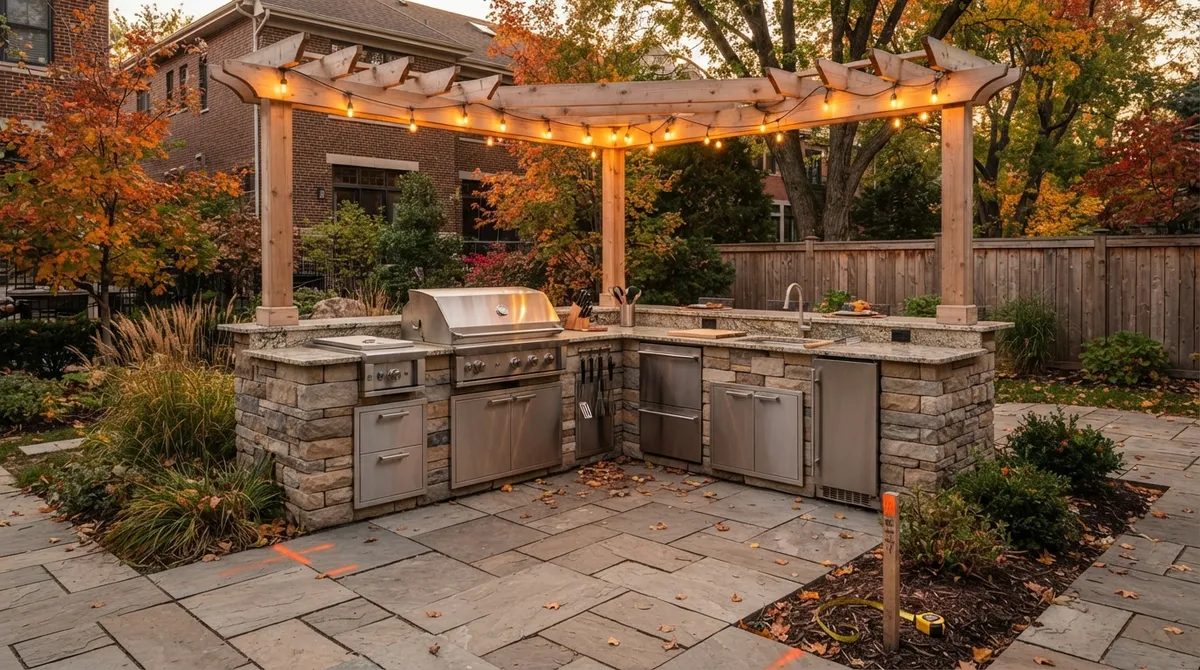
For builders delivering turnkey homes in Aurora and nearby suburbs, turf installation can be a real selling point for buyers who want low-maintenance curb appeal from day one. Similarly, small business owners running restaurants or shops often add turf to patios or storefronts to create a welcoming, green look without ongoing upkeep headaches. Whether it’s a paver patio paired with turf accents or a full front-yard makeover, coordinating turf with other hardscape elements like pavers, retaining walls, or lighting and sound creates a cohesive, professional finished look.
Ready to Get Started?
Installing fake turf the right way takes real expertise, from grading and drainage to seaming and infill. It’s a big decision, but when it’s done properly, you get years of a gorgeous, functional lawn without the weekly mowing grind. Whether you’re a homeowner tired of soggy patches, a property manager looking to boost curb appeal, or a business owner wanting a welcoming outdoor space, we’re here to help bring that vision to life. Reach out to get a free estimate today, or give us a call at (630) 359-5139 to talk through your project with our friendly team. We’d love to help you experience the Serenity difference.
FAQs
Q: How much does it cost to install artificial turf per square foot?
A: Most 2026 pricing guides put installed artificial turf between $5 and $20 per square foot, with premium products or tricky sites sometimes running higher. The final number really depends on your soil, site access, and the turf quality you choose, so it’s always best to get a personalized estimate.
Q: What is the proper base for artificial grass installation?
A: A solid base usually means excavating a few inches, laying about 3 inches of compacted crushed rock, then adding a finer leveling layer on top. This combo gives your turf a stable, well-draining foundation that won’t shift or sink over time.
Q: Does artificial turf need drainage or a slope?
A: Absolutely, yes! The ground under your turf should always slope gently away from your home so water has somewhere to go. Skipping this step is one of the biggest reasons turf installations fail early, so we always plan drainage before anything else.
Q: How long does artificial turf last?
A: With proper installation and basic care, quality synthetic turf commonly lasts well over a decade, even through tough Chicago winters. Choosing durable materials and keeping up with light maintenance goes a long way in stretching that lifespan even further.
Q: Is artificial turf suitable for dogs and other pets?
A: Yes, many pet owners love artificial turf because it holds up great to digging, running, and daily wear. Just be sure to ask about permeable backing and odor-control infill, since those features make a huge difference for pet-friendly yards.