Key Takeaways
-
Professional drainage planning is critical for terracing success in Chicago; DIY approaches often worsen water problems, while proper grading, French drains, and dry wells prevent thousands in repair costs from heavy spring rains and summer downpours.
-
Terracing transforms unusable sloped lots into valuable outdoor space for employee breaks, customer seating, rain gardens, and parking access, while solving erosion and stormwater management issues that plague clay-heavy Chicago soil.
-
Combining terracing with hardscaping elements like pavers, retaining walls, pergolas, and lighting significantly boosts curb appeal and property value, signaling attentive ownership to tenants, customers, and visitors.
-
Year-round seasonal maintenance including spring erosion inspections, fall drainage clearing, and winter snow removal on terraced walkways is essential to prevent cracked pavers, shifted stones, and safety hazards in Chicago’s freeze-thaw cycles.
Got a sloped commercial lot that’s more headache than asset? You’re not alone. Across Chicagoland, property managers and business owners deal with awkward grades that flood, erode, or just sit there looking messy. The good news? Commercial property terracing Chicago experts use can turn that tricky slope into your property’s best feature. It’s one of those landscaping upgrades that quietly does a ton of heavy lifting for both function and curb appeal.
Whether you manage a retail plaza, a medical office park, or a multi-family building, terracing creates level, usable outdoor space where there used to be just a hill. It stops erosion, manages stormwater, and gives you fresh spots for seating, gardens, or gathering areas. We’ve spent over two decades helping Chicago businesses solve exactly this problem, and we’re excited to walk you through what makes terracing such a smart investment. Let’s dig into 11 ways commercial terracing can transform your property this year.
1. Terracing Solves Chicago’s Toughest Slope Problems
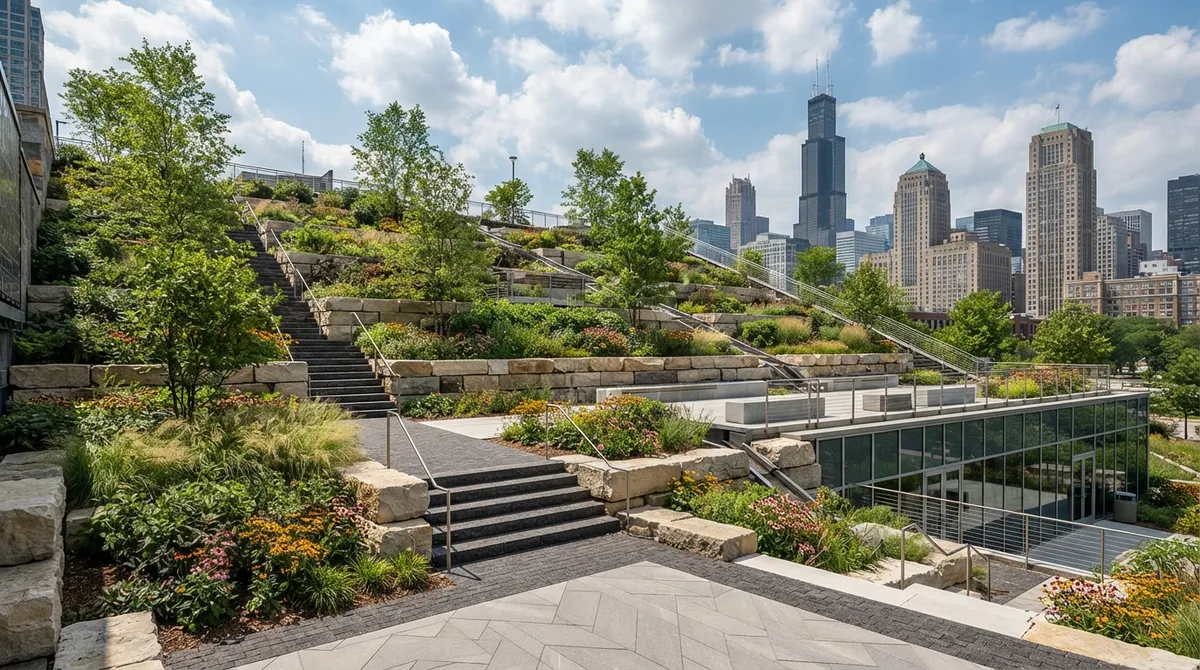
Chicago’s mix of clay-heavy soil and unpredictable weather makes sloped lots tricky to manage. Water runs downhill fast, taking soil, mulch, and sometimes whole planting beds with it. Terracing breaks that slope into level sections, so water slows down and soaks in instead of rushing away.
This is especially important for properties near Lake Michigan or in low-lying suburbs where drainage is already a challenge. A well-designed terrace system works with the land instead of against it. Our team often pairs terracing with retaining walls for extra stability on steeper grades.
2. It Creates Usable Space Where None Existed Before
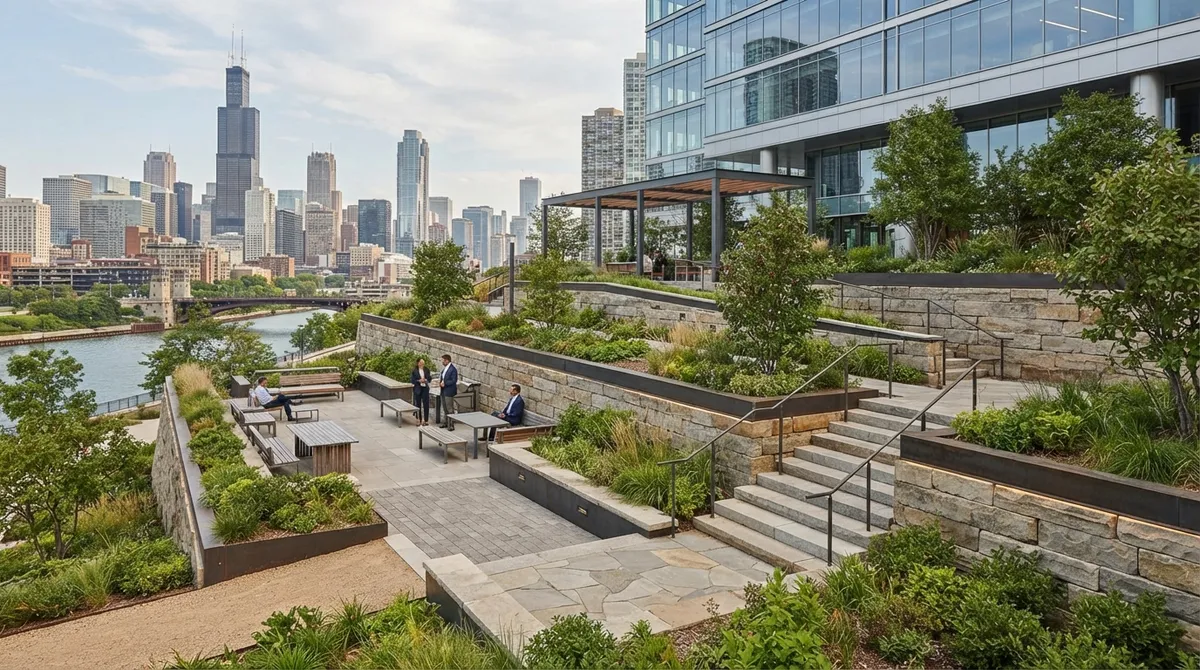
Here’s the fun part: terracing doesn’t just fix problems, it adds value. That awkward hillside behind your office building? It can become a tiered patio, a quiet garden nook, or even outdoor seating for employees on lunch break.
For retail centers, terraced areas often become inviting spots for customers to linger. For medical facilities, they create calming outdoor spaces for patients and visitors. The possibilities really do multiply once you flatten out that slope into workable levels.
Popular Uses for Newly Terraced Commercial Space
- Outdoor seating areas for restaurants and cafes
- Employee break spaces with landscaping and shade
- Rain gardens that double as stormwater management tools
- Display gardens for retail curb appeal
- Additional parking or walkway access on multi-level lots
- Rooftop-adjacent terraces for mixed-use buildings
3. Professional Drainage Planning Prevents Costly Damage
This is where DIY approaches usually fall apart. Terracing without proper drainage planning can actually make water problems worse, not better. Chicago’s heavy spring rains and sudden summer downpours require real expertise.
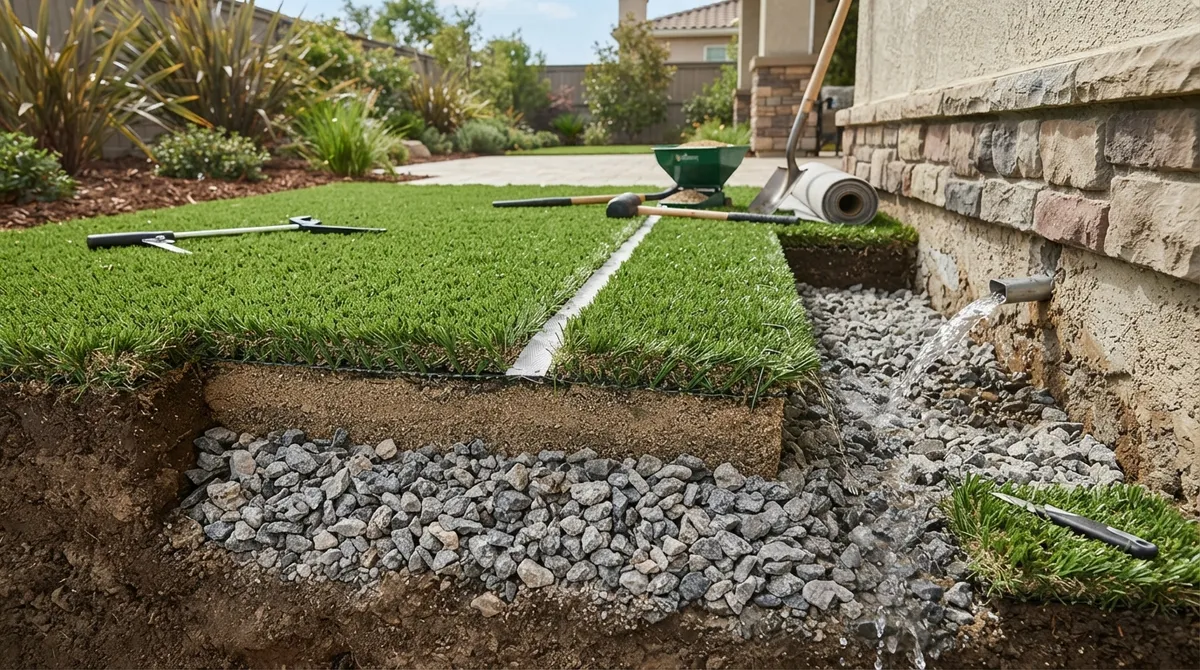
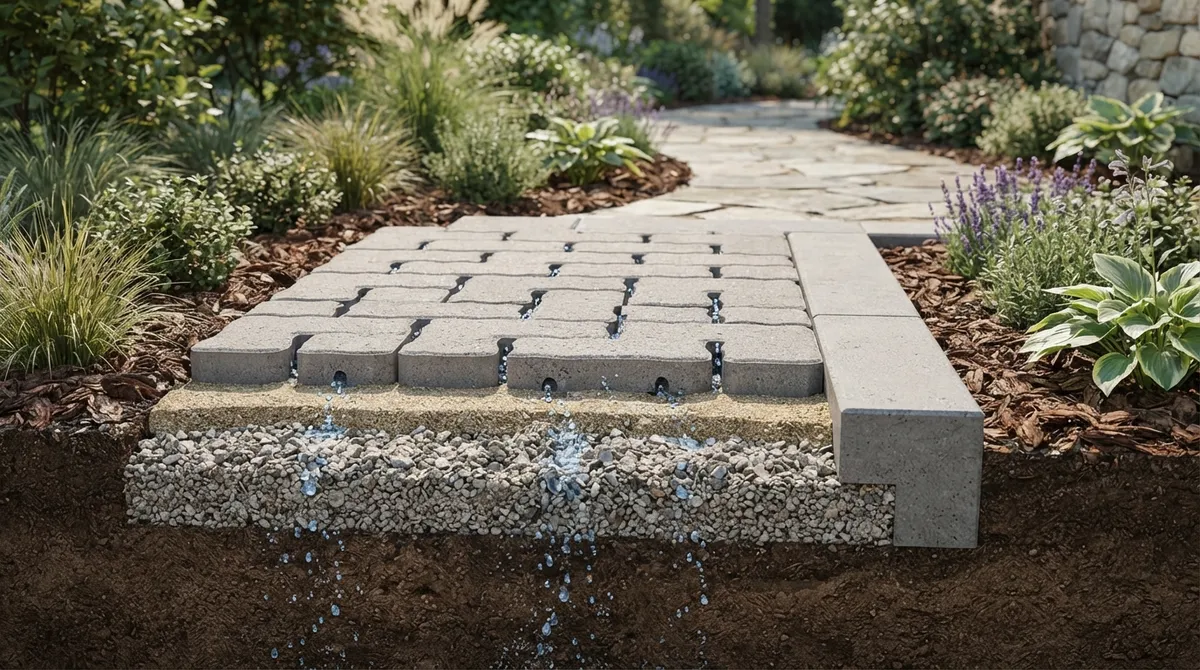
Professional terracing includes grading, French drains, and sometimes dry wells built right into the design. According to the Landscape Illinois association, proper site drainage is one of the most overlooked factors in successful commercial hardscape projects. Getting this right the first time saves you thousands in repair costs down the road.
4. Terracing Pairs Beautifully with Hardscaping Elements
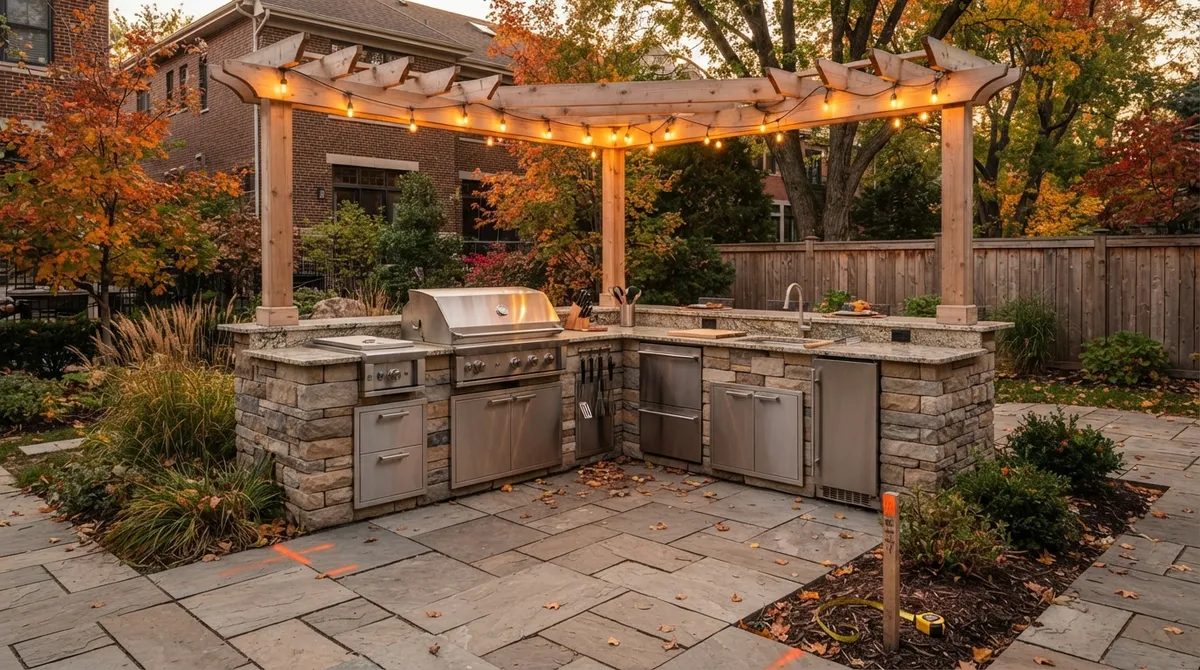
Once you’ve got level tiers, the design options really open up. Many Chicago properties combine terracing with pavers for walkways and patios that connect each level. Others add pergolas and pavilions to create shaded gathering spots on the upper terraces.
Here’s a quick comparison of common hardscape pairings and what they typically add to a terraced commercial property:
| Hardscape Addition | Best For | Key Benefit |
|---|---|---|
| Pavers & Walkways | Connecting terrace levels | Safe, ADA-friendly transitions |
| Retaining Walls | Steeper slopes | Structural support and erosion control |
| Pergolas & Shade Structures | Upper terrace levels | Comfortable outdoor gathering space |
| Landscape Lighting | All terrace tiers | Safety and evening ambiance |
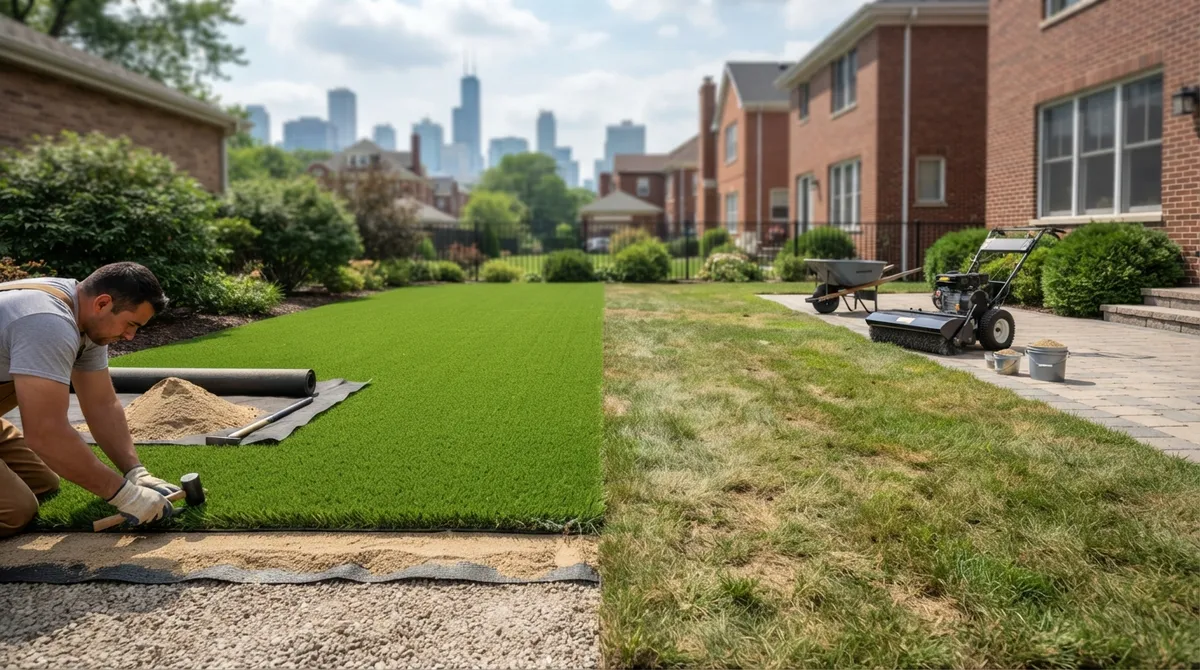
| Artificial Turf | Low-maintenance green space | Year-round color without irrigation |
5. Boosting Curb Appeal and Property Value
Let’s be honest, first impressions matter a lot in commercial real estate. A property with a messy, eroded slope tells visitors something is being neglected. A beautifully terraced landscape says the opposite.
Well-designed terracing signals that ownership cares about the details. This matters whether you’re trying to attract new tenants, keep retail customers coming back, or simply make a strong impression on clients visiting your office. Terracing done right can genuinely shift how people feel about your property the moment they arrive.
6. Terracing Supports Rooftop and Elevated Green Spaces
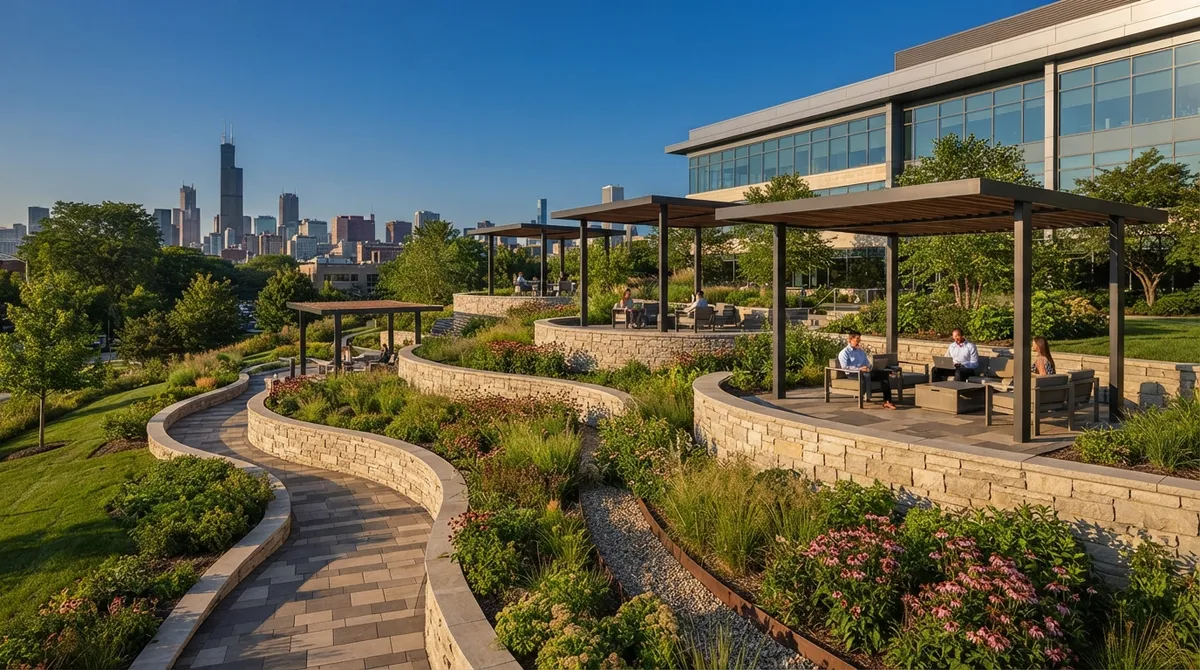
Many Chicago commercial buildings are getting creative with rooftop terraces and elevated gardens. Terracing principles apply here too, creating tiered planting zones that manage weight distribution and drainage on rooftop surfaces.
This trend has grown quickly among mixed-use developments and multi-family buildings looking to offer residents outdoor amenities without needing extra land. Combining rooftop terracing with rooftop artificial turf is becoming a popular way to add greenery without the maintenance burden of natural grass at height.
7. Working with Certified, Experienced Professionals Matters
Terracing is not a project for guesswork. It involves grading calculations, soil compaction, and structural considerations that need real expertise. Working with an ICPI Certified Installer ensures your hardscape elements meet industry standards for durability and safety.
With over 391 landscapers operating across Chicago, finding the right team can feel overwhelming. Look for companies with a proven commercial portfolio, strong client reviews, and hands-on experience with sloped sites specifically. Our team at Serenity Landscape Group has spent over 20 years refining our design and installation process for exactly these kinds of projects.
8. Seasonal Maintenance Keeps Terraces Looking Sharp Year-Round
Chicago winters are no joke, and terraced commercial properties need a maintenance plan that accounts for snow, ice, and freeze-thaw cycles. Neglecting this can lead to cracked pavers, shifted stones, and slippery walkways.
A good maintenance plan typically includes these seasonal tasks:
- Spring cleanup and soil inspection for erosion signs
- Summer irrigation checks and plant health monitoring
- Fall leaf removal and drainage clearing before winter
- Winter snow and ice removal on all terraced walkways
- Annual paver and retaining wall inspections for shifting
Our commercial lawn maintenance team handles this year-round so property managers don’t have to juggle multiple vendors.
9. Terracing Works for a Variety of Commercial Property Types
One of the best things about terracing is how flexible it is. It’s not just for big corporate campuses, smaller businesses benefit just as much. Here’s a quick look at how different property types use terracing:
- Retail centers: Create inviting entrance landscaping and customer seating areas
- Medical facilities: Build calming outdoor spaces for patients and staff
- Multi-family buildings: Add shared green space and recreation areas for residents
- Restaurants: Design tiered patio dining with garden views
- Office parks: Offer employees outdoor break areas that boost morale
10. Understanding the Cost Range for Terracing Projects
Costs vary quite a bit depending on slope severity, square footage, and what hardscape elements you’re adding. A simple terrace with basic grading might run a few thousand dollars, while a full commercial project with retaining walls, pavers, and lighting can climb into the tens of thousands.
The best way to get an accurate number is a site visit from a professional team. Every slope is different, and pricing really depends on soil conditions, drainage needs, and design complexity. We always recommend getting a detailed, itemized proposal before committing to any contractor.
11. Getting Started with Your Terracing Project
Ready to tackle that problem slope on your property? Here’s a simple roadmap for how the process typically unfolds:
- Schedule a site consultation to assess slope, soil, and drainage needs
- Review design concepts that balance function with aesthetics
- Get a detailed proposal with timeline and cost breakdown
- Begin grading and structural work, including any retaining walls
- Install hardscape elements like pavers, lighting, or turf
- Add finishing touches like plantings and seasonal maintenance plans
We’d love to walk your property with you and talk through what’s possible. You can browse our gallery of completed projects to see terracing and hardscaping work we’ve done throughout the Chicago area.
Commercial property terracing Chicago businesses trust isn’t just about fixing a slope, it’s about unlocking space you didn’t know you had. From better drainage to gorgeous new gathering areas, the benefits stack up fast. If your property has a grade that’s giving you trouble, or you simply want to explore what’s possible, we’re here to help every step of the way. Get a free estimate today, or feel free to call us at (630) 359-5139 to chat about your project. We can’t wait to help you fall in love with your outdoor space.
FAQs
Q: What is commercial property terracing and why does it matter for Chicago businesses?
A: Terracing turns a sloped lot into level, usable sections that stop erosion and manage stormwater. For Chicago businesses, it means less flooding, better curb appeal, and brand new outdoor space you can actually use.
Q: How do landscaping companies handle drainage for terraced commercial properties?
A: Professional teams design grading, French drains, and sometimes dry wells right into the terrace layout. This keeps water moving where it should instead of pooling or eroding your new tiers.
Q: Can terracing be combined with rooftop gardens or terraces in Chicago?
A: Absolutely! Many mixed-use and multi-family buildings pair terracing principles with rooftop gardens to create tiered green spaces up top. It’s a great way to add outdoor amenities without needing extra ground-level land.
Q: What’s the typical cost range for a commercial terracing project?
A: Costs vary based on slope severity, square footage, and added features like retaining walls or pavers. Simple projects might start in the low thousands, while larger commercial jobs with full hardscaping can run much higher, so a site visit is the best way to get an accurate quote.
Q: What maintenance does a terraced commercial property need in Chicago?
A: Seasonal upkeep is key, think spring soil checks, summer irrigation monitoring, fall drainage clearing, and winter snow removal. Keeping up with this year-round protects your investment and keeps walkways safe for tenants and customers.