Key Takeaways
-
Professional patio contractors ensure precise site preparation with proper excavation, gravel base, and drainage to prevent future structural issues.
-
Design services provide 3D renderings and expert layout planning that transform basic backyard spaces into personalized outdoor living areas.
-
Material expertise helps select pavers that match specific climate conditions, usage patterns, and long-term durability requirements.
-
Professional installation techniques prevent common problems like uneven surfaces, water pooling, and paver migration through specialized tools and methods.
-
Comprehensive services include permit management, warranties, and liability insurance, protecting homeowners from potential legal and financial risks.
-
Industry trends now focus on sustainability, with contractors offering eco-friendly permeable pavers and integration of smart technology into outdoor spaces.
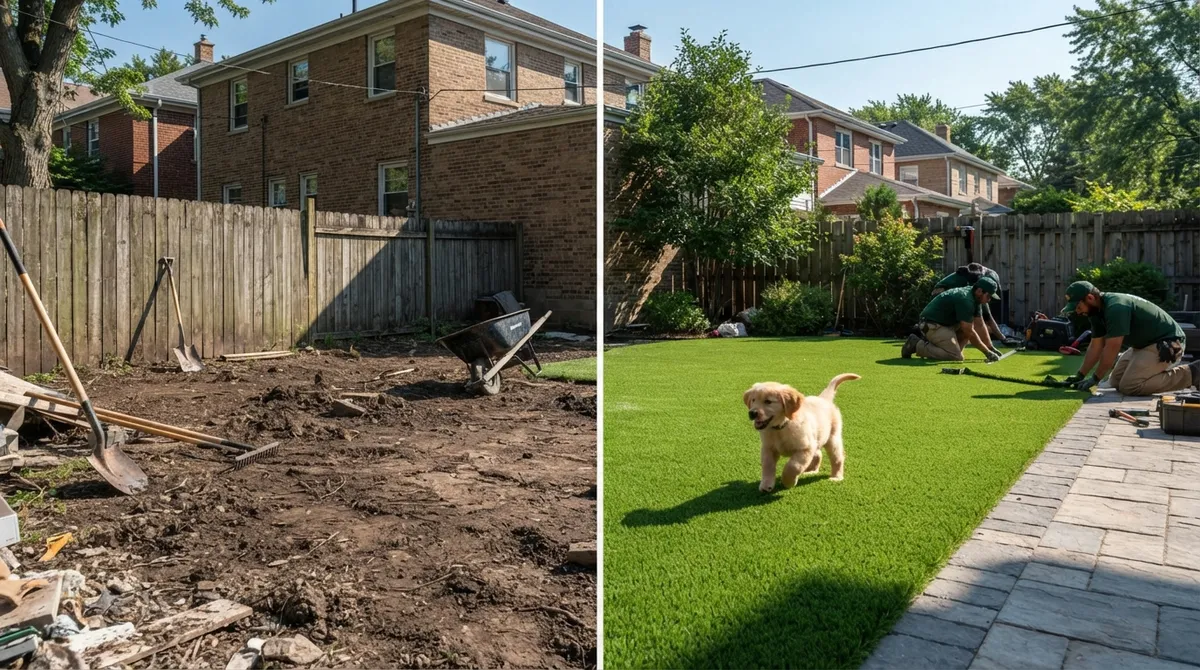
If you’ve been dreaming of a stunning patio that adds value to your home and creates the perfect spot for weekend barbecues, you’re not alone. More homeowners across the Chicago area are discovering that professional patio paver contractors bring expertise, efficiency, and artistry that makes all the difference between a DIY disaster and an outdoor oasis you’ll love for decades.
The truth is, installing patio pavers isn’t as simple as laying stones on the ground. It requires precise site preparation, proper drainage, and an eye for design that transforms ordinary backyards into extraordinary living spaces. Whether you’re in Aurora’s suburbs or managing a commercial property downtown, understanding what patio paver contractors actually do will help you make the best decision for your outdoor renovation project.
In this article, we’ll walk through seven essential ways professional contractors elevate patio projects, from planning and material selection to installation techniques that stand the test of time. You’ll discover current industry trends, realistic cost expectations, and exactly what to look for when choosing the right team for your space. Let’s dive into what makes professional paver installation worth every penny.
1. Expert Site Preparation Creates Lasting Foundations
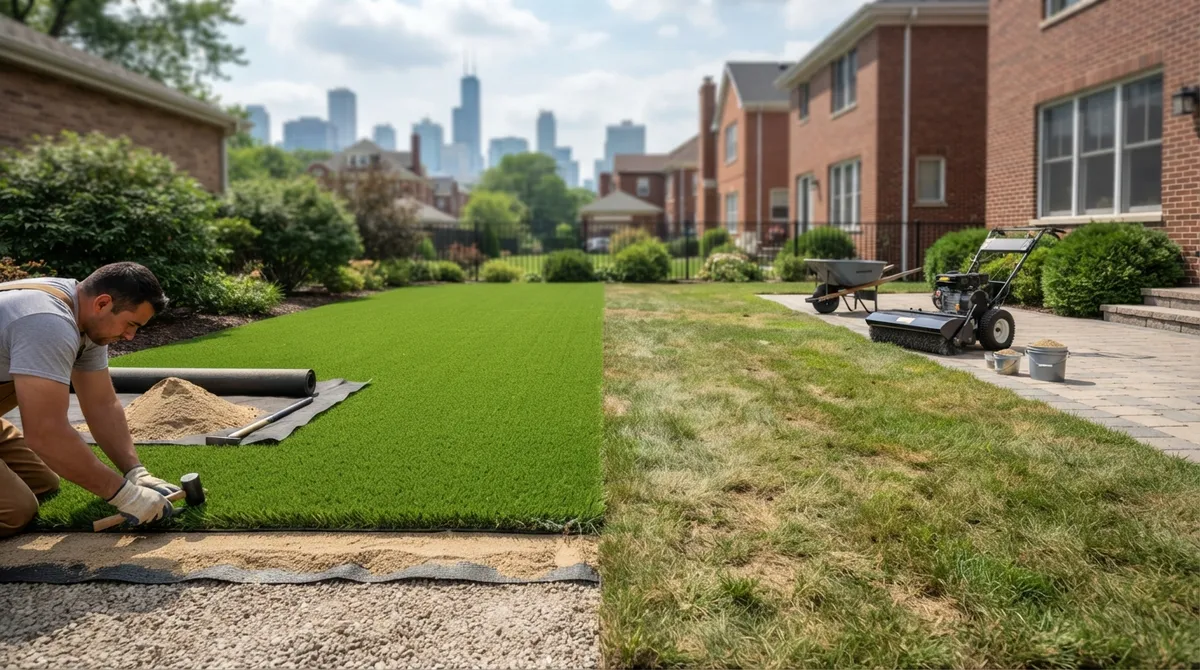
The secret to a beautiful patio that doesn’t sink, shift, or crack after a few seasons starts beneath the surface. Professional patio paver contractors begin every project with thorough site preparation that most homeowners simply can’t replicate on their own.
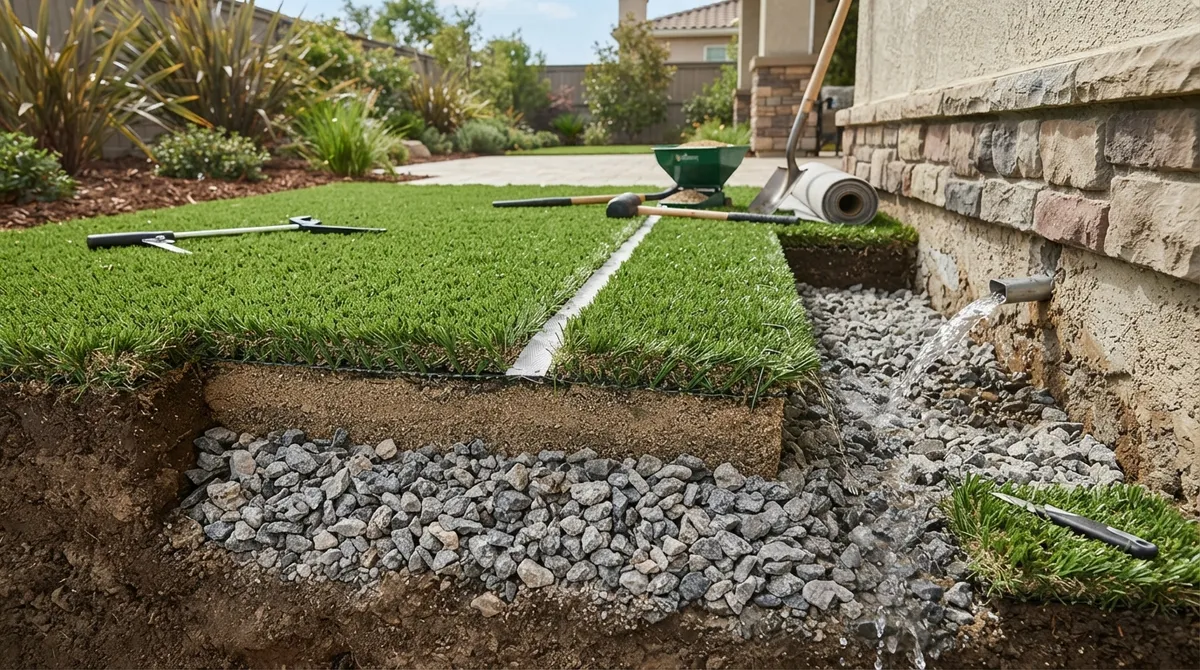
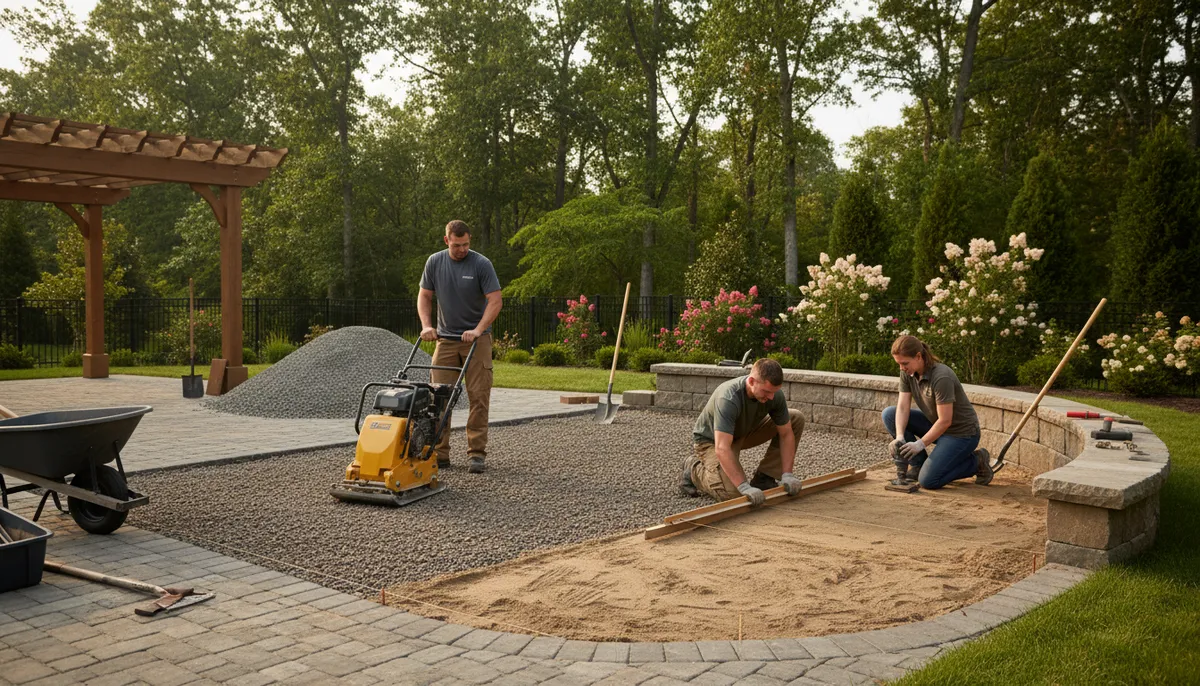
This process typically includes excavating the area to the proper depth, installing a 6-inch gravel base for stability, and adding 1-inch of sand bedding to create the perfect level surface. Contractors assess your soil type, evaluate drainage patterns, and make adjustments that prevent water from pooling on your new patio or undermining the foundation over time.
In the Chicago area, where freeze-thaw cycles can wreak havoc on poorly installed hardscapes, proper base preparation becomes even more critical. Professional contractors understand local soil conditions and climate challenges, which means your patio will hold up through harsh winters and rainy springs without the cracking or heaving that plagues amateur installations.
They also handle all the heavy lifting—literally. Excavation requires removing thousands of pounds of soil and stone, work that takes specialized equipment and physical stamina most weekend warriors underestimate. A 300-square-foot patio installation typically requires 35-40 hours of labor, and that timeline assumes professionals who know exactly what they’re doing.

2. Professional Design Services Bring Your Vision to Life
Walking into a stone yard can feel overwhelming when you’re faced with hundreds of paver options in different colors, sizes, shapes, and materials. That’s where the design expertise of professional contractors becomes invaluable—they help translate your Pinterest inspiration boards into functional, beautiful outdoor spaces that fit your property and lifestyle.
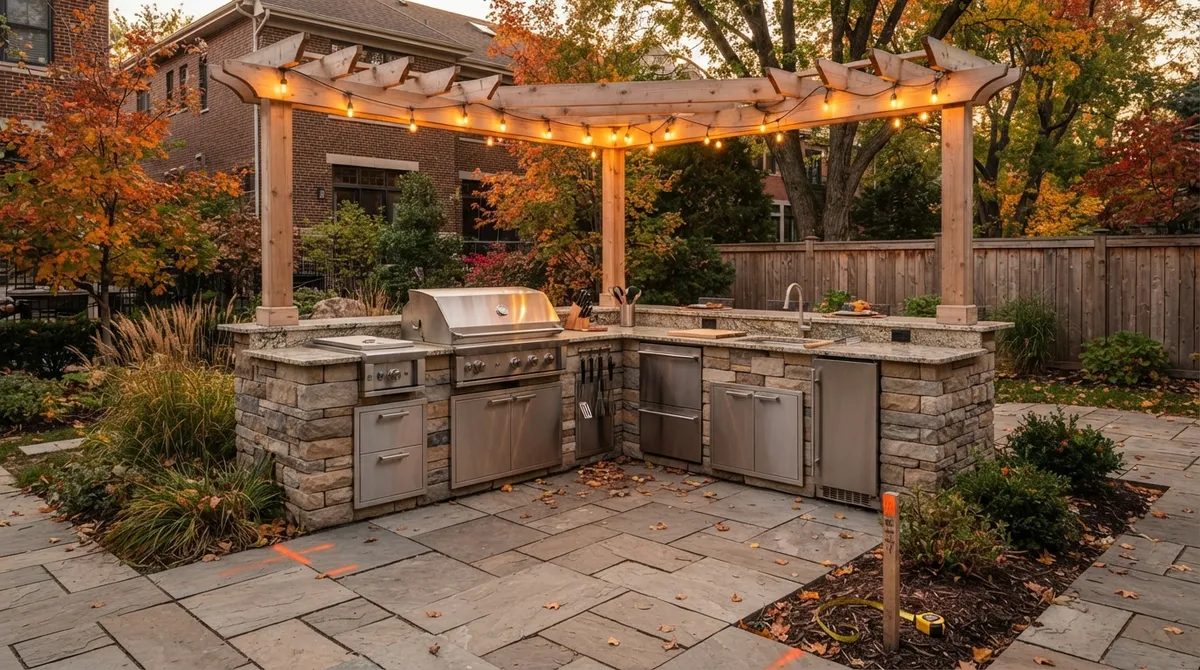
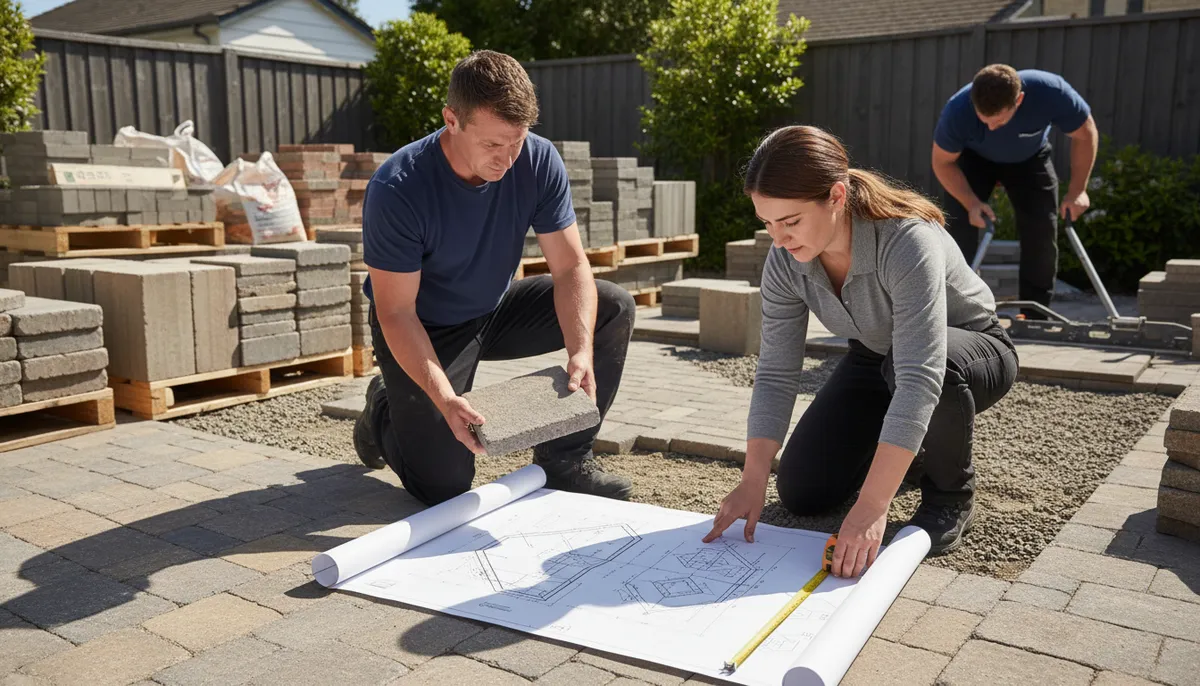
Many patio paver contractors now offer design-build services that include 3D renderings of your future patio. These visualizations let you see exactly how different paver patterns, border treatments, and color combinations will look before a single stone gets laid. You can experiment with herringbone patterns versus running bond, compare warm earth tones to cool slate grays, and understand how your patio will flow with your home’s architecture.
| Design Element | Professional Approach | DIY Challenge |
|---|---|---|
| Paver Layout | Computer-aided design with precise measurements | Eyeballing measurements, frequent cutting errors |
| Color Selection | Understanding how colors fade and age over time | Choosing based on showroom appearance only |
| Drainage Planning | Calculated slope and drainage integration | Guesswork that often leads to water problems |
| Border Details | Professional edging and restraint systems | Shifting edges and paver migration |
Professional designers also consider practical details homeowners might overlook, like how the afternoon sun will affect seating areas, where to position fire pit zones for optimal airflow, and how to create natural traffic flow between your home and outdoor entertaining spaces. These thoughtful touches separate mediocre patios from spaces that truly enhance your daily life.
At Serenity Landscape Group, we’ve spent over two decades helping Chicago-area homeowners turn blank backyards into their favorite gathering places, and we know that great design sets the foundation for outdoor spaces you’ll genuinely want to use every single day.
3. Material Expertise Ensures Quality and Longevity
Not all pavers perform equally well in every climate or application. Professional contractors bring deep knowledge about which materials will stand up to your specific conditions and usage patterns—expertise that saves you from costly mistakes down the road.
The three most common paver materials each offer distinct advantages:
- Concrete pavers provide versatility and value, with manufactured consistency that creates uniform patterns and costs typically ranging from $8-15 per square foot installed
- Brick pavers deliver classic charm with natural color variation, though they may require more maintenance and typically cost $10-20 per square foot
- Natural stone pavers like flagstone or bluestone offer unmatched elegance and durability, with premium pricing from $15-25 per square foot reflecting their longevity
Beyond material selection, contractors understand quality grades within each category. They know which manufacturers produce pavers that resist fading, which finishes provide better traction when wet, and which thickness specifications work best for your intended use. A driveway requires thicker pavers than a walkway, and high-traffic commercial spaces need different specifications than residential patios.
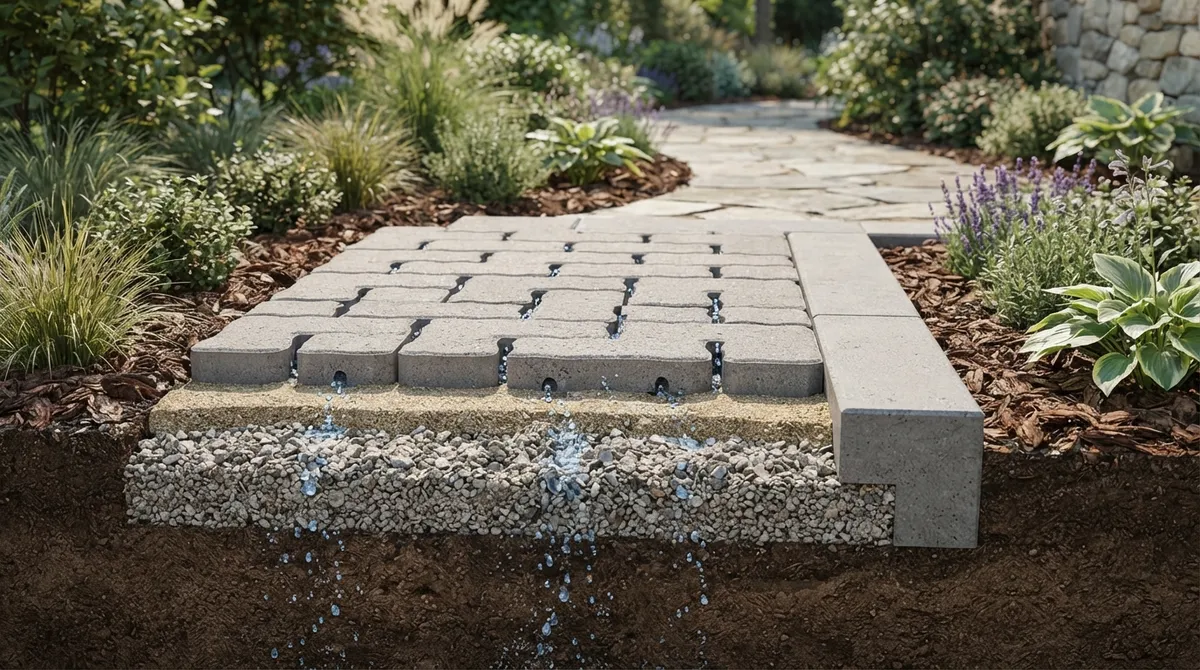
In 2026, many contractors also specialize in eco-friendly options like permeable pavers that allow water to drain through the surface rather than running off into storm sewers. These sustainable solutions help manage stormwater, reduce urban heat island effects, and may even qualify for municipal incentives in some Chicago suburbs. Professional contractors stay current on these innovations and can guide you toward options that balance aesthetics, performance, and environmental responsibility.
4. Proper Installation Techniques Prevent Common Problems
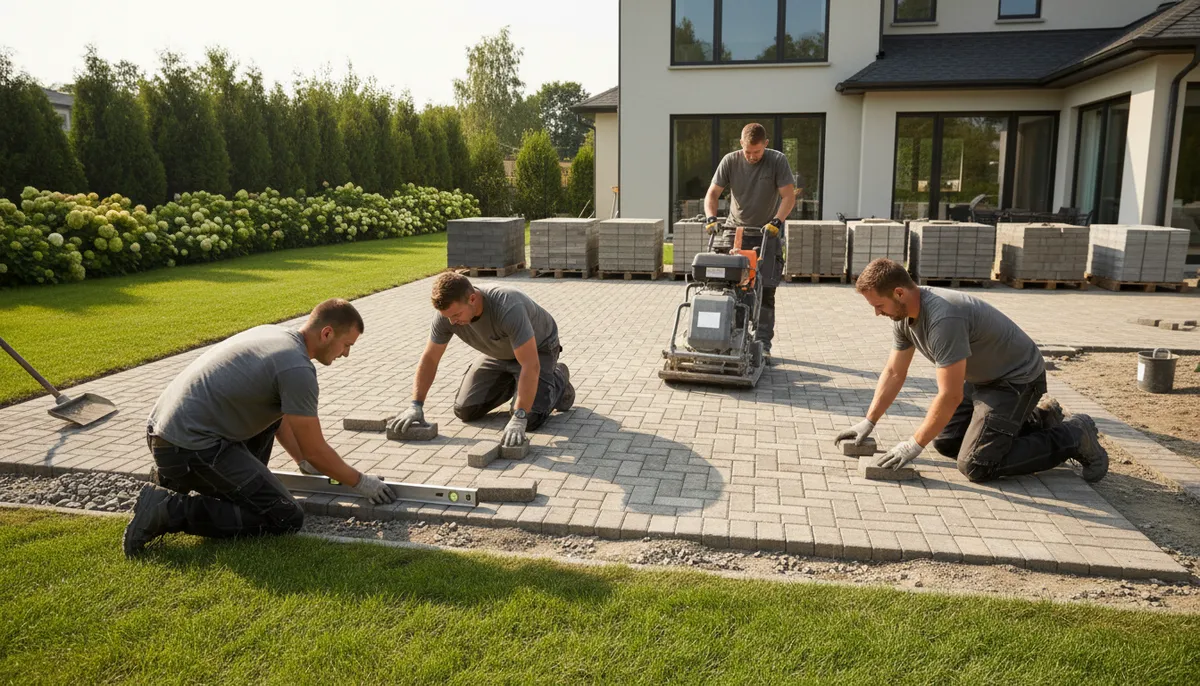
The difference between a patio that lasts three years and one that remains beautiful for three decades comes down to installation technique. Professional patio paver contractors have mastered the precise methods that keep pavers level, stable, and looking great season after season.
Here are the critical installation steps professionals execute flawlessly:
- Creating proper slope for water drainage, typically one-quarter inch per foot away from structures
- Installing edge restraints that prevent paver migration and maintain pattern integrity
- Compacting base materials in layers to achieve maximum stability without over-compaction
- Cutting pavers with professional equipment for clean, precise edges around curves and obstacles
- Sweeping polymeric sand into joints and activating it properly to lock pavers in place
- Plate compacting the finished surface to set everything firmly without damaging pavers
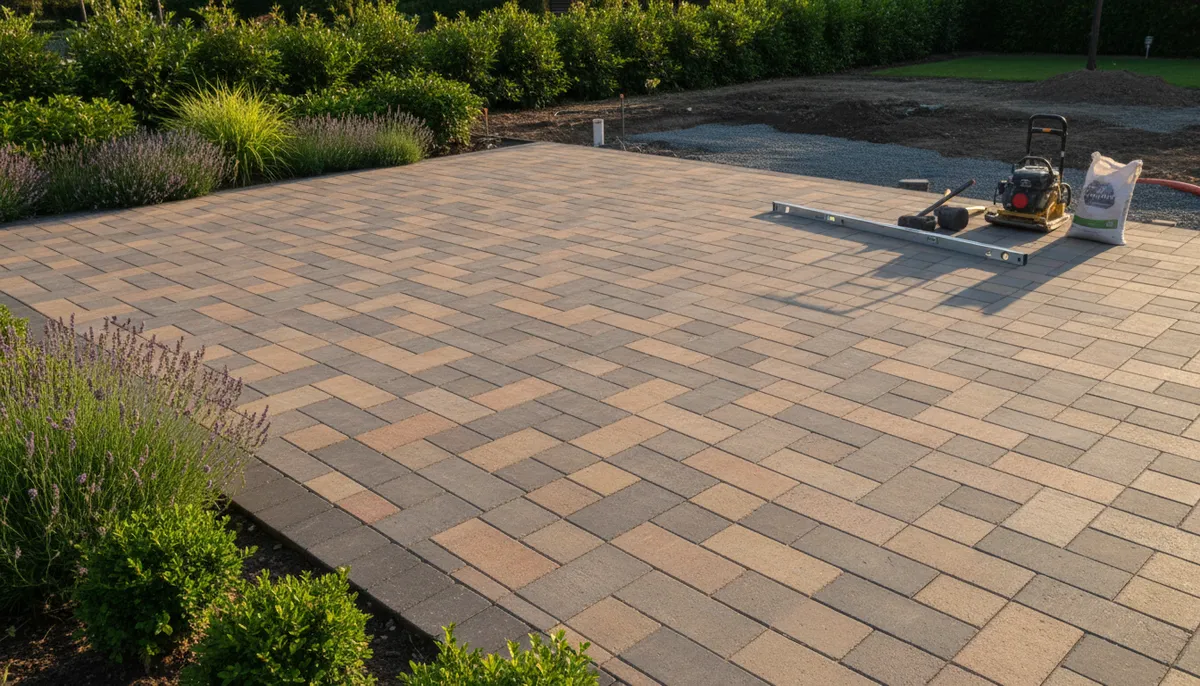
Each of these steps requires specialized tools that most homeowners don’t own and wouldn’t use again after one project. Professional contractors arrive with plate compactors, wet saws, levels, and measurement tools that ensure accuracy at every stage. They also have the experience to recognize and correct subtle issues—like soil inconsistencies or hidden tree roots—before they become major problems.
The investment in professional installation makes financial sense when you consider the alternative. Incorrectly installed patios often require complete tear-out and reinstallation within a few years, costing far more than hiring professionals from the start. A 300-square-foot patio might take a skilled contractor team just 2-4 days to complete, while a DIY attempt could stretch across multiple weekends with uncertain results.
5. Comprehensive Services Include Permits and Warranties
Many homeowners don’t realize that patio installations sometimes require permits, especially for larger projects or those that alter drainage patterns. Professional patio paver contractors handle all the paperwork, ensuring your project complies with local building codes and HOA requirements that vary across Chicago suburbs.
This service eliminates significant headaches. Contractors know which municipalities require permits for hardscaping, what documentation officials expect, and how to navigate approval processes efficiently. They understand setback requirements, impervious surface limitations, and drainage regulations that affect patio design and placement. When you work with licensed professionals, you don’t have to worry about code violations that could complicate future property sales or create liability issues.
Beyond permits, reputable contractors stand behind their work with comprehensive warranties. These typically cover both materials and workmanship, protecting your investment against defects and installation failures. Warranty terms vary, but quality contractors often provide at least two to five years of coverage on labor and pass along manufacturer warranties on materials that can extend 25 years or more.
| Service Component | What Professionals Provide | Your Peace of Mind |
|---|---|---|
| Permit Applications | Complete paperwork and municipal coordination | No code violations or legal complications |
| Material Warranties | Factory coverage against defects and fading | Protection against premature failure |
| Workmanship Guarantees | Coverage for installation-related issues | Free corrections if problems develop |
| Insurance Coverage | Liability protection during construction | No financial risk from accidents or damage |
Professional contractors also carry liability insurance and workers’ compensation coverage that protects you if someone gets injured during your project. DIY installations or unlicensed handymen leave you vulnerable to potential lawsuits and medical claims that could far exceed your patio budget.
6. Time and Cost Efficiency Save Money Long-Term
While hiring professional patio paver contractors requires upfront investment, the efficiency and expertise they bring often make it the most cost-effective choice when you account for the total project expense and long-term value.
Professional contractors charge approximately $50-80 per hour for labor, or $4-11 per square foot for complete installation. A typical 300-square-foot patio costs between $6,000 and $37,500 depending on material choices, with most homeowners spending around $12,000 for quality pavers and professional installation. These prices include all site preparation, base materials, paver supply, installation labor, and finishing details.
That investment delivers several financial advantages:
- Accurate material calculations that prevent expensive over-ordering or project-delaying shortages
- Proper installation that eliminates costly repairs and premature replacement needs
- Efficient completion timelines that restore your yard to usability within days, not weeks
- Professional results that maximize your property value increase, typically delivering 8-10% ROI on patio installations
- Access to trade discounts on materials that partially offset labor costs
Consider that DIY patio attempts often involve multiple trips to supply stores, rental equipment fees, wasted materials from cutting mistakes, and the risk of needing to redo work that didn’t turn out as planned. When you factor in your time value and the physical toll of moving tons of gravel and pavers, professional installation becomes surprisingly reasonable.
The timeline advantage matters too. Professional teams complete 200-square-foot patios in 2-4 working days, while DIY projects typically stretch across multiple weekends and can take several weeks when factoring in weather delays and learning curves. Every extra day your backyard remains a construction zone is another day you can’t enjoy your outdoor space or entertain guests.
7. Staying Current with 2026 Industry Trends and Innovations
The landscaping industry continues evolving, and professional patio paver contractors stay ahead of trends that enhance sustainability, functionality, and visual appeal. In 2026, several innovations are reshaping how contractors approach patio design and installation.
Sustainability has moved from niche consideration to mainstream priority. More contractors now specialize in permeable paver systems that reduce stormwater runoff while creating beautiful outdoor surfaces. These pavers feature wider joints filled with gravel or engineered materials that allow rainwater to filter through rather than overwhelming drainage systems. They’re especially popular in urban Chicago settings where stormwater management matters for environmental and regulatory reasons.
Technology integration represents another major trend. Forward-thinking contractors incorporate lighting and sound systems into patio designs, creating outdoor rooms that function as seamlessly as interior spaces. Smart irrigation controllers, programmable LED accent lighting, and weather-resistant audio equipment transform patios into true outdoor living areas usable from early spring through late fall.
The industry’s growth trajectory remains strong, with the U.S. landscaping sector generating nearly $200 billion annually across 726,000 businesses employing 1.3 million people. This market is projected to expand from approximately $100 billion in 2024 to around $150 billion by 2033, growing at roughly 4.5% annually. That growth reflects increasing demand for professional outdoor living spaces and hardscaping services like paver patios.
Here’s what top contractors focus on in 2026:
- Eco-friendly materials including recycled pavers and locally sourced stone that reduce transportation impacts
- Native plant integration around patios that requires less water and maintenance while supporting local ecosystems
- Low-emission equipment that reduces noise and air pollution during installation
- Year-round operation capabilities that extend construction seasons and reduce project delays
- Digital design tools that let clients visualize and modify plans before installation begins
Professional contractors also stay certified through organizations like the Interlocking Concrete Pavement Institute, which provides ongoing education about installation best practices, new product innovations, and industry standards. These certifications signal commitment to quality and continuous improvement that benefits every client project.
Choosing the Right Patio Paver Contractor for Your Project
With so many contractors serving the Chicago area, selecting the right team for your patio project requires some research and careful consideration. The contractor you choose will impact not just your patio’s appearance but its performance and longevity for years to come.
Start by looking for contractors with substantial experience specifically in paver installation. While general landscapers may offer patio services, specialists who focus on hardscaping bring deeper expertise in the techniques that matter most. Check how long they’ve been in business—established companies with decade-plus track records demonstrate stability and reliability that newer operations can’t match.
Portfolio review tells you everything about a contractor’s capabilities and style. Look for diverse projects that showcase attention to detail in edging, pattern consistency, and integration with surrounding landscapes. Quality contractors proudly display their work and can provide references from recent clients who’ll share honest feedback about communication, reliability, and results.
Ask these important questions during consultations:
- What base preparation methods do you use, and how do you ensure proper drainage?
- Can you provide detailed written estimates that break down material and labor costs?
- What warranties cover your work, and what do they specifically include?
- How do you handle unexpected issues like poor soil conditions or hidden utilities?
- What is your typical project timeline, and how do weather delays affect scheduling?
- Are you licensed and insured, and can you provide proof of coverage?
Don’t automatically choose the lowest bid. Significant price differences often reflect shortcuts in base preparation, lower-quality materials, or less experienced crews that may create problems requiring expensive corrections later. The best value comes from contractors who balance competitive pricing with quality workmanship and reliable service.
Local connections matter too. Contractors familiar with your area understand regional climate challenges, soil conditions, and municipal requirements. They’re also more accessible for warranty service and future projects. Organizations like Landscape Illinois can help you find reputable local professionals who meet industry standards.
Conclusion: Invest in Professional Quality That Lasts
Creating the perfect patio involves far more than arranging pretty stones in your backyard. From foundation preparation and drainage planning to material selection and precise installation techniques, professional patio paver contractors bring expertise that transforms outdoor spaces into valuable, functional extensions of your home.
The $6,000 to $37,500 you’ll invest in professional paver patio installation delivers returns that compound over time—through daily enjoyment of beautiful outdoor space, increased property value averaging 8-10% ROI, and decades of trouble-free performance when the work is done right from the start. You’re not just buying a patio; you’re creating an outdoor living area that enhances your lifestyle and serves your family for generations.
Whether you’re a suburban homeowner looking to create the ultimate entertaining space, a commercial property manager seeking to improve curb appeal, or a new home builder wanting to deliver turnkey outdoor features, partnering with experienced professionals makes all the difference between ordinary and extraordinary results.
At Serenity Landscape Group, we’ve spent over 20 years helping Chicago-area residents and businesses transform their outdoor spaces with beautiful, durable paver installations that stand the test of time. We understand the local climate challenges, have mastered the installation techniques that ensure longevity, and stay current on the latest industry innovations that enhance both sustainability and style.
Ready to create an outdoor space you’ll love coming home to? Request your free estimate today and let’s start planning the patio that will become your favorite place to relax, entertain, and make memories with the people who matter most.
FAQs
Q: How much does it cost to hire a patio paver contractor?
A: Professional patio paver contractors typically charge $50-80 per hour for labor, or $4-11 per square foot for complete installation. A standard 300-square-foot patio usually costs between $6,000 and $37,500 depending on material choices, with most homeowners spending around $12,000 for quality pavers and professional installation that includes site preparation, materials, and finishing.
Q: How long does it take to install a paver patio?
A: Professional contractors typically complete a 200-square-foot paver patio in 2-4 working days, while larger 300-square-foot patios require 35-40 hours of labor spread across about a week. The timeline depends on site conditions, weather, design complexity, and whether additional features like retaining walls or fire pits are included in your project.
Q: What should I look for when choosing a patio paver contractor?
A: Look for contractors with extensive hardscaping experience, proper licensing and insurance, comprehensive warranties on materials and workmanship, and a strong portfolio showing attention to detail. Ask about their base preparation methods, request detailed written estimates, check references from recent clients, and ensure they understand local climate challenges and building codes in your area.
Q: Are permeable pavers worth the extra cost?
A: Permeable pavers offer excellent value, especially in urban areas with stormwater management concerns. They reduce runoff, help prevent flooding, lower urban heat island effects, and may qualify for municipal incentives. While they cost slightly more upfront than traditional pavers, the environmental benefits and potential regulatory advantages make them increasingly popular in 2026 landscaping projects.
Q: What is the return on investment for a paver patio?
A: Professional paver patio installations typically deliver an 8-10% return on investment in increased property value. Beyond financial returns, homeowners report that quality outdoor living spaces significantly enhance their enjoyment of their property, provide valuable entertaining areas, and create outdoor rooms that extend usable living space throughout multiple seasons.