Key Takeaways
-
Concrete pavers can be individually replaced without disturbing the entire surface, making repairs cost-effective and simple compared to poured concrete slabs that crack visibly over time.
-
Reseal concrete pavers every 3-5 years and perform annual power washing to maintain their appearance and weather resistance, especially through harsh Chicago winters.
-
Large-format pavers (24+ inches), herringbone patterns, and permeable pavers are trending in 2026, offering modern aesthetics while providing eco-friendly stormwater management benefits.
-
Concrete pavers excel in wet areas like pool decks and garden pathways due to their non-slip textured surface, making them safer than smooth poured concrete in these applications.
-
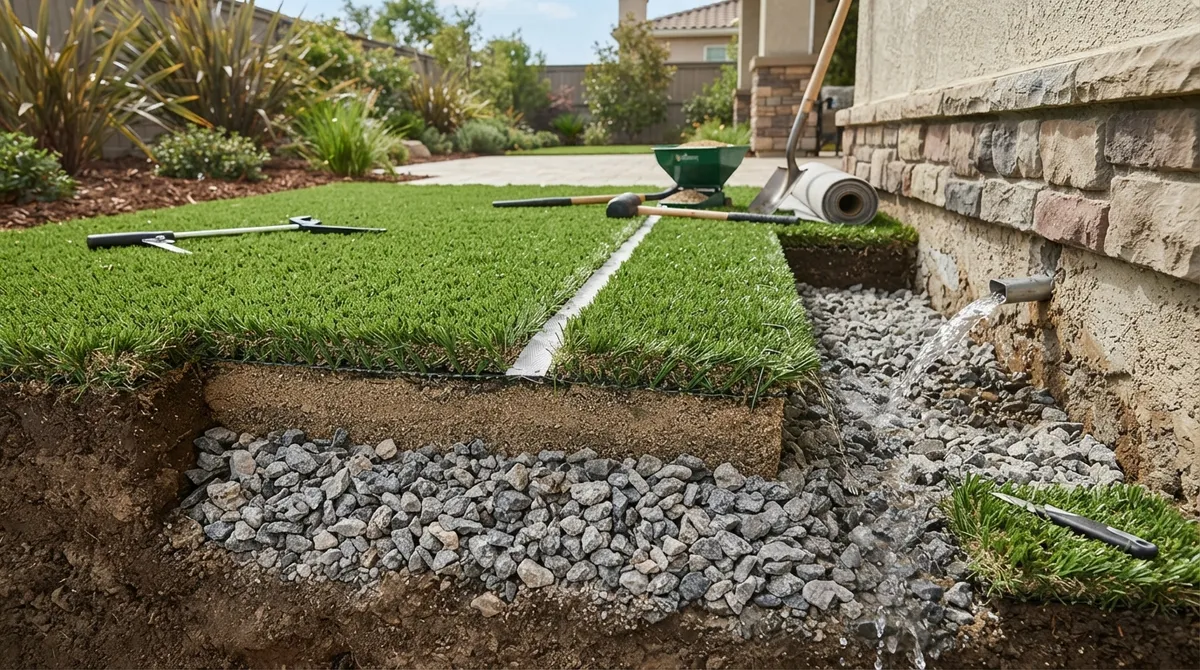
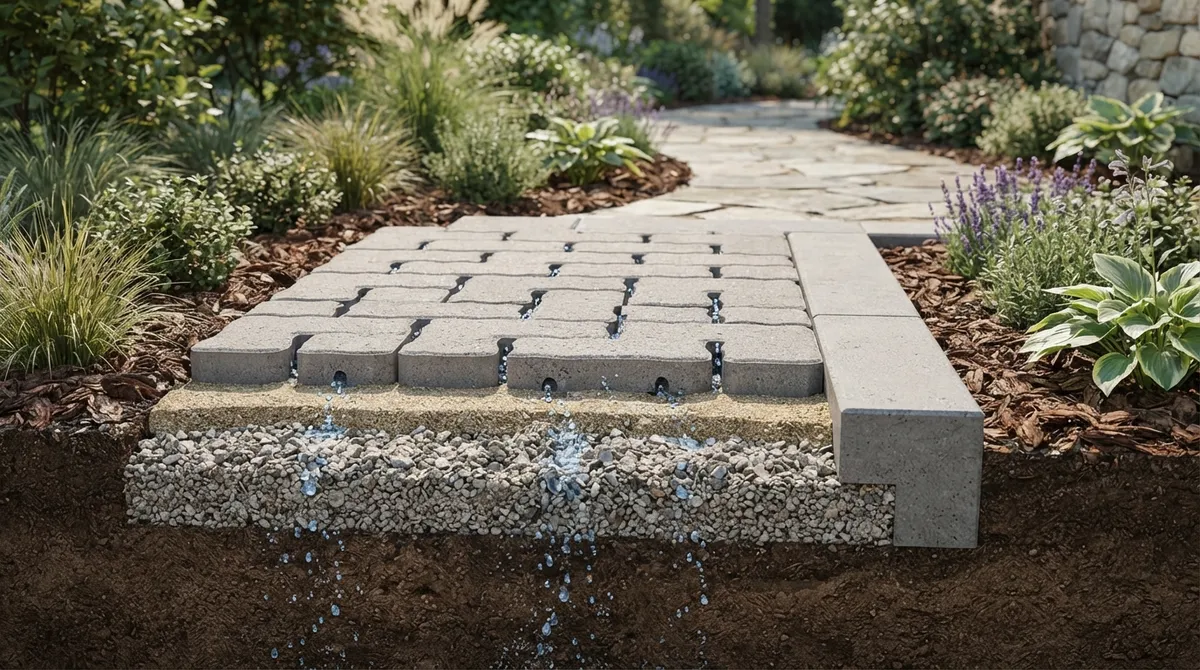
Permeable concrete pavers allow rainwater to filter through the surface, reducing runoff and providing an eco-conscious solution for properties with stormwater management requirements.
-
Professional installation is critical because improper base preparation and drainage planning lead to uneven surfaces and shifting pavers—problems that are expensive to fix later.
There’s something magical about a beautifully paved patio or walkway. It instantly makes your outdoor space feel more polished, inviting, and functional. If you’ve been thinking about upgrading your backyard, driveway, or pool deck, concrete pavers might be exactly what you need. They’re durable, stylish, and surprisingly versatile — and in 2026, they’re more popular than ever.
Whether you’re a homeowner in the Chicago suburbs looking to boost curb appeal, a commercial property manager wanting low-maintenance hardscaping, or a small business owner hoping to create a welcoming entrance, concrete pavers deliver results you’ll love for years to come. Let’s explore everything you need to know about this landscape-transforming material.
What Are Concrete Pavers?
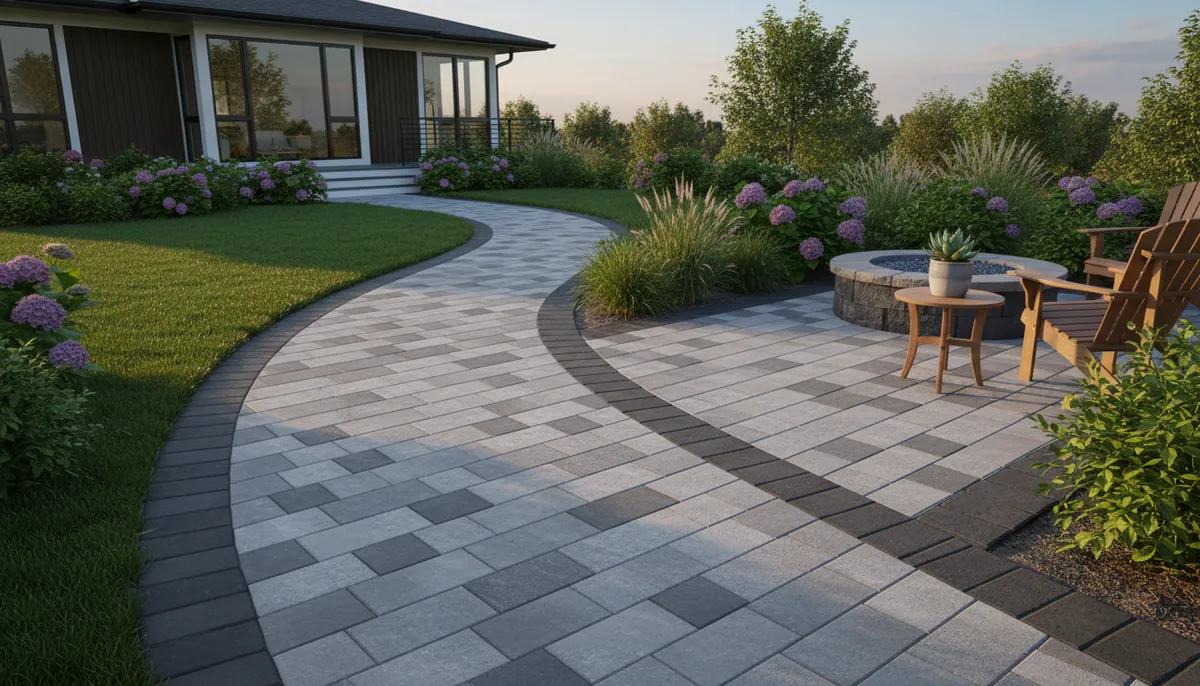
Concrete pavers are pre-made paving units crafted from a mix of cement, aggregate, and pigment. They come in a wide range of colors, shapes, and textures. Unlike poured concrete slabs, each paver is an individual unit laid on a prepared base. This makes them incredibly flexible for custom designs.
You’ll find concrete pavers used across many outdoor applications — from elegant patios to rugged driveways. Their strength and non-slip surface texture make them especially useful in wet areas like pool surrounds and garden pathways. They’re a go-to choice for professional landscapers throughout the greater Chicago area.
If you’d like to see how concrete pavers look in real projects, check out our Gallery of our work for inspiration from local installs we’ve completed across Chicagoland.
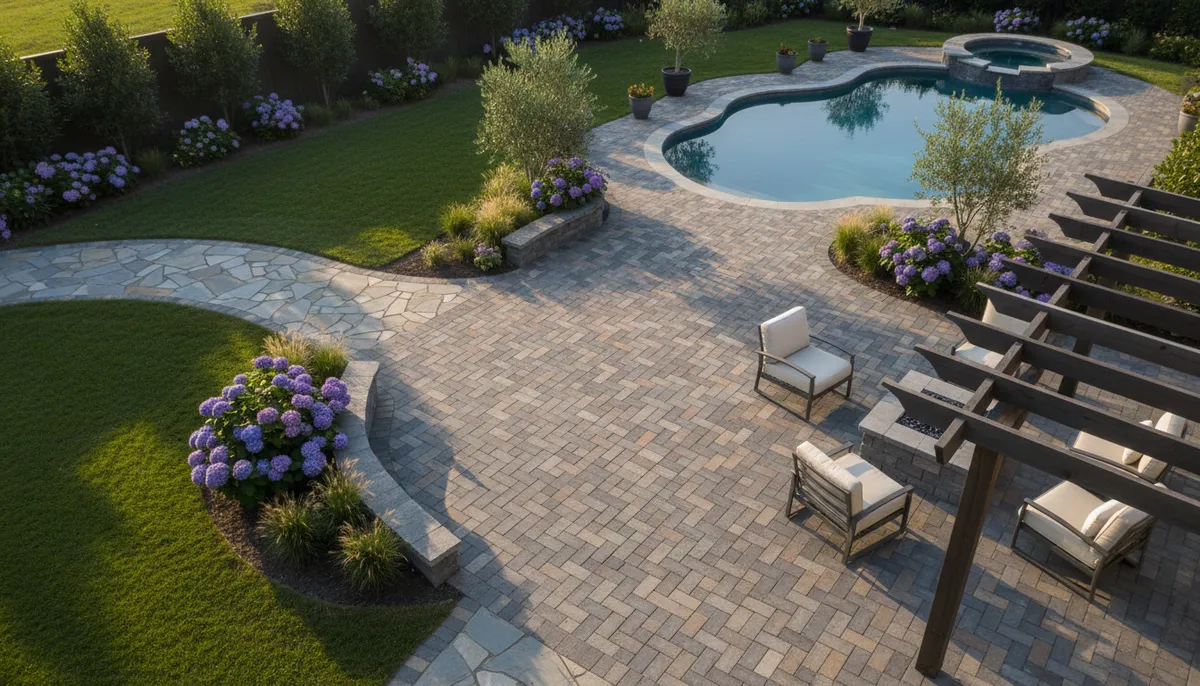
Top Benefits of Concrete Pavers for Landscaping
Concrete pavers offer a long list of benefits that make them a smart choice for both residential and commercial landscapes. Here are the standout advantages:
- Durability: They withstand heavy foot traffic, vehicle loads, and freeze-thaw cycles — a big deal here in Chicago.
- Non-slip surface: Textured finishes reduce slip hazards, making them safe around pools and in wet weather.
- Easy repairs: Individual pavers can be replaced without disturbing the entire surface.
- Customization: Choose from dozens of colors, patterns, and finishes to match your style.
- Low maintenance: Routine cleaning and sealing every 3–5 years keeps them looking great.
- Eco-friendly options: Permeable concrete pavers allow rainwater to filter through, reducing runoff.
- Long-term value: Their lifespan and easy repairability make them cost-effective over time.
The ICPI Certified Installer program ensures that contractors installing your pavers meet rigorous industry standards — so always look for certified professionals when planning your project.
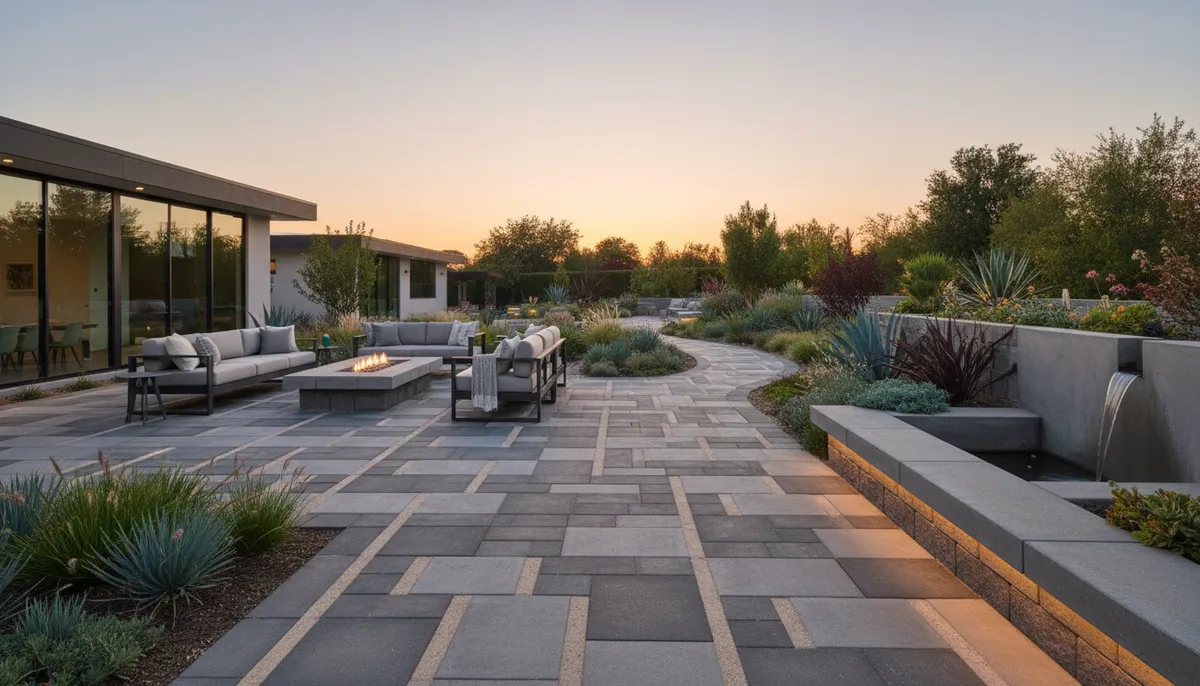
Popular Applications in Landscape Design
Concrete pavers fit beautifully into almost any outdoor space. Their versatility is one of the reasons landscape designers love working with them. Here are the most popular ways homeowners and businesses use them:
- Patios and outdoor living areas: Create a stunning gathering space where you can entertain, dine, and relax.
- Driveways: Concrete pavers add serious curb appeal while standing up to vehicle traffic.
- Walkways and garden paths: Guide guests through your landscape with style and purpose.
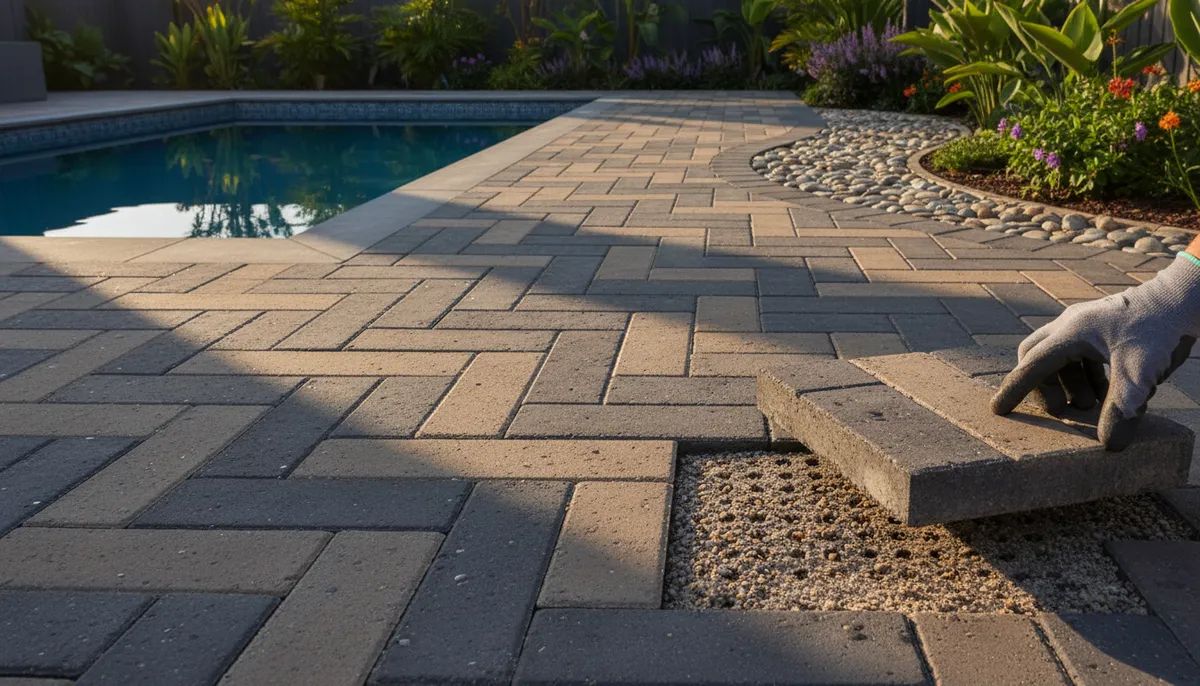
- Pool decks: Their non-slip texture makes them a top choice for poolside safety and aesthetics.
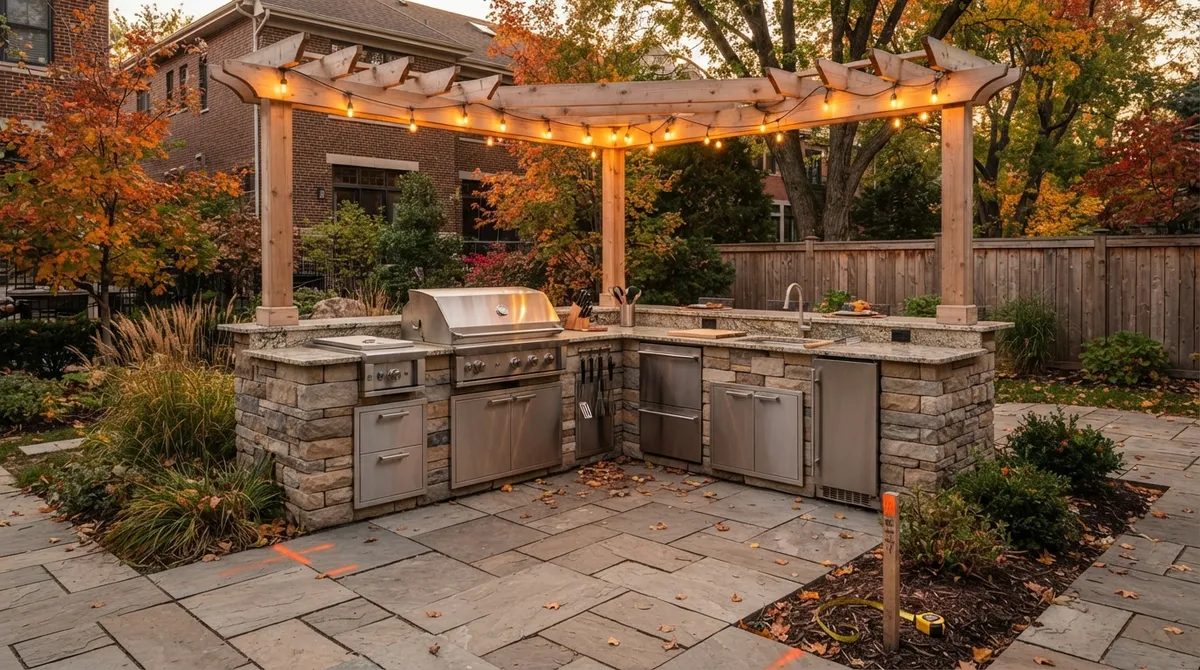
- Outdoor kitchens and dining areas: A solid, attractive base for your cooking and entertaining zone.
- Commercial entrances and plazas: Impressive and durable for high-traffic business environments.
Pairing your paver installation with other hardscaping elements takes things to the next level. Consider adding a fire pit for cozy evenings or a pergola or pavilion for shade and structure. The combination creates a truly cohesive outdoor living experience.
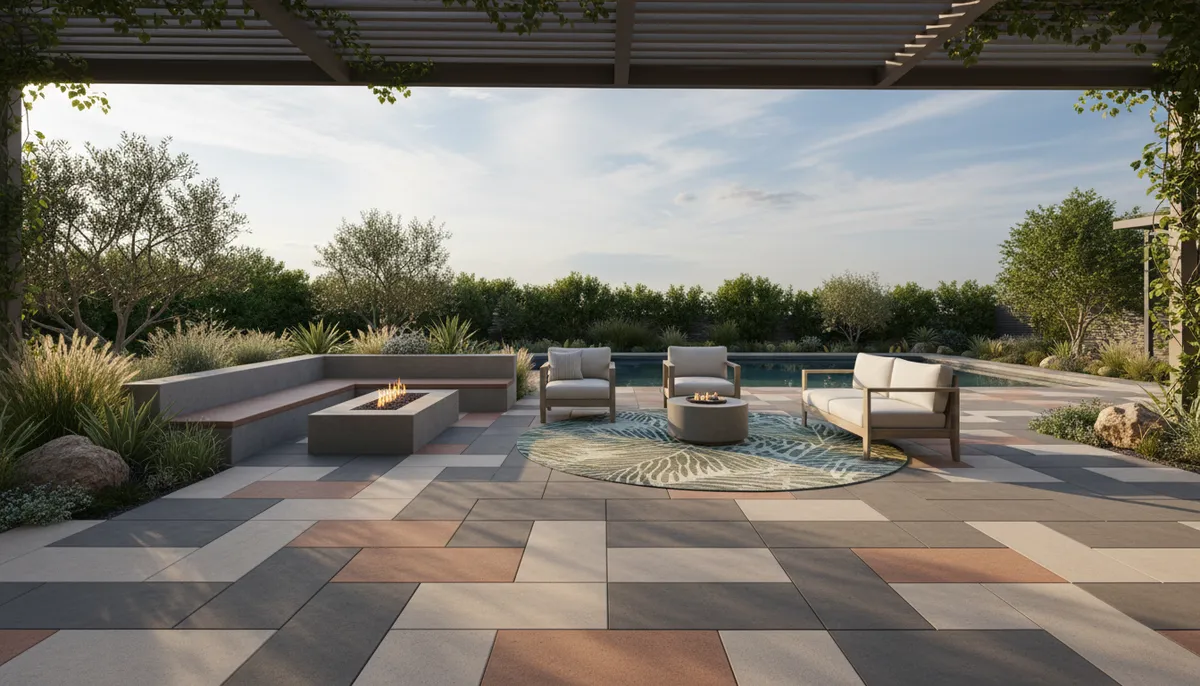
2026 Concrete Paver Design Trends
Outdoor design is always evolving, and 2026 brings some exciting new directions for concrete pavers. Here’s what’s trending this year:
- Large-format pavers (24+ inches): Oversized pavers dominate modern patio designs in 2026. They create a sleek, minimalist look with fewer grout lines.
- Mixed materials: Combining concrete pavers with gravel, wood, or natural stone adds visual interest and texture.
- Herringbone patterns: This classic interlocking pattern is making a strong comeback for both driveways and patios.
- Stamped finishes: Concrete pavers that mimic the look of natural stone or brick offer a high-end look at a lower cost.
- Exposed aggregate: A slip-resistant finish with a natural, earthy texture that fits beautifully in garden settings.
- Permeable pavers: Growing in popularity for eco-conscious homeowners and commercial properties that need stormwater management.
The sheer popularity of paver patios is staggering — Houzz featured over 28,500 concrete paver patio images as of early 2026. Clearly, people love what these materials can do for an outdoor space!
Concrete Pavers vs. Poured Concrete: A Quick Comparison
Wondering how concrete pavers stack up against a traditional poured concrete slab? Here’s a helpful side-by-side look:
| Feature | Concrete Pavers | Poured Concrete |
|---|---|---|
| Durability | Excellent — flexible under pressure | Good — but can crack over time |
| Repairability | Easy — replace individual units | Difficult — repairs are visible |
| Customization | High — many colors, shapes, patterns | Limited — mostly flat finish options |
| Slip Resistance | Excellent — textured surface | Moderate — can be smooth and slippery |
| Initial Cost | Higher upfront | Lower upfront |
| Long-Term Value | Better — lower lifetime maintenance | Higher long-term repair costs |
| Eco-Friendly Options | Yes — permeable versions available | No — impermeable surface |
As you can see, concrete pavers typically win out on flexibility, longevity, and aesthetics. The higher upfront investment usually pays off handsomely over time. Learn more about our professional paver installation services to get started.
How to Blend Concrete Pavers with Your Landscape
One of the best things about concrete pavers is how well they play with other landscaping elements. The goal is to create a cohesive, harmonious outdoor space that feels both natural and designed. Here are some great ways to blend pavers into your overall landscape:
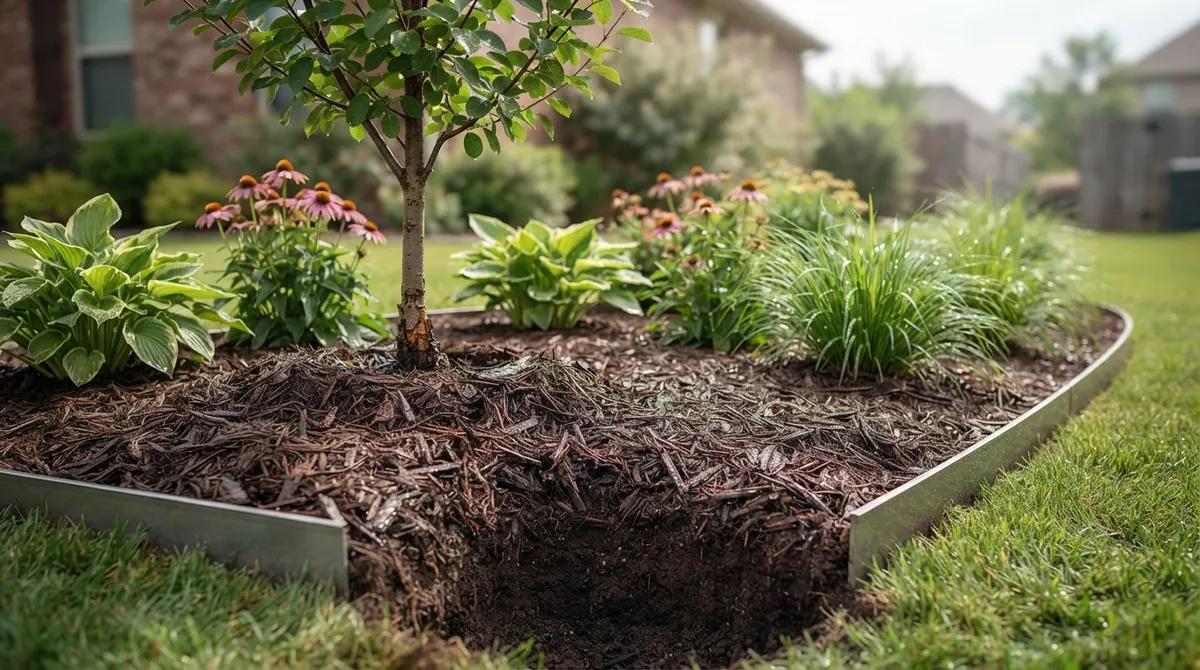
- Frame with plants: Border your paved areas with lush greenery, perennial flowers, or ornamental grasses. This softens the hardscape and adds life. Explore our softscape services to pair plants perfectly with your pavers.
- Add outdoor lighting: Low-voltage path lights or in-ground paver lights create a warm, welcoming glow at night. Our landscape lighting and sound team can design a lighting plan that makes your pavers shine after dark.
- Incorporate gravel or mulch: Fill gaps between stepping stone pavers with pea gravel or ground cover plants for a relaxed, garden-style aesthetic.
- Build elevation changes: Pair pavers with a retaining wall to add dimension and handle sloped terrain beautifully.
Layering these elements together is what separates a good landscape from a truly stunning one. Landscape Illinois offers additional inspiration and resources for homeowners looking to elevate their outdoor spaces throughout the state.
Maintaining Your Concrete Pavers
Good news — concrete pavers don’t demand a lot of attention. But a little regular care goes a long way. Here’s a simple maintenance routine to keep your pavers looking their best:
- Sweep regularly: Remove debris, leaves, and dirt to prevent staining and moss buildup.
- Rinse with water: A quick hose-down keeps the surface clean between deeper cleans.
- Power wash annually: A light power wash once a year removes embedded grime and brightens the surface.
- Reseal every 3–5 years: Sealing protects the color, blocks stains, and adds a layer of weather resistance — especially important through Chicago’s harsh winters.
- Address weeds promptly: Pull weeds from joints early to prevent root damage. Polymeric sand in joints helps deter weed growth.
- Replace damaged units: If a paver cracks or chips, simply lift it out and replace it — no messy repairs needed.
This simplicity makes concrete pavers a great choice for busy homeowners and commercial property managers alike. Check out our commercial lawn maintenance services for ongoing care options that keep your whole property in top shape year-round.
What Does a Concrete Paver Installation Look Like?
If you’re new to hardscaping projects, you might wonder what the installation process involves. Here’s a general overview of the steps a professional landscaping team follows:
- Site assessment and design: The team evaluates your space, discusses your goals, and creates a layout plan.
- Excavation: The existing surface is removed and the ground is excavated to the proper depth.
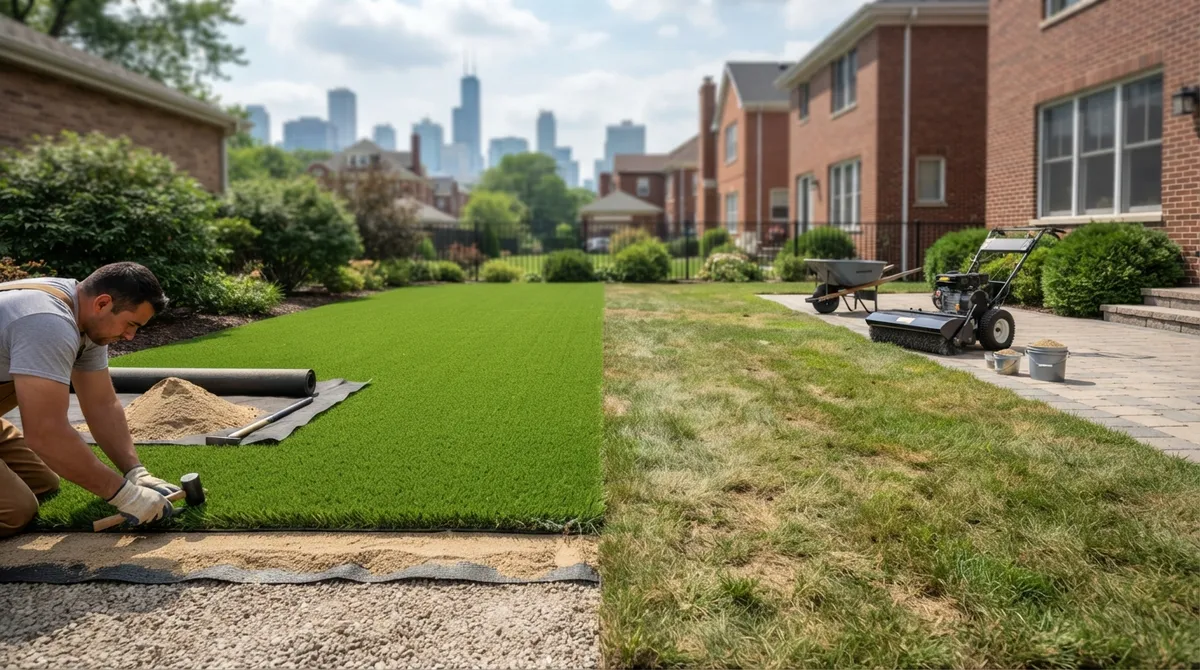
- Base preparation: A crushed stone base is laid and compacted to create a stable, level foundation.
- Sand bedding: A layer of coarse sand is added and screeded smooth for the pavers to rest on.
- Paver installation: Pavers are placed in the chosen pattern, cut to fit edges as needed.
- Compaction and jointing: The surface is compacted and sand is swept into the joints to lock everything in place.
- Sealing: A sealant is applied for long-term protection and color enhancement.
Curious about how Serenity Landscape Group approaches every project? Visit our project process page to see how we take your vision from concept to beautiful reality.
Why Choose Professional Paver Installation
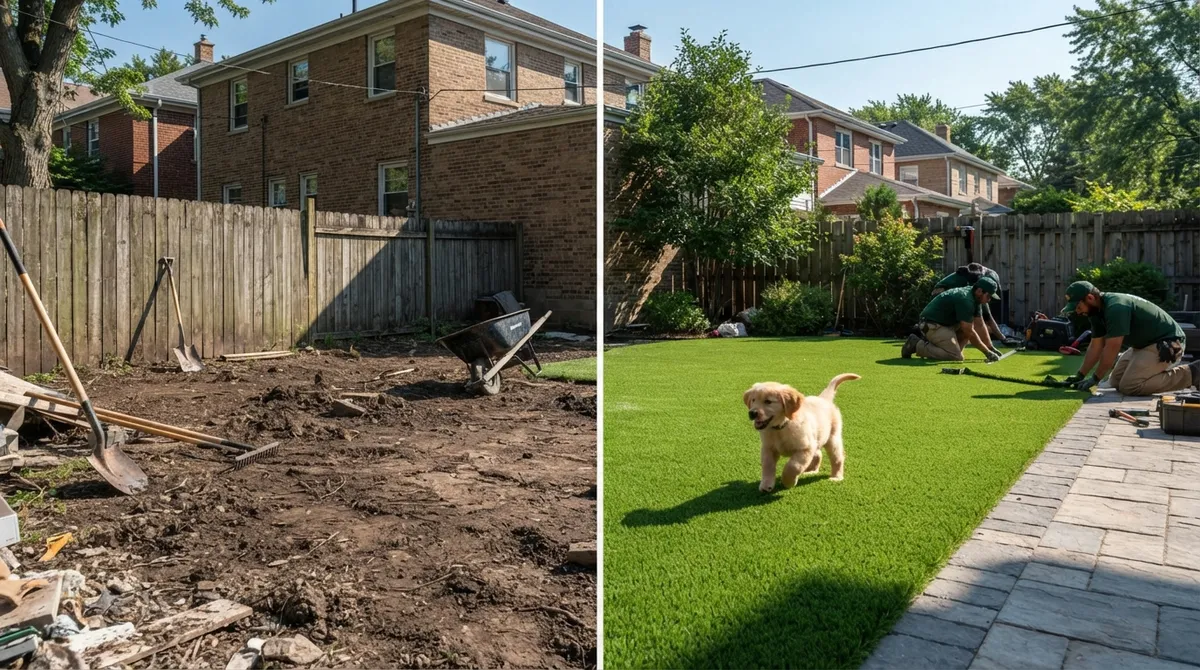
DIY paver projects can look appealing on video, but the reality is often more complex. Proper base preparation, drainage planning, and pattern execution require skill and experience. Poor installation leads to uneven surfaces, shifting pavers, and drainage problems — issues that are costly to fix later.
Working with an experienced landscaping team ensures your project is done right the first time. At Serenity Landscape Group, our team has over two decades of experience installing concrete pavers across the greater Chicago metropolitan area. We understand local soil conditions, freeze-thaw challenges, and HOA requirements — so your finished project looks amazing and lasts for years.
Conclusion: Ready to Elevate Your Outdoor Space?
Concrete pavers are one of the most rewarding investments you can make in your property. They’re durable, beautiful, and endlessly customizable — perfectly suited for patios, driveways, walkways, pool decks, and commercial plazas alike. Whether you’re going for a sleek modern look with oversized slabs or a classic herringbone patio, there’s a concrete paver solution that fits your vision and budget.
From blending pavers with lush plantings to adding fire pits, lighting, and retaining walls, the possibilities for your outdoor space are truly exciting. And with the right professional team behind you, the process is smooth, enjoyable, and rewarding from start to finish.
If you’re ready to bring your outdoor vision to life, we’d love to help. Request your free estimate today and take the first step toward a beautiful, functional outdoor space you’ll enjoy for years to come.
FAQs
Q: What are the best concrete paver patterns for a modern patio in 2026?
A: In 2026, large-format pavers (24 inches or bigger) are stealing the show for their clean, minimalist look — perfect for modern outdoor spaces! Herringbone patterns are also a fantastic choice if you want something timeless and structurally strong. Mixing concrete pavers with natural stone or gravel accents adds a beautiful, layered feel to any patio design.
Q: How often do concrete pavers need to be sealed or maintained?
A: Great news — concrete pavers are pretty low-maintenance! A good rule of thumb is to reseal them every 3–5 years to protect their color and help them stand up to Chicago’s tough winters. Regular sweeping and an occasional rinse or power wash will keep them looking fresh between sealings.
Q: Are concrete pavers a good choice for driveways in the Chicago area?
A: Absolutely! Concrete pavers are an excellent choice for Chicago driveways because they handle freeze-thaw cycles much better than poured concrete slabs. If one paver cracks or shifts over winter, you can simply replace that individual unit — no messy, expensive full-slab repairs needed. They also add serious curb appeal to your home!
Q: Can concrete pavers help with stormwater drainage on my property?
A: Yes — and this is one of our favorite things about permeable concrete pavers! Permeable options allow rainwater to filter through the surface and back into the ground, which reduces runoff and helps manage stormwater naturally. They’re a great eco-friendly solution for patios and driveways, especially in areas with strict stormwater management requirements.
Q: How do concrete pavers compare to natural stone for landscaping projects?
A: Concrete pavers give you a lot of the same beauty as natural stone, but often at a more budget-friendly price point. Stamped or textured finishes can closely mimic the look of slate, bluestone, or brick. They’re also more consistent in size and thickness, which makes installation easier and ensures a more uniform finished surface.