Key Takeaways
-
Professional commercial landscaping boosts property values and attracts more customers, making it a business asset rather than just aesthetic expense.
-
Choose a provider offering comprehensive year-round services (design, installation, maintenance, snow removal) with a single point of contact to ensure consistency and cost stability.
-
Verify credentials including state licensing, general liability insurance, industry certifications, and a verifiable portfolio of commercial projects before hiring.
-
Prioritize native plants and climate-resilient designs that reduce water usage and maintenance costs while supporting local ecosystems.
-
Always request detailed written proposals comparing scope of work, timelines, itemized pricing, and warranty terms rather than choosing based on price alone.
-
Implement smart irrigation and technology systems that monitor soil moisture and weather data to reduce water waste and utility bills while maintaining plant health.
Your property’s outdoor space makes a powerful first impression. For businesses, office parks, retail centers, and commercial properties across the greater Chicago area, a well-maintained landscape isn’t just about looks — it’s a business asset. Studies show that professional landscaping can boost property values and attract more customers. But with so many options available, how do you choose the right commercial landscaping services for your needs?
Whether you manage a retail strip, an office building, or a multi-tenant property, this guide walks you through everything you need to know. We’ll cover what commercial landscaping actually includes, what trends are shaping the industry in 2026, and how to pick a provider who delivers real, lasting results. Let’s dig in!
What Commercial Landscaping Services Actually Include
Commercial landscaping services are much more than mowing grass. They cover a wide range of outdoor work designed specifically for non-residential properties. Understanding what’s included helps you know what to ask for and what to expect.
Here are the core services most commercial landscaping companies offer:
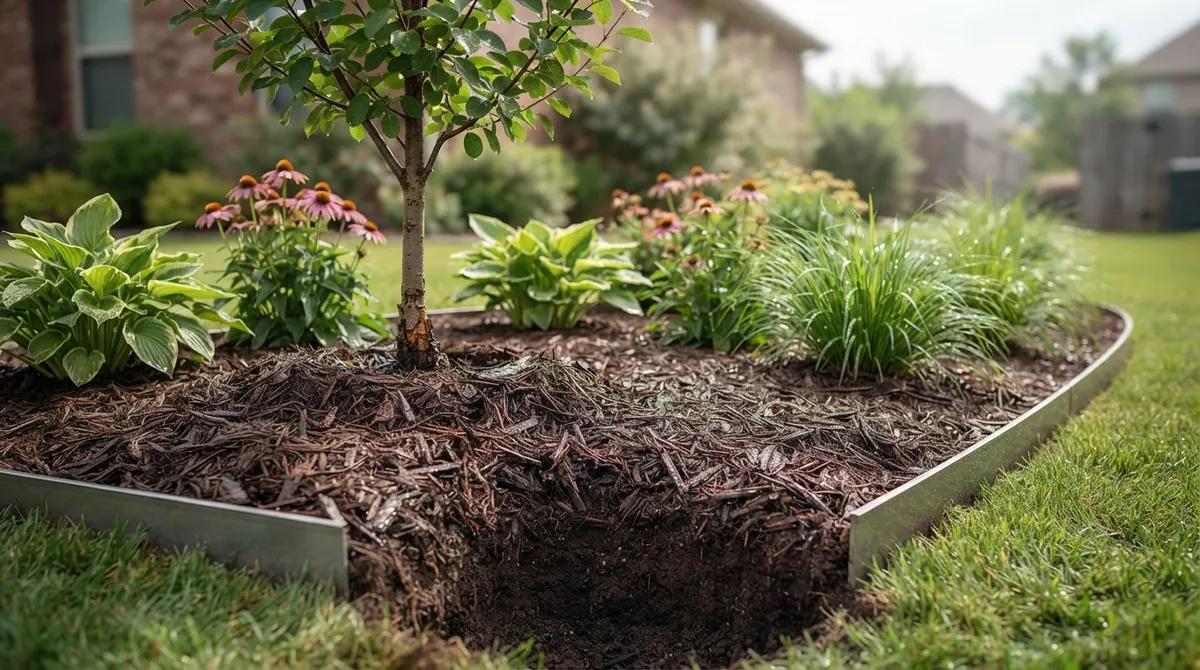
- Softscaping: Planting trees, shrubs, flowers, and turf to bring life and color to your property. Softscapes are the living elements that change with the seasons.
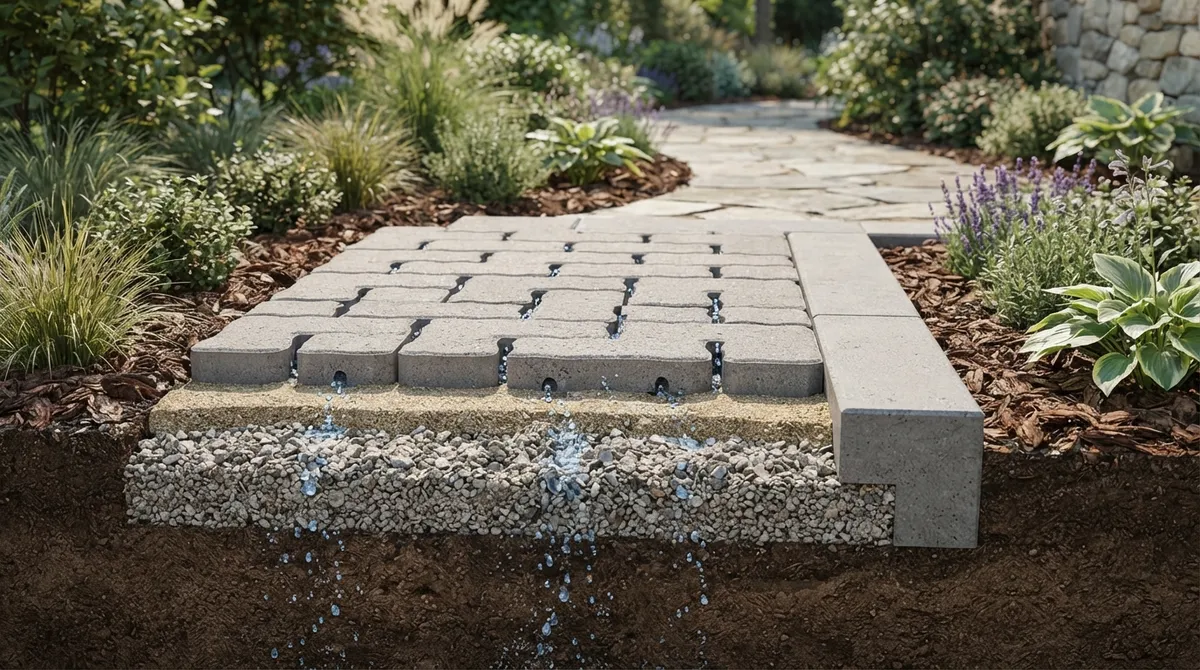
- Hardscaping: Installing non-living elements like pavers, walkways, patios, and retaining walls that define and structure your outdoor space.
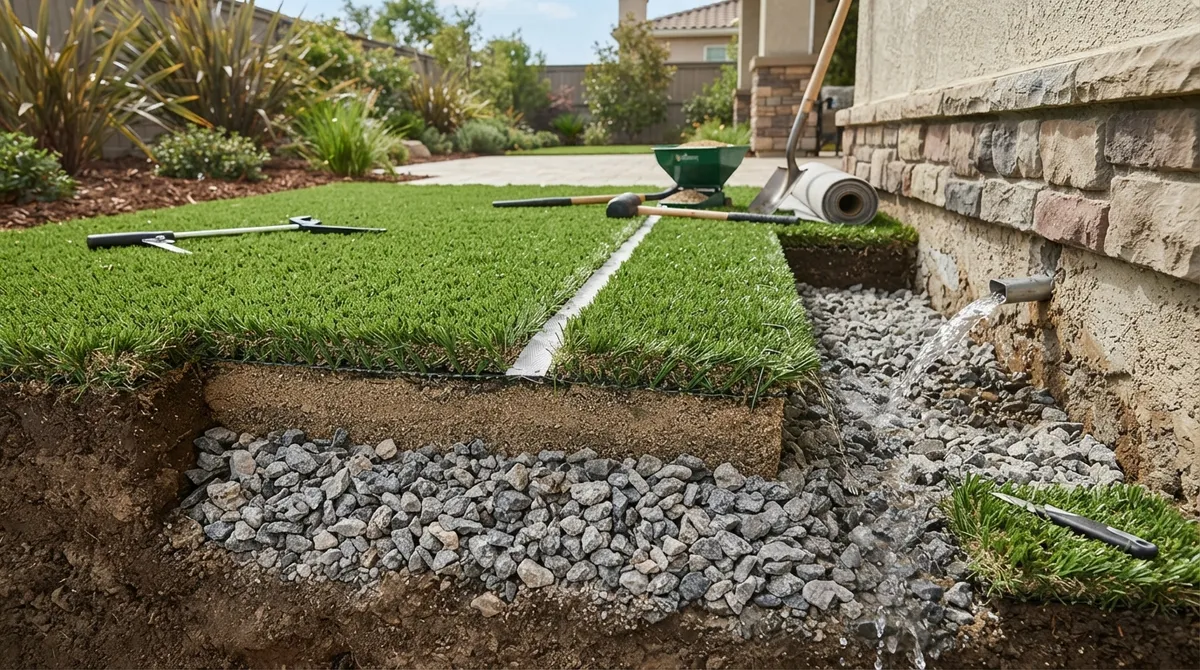
- Irrigation systems: Smart watering systems that keep plants healthy while reducing water waste.
- Outdoor lighting: Lighting and sound systems that enhance safety and ambiance after dark.
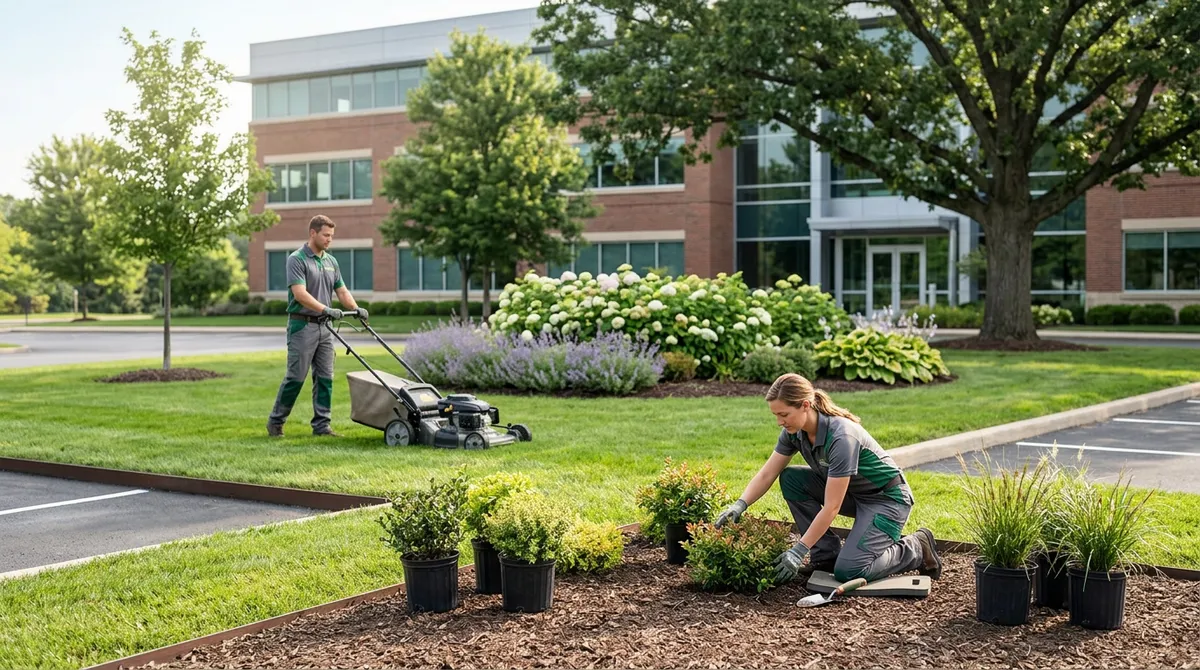
- Commercial lawn maintenance: Routine care like mowing, edging, fertilizing, and seasonal cleanups to keep your grounds looking sharp year-round.
- Snow removal and winter services: Year-round operations that keep your property safe and functional in all seasons.
- Pest management: Integrated pest management programs that protect plants without heavy chemical use.
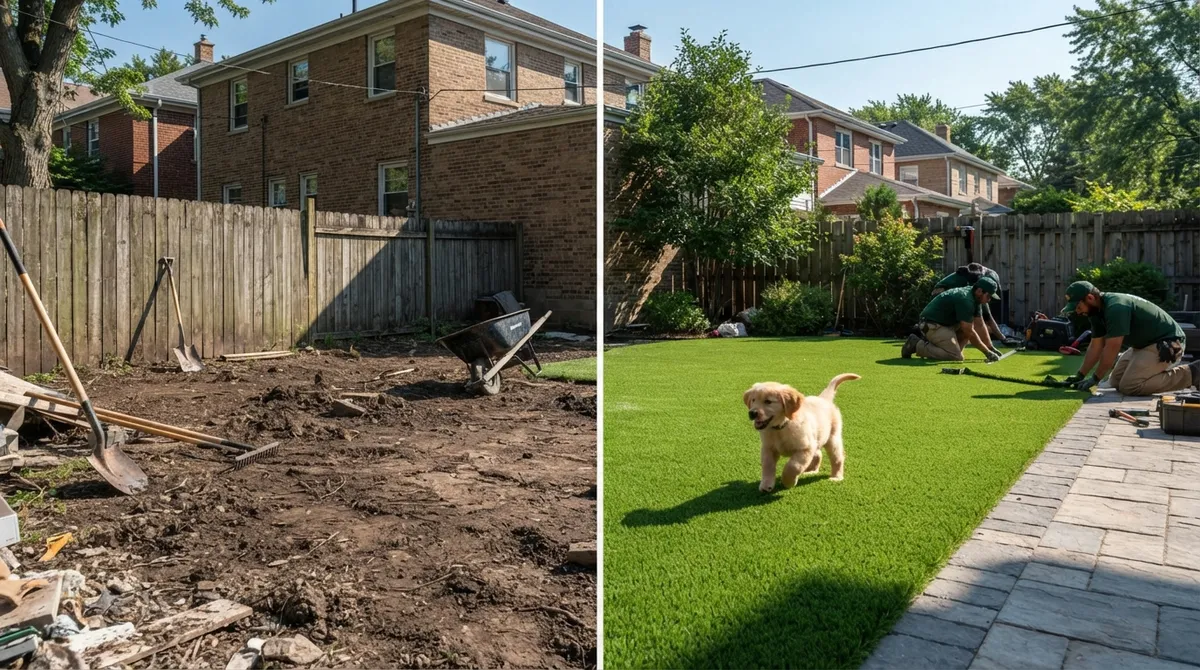
The commercial landscaping products market was valued at $15 billion in 2025 and is projected to grow at a 5% CAGR, reaching $23 billion by 2033. This growth reflects just how much businesses are investing in their outdoor environments. For a closer look at what a full-service provider can deliver, explore the gallery of our work to see real commercial and residential transformations.
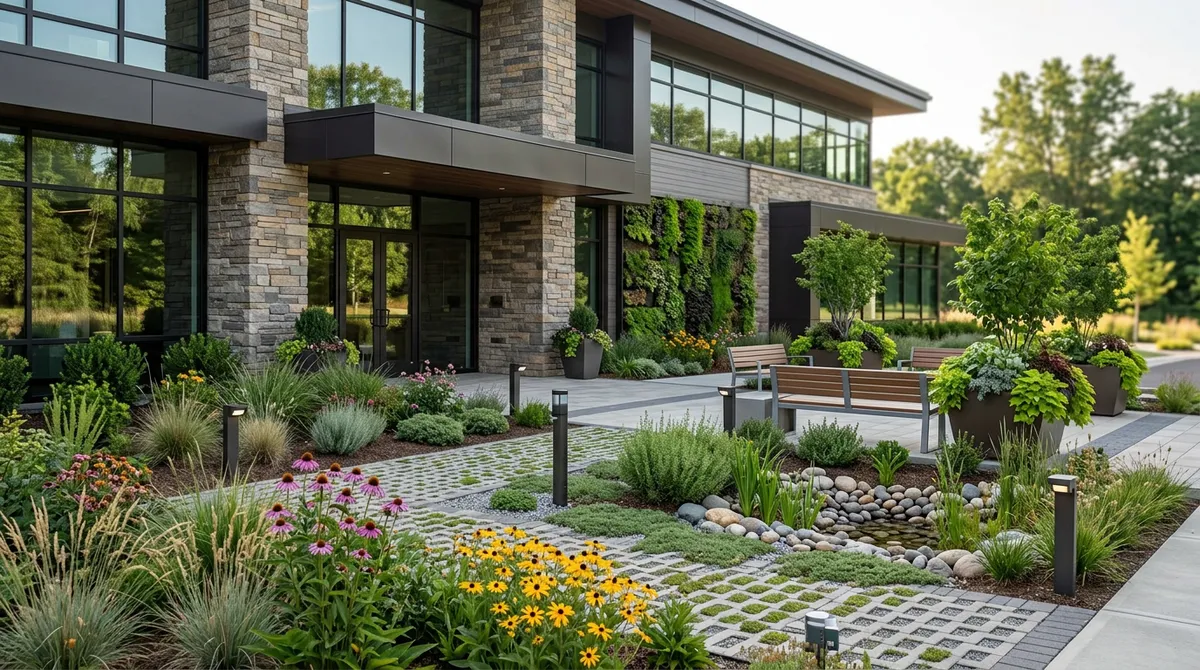
Key Trends Shaping Commercial Landscaping in 2026
The landscaping industry is evolving fast. Knowing the top trends helps you find a provider who stays ahead of the curve and delivers modern, sustainable solutions.
1. Climate-Resilient and Native Plant Designs
More commercial property managers are requesting native plants and climate-resilient designs. Native plants thrive in local conditions, need less water, and support local ecosystems. For Chicago-area properties, this means selecting species that handle cold winters and hot summers without constant care.
2. Sustainable and Eco-Friendly Practices
Sustainability is no longer optional for commercial clients. Top providers now use electric equipment, reduce chemical inputs, and design landscapes that manage stormwater naturally. Organizations like Landscape Illinois actively promote green standards across the state’s landscaping industry.
3. Smart Irrigation and Technology
AI-powered tools and smart irrigation systems are becoming standard. These systems monitor weather data and soil moisture to water only when needed. The result? Healthier plants and lower utility bills for your property.
4. Year-Round Service Models
Leading commercial landscaping companies now offer year-round services. From spring plantings to summer maintenance, fall cleanups, and winter snow removal, a single provider handles it all. This stabilizes costs and ensures continuity across seasons.
5. Biophilic Design for Employee and Customer Wellness
Businesses are discovering that green, inviting outdoor spaces make employees happier and customers more likely to return. Biophilic design — which connects people to nature — is driving new investments in outdoor seating areas, living walls, and planted walkways.
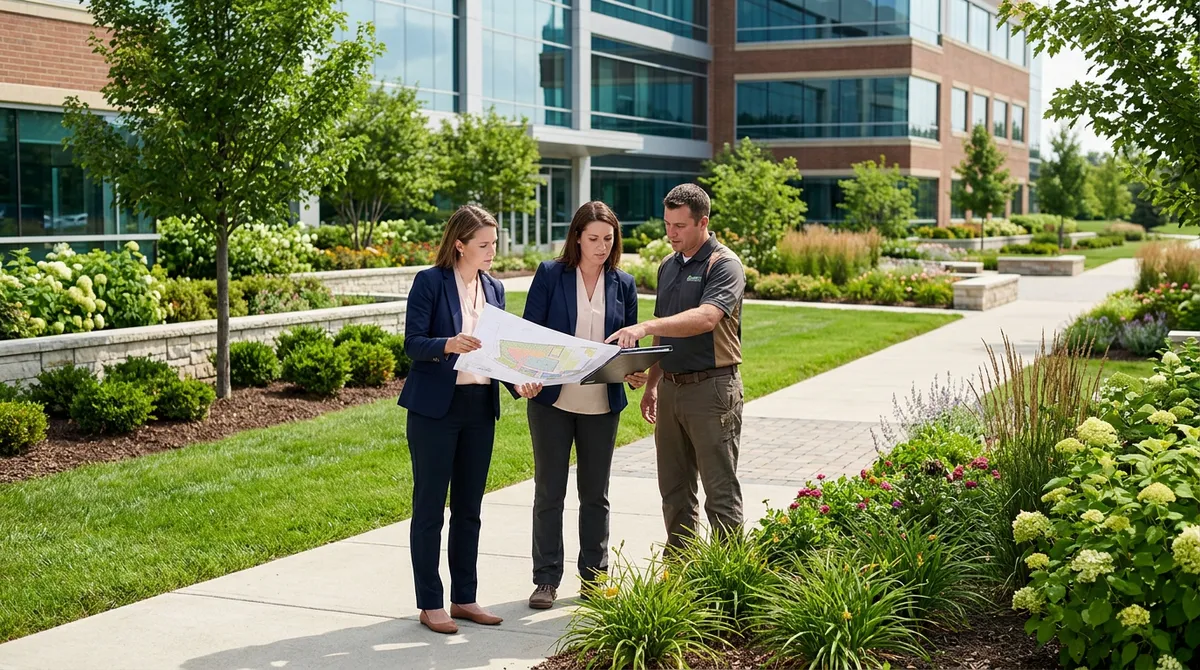
How to Choose the Right Commercial Landscaping Provider: A Step-by-Step Guide
Choosing the right company is the most important decision you’ll make for your property’s outdoor spaces. Follow these steps to find a provider you can trust.
Step 1: Define Your Goals and Budget
Start by getting clear on what you need. Are you looking for a full landscape redesign, or do you primarily need ongoing maintenance? Knowing your goals upfront helps you ask the right questions and compare providers fairly.
Consider these questions before reaching out:
- What specific services do you need (design, installation, maintenance, or all three)?
- How often do you want the grounds serviced?
- Do you have sustainability or environmental goals?
- What is your annual landscaping budget?
Step 2: Check Credentials and Experience
Always verify that a potential provider is properly licensed, insured, and experienced in commercial work. Commercial properties have unique requirements — high foot traffic, ADA compliance, stormwater management — that not every residential landscaper is equipped to handle.
Look for these credentials:
- State contractor licensing
- General liability and workers’ compensation insurance
- Certifications from recognized industry bodies (such as an ICPI Certified Installer for hardscaping work)
- Verifiable portfolio of commercial projects
- Positive reviews and client references
Step 3: Evaluate the Range of Services Offered
The best commercial landscaping services are comprehensive. Working with a single provider who handles everything — from design and installation to ongoing care — saves you time and ensures a consistent look across your property.
Here’s a quick comparison to help you evaluate providers:
| Service Category | What to Look For | Why It Matters |
|---|---|---|
| Design & Planning | Custom plans, 3D renderings, site analysis | Ensures your vision is realized properly |
| Hardscaping | Pavers, walls, walkways, patios | Adds structure and durability to your space |
| Softscaping | Native plants, seasonal color, turf | Keeps the space attractive and eco-friendly |
| Maintenance | Regular mowing, fertilizing, pruning | Protects your investment year-round |
| Irrigation & Lighting | Smart systems, energy-efficient fixtures | Reduces costs and improves aesthetics |
| Snow & Winter Services | De-icing, snow plowing, winter cleanups | Keeps your property safe in cold months |
Step 4: Review Their Process and Communication Style
Great landscaping companies have a clear, structured process. They consult with you, present a plan, handle installation professionally, and follow up to make sure you’re happy. Ask potential providers how they communicate, how often they check in, and who your point of contact will be. Learn more about what a thoughtful, client-focused approach looks like by visiting the Serenity Landscape Group process page.
Step 5: Ask for References and Review Their Portfolio
Never hire a commercial landscaping company without seeing their past work. Ask for photos of completed commercial projects and references from similar clients. A reputable company will be proud to share these.
Step 6: Get Detailed, Written Proposals
Always get proposals in writing. A good commercial landscaping proposal should include:
- A detailed scope of work with all services listed
- A clear timeline for project phases
- Itemized pricing (design, materials, labor, maintenance)
- Warranty or guarantee information
- Terms for ongoing service agreements
Comparing written proposals side by side makes it much easier to evaluate true value rather than just price.
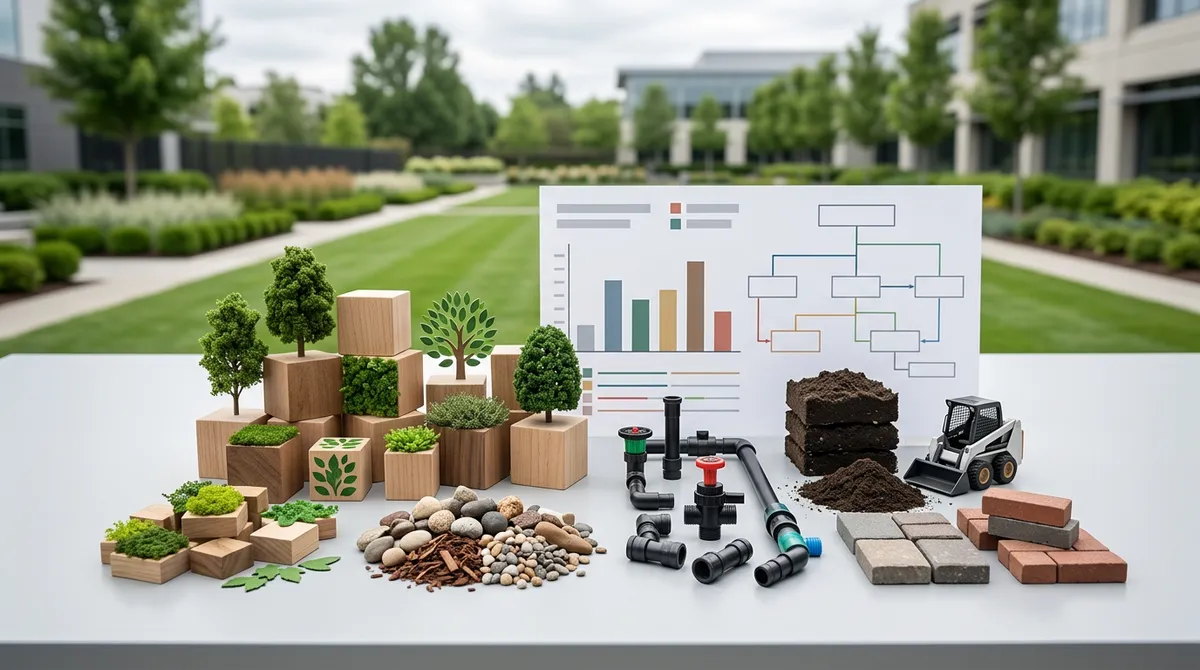
Commercial Landscaping Cost Factors: What to Expect
One of the most common questions property managers ask is: “How much do commercial landscaping services cost?” The answer depends on several factors. Here’s what drives pricing:
- Property size: Larger properties require more labor, materials, and time.
- Scope of work: Full design-and-install projects cost more than routine maintenance contracts.
- Plant and material selection: Native plants and premium hardscaping materials affect budgets differently.
- Service frequency: Weekly maintenance contracts differ significantly from monthly visits.
- Geographic location: In the Chicago metro area, seasonal demands like snow removal add to annual costs.
- Technology integration: Smart irrigation and lighting systems require upfront investment but reduce long-term costs.
It’s worth noting that the U.S. landscaping services industry generated nearly $200 billion in annual revenue in 2026, with commercial demand driving a 5.7% CAGR. This growth reflects real business value — when you invest in professional commercial landscaping, you’re protecting and growing your property’s worth.
Why Chicago-Area Businesses Need a Local Expert
Chicago’s climate presents unique challenges for commercial landscapes. Harsh winters, clay-heavy soils, and temperature extremes demand a landscaping partner who truly understands the local environment. A provider based in the greater Chicago metro area will know which plants survive the winter, how to manage ice and snow efficiently, and how to design for curb appeal across all four seasons.
At Serenity Landscape Group, we’ve spent over two decades designing and maintaining commercial and residential landscapes across Chicagoland. Our team understands local soil conditions, seasonal demands, and what it takes to keep commercial properties looking their best year-round. From commercial lawn maintenance to full hardscape installations, we bring every project together with a single, cohesive plan.
Common Mistakes to Avoid When Hiring a Commercial Landscaper
Even with the best intentions, property managers sometimes make avoidable mistakes when choosing commercial landscaping services. Here are the top pitfalls to watch out for:
- Choosing based on price alone: The lowest bid isn’t always the best value. Look at the full scope of services and quality of materials.
- Skipping the contract review: Always read service agreements carefully. Make sure maintenance schedules, seasonal services, and response times are clearly defined.
- Ignoring sustainability: Overlooking eco-friendly options can result in higher water and chemical costs over time.
- Hiring without verifying insurance: An uninsured contractor puts your property and your business at risk.
- Neglecting ongoing maintenance: A stunning install loses its impact quickly without regular, professional upkeep.
Making the Most of Your Commercial Landscape Investment
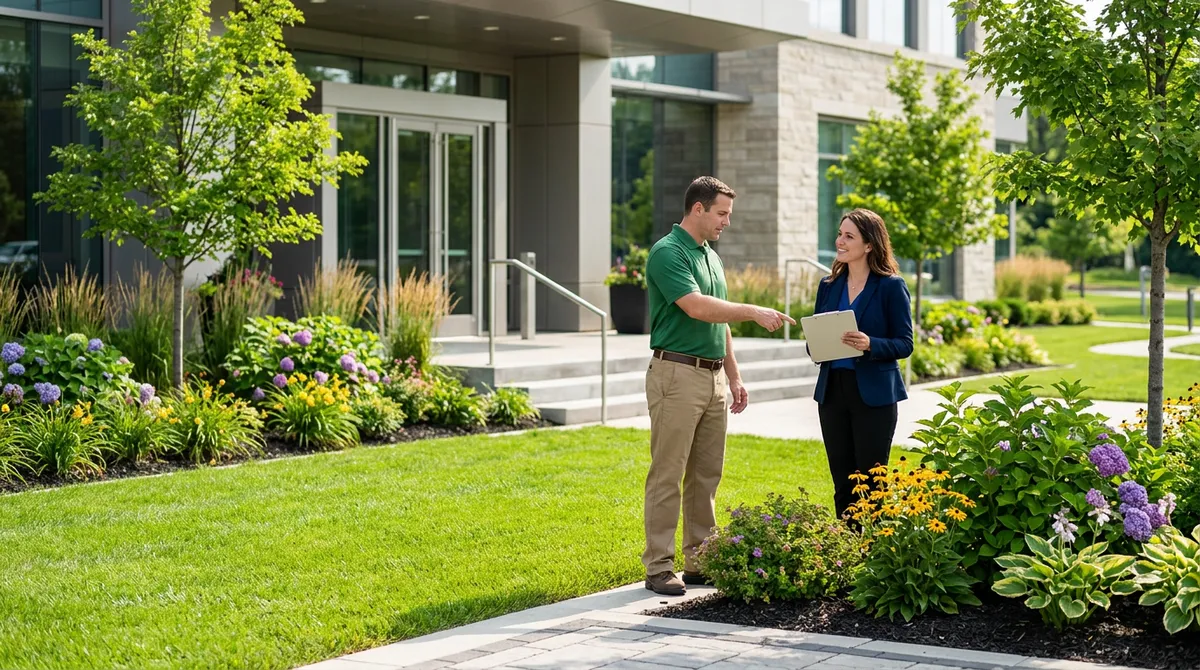
Once you’ve chosen your commercial landscaping services provider, a few practices help you get the most from your investment. Stay in regular communication with your landscape manager. Schedule seasonal walkthroughs to review the property together. Be open to recommendations for updates as plants mature or conditions change.
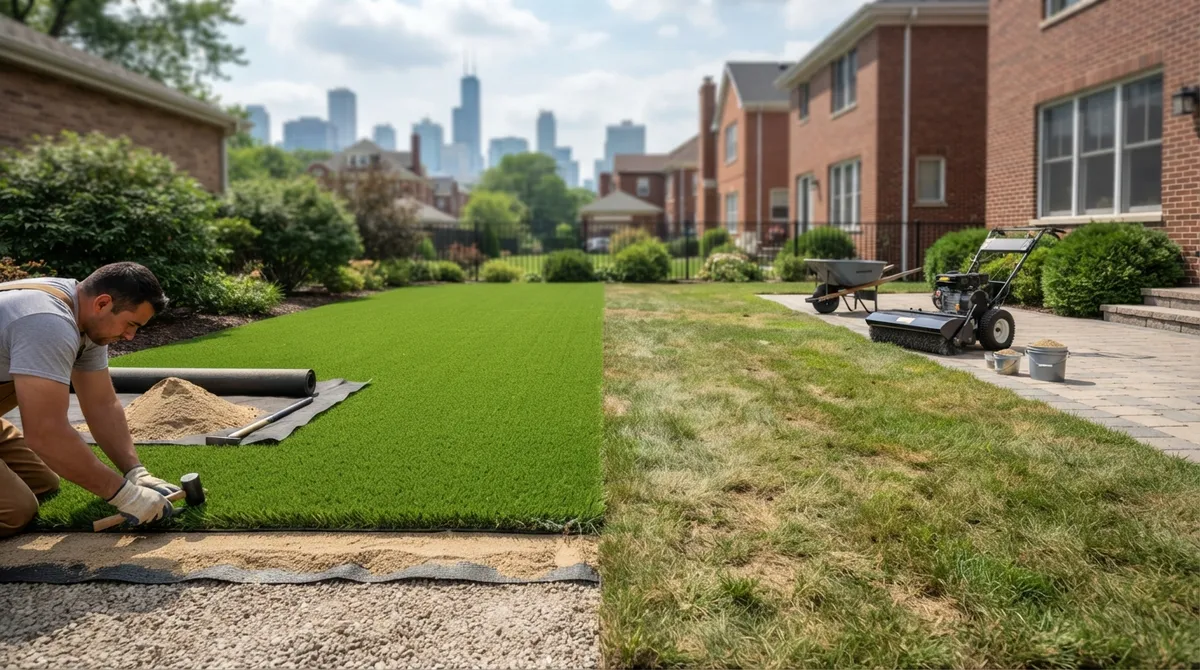
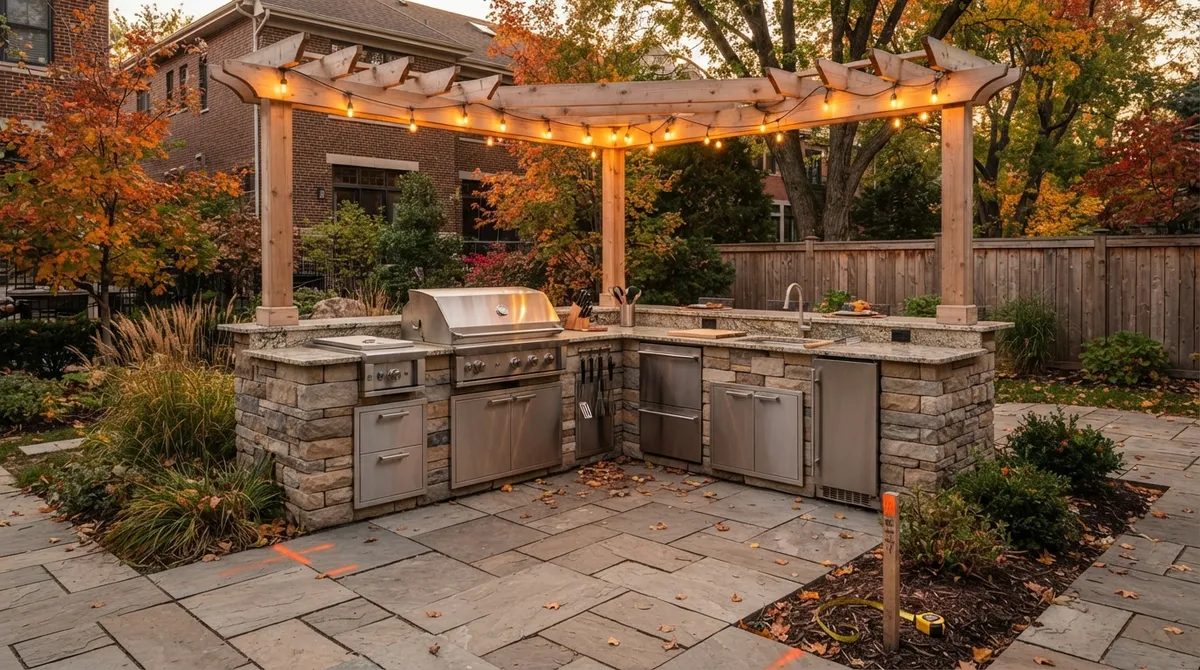
Consider adding features that boost both function and aesthetics, like pergolas and pavilions for outdoor meeting or dining spaces, or artificial turf installation for low-maintenance green areas that stay beautiful even in high-traffic zones. Thoughtful additions like these can transform your commercial property into a destination — not just a building.
If you’re planning hardscaping elements, explore how pavers transform outdoor spaces with style and durability or learn about walkway paver design for creating beautiful outdoor pathways that guide visitors through your property with ease and elegance.
Ready to Elevate Your Commercial Property?
Choosing the right commercial landscaping services doesn’t have to be overwhelming. When you know what to look for, ask the right questions, and partner with an experienced local team, the results can be transformational. A well-designed, professionally maintained commercial landscape increases curb appeal, supports sustainability goals, and creates outdoor spaces that impress clients, tenants, and visitors every single day.
If you’re ready to take the next step for your Chicago-area commercial property, we’d love to talk. Request your free estimate today and let’s create an outdoor space your business will be proud of for years to come. You’re also welcome to call us directly at (630) 359-5139 — our friendly team is always happy to answer your questions and help you get started.
FAQs
Q: What is included in commercial landscaping services?
A: Commercial landscaping services typically include softscaping (plants, turf, trees), hardscaping (pavers, retaining walls, walkways), irrigation, outdoor lighting, lawn maintenance, and seasonal services like snow removal. A full-service provider handles all of these under one roof, making property management much easier and more consistent!
Q: How much do commercial landscaping services cost in the Chicago area?
A: Costs vary widely based on property size, scope of work, and service frequency. Routine maintenance contracts differ from full design-and-install projects, and Chicago’s seasonal needs — including snow removal — add to annual budgets. The best way to get an accurate number is to request a free, itemized estimate from a local provider who can assess your specific property.
Q: How do I find a reliable commercial landscaping company near me?
A: Look for a licensed, insured company with verifiable experience in commercial properties similar to yours. Ask for references, review their portfolio, and make sure they offer a written proposal with a clear scope of work. Local expertise matters too — a Chicago-area company will understand regional plants, soil, and seasonal demands far better than a generalist provider.
Q: What are the top commercial landscaping trends for 2026?
A: In 2026, the biggest trends include climate-resilient designs using native plants, sustainable practices like integrated pest management and electric equipment, smart irrigation systems, year-round service models, and biophilic design that connects building occupants with nature. These trends help businesses save money, reduce environmental impact, and create more inviting outdoor spaces.
Q: Why is ongoing maintenance important after a commercial landscape installation?
A: Even the most beautiful landscape installation will fade without regular care. Ongoing maintenance — including mowing, pruning, fertilizing, and seasonal cleanups — protects your investment and keeps your property looking its best every day of the year. Think of it like a great haircut: it looks amazing right away, but regular upkeep is what keeps it sharp!