Key Takeaways
-
Cities report maintenance cost reductions of up to 70% by switching to synthetic grass, eliminating expenses for mowing, fertilizing, reseeding, and pesticide applications.
-
Municipal parks with synthetic turf reduce water usage by up to 80% compared to natural grass, addressing water conservation concerns and lowering utility costs significantly.
-
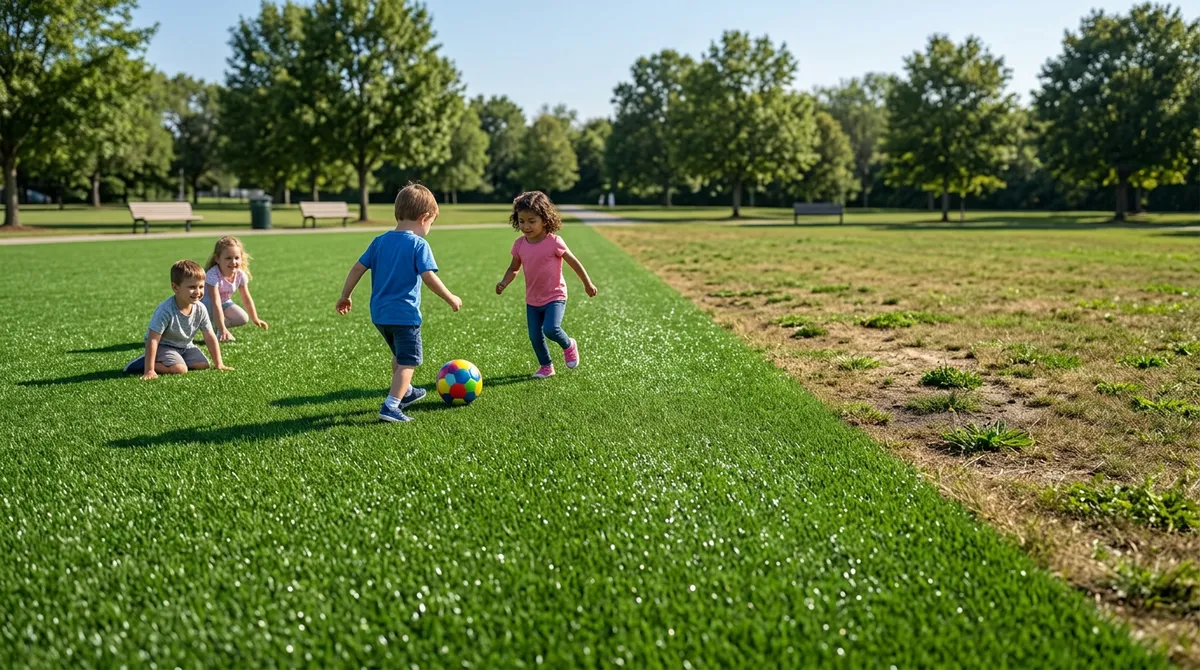
Modern synthetic grass features padded underlayers and soft textures that reduce playground injury risks while eliminating pesticide and fertilizer exposure for children and pets.
-
Synthetic grass maintains year-round green appearance and usability through harsh Chicago winters, eliminating seasonal dormancy, brown patches, and muddy conditions of natural grass.
-
Synthetic turf eliminates chemical pesticide runoff into groundwater, creates safer environments for wildlife, and requires no fuel emissions from mowing equipment.
-
Maintenance requires only periodic brushing, debris removal, occasional rinsing, and routine inspections—significantly less effort than natural grass care.
Walk through any public park in the Chicago area and you might notice something different these days. The grass looks greener, lusher, and somehow perfect — even after a rainy week or a big community event. Chances are, you’re looking at municipal park synthetic grass. And honestly? It’s changing the game for public spaces everywhere.
Cities and towns are making the switch for good reasons. Budgets are tight, water conservation is a priority, and communities want parks that look great year-round. Synthetic grass checks all those boxes — and then some. Whether you manage a public park, own a commercial property, or simply want to understand the trend, this guide breaks it all down in plain, simple terms.
At Serenity Landscape Group, we’ve seen firsthand how artificial turf transforms public and commercial outdoor spaces across Chicagoland. Let’s explore why this smart solution is taking off — and what it means for your outdoor space.
What Is Municipal Park Synthetic Grass?
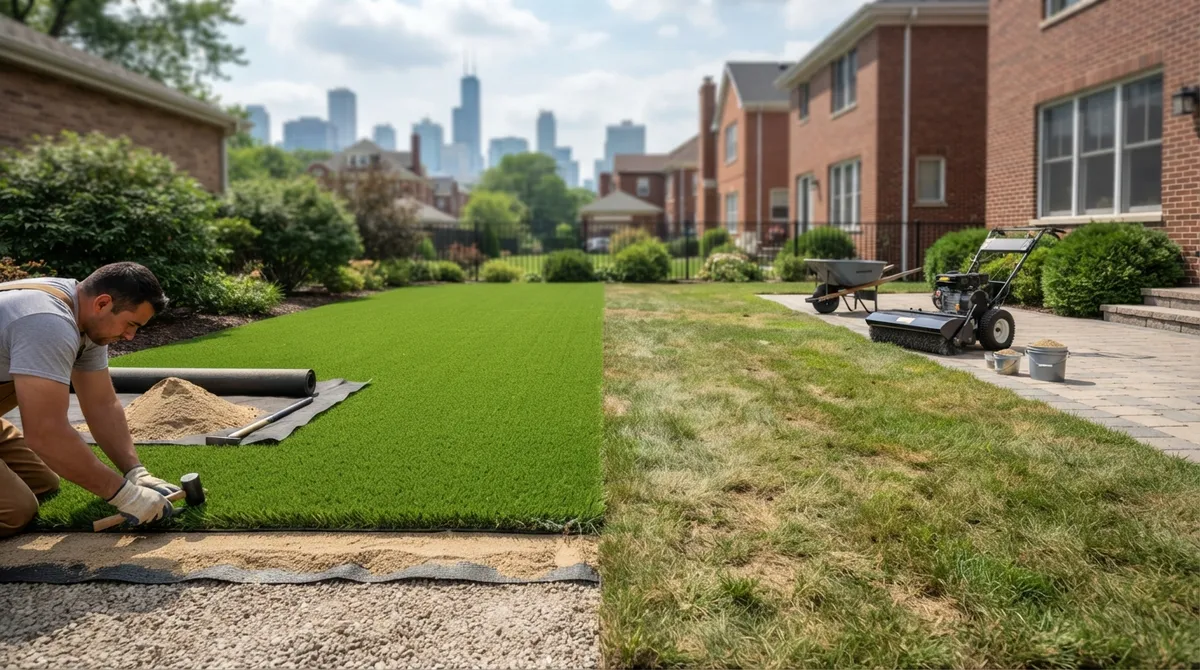
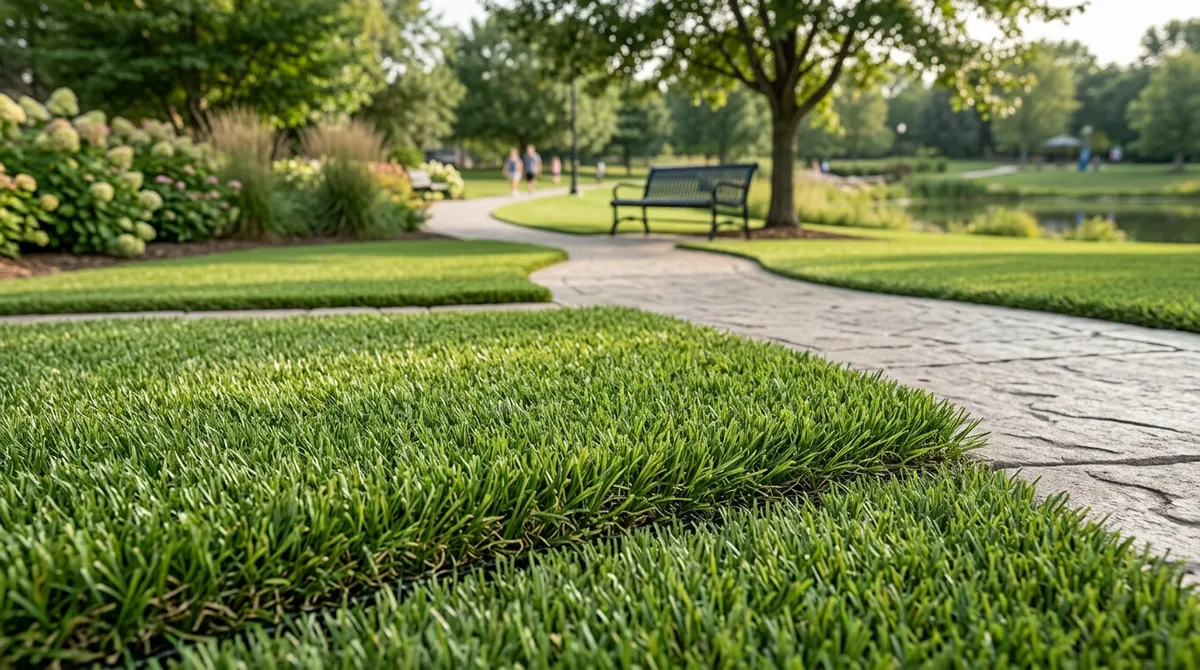
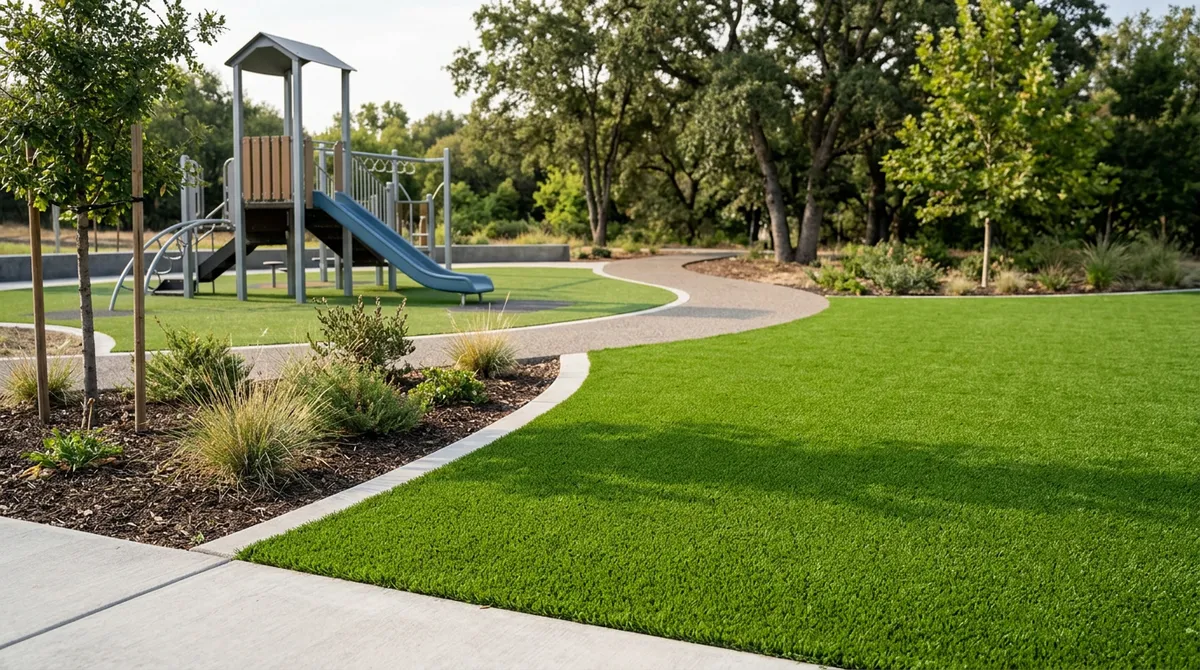
Municipal park synthetic grass is artificial turf installed in public outdoor spaces like parks, playgrounds, and recreational fields. It looks and feels like real grass but is made from durable synthetic fibers. These fibers are designed to hold up under heavy foot traffic, harsh weather, and constant use.
Modern synthetic turf is a far cry from the stiff, plastic-looking carpet of decades past. Today’s products are soft, realistic, and built to last. They drain quickly, resist UV fading, and can even be designed to meet safety standards for playgrounds and sports areas.
You can learn more about how professional artificial turf installation works and what makes it such a practical choice for both public and private spaces.
Why Are So Many Municipalities Making the Switch?
The short answer is: it saves time, money, and resources. But let’s dig into the real reasons cities are choosing synthetic grass for their parks and public areas.
1. Massive Cost Savings Over Time
Maintaining natural grass is expensive. Mowing, watering, fertilizing, reseeding — it all adds up fast. Cities implementing synthetic turf in public areas report maintenance cost reductions of up to 70%. That’s a significant chunk of any parks and recreation budget freed up for other community needs.
Here’s a quick look at how costs compare:
| Maintenance Task | Natural Grass | Synthetic Grass |
|---|---|---|
| Mowing | Weekly (seasonal) | Not required |
| Watering | Regular irrigation needed | Minimal (only for cooling) |
| Fertilizing | 2-4 times per year | Not required |
| Pesticide Applications | 2-4 times per year | None needed |
| Reseeding/Patching | Frequently in high-traffic areas | Not required |
2. Water Conservation Is a Big Win
Water usage is a growing concern for cities everywhere — including right here in Illinois. Municipal parks using artificial turf can reduce water usage by up to 80%. That’s a massive environmental and financial benefit rolled into one.
To put it in perspective, outdoor water usage accounts for nearly 30% of residential water consumption nationwide. For large public parks, the numbers are even bigger. Switching to synthetic grass means keeping more water where it’s needed most.
Resources like Landscape Illinois highlight the importance of water-smart landscaping practices — and synthetic turf fits right into that mission.
3. Year-Round Beauty and Usability
Chicago winters are no joke. Natural grass goes dormant, turns brown, and often becomes a muddy mess by spring. Synthetic grass stays green and attractive through every season. Communities get to enjoy their parks year-round without worrying about dead patches or muddy playgrounds.
Regardless of weather conditions, municipal park synthetic grass maintains its look and function. Rain, snow, or heavy foot traffic — it handles it all with ease.
Key Benefits of Synthetic Grass for Public Parks
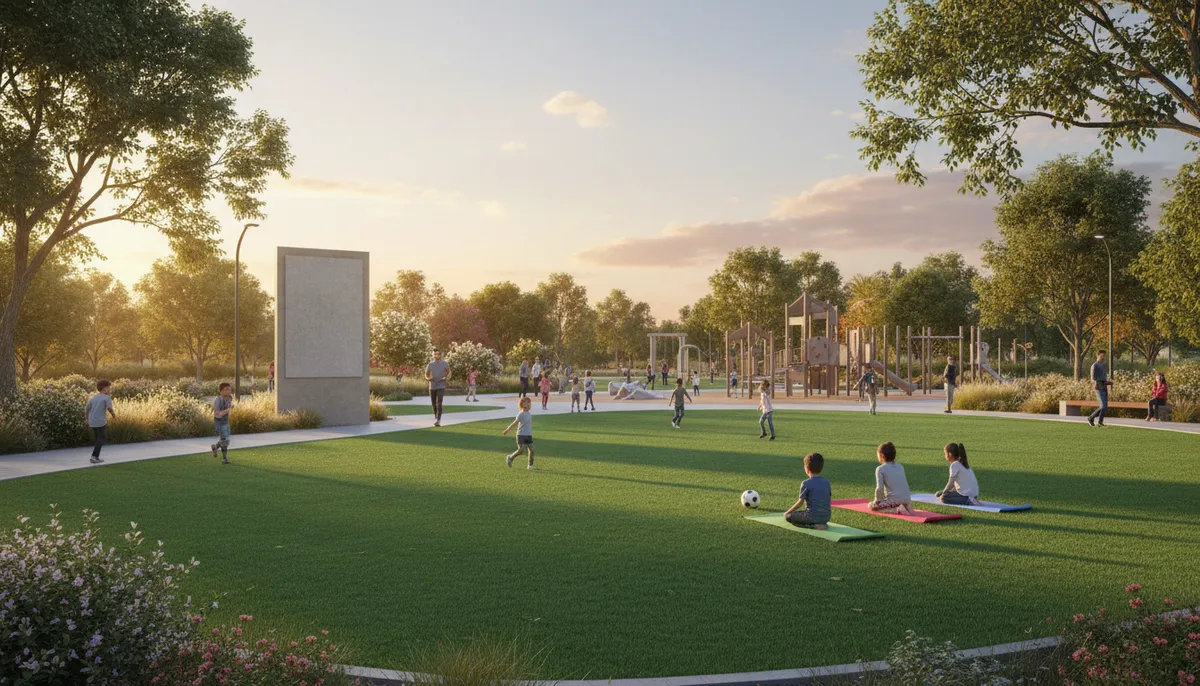
Let’s break down the top reasons synthetic grass is a smart investment for any public or commercial outdoor space.
- Durability: Synthetic turf withstands heavy foot traffic without developing bare spots or muddy patches
- Safety: Padded underlayers reduce injury risk in playgrounds and sports areas
- Low maintenance: No mowing, fertilizing, or reseeding required
- Water efficiency: Reduces water usage by up to 80% compared to natural grass
- Chemical-free: Eliminates the need for pesticides and fertilizers
- Year-round appeal: Stays green and functional in all seasons
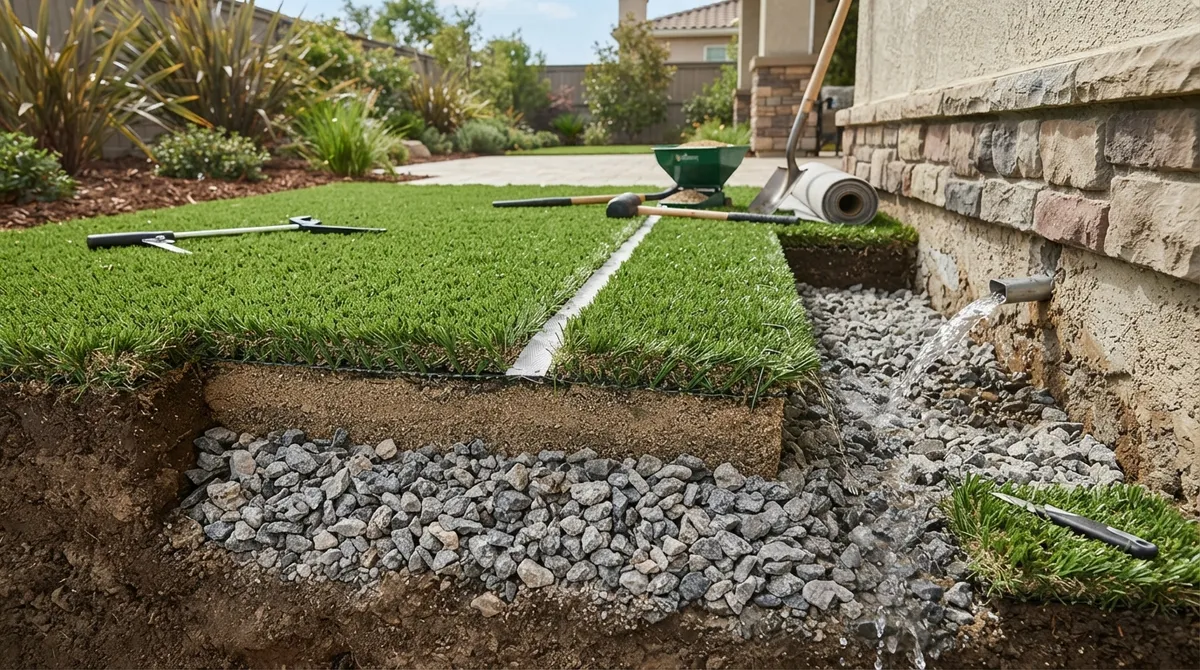
- Excellent drainage: Modern turf drains up to 30 inches of water per hour per square yard
Synthetic Grass and Environmental Benefits
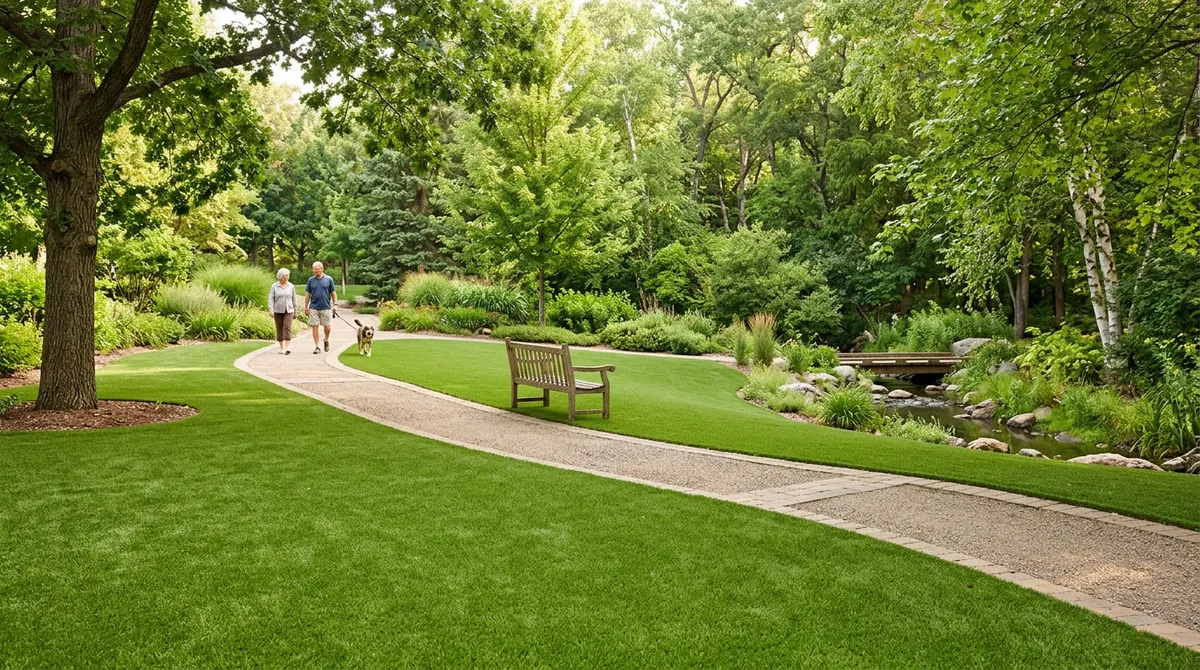
One of the biggest misconceptions about artificial turf is that it’s bad for the environment. In reality, it offers some impressive green benefits — especially in urban settings.
Natural lawns typically require 2-4 pesticide applications annually. These chemicals can run off into groundwater and local waterways. Synthetic grass eliminates that risk entirely, creating safer environments for children, pets, and local wildlife.
Here are the core environmental advantages:
- No chemical pesticide or fertilizer runoff into groundwater
- Dramatically reduced water consumption
- No fuel emissions from lawn mowing equipment
- Longer lifespan means less material waste over time
- UV-resistant materials prevent color fading without chemical treatments
Of course, like any product, synthetic turf has a lifecycle. Choosing high-quality materials and professional installation — and working with certified professionals like those recognized by the ICPI Certified Installer program — ensures you get the most out of your investment.
Is Synthetic Grass Safe for Children and Pets?
This is one of the most common questions we hear — and it’s a great one. Safety is always a top priority, especially in public parks where kids are running, playing, and rolling around on the ground.
The good news is that modern municipal park synthetic grass is designed with safety in mind. Here’s what makes it a family-friendly choice:
- Padded underlayers cushion falls and reduce the risk of playground injuries
- Soft blade textures are gentle on skin during play and sports activities
- No toxic chemicals means children and pets aren’t exposed to pesticides or fertilizers
- No allergens from grass pollen, which is great news for allergy sufferers
- Consistent surface eliminates tripping hazards from uneven, worn-out natural grass
For commercial property managers and small business owners thinking about outdoor spaces, synthetic turf offers a low-risk, high-reward option that keeps visitors comfortable and safe. Pair it with thoughtful softscape design for a truly welcoming outdoor environment.
The Installation Process: What to Expect
Wondering what it actually takes to install synthetic grass in a park or commercial space? Here’s a simple overview of the typical process:
- Site assessment: Professionals evaluate the area, soil conditions, and drainage needs
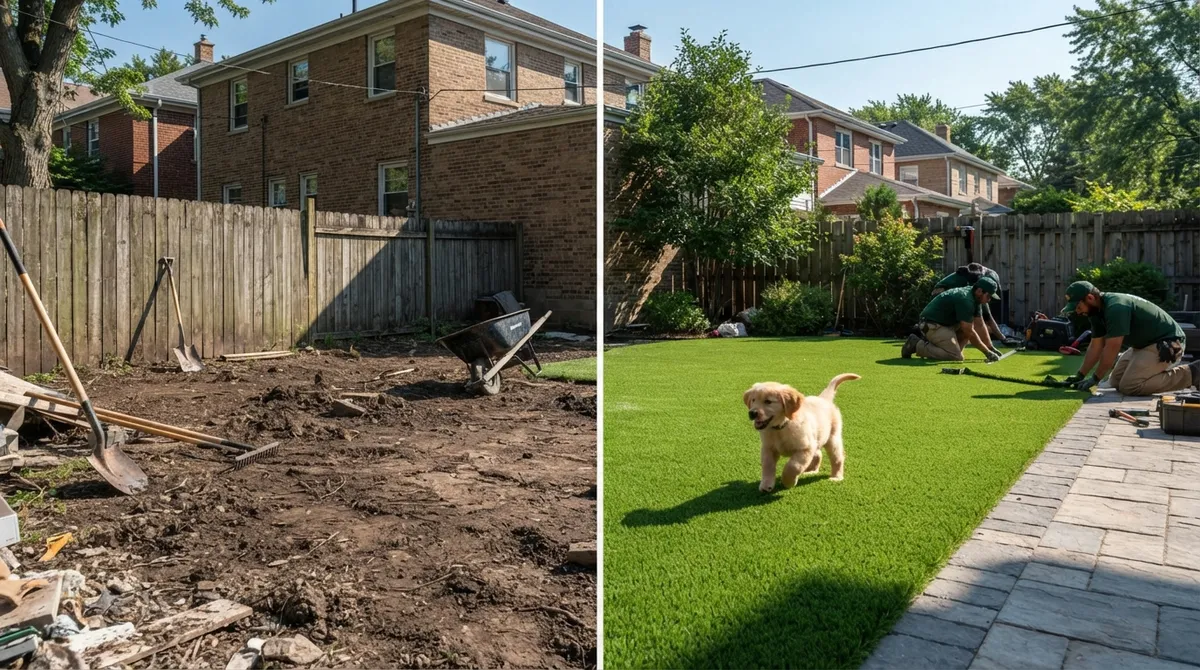
- Ground preparation: Existing grass or debris is removed, and the base is graded for proper drainage
- Base installation: A compacted aggregate base is laid to create a stable, draining foundation
- Turf laying: Synthetic grass rolls are cut and fitted precisely to the space
- Infill application: Sand or rubber infill is added to support the blades and improve softness
- Final grooming: The turf is brushed and inspected to ensure a natural, clean finish
Working with experienced landscaping professionals ensures every step is done right. You can explore our project process to see how we approach installations from start to finish.
Synthetic Grass vs. Natural Grass: A Side-by-Side Look
Still on the fence? Here’s a straightforward comparison to help you decide what’s right for your space.
| Feature | Natural Grass | Synthetic Grass |
|---|---|---|
| Upfront Cost | Lower | Higher |
| Long-Term Cost | Higher (ongoing maintenance) | Lower (up to 70% savings) |
| Water Usage | High | Up to 80% less |
| Seasonal Appearance | Varies (brown in winter) | Consistent year-round |
| Chemical Use | Regular pesticides/fertilizers | None required |
| Drainage | Varies by soil | Up to 30 in/hr per sq. yard |
| Traffic Tolerance | Develops bare spots | Handles heavy use well |
Who Benefits Most from Municipal Park Synthetic Grass?
While public parks are the obvious fit, the benefits of synthetic grass extend to many different property types and owners.
- Commercial property managers can reduce lawn maintenance costs while keeping outdoor areas looking sharp year-round
- Small business owners with customer-facing outdoor spaces can create inviting, low-maintenance curb appeal
- New home builders can offer synthetic turf as a premium feature that appeals to buyers who want beautiful, easy-care yards
- Suburban homeowners in HOA communities can meet community standards without constant lawn upkeep
- Urban property owners with rooftop decks or compact outdoor areas can create green spaces where natural grass won’t grow
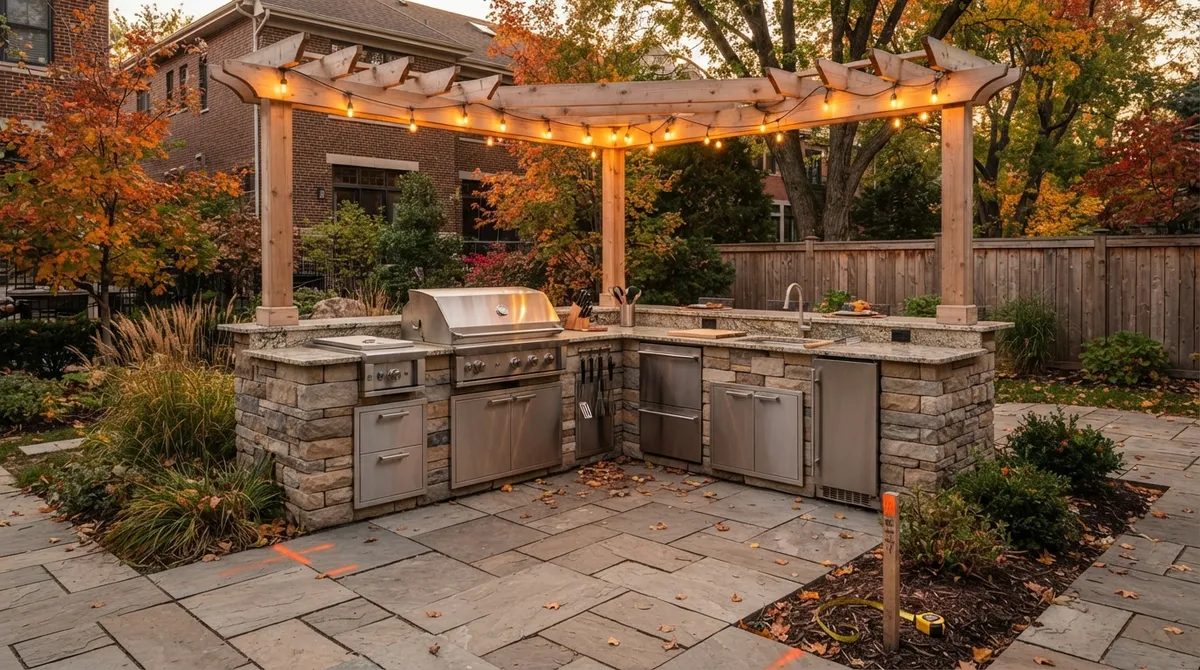
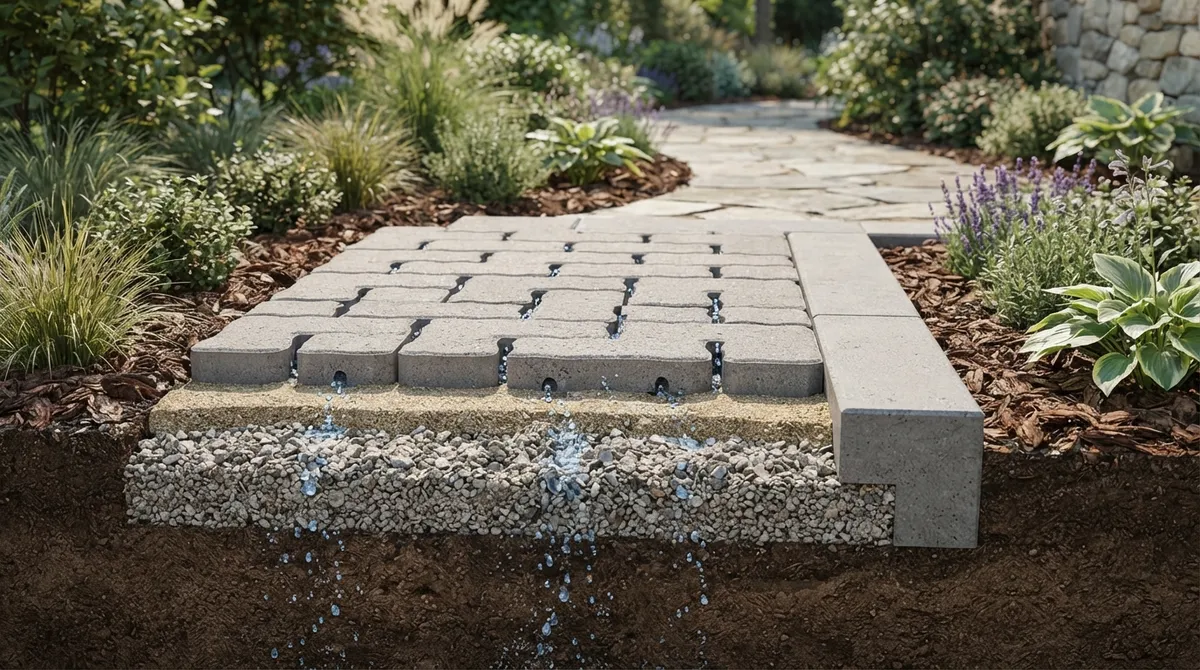
If you manage a commercial property, our commercial lawn maintenance services can complement synthetic turf with a full-service approach to your outdoor space. And don’t forget — a great outdoor space often includes more than just grass. Consider adding pavers, lighting, or even a pergola or pavilion to make your space truly shine.
Maintenance Tips for Synthetic Grass in Public Spaces
One of the best things about synthetic turf is how little maintenance it needs. But “low maintenance” doesn’t mean “no maintenance.” Here’s what’s typically involved in keeping synthetic grass looking its best:
- Regular brushing: Brush the turf blades upright periodically, especially in high-traffic areas
- Debris removal: Remove leaves, trash, and organic material to prevent buildup
- Rinsing: Occasional rinsing helps remove dust and keeps the surface fresh
- Infill top-ups: Over time, infill materials may need to be replenished in heavy-use zones
- Inspection: Periodically check seams and edges to ensure the turf stays secure and safe
Compared to natural grass, that’s a very short and simple to-do list. Browse our gallery of our work to see how stunning well-maintained synthetic turf installations look in real outdoor spaces.
Ready to Transform Your Outdoor Space?
Municipal park synthetic grass is more than a trend — it’s a smart, sustainable solution for any outdoor space that needs to look great and hold up under real-world conditions. From cost savings to environmental benefits to year-round beauty, the case for synthetic turf is genuinely compelling.
Whether you’re a property manager looking to reduce maintenance headaches, a business owner wanting better curb appeal, or a homeowner dreaming of a lush green yard without the work, synthetic grass could be the answer you’re looking for.
Serenity Landscape Group has been helping clients across the greater Chicago area create beautiful, functional outdoor spaces for over two decades. We’d love to help you explore your options and find the right solution for your space. Request your free estimate today and let’s start the conversation — or feel free to call us at (630) 359-5139 to speak with one of our friendly team members directly.
FAQs
Q: How much money can a municipality save by switching to synthetic grass in parks?
A: Cities that install synthetic turf in public parks typically report maintenance cost reductions of up to 70%! That means no more spending on regular mowing, fertilizing, reseeding, or pest control — freeing up significant budget for other community priorities.
Q: How much water does synthetic grass save compared to natural grass?
A: Municipal parks using artificial turf can reduce water usage by up to 80% compared to natural grass — that’s a huge win for both the environment and the water bill! It’s one of the most compelling reasons why water-conscious communities are making the switch.
Q: Is synthetic grass in public parks safe for kids and pets?
A: Absolutely! Modern municipal park synthetic grass is designed with safety as a top priority. It features padded underlayers to cushion falls, soft blade textures that are gentle on skin, and it requires zero pesticides or fertilizers, so there are no harmful chemicals for children or pets to come into contact with.
Q: How does synthetic grass hold up in Chicago’s harsh winter weather?
A: Great news for Chicagoland residents — synthetic grass is built to handle all seasons, including tough Midwest winters! Unlike natural grass that goes dormant, turns brown, and gets muddy, artificial turf stays green, drains well, and looks great year-round no matter what the weather throws at it.
Q: What maintenance does synthetic grass require in a public park setting?
A: The beauty of synthetic grass is that it’s genuinely low maintenance! Basic upkeep includes periodic brushing to keep blades upright, removing leaves and debris, occasional rinsing to keep things fresh, and routine inspections of seams and edges. Compared to natural grass, it’s a much shorter to-do list!