Key Takeaways
-
Modern artificial turf reduces water usage by up to 70% compared to natural grass, saving homeowners over 2,000 liters per square meter annually, which is especially valuable in areas with high water bills.
-
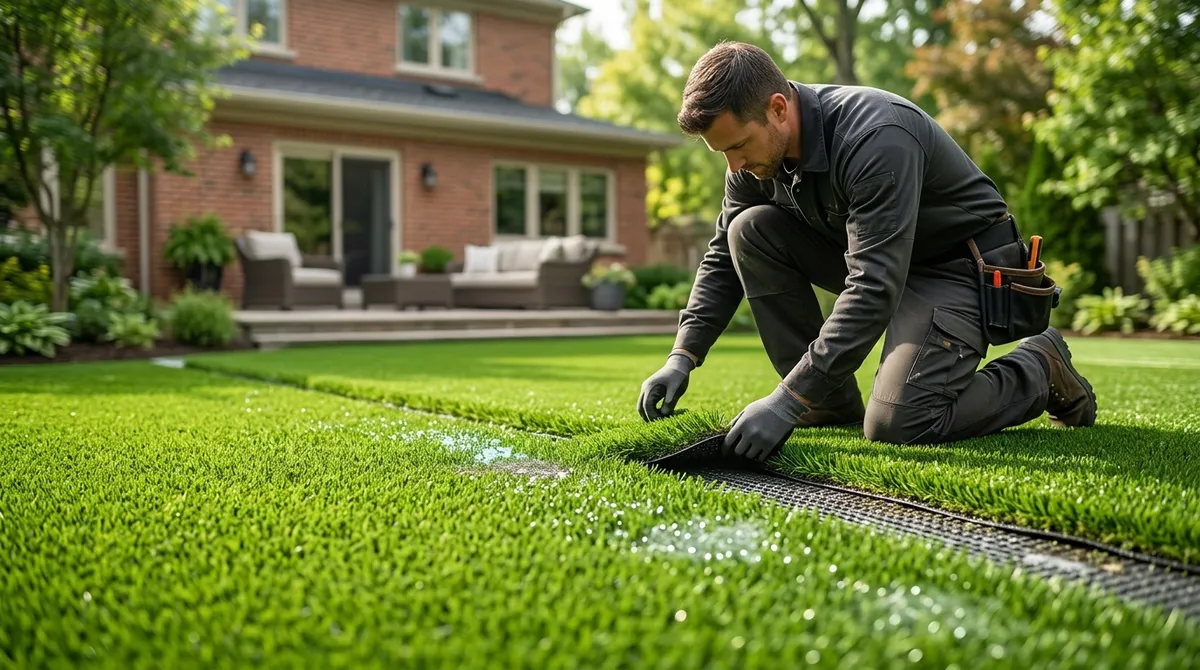
Professional installation is critical—improper drainage, loose seams, or poorly graded bases cause costly problems, so hiring experienced installers familiar with local climate conditions is essential.
-
Different backyard uses require different turf specifications: soft cushioned turf for play areas, antimicrobial fibers with superior drainage for pets, and low-cut firm turf for putting greens.
-
Artificial turf can increase property value by up to 15% while maintaining realistic appearance for 15 years with UV-coated fibers that resist fading and require only basic maintenance like rinsing and brushing.
-
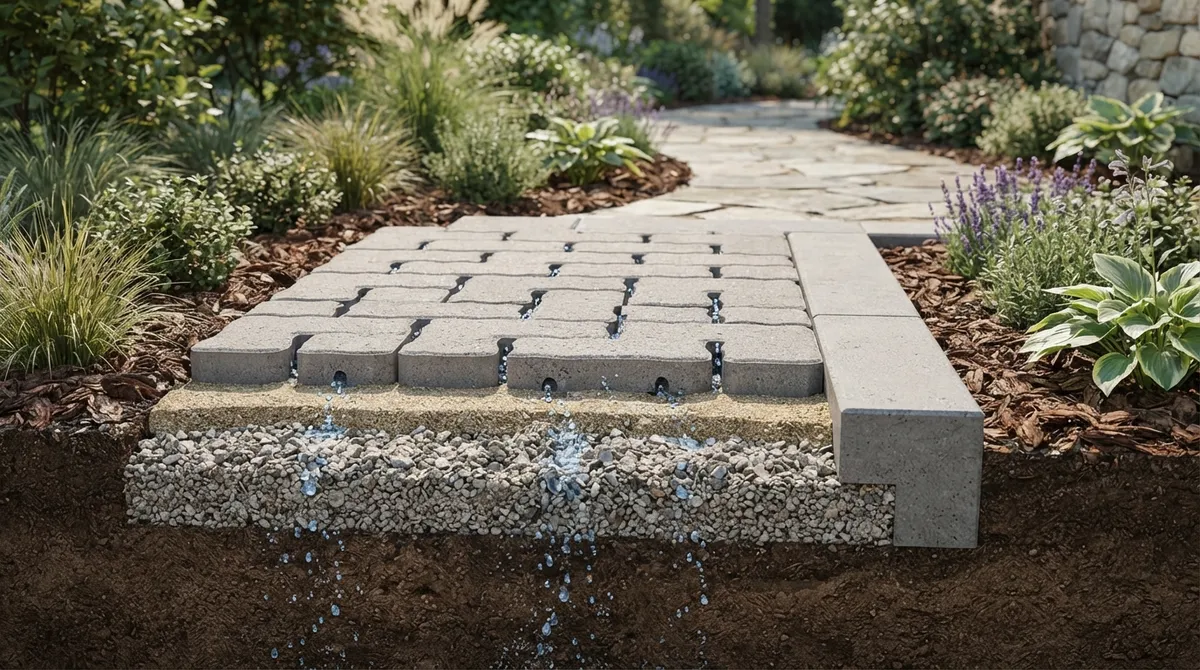
Proper sub-base preparation using compacted aggregate is one of the most critical factors for long-term turf performance and longevity, regardless of whether installing over soil, concrete, or new graded base.
-
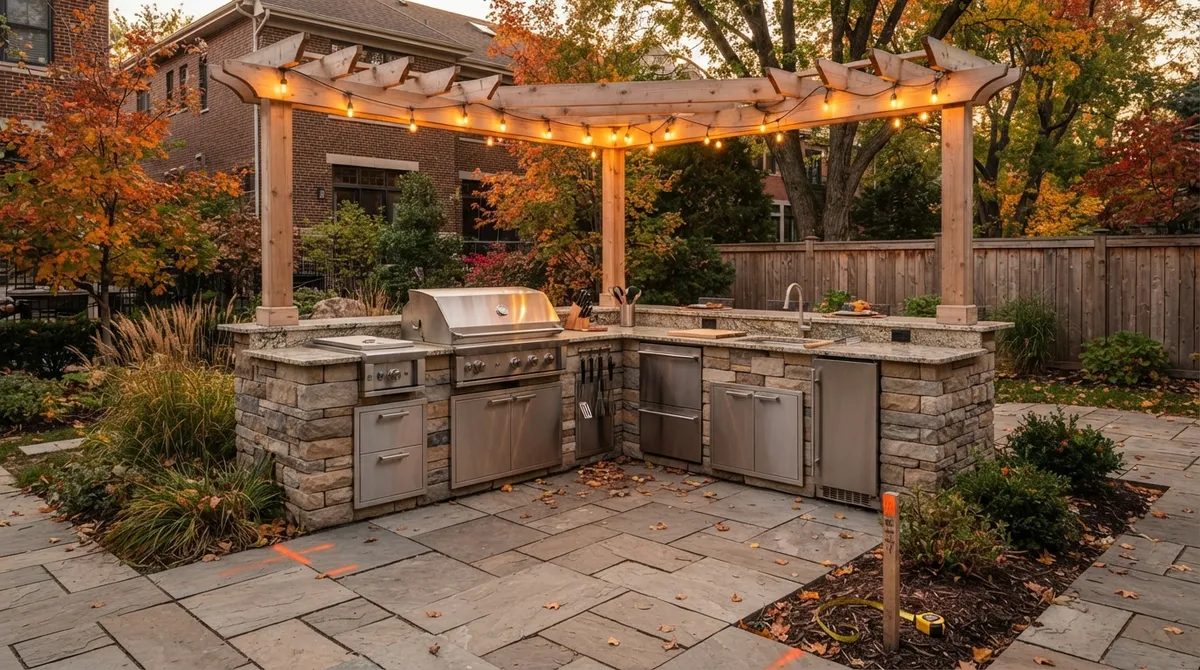
Combine artificial turf with complementary hardscape features like pavers, landscape lighting, retaining walls, and plantings to create a cohesive, stunning outdoor design rather than turf as a standalone element.
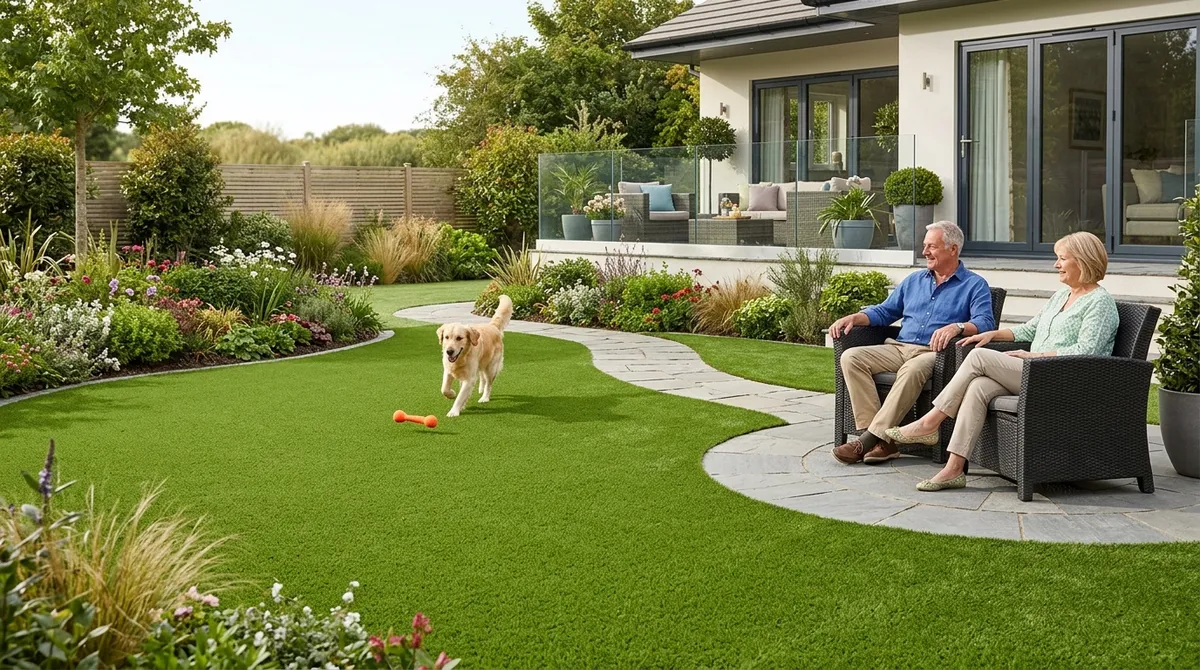
Your backyard deserves to look great all year long. But if you’re tired of mowing, watering, and watching your grass turn brown every summer, it might be time to consider a smarter solution. Artificial turf installation has come a long way in recent years. Today’s synthetic grass looks incredibly realistic, feels soft underfoot, and holds up beautifully through Chicago’s tough winters and hot summers alike.
Whether you’re a suburban homeowner tired of juggling lawn care, a commercial property manager looking to cut maintenance costs, or a new home builder wanting to deliver a polished finished product, artificial turf for backyard spaces is a practical and beautiful choice. In this guide, we’ll walk you through everything you need to know — from picking the right turf to getting it installed the right way. Let’s dig in!
Why Artificial Turf Is Worth Considering in 2026
The numbers tell a pretty convincing story. Modern artificial turf can reduce water usage by up to 70% compared to a conventional lawn, saving homeowners over 2,000 liters per square meter every year. In a city like Chicago, where water bills can creep up during dry summers, that’s a meaningful saving. Beyond cost, artificial turf can also boost your property value by as much as 15% — thanks to consistently lush curb appeal that never takes a day off.
Today’s turf products are engineered with UV-coated fibers that resist fading and maintain their color for up to 15 years. That means you get a gorgeous backyard without the weekly grind of mowing, trimming, or fertilizing. For busy families, small business owners, and property managers alike, that kind of low-maintenance beauty is a real game-changer. For homeowners looking to explore all their outdoor living options, it helps to create a landscape design that transforms your space with a full vision in mind.
Step 1: Understand Your Backyard’s Needs
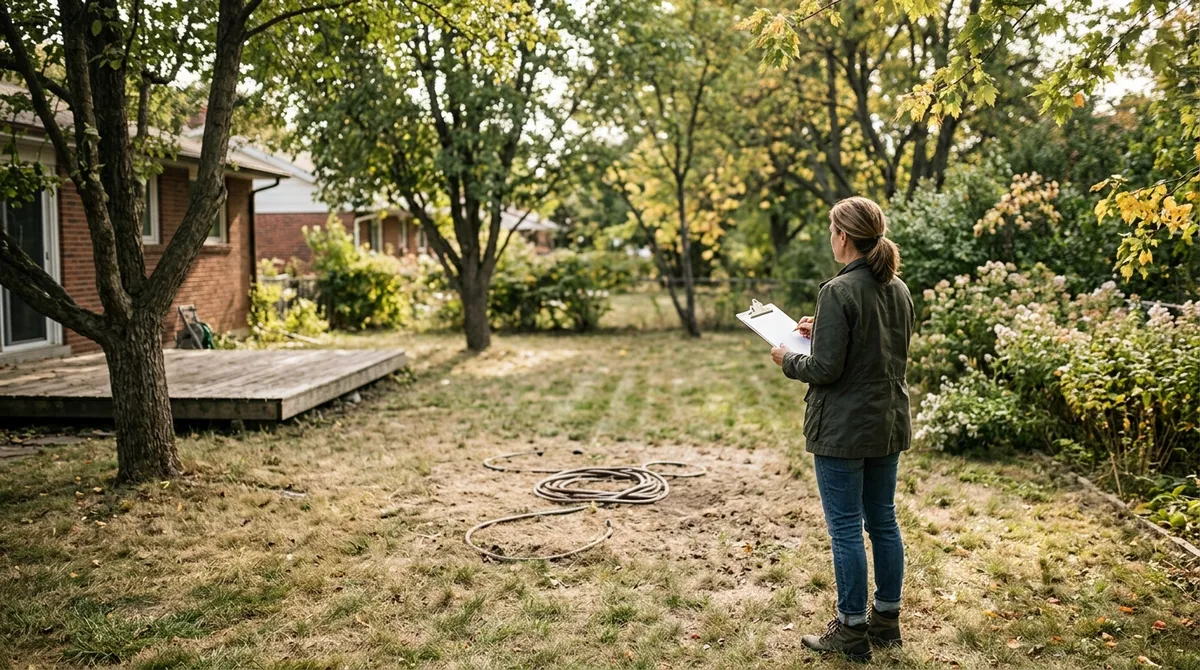
Before you pick a turf product, take a good look at how your backyard is actually used. Different spaces call for different turf specifications. A play area for kids needs something soft and impact-absorbing. A pet-friendly zone requires excellent drainage and easy-clean fibers. A decorative lawn or entertaining area prioritizes aesthetics above all else.
Here are some common backyard use cases for artificial turf:
- Family play areas: Soft, cushioned turf with good shock absorption
- Pet zones: Antimicrobial fibers and superior drainage systems
- Entertaining spaces: High-pile, realistic-looking grass for visual impact
- Putting greens: Low-cut, firm turf with precise ball roll
- Commercial curb appeal: Durable, fade-resistant turf for heavy visual traffic
- Rooftop or small-space installs: Lightweight turf backed for balconies or terraces
Once you know how your space will be used, you can start narrowing down the right product and pile height for your needs.
Step 2: Know Your Turf Options
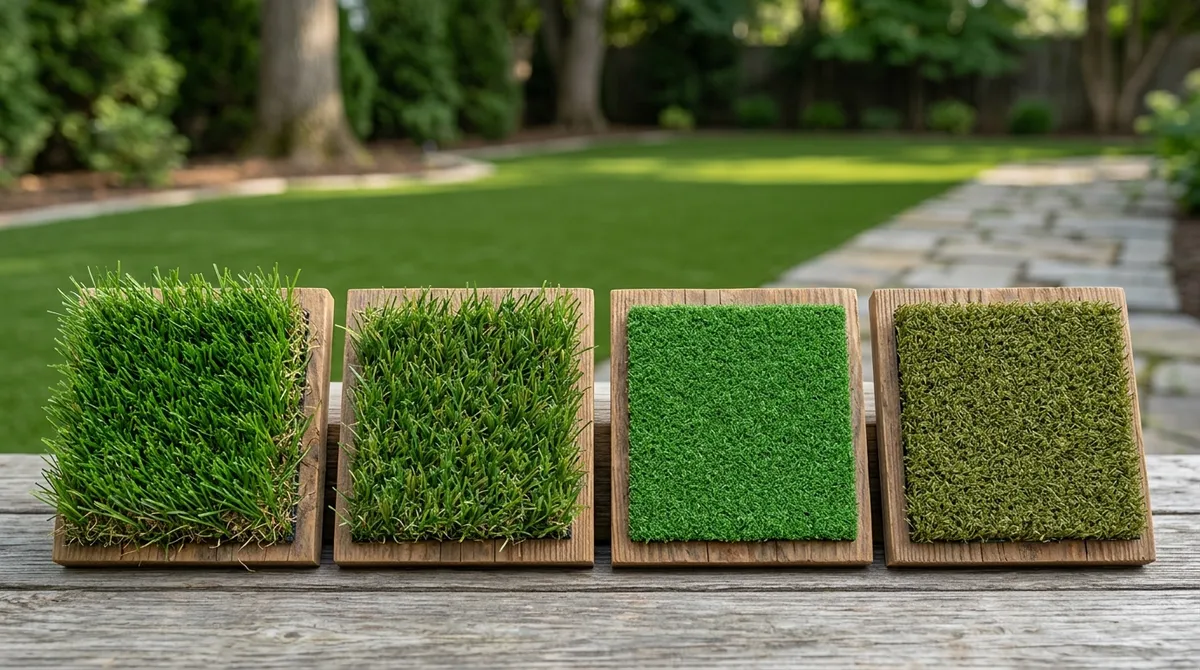
Not all artificial turf is created equal. When shopping for synthetic grass, you’ll encounter a range of products that vary in fiber material, pile height, density, and infill type. Understanding these differences helps you make a smart investment.
Here’s a quick comparison of the most common turf types:
| Turf Type | Pile Height | Best For | Durability |
|---|---|---|---|
| Landscape/Decorative | 1.5″ – 2.5″ | Aesthetic lawns, entertaining areas | High (15 years) |
| Pet-Friendly | 1.25″ – 1.75″ | Dog runs, pet areas | High with antimicrobial treatment |
| Play Area | 2″ – 2.5″ | Kids’ play zones, swing sets | High with impact padding |
| Putting Green | 0.375″ – 0.5″ | Backyard golf greens | Very high |
| Commercial Grade | 1.5″ – 2″ | Business properties, high-traffic areas | Very high |
In 2026, the most popular trend in artificial turf for backyard installations is hyper-realistic design. Think multi-tone color blending, varied blade heights, and natural thatch layers that make synthetic grass nearly indistinguishable from the real thing. You can learn more about what to expect from a professional installation by visiting our project process page.
Step 3: Evaluate Your Installation Surface
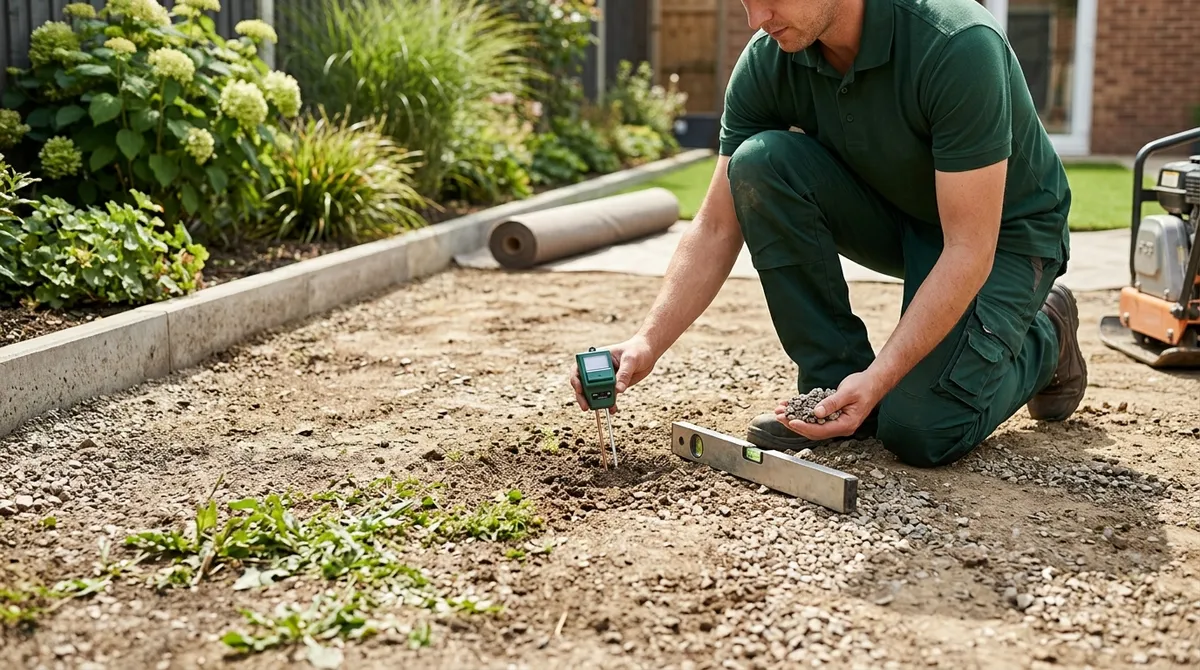
Artificial turf can be installed over several different base surfaces, but each requires a slightly different approach. The right prep work is what separates a long-lasting install from one that starts to buckle or drain poorly within a few years.
Here are the three most common installation surfaces and what to expect:
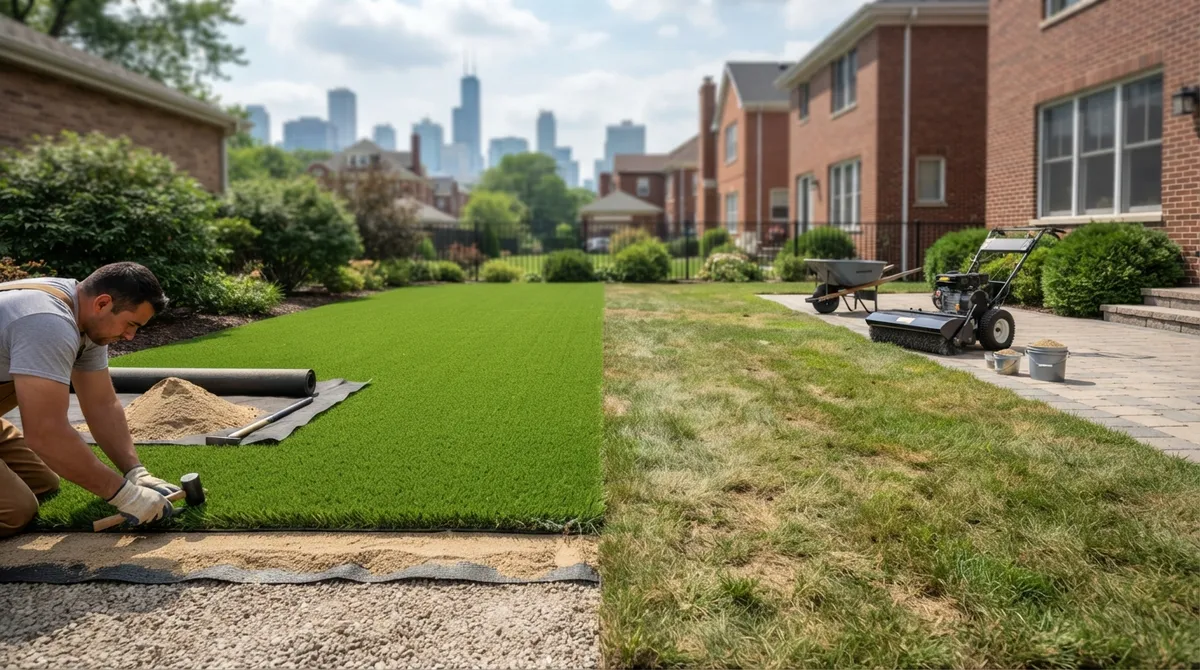
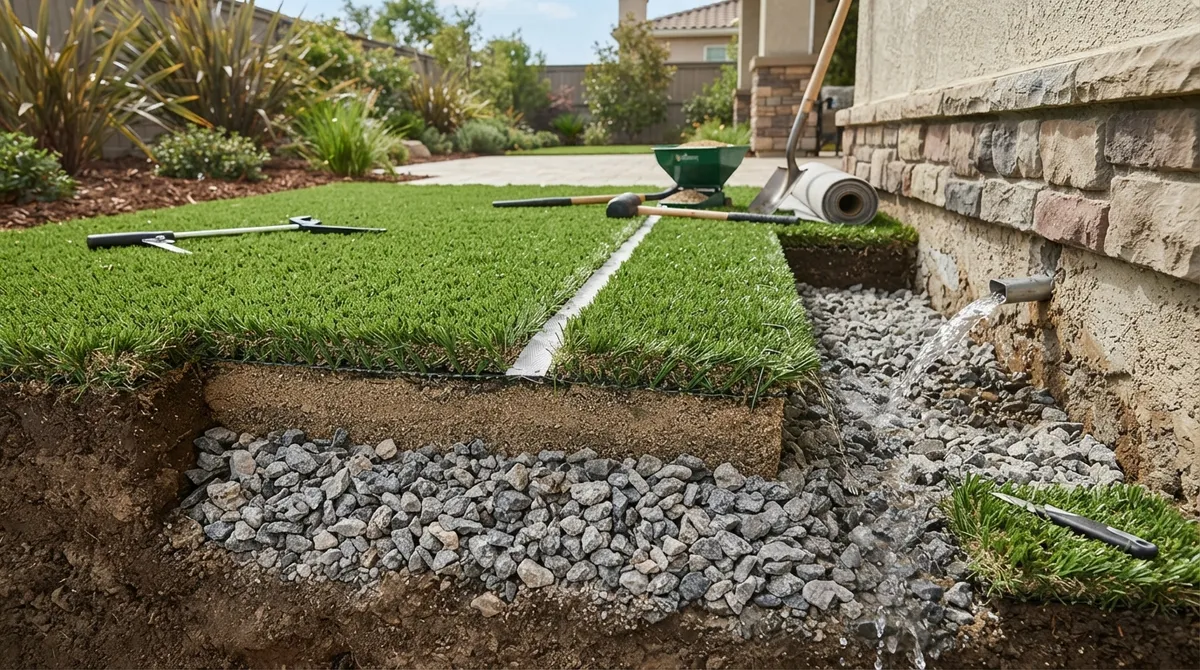
- Over existing soil or grass: The existing lawn is removed, a compacted aggregate base is laid, and proper drainage is established before the turf is installed.
- Over concrete or hardscape: Turf can be glued or adhered directly to a concrete surface. This is popular for patios, rooftops, and pool surrounds. Pavers and turf often work beautifully together in these layouts.
- Over a new graded base: For new construction or major renovations, a fresh crushed aggregate base is installed for optimal drainage and stability.
The Landscape Illinois association recommends proper sub-base preparation as one of the most critical factors in artificial turf longevity. Don’t skip this step — it really matters for long-term performance.
Step 4: Choose the Right Infill Material
Infill is the material placed between the turf blades to help them stand upright and provide cushioning. It also plays a big role in temperature regulation and drainage. Here are the most common infill options:
- Silica sand: The most affordable option; adds weight and stability to the turf
- Crumb rubber: Provides excellent cushioning, great for play areas and athletic surfaces
- Organic infill (cork or coconut): Eco-friendly option that stays cooler in summer heat
- Zeolite: A natural mineral that neutralizes pet odors — ideal for dog owners
- Coated sand: Stays cooler than standard silica and resists compaction over time
One of the most common concerns homeowners have is heat. Yes, artificial turf can get warm on sunny summer days. Choosing a lighter-colored turf, using an organic or coated infill, and incorporating shaded areas with pergolas or pavilions can help keep your backyard comfortable even in peak summer months.
Step 5: Plan Your Full Backyard Design
Artificial turf looks its absolute best when it’s part of a thoughtfully designed outdoor space. The most stunning backyards in 2026 combine turf with complementary hardscape features. Think of turf as the anchor — then build around it with purposeful design elements.
Here are some ways to combine artificial turf with other landscaping features:
- Frame turf areas with stylish pavers for clean, defined edges
- Add a fire pit on an adjacent patio for year-round entertaining
- Use retaining walls to create level turf zones on sloped yards
- Install landscape lighting to make your turf glow beautifully after dark
- Integrate softscape plantings around the perimeter for a natural, layered look
Need some inspiration before you commit? Take a look at our gallery of completed projects to see how artificial turf can transform real backyards right here in the Chicago area.
Step 6: Hire a Professional Installer
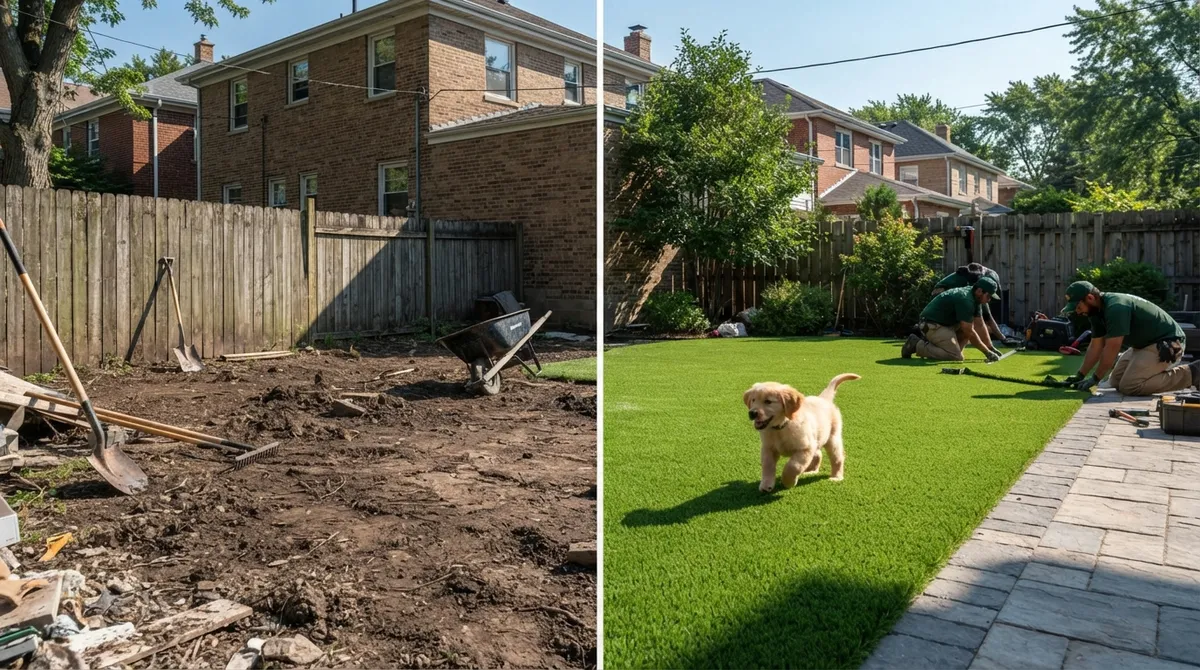
We know DIY is tempting — but artificial turf installation is one of those projects where professional expertise makes a significant difference. Improper drainage, loose seams, or a poorly graded base can lead to costly problems down the road. A professional landscaping team ensures your turf looks great and performs well for years.
When evaluating installers, look for these qualities:
- Experience with local climate: Chicago’s freeze-thaw cycles require specific sub-base techniques to prevent shifting and drainage issues.
- Quality product lines: A reputable installer offers multiple turf grades and can help match the right product to your use case and budget.
- Full-service capability: The best outcomes come when your turf install is coordinated with surrounding hardscape and landscaping elements.
- Portfolio and references: Ask to see completed projects and speak with past clients before committing.
- Clear warranty terms: Both the product and the installation workmanship should be covered.
At Serenity Landscape Group, we’ve been transforming outdoor spaces across the greater Chicago metropolitan area for over two decades. Our team handles everything from design through installation, so your artificial turf backyard comes together as one cohesive, beautiful space. You can also find vetted professionals through resources like ICPI Certified Installers to ensure proper installation standards are followed.
Step 7: Maintain Your Artificial Turf the Right Way
One of the biggest selling points of artificial turf is that it’s low-maintenance — but low-maintenance doesn’t mean zero maintenance. A little regular care goes a long way toward keeping your turf looking fresh and performing well.
Here’s a simple artificial turf care routine to follow:
- Rinse regularly: Use a garden hose to rinse off dust, pollen, and pet waste. This keeps fibers clean and odor-free.
- Brush the blades: Use a stiff-bristle broom or power broom to keep fibers upright, especially in high-traffic areas.
- Remove debris promptly: Leaves and organic matter should be cleared before they break down and affect the infill.
- Spot clean as needed: For spills or messes, use a mild detergent diluted in water and rinse thoroughly.
- Annual professional inspection: Have your installer check seams, drainage, and infill levels once a year to catch any issues early.
Modern turf is built to withstand everything Chicago can throw at it — snow, heavy rain, and blazing summer sun — and still drain quickly without flattening. With a simple maintenance routine, your investment will look beautiful for well over a decade.
Bringing It All Together
Choosing artificial turf for your backyard is one of the smartest investments you can make in your outdoor space. It saves water, slashes maintenance time, boosts your property value, and looks absolutely beautiful year-round. Whether you’re creating a dreamy family retreat, a polished commercial property, or a stunning entertainment zone, the right turf paired with expert design can completely transform how you experience your outdoor space.
Ready to see what’s possible for your backyard? The team at Serenity Landscape Group would love to help you design a space you’ll fall in love with. Request your free estimate today and let’s start building the backyard of your dreams — together.
FAQs
Q: How long does artificial turf last in a backyard?
A: Great news — modern artificial turf is built to last! With UV-coated fibers designed to resist fading and sun damage, high-quality turf can maintain its color and performance for up to 15 years. Following a simple maintenance routine (like rinsing and brushing) helps you get the most out of every year.
Q: Is artificial turf safe for pets and children?
A: Absolutely! Many turf products are specifically designed with families and pets in mind. Pet-friendly turf features antimicrobial fibers and excellent drainage systems to handle pet waste, while play-area turf includes soft, impact-absorbing properties to keep little ones safe. Just look for non-toxic, lead-free certified products when you shop.
Q: Does artificial turf get too hot in Chicago summers?
A: Turf can warm up on sunny days, but there are easy ways to manage this. Choosing a lighter-colored turf, using an organic or coated infill, and adding shaded structures like a pergola nearby can make a big difference. A quick rinse with a garden hose also cools the surface down quickly so your family can enjoy it comfortably.
Q: How much does artificial turf installation cost for a backyard?
A: Installation costs vary depending on the size of your yard, the type of turf selected, and the complexity of the base preparation required. On average, professional artificial turf installation ranges from $8 to $20 per square foot, including materials and labor. We recommend getting a free estimate from a local professional to get an accurate quote tailored to your specific backyard.
Q: Can artificial turf be installed over existing concrete or grass?
A: Yes! Artificial turf is quite versatile when it comes to installation surfaces. It can be laid over existing natural grass (after removing it and preparing the base), directly over concrete with adhesive, or over a freshly graded aggregate base for new construction. Each surface requires a slightly different approach, which is why working with an experienced installer is so important.