Key Takeaways
-
Premium artificial turf installed professionally in Illinois lasts 15-25 years, significantly exceeding the standard 10-20 year range when proper materials and care are applied.
-
Professional installation with proper drainage, compacted crushed stone base, and specialized seaming can add 5-10 years to turf lifespan compared to DIY or budget installations.
-
Illinois’s freeze-thaw cycles, clay soils, and lake-effect weather demand UV-resistant, drainage-engineered materials; without them, turf fails in 5-8 years.
-
Over 15 years, artificial turf saves $8,600-$20,000+ in water, fertilizer, mowing, and lawn service costs compared to natural grass.
-
Monthly brushing, seasonal infill replenishment, proper snow removal with plastic tools, and pet waste management are simple maintenance steps that maximize turf longevity.
-
Matting that won’t brush out, seam separation, fading, drainage problems, and bare spots from infill migration are clear signs your turf has reached end-of-life (typically 15-20 years).
That pristine artificial lawn you’re admiring in your neighbor’s Naperville yard might be celebrating its 15th birthday this spring—and still looking as lush as the day it was installed. That’s not luck. That’s the result of smart material choices, expert installation, and a little seasonal TLC. While most guides stop at quoting the standard 10-20 year lifespan range, the real story is more exciting: Illinois homeowners who invest in professional-grade turf and proper care are routinely pushing well past those benchmarks. The Chicago area’s climate—with its dramatic freeze-thaw swings, hot summers, and occasional drought—creates unique demands on synthetic grass. But here’s the good news: when you know what those demands are and how to address them, your artificial turf can deliver decades of beauty with minimal effort. This guide breaks down exactly how to squeeze every last year out of your investment, from installation day to the distant future.
Understanding Artificial Turf Lifespan in the Illinois Climate
So, how long does artificial turf last in Illinois? The honest answer is: it depends—but the range is encouraging. High-quality artificial turf in the Midwest typically lasts between 10 and 20 years under normal conditions. Premium products installed by experienced professionals can stretch that range to 15-25 years. That’s a significant return on your landscaping investment, especially when you factor in everything you’re saving on mowing, watering, and lawn care over that time.
Illinois sits in a climate zone that’s genuinely tough on outdoor materials. Winters bring hard freezes, while summers can push temperatures into the 90s. The big challenge for artificial turf is the freeze-thaw cycle. Water seeps into the turf base, freezes, expands, and then thaws—repeating this process dozens of times each winter. Without reinforced materials and a properly engineered base, this cycle can cause warping, lifting, and premature breakdown of the turf fibers.
Chicago-area weather also differs from national averages in a few key ways. The lake effect from Lake Michigan brings unpredictable precipitation patterns and humidity swings that softer climates don’t experience. These conditions demand turf materials built for resilience, not just aesthetics.
UV exposure is another factor worth understanding. Illinois receives moderate sun year-round, with peak UV intensity in summer months. Lower-quality turf can fade noticeably within just a few years. High-quality turf uses UV-resistant yarns—like polyethylene and polyurethane blends—that hold their color and structural integrity for up to 20 years even under direct summer sun. Choosing the right turf material from day one makes a massive difference in how long your lawn keeps its good looks.
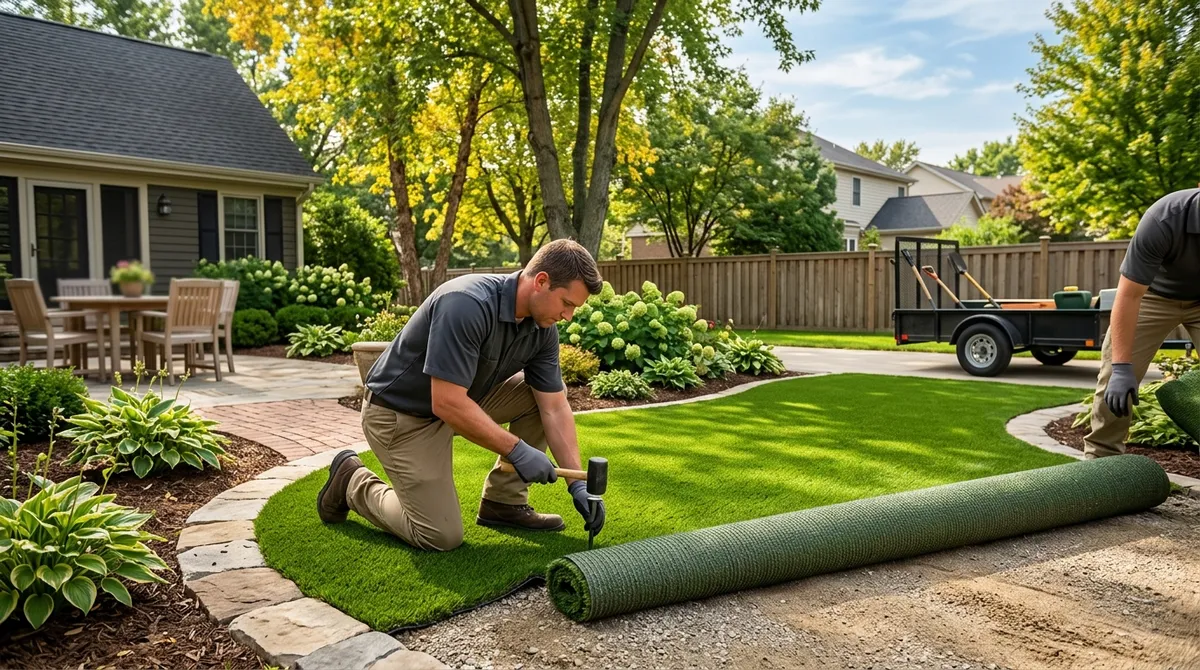
Key Factors That Determine Your Turf’s Longevity
Not all artificial turf is created equal, and the grade you choose plays a huge role in how long it lasts. Here’s a quick breakdown of what to expect at different quality levels:
| Turf Grade | Expected Lifespan | Best For |
|---|---|---|
| Budget / Entry-Level | 5-8 years | Low-traffic decorative areas |
| Mid-Range | 8-12 years | Average residential yards |
| Premium | 15-25 years | High-traffic, pets, full sun |
Foot traffic patterns matter enormously, especially in residential settings. A backyard used daily by kids and adults will wear down faster than a decorative front lawn. High-traffic areas typically last 10-15 years with proper care, while lighter-use zones can exceed 20 years. If your yard sees constant activity, choose a denser, higher-pile-weight turf to handle the pressure.
Pets add another layer of wear and tear. Dog runs and pet play areas experience repeated digging, scratching, and concentrated waste—all of which accelerate fiber breakdown and infill displacement. Pet-specific turf products use tighter weave patterns and antimicrobial infill to combat this, significantly extending the usable life of the surface.
Shade versus sun exposure also affects longevity. Areas under heavy tree cover stay cooler and experience less UV degradation, which can add years to turf life. However, shaded areas may trap moisture longer, which can affect the infill and backing if drainage isn’t excellent. Full-sun areas need UV-stabilized yarns to prevent fading and brittleness.
Finally, drainage is critical—especially given Illinois’s clay-heavy soils. Clay doesn’t drain quickly, which means water can pool under your turf, freeze in winter, and gradually compromise the base. A well-designed drainage system is not optional; it’s essential. Check out our artificial turf installation services to see how proper drainage planning is built into every project we handle.
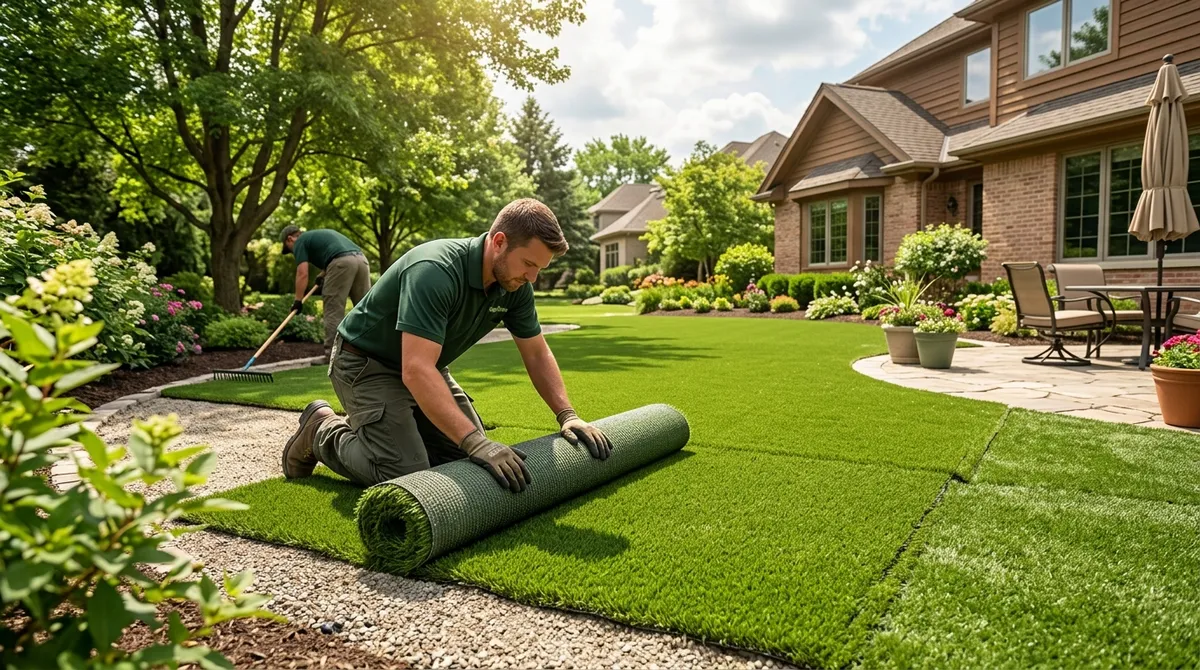
Professional Installation Techniques That Add Years
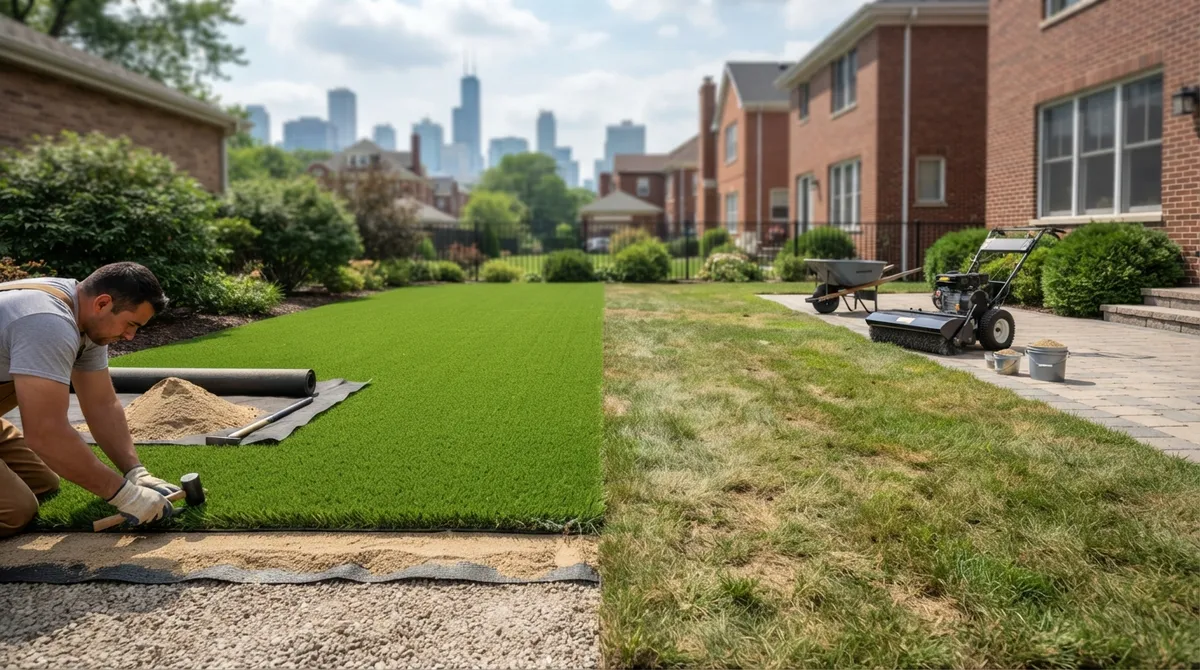
Here’s a truth that experienced landscapers will tell you: the turf you can see is only half the story. What’s underneath is just as important—and often more so. Professional installation techniques can add 5-10 years to your turf’s lifespan compared to a DIY approach or a cut-rate install job.
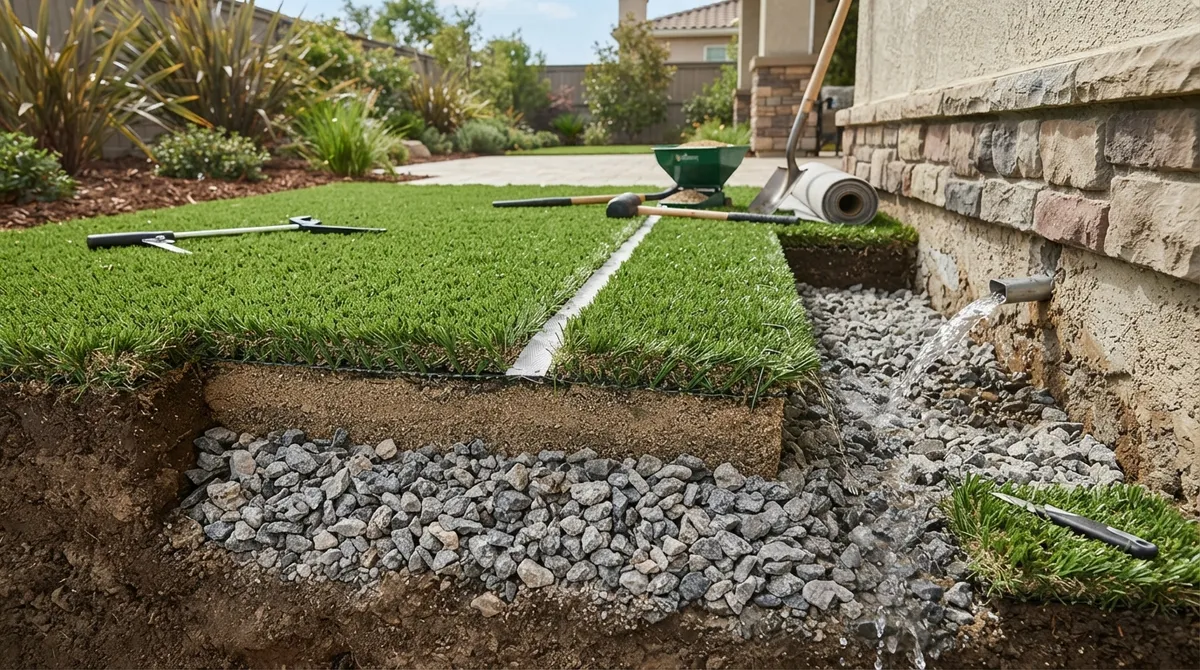
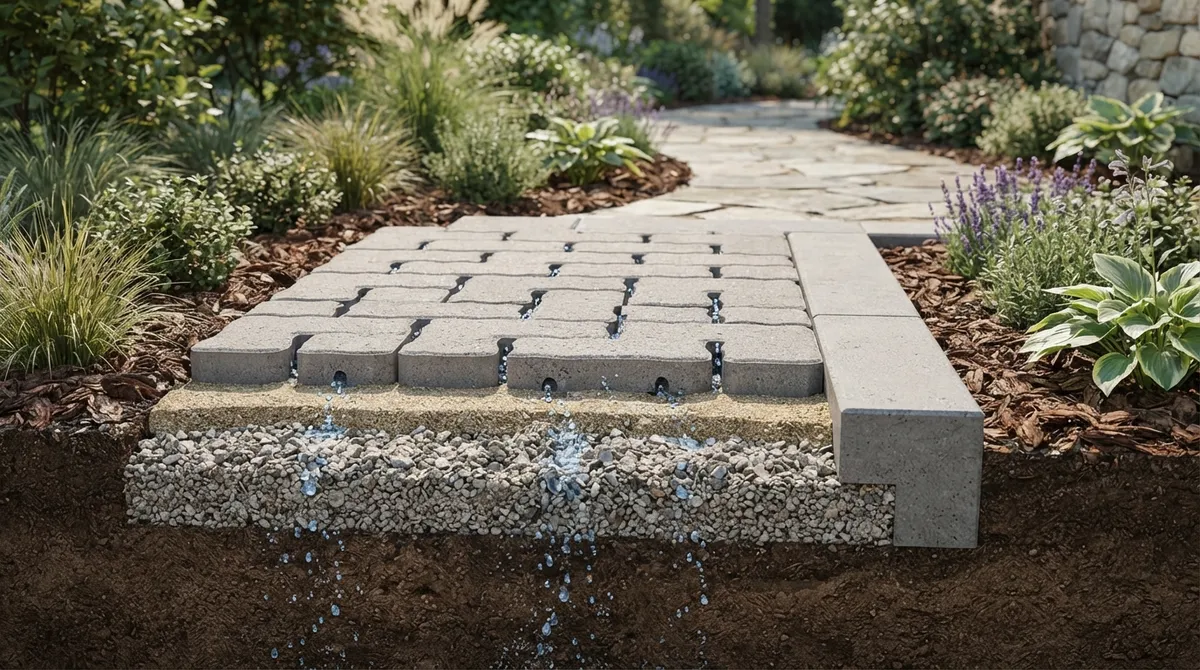
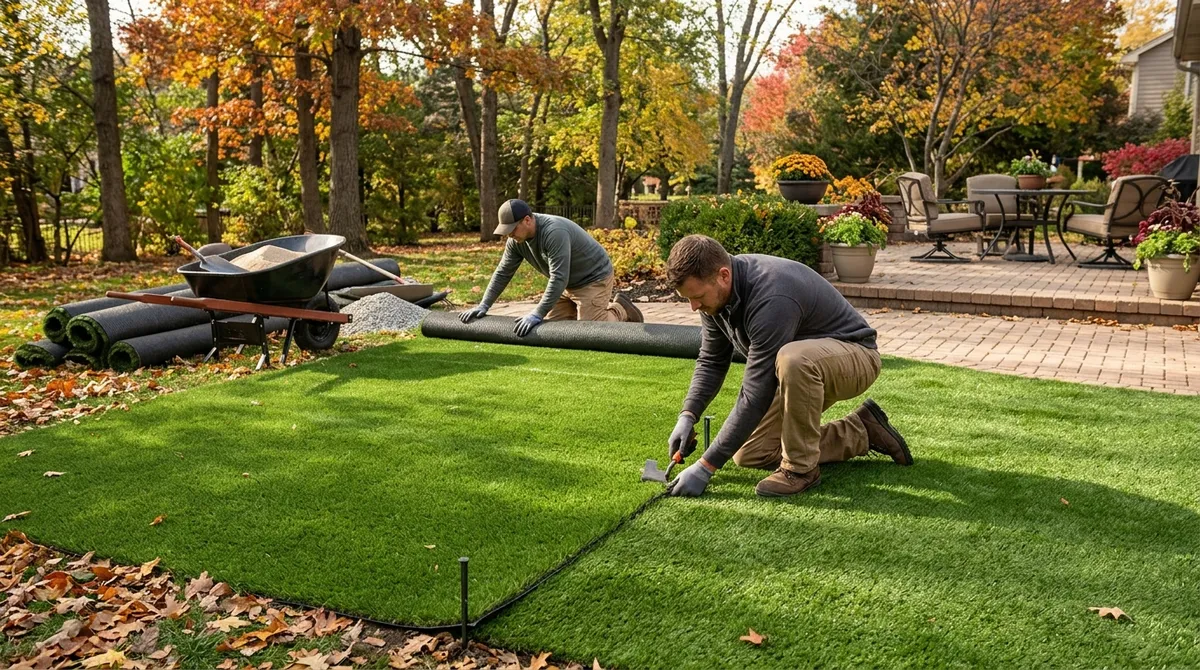
Illinois clay soils are notoriously poor at draining water. A professional installer will excavate 3-4 inches of native soil and replace it with a compacted crushed stone base. This creates a stable, permeable foundation that allows water to move through quickly, preventing the pooling and freeze-thaw damage that shortens turf life. According to Landscape Illinois, proper site preparation is one of the most critical steps in any successful turf installation across the Midwest.
Drainage solutions go hand-in-hand with base preparation. Perforated drain pipes, sloped grades, and permeable infill all work together to keep water moving away from the turf system. In areas prone to heavy rain or snowmelt, French drains or channel drains at the perimeter provide an extra layer of protection.
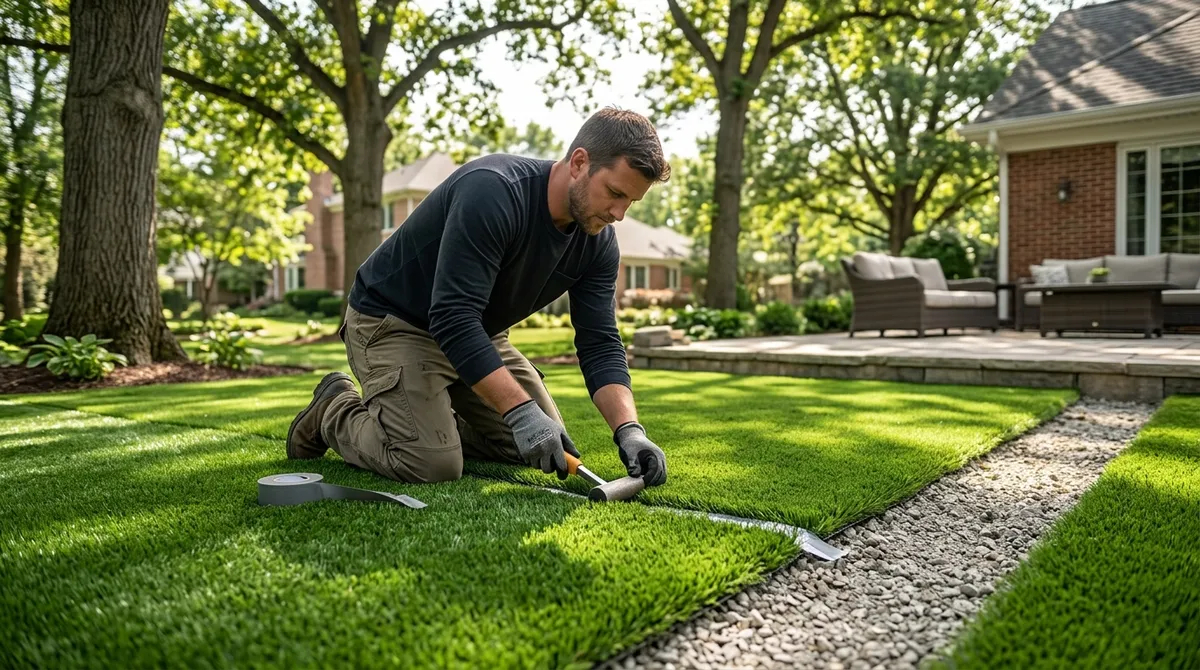
Seaming is another area where professional skill pays dividends. Poorly executed seams are one of the top reasons turf fails early—separation and lifting begin at the joints and spread outward. Professionals use specialized adhesives and joining tape rated for extreme temperature fluctuations, which is essential in a climate that swings from -10°F to 95°F.
Infill selection is a strategic decision. Crumb rubber, silica sand, and organic cork infill all behave differently in Midwest winters. Silica sand is a popular choice for Illinois because it doesn’t compact excessively in freezing temperatures and resists moisture absorption better than some organic options.
Edge securing is the final critical step. Winter heaving—where frozen ground pushes materials upward—can lift turf edges if they’re not properly anchored. Professionals use bender boards, nails, and heavy-duty staples to lock edges firmly in place, keeping your lawn looking clean and flat even after the harshest Illinois winters.
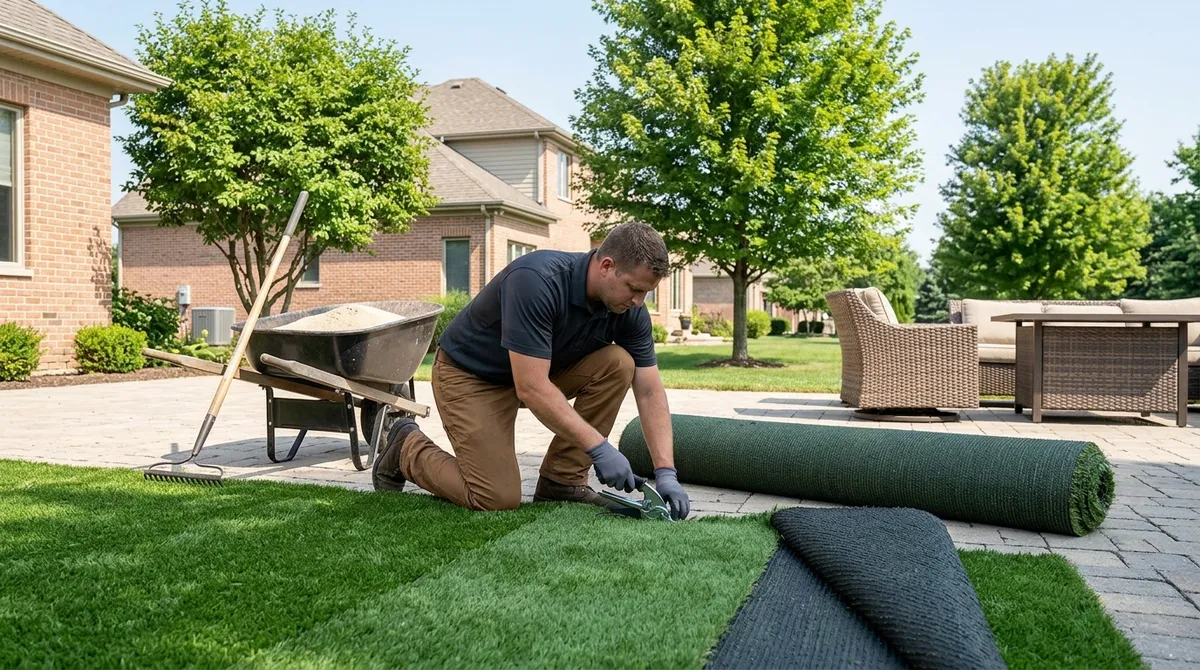
Maintenance Practices for Illinois Homeowners
One of the best things about artificial turf is how little maintenance it needs compared to natural grass. But “low maintenance” doesn’t mean “no maintenance.” A small, consistent effort keeps your turf performing beautifully for its full lifespan. Here’s a simple routine to follow:
Monthly brushing schedule:
- Use a stiff-bristled broom or power brush to lift flattened fibers back to an upright position.
- Brush against the grain of the turf blades to restore a natural, full appearance.
- Focus on high-traffic pathways and pet areas where fibers mat down fastest.
Seasonal infill replenishment: Infill settles and migrates over time, especially after heavy rain or snow. Check infill levels each spring and fall. Adding a thin layer of silica sand or your chosen infill keeps the turf cushioned, well-drained, and upright. This simple step makes a big difference in how the turf feels and how long it lasts.
Snow removal tips for Illinois winters:
- Let light snowfall melt naturally—there’s no need to remove it.
- For heavy accumulation, use a plastic snow shovel or snow blower set above the turf surface level to avoid snagging fibers.
- Never use rock salt or metal shovels, as these can damage turf fibers and backing materials.
- Calcium chloride ice melt is generally safe for synthetic turf in small amounts, but always check the manufacturer’s guidance.
Spring cleaning after winter debris: Once the snow melts, rinse the turf with a garden hose to flush away winter grime, salt residue, and organic debris. Rake out any leaves or twigs that have settled into the fibers. This is also a great time to inspect edges and seams for any winter heaving damage.
Pet waste management: Remove solid waste promptly and rinse the area with water. For odor control, diluted white vinegar or a turf-safe enzyme cleaner works well. Regularly rinsing pet areas prevents ammonia buildup that can degrade infill and backing over time.
Signs Your Artificial Turf Needs Replacement
Even the best-maintained turf eventually reaches the end of its useful life. Knowing what to look for helps you plan your next investment rather than being caught off guard. Here are the key warning signs:
- Visible matting that won’t brush out: When fibers lay flat permanently and no longer respond to brushing, the pile has lost its structural integrity. This is most common in heavily trafficked areas after 12-15 years.
- Seam separation or lifting edges: Seams that have opened up or edges that are pulling away from their anchors are signs that the adhesive or fastening system has failed—often accelerated by years of freeze-thaw cycling.
- Fading beyond acceptable levels: Some color change is normal over many years. But when turf looks noticeably bleached or discolored in patches, UV degradation has compromised the yarn’s structural integrity, not just its color.
- Drainage problems developing: If you notice puddles forming on the surface after rain, the drainage system or backing may have become clogged or compromised. Persistent standing water accelerates deterioration quickly.
- Infill migration creating bare spots: Uneven infill levels that leave some areas feeling hard and others soft signal that the base system is no longer functioning as designed.
Warranties from reputable brands typically cover 10-15 years, but most high-quality installations last well beyond that. If your turf is showing multiple signs from this list simultaneously, it’s time to consult a professional. Explore the gallery of our work to see what a fresh, beautiful installation looks like—and start imagining your next chapter.
Cost Analysis: Long-Term Value in Illinois Landscaping
Let’s talk money—because this is where artificial turf really shines as a long-term investment for Illinois homeowners and commercial property managers alike.
The upfront cost of professional artificial turf installation is higher than natural grass seeding. But over a 15-year window, the math shifts dramatically in turf’s favor. Here’s a simplified comparison:
| Expense Category | Natural Grass (15 Years) | Artificial Turf (15 Years) |
|---|---|---|
| Water Bills | $3,000 – $6,000+ | Minimal (rinsing only) |
| Fertilizer & Pesticides | $1,500 – $3,000 | $0 |
| Mowing / Lawn Service | $3,600 – $9,000 | $0 |
| Reseeding / Repairs | $500 – $2,000 | Occasional infill top-up |
| Total Ongoing Costs | $8,600 – $20,000+ | Dramatically lower |
Illinois summers have been trending drier in recent years, making water savings even more significant. Many suburban municipalities have introduced water use restrictions during drought conditions—restrictions that don’t affect artificial turf owners at all. That peace of mind has real value.
The elimination of fertilizer and pesticide costs is also a win for families with kids and pets. You’re not just saving money—you’re creating a safer play environment. Organizations like the ICPI Certified Installer network emphasize sustainable outdoor solutions that reduce chemical use while maintaining beautiful, functional spaces.
Time savings deserve mention too. The average homeowner spends 40+ hours per year on lawn maintenance. Over 15 years, that’s 600+ hours reclaimed for things you actually enjoy. For commercial property managers overseeing multiple sites, the savings in contracted lawn care fees are even more substantial. Learn more about commercial lawn maintenance solutions that can complement your turf investment.
Property value is the final piece of the puzzle. In Chicago’s competitive suburban real estate market, a beautifully maintained, evergreen-looking lawn stands out. Buyers in areas like Naperville, Wheaton, and Downers Grove increasingly recognize artificial turf as a premium feature, not a compromise. Paired with complementary hardscaping elements like professionally installed pavers or elegant retaining walls, an artificial turf yard can meaningfully boost curb appeal and perceived property value.
At Serenity Landscape Group, we’ve spent over 20 years helping Chicago-area homeowners and businesses make smart outdoor investments. From the first consultation through final installation, we help you choose materials and designs that deliver lasting value—season after season. Whether you’re dreaming of a lush backyard retreat with a cozy fire pit or a polished commercial entrance, we bring the expertise to make it happen beautifully and durably.
Your outdoor space deserves to look its best for years to come. Ready to take the next step? Request your free estimate today and let’s start planning a landscape you’ll love well into the future.
FAQs
Q: Does artificial turf get too hot for pets during Illinois summers?
A: Artificial turf can get warmer than natural grass on hot summer days—something worth knowing if you have furry friends who love to lounge outside. The good news is that modern pet-friendly turf products use light-colored, heat-reflective fibers that stay significantly cooler than older generations of synthetic grass. A quick rinse with a garden hose on extra-hot days brings the surface temperature down quickly, so your pets can enjoy the yard comfortably all summer long.
Q: Can I install artificial turf over existing grass in my Chicago yard?
A: It’s tempting, but skipping the base preparation almost always leads to problems down the road—especially in Illinois. Installing turf directly over living grass traps organic material underneath, which decomposes and creates an uneven, smelly surface over time. Professional installers remove the existing vegetation, excavate to a proper depth, and lay a compacted crushed stone base to ensure your turf drains well, stays level, and lasts for the long haul.
Q: How do HOAs in Illinois suburbs typically view artificial turf installations?
A: HOA policies on artificial turf vary across Chicago’s suburbs, but attitudes have shifted noticeably in a positive direction in recent years. Many associations now permit artificial turf when it meets appearance standards—natural-looking colors, proper edging, and professional installation are usually the key requirements. We always recommend checking with your HOA before installation and working with a professional landscaper who can help you present a design that meets community guidelines beautifully.
Q: What warranty should I expect from professional turf installers in Illinois?
A: Most reputable artificial turf products come with manufacturer warranties ranging from 10 to 15 years, covering things like UV fading, fiber integrity, and backing durability. Professional installers often provide their own workmanship warranties on top of the product warranty, covering the installation quality including seams, drainage, and edging. Keep in mind that with proper maintenance, high-quality turf routinely outlasts its warranty period by several years—so the warranty is really your floor, not your ceiling.
Q: Will heavy snow damage my artificial turf during harsh Illinois winters?
A: Great news: artificial turf handles Illinois winters really well when it’s professionally installed with proper drainage and edge anchoring. Snow sitting on top of turf is completely harmless—it simply melts and drains away without causing any damage. The only things to watch are using the right snow removal tools (plastic shovels, never metal ones) and avoiding rock salt, which can degrade the fibers and backing over time. Stick to those simple guidelines and your turf will come out of every winter looking fresh and ready for spring.