Key Takeaways
-
Professional artificial sod installation costs $8-$15 per square foot but eliminates ongoing expenses for watering, mowing, and fertilizer, making it cost-competitive with natural sod over 15-20 years despite higher upfront costs.
-
Proper installation requires five critical steps: site assessment, old lawn removal, soil grading with permeable rock base, weed barrier installation, and seaming, which separates lawns lasting 15-20 years from those failing within seasons.
-
Artificial sod thrives in Chicago’s challenging conditions including clay-heavy soil, shaded yards from mature trees, freeze-thaw cycles, and HOA standards where natural grass struggles, while remaining pet-safe and allergy-friendly.
-
Modern synthetic turf uses UV-stable, lead-free materials safe for kids and pets, with antimicrobial infill options like Envirofill and Zeolite that reduce odors and bacteria while providing superior drainage compared to natural grass.
-
Unlike natural grass, artificial sod performs excellently on slopes and in shade, requiring only occasional maintenance like rinsing, brushing fibers upright, and leaf clearing rather than weekly mowing or fertilizing.
-
Choosing professional installation over DIY adds $3,000+ in costs but provides expert grading knowledge, invisible seam placement, and layered workmanship warranties that protect your investment and ensure proper water drainage.
Picture this: it’s a warm Saturday in Chicago, and instead of mowing, fertilizing, or fighting muddy patches, you’re relaxing on a lawn that looks perfect all year round. That’s the promise of professional artificial sod installation, and it’s why so many homeowners and business owners across the Chicago suburbs are making the switch. Whether you’re tired of brown patches from harsh Midwest winters or just want your weekends back, synthetic turf might be the answer you’ve been searching for.
At Serenity Landscape Group, we’ve spent over two decades helping families and business owners transform tricky yards into spaces they actually love. We know artificial sod isn’t just a trend. It’s a smart, practical solution for busy households, pet owners, and property managers who want a lawn that looks great without the endless upkeep. Let’s walk through exactly what goes into a quality installation, what it costs, and how to know if it’s right for your property.
What Is Artificial Sod Installation, Really?
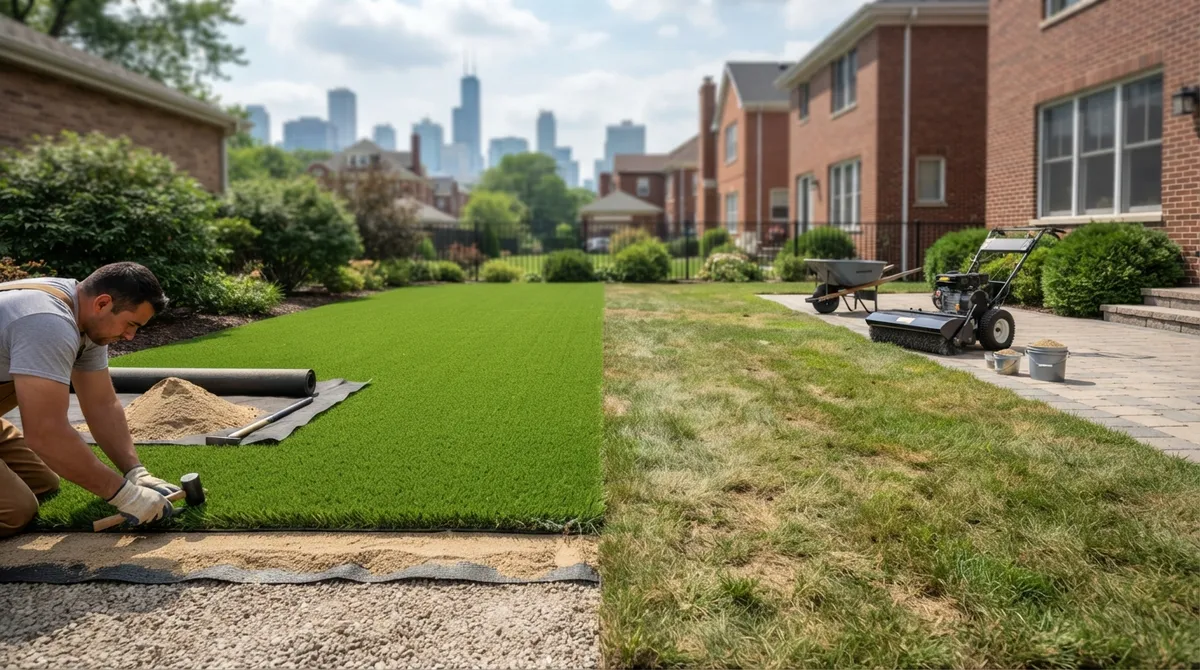
Artificial sod installation means replacing your natural grass with synthetic turf designed to look, feel, and perform like a healthy lawn. Unlike old-school “fake grass” from decades ago, today’s turf uses UV-stable fibers that stay soft and green in sun, snow, or shade. The artificial turf installation process involves much more than rolling out a carpet of plastic grass.
Professional installers remove your old lawn, grade the soil properly, and build a solid base before the turf ever touches the ground. This careful prep work is what separates a lawn that lasts 15-20 years from one that bunches, sags, or drains poorly within a couple of seasons.
Why Chicago Homeowners Are Making the Switch
Chicago’s clay-heavy soil and unpredictable weather make growing a lush natural lawn tough. Add in shady yards from mature trees, HOA rules about lawn appearance, and busy schedules, and it’s easy to see why synthetic turf is gaining fans. Here are some of the biggest reasons homeowners choose artificial sod:
- No more mowing, watering, or fertilizing every week
- A lawn that stays green through drought, shade, and heavy foot traffic
- Pet-friendly surfaces that resist digging and muddy paws
- Allergy relief since there’s no pollen-producing grass
- Consistent curb appeal that meets strict HOA standards
- A safe, soft surface for kids to play on
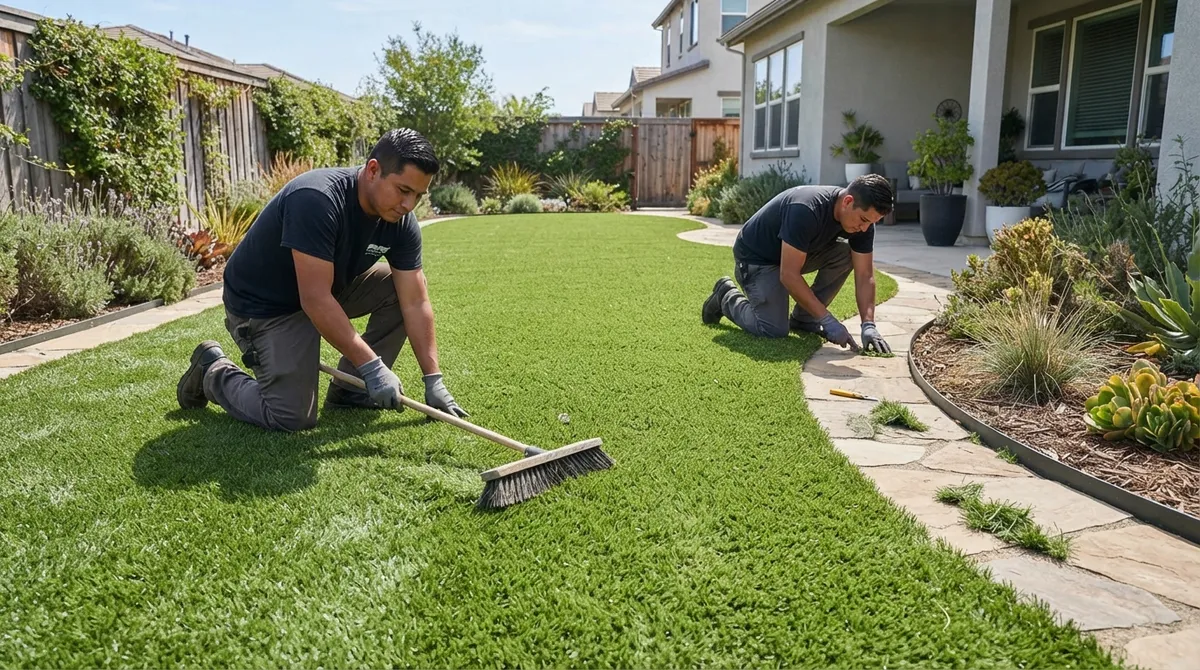
The Professional Installation Process, Step by Step
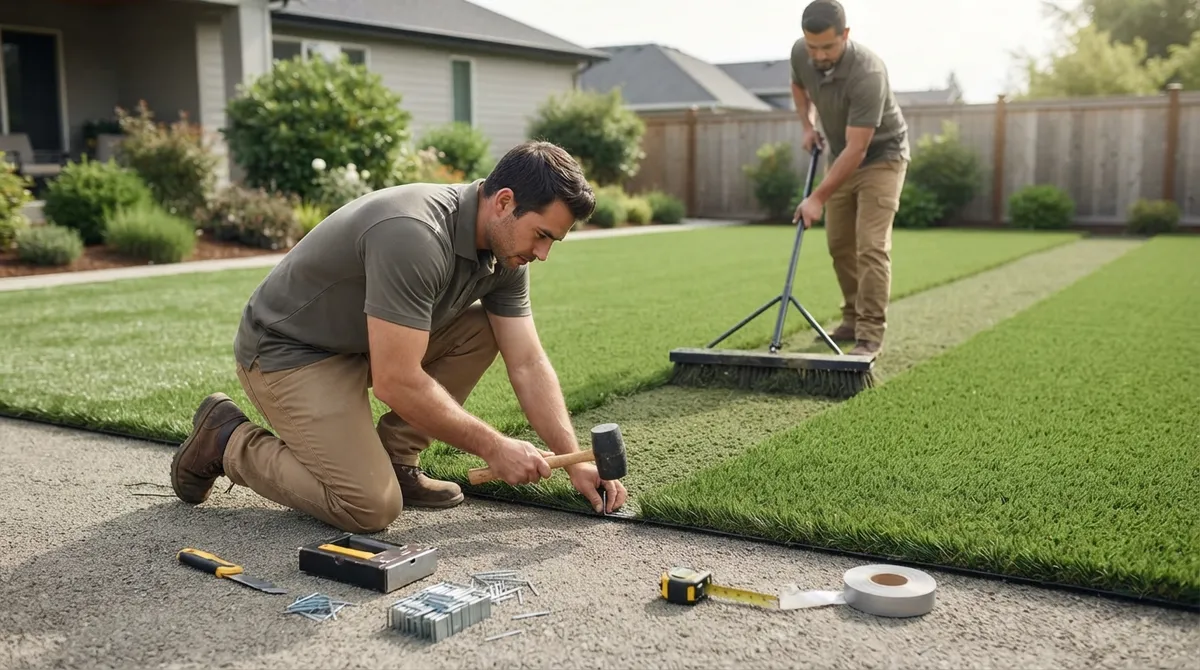
A quality installation isn’t something you can rush. Here’s how our team, and most reputable landscapers, approach the job from start to finish.
- Site Assessment: We evaluate your yard’s drainage, sun exposure, soil type, and any slopes or shaded areas that need special attention.
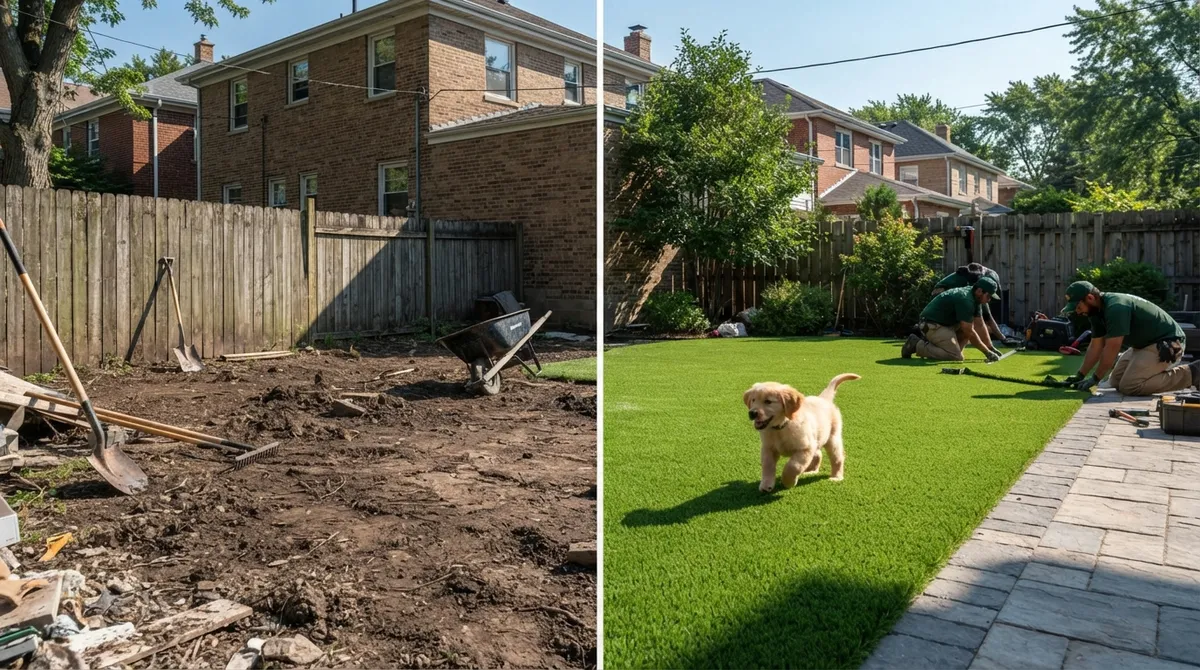
- Removal of Old Lawn: The existing grass, roots, and topsoil are excavated to make room for the new base.
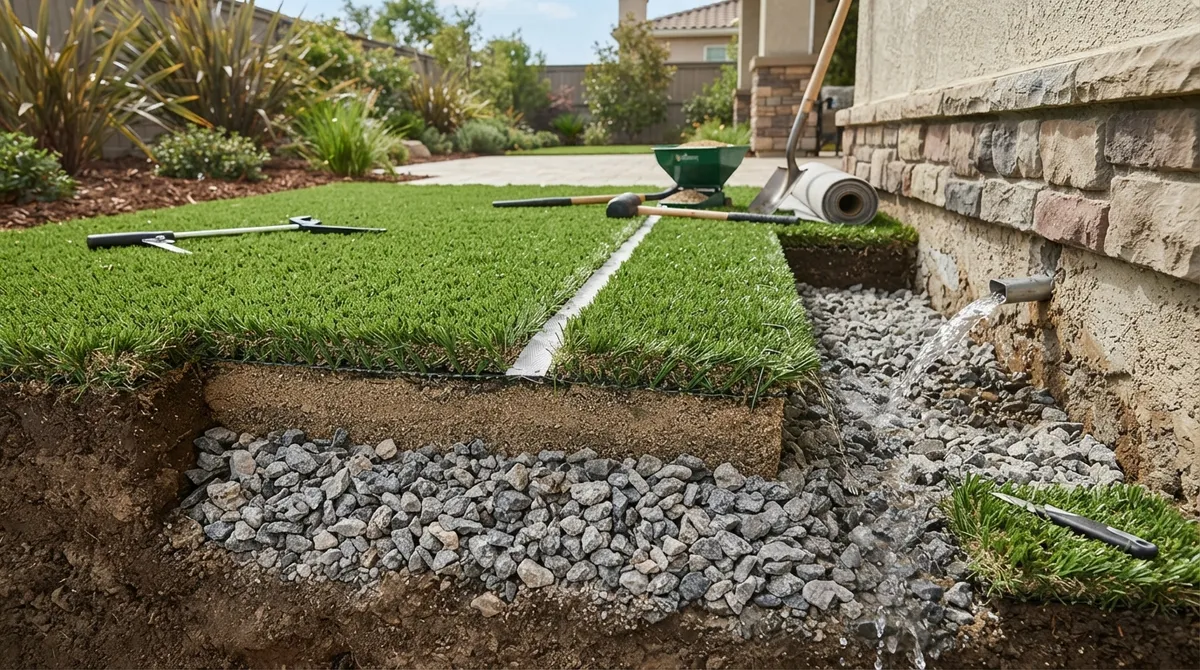
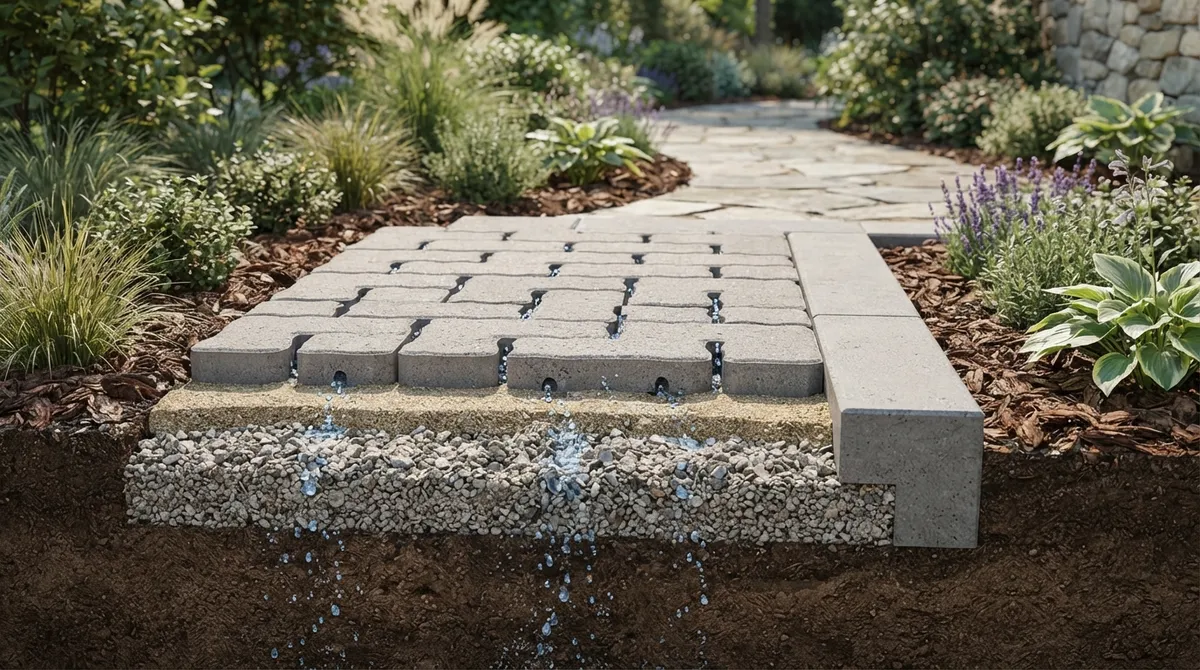
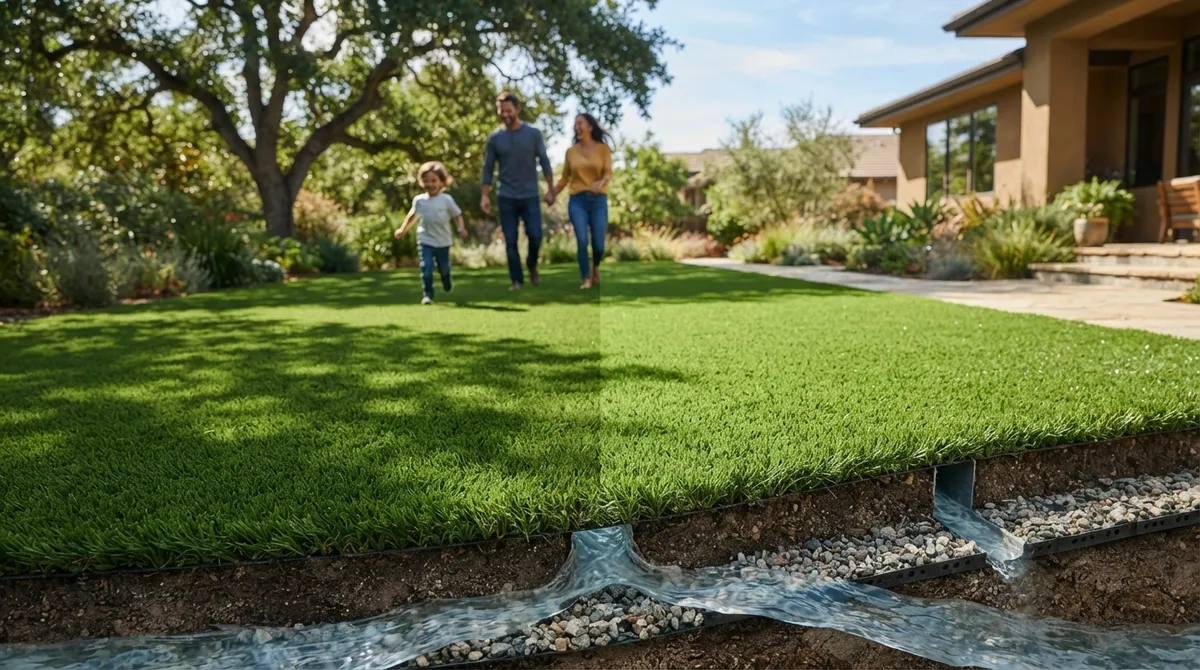
- Grading and Sub-Base Engineering: The soil is graded for proper water flow, then a Class II permeable rock base is compacted to create a stable, well-draining foundation.
- Weed Barrier Installation: A geotextile fabric is laid down to block weeds from pushing through the turf later on.
- Turf Rolling and Seaming: The synthetic turf is rolled out, trimmed to fit your yard’s exact shape, and seamed together so the edges are invisible.
- Infill Application: Sand or antimicrobial infill, like Envirofill, is brushed into the turf fibers to keep blades upright and reduce surface heat.
- Final Walkthrough: Installers inspect every seam and edge, then review your warranty details before wrapping up.
This four-phase approach, covering assessment, sub-base work, surface installation, and final review, is standard practice among experienced Landscape Illinois professionals and ensures your lawn performs well for years.
How Much Does Artificial Sod Installation Cost?
Cost is usually the first question homeowners ask, and it’s a fair one. Professional artificial turf installation typically runs between $8 and $15 per square foot installed, depending on your yard’s size, base conditions, and the turf product you choose. Some premium installers even start around $8 per square foot for high-quality synthetic lawns.
For comparison, natural sod installation costs between $1.50 and $3.50 per square foot, including soil prep and grading. While natural sod has a lower upfront price, it comes with ongoing costs for water, fertilizer, and mowing equipment that add up fast over the years.
| Feature | Artificial Sod | Natural Sod |
|---|---|---|
| Installed Cost per Sq Ft | $8 – $15 | $1.50 – $3.50 |
| Watering Needed | None | Regular irrigation |
| Mowing Required | Never | Weekly in season |
| Lifespan | 15-20 years | Ongoing care needed |
| Performs in Shade | Yes | Often struggles |
| Pet-Friendly Drainage | Excellent | Can get muddy |
If you’re weighing the numbers yourself, our article on Cost-Benefit Facts: Artificial Turf vs Real Grass breaks down long-term savings in more detail.
DIY vs Professional Installation: What’s the Real Difference?
We understand the appeal of a weekend DIY project. Materials alone, turf, nails, sand, and quarter-inch minus rock, can cost around $2,000 for an average yard. But professional installation, while pricier by roughly $3,000 or more, buys you something DIY simply can’t: expertise.
Professional crews know how to grade properly so water doesn’t pool near your foundation. They understand seam placement so your lawn doesn’t show visible lines. And they carry workmanship warranties layered on top of manufacturer UV warranties, protecting your investment for years to come. Read more about why professional turf installation beats DIY if you’re on the fence.
Is Artificial Sod Safe for Pets and Kids?
Yes, and this is one of the biggest draws for families. Modern synthetic turf uses lead-free, non-toxic materials that are safe for kids and pets to play on daily. Many products are specifically designed with pet owners in mind.
- Antimicrobial infill fights odors from pet waste naturally
- Superior drainage prevents muddy paws and puddles
- No pesticides or fertilizers means fewer chemicals around your family
- Soft, cushioned surface reduces scrapes from falls
- No holes dug by digging dogs ruining your lawn’s look
If you have a furry family member, check out our guide on 5 Best Artificial Grass Options for Dogs in Chicago for tips on choosing pet-friendly turf.
Tackling Tricky Yards: Slopes, Shade, and Drainage
One of the biggest advantages of artificial sod is its flexibility. Unlike natural grass, which struggles in shady spots or steep slopes, synthetic turf can be installed almost anywhere with the right base preparation.
For sloped yards, installers use extra anchoring and drainage layers to keep turf secure and prevent shifting. For shaded areas under mature trees, common throughout Chicago’s older suburbs, artificial turf thrives where natural grass often thins out or dies. Our piece on synthetic grass for shaded areas covers this in more depth.
Best Infill Materials for Hot Climates
Infill matters more than most people realize. It affects how your lawn feels underfoot, how it drains, and how well it resists odor and heat buildup. Here’s a quick rundown of popular options:
- Silica Sand: Budget-friendly and provides good ballast, though it can retain heat in direct sun.
- Envirofill (Antimicrobial): Coated with an antimicrobial layer that reduces bacteria growth and pet odor.
- Zeolite: Naturally absorbs ammonia, making it a favorite for households with dogs.
- Cooling Infill: Specially engineered to lower surface temperatures on hot summer days.
For a deeper dive, our article on 9 Infill Types for Artificial Grass That Actually Work compares each option side by side.
Maintenance: What Does “Low-Maintenance” Actually Mean?
Artificial sod doesn’t need mowing, watering, or weekly fertilizer treatments, but it’s not entirely hands-off. A little occasional care keeps your lawn looking its best for decades.
- Rinse turf occasionally to clear dust and pollen
- Brush fibers upright in high-traffic areas every few months
- Remove pet waste promptly and rinse the area
- Clear leaves and debris after storms
- Check seams and edges once a year for wear
These simple steps are outlined further in our guide on 7 Artificial Turf Maintenance Tips That Keep It Looking New.
Who Benefits Most from Artificial Sod Installation?
While any property owner can enjoy a synthetic lawn, certain groups see especially strong results. Suburban homeowners dealing with clay soil and HOA landscaping standards find synthetic turf solves both problems at once. Urban condo owners with small rooftop or balcony spaces love how easy it is to create a green oasis without soil or drainage headaches.
Commercial property managers appreciate reduced water bills and consistent curb appeal without hiring extra grounds crews. New home builders in Aurora and nearby suburbs often include artificial turf as a turnkey feature that appeals to busy buyers. And small business owners running restaurants or shops find that a well-maintained green space adds charm without daily upkeep.
If your commercial property needs ongoing outdoor care alongside synthetic turf, our commercial lawn maintenance services can round out a complete, low-hassle landscape plan.
How Long Does Artificial Turf Actually Last?
Quality synthetic turf typically lasts 15 to 20 years with proper installation and light maintenance. Chicago’s freeze-thaw cycles and heavy snow can be tough on any outdoor surface, but UV-stable fibers and a well-built base help turf handle winter better than most people expect. Our article on Artificial Turf Lifespan in Chicago explains what factors affect longevity in our specific climate.
Choosing an installer who follows guidelines from organizations like the ICPI Certified Installer program also helps ensure your base and drainage work meet industry standards, which directly impacts how long your lawn will last.
Bringing Your Whole Outdoor Vision Together
Artificial sod installation rarely happens in isolation. Many of our clients pair a new synthetic lawn with other upgrades like pavers for a patio, a cozy fire pit for evening gatherings, or lighting and sound features that extend outdoor living into the evening hours. If your yard has drainage or slope challenges, a retaining wall can work alongside your turf installation to solve grading issues once and for all.
Taking a whole-yard approach means every element, from softscapes to hardscapes, works together instead of feeling like separate projects tacked on over time. You can explore examples of completed projects in our gallery of our work to get inspired.
Ready for a Lawn That Works as Hard as You Do?
Artificial sod installation isn’t just about saving time, though that’s a huge perk. It’s about creating a space that looks great in every season, welcomes your family and pets safely, and holds up to Chicago’s unpredictable weather year after year. Whether you’re dealing with a shady yard, a sloped lot, or simply want your weekends back, professional installation makes all the difference between a lawn that lasts and one that needs constant fixing.
Our team at Serenity Landscape Group has spent over 20 years helping Chicago-area homeowners and businesses build outdoor spaces they truly love. We’d be glad to walk your property, answer your questions, and put together a plan that fits your needs and budget. Reach out today to get a free estimate, or feel free to call us at (630) 359-5139 to talk through your project with our friendly team.
FAQs
Q: What is the difference between artificial sod and natural sod installation?
A: Artificial sod uses synthetic turf fibers over a compacted rock base, so it never needs watering or mowing. Natural sod is real living grass that requires soil prep, ongoing irrigation, and regular lawn care to stay healthy and green.
Q: How much does professional artificial turf installation cost per square foot?
A: Most professional installations run between $8 and $15 per square foot, depending on yard size and site conditions. This price includes site prep, base materials, turf, and infill, so you get a complete, ready-to-enjoy lawn.
Q: Is artificial sod safe for pets and children?
A: Absolutely, modern synthetic turf is made from non-toxic materials and often includes antimicrobial infill to control pet odors. It also drains quickly, so there’s no muddy mess for kids or dogs to track inside.
Q: Does artificial sod require any maintenance after installation?
A: It’s much lower maintenance than natural grass, but it’s not completely hands-off. A quick rinse now and then, occasional brushing, and clearing leaves after storms will keep it looking fresh for years.
Q: Can artificial sod be installed on slopes or shaded areas?
A: Yes, artificial turf actually performs better than natural grass in shady, tree-covered yards where grass often struggles. Installers use extra anchoring and drainage layers to keep turf secure and looking great on sloped properties too.