Key Takeaways
-
Professional artificial turf installation costs $8-$22 per square foot in 2026, with most residential projects averaging $12-$15 per square foot, translating to $12,000-$15,000 for a typical 1,000-square-foot yard.
-
Smaller yards under 500 square feet pay a significant premium ($14-$20+ per sq ft) because fixed setup and mobilization costs don't decrease; larger projects spread these expenses across more area for better per-square-foot pricing.
-
Proper installation quotes must include seven critical components: grass removal, excavation, compacted base, weed barrier, turf placement, infill application, and edging; skipping any step is a red flag that often leads to early turf failure.
-
Turf material fiber type ranges from polypropylene ($2-$7 per sq ft, least durable) to nylon ($5-$6.40 per sq ft, best for high-traffic areas), with polyethylene offering the best balance for residential lawns at $2.20-$4.10 per square foot.
-
Heavy clay soil, poor accessibility, complex yard shapes, and additional drainage requirements can add $1-$3 per square foot to labor costs; getting a professional site assessment is essential for accurate personalized quotes.
-
While artificial turf costs more upfront than natural sod, it eliminates ongoing mowing, watering, fertilizing, and herbicide expenses; most families recoup the investment within 5-8 years through reduced maintenance.
So you’re dreaming of a lush, green lawn without the endless mowing, watering, and weed battles. We get it! One of the first questions our neighbors here in Chicagoland ask us is simple: what is the real cost to lay artificial turf? It’s a great question, and honestly, the answer depends on a handful of things we’ll walk through together. Grab a cup of coffee, because by the end of this article, you’ll understand exactly what goes into your quote and why.
Whether you’re a suburban homeowner tired of soggy clay soil, a condo owner with a tiny rooftop patio, or a property manager trying to boost curb appeal without a big maintenance bill, artificial turf might be your answer. Let’s break down the numbers, the process, and everything in between so you can budget with confidence.
The Short Answer: What Artificial Turf Installation Costs Today
In 2026, most homeowners pay somewhere between $8 and $22 per square foot for professionally installed artificial turf. Many standard residential lawns land closer to $12 to $15 per square foot once everything is said and done. That price covers the turf itself, plus all the prep work, materials, and labor needed to make it look amazing and last for years.
To put that into real numbers, a typical 1,000-square-foot yard often runs between $8,000 and $22,000, with many mid-range projects settling around $12,000 to $15,000. Your final number depends on your yard’s size, shape, soil, and the turf quality you choose.
What National Cost Guides Say
We always encourage homeowners to check multiple sources before hiring anyone, and here’s what recent industry data shows:
- Thumbtack reports a national project range of about $2,709 to $7,660, averaging near $4,569 for smaller jobs, with per-square-foot pricing around $7 to $15 for projects under 1,500 square feet.
- Angi’s guide estimates total installed pricing between $6 and $22 per square foot, with labor alone often making up $4 to $9 of that.
- HomeAdvisor reports a typical project range of $3,242 to $8,711, averaging about $5,784 overall.
Notice how much these ranges vary? That’s normal. Turf pricing depends heavily on your specific yard, so getting a personalized quote always beats relying on averages alone.
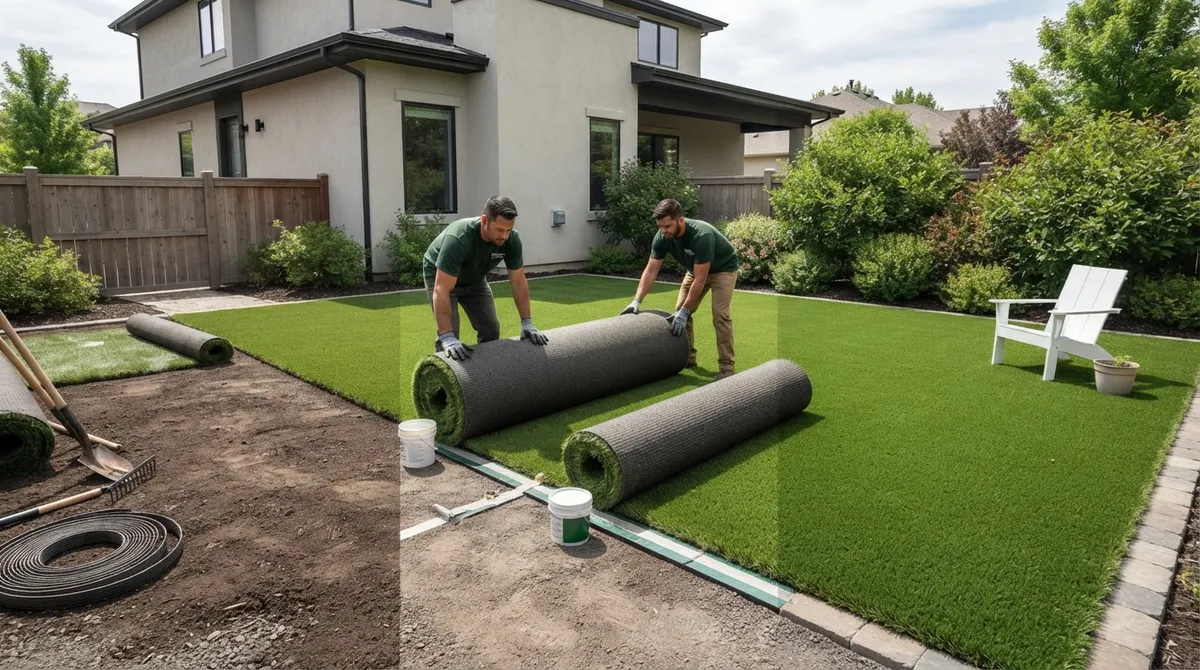
Cost by Project Size: A Handy Breakdown
Bigger projects usually cost less per square foot because delivery, equipment setup, and mobilization get spread across more area. Smaller yards, on the other hand, often pay a premium since those same setup costs apply no matter the size.
| Project Size | Estimated Total Cost | Approximate Cost Per Sq Ft |
|---|---|---|
| 500 sq ft | $7,350 | $14–$20+ |
| 1,000 sq ft | $12,360 | $12–$15 |
| 1,500 sq ft | $15,750 | $10–$13 |
| 2,000 sq ft | $19,200 | $9–$12 |
If your lawn is under 500 square feet, don’t be surprised if your per-square-foot rate climbs to $14, $20, or even higher. Small jobs simply cost more to mobilize for, even though the total dollar amount stays lower overall.
What Actually Makes Up Your Turf Installation Quote
A lot of folks assume the turf roll itself is the biggest expense. Actually, the material is usually just one piece of the puzzle. Here’s what a proper installation estimate should include:
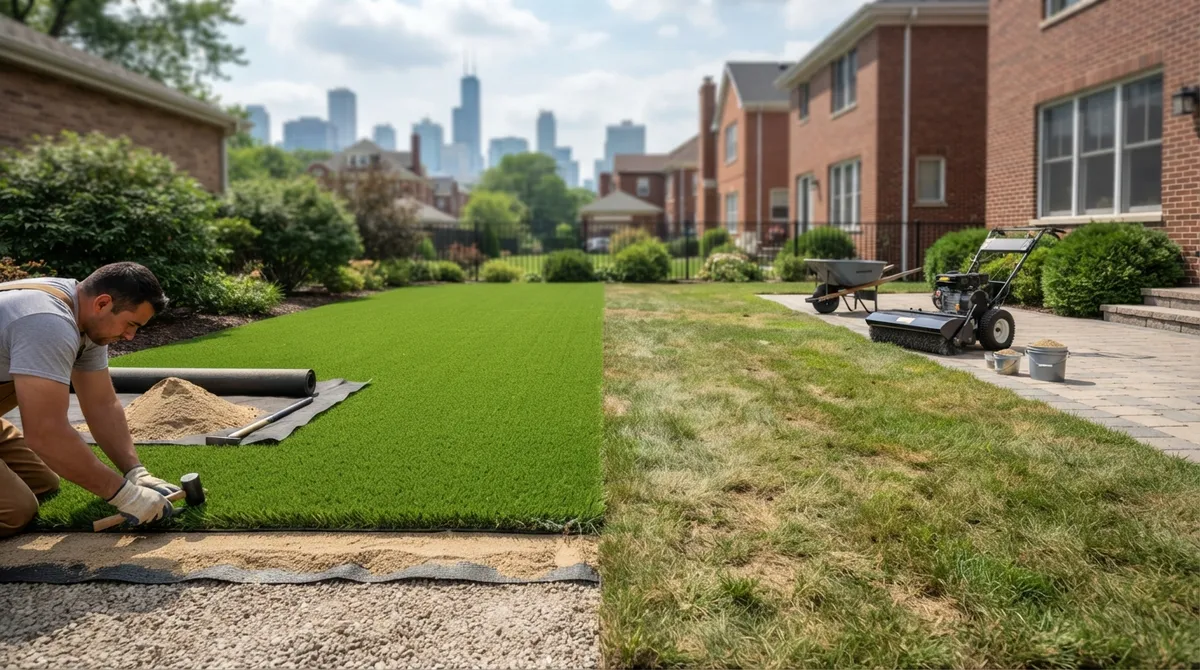
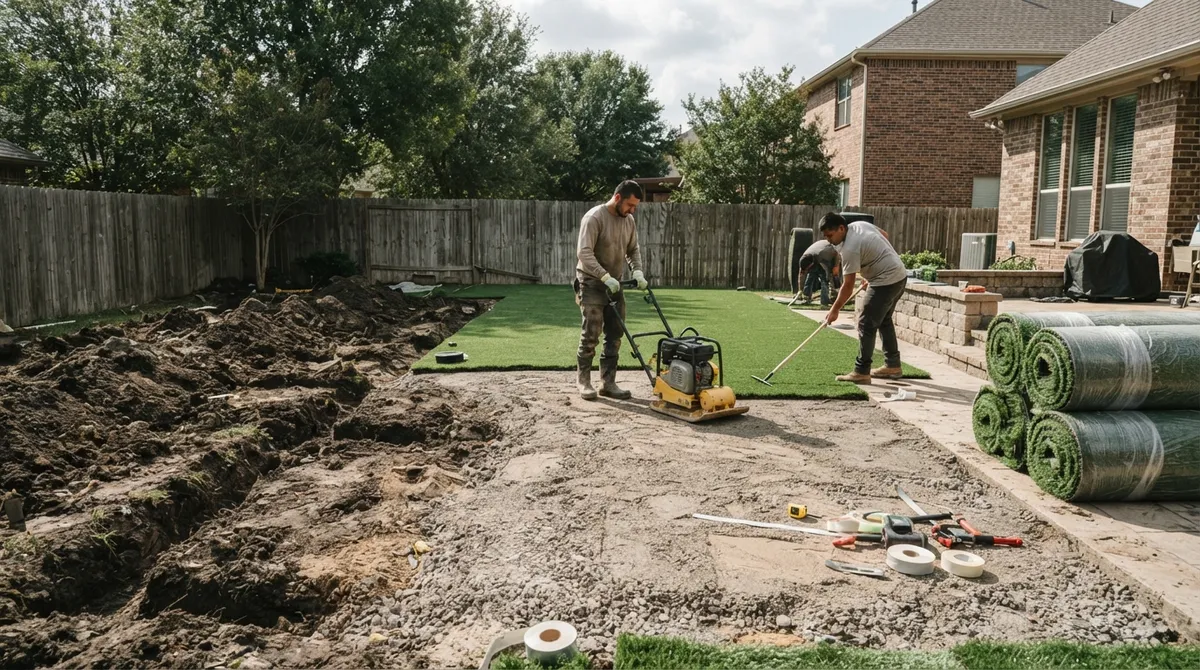
- Removing old grass and vegetation — Your installer clears out the existing lawn so the new turf has a clean foundation.
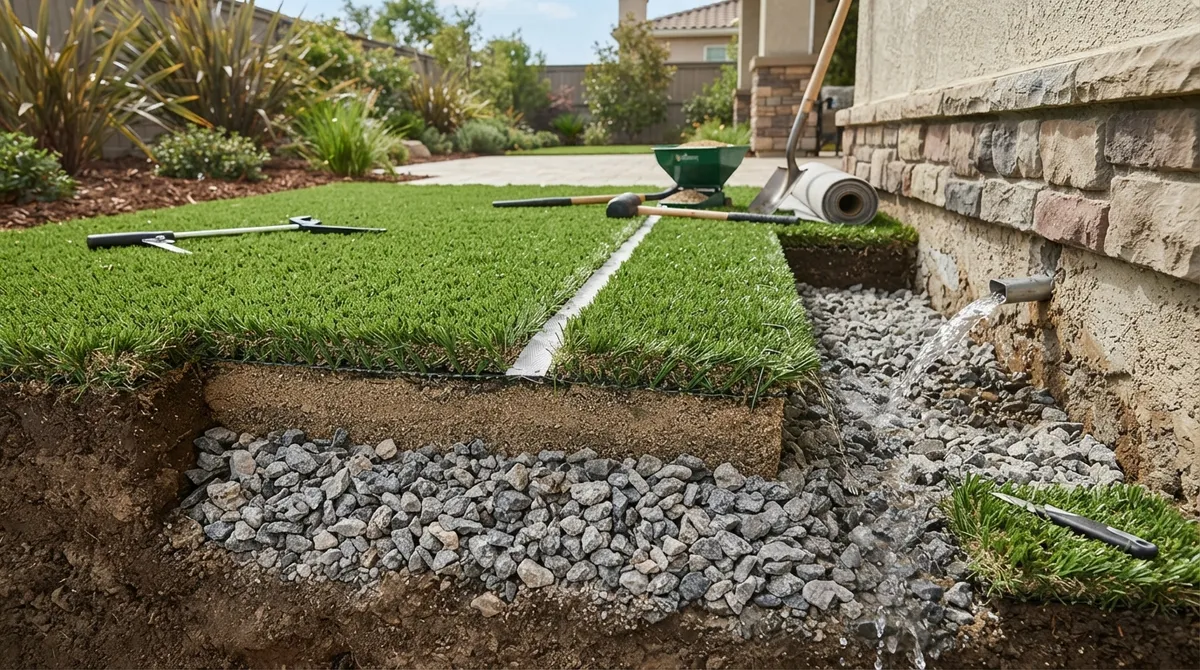
- Excavation and grading — The soil gets dug out and shaped to allow for proper drainage and a level surface.
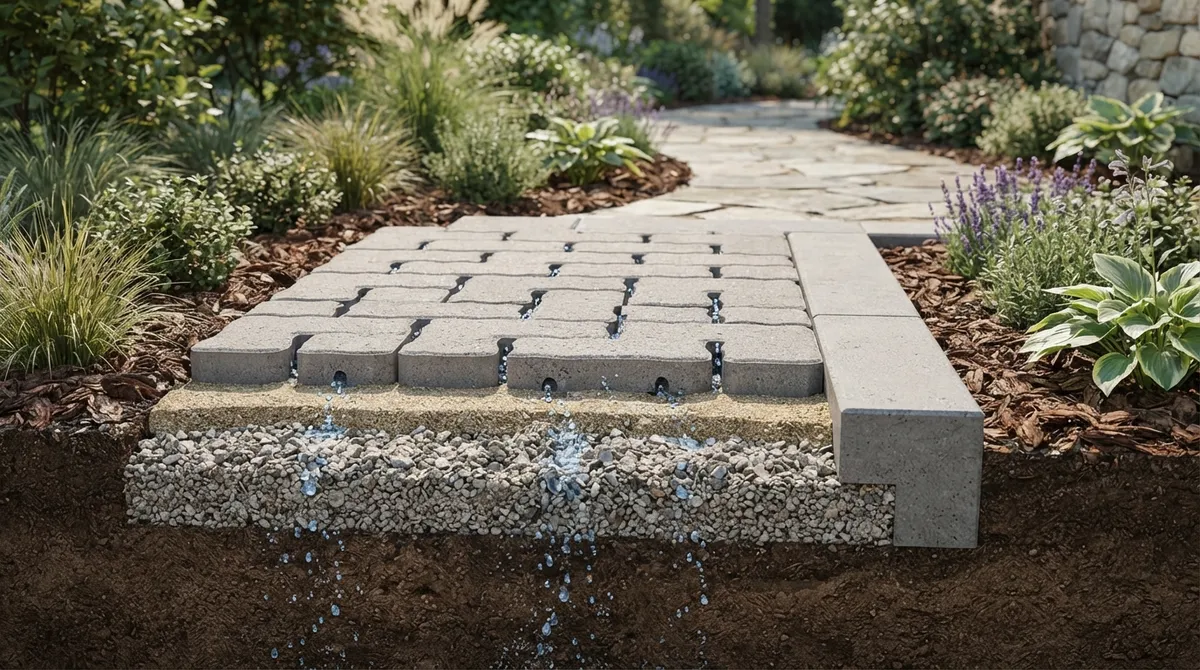
- Base installation — A layer of compacted aggregate base gets added and packed down tight. This step matters more than people think.
- Weed barrier — A fabric layer goes down to stop weeds from poking through your new turf.
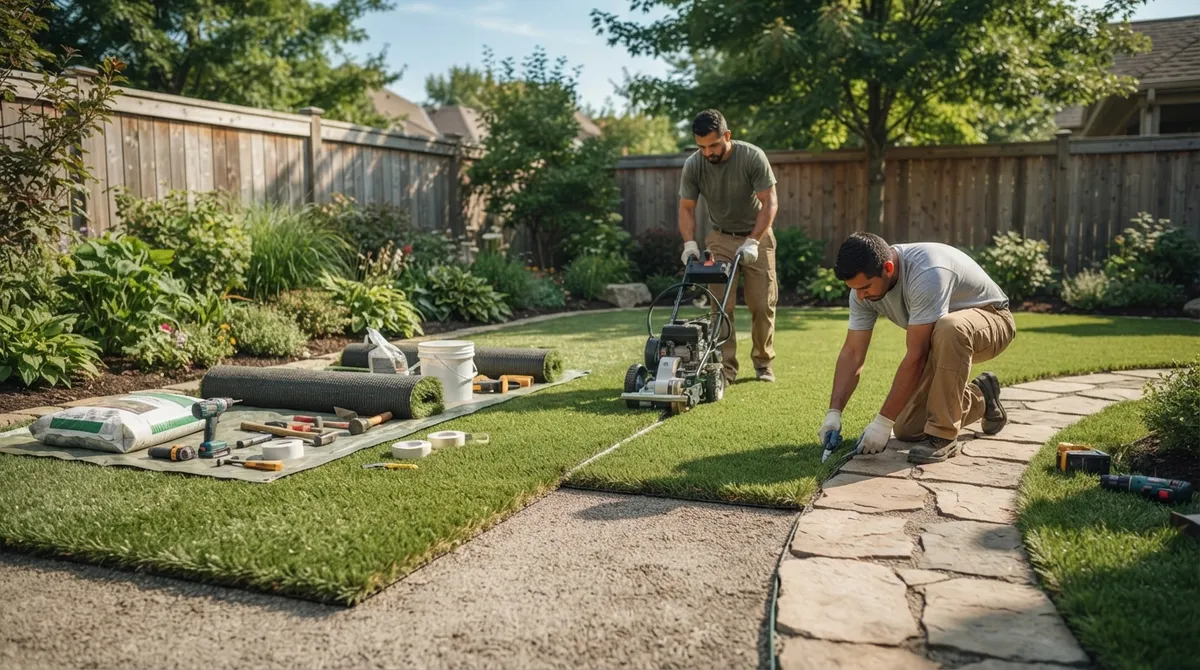
- Turf placement and seaming — The turf rolls get cut to fit your space and joined together so seams are nearly invisible.
- Infill application — Sand, rubber, or organic infill gets brushed into the turf fibers to keep them standing upright and add cushioning.
- Edging and finishing touches — Borders get secured, and any final trimming happens around walkways, patios, or garden beds.
If a quote skips over any of these steps, that’s a red flag. Cutting corners on base prep or drainage is one of the most common reasons turf fails early. Our artificial turf installation process walks through each stage in more detail if you want the full picture.
Turf Material Costs: Not All Grass Is Created Equal
The turf product itself typically runs $2 to $8 per square foot, but the type of fiber makes a big difference in both price and performance.
| Turf Type | Material Cost Per Sq Ft | Best For |
|---|---|---|
| Polypropylene | $2–$7 | Budget-friendly, decorative areas |
| Polyethylene | $2.20–$4.10 | Residential lawns, everyday use |
| Nylon | $5–$6.40 | High-traffic zones, putting greens |
Polypropylene tends to be the most affordable option, but it’s also the least durable. Polyethylene strikes a nice balance for most residential yards, offering a soft, natural look at a reasonable price. Nylon costs more upfront, but it holds up beautifully under heavy foot traffic, which makes it popular for commercial spaces and backyard putting greens.
Factors That Push Your Cost Up or Down
Every yard is different, and that’s exactly why two neighbors with similar-sized lots can get very different quotes. Here are the biggest factors we consider during a site visit:
- Lawn size — Smaller spaces cost more per square foot due to fixed setup costs.
- Accessibility — Backyards that require carrying materials by hand instead of using equipment take longer and cost more.
- Soil conditions — Heavy clay soil, common throughout the Chicago suburbs, may need extra drainage work.
- Slope — Sloped yards require additional grading and sometimes retaining solutions to keep turf secure.
- Existing lawn removal — Thick grass, tree roots, or old hardscaping add labor time.
- Shape complexity — Curved borders, pavers, and irregular shapes require more cutting and seaming.
- Intended use — Pet areas, putting greens, and playgrounds often need specialized infill or padding.
Angi estimates that complex cutting around curves or pavers can add roughly $1 to $3 per square foot to your labor costs. If your yard has a lot of hardscaping already in place, like a paver patio or a fire pit area, expect your installer to factor that extra detail work into the quote.
Pet-Friendly Turf: A Little Extra, A Lot of Peace of Mind
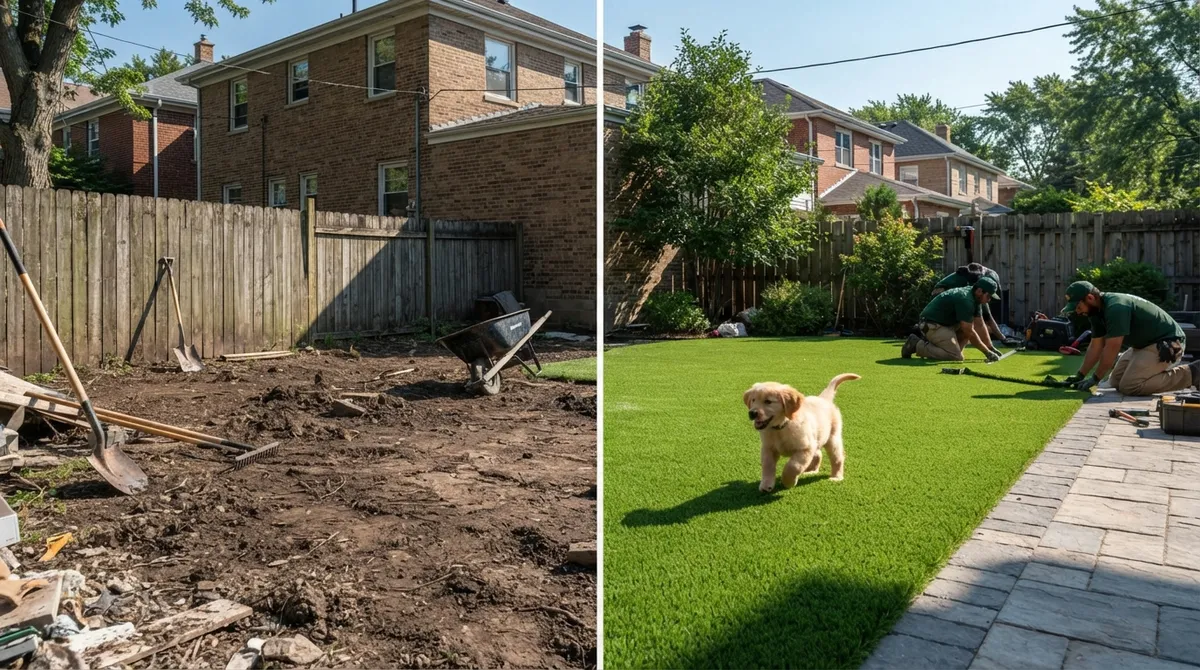
If you’ve got a dog (or three), pet-friendly turf is worth every extra penny. This turf typically includes specialized drainage layers and odor-control infill designed to handle accidents without leaving lingering smells. It usually costs a bit more than standard residential turf, but the peace of mind and easy cleanup make it a favorite among pet owners we work with.
Turf vs. Natural Sod: Which Saves You More Long-Term?
Natural sod almost always costs less upfront. But here’s the thing: sod comes with ongoing bills that add up fast. Think about mowing services, weekly watering, fertilizer, herbicide treatments, and reseeding after a rough winter.
Artificial turf costs more initially, but it can seriously cut down on those recurring expenses. That said, it’s not a “set it and forget it” solution. You’ll still want to:
- Rinse the turf occasionally to remove dust and pollen
- Brush the fibers to keep them standing upright
- Clear away leaves, sticks, and other debris
- Clean up pet waste promptly to avoid odor buildup
Many families find that trading a weekend of yard work for a few minutes of light upkeep is an easy trade. If you want a deeper comparison, check out our article on cost-benefit facts comparing artificial turf and real grass.
Can Turf Be Installed on Any Surface?
Great question, and one we hear often from urban condo owners with rooftop spaces or small patios. The good news is that artificial turf can be installed over soil, concrete, and even sloped yards with the right preparation.
- Soil installations require excavation, a compacted base, and proper grading for drainage.
- Concrete or rooftop installations often use a shock pad or drainage mat underneath the turf to prevent pooling water and add cushioning.
- Sloped yards may need additional grading work or small retaining solutions to keep the turf secure and prevent shifting over time.
If you’re working with a rooftop or a tricky slope, it’s worth asking your installer specifically how they plan to handle drainage. Poor drainage planning is one of the most common (and costly) mistakes we see in DIY attempts.
Commercial Properties: A Different Kind of Investment
For property managers and small business owners, artificial turf isn’t just about looks. It’s about reducing long-term maintenance costs while keeping outdoor spaces looking sharp year-round. Commercial installations often involve larger areas, higher foot traffic, and stricter durability requirements, which is why many businesses choose nylon or heavy-duty polyethylene blends.
We’ve helped many commercial clients across the Chicago area upgrade their outdoor spaces with turf that holds up beautifully to daily wear. If your business relies on commercial lawn maintenance services, switching sections of your property to turf can significantly cut your monthly upkeep costs while keeping things green in every season.
What Should Be in Your Installation Estimate?
Before you sign anything, make sure your quote clearly spells out these details:
- Turf brand, grade, and fiber type
- Base preparation and excavation depth
- Drainage plan for your specific yard
- Infill type and amount
- Seaming and edging methods
- Warranty length and what it covers
- Estimated timeline for completion
A vague quote that just says “turf installation: $X” without breaking down these items should raise a few eyebrows. Reputable companies, including members of organizations like Landscape Illinois and certified professionals through the ICPI Certified Installer program, understand the importance of transparency in every estimate.
Why Professional Installation Beats DIY
We know DIY turf kits look tempting online, but here’s the honest truth: most turf failures come down to poor base preparation. Without the right compacted aggregate base and drainage plan, turf can shift, pool water, or develop unsightly wrinkles within a year or two.
Professional installers bring the right equipment, experience, and know-how to get it right the first time. Our team has spent over two decades perfecting this process across the greater Chicago area, working through everything from heavy clay soil to tricky rooftop drainage systems. You can browse our gallery of completed projects to see the kind of quality results proper installation delivers.
Ready to Get Your Personalized Quote?
Every yard tells a different story, which means every turf estimate should be personalized too. The best way to know your exact cost to lay artificial turf is to have a professional walk your property and assess your soil, drainage needs, and design goals.
We’d love to help you turn your yard dreams into reality. Feel free to get a free estimate from our team, or simply call us at (630) 359-5139 to chat about your project. At Serenity Landscape Group, we’ve spent over 20 years helping Chicago-area homeowners and businesses create outdoor spaces they truly love, and we can’t wait to help you enjoy a beautiful, low-maintenance lawn for years to come.
FAQs
Q: How much does it cost to install artificial turf per square foot?
A: Most homeowners pay between $8 and $22 per square foot for professional installation, with many standard yards landing around $12 to $15 per square foot. Your exact price depends on turf quality, yard size, and how much prep work your soil needs.
Q: What is the average cost to lay artificial grass for a 500-, 1,000-, or 1,500-square-foot yard?
A: A 500-square-foot yard often costs around $7,350, a 1,000-square-foot yard runs about $12,360, and a 1,500-square-foot yard averages roughly $15,750. Smaller yards typically have a higher per-square-foot rate because setup costs get spread over less space.
Q: Does artificial turf installation include removing existing grass and preparing the soil?
A: Yes, a proper professional installation always includes removing your old grass, excavating the area, and building a compacted base for drainage. If a quote skips these steps, it’s worth asking why, since skipping prep work is one of the biggest causes of turf problems down the road.
Q: Is artificial turf cheaper than sod or natural grass over time?
A: Artificial turf costs more upfront, but it can save you money over time by cutting down on mowing, watering, fertilizing, and weed control expenses. Many homeowners find the long-term savings and time saved make it well worth the initial investment.
Q: Can artificial turf be installed on soil, concrete, or a sloped yard?
A: Absolutely! Turf can go over soil, concrete, or even rooftop surfaces with the right prep work, like drainage mats or shock pads. Sloped yards just need a bit more grading attention to keep everything secure and looking great for years to come.