Key Takeaways
-
Start with a site assessment by measuring your yard, mapping sun/shade patterns, checking soil type, and noting drainage issues—skipping this step is the most common and costly mistake homeowners make.
-
Organize your backyard into functional zones (entertaining, relaxation, play, garden) connected by wide paths, which prevents clutter and makes daily use easier and more intuitive.
-
Match plants to your local climate, soil conditions, and sun exposure using native or regionally appropriate species that need less water and maintenance once established.
-
Design grading and drainage strategically to manage water runoff away from your foundation—this unglamorous step is critical and becomes increasingly expensive if ignored.
-
Define your top three priorities and budget before starting, then phase projects over time (patio this year, pergola next season) to avoid overspending and ensure designs you’ll actually maintain.
-
Choose outdoor living features like patios, pergolas, fire pits, and lighting based on how you actually use your yard, not Pinterest trends, to create spaces that feel like natural extensions of your home.
Picture this: it’s a warm Saturday evening, and you’re stepping out your back door onto a patio that feels like your own private retreat. The fire pit is glowing, the lights are soft, and the garden looks like it grew there on purpose. That’s what great backyard design can do. It turns a patch of grass into a place where life happens.
But here’s the thing. Most people don’t know where to start. Should you build the patio first? What about drainage? How do you pick plants that survive Chicago winters? Don’t worry. You’re in good company, and this guide will walk you through it step by step.
Backyard design is the art of planning your outdoor space around how you actually live. Do you want to relax, host friends, grow veggies, or let the kids play? Good design also respects your soil, sun, slopes, budget, and maintenance goals. Let’s break it all down in a friendly, practical way so you can create a yard that works as hard as you do.
What Is Backyard Design, Really?
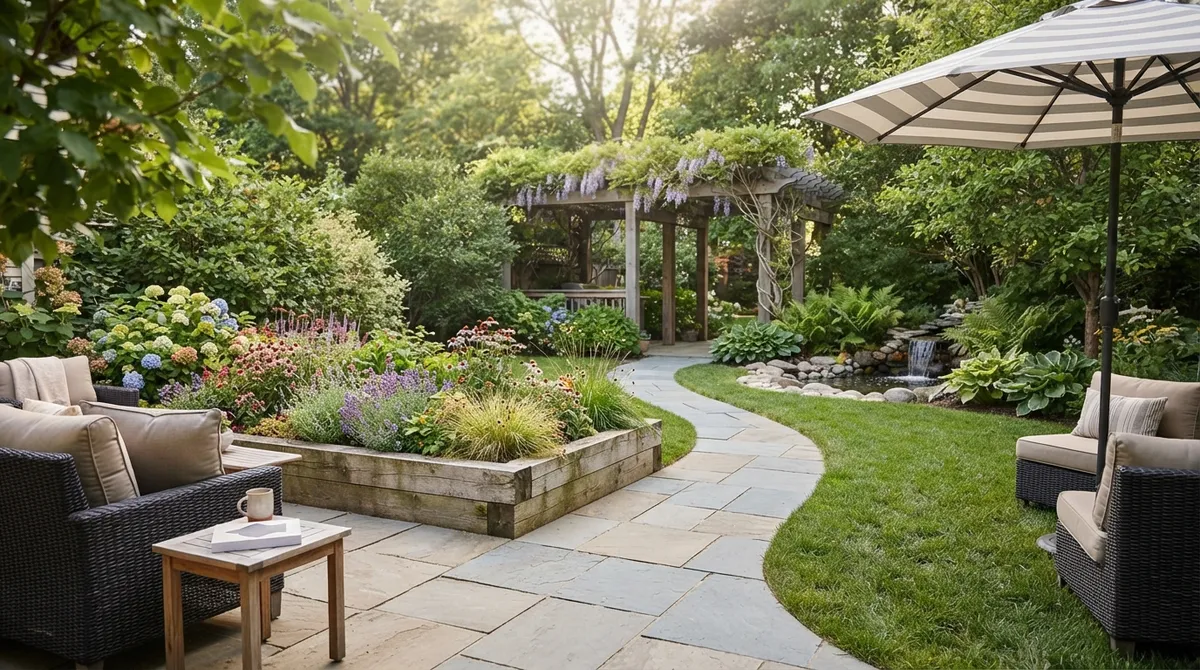
At its heart, backyard design is planning. It’s deciding what goes where, why it goes there, and how it all connects. A solid plan blends softscapes (plants, lawns, and beds) with hardscapes (patios, paths, and walls) so your yard feels balanced and easy to use.
Think of it like arranging a room inside your home. You wouldn’t toss furniture in randomly. You’d think about traffic flow, lighting, and comfort. Your yard deserves the same care. A good backyard design also accounts for the less glamorous stuff, like water runoff, tree roots, and underground utilities.
If you want a deeper look at how pros think about this, check out our guide on how to create a landscape design that transforms your space.
Start With a Site Assessment
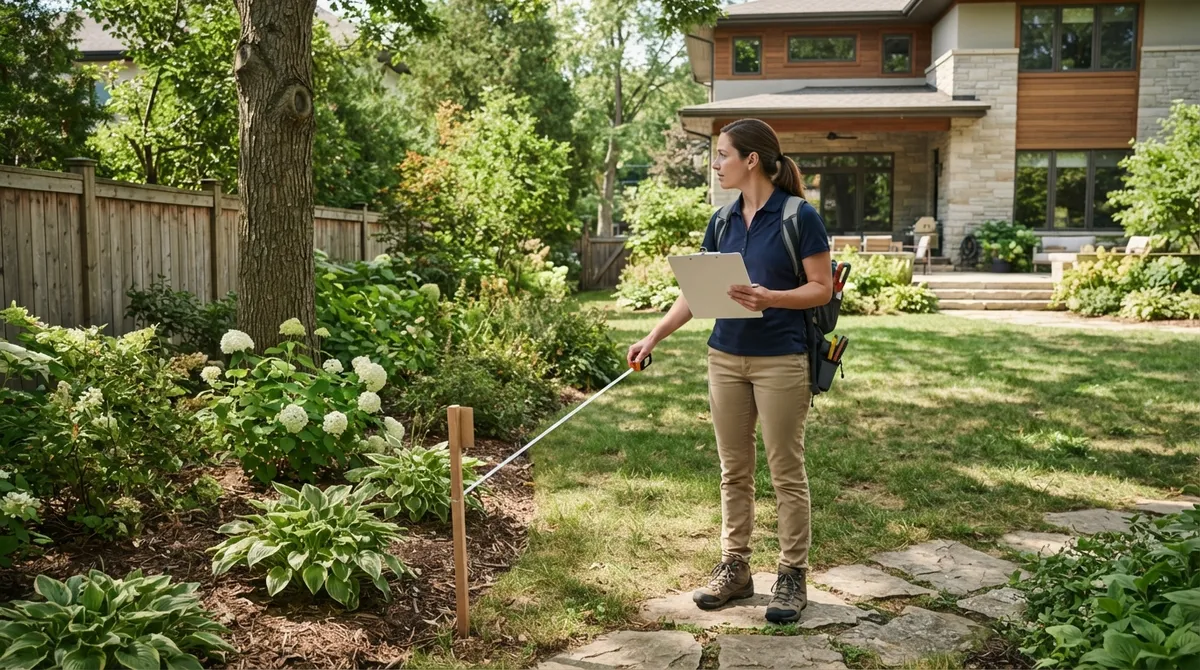
Every great backyard design begins with a good look at what you already have. Skipping this step is the most common mistake we see. A little homework now saves money and headaches later.
Grab a tape measure and a notebook. Then walk your yard and note the following:
- Size and shape: Measure the yard and mark where the house, fences, and property lines sit.
- Sun and shade: Watch where the light falls in the morning, at noon, and in the evening.
- Soil type: Chicago-area soil often leans toward heavy clay, which holds water and compacts easily.
- Slopes and drainage: Notice where water pools after a big rain.
- Existing trees and structures: Decide what stays and what goes.
- Access and views: Consider where you need gates, paths, and privacy screens.
These details guide everything, from layout and grading to plant choices and construction methods. Our team follows a clear, step-by-step design and installation process that always starts right here.
Define Your Priorities and Budget
Before you fall in love with a hundred Pinterest photos, ask yourself a few honest questions. Who uses the yard? What do you want to do there? How much time do you want to spend on upkeep?
Write down your top three goals. You might say: “a place to host dinners, a safe spot for the dog, and low-maintenance beds.” Those priorities become your compass. When a cool feature pops up that doesn’t fit, you can skip it without regret.
Budget matters too. Be open about it from the start. A good designer can phase a project over time, so you build the patio this year and add the pergola next season. That way, you never feel rushed or stretched too thin.
Plan Your Yard in Functional Zones
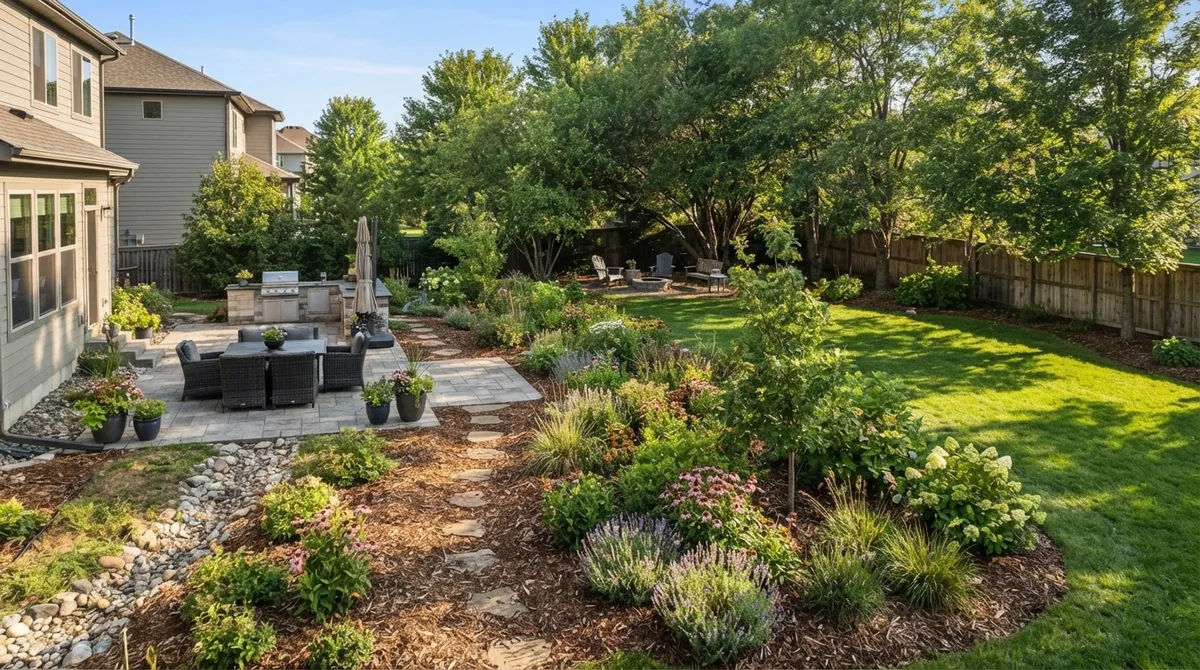
Smart backyard design organizes space into zones. Each zone has a purpose, and paths tie them together. This keeps the yard from feeling cluttered and makes it easier to use every day.
Common Backyard Zones
- Entertaining zone: A patio with seating, dining space, and maybe an outdoor kitchen.
- Relaxation zone: A quiet nook with a bench, hammock, or fire pit.
- Play or lawn zone: Open space for kids, pets, and games.
- Garden zone: Planting beds, raised vegetable boxes, or pollinator gardens.
- Transition zone: Paths and steps that link everything together.
When you plan zones, think about how people will move. Paths should be wide enough for two people. Seating should sit close enough to the kitchen door to feel convenient. And privacy screens should block views you don’t love without making the yard feel boxed in.
Choose Features That Add Real Outdoor Living Space
Outdoor living features are a big part of modern backyard design. People want yards that feel like extra rooms. A 2025 trend report from Yardzen and Belgard found strong growth in several features, based on that company’s project data:
| Feature | Reported Request Growth |
|---|---|
| Pergolas | Up 28% |
| Built-in outdoor kitchens | Up 18% |
| Raised garden beds | Up 21% |
| Pathways | Up 24% |
| Compact pools | Up 35% |
That same report noted more than half of projects included fire features, and nearly one in four included water features. Keep in mind, these numbers come from one company’s projects and are not a national census. Still, they show where homeowners’ interests are heading.
Here’s how some popular features can serve your space:
- Patios and walkways: Pavers are durable, attractive, and handle Chicago freeze-thaw cycles well.
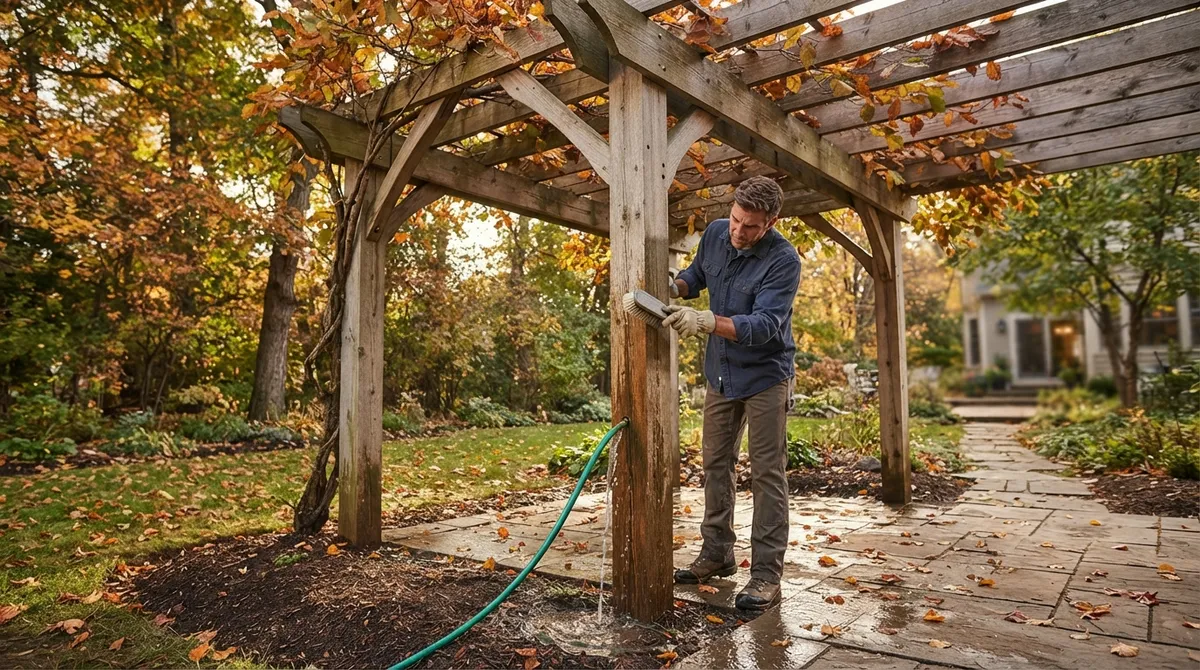
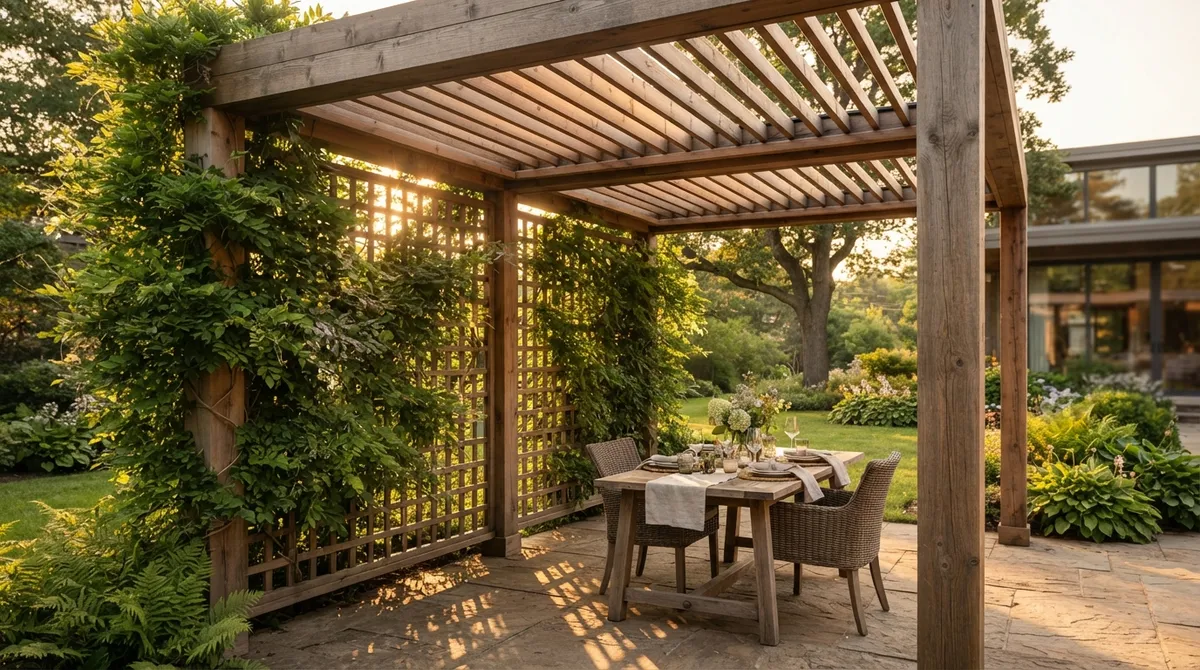
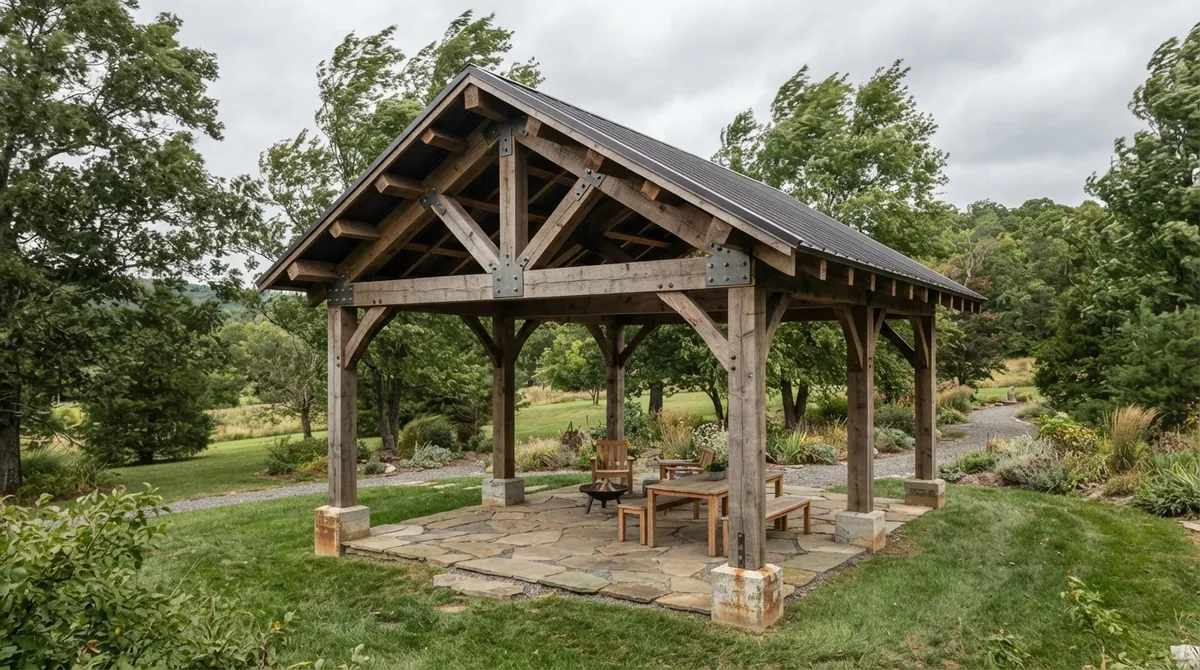
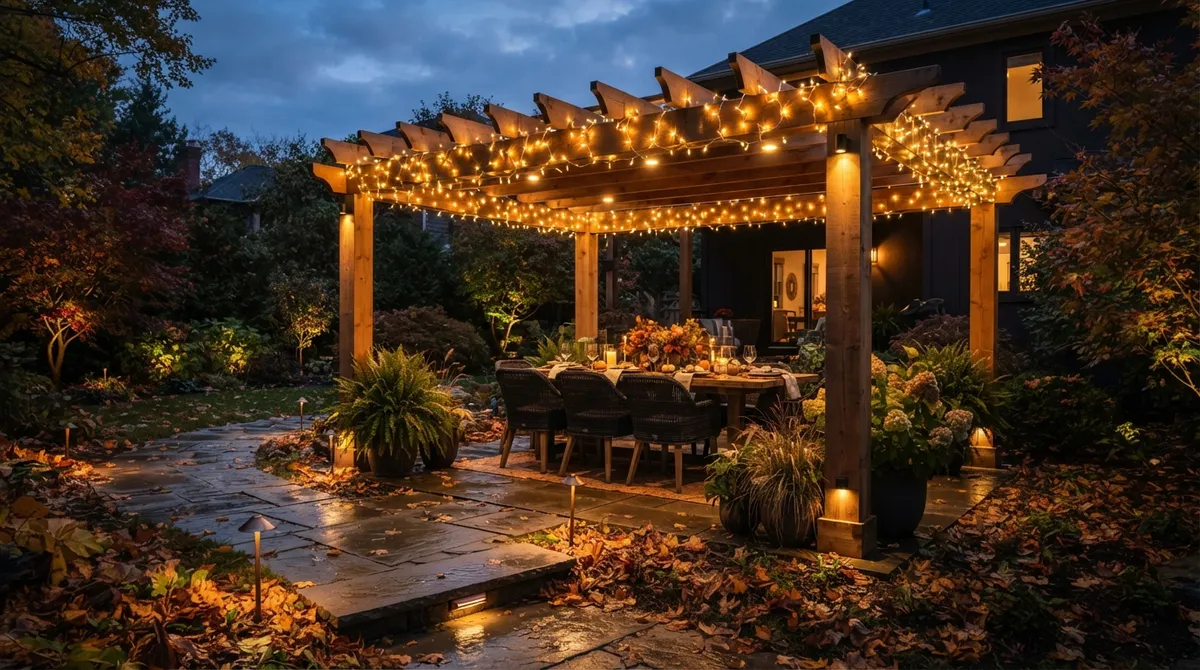
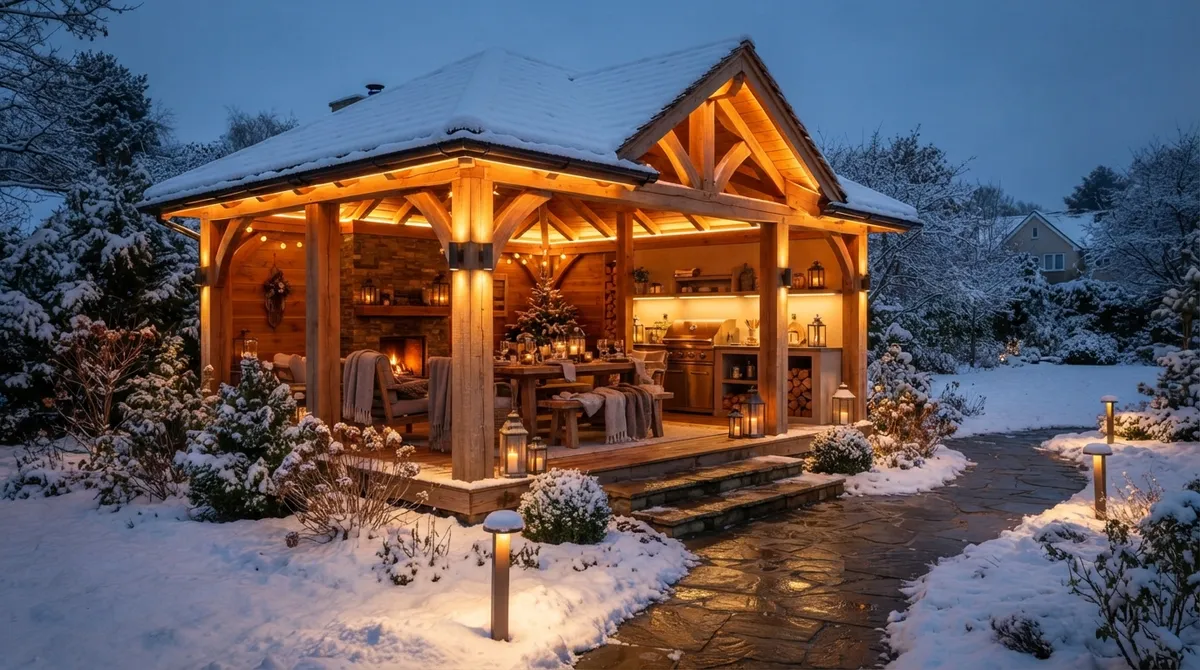
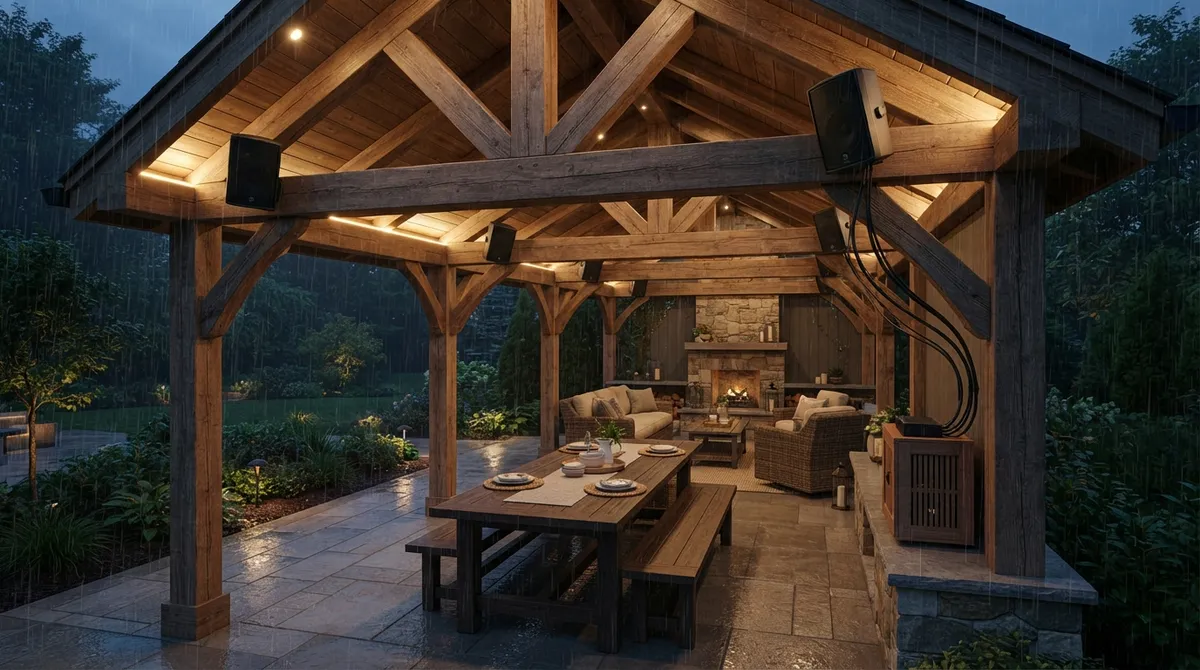
- Pergolas and pavilions: These create shade and a defined “room” outdoors. Explore pergola and pavilion options for inspiration.
- Fire pits: Nothing beats a warm glow on a cool fall night.
- Lighting and sound: Landscape lighting and outdoor audio stretch your evenings and boost safety.
- Retaining walls: They tame slopes and create flat, usable areas. Learn what a retaining wall is and whether you need one.
Pick the Right Plants for Your Climate
Plants bring life, color, and texture to any backyard design. But the wrong plants can turn into a never-ending chore. The secret is matching plants to your local climate, soil, sun, and the amount of care you want to give.
The U.S. Environmental Protection Agency recommends regionally appropriate or native plants where they fit. Once established, many of these plants need little water beyond normal rainfall. They can also stand up better to local pests and diseases. That means less work and fewer surprises for you.
Tips for Smart Plant Selection
- Check your hardiness zone. Chicago-area yards need plants that handle cold winters and humid summers.
- Match plants to sun and soil. Put sun lovers in bright spots and shade plants under trees.
- Layer your plantings. Use tall shrubs in back, mid-height perennials in the middle, and low groundcovers in front.
- Plan for four seasons. Mix spring bulbs, summer perennials, fall color, and winter structure.
- Group by water needs. This one deserves its own section below.
For more ideas on planting beds and lawns, read about how to design softscapes that transform your outdoor space.
Design a Water-Smart Backyard
A water-smart yard looks great and saves you time and money. The EPA suggests a few simple strategies that work well in almost any backyard design.
- Hydrozoning: Group plants with similar water needs together. That way you’re not overwatering thirsty plants or drowning tough ones.
- Efficient irrigation: Drip or micro-irrigation suits beds and shrubs. Spray heads are usually best saved for turf.
- Mulch: A layer of mulch keeps soil cool, holds moisture, and fights weeds.
- Right-sized turf: Keep lawn where you’ll actually use it, and replace the rest with beds, groundcovers, or patios.
If you want a lush look without the mowing, you might also explore artificial turf installation for play areas or high-traffic spots.
Don’t Forget Grading and Drainage
This part isn’t flashy, but it may be the most important piece of backyard design. Water must go somewhere. If it pools against your foundation or washes mulch down a slope, even the prettiest yard will struggle.
Good design respects your site’s natural drainage patterns. It limits erosion on slopes and manages runoff so it doesn’t cause trouble. Depending on your site and local rules, a rain garden or planted depression can capture runoff and let it soak in slowly. Retaining walls, swales, and proper grading also help.
Wet yards are common in our area. If that sounds familiar, take a peek at the best grass alternatives for wet backyards.
Backyard Design Ideas by Property Type
Not every yard looks the same, and not every owner has the same needs. Here’s how different readers can approach backyard design.
Suburban Homeowners
You likely have more space, which means more options. Focus on a defined patio, a fire feature, and layered planting beds. If you live in an HOA community, check the rules on fences, structures, and plant heights before you finalize the plan. Strong curb appeal and a functional backyard go hand in hand.
Urban Condo Owners
Small spaces call for smart choices. Think vertical planters, built-in seating, compact pavers, and low-maintenance plants. Rooftop and patio spaces get hot, so choose heat-tolerant plants and consider shade structures. Always check building and city rules before you start.
Commercial Properties and Small Businesses
Restaurants, shops, and offices benefit from inviting outdoor areas that welcome guests. Seasonal plantings, lighting, and tidy walkways boost curb appeal and keep customers coming back. Ongoing care matters here, so ask about commercial lawn maintenance to keep everything looking sharp.
New Home Builders
Buyers love move-in-ready outdoor spaces. A turnkey package with a patio, planting, grading, and lighting can help your homes stand out. Clear scope and sequencing keep your build on schedule.
How to Plan Your Backyard Design: A Simple Step-by-Step
Ready to get moving? Here’s a straightforward path you can follow.
- Assess your site. Measure, map sun and shade, and note drainage and soil.
- List your goals. Decide how you want to use the space.
- Set a budget and timeline. Consider phasing the work.
- Sketch zones and paths. Think about flow and how spaces connect to your home.
- Choose materials and plants. Match them to your climate and maintenance comfort.
- Plan for water. Add irrigation, grading, and drainage solutions.
- Add lighting and finishing touches. Extend your yard’s use into the evening.
- Confirm permits and utilities. Call before you dig and check local requirements.
Want to see what’s possible? Browse our gallery of our work for real-life examples from across Chicagoland.
Common Backyard Design Mistakes to Avoid
Even smart homeowners trip over a few common pitfalls. Knowing them ahead of time helps you dodge them.
- Skipping the plan: Building piece by piece without a master plan leads to awkward layouts and wasted money.
- Ignoring drainage: Water problems only get worse over time.
- Choosing plants by looks alone: A plant that hates your soil will keep struggling.
- Overbuilding: Too many features can make a yard feel crowded.
- Forgetting maintenance: Pick a design you’ll actually enjoy caring for.
Hardscape errors are especially costly, so it helps to read up on hardscaping mistakes to avoid in your outdoor space before you break ground.
When to Bring in a Professional
Some folks love a good DIY project, and that’s wonderful. But bigger jobs like grading, retaining walls, patios, and drainage fixes benefit from trained hands. A pro brings design skill, the right equipment, and a clear sense of construction order. That helps you avoid rework and get a result that lasts.
Professional landscaping services may include design consultation, plans, plant selection, grading and drainage work, patios and paths, planting, irrigation, lighting, and feature installation like pergolas or outdoor kitchens. Before work starts, make sure you understand the scope, permits, utility locations, and project sequence.
Look for a team with real credentials and local know-how. Industry groups like Landscape Illinois connect homeowners with trusted professionals, and the ICPI Certified Installer program helps you find qualified paver contractors. You can also learn more about who we are at Serenity Landscape Group and how our two decades of experience can shape your project. For another helpful overview, explore our guide to choosing landscape design services that transform your yard.
Make Your Backyard Design Last Through the Seasons
A beautiful yard in July should still look good in January. Chicago’s climate is tough, with freeze-thaw cycles, heavy snow, and hot, humid summers. Choose durable materials and plants that handle all of it.
Plan for winter interest too. Evergreens, ornamental grasses, and structural features like pergolas and stone walls keep your yard attractive when flowers fade. Good lighting makes short winter days feel cozier. And a solid maintenance plan keeps everything healthy year after year.
Ready to Start Your Backyard Design?
A great backyard design doesn’t happen by accident. It comes from careful planning, smart choices, and a clear vision of how you want to live outdoors. Whether you dream of a cozy fire pit, a paver patio, a lush garden, or a polished commercial entry, the right plan makes it all possible.
We’d love to help you turn that vision into reality. Get a Free Estimate from Serenity Landscape Group today, or call us at (630) 359-5139 to talk through your ideas. Your best backyard is waiting, and we can’t wait to build it with you.
FAQs
Q: How do I plan a backyard design from scratch?
A: Start by measuring your yard and noting sun, shade, soil, slopes, and drainage. Then list your goals, set a budget, and sketch zones for activities like dining, play, and gardening. A pro can help turn that plan into a clear, buildable design.
Q: What should I include in a backyard design plan?
A: A good plan covers functional zones, paths, plant choices, hardscapes like patios or walls, irrigation, lighting, and drainage. It should also consider privacy, shade, and how the yard connects to your home. Don’t forget permits and utility locations before work begins.
Q: How do I design a low-maintenance backyard?
A: Choose native or regionally appropriate plants, group them by water needs, and use mulch to cut down on weeding and watering. Keep turf areas small and use durable hardscapes like pavers for the rest. Smart planning up front means a lot less work later.
Q: How can I improve backyard drainage and prevent erosion?
A: Work with your yard’s natural water flow by using proper grading, swales, and planted areas like rain gardens where allowed. Retaining walls and groundcovers also help hold soil on slopes. A site assessment will show where water collects so you can fix the real problem.
Q: What backyard design features add the most usable outdoor living space?
A: Patios, pergolas, fire pits, outdoor kitchens, and lighting are popular because they turn your yard into an extra room. Paths and defined seating areas also make a space feel more inviting. The best features are the ones that match how you actually use your yard.