Key Takeaways
-
Proper drainage design is the top priority for retaining wall success—water pressure behind walls causes cracking, tilting, and collapse, so experienced contractors use gravel backfill, perforated drain pipes, and weep holes to manage water flow.
-
Natural stone and concrete block are the best materials for highway-adjacent walls because they handle freeze-thaw cycles and heavy pressure better than timber or brick, making them ideal for Chicago winters and high-load applications.
-
Verify your contractor’s experience with site assessment, soil analysis, and drainage planning before hiring—ask for photos of similar sloped or road-adjacent projects and check that they proactively discuss drainage without being prompted.
-
Retaining walls over four feet tall typically require building permits in most Chicago-area communities, especially on commercial properties or near public roads, so confirm your contractor knows local regulations and handles permitting.
-
A well-designed retaining wall transforms unusable sloped terrain into flat planting beds, walkways, and outdoor living areas while preventing erosion, boosting property value, and improving curb appeal.
-
Professional installation usually takes three to seven days for residential projects, with phases including site preparation, base installation, wall construction with integrated drainage, backfilling, and finishing—your contractor should provide a clear timeline upfront.
If your property sits on a slope or near a busy road, you’ve probably noticed how quickly soil can shift and erode. It’s one of those problems that starts small and grows fast. Highway retaining wall contractors are the specialists who step in to fix exactly that. They design and build walls that hold soil in place, manage water runoff, and turn tricky sloped terrain into beautiful, usable space.
In the landscaping world, these projects are about more than just engineering. A well-built retaining wall can completely transform the look and function of your outdoor space. Whether you’re a homeowner in the Chicago suburbs, a commercial property manager, or a developer building new homes, understanding what these contractors do — and how to choose the right one — can save you a lot of headaches down the road.
Let’s walk through everything you need to know, from the basics to picking the perfect team for your project.
What Do Highway Retaining Wall Contractors Actually Do?
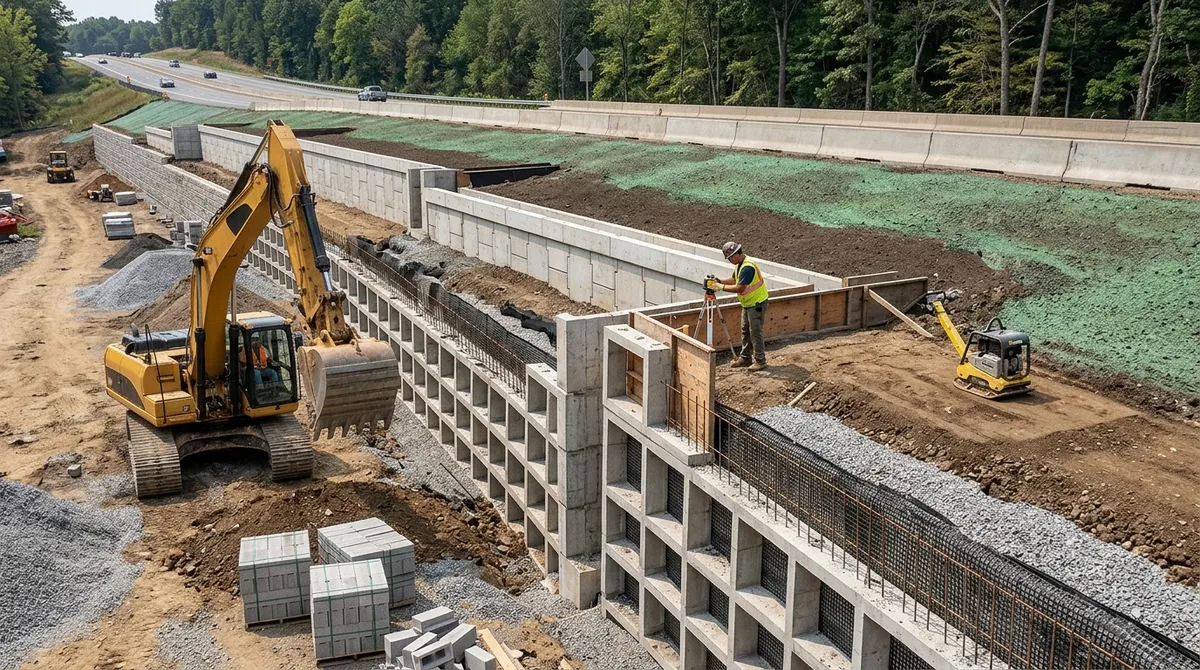
Highway retaining wall contractors in the landscaping industry handle a wide range of work. It’s not just about stacking stones or pouring concrete. Their job covers the full picture — from the first site visit all the way through to a finished, polished installation. You can learn more about the full scope of this work by reading what a commercial retaining wall contractor actually does.
Here’s what a typical project includes:
- Site assessment and soil analysis — Checking ground conditions before any work begins
- Drainage planning — Designing systems to redirect water away from the wall
- Wall design — Choosing the right style, height, and materials for your site
- Grading and excavation — Preparing the land for proper wall placement
- Installation — Building the wall using the selected materials and methods
- Finishing touches — Integrating the wall with surrounding landscape features
Good contractors combine structural know-how with an eye for design. That’s what separates a landscaping retaining wall from a plain civil engineering project. You get something that works beautifully and looks great.
Why Drainage Is the Most Important Factor
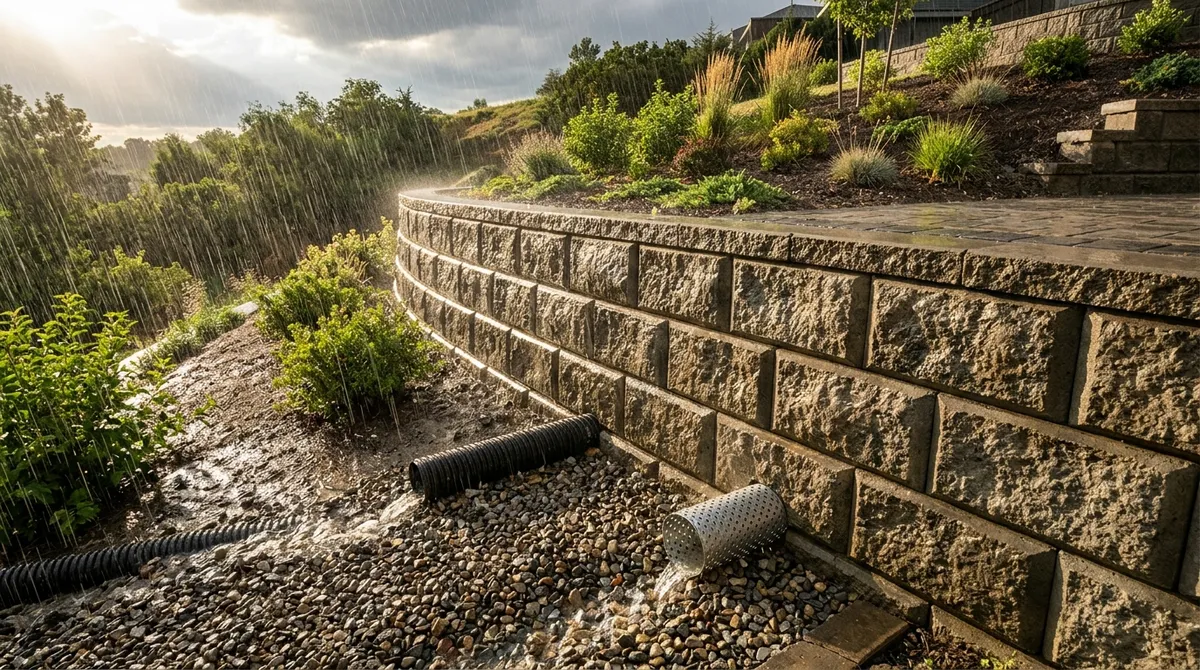
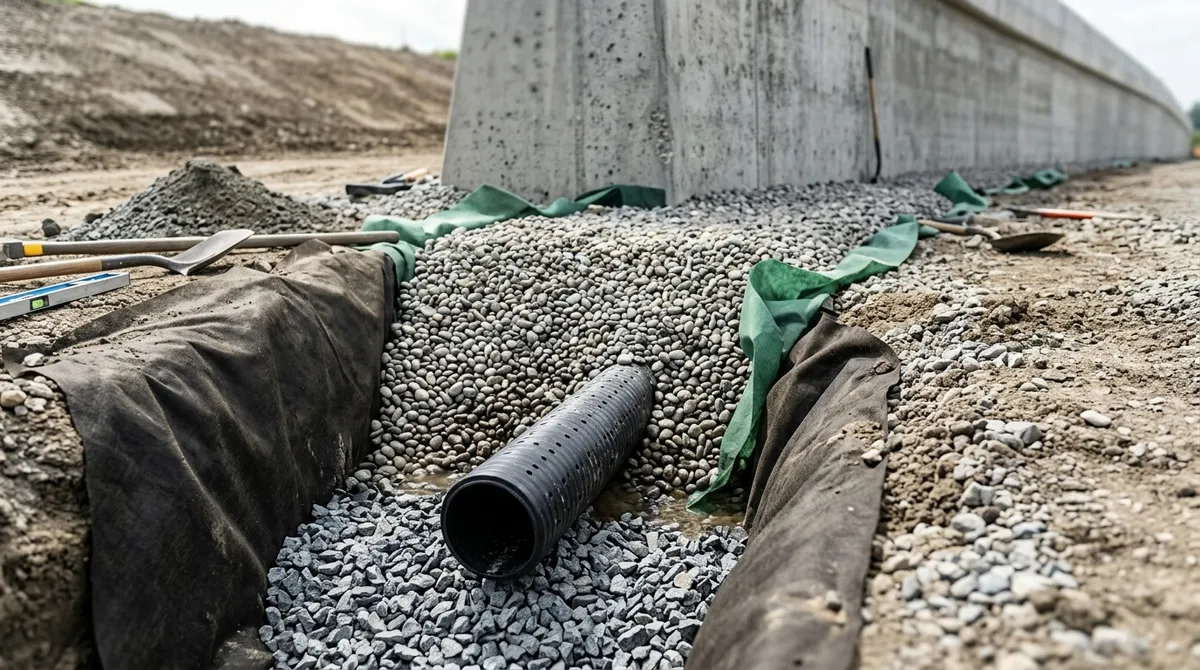
Here’s something many people don’t realize: a retaining wall that doesn’t manage water properly is destined to fail. Water pressure building up behind a wall is one of the top reasons walls crack, tilt, or collapse over time. That’s why experienced highway retaining wall contractors treat drainage design as a top priority — not an afterthought.
Proper drainage systems typically include:
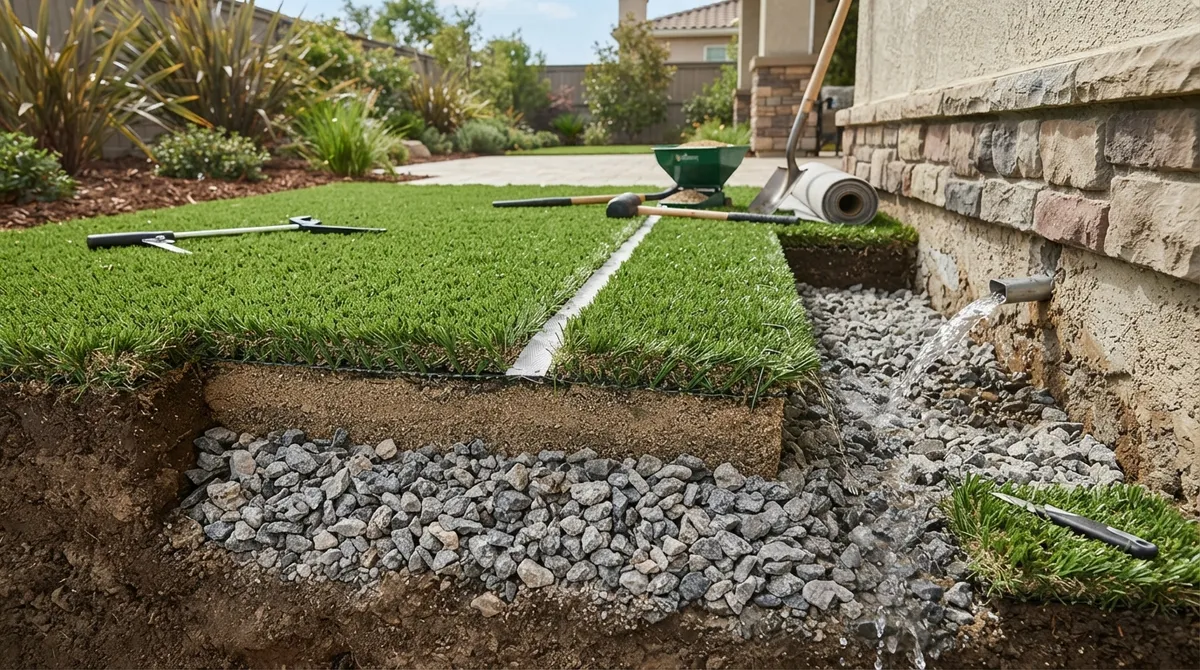
- Gravel backfill to allow water to flow freely behind the wall
- Perforated drain pipes placed at the base of the wall
- Weep holes built into the wall face to release pressure
- Surface grading to direct runoff away from the structure
If you’re dealing with a slope near a road or embankment, the drainage challenge is even bigger. Road runoff adds a significant volume of water that has to go somewhere. The right contractor will account for all of that. For a deeper look at how these systems compare, check out this helpful guide on retaining walls vs. drainage systems for stormwater management.
Best Materials for Highway-Adjacent Retaining Walls
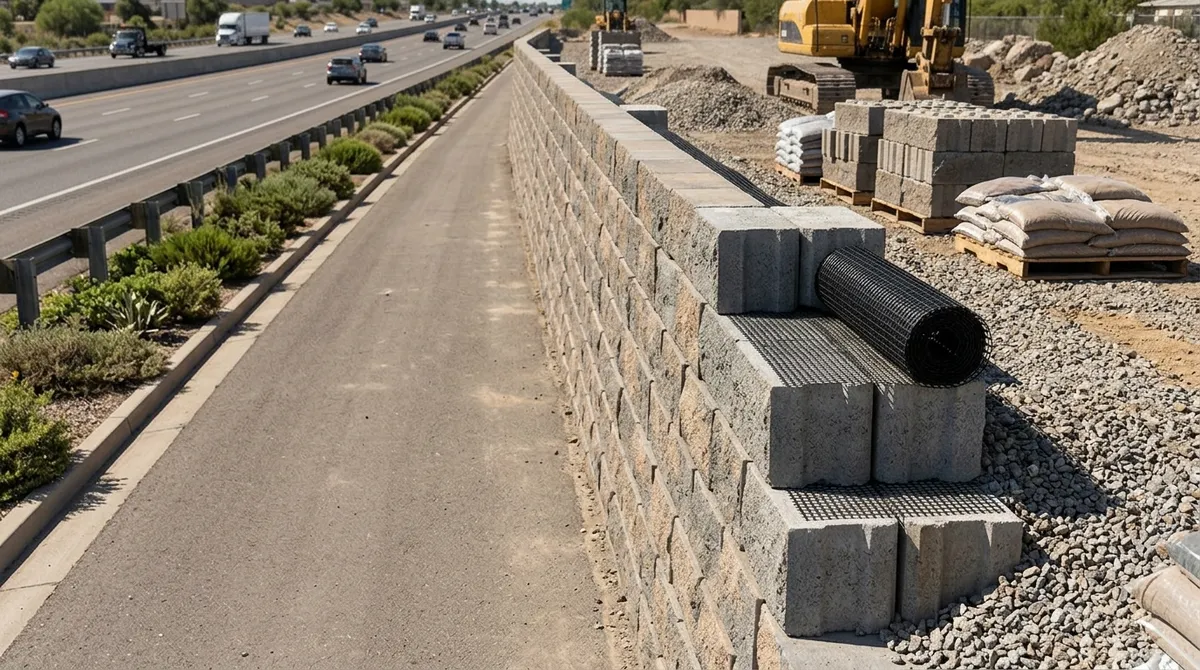
Choosing the right material is a big decision. It affects how the wall looks, how long it lasts, and how much it costs. Here’s a comparison of the most popular options used by landscaping retaining wall contractors:
| Material | Durability | Aesthetic Appeal | Best For |
|---|---|---|---|
| Natural Stone | Very High | Excellent | Residential, upscale landscapes |
| Concrete Block | High | Good | Commercial properties, large slopes |
| Segmental Block | High | Very Good | Tiered garden walls, suburban homes |
| Brick | Moderate-High | Excellent | Traditional or formal landscapes |
| Timber | Moderate | Good | Low garden walls, budget projects |
For highway-adjacent or heavy-load applications, natural stone and concrete block systems are typically the best choices. They handle freeze-thaw cycles well — which is essential for anyone dealing with Chicago winters. If you’d like to see how stonework can elevate an outdoor space, read our piece on why stonework is the secret to a stunning outdoor space.
How Retaining Walls Transform Sloped and Road-Adjacent Properties
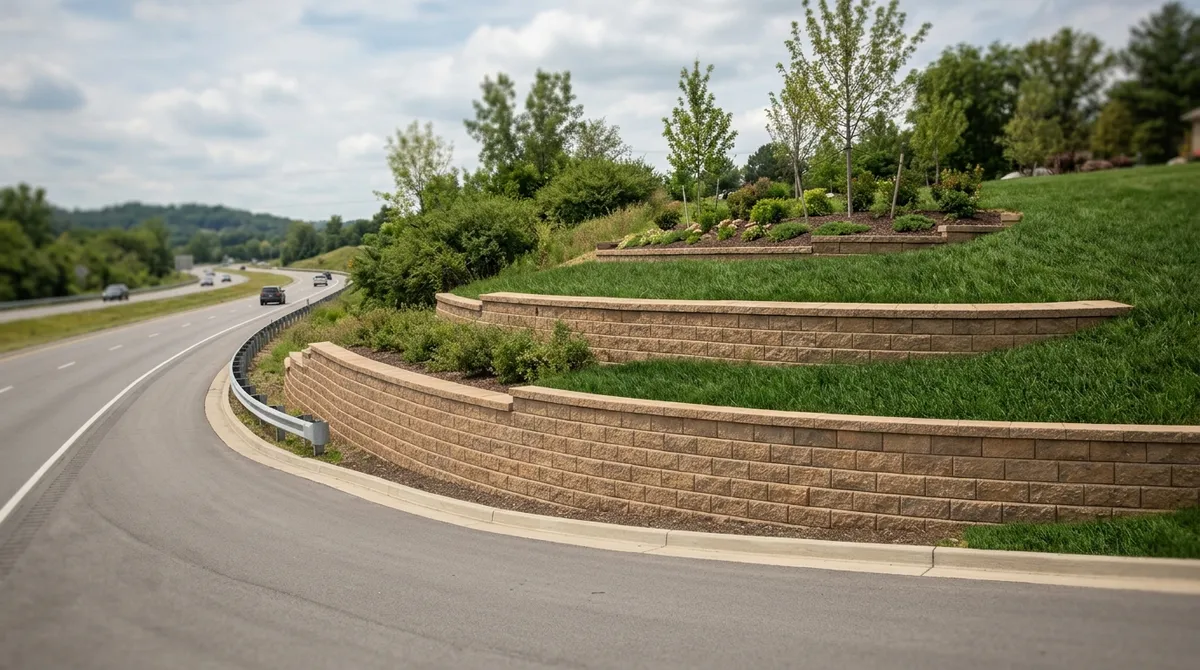
One of the most exciting parts of this work is seeing a challenging site turn into something genuinely beautiful. A steep or eroded slope that was previously unusable can become a multi-level landscape with flat planting beds, walkways, and even outdoor living areas. Curious about how that transformation happens? This article on why retaining walls transform sloped yards into usable spaces explains it in detail.
Here are some of the most common ways retaining walls add real value:
- Erosion control — Stops soil from washing away during rain events
- Slope stabilization — Prevents dangerous landslides on steep embankments
- Usable flat space — Creates level areas for patios, gardens, or lawns
- Curb appeal — Adds structure and visual interest to the property
- Property value — Well-designed hardscaping consistently boosts home and commercial values
For commercial property managers, a retaining wall along a highway-adjacent slope isn’t just practical — it’s also a statement about how well the property is maintained. First impressions matter, and a clean, structured landscape edge tells visitors and tenants that the property is professionally managed.
5 Steps to Choose the Right Highway Retaining Wall Contractor
Not every contractor is created equal. Here’s a simple step-by-step process to help you find the right team for your project:
- Check for relevant experience. Look for contractors who have built walls on sloped, road-adjacent, or high-load sites. Ask to see photos of similar past projects.
- Verify licensing and insurance. This protects you if something goes wrong. Don’t skip this step, even if the contractor seems trustworthy.
- Ask about drainage plans. A good contractor will talk about drainage before you even ask. If they don’t mention it, that’s a red flag.
- Request a detailed written estimate. The quote should break down materials, labor, drainage components, and any grading or excavation work separately.
- Look for design capability. In landscaping, you want a contractor who can integrate the wall into the broader aesthetic of your property — not just build a functional structure.
You can also get inspiration by browsing our gallery of our work to see what professional retaining wall design and installation really looks like. For more guidance on finding the right pros, read about 5 ways to find the best commercial retaining wall contractors.
Do You Need Permits for a Retaining Wall?
This is one of the most common questions homeowners and property managers ask. The short answer: it depends on the height of the wall and your local municipality’s rules. In most Chicago-area communities, walls over four feet tall require a building permit. Walls on commercial properties or near public roads may have additional requirements.
A reliable contractor will know the local regulations and handle the permit process for you. Organizations like Landscape Illinois also provide helpful resources on professional standards and compliance in the state. Don’t let permitting catch you off guard — it’s always better to ask upfront than to deal with code violations after the fact.
Here’s a quick checklist of what typically triggers a permit requirement:
- Wall height exceeds four feet
- Wall is located within a certain distance of a property line or road
- Site is on a floodplain or near a waterway
- Commercial or multi-family property is involved
Retaining Walls as Part of a Broader Hardscape Design
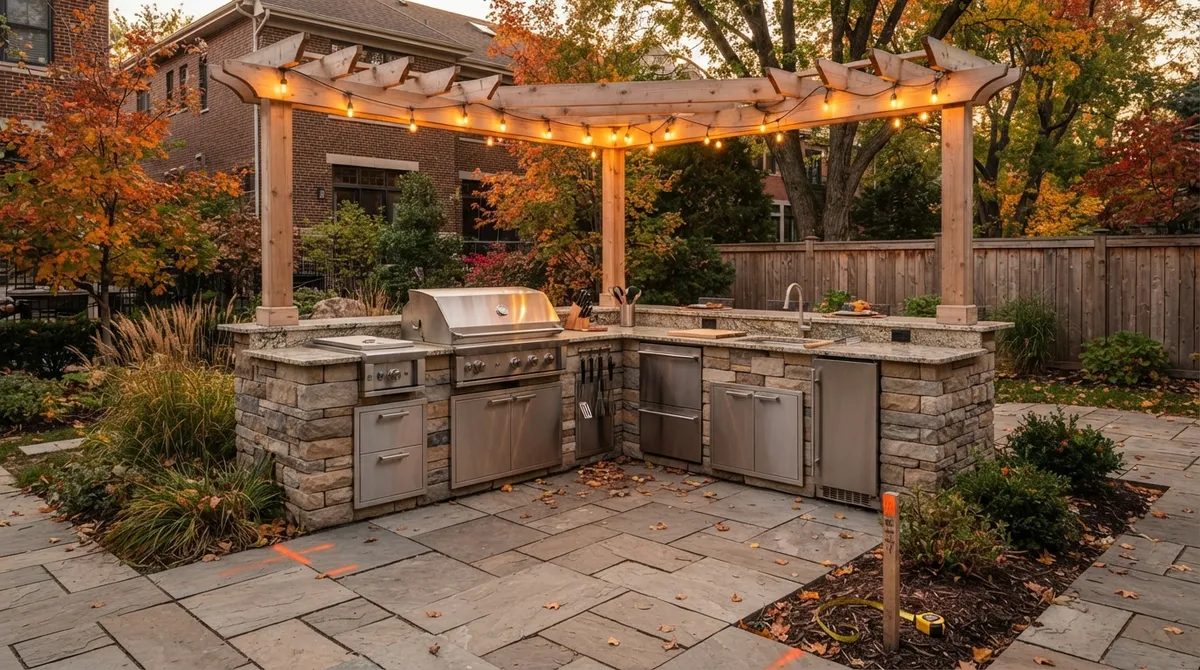
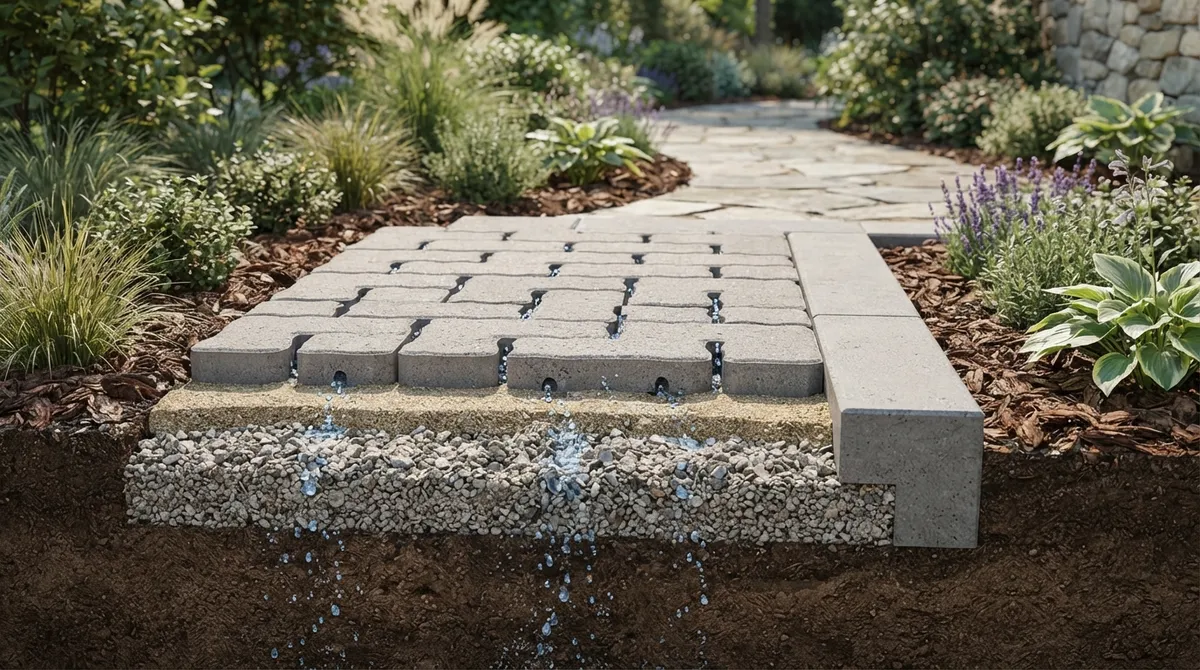
In the landscaping world, retaining walls rarely stand alone. They’re usually part of a bigger hardscape plan that might include pavers, walkways, patios, and outdoor living features. That’s actually a great thing — it means your retaining wall project can become an opportunity to rethink and upgrade your entire outdoor space.
Think about how a tiered retaining wall system could create the perfect backdrop for a fire pit gathering area or a shaded pergola or pavilion. Add some landscape lighting to the wall face, and suddenly you have an outdoor space that looks stunning at night too.
For those wanting to avoid common pitfalls, we recommend reading about 7 hardscaping mistakes to avoid in your outdoor space. It’s a great resource that can save you time and money before your project even begins.
Working with contractors who are certified in hardscape installation gives you added confidence. Resources like the ICPI Certified Installer program set a professional standard for the industry that you can look for when vetting your options.
What to Expect During the Installation Process
Knowing what happens on your property during installation helps you prepare and sets realistic expectations. Here’s a general timeline of how a retaining wall project unfolds:
- Site preparation — The crew marks the area, removes vegetation, and begins excavation. This can take one to three days depending on scope.
- Base installation — A solid gravel base is compacted into place. This is what keeps the wall stable over time.
- Wall construction — Blocks, stones, or other materials are placed row by row. Drainage components are installed as the wall goes up.
- Backfilling — Gravel backfill is added behind the wall in layers to ensure proper drainage.
- Finishing and cleanup — The crew grades the surrounding area, restores disturbed ground, and cleans up the site.
Most residential retaining wall projects take between three and seven days. Larger commercial or highway-adjacent projects may take longer. Your contractor should give you a clear timeline before work begins. For a deeper look at how professional projects are managed, explore our project process page.
How Serenity Landscape Group Can Help
At Serenity Landscape Group, we’ve spent over 20 years helping homeowners, businesses, and developers across the greater Chicago area tackle exactly these kinds of challenges. Our team specializes in retaining wall design and installation, and we bring both structural expertise and a genuine passion for beautiful outdoor spaces to every project.
We understand the unique challenges of Chicago-area properties — from clay-heavy soils and freeze-thaw cycles to HOA standards and municipal permit requirements. That experience means fewer surprises for you and a finished product that truly lasts. Whether you’re stabilizing a highway-adjacent embankment or creating a tiered garden for your backyard, we’d love to help you get it right. You can also read about what a retaining wall is and whether you need one to help clarify your next steps.
For commercial clients, our commercial lawn maintenance services complement retaining wall installations perfectly, keeping your entire property looking sharp season after season. You can also explore how to choose commercial landscaping services that deliver results to make sure you’re partnering with the right team. The Landscape Illinois association also serves as a great benchmark for professional standards across the state.
Ready to Transform Your Property?
A well-designed retaining wall does more than hold back soil. It opens up new possibilities for your outdoor space, protects your investment, and adds real curb appeal. Whether you’re dealing with a highway-adjacent slope, an eroding embankment, or simply a yard that needs structure, the right highway retaining wall contractors can make an enormous difference.
Don’t wait until erosion or poor drainage turns into a bigger (and more expensive) problem. Request a free estimate from our team today and let’s start planning a retaining wall solution that works beautifully for your property. You’re also welcome to call us directly at (630) 359-5139 — we’d love to hear about your project and share some ideas.
FAQs
Q: What do highway retaining wall contractors do in a landscaping context?
A: In landscaping, highway retaining wall contractors design and build walls that stabilize slopes, control soil erosion, and manage water drainage along road-adjacent or tiered properties. They handle everything from site assessment and drainage planning to material selection and installation, making sure your wall is both structurally sound and visually appealing. It’s a wonderful combination of engineering and artistry!
Q: What materials are best for retaining walls near highways or steep slopes?
A: For highway-adjacent or high-load applications, natural stone and concrete block systems are typically the top choices because they handle heavy pressure and freeze-thaw cycles really well — especially important in the Chicago area. Segmental block systems are also a popular option for tiered residential walls because they look great and perform reliably. Your contractor will help you choose the best material based on your specific site conditions and aesthetic goals.
Q: Do I need a permit for a retaining wall on my property?
A: In most Chicago-area communities, retaining walls over four feet tall require a building permit, and walls near public roads or on commercial properties may have additional requirements. A good contractor will know your local regulations and can handle the permit process on your behalf — one less thing for you to worry about! It’s always better to check upfront than to deal with code issues after the work is done.
Q: How long does a professionally installed retaining wall last?
A: A well-built retaining wall using quality materials like natural stone or concrete block can last 50 years or more with proper drainage and minimal maintenance. Walls that are poorly drained or built with substandard materials tend to fail much sooner, which is why choosing an experienced contractor matters so much. Think of it as a long-term investment that pays off every single year!
Q: Can a retaining wall contractor also handle drainage and grading work?
A: Absolutely — most experienced landscaping retaining wall contractors include drainage planning and site grading as part of their services because those elements are critical to wall performance. In fact, a contractor who doesn’t mention drainage is a red flag worth paying attention to! At Serenity Landscape Group, we always integrate drainage design into every retaining wall project to make sure your investment stands the test of time.