Key Takeaways
-
Most Chicago homeowners pay $10-$18 per square foot installed for imitation grass in 2026, with labor accounting for $4-$9 per square foot depending on site complexity.
-
Smaller projects under 500 sq ft cost more per square foot ($14-$25+) because equipment setup and crew costs don't decrease proportionally with yard size.
-
Turf material itself is only $2-$8 per square foot; the bulk of costs come from site prep, base materials, labor, and infill, so request itemized quotes to understand value.
-
Polyethylene is the best value for most residential Chicago yards, balancing softness and durability at $2.20-$4.10 per square foot, while nylon ($5-$6.40) suits high-traffic areas.
-
Over 10 years, imitation grass can match or beat natural sod costs when factoring in eliminated watering, mowing, fertilizing, and maintenance expenses.
-
Professional installation is critical—improper base prep, seam placement, and grading lead to wrinkles, poor drainage, and peeling within a year, making DIY risky.
Thinking about swapping your patchy, thirsty lawn for something greener that stays green all year? You’re not alone. Chicago homeowners, condo owners, and business managers are all asking the same question this year: how much does imitation grass cost, really? The honest answer is that it depends on your yard, your goals, and the quality of turf you choose. But don’t worry, we’re going to break it all down in plain, friendly terms so you can budget with confidence.
Whether you’re dealing with muddy dog runs, a rooftop terrace, or a shady side yard where nothing grows, imitation grass (also called artificial grass or synthetic turf) might be the answer you’ve been searching for. Let’s walk through the real numbers, what drives them, and how to get the best value for your investment.
What Is the Average Imitation Grass Cost in 2026?
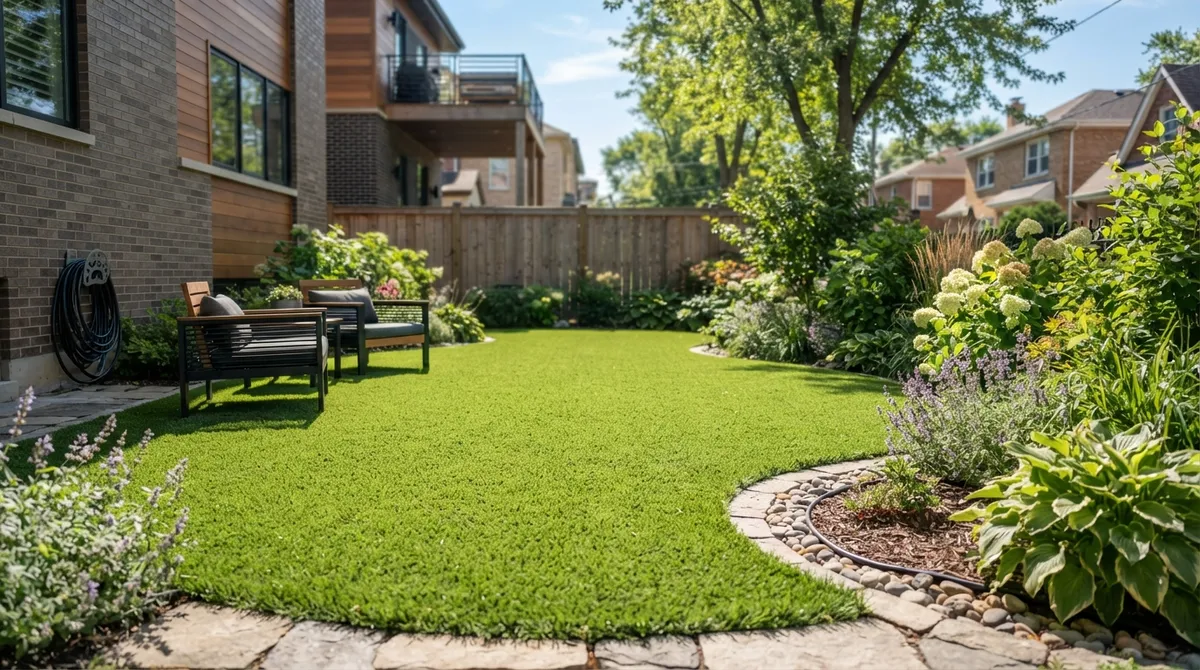
Across the U.S., imitation grass typically costs about $8 to $20 per square foot installed in 2026. Most homeowners land somewhere between $10 and $18 per square foot for a standard residential lawn. One national cost guide even points to an average of about $12.75 per square foot as a solid benchmark for planning purposes.
That price covers more than just the turf itself. It includes labor, site prep, materials, and finishing touches that make your new lawn look natural and last for years. If you’re comparing quotes, always ask for an itemized breakdown rather than a single lump-sum number.
Cost by Project Size
Bigger isn’t always cheaper per square foot, but larger projects do tend to get better pricing since delivery and setup costs get spread out. Here’s a general breakdown:
| Project Size | Estimated Cost Range | Cost Per Square Foot |
|---|---|---|
| Under 400 sq ft | $5,600 – $10,000+ | $14 – $25+ |
| 500 sq ft | $4,500 – $10,000 | $9 – $20 |
| 1,000 sq ft | $9,000 – $17,000 | $9 – $17 |
| 1,500 sq ft | $12,000 – $22,000 | $8 – $15 |
| 2,000+ sq ft | Varies, often lowest per sq ft | $10 or less |
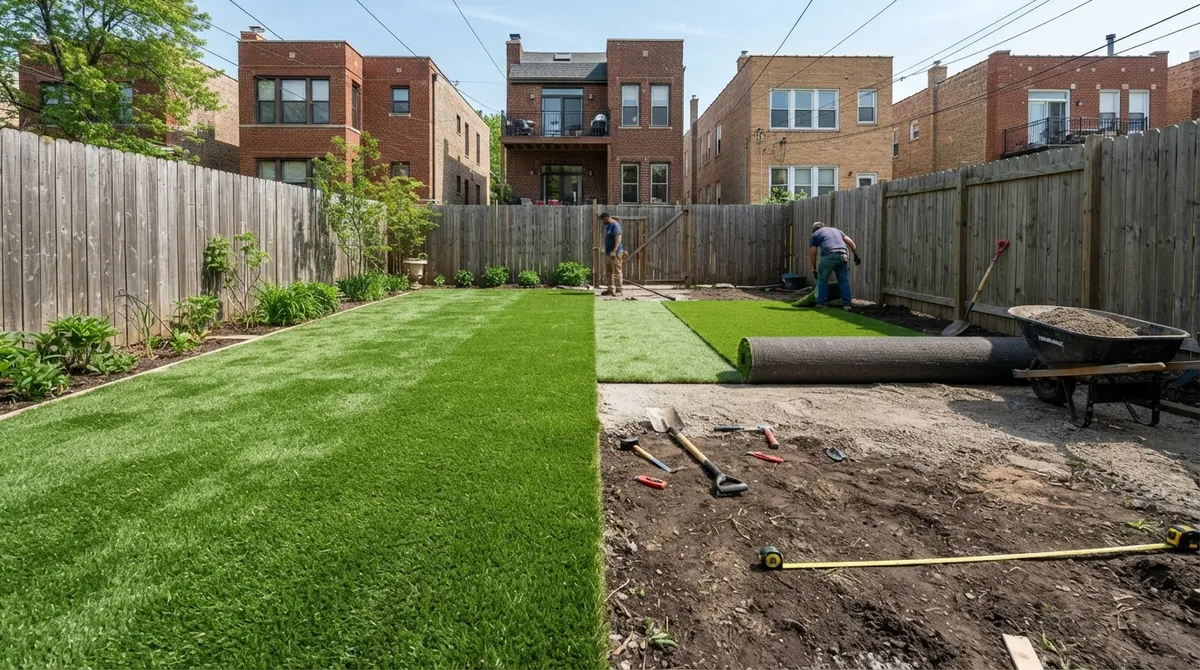
Small projects under 500 square feet often cost more per square foot because crews still need to haul in equipment, cut precise edges, and finish seams no matter the size. If your project is tiny, don’t be surprised if quotes run higher than the averages you see online.
What Actually Makes Up the Price?
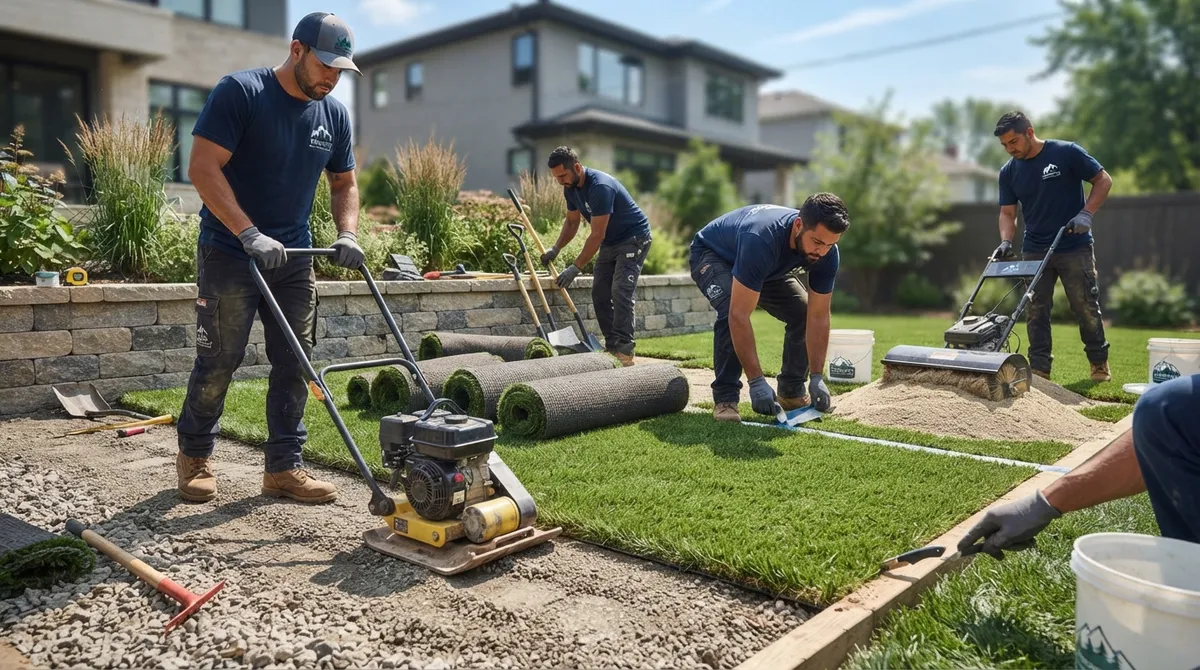
Here’s something a lot of folks don’t realize: the turf material itself is often the smallest slice of the pie. Material-only pricing usually runs about $2 to $8 per square foot, but the real cost comes from everything it takes to install it properly.
Key Cost Factors to Know
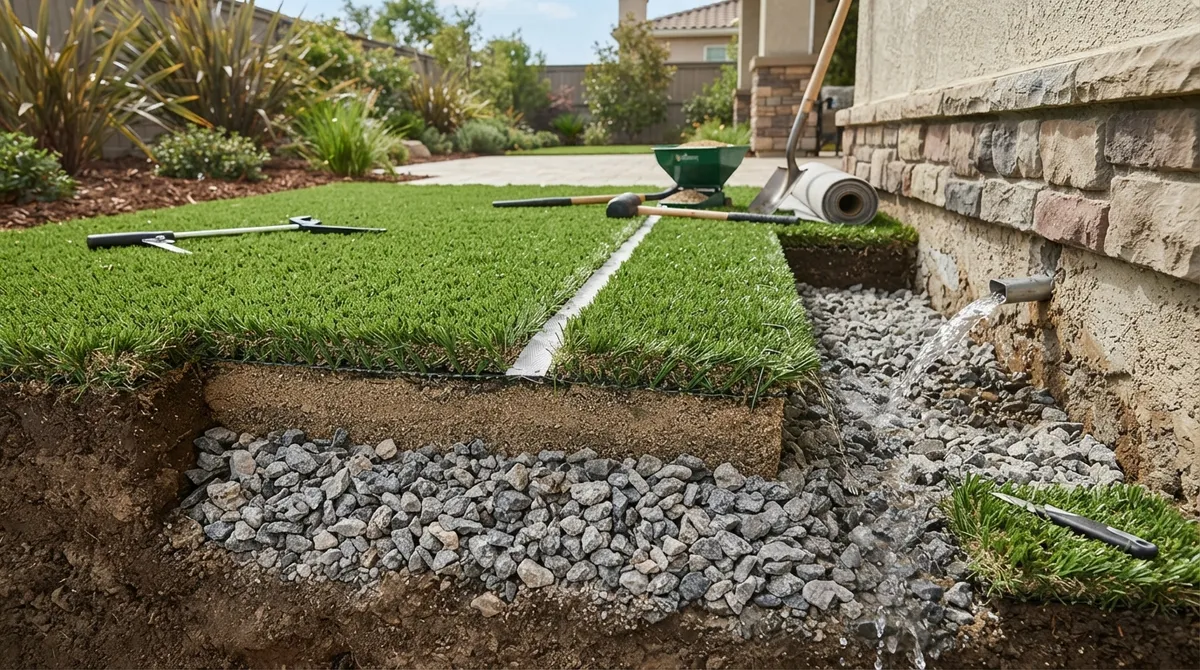
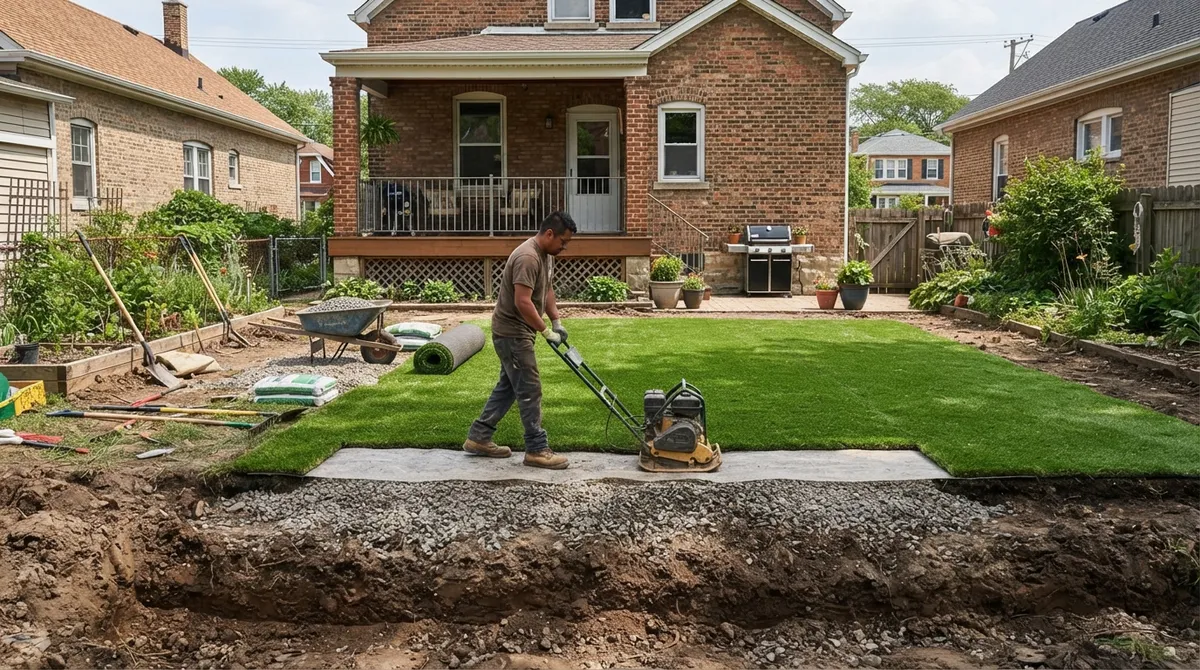
- Site preparation – Removing old grass, digging out soil, and grading the area for proper drainage.
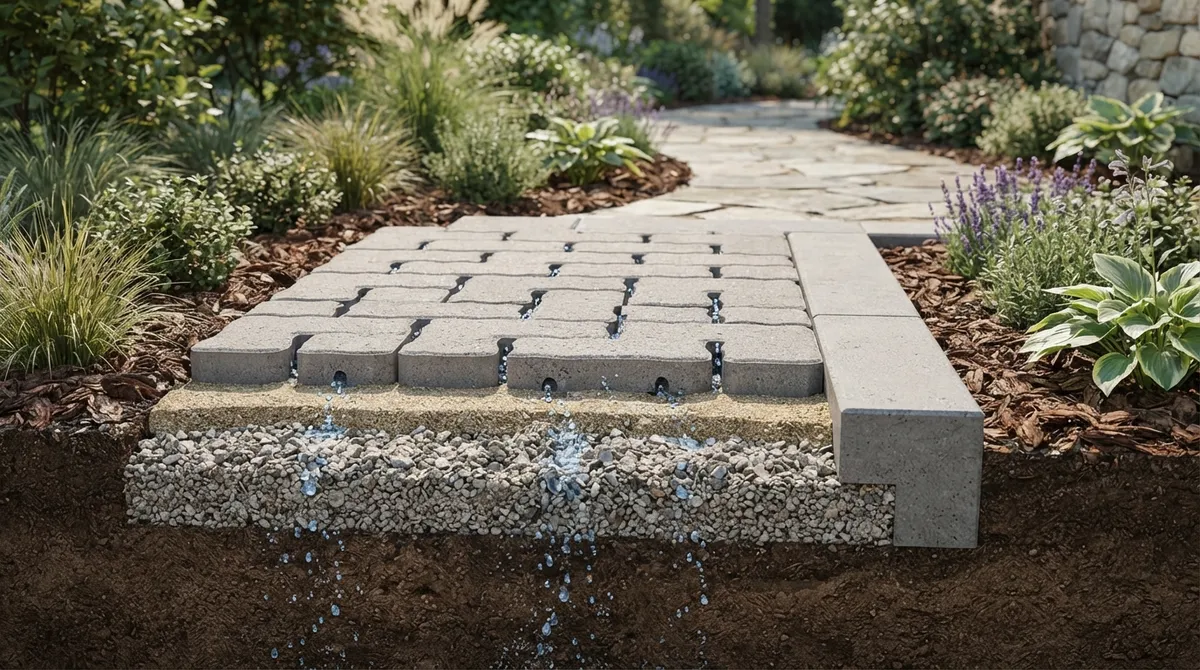
- Base materials – A compacted layer of crushed stone or aggregate that keeps your lawn stable and well-drained.
- Weed barrier – A fabric layer that stops weeds from poking through your new turf.
- Turf product – The actual synthetic grass, priced by type and quality.
- Infill – Sand, rubber, or organic materials that help the blades stand up and add cushioning.
- Seams and edging – Professional stitching and border work so your lawn looks seamless.
- Labor – Skilled installation, which can make or break how long your turf lasts.
- Disposal fees – Hauling away old sod, dirt, or debris from the site.
Angi reports that labor alone can add $4 to $9 per square foot depending on how complex your project is. If your yard has slopes, poor drainage, or tricky access, expect that number to climb. This is exactly why working with an experienced team matters. Our guide on the best base materials for turf installation dives deeper into this critical step.
Comparing Turf Types: Polypropylene, Polyethylene, and Nylon
Not all imitation grass is created equal. The material you choose affects both the price and how your lawn feels underfoot.
| Turf Type | Price Per Sq Ft (Material Only) | Best For |
|---|---|---|
| Polypropylene | $2.00 – $6.35 | Budget-friendly, low-traffic areas |
| Polyethylene | $2.20 – $4.10 | Most residential lawns, natural look and feel |
| Nylon | $5.00 – $6.40 | High-traffic zones, putting greens, durability |
Polyethylene is the go-to choice for most Chicago homeowners because it strikes a nice balance between softness, durability, and price. Nylon is tougher and holds its shape better, which makes it popular for backyard putting greens and areas that see a lot of foot traffic.
Special Projects That Cost More
Some installations require extra steps, which naturally bumps up the price. Here’s what to expect:
- Pet-friendly turf – Needs improved drainage and odor-control infill to handle bathroom breaks without lingering smells.
- Playground turf – Often requires shock-absorbing pads underneath for safety compliance.
- Rooftop installations – Weight restrictions and drainage systems add complexity and labor.
- Putting greens – Specialized turf and precise grading for a true, consistent roll.
- Curved or multi-seam designs – More cutting and seaming means more labor hours.
If you have furry family members, check out our tips on the best artificial grass options for dogs in Chicago. And if you’re dreaming of a rooftop escape, our piece on rooftop terrace turf design shows what’s possible even in tight urban spaces.
Imitation Grass vs. Natural Sod: Which Saves More Long-Term?
Yes, imitation grass costs more upfront than sod. But here’s the thing: sod isn’t a one-time expense either. You’ve got water bills, mowing, fertilizer, and the occasional bag of grass seed when bare patches show up.
Ongoing Costs Comparison
- Natural sod requires weekly mowing, seasonal fertilizing, weed control, and regular watering, especially during Chicago’s hot summer stretches.
- Imitation grass needs occasional rinsing, brushing to fluff flattened fibers, and periodic infill top-offs, but no mowing or watering at all.
- Pet owners with real grass often deal with yellow patches and muddy paws, while turf owners simply rinse and go.
Over a decade, many homeowners find the total cost of ownership evens out or even favors turf, especially when you factor in water savings. It’s not entirely maintenance-free, though. You’ll still want to remove leaves and debris, brush the fibers occasionally, and manage pet waste promptly. Our article on cost-benefit facts for artificial turf vs. real grass breaks this down in more detail.
How to Get an Accurate Imitation Grass Cost Estimate
A trustworthy quote should never be a vague number scribbled on a napkin. Here’s what a professional estimate should always include:
- Exact measured square footage of the project area
- Turf product name, pile height, and specifications
- Demolition and disposal of existing lawn or debris
- Base depth and type of aggregate material
- Drainage provisions for your specific yard conditions
- Infill type and how much will be used
- Edging and seam details
- Warranty information and applicable taxes
If a quote skips any of these details, ask questions before signing anything. A little curiosity now saves a lot of frustration later. Our step-by-step process page shows exactly how we walk clients through every stage, from measurement to final walkthrough.
Steps to Budget Smart for Your Turf Project
- Measure your space – Get an accurate square footage so quotes are apples-to-apples.
- Decide on turf type – Consider foot traffic, pets, and how the space will be used.
- Check your site conditions – Slopes, drainage issues, and access can all affect labor costs.
- Get multiple itemized quotes – Compare apples to apples, not just bottom-line totals.
- Ask about warranties – A good installer stands behind their work for years, not months.
- Plan for infill refreshes – Budget a small amount every few years for upkeep.
For homeowners in Aurora and nearby suburbs, our guide on turf laying mistakes to avoid is a great next read before you sign a contract.
Why Professional Installation Matters
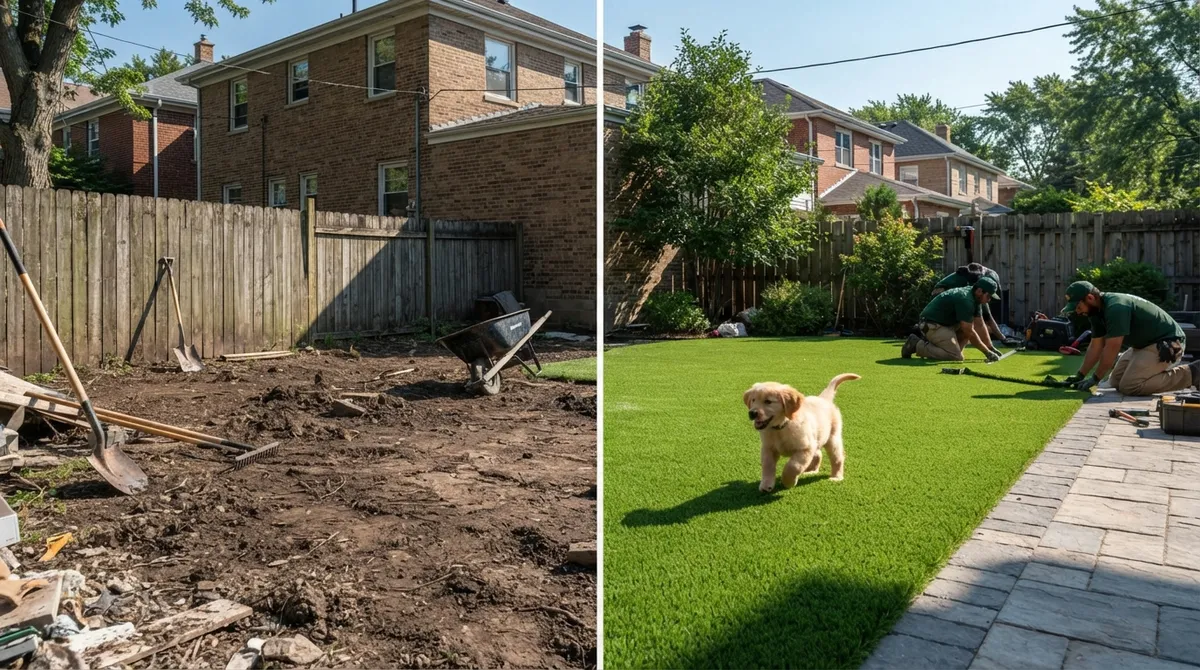
We get it, DIY projects can be tempting. But imitation grass installation is one of those jobs where cutting corners shows up fast, usually in the form of wrinkles, poor drainage, or seams that peel apart within a year. Professional crews understand proper base compaction, correct seam placement, and how to grade for drainage so water doesn’t pool after a Chicago rainstorm.
Organizations like Landscape Illinois emphasize the importance of proper installation standards for long-term performance. Working with a team that follows guidelines from groups like the ICPI Certified Installer program also gives you added peace of mind that the base and hardscape elements are done right.
Our own team at Serenity Landscape Group has spent over two decades perfecting installations across the Chicago metro area, and we’ve seen firsthand how proper prep work pays off for years to come. If you’d like to see examples of past projects, browse our gallery of completed installations for inspiration.
Imitation Grass for Every Type of Property
No matter what kind of outdoor space you’re working with, there’s likely a turf solution that fits. Here’s a quick rundown of common applications we see across Chicagoland:
- Suburban backyards – Perfect for busy families who want a lush look without the weekend mowing marathon.
- Condo balconies and rooftops – Lightweight turf systems that add green space in tight urban footprints.
- Commercial properties – Low-maintenance curb appeal that impresses tenants and customers alike.
- New construction developments – Turnkey landscaping that helps builders close sales faster.
- Restaurants and retail spaces – Inviting, green patios that draw foot traffic and create ambiance.
If you manage a commercial property, our page on commercial lawn maintenance explains how synthetic turf can reduce ongoing upkeep costs while keeping your grounds looking sharp year-round.
Final Thoughts on Imitation Grass Cost
So, how much does imitation grass cost? For most Chicago-area homeowners, you’re looking at roughly $10 to $18 per square foot installed, with special projects like pet turf or rooftop lawns costing a bit more. The investment pays off through years of reduced watering, mowing, and fertilizing, plus a lawn that looks great in every season, including our famously unpredictable Midwest winters.
Every yard is different, and the best way to know your real cost is to get a personalized, itemized estimate from a team that understands Chicago’s soil, climate, and drainage challenges. We’d love to walk your property, answer your questions, and help you picture what’s possible. Get a free estimate today, or feel free to call us at (630) 359-5139 to chat with our friendly team about your project.
FAQs
Q: How much does imitation grass cost per square foot installed?
A: In 2026, most Chicago homeowners pay between $8 and $20 per square foot installed, with a comfortable planning range of $10 to $18 per square foot for standard residential lawns. The final price depends on your turf choice, site conditions, and project size, so it’s always best to get a personalized quote.
Q: How much does artificial grass cost for a 500-square-foot yard?
A: A typical 500-square-foot lawn runs about $4,500 to $10,000 installed, depending on turf quality and how much site prep your yard needs. Smaller projects sometimes cost more per square foot since setup and labor costs don’t shrink much with size.
Q: Is artificial grass cheaper than natural sod over time?
A: While imitation grass costs more upfront, it can save you money over the years by cutting out mowing, watering, and fertilizing expenses. Many homeowners find the totals even out or favor turf once you factor in a decade or more of ongoing lawn care costs.
Q: What’s the cost difference between polypropylene, polyethylene, and nylon turf?
A: Polypropylene is the most budget-friendly option at $2 to $6.35 per square foot, polyethylene runs $2.20 to $4.10 and is the most popular residential choice, and nylon costs $5 to $6.40 for its extra durability. Your choice really comes down to how much foot traffic your lawn will see.
Q: Does artificial grass really reduce water and maintenance costs?
A: Yes, absolutely! You’ll skip watering, mowing, and fertilizing altogether, though you’ll still want to rinse debris off occasionally and brush the fibers now and then. It’s a wonderful trade-off for busy families and property managers who want a beautiful lawn without the weekly chores.