Key Takeaways
-
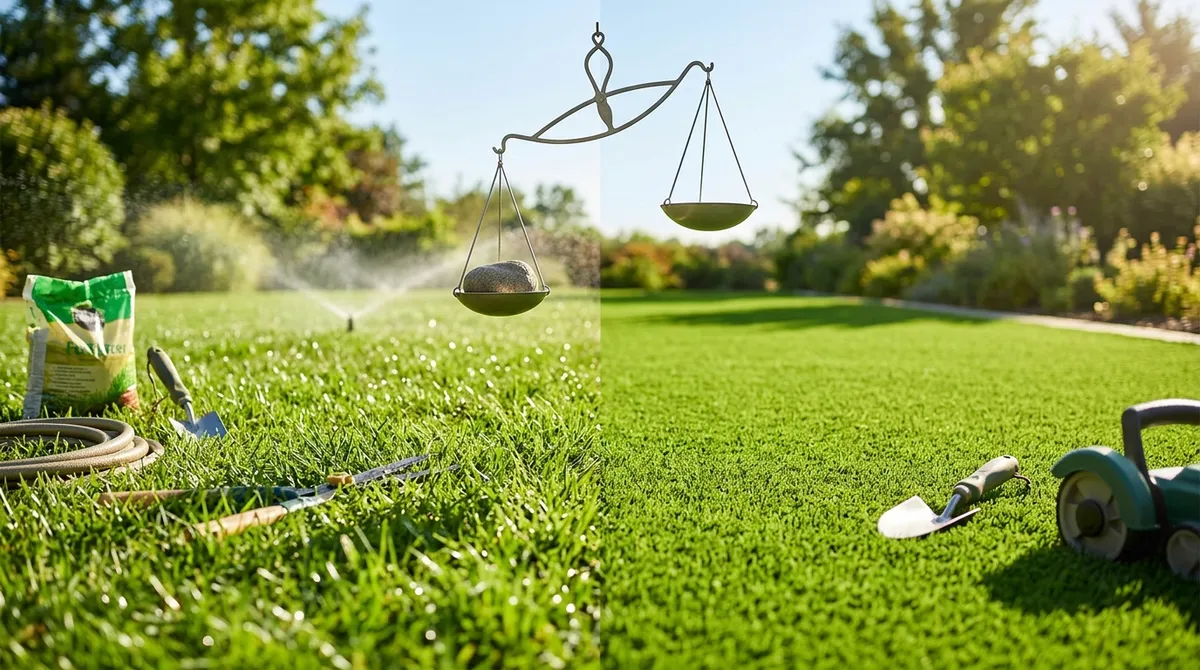
Artificial turf reaches break-even within 7-12 years and can save homeowners $20,000-$30,000 over 20 years compared to natural grass when factoring in water, maintenance, and mowing costs.
-
Annual maintenance for artificial turf costs $150-$350 versus $1,000-$3,000 for natural grass—an 85-95% reduction that compounds significantly over time for both residential and commercial properties.
-
Artificial turf can cut water usage by up to 95%, saving 55-65 gallons per square foot annually, making it especially valuable for Chicago-area properties facing water restrictions or high utility rates.
-
While artificial turf costs $8-$25 per square foot to install versus $1-$3 for natural grass, the premium product lasts 10-15 years compared to real grass’s 5-10 year lifespan, offsetting the upfront investment.
-
Commercial properties can save up to $12,000 over five years by switching from traditional landscaping to artificial turf, making the ROI timeline significantly shorter than for residential properties.
-
Choose artificial turf if prioritizing long-term cost savings and minimal maintenance; choose natural grass only if planning to sell within a few years or if upfront budget constraints are your primary concern.
Should you install artificial turf or stick with real grass? It’s one of the most common questions we hear from homeowners and commercial property managers across the Chicago area. And honestly, it’s a great question because the answer can save you thousands of dollars over time.
Whether you’re a suburban homeowner tired of weekend mowing marathons, a commercial property manager watching your landscaping budget balloon every summer, or a small business owner who wants a sharp-looking exterior without the hassle, this breakdown is for you. We’re going to walk through 14 concrete cost-benefit facts that will help you make the smartest decision for your property.
The artificial turf vs real grass cost-benefit analysis is more nuanced than it might seem at first glance. Let’s dig into the numbers, the maintenance realities, and the long-term value so you can choose with confidence.
Upfront Installation Costs: What You’ll Pay on Day One
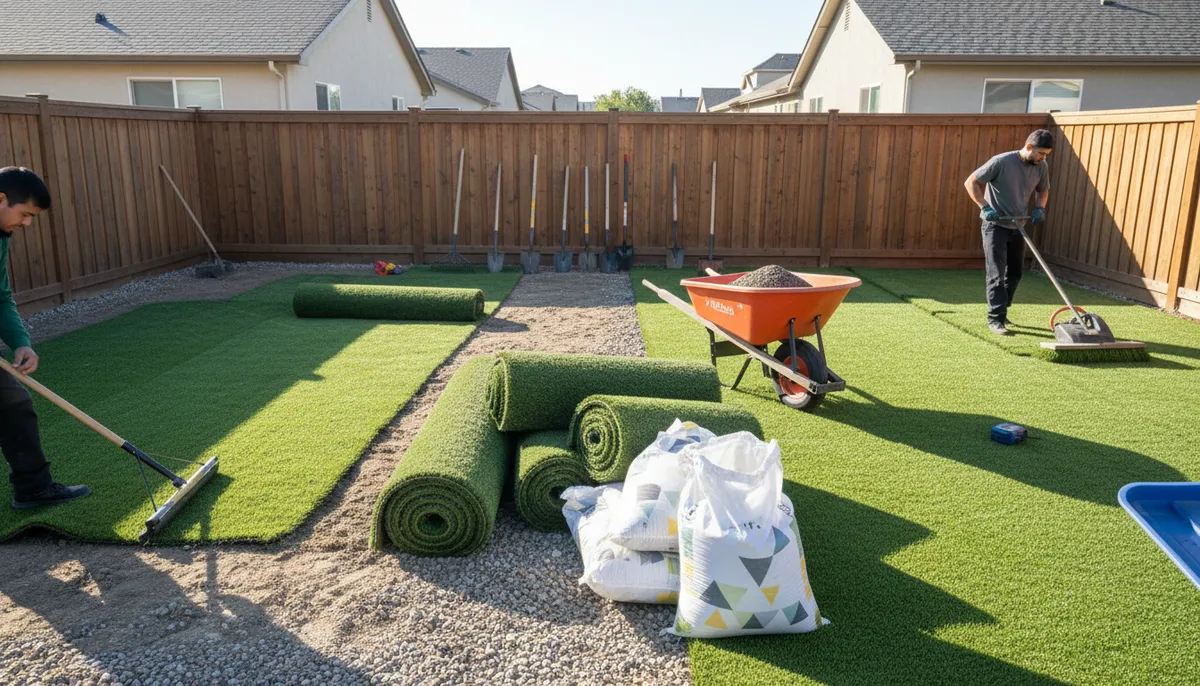
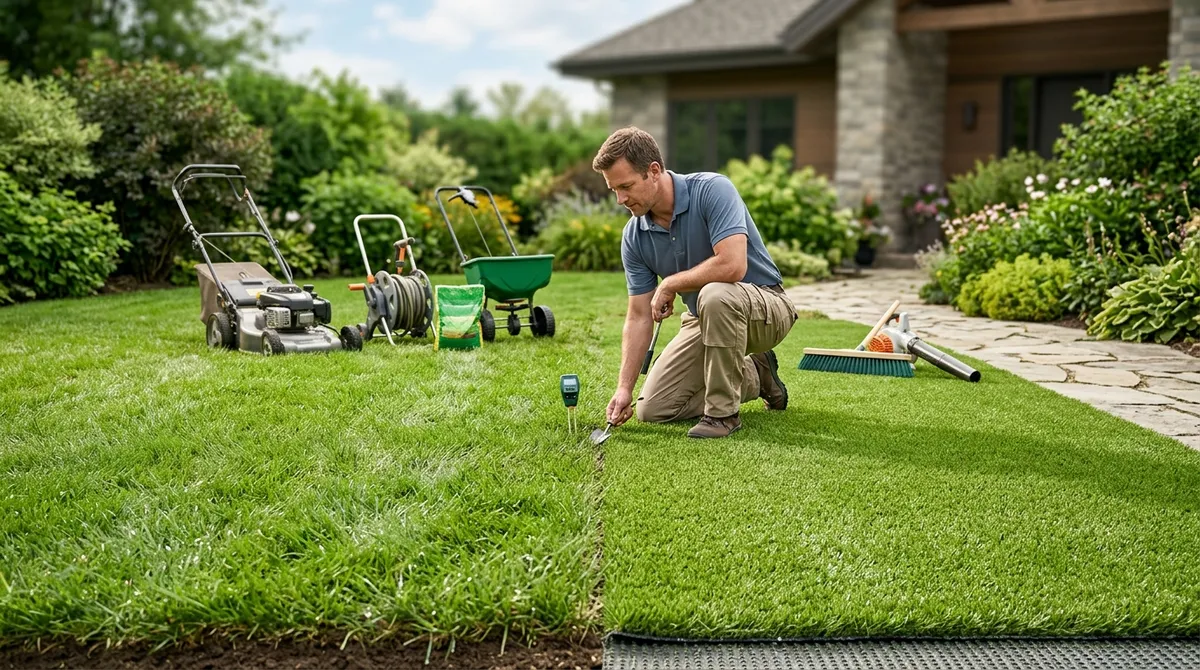
The first big difference between artificial turf and real grass comes down to installation price. Natural grass sod costs roughly $1–$3 per square foot to install. Artificial turf, on the other hand, runs between $8–$25 per square foot, depending on the turf grade and site complexity.
That’s a significant gap upfront. But as you’ll see below, the long-term picture looks very different. If you’re curious what an installation might look like for your specific space, check out our artificial turf installation service page for details.
14 Key Cost-Benefit Facts to Know Before You Decide
1. Natural Grass Is Cheaper to Install — But Not to Maintain
Real grass wins on day-one cost. Sod installation at $1–$3 per square foot is much more affordable upfront. But that low sticker price comes with a long list of ongoing expenses that add up fast over the years.
2. Artificial Turf Slashes Annual Maintenance Costs by Up to 95%
Here’s where things get interesting. Annual maintenance for natural grass runs between $1,000–$3,000 per year. Artificial turf drops that number to just $150–$350 annually. That’s an 85–95% reduction in yearly maintenance spending — a huge deal for budget-conscious property owners.
3. Water Savings Are Enormous With Artificial Turf
Real grass is thirsty. The average lawn drinks about 1.5 million gallons of water per year. Artificial turf can cut your water use by up to 95%, saving roughly 55–65 gallons per square foot annually. For Chicago-area property owners watching their utility bills, that’s a meaningful monthly saving. You can learn more about sustainable landscaping approaches from resources like Landscape Illinois.
4. No More Weekly Mowing, Edging, or Fertilizing
With natural grass, your to-do list never ends. Mowing, edging, fertilizing, aerating, weed control — it’s a full-time hobby. Artificial turf eliminates all of that. Maintenance becomes occasional leaf removal, light rinsing, and periodic infill replenishment. That’s it.
5. Natural Grass Requires Seasonal Treatments Year After Year
In the greater Chicago area, real grass lawns need fall overseeding, spring treatments, and summer pest control. These seasonal costs stack up quickly. Artificial turf requires none of these treatments, making it especially attractive for busy homeowners and commercial property managers who don’t want to track seasonal maintenance schedules.
6. Break-Even Happens in 7–12 Years
Most artificial turf installations reach financial break-even within 7–12 years. After that point, every dollar you’re not spending on watering, mowing, and fertilizing goes straight back into your pocket. For commercial properties where landscaping budgets are significant, this timeline can be even shorter.
7. Commercial Properties Can Save Up to $12,000 Over Five Years
For business owners and property managers, the numbers are especially compelling. Switching from traditional landscaping to artificial turf can save commercial clients up to $12,000 over five years. That works out to roughly $200 per month in combined water and landscaping cost savings. If your commercial property is spending heavily on commercial lawn maintenance, this comparison is worth a serious look.
8. Artificial Turf Lasts 10–15 Years With Minimal Care
A quality artificial turf installation holds up for 10–15 years. Natural grass, by comparison, has an effective lifespan of just 5–10 years before it needs significant renovation or replacement. So not only is artificial turf lower maintenance — it also lasts longer.
9. Over 20 Years, Savings Can Reach $20,000–$30,000
When you project the numbers over two decades, the financial case for artificial turf becomes very clear. Homeowners can save between $20,000–$30,000 in combined water and maintenance expenses over a 20-year period. That’s money that could go toward other beautiful softscape features, a stunning fire pit, or even a beautiful pergola or pavilion to elevate your outdoor living space.
10. Site Conditions Affect Artificial Turf Pricing
Not all installations are created equal. Factors like drainage requirements, slope, existing ground conditions, and access complexity can all influence the final price of an artificial turf project. A professional assessment is always the best first step to get an accurate cost picture for your specific property.
11. Premium Turf Products Outlast Budget Options
Not all artificial turf is the same. Premium products with higher face weight and UV-resistant fibers will last significantly longer and look better over time than budget alternatives. Choosing the right product for your climate and use case is critical — and something a professional landscaping team can help you navigate confidently.
12. Maintenance Contracts Are Available for Artificial Turf
Yes, even artificial turf benefits from occasional professional care. Landscaping professionals can provide maintenance contracts that include periodic brushing, infill replenishment, and cleaning. This keeps your turf looking pristine for years and protects your investment. To see how Serenity Landscape Group approaches project planning and ongoing care, visit our process page.
13. Environmental Considerations Cut Both Ways
Real grass provides natural carbon sequestration, supports pollinators, and helps with stormwater absorption. Artificial turf conserves water dramatically and eliminates pesticide and fertilizer runoff. Both options have environmental trade-offs. Industry organizations like the ICPI Certified Installer network can provide guidance on sustainable hardscape and ground cover choices that work well together. Working with a knowledgeable landscaping team helps you balance these factors for your specific goals.
14. Pairing Artificial Turf With Other Features Maximizes Value
Artificial turf works beautifully alongside hardscape elements like pavers, retaining walls, and landscape lighting. When you combine low-maintenance turf with a thoughtfully designed outdoor space, you create a yard or commercial exterior that looks great year-round without constant upkeep. Browse our gallery of our work to see how these elements come together beautifully.
Side-by-Side Cost Comparison
Here’s a quick look at how the numbers stack up over time for a typical residential or commercial property:
| Cost Category | Natural Grass | Artificial Turf |
|---|---|---|
| Installation Cost (per sq ft) | $1–$3 | $8–$25 |
| Annual Maintenance Cost | $1,000–$3,000 | $150–$350 |
| Annual Water Savings | — | 55–65 gal/sq ft |
| Average Lifespan | 5–10 years | 10–15 years |
| Break-Even Timeline | N/A | 7–12 years |
| 20-Year Savings Potential | — | $20,000–$30,000 |
Which Option Is Right for Your Property?
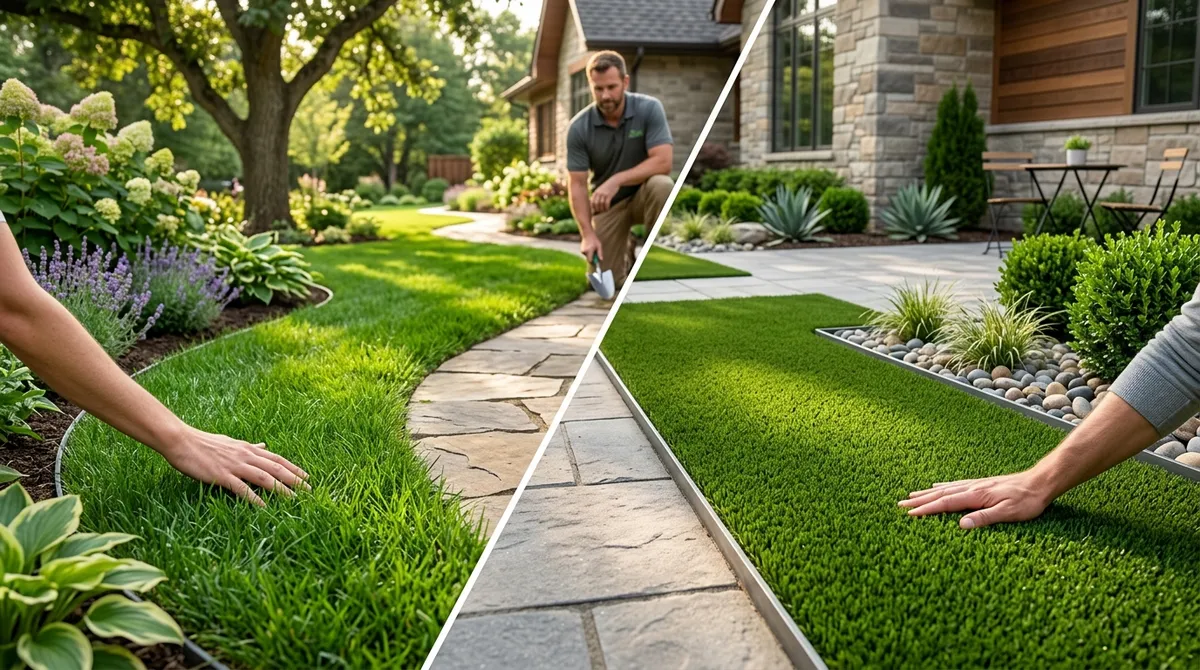
The right choice depends on your priorities, budget timeline, and how you use your outdoor space. Here’s a simple way to think about it:
Choose natural grass if you:
- Have a limited upfront budget
- Enjoy the natural feel and ecological benefits of real turf
- Plan to sell your home within the next few years
- Have children or pets who play hard on the lawn regularly
Choose artificial turf if you:
- Want to significantly reduce long-term maintenance costs
- Are managing a commercial property with high landscaping expenses
- Live in an area with water restrictions or high utility rates
- Want a consistently green, manicured look year-round
- Are planning to stay in your property long enough to reach break-even
Questions to Ask Before Making Your Decision
Before committing to either option, it helps to think through a few key questions:
- What is your total budget — both upfront and over the next 10–15 years?
- How long do you plan to own or manage the property, and will you reach the break-even point?
- What are your water costs in your specific area, and how much could you realistically save?
- What are your HOA or municipal regulations — some areas have rules about turf installation?
- What other outdoor features are you planning — could artificial turf complement a larger landscape design?
If you’d like expert guidance tailored to your specific property, the team at Serenity Landscape Group has over two decades of experience helping Chicago-area homeowners and commercial clients make smart, beautiful landscaping decisions. We can help you evaluate the artificial turf vs real grass cost-benefit question with a fresh set of professional eyes. You can also explore ideas for your full outdoor space by reading about how to create a landscape design that transforms your space.
The Bottom Line
The artificial turf vs real grass cost-benefit debate doesn’t have a one-size-fits-all answer — but the numbers tell a clear story for most property owners. If you’re thinking long-term, artificial turf almost always wins on total cost of ownership. If upfront investment is your primary concern, natural grass has the edge on day one.
What matters most is making an informed decision based on your specific situation, goals, and budget. A professional landscaping consultation is the best way to get clear, personalized answers without the guesswork.
Ready to explore what’s right for your property? Request your free estimate today and let our team help you build an outdoor space you’ll love for years to come.
FAQs
Q: How long does it take for artificial turf to pay for itself compared to real grass?
A: Most artificial turf installations reach their break-even point within 7–12 years when you factor in eliminated water bills, mowing costs, fertilizing, and pest control expenses. After that, you’re essentially saving money every single year — which feels pretty great!
Q: Is artificial turf a good choice for Chicago’s climate?
A: Absolutely! Artificial turf holds up well through Chicago’s cold winters and hot summers without the patchy, stressed look that real grass often gets. It stays green year-round and doesn’t need spring recovery treatments, making it a smart choice for the Midwest climate.
Q: How much water can I save by switching to artificial turf?
A: You can save up to 95% of your lawn watering costs by switching to artificial turf, which works out to roughly 55–65 gallons of water saved per square foot each year. For Chicago-area homeowners with larger lawns, that translates to real, meaningful savings on your utility bill every month.
Q: What maintenance does artificial turf actually need?
A: Artificial turf is refreshingly low-maintenance! You’ll mainly need occasional leaf removal, light rinsing to keep it clean, and periodic infill replenishment to maintain its cushion and appearance. Compared to the weekly mowing, edging, and seasonal treatments real grass demands, it’s a huge relief.
Q: Can artificial turf be installed alongside other landscaping features like pavers or fire pits?
A: Yes, and it looks absolutely stunning when done well! Artificial turf pairs beautifully with pavers, retaining walls, pergolas, lighting, and fire pits to create a cohesive, low-maintenance outdoor space that’s ready to enjoy every season. A professional landscaping team can design everything to work together seamlessly.