Key Takeaways
-
Chicago’s freeze-thaw cycles, heavy spring rains, and clay-rich soil create significant erosion risks for commercial properties; unmanaged erosion can undermine building foundations, create safety hazards, and trigger costly municipal fines.
-
Retaining walls are ideal for steep slopes and heavy-load areas like parking lots near building entrances, lasting 30-50+ years with minimal maintenance, while riprap and vegetation work better for gentle slopes and cost less upfront.
-
Many commercial properties benefit from hybrid approaches combining structural walls for steep sections with vegetation management on gentler slopes, providing both durability and improved stormwater absorption.
-
Investing in erosion control now prevents far costlier repairs later, such as foundation damage, pavement replacement, and emergency drainage fixes; professional inspection at least annually, especially before winter, catches problems while affordable.
-
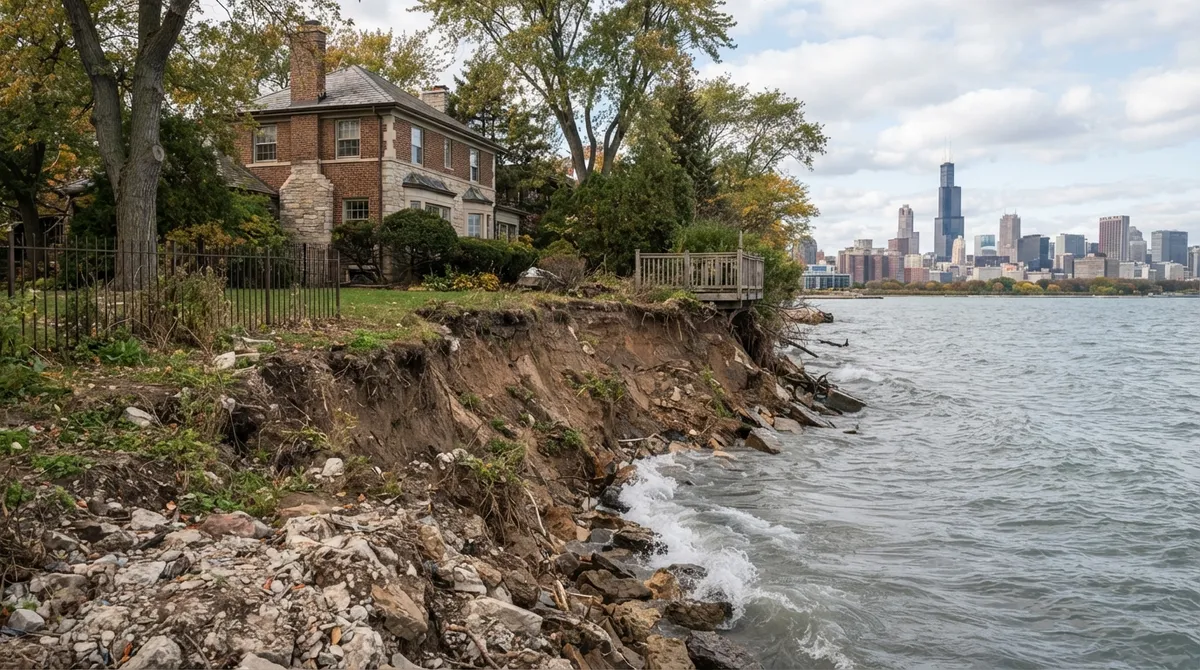
Warning signs requiring immediate attention include visible soil washing away after rain, exposed tree roots or foundations, cracking pavement near slopes, standing water, and sediment buildup in parking areas or walkways.
-
Permits are often required for Chicago commercial erosion control projects, especially for taller walls or work near property lines; professional installers handle permitting and coordinate with local municipal requirements.
If you manage a commercial property in Chicago, you already know how tricky our soil and weather can be. Heavy spring rains, melting snow, and clay-rich soil team up to wash away slopes, undermine parking lots, and create muddy messes near building entrances. That’s where commercial erosion control walls Chicago property owners trust come into play, and today we’re breaking down two popular options so you can pick the right one for your site.
Whether you’re a property manager overseeing a busy office park or a small business owner trying to keep your storefront looking sharp, erosion control isn’t optional here in Chicagoland. It’s a must. We’ve spent over two decades helping commercial clients across the region protect their land, and we want to share what we’ve learned in plain, friendly terms. No confusing jargon, just honest advice from folks who love this work.
Why Chicago Properties Need Erosion Control Solutions
Chicago’s climate throws a lot at commercial landscapes. We get heavy snowmelt in spring, sudden downpours in summer, and freeze-thaw cycles that loosen soil all winter long. Add in the flat clay soil common throughout Illinois, and you’ve got a recipe for washed-out slopes and soggy parking areas.
Commercial erosion control walls Chicago businesses install do more than just look nice. They hold soil in place, protect building foundations, and keep stormwater from turning your parking lot into a lake. According to the Landscape Illinois organization, proper erosion control is one of the most overlooked aspects of commercial property maintenance in our region.
Here’s why this matters so much for property managers and business owners:
- Unmanaged erosion can undermine building foundations over time
- Washed-out soil creates safety hazards for employees and customers
- Stormwater runoff violations can lead to costly municipal fines
- Erosion damage often costs far more to repair than to prevent
- Curb appeal suffers when slopes look ragged or muddy
- Insurance claims related to slope failure can raise your premiums
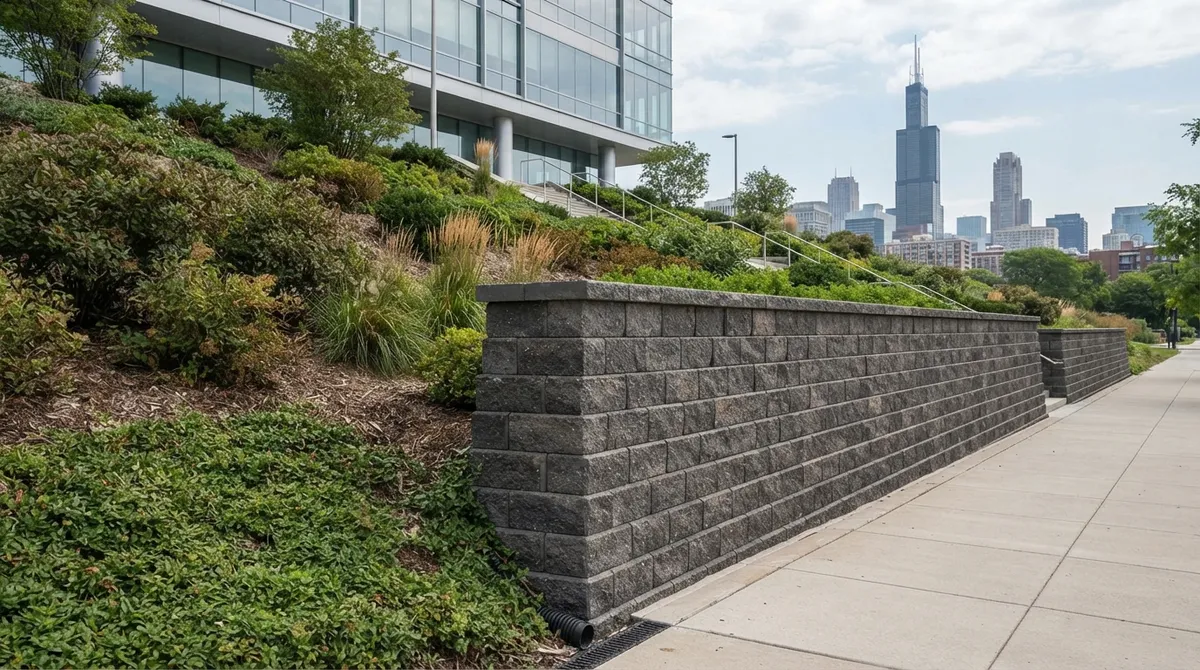
Retaining Walls: The Structural Powerhouse
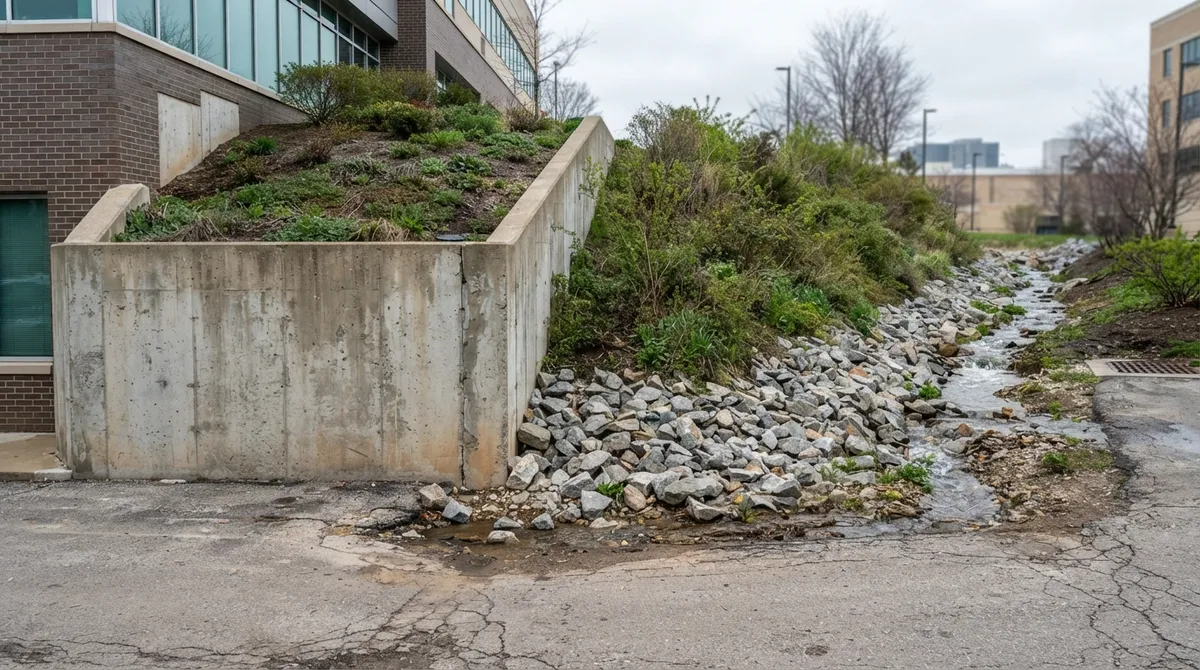
Retaining walls are exactly what they sound like. They’re sturdy structures built to hold back soil on sloped land. Think of them as a firm handshake between your property and gravity, keeping everything exactly where it should be.
We build these walls using materials like segmental concrete blocks, natural stone, or engineered timber, depending on your site’s needs and budget. Our team at Serenity Landscape Group has installed retaining walls for everything from small retail centers to large corporate campuses across the Chicago metro area.
Benefits of Commercial Retaining Walls
Retaining walls shine when your property has significant grade changes or when you need a wall that pulls double duty as a design feature. They’re incredibly strong and can support heavy loads, which makes them perfect for parking lots or areas near building foundations.
- They provide immediate, visible slope stabilization
- They can be designed to match your building’s architecture
- They create usable flat space on previously sloped land
- They require less ongoing maintenance than plant-based solutions
- They offer decades of reliable service when properly engineered
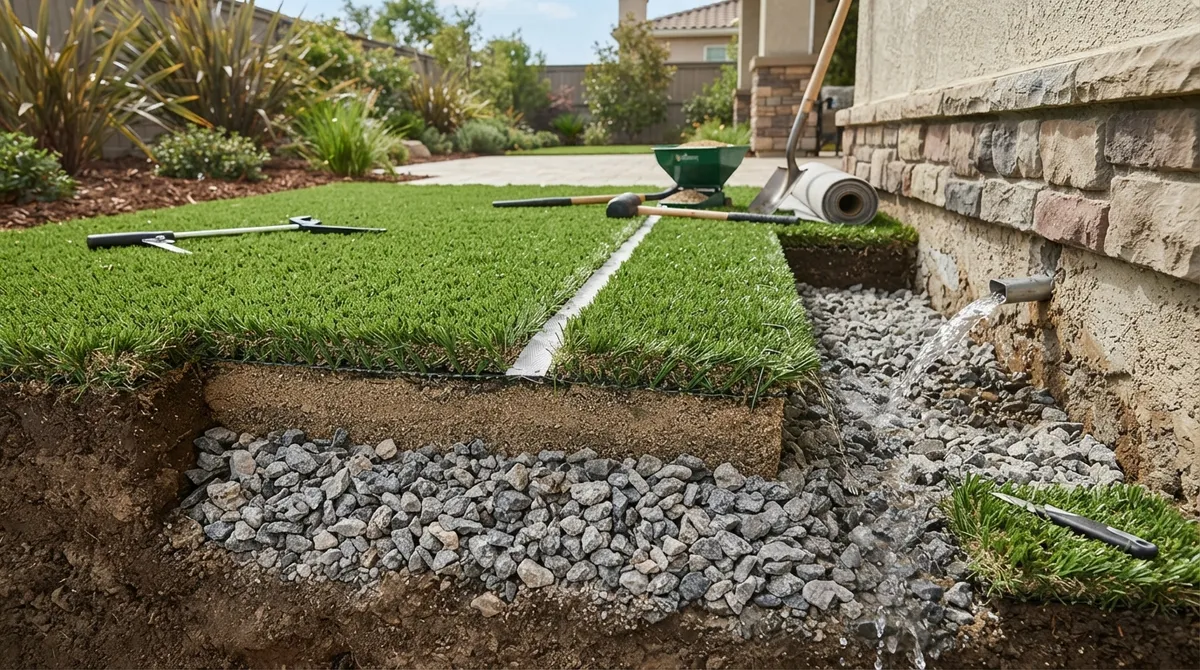
If your commercial property has steep grades near parking lots or building entrances, a well-engineered wall might be your best bet. We often recommend pairing walls with proper drainage systems to handle the heavy rain Chicago is famous for.
Riprap and Vegetation: The Natural Approach
On the other end of the spectrum, we have riprap and vegetative erosion control. Riprap uses layered rock or stone to absorb water energy and prevent soil from washing away. Vegetation-based approaches use deep-rooted plants, grasses, and groundcover to hold soil naturally.
This softer approach works wonderfully on gentler slopes where you don’t need a rigid structural wall. It also blends beautifully into natural or park-like commercial settings, like corporate campuses with walking trails or retention pond areas.
Benefits of Natural Erosion Control
Natural methods bring their own set of advantages, especially for properties that want a greener aesthetic or need to manage large open areas cost-effectively.
- Lower upfront installation costs compared to structural walls
- Improved stormwater absorption through root systems
- Attractive, natural appearance that supports local ecosystems
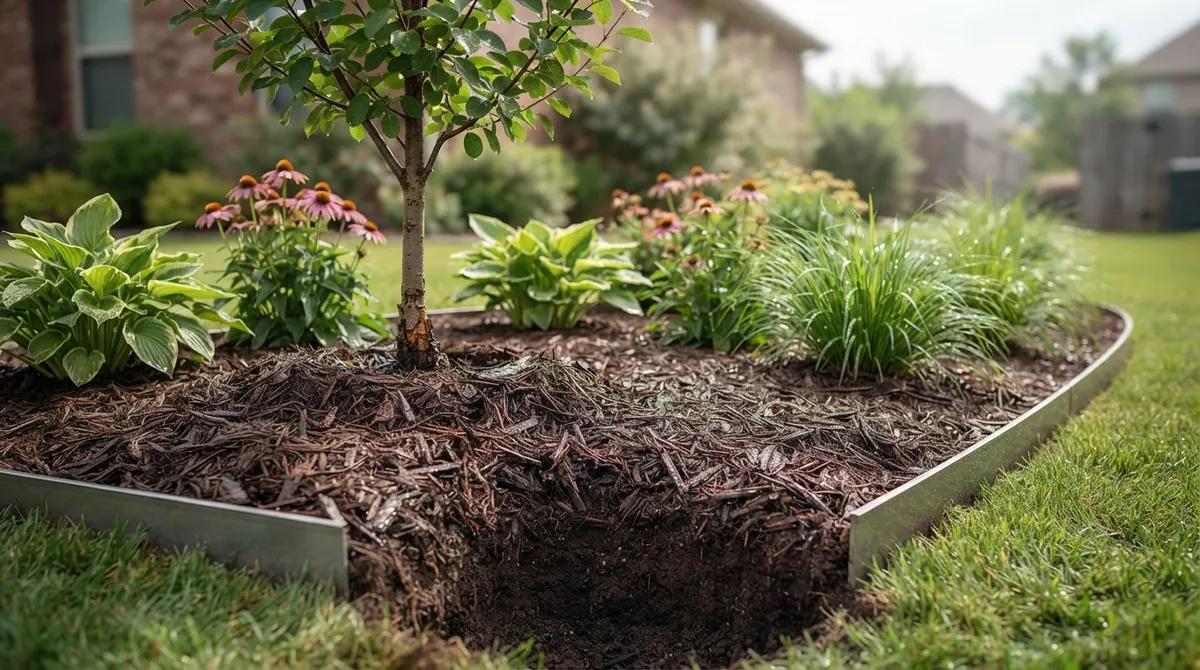
- Flexibility to combine with softscape plantings for added beauty
- Better suited for gentle slopes and open green spaces
However, vegetation alone often needs more time to establish and can struggle during Chicago’s harsh winters. That’s why many of our commercial clients choose a hybrid approach, combining structural walls with strategic softscape plantings for the best of both worlds.
Head-to-Head Comparison
Choosing between these two approaches depends heavily on your specific site conditions, budget, and long-term goals. Here’s a side-by-side look to help you decide.
| Factor | Retaining Walls | Riprap & Vegetation |
|---|---|---|
| Best For | Steep slopes, heavy loads | Gentle slopes, open areas |
| Upfront Cost | Higher | Lower |
| Maintenance | Minimal, occasional inspection | Ongoing planting care |
| Lifespan | 30-50+ years | Varies, needs upkeep |
| Aesthetic Style | Structured, architectural | Natural, organic |
| Winter Durability | Excellent | Moderate, plants may struggle |
Many properties actually benefit from combining both methods. A retaining wall might handle the steepest section near a loading dock, while vegetation manages a gentler slope near a parking area entrance.
How We Approach Commercial Erosion Control Projects
Every commercial property is different, so we never use a cookie-cutter approach. Our process starts with a thorough site evaluation to understand your specific soil, drainage, and slope challenges.
- We assess your property’s grade, soil type, and drainage patterns
- We identify problem areas where erosion is already occurring or likely to start
- We design a custom solution, whether that’s walls, vegetation, or a hybrid system
- We handle permitting and coordinate with local Chicago municipal requirements
- We install using certified techniques and quality materials
- We provide ongoing maintenance recommendations to protect your investment
Our installers follow standards set by organizations like the ICPI Certified Installer program, so you know your wall is built to last through Chicago’s toughest seasons. You can browse our gallery of our work to see examples of commercial projects we’ve completed throughout the region.
Signs Your Property Needs Erosion Control Now
Not sure if your property needs attention? Here are some common warning signs we see on commercial sites across Chicagoland.
- Visible soil washing away after rainstorms
- Exposed tree roots or foundation footings
- Cracking or shifting pavement near sloped areas
- Standing water that never seems to drain properly
- Bare patches where grass or plants won’t grow
- Sediment buildup in parking lots or walkways
If you’re noticing any of these issues, it’s smart to act before small problems become expensive repairs. Erosion tends to worsen quickly once it starts, especially with Chicago’s unpredictable weather patterns.
Cost Considerations for Commercial Properties
We know budget matters, especially for property managers juggling multiple maintenance priorities. Retaining wall costs vary based on height, material, and length, while vegetation-based solutions typically cost less upfront but require ongoing care.
The good news is that investing in proper erosion control now almost always saves money down the road. Foundation repairs, pavement replacement, and emergency drainage fixes cost far more than a well-planned prevention strategy. Think of it like maintaining your car. Regular oil changes cost less than replacing an engine.
Long-Term Value for Different Property Types
Different commercial properties get different benefits from erosion control investments. Office building managers often see improved tenant satisfaction and reduced liability. Retail property owners notice better curb appeal that attracts customers. New home builders in areas like Aurora appreciate turnkey solutions that satisfy buyers right from move-in day.
For businesses like restaurants and shops, an attractive, stable landscape also creates a welcoming first impression. Combining erosion control with elements like landscape lighting or decorative pavers can turn a practical necessity into a genuine curb appeal upgrade.
Maintenance Tips to Protect Your Investment
Once your erosion control system is in place, a little ongoing care goes a long way toward keeping it effective for decades.
- Inspect walls and slopes seasonally, especially after heavy storms
- Clear debris and sediment buildup from drainage areas regularly
- Watch for cracks, bulging, or shifting in retaining wall structures
- Maintain healthy plant growth if using vegetation-based methods
- Address minor issues quickly before they become major repairs
We recommend scheduling a professional inspection at least once a year, ideally before winter sets in. This helps catch small problems while they’re still easy and affordable to fix.
Bringing It All Together for Your Property
Choosing between retaining walls and natural erosion control methods doesn’t have to feel overwhelming. The right choice depends on your slope, budget, and how the space will be used. Many of our happiest clients end up with a thoughtful blend of both approaches, giving them strength where it’s needed and natural beauty everywhere else.
At Serenity Landscape Group, we’ve spent over 20 years helping commercial property managers, small business owners, and developers across greater Chicago protect their land while enhancing its beauty. We handle everything from initial design through installation, and we always keep your budget and long-term goals in mind. Ready to stop erosion in its tracks and give your property the protection it deserves? Get a Free Estimate today, or feel free to call us at (630) 359-5139 to talk through your specific site challenges with our friendly team.
FAQs
Q: What are commercial erosion control walls Chicago properties typically use?
A: Most Chicago commercial properties use segmental retaining walls, natural stone walls, or a combination of riprap and vegetation. The best choice really depends on your slope, soil type, and how much weight the wall needs to support. We’re happy to walk your property and recommend what fits best.
Q: How much do commercial erosion control walls cost in Chicago?
A: Costs vary widely based on wall height, material choice, and total length needed. Generally, structural walls cost more upfront but last 30 to 50 years with minimal upkeep. We always provide a detailed, honest estimate so there are no surprises.
Q: Can erosion control walls help with stormwater management too?
A: Absolutely! Many of our commercial erosion control designs include built-in drainage systems that work alongside the wall itself. This combo approach helps manage heavy Chicago rainfall while keeping your soil exactly where it belongs.
Q: How long does installation take for a commercial retaining wall?
A: Timeline depends on project size, but most commercial wall installations take anywhere from one to four weeks. We always give you a clear schedule upfront so you can plan around it without any stressful surprises.
Q: Do I need a permit for erosion control walls in Chicago?
A: In many cases, yes, especially for taller walls or projects near property lines. Our team handles the permitting process for you, working with local Chicago municipalities so you don’t have to navigate the paperwork alone.