Key Takeaways
-
Create a seasonal maintenance schedule tailored to Chicago’s four distinct seasons, with spring focusing on fertilizing and pruning, summer on mowing and pest control, fall on leaf removal and winterizing, and winter on snow removal and structure checks.
-
Professional garden maintenance averages $252 per month ($133-$370 range) and is more profitable for landscaping companies than design work, making it worth hiring professionals to avoid costly mistakes and ensure consistent care.
-
Assess your specific landscape needs first by identifying existing plants, drainage issues, HOA requirements, and hardscape features before building a maintenance plan, since every yard has different challenges.
-
Avoid common costly mistakes like overwatering, skipping fall cleanup, improper pruning timing, ignoring soil health, and neglecting hardscape upkeep—prevention is always cheaper than fixing damage after it occurs.
-
Match your maintenance approach to your property type: suburban homeowners need consistent mowing and HOA compliance, urban condo owners need space-efficient container plants, and commercial properties need low-maintenance sustainable designs.
-
Professional garden maintenance includes lawn care, pruning, fertilization, pest monitoring, irrigation checks, seasonal cleanup, and small structural repairs—protecting your entire landscape investment, not just mowing.
Ever look at your yard and feel a little overwhelmed? You’re not alone. Between mowing, weeding, pruning, and fighting off Chicago’s wild weather swings, keeping a garden looking sharp takes real work. The good news? A smart garden maintenance plan turns that overwhelm into an easy routine you can actually stick to.
Garden maintenance is now the biggest slice of the landscaping industry, making up between 41% and 52% of total revenue in the sector. That’s not a coincidence. Homeowners, condo owners, and business owners across Chicagoland have realized that a beautiful landscape needs consistent care, not just a one-time makeover. In this guide, we’ll walk you through exactly how to build a maintenance plan that keeps your outdoor space healthy, tidy, and full of life all year long.
What Is Garden Maintenance, Really?
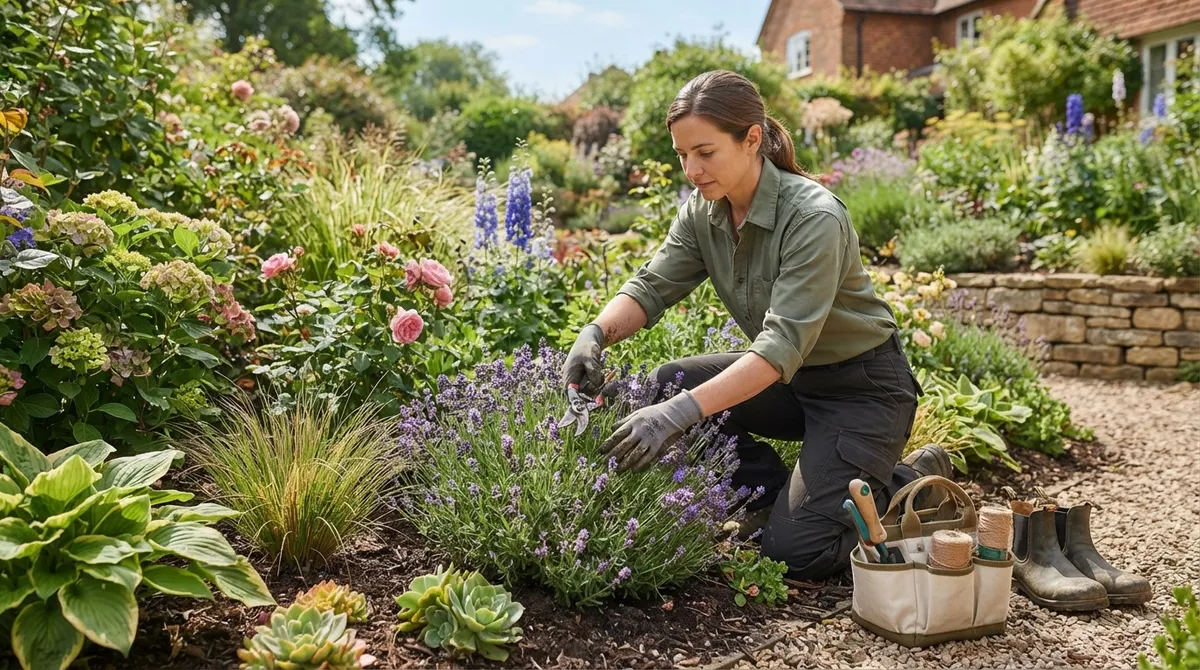
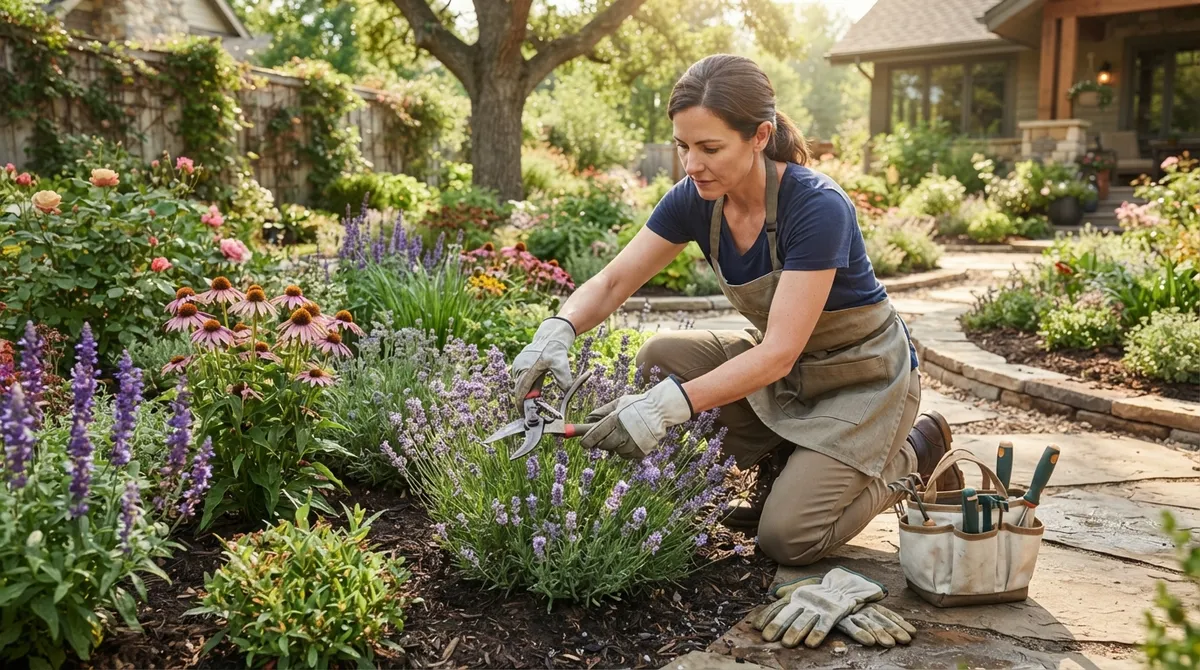
Garden maintenance covers all the ongoing tasks that keep your plants, lawn, and hardscape features looking their best. It’s different from landscape design or installation, which are one-time projects. Maintenance is the steady, repeated care that protects your investment long after the work is done.
This service typically includes:
- Mowing and edging lawns on a regular schedule
- Pruning shrubs, trees, and perennials for healthy growth
- Fertilizing soil to keep plants strong and vibrant
- Watering and irrigation checks during dry spells
- Pest and weed control to stop problems before they spread
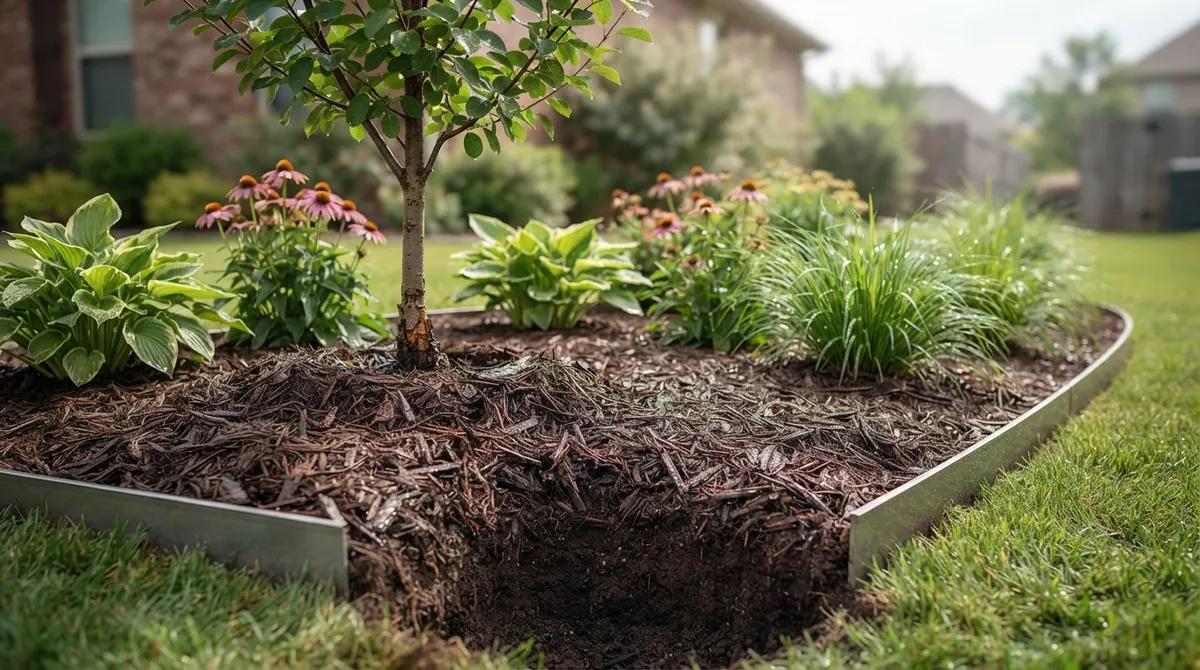
- Cleaning and repairing garden structures like edging, borders, and small walls
According to industry data, roughly 80% of landscape companies in North America offer some form of maintenance service, which tells you how essential this work really is. If you’re weighing your options between a full landscape overhaul and ongoing care, check out our guide on how to choose between landscaping vs hardscaping for your yard to see where maintenance fits into the bigger picture.
Why Garden Maintenance Matters So Much Right Now
The numbers tell a clear story. The U.S. landscaping services market hit $176.7 billion in 2026, and maintenance is driving a huge chunk of that growth. Here’s why this service keeps climbing:
- It’s the fastest-growing offering. About 32% of landscaping companies say maintenance is their fastest-growing service, mostly thanks to demand from single-family homes.
- It’s the most profitable. Nearly half of landscaping businesses, 48%, say maintenance brings in steadier profit than design or construction projects.
- It’s projected to keep expanding. The global garden maintenance market is expected to grow from $1.5 billion in 2025 to over $2.1 billion by 2032, a healthy 6.5% annual growth rate.
Basically, more people are realizing that a gorgeous landscape doesn’t happen by accident. It happens through steady, professional care. If you’d like to see real transformations, take a peek at our gallery of our work for inspiration.
Step 1: Assess Your Landscape’s Needs
Before you can build a maintenance plan, you need to know what you’re working with. Every yard is different, and Chicago’s clay-heavy soil and freeze-thaw winters add their own challenges.
Start by asking yourself these questions:
- What plants, trees, and shrubs are already established?
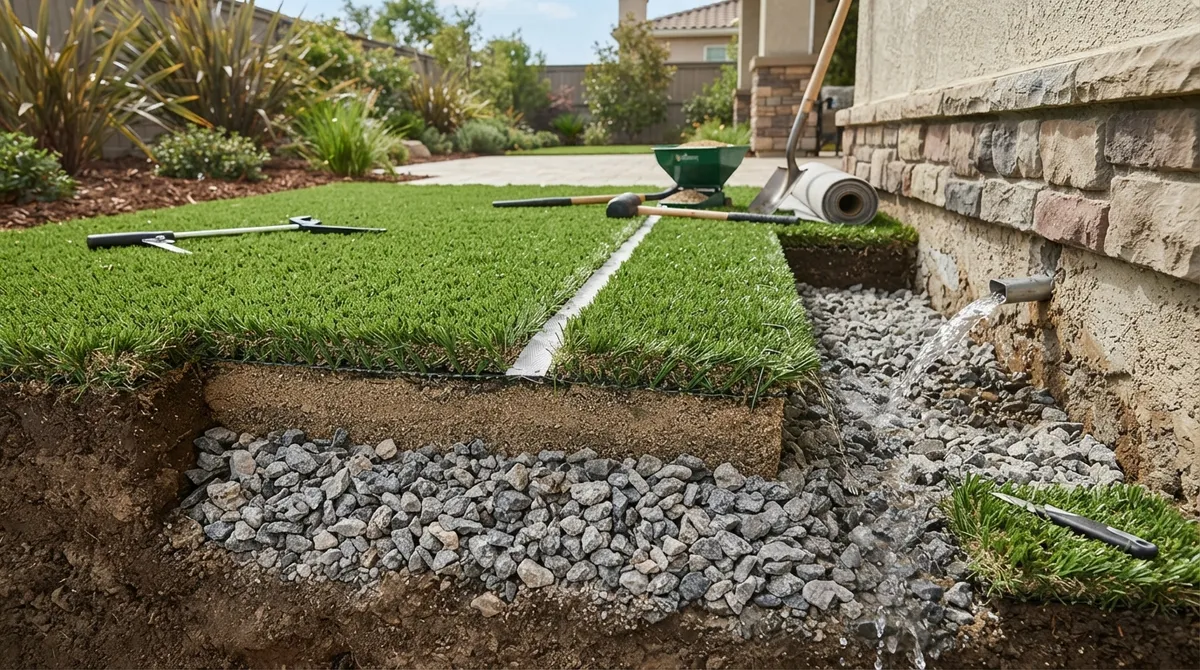
- Are there any drainage issues or soggy spots after rain?
- Does your HOA have specific landscaping standards to meet?
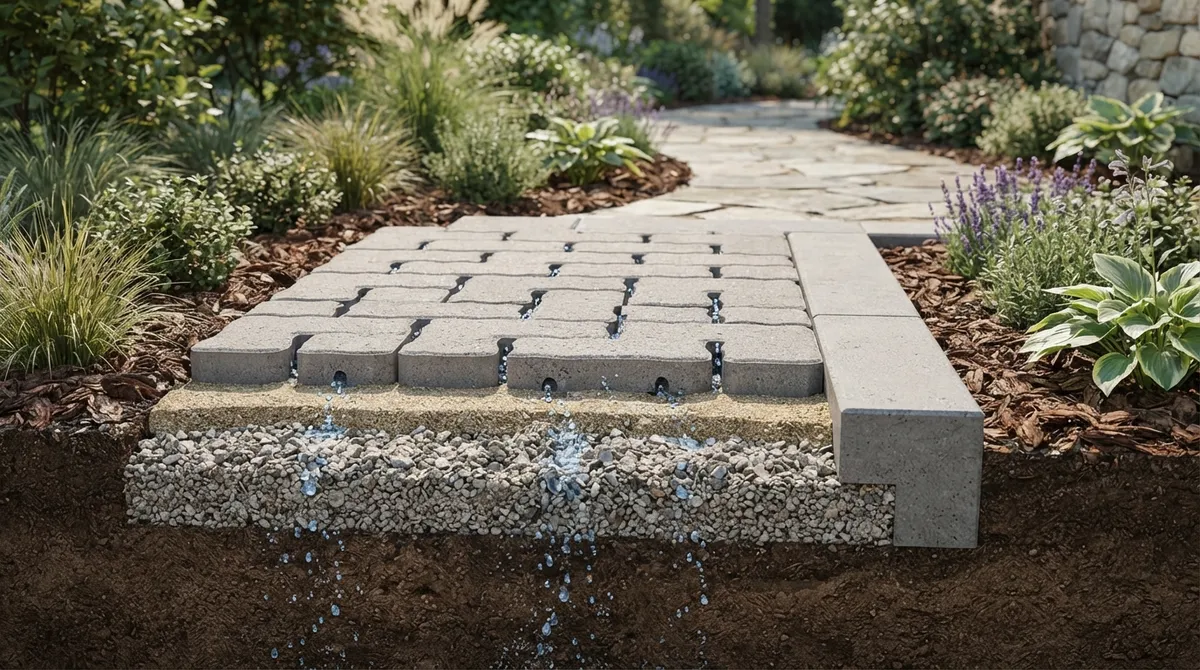
- Do you have hardscape features like pavers or retaining walls that need occasional upkeep too?
Suburban homeowners often deal with larger lots and stricter community guidelines, while urban condo owners are usually managing small patios or rooftop gardens. Either way, a proper assessment sets the foundation for everything that follows.
Step 2: Build a Seasonal Maintenance Schedule
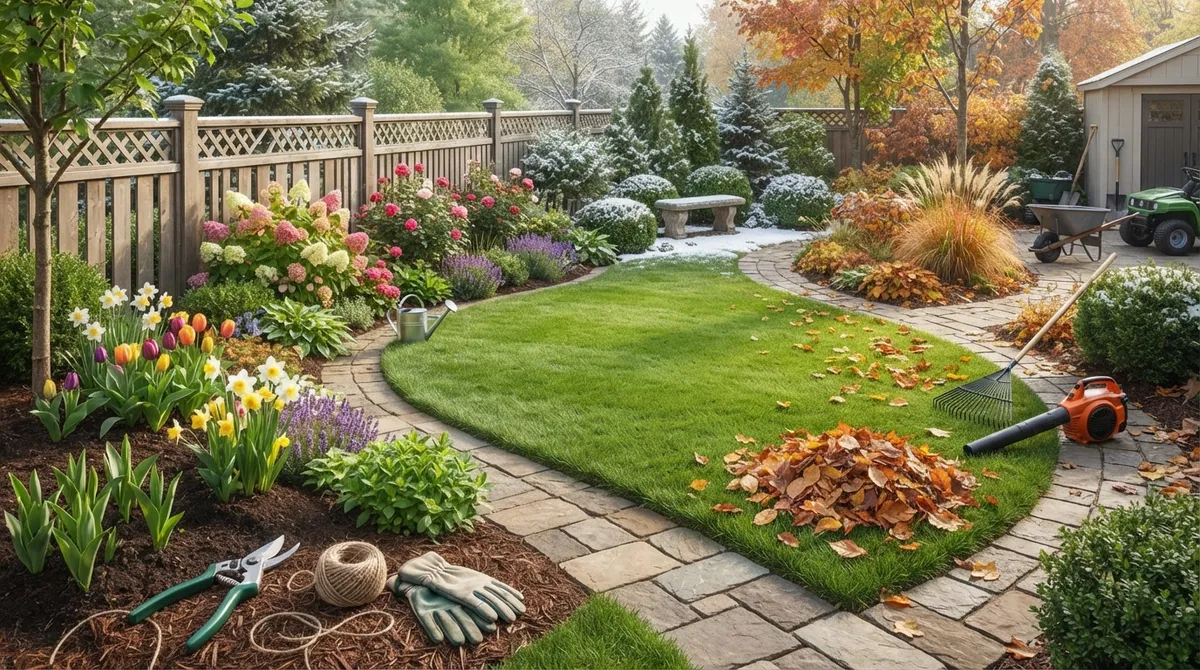
Garden maintenance isn’t a “set it and forget it” task. Chicago’s four distinct seasons each bring their own to-do list. Here’s a simple breakdown to help you plan ahead.
| Season | Key Tasks | Why It Matters |
|---|---|---|
| Spring | Fertilizing, mulching, pruning winter damage, planting | Kickstarts healthy growth after dormancy |
| Summer | Mowing, watering, pest control, deadheading flowers | Keeps plants thriving through heat and humidity |
| Fall | Leaf removal, aerating lawns, planting bulbs, winterizing irrigation | Prepares your yard for freezing temperatures |
| Winter | Snow removal, structure checks, dormant pruning | Protects hardscapes and plants from damage |
Following a schedule like this helps you avoid the classic mistake of only caring for your yard when problems already show up. Prevention is always cheaper and easier than fixing damage after the fact.
Step 3: Decide Between DIY and Professional Help
Some homeowners love getting their hands dirty. Others simply don’t have the time or knowledge to keep up with everything a healthy landscape needs. Here’s a quick comparison to help you decide.
| Factor | DIY Maintenance | Professional Maintenance |
|---|---|---|
| Time Commitment | High, weekly hours needed | Low, scheduled visits handle it |
| Cost | Lower upfront, tools required | Average $252 per month professionally |
| Expertise | Learn as you go | Trained crews with proven methods |
| Consistency | Depends on your schedule | Reliable, recurring visits |
Nationally, homeowners spend an average of $300 per month on garden upkeep, with professional services averaging around $252 monthly, ranging from $133 to $370 depending on yard size and service level. Irrigation maintenance alone can run $250 to $700 annually depending on system complexity. For many busy families and business owners, hiring a team frees up weekends and guarantees the job gets done right.
Step 4: Match Maintenance to Your Property Type
Not every property needs the same approach. Here’s how garden maintenance priorities shift depending on your situation.
For Suburban Homeowners
Larger yards with mature trees, lawns, and flower beds need consistent mowing, fertilizing, and pruning. Meeting HOA standards is often a top priority, and a professional maintenance plan makes it easy to stay compliant without the stress.
For Urban Condo Owners
Small rooftop gardens and patios need space-efficient care. Think container plants, vertical greenery, and drought-tolerant species that thrive in tight urban spaces while fighting the heat island effect common in dense city areas.
For Commercial Property Managers
Office parks and retail centers need low-maintenance, sustainable landscaping that still looks polished. Our commercial lawn maintenance services help managers keep curb appeal high while managing stormwater and reducing long-term costs.
For New Home Builders
Developers need turnkey landscaping that’s ready to impress buyers from day one. A solid maintenance plan built into the sale keeps new landscapes looking fresh long after installation, which helps close deals faster.
For Small Business Owners
Restaurants and shops benefit from seasonal plantings, tidy walkways, and lighting and sound features that create a welcoming atmosphere for customers walking by.
Step 5: Know What Professional Garden Maintenance Includes
When you hire a landscaping company for maintenance, you’re getting more than just mowing. A full-service plan typically covers:
- Regular lawn care including mowing, edging, and aeration
- Pruning and trimming to encourage healthy plant shape and growth
- Fertilization programs tailored to your soil and plant types
- Pest and disease monitoring to catch issues early
- Irrigation system checks to prevent water waste or drought stress
- Seasonal cleanup including leaf removal and mulching
- Repair and upkeep of small landscape structures like edging and borders
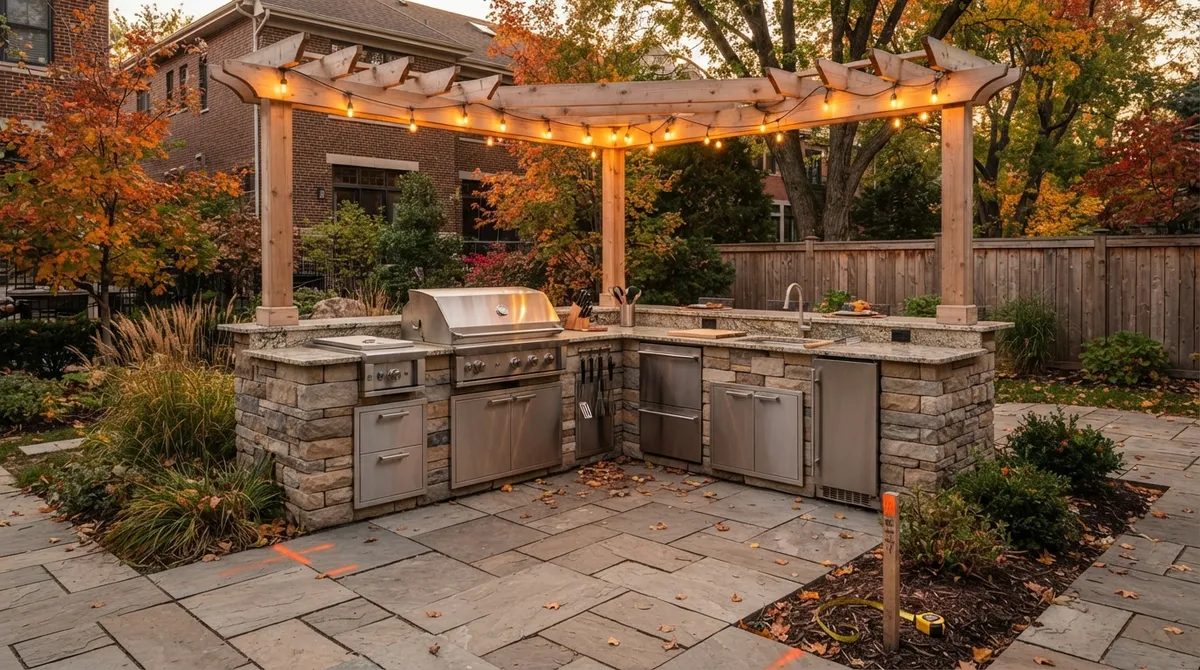
This comprehensive approach is why maintenance has become such a dominant part of the industry. It’s not just about looks. It’s about protecting your investment in trees, plants, and hardscape features like fire pits and pergolas and pavilions that add value to your property.
Step 6: Avoid Common Garden Maintenance Mistakes
Even well-meaning homeowners can slip up. Here are the most common mistakes we see, and how to avoid them.
- Overwatering or underwatering: Both stress plants and waste money. Check soil moisture before watering, not just the calendar.
- Skipping fall cleanup: Leaving leaves and debris invites pests and disease over winter.
- Improper pruning timing: Cutting at the wrong time of year can stunt growth or reduce blooms.
- Ignoring soil health: Chicago’s clay soil often needs amendments to support healthy root systems.
- Neglecting hardscape upkeep: Pavers and walls need occasional cleaning and resealing too.
For more on avoiding costly errors, check out our article on 7 hardscaping mistakes to avoid in your outdoor space.
Step 7: Set a Realistic Budget
Budgeting for garden maintenance depends on your yard size, plant variety, and how much hands-on care you want. Here’s a general breakdown to help you plan:
- Small residential yards: $100 to $200 per month
- Larger suburban properties: $200 to $370 per month
- Commercial properties: Custom quotes based on square footage and service frequency
- Irrigation system upkeep: $250 to $700 annually
Getting a personalized quote is the easiest way to know exactly what your property needs. You can get a free estimate to see how affordable professional care can be.
Step 8: Partner With the Right Landscaping Team
Choosing the right maintenance partner makes all the difference. Look for a company with proven experience, strong local knowledge, and a full range of services so they can handle everything from lawn care to hardscape repairs. Certifications from organizations like the Landscape Illinois association or an ICPI Certified Installer credential are good signs you’re working with true professionals.
At Serenity Landscape Group, we’ve spent over two decades helping homeowners and businesses across greater Chicago keep their landscapes healthy and beautiful. Our team combines hands-on care with the same craftsmanship we bring to our softscapes and hardscape installations, so your whole outdoor space works together as one cohesive design. To see how we approach every project, take a look at our process page.
Bringing It All Together
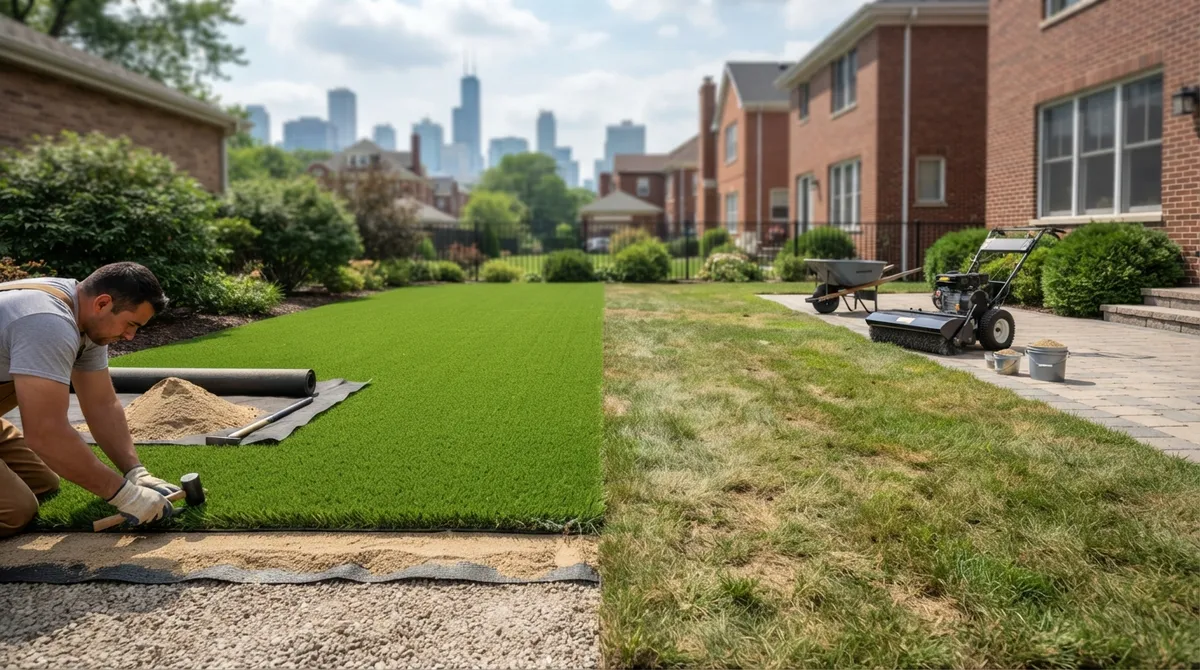
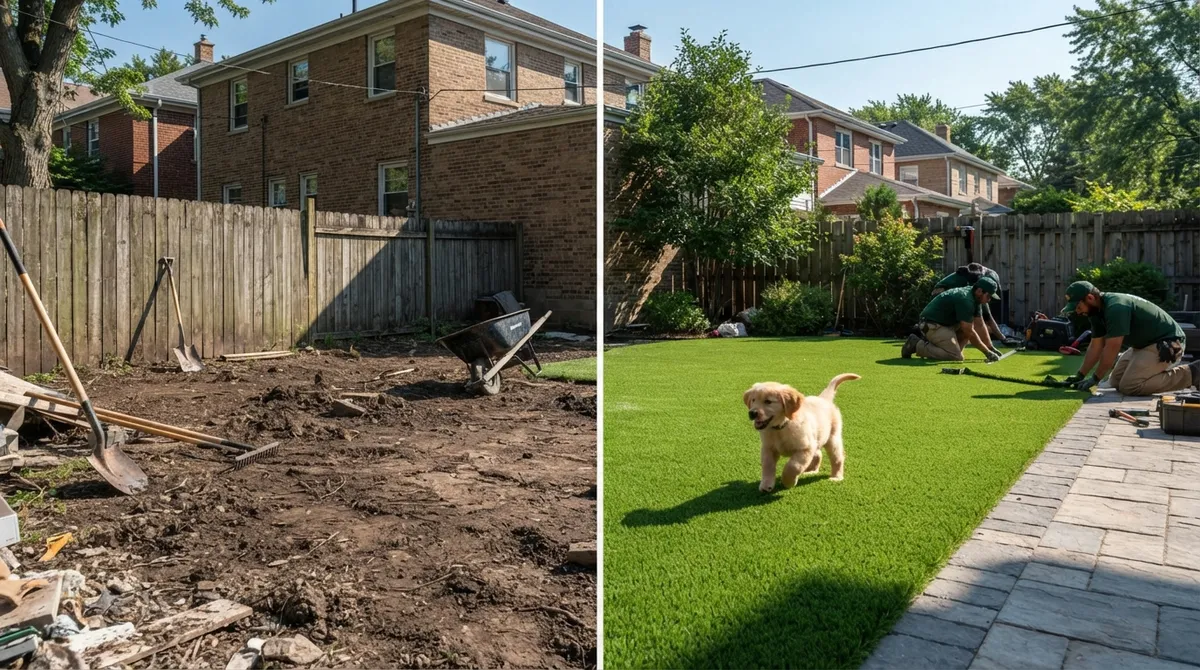
Garden maintenance isn’t just another chore on your to-do list. It’s the ongoing care that protects everything you’ve invested in your outdoor space, from your lawn to your artificial turf installations. With the industry projected to keep growing steadily through 2032, now is a great time to build a maintenance routine that actually works for your lifestyle.
Whether you’re a homeowner juggling HOA standards, a property manager balancing budgets, or a small business owner wanting a welcoming storefront, a solid maintenance plan pays off in curb appeal, property value, and peace of mind. Ready to stop stressing about your yard and start enjoying it? Get a Free Estimate today, or simply call us at (630) 359-5139 to talk with our friendly team about a maintenance plan built just for you.
FAQs
Q: What specific services are included in professional garden maintenance?
A: Professional garden maintenance usually covers mowing, pruning, fertilizing, watering, pest control, and cleaning up seasonal debris. It can also include small repairs to garden borders or structures. Think of it as the full care package that keeps your landscape healthy between bigger projects.
Q: How much does monthly garden maintenance cost for a typical homeowner?
A: On average, homeowners spend around $300 per month on garden upkeep, though professional services often average closer to $252 monthly. Costs can range from $133 to $370 depending on your yard size and how much care it needs. It’s always worth getting a personalized quote since every property is a little different.
Q: Is garden maintenance the most profitable service for landscaping companies?
A: Yes, it actually is! About 48% of landscaping businesses say maintenance is their most profitable service, even more than design or construction. That steady, recurring work adds up over time, which is great news for both companies and the homeowners who trust them.
Q: What is the projected growth rate for the garden maintenance services market?
A: The global garden maintenance market is expected to grow at a 6.5% annual rate, climbing from $1.5 billion in 2025 to over $2.1 billion by 2032. That growth shows just how many people are prioritizing consistent, professional yard care these days.
Q: How does garden maintenance differ from landscape design and construction?
A: Landscape design and construction are one-time projects that build or transform your outdoor space, like installing pavers or a new patio. Garden maintenance is the ongoing care that keeps everything looking great long after installation. Both work together, but maintenance is what protects your investment year after year.