Key Takeaways
-
Choose installers who explain the full installation process upfront, including site prep, base layer installation, weed barriers, and infill application—skipping these steps almost always causes problems later.
-
Prioritize drainage and base preparation expertise, especially in Chicago’s clay soil and freeze-thaw climate; poor drainage leads to soggy spots, odors, and turf shifting over time.
-
Demand itemized quotes separating materials ($2-$8/sq ft) from labor ($4-$9/sq ft) so you know exactly what you’re paying for and can compare apples-to-apples between installers.
-
Verify installers have specific experience with your space type (residential backyard, rooftop, commercial, or pet areas) since each requires different turf blends and installation approaches.
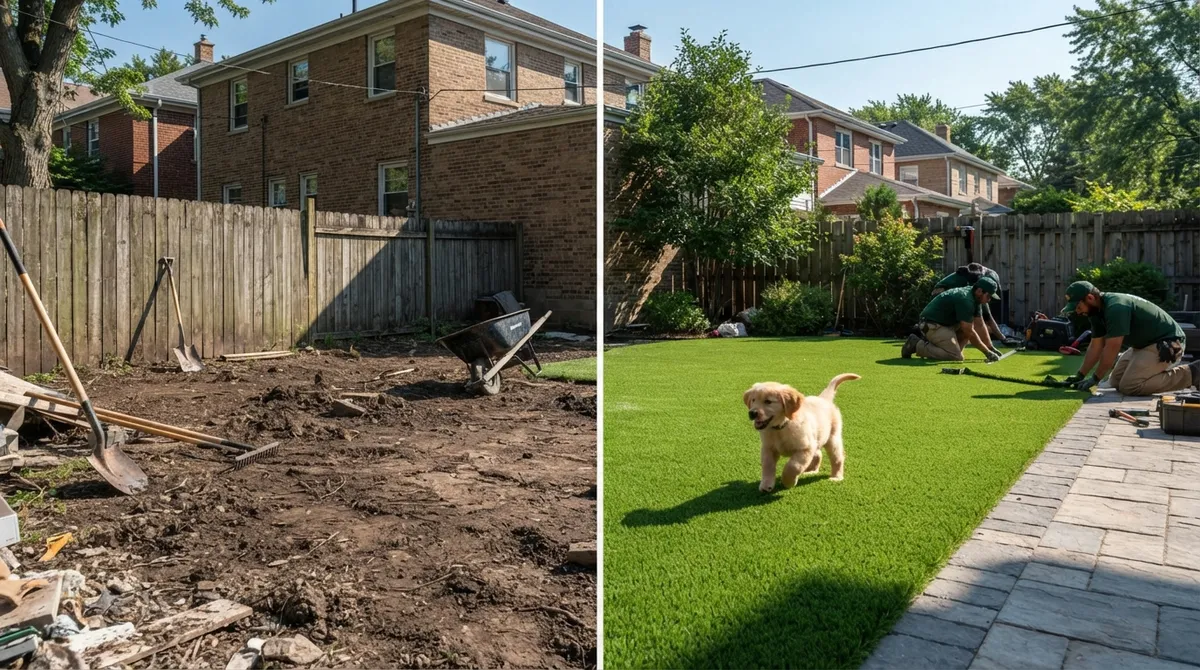
Tired of brown patches, muddy paw prints, and weekend mowing marathons? You’re not alone. More Chicago homeowners and business owners are turning to synthetic turf every year, and picking the right astroturf installers makes all the difference between a lawn you love and one you regret. Grab a coffee, and let’s walk through exactly what to look for, so you can hire with confidence and skip the guesswork.
Whether you’re a suburban homeowner dreaming of a weed-free backyard, a condo owner hoping to green up a tiny rooftop, or a property manager juggling curb appeal across several buildings, this guide is for you. We’ll cover costs, timelines, must-ask questions, and the little details that separate a so-so job from a stunning one. By the end, you’ll know exactly what “good” looks like when it comes to artificial turf installation.
1. They Explain the Full Installation Process Upfront
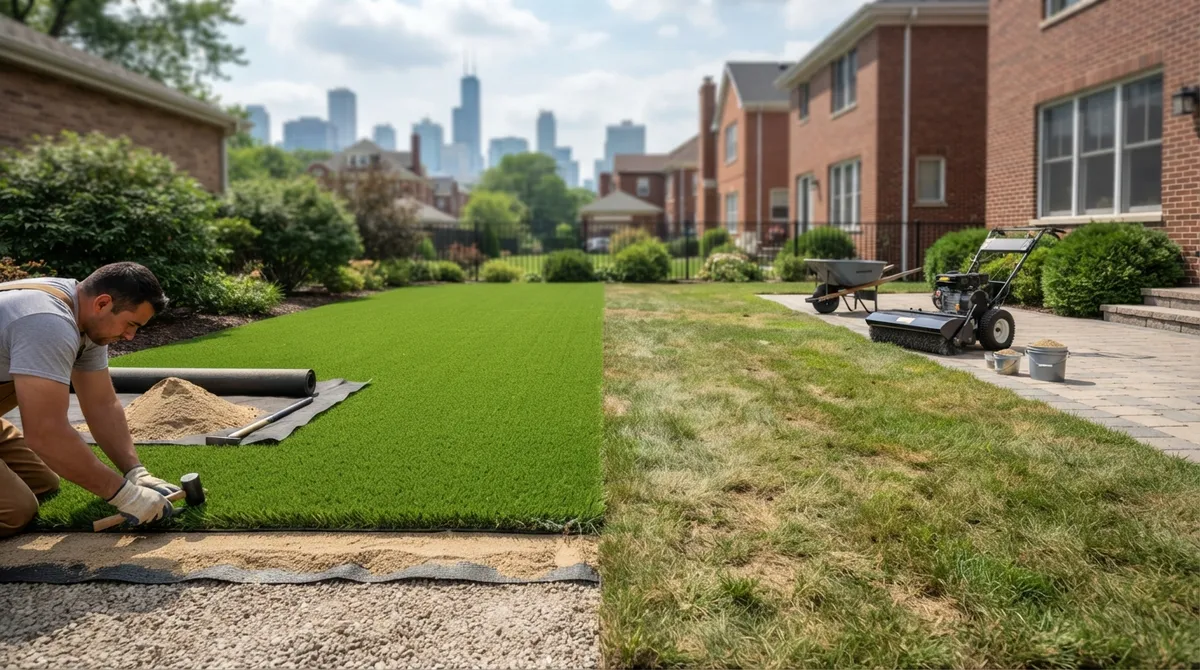
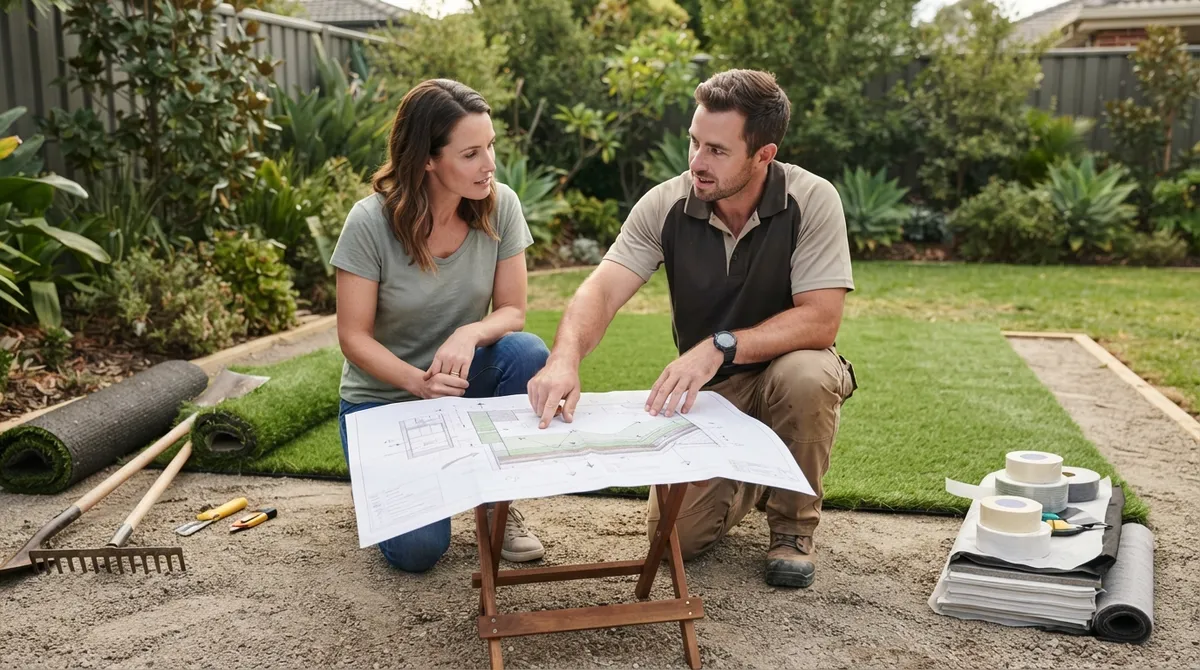
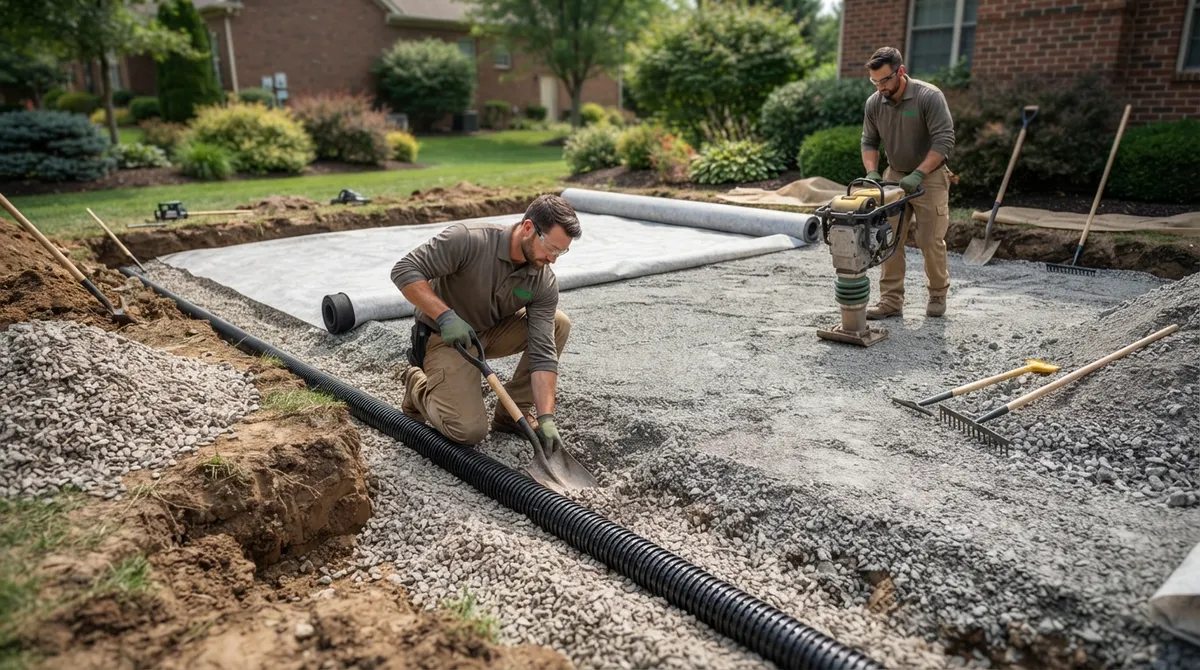
Great astroturf installers never leave you guessing. They should walk you through every stage before you sign anything, from removing old sod to the final brushing of infill. This transparency matters because turf systems are installed over a prepared sub-base rather than laid directly on soil, and skipping steps almost always leads to problems later.
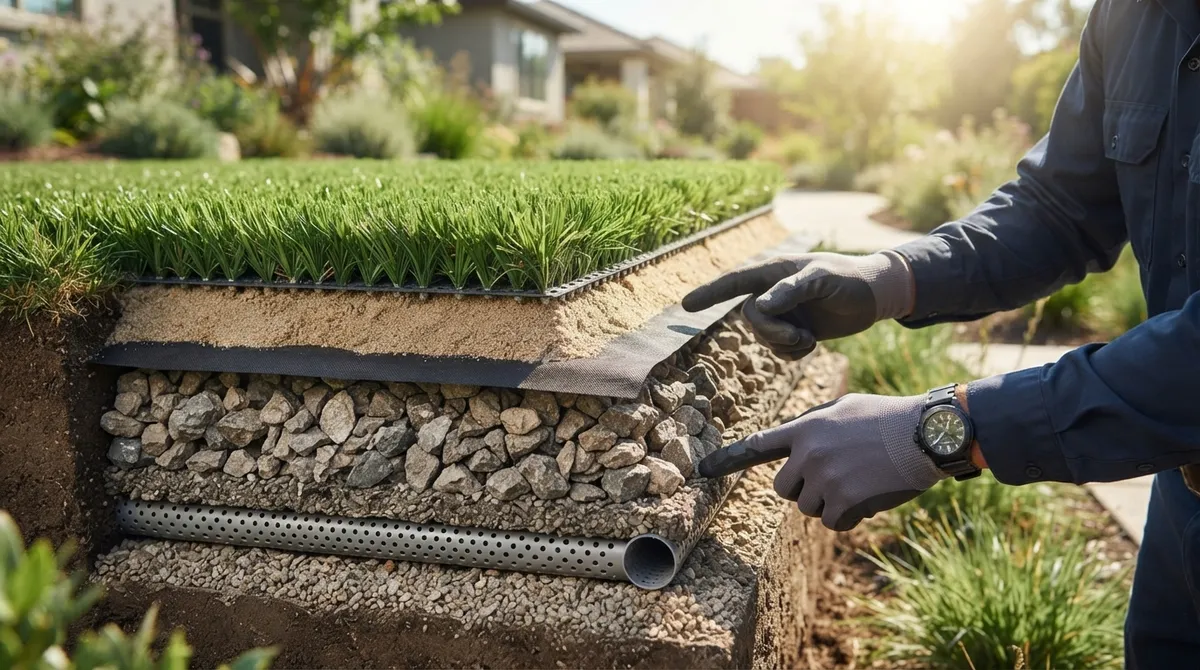
Here’s what a trustworthy installer typically covers during the process:
- Site preparation and removal of existing grass or debris
- Grading and leveling the ground for proper water flow
- Installing a compacted base layer, usually crushed stone
- Laying a weed barrier to keep unwanted growth out
- Cutting and fitting turf panels for a seamless look
- Securing edges with nails, adhesive, or both
- Adding infill material for cushioning and blade support
- Brushing the turf fibers upright for a natural finish
If a company glosses over any of these steps or seems vague about their approach, that’s a red flag. Learn more about the full sequence in our breakdown of the key stages of artificial turf installation.
2. They Prioritize Drainage and Base Prep
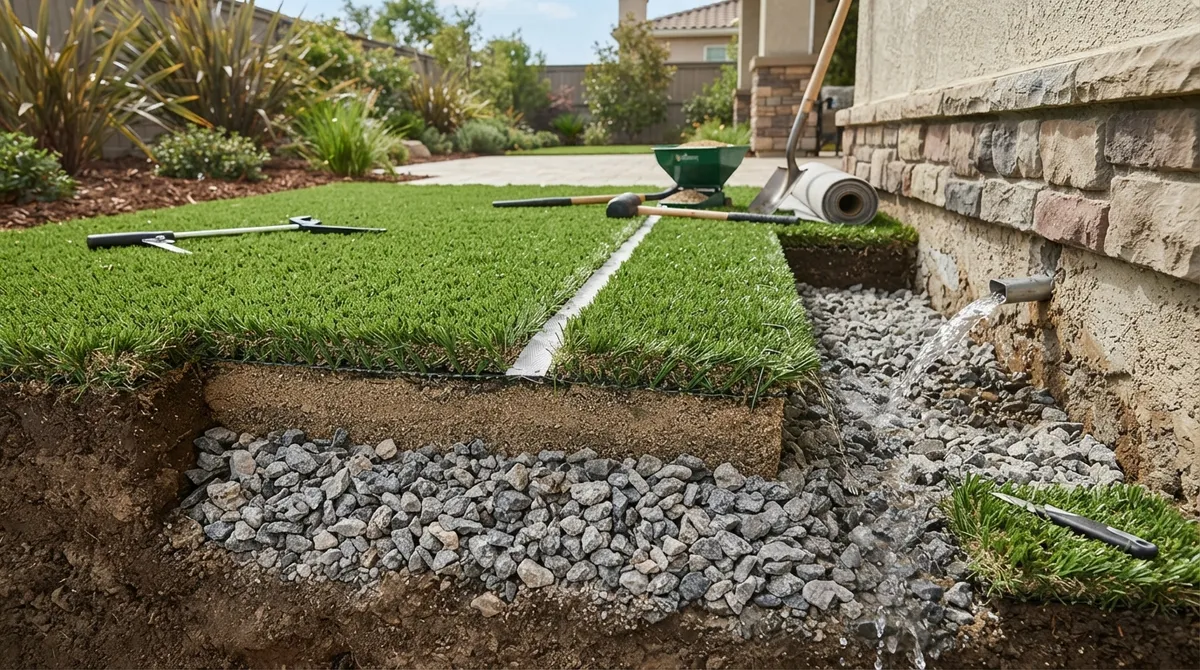
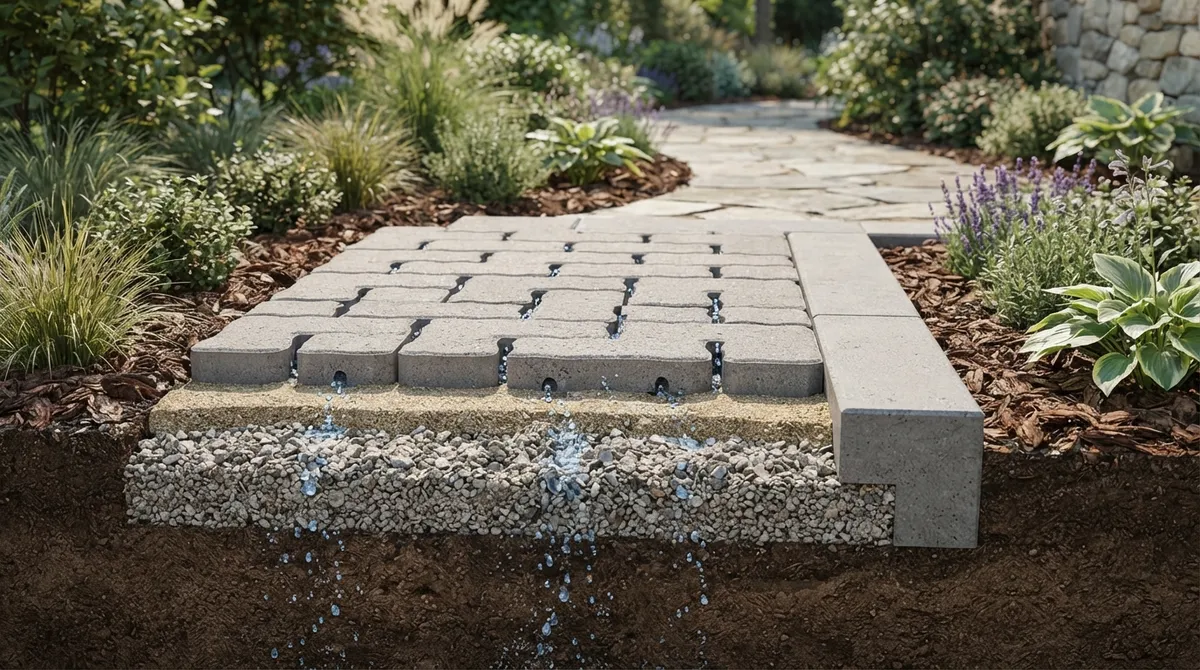
This one’s huge, especially here in the Midwest. Chicago’s clay-heavy soil and heavy spring rains mean drainage isn’t optional, it’s essential. Astroturf installers who know what they’re doing will test your soil, plan grading carefully, and install a proper base that lets water flow through instead of pooling on top.
Poor drainage leads to soggy spots, bad odors, and turf that lifts or shifts over time. A skilled crew treats turf drainage systems as the foundation of the whole project, not an afterthought. Ask your installer directly how they plan to handle water runoff on your property before work begins.
Why This Matters More in Illinois
Freeze-thaw cycles can wreak havoc on poorly prepped turf systems. A base that isn’t compacted correctly may shift when the ground freezes, causing bumps and uneven surfaces by spring. This is one reason working with an experienced local team, rather than someone unfamiliar with our climate, pays off long term.
3. They Offer Clear, Detailed Pricing
Nobody likes surprise invoices. Reputable astroturf installers give you an itemized quote that separates material costs from labor, so you know exactly what you’re paying for. According to Homeguide, artificial grass materials typically run $2 to $8 per square foot, while labor adds another $4 to $9 per square foot on top of that.
To give you a sense of what installation costs can look like across different markets, here’s a quick comparison:
| Cost Estimate Source | Price Range (per sq ft) | Example Total (500-700 sq ft) |
|---|---|---|
| Homeguide (materials + labor) | $6 to $17 | $3,000 to $8,500+ |
| Los Angeles installer estimate | $8.90 to $15.60 | $4,450 to $10,920 |
| Thumbtack average project cost | Varies by scope | Around $3,458 average |
Your final price depends on square footage, site conditions, turf quality, and any extra features like putting greens or pet-friendly drainage layers. For a deeper dive into what shapes your final bill, check out our guide on factors that shape artificial grass installation cost.
4. They Have Real Experience With Your Type of Space
Not all turf projects are the same. A cozy backyard lawn is very different from a rooftop terrace, a commercial courtyard, or a dog run. The best astroturf installers ask about how you’ll use the space and tailor their approach accordingly.
- Residential backyards need family-friendly, soft-underfoot turf
- Rooftop and patio spaces require lightweight systems and careful drainage planning
- Commercial properties often need higher-traffic, durable turf blends
- Pet areas benefit from odor-resistant infill and improved drainage
- Putting greens require specialized, low-pile turf for accurate ball roll
If you’re an urban condo owner working with a small rooftop or balcony, ask specifically about their experience with rooftop artificial turf projects. It’s a different skill set than a standard backyard install, and you want someone who’s done it before.
5. They Stand Behind Their Work With Warranties
Quality installers back up their craftsmanship. Ask about warranties on both the turf product itself and the labor involved in installation. Most synthetic turf lasts 15 to 25 years depending on quality and how well it’s maintained, so a company confident in their work should offer solid warranty terms.
Here are a few warranty questions worth asking before you commit:
- What does the manufacturer warranty cover, and for how long?
- Is there a separate warranty on the installation labor itself?
- What voids the warranty, and how do I avoid that?
- Do you offer any post-installation maintenance plans?
A company that hesitates or dodges these questions probably isn’t the right fit for your project.
6. They Offer Ongoing Maintenance Support
Synthetic turf is famously low-maintenance, but it’s not zero-maintenance. Great astroturf installers often provide grooming, cleaning, and repair services to keep your lawn looking fresh for years. This is especially valuable for pet owners or busy commercial properties that see a lot of foot traffic.
Basic upkeep usually includes:
- Regular brushing to keep fibers standing upright
- Rinsing away debris, pollen, and pet waste
- Redistributing infill as needed over time
- Checking seams and edges for wear
- Addressing any drainage issues that develop
- Do they provide a written, itemized estimate?
- Can they show photos or examples of past projects?
- Do they explain drainage and base prep in detail?
- Are warranties clearly outlined in writing?
- Do they offer maintenance plans after installation?
If pets are part of the picture, ask about cleaning artificial turf from pet waste so you know exactly how to keep things fresh between professional visits.
7. They’re Certified and Connected to Industry Standards
Credentials matter more than people realize. Installers who stay active with organizations like Landscape Illinois tend to stay current on best practices, local codes, and new turf technology. Similarly, certifications from groups such as the ICPI Certified Installer program show a commitment to professional standards in hardscape and turf-related work.
It’s also worth noting that “AstroTurf” is technically a trademarked brand name. Many landscaping companies install synthetic turf products without being affiliated with that specific brand, and honest installers will be upfront about which turf products they actually use.
8. They Make the Whole Experience Easy and Transparent
At the end of the day, a great installer makes you feel taken care of from start to finish. That means clear communication, realistic timelines, and honest answers to your questions. For reference, Homeguide notes that a 1,000-square-foot install usually takes about 2 to 3 days for a 4-person crew, so anyone promising same-day miracles on a large project deserves a second look.
Here’s a simple checklist to keep handy when comparing installers:
At Serenity Landscape Group, we’ve spent over two decades helping Chicago-area homeowners and businesses build outdoor spaces they truly love. Our team handles everything from site prep to final grooming, and we’re always happy to walk you through our process so you know exactly what to expect. You can also browse our gallery of our work to see real turf projects across the Chicagoland area.
Natural Grass vs Turf: A Quick Comparison
Still on the fence about whether synthetic turf is right for your property? Here’s a simple side-by-side to help you decide.
| Feature | Natural Grass | Artificial Turf |
|---|---|---|
| Watering needed | Regular, especially in summer | None |
| Mowing required | Weekly during growing season | Never |
| Appearance consistency | Varies with weather and season | Consistent year-round |
| Lifespan before major work | Ongoing care needed indefinitely | 15 to 25 years |
| Best for | Large properties with time for upkeep | Busy households, rooftops, pet areas, commercial sites |
If you want a deeper cost comparison, our article on cost-benefit facts for artificial turf vs real grass breaks down the numbers even further.
Ready to Get Started?
Choosing the right astroturf installers doesn’t have to feel overwhelming. Focus on transparency, drainage expertise, fair pricing, and a proven track record, and you’ll be well on your way to a lawn that looks great for years to come. Whether you’re upgrading a suburban backyard, transforming a rooftop patio, or refreshing the landscape at your commercial property, the right team makes all the difference.
Ready to see what a professionally installed, low-maintenance lawn could look like at your home or business? Get a Free Estimate today, or feel free to call us at (630) 359-5139 to chat with our team about your project. We’d love to help you fall in love with your outdoor space all over again.
FAQs
Q: What do astroturf installers actually do?
A: They handle everything from prepping your site and grading the ground to laying a compacted base, fitting the turf, adding infill, and brushing it into place. Good installers also take care of drainage planning so your lawn stays dry and healthy. Think of them as your one-stop team for turning a tired lawn into a low-maintenance, good-looking space.
Q: How much does astroturf installation typically cost?
A: Most projects run somewhere between $6 and $17 per square foot once you factor in materials and labor, though this varies by region and turf quality. For a typical 500-square-foot yard, that often lands between $3,000 and $8,500. Getting a detailed, itemized quote is the best way to know your exact number.
Q: How long does artificial turf actually last?
A: With proper installation and a little routine care, quality synthetic turf typically lasts 15 to 25 years. That’s a long time to skip mowing, watering, and reseeding! Just remember, the lifespan depends heavily on how well the base and drainage were prepped from day one.
Q: Do astroturf installers handle drainage and base preparation too?
A: Yes, and honestly, this is one of the most important parts of the whole job. Turf sits on top of a carefully prepared base rather than directly on soil, so proper grading and drainage planning are essential. Skipping this step is one of the biggest reasons turf installations fail early.
Q: Is artificial turf a good replacement for natural grass?
A: For a lot of homeowners and businesses, yes! It cuts out mowing, watering, and fertilizing, while still giving you that lush green look all year long. It’s especially popular for pet areas, rooftops, and busy commercial spaces where natural grass struggles to keep up.