Key Takeaways
-
Professional installation costs range from $7-$19 per square foot in 2026, with mid-range turf averaging $7.40-$9.35/sq ft and total projects typically between $3,244-$15,000 depending on yard size and prep needs.
-
Labor and base preparation often exceed turf material costs; poor drainage and heavy clay soil common in Chicago suburbs require extra grading work that significantly increases your final bill.
-
Synthetic turf pays for itself within several years despite higher upfront costs due to eliminated watering, mowing, fertilizing, and seasonal treatments that accumulate with natural lawns.
-
Budget tiers range from $3.45-$6/sq ft for small areas to $10-$20+/sq ft for premium installations; always request detailed quotes breaking down materials, labor, and site-specific work.
-
Common costly mistakes include skipping drainage planning, choosing cheap turf without UV protection, hiring unlicensed installers, and ignoring proper edging that prevents turf shifting.
-
Professional installation ensures proper grading, compaction, and seaming with specialized tools; DIY projects often fail despite online tutorials, making certified contractors essential for long-term durability.
So you’re standing in your backyard, staring at those brown patches again, wondering if there’s a better way. You’re not alone! So many of our neighbors here in Chicagoland ask us the same thing: is imitation grass lawns cost really worth it compared to keeping a natural lawn? Grab a cup of coffee, because we’re going to walk through this together, friend to friend, with real numbers and honest advice.
Whether you’re a homeowner in Naperville tired of watering restrictions, a condo owner with a tiny rooftop patio, or a property manager trying to keep a commercial space looking sharp year-round, this guide is for you. We’ll break down real pricing, compare it to natural grass, and help you figure out which option actually makes sense for your space and budget. No confusing jargon, just friendly, straight-up answers.
What Does Imitation Grass Lawns Cost in 2026?
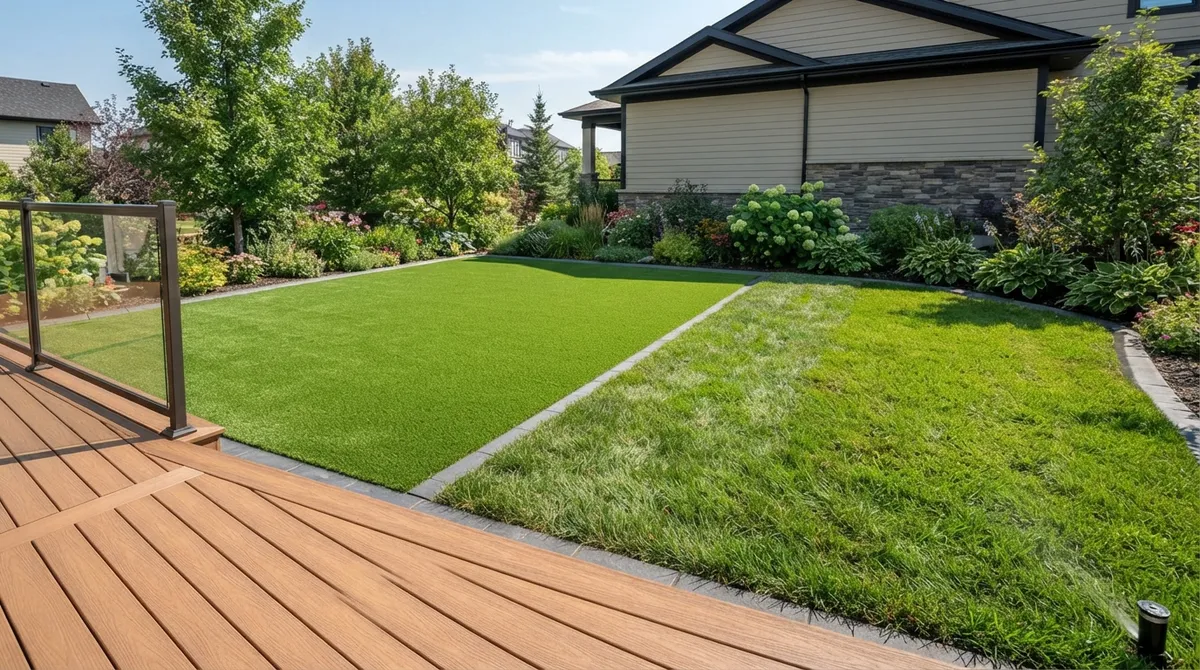
Let’s get right to the good stuff. In 2026, most homeowners across the country pay somewhere between $7 and $19 per square foot for professionally installed synthetic turf. That range covers everything from a modest backyard patch to a premium, plush lawn that feels like walking on a golf course.
According to industry pricing data from LawnStarter, mid-quality turf typically runs about $7.40 to $9.35 per square foot installed, while the full contractor range spans roughly $3.45 to $12 per square foot depending on your yard’s specific needs. Angi reports an average installation cost of about $5,757, with most homeowners landing somewhere between $1,300 and $15,000. HomeAdvisor’s numbers are pretty similar, showing an average of $5,786 and a typical range of $3,244 to $8,713.
Why such a wide range? Well, it comes down to a few things: how big your yard is, what grade of turf you choose, and how much prep work your soil needs. A flat, well-drained yard costs less to convert than one with drainage issues or heavy clay soil (which, let’s be honest, describes a lot of Chicago-area properties).
Breaking Down the Price Per Square Foot
Here’s a simple table to help you visualize where your project might land based on turf quality and complexity.
| Turf Quality Tier | Price Per Sq. Ft. (Installed) | Best For |
|---|---|---|
| Budget/Economy | $3.45 – $6.00 | Small side yards, dog runs |
| Mid-Range | $7.40 – $9.35 | Most residential backyards |
| Premium/Custom | $10.00 – $20.00+ | Front lawns, rooftops, putting greens |
Some premium turf pricing guides even cite ranges up to $15 to $19 per square foot for top-tier products with realistic blade textures and extended warranties. If you’re comparing quotes, always ask what’s included so you’re comparing apples to apples.
What Actually Drives the Cost Up or Down?
Nobody wants surprise costs halfway through a project. Let’s talk about the main factors that shape your final bill, so you can budget smart from the start.
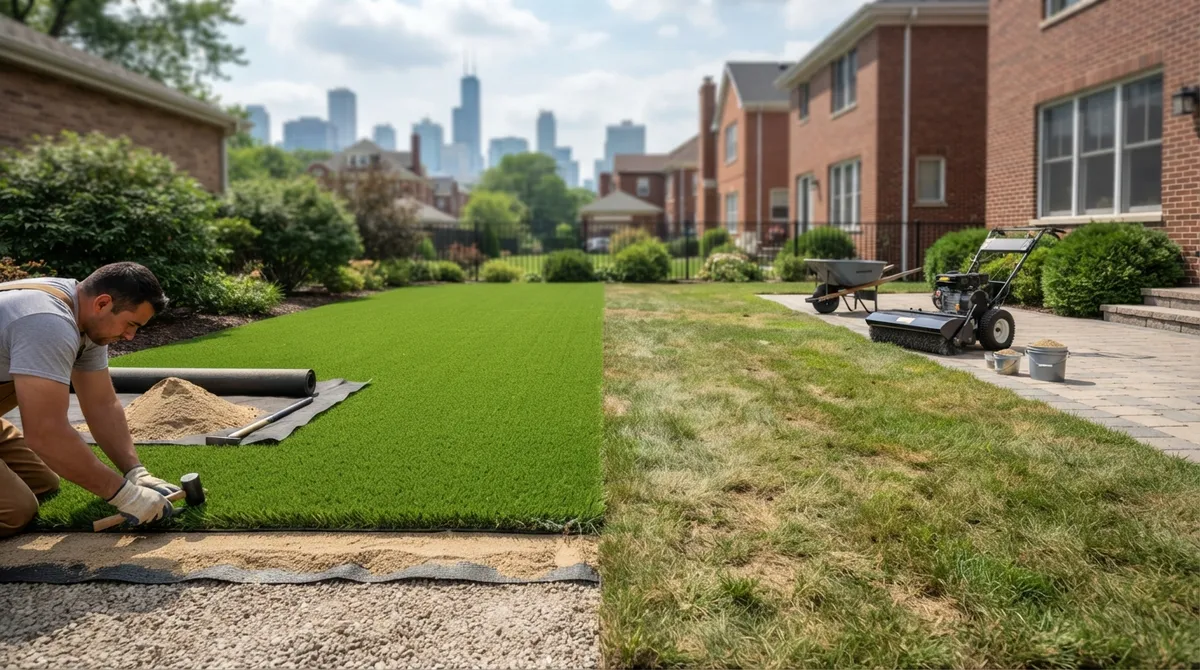
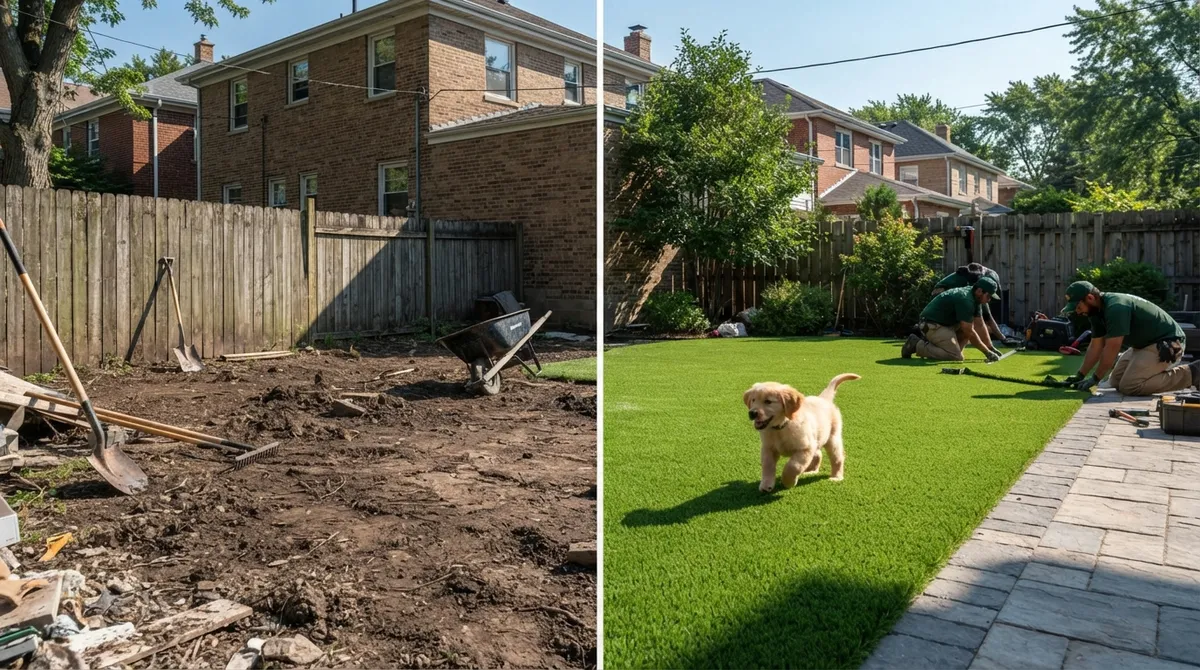
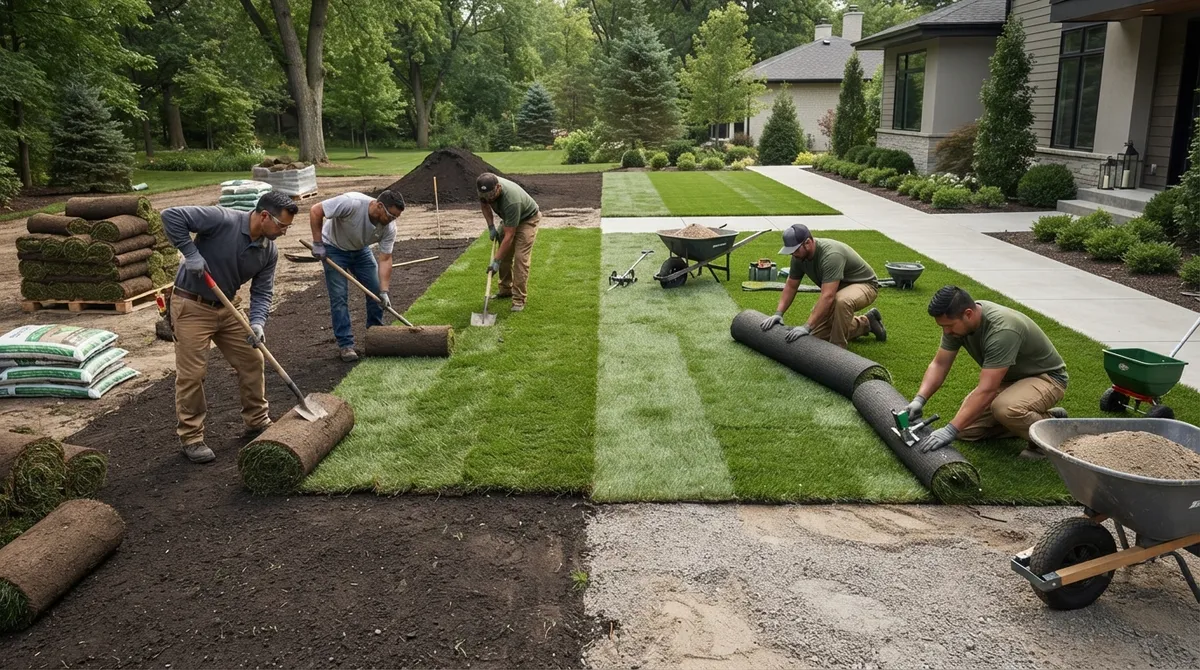
- Site preparation and grading: Removing old sod, leveling the ground, and improving drainage takes time and equipment. Yards with poor drainage or heavy clay (common around Aurora and the western suburbs) often need extra base material.
- Turf grade and pile height: Thicker, more realistic-looking turf with UV protection and better backing costs more upfront but lasts longer.
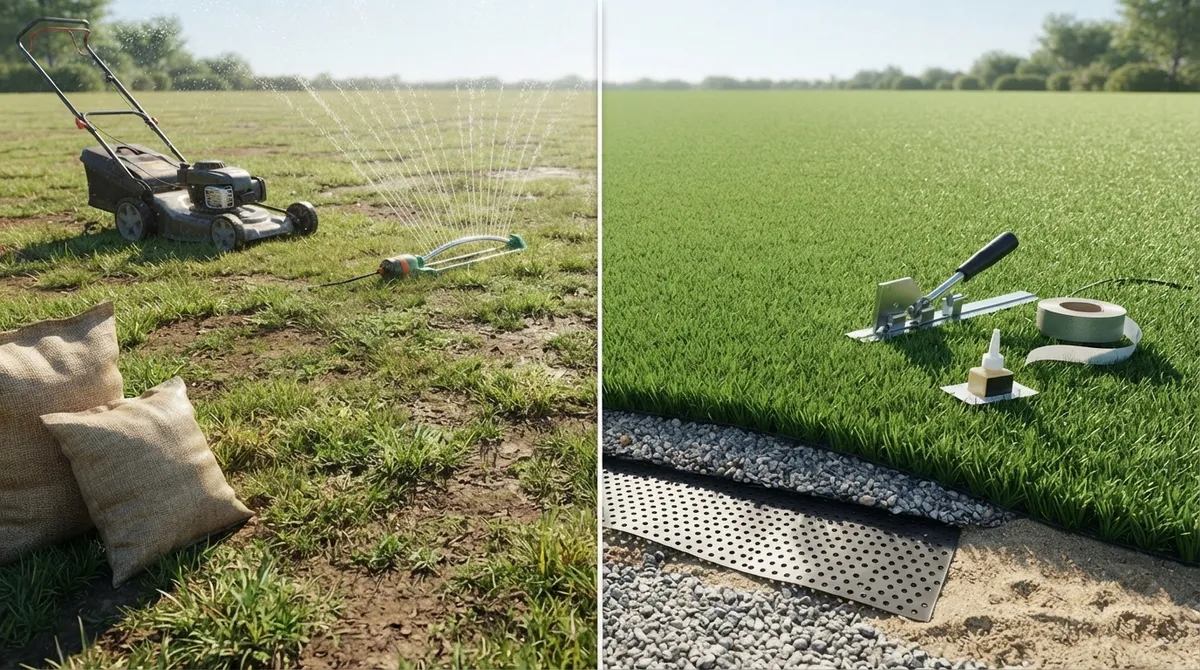
- Base materials: A compacted aggregate base, weed barrier membrane, and proper edging all add to labor and material costs. Check out our guide on the best base materials for turf installation to understand why this step matters so much.
- Yard size and shape: Larger, simpler rectangular yards often cost less per square foot than small, oddly shaped spaces with lots of cutting and edging.
- Infill type: The material sprinkled between the blades (like silica sand or antimicrobial infill) affects both cost and performance, especially for pet owners.
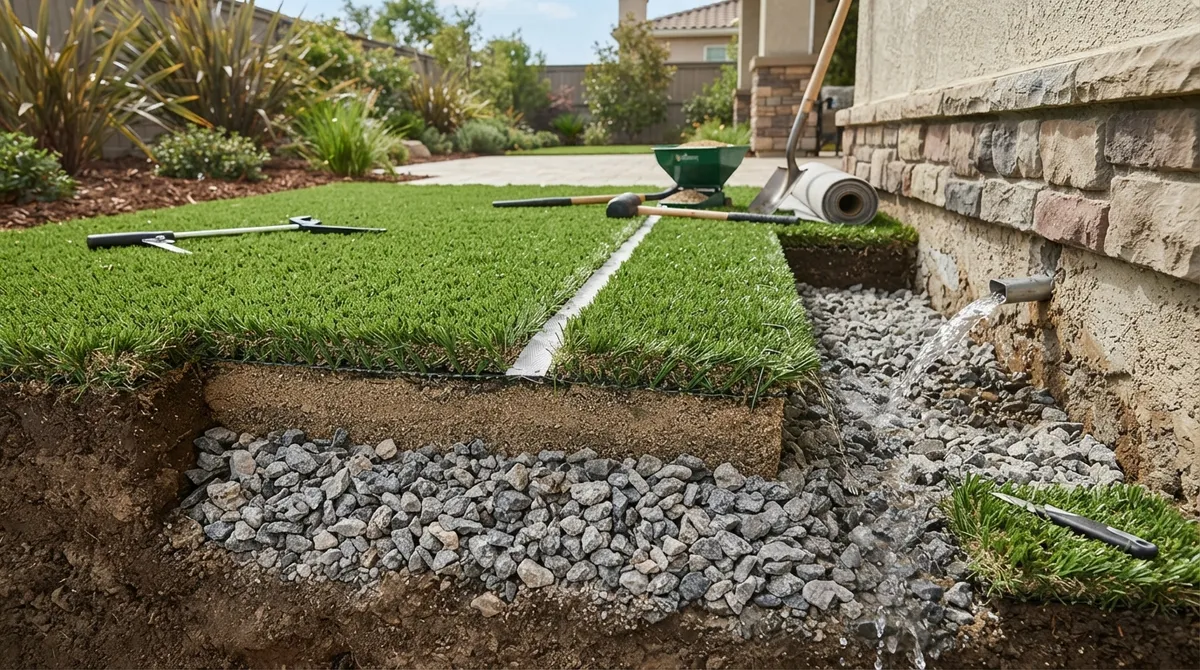
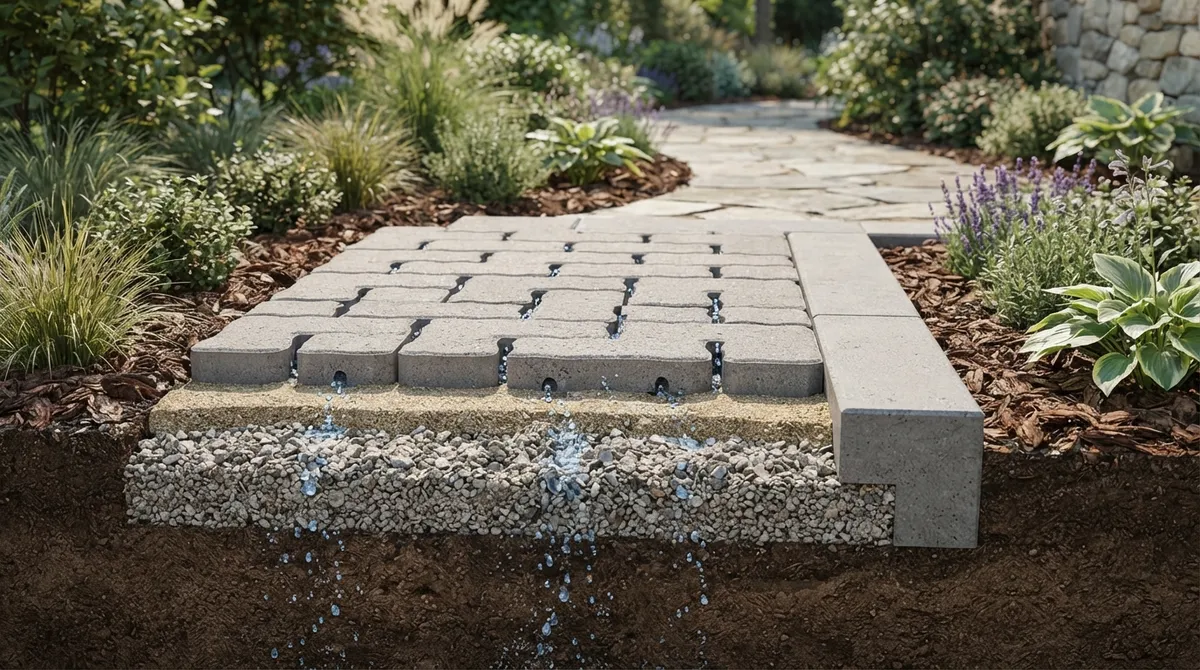
- Drainage system needs: Some properties need extra drainage layers to handle Chicago’s heavy spring rains and winter thaw cycles.
According to a discussion thread on r/landscaping, many homeowners find labor and base prep make up the largest chunk of their total bill, often more than the turf material itself. This matches what we see on projects across the Chicago metro area every single day.
Material Costs Alone vs. Full Installation
It’s worth knowing that material-only pricing is much lower than what you’ll pay for a complete, professionally installed lawn. Angi lists turf materials at roughly $400 to $1,600 for 200 square feet, but that number doesn’t include labor, base prep, or edging. This is exactly why DIY projects often run into trouble. If you want to understand the full picture, our article on why choosing professional turf installation beats DIY lays it all out.
Imitation Grass Lawns Cost vs. Natural Sod: A Side-by-Side Look
This is probably the question on your mind right now: is synthetic turf actually cheaper than keeping a natural lawn? The honest answer is: it depends on your timeline.
- Natural sod installation is usually cheaper upfront, often just a fraction of turf’s per-square-foot cost.
- But natural lawns need ongoing mowing, fertilizing, watering, and seasonal treatments that add up year after year.
- Synthetic turf has a higher initial cost but little to no water bill and minimal maintenance for 15 to 20 years.
- Chicago’s harsh winters and hot summers can stress natural grass, leading to costly reseeding and repair.
- Turf holds up beautifully through snow, ice, and heavy foot traffic without turning to mud.
If you’re weighing your long-term budget, we’ve put together a detailed breakdown in 14 cost-benefit facts comparing artificial turf and real grass. It’s a great resource if you want to run the numbers for your own household.
Long-Term Savings Homeowners Often Overlook
Many suburban homeowners don’t factor in things like lawn care service fees, sprinkler repairs, or fertilizer costs when comparing turf to grass. Over a 10-year period, these small recurring expenses can genuinely rival or exceed the upfront cost of quality synthetic turf. It’s one of those “slow and steady” savings stories that really adds up.
How Different Chicagoland Property Types Affect Turf Pricing
Not every yard is created equal, and neither is every turf project. Let’s look at how your specific property type might shape your budget.
Suburban Backyards
Homeowners in places like Naperville and Wheaton often want a lush, low-maintenance lawn that still meets HOA landscaping standards. These projects usually fall into the mid-range pricing tier since yards tend to be larger but relatively straightforward to prep.
Urban Condo Rooftops and Small Spaces
City dwellers with compact rooftop patios or courtyards often pay a bit more per square foot because smaller jobs still require full mobilization of crews and equipment. However, the total project cost stays low simply because there’s less square footage involved. Curious how this works? Take a look at why rooftop artificial turf makes sense in Chicago.
Commercial Properties
Office parks and retail centers often need larger-scale turf installations with heavy-duty backing to handle foot traffic. Property managers appreciate that synthetic turf slashes maintenance costs across large green spaces. Our commercial lawn maintenance team frequently pairs turf installation with ongoing upkeep plans for a truly hands-off solution.
New Construction and Builder Projects
Builders in Aurora and surrounding suburbs love turf because it delivers instant, guaranteed curb appeal for move-in-ready homes. No waiting for sod to root or seed to sprout. This is a huge selling point for buyers touring model homes.
Steps to Get an Accurate Imitation Grass Lawns Cost Estimate
Ready to get real numbers for your own property? Here’s how the process typically works when you partner with a professional team.
- Schedule an on-site consultation so a specialist can measure your space and assess soil conditions.
- Discuss your goals, whether that’s a pet-friendly yard, a putting green, or a low-maintenance front lawn.
- Review turf samples and infill options to find the right look and feel for your budget.
- Get a detailed written quote breaking down materials, labor, and any drainage or grading work needed.
- Schedule installation, which for most residential projects takes just a few days from start to finish.
- Enjoy years of low-maintenance beauty with occasional brushing and rinsing to keep it looking fresh.
This is exactly the process our team follows on every artificial turf installation project we take on. We believe in transparency from the very first conversation, so you always know what you’re paying for and why.
Common Mistakes That Inflate Your Turf Budget
We’ve seen it all over two decades in this business, and a few mistakes keep popping up that cost homeowners more than they should.
- Skipping proper drainage planning, which leads to pooling water and costly fixes later.
- Choosing the cheapest turf without checking UV resistance, which causes fading within a couple years.
- Hiring unlicensed installers who cut corners on base preparation.
- Not accounting for pet-specific infill needs, leading to odor problems down the road.
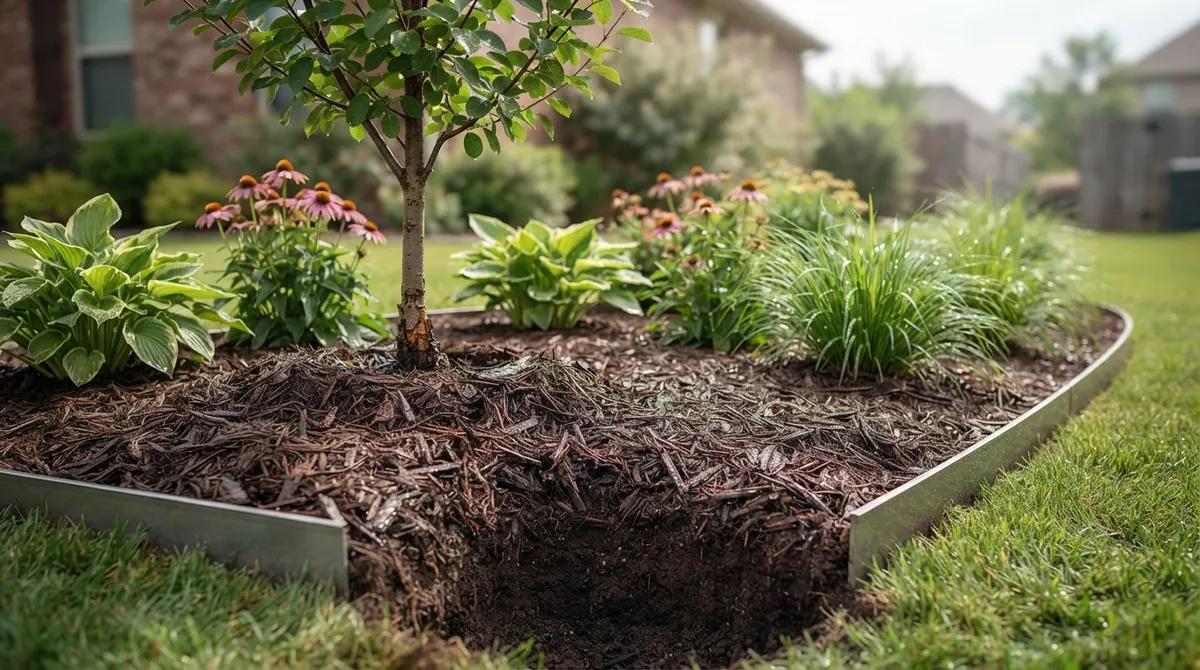
- Ignoring proper edging, which allows turf to shift or lift at the borders over time.
For a deeper dive into avoiding these pitfalls, check out 7 artificial turf installation mistakes to avoid in Chicago. It’s packed with practical tips from our own field experience.
Why Professional Installation Matters for Your Investment
We get it, DIY projects can be tempting, especially with so many online tutorials promising an easy weekend job. But turf installation is one of those projects where professional expertise really pays off. Proper grading, compaction, and seaming require specialized tools and know-how that most homeowners simply don’t have on hand.
Working with a certified team also means your project meets local standards and best practices. Organizations like Landscape Illinois and ICPI Certified Installer set the bar for quality craftsmanship in our industry, and we take those standards seriously on every job site. Our process page walks through exactly how we handle each project from consultation to final walkthrough.
Pairing Turf With Other Outdoor Features
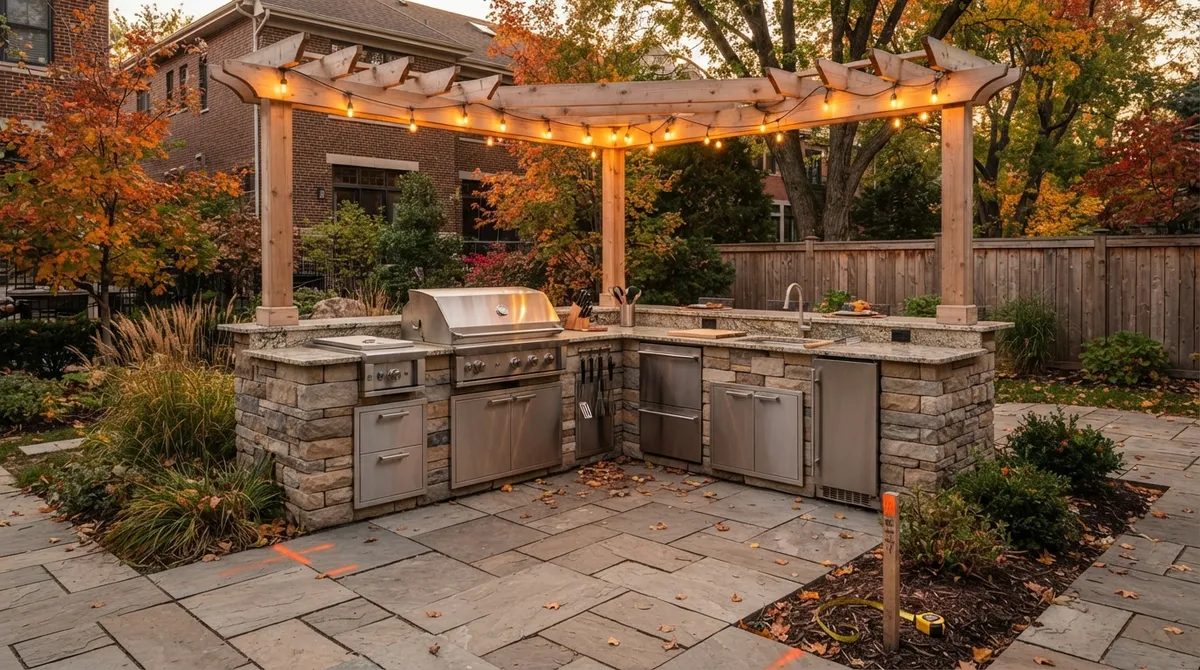
Many of our clients love combining new turf with other upgrades like pavers, a cozy fire pit, or ambient lighting and sound features. It’s a wonderful way to create a complete backyard retreat rather than tackling projects piecemeal. Browse our gallery of our work for inspiration on what’s possible.
Ready to Get Your Personalized Quote?
We know pricing guides are helpful, but nothing beats a real, personalized quote for your unique property. Every yard has its own quirks, soil type, and drainage story, and our team loves digging into those details with you.
If you’re ready to see exactly what imitation grass lawns cost for your space, we’d love to help. Get a Free Estimate today, or feel free to call us at (630) 359-5139 to chat with our friendly team about your project. We’ve spent over two decades transforming Chicagoland yards, and we can’t wait to help transform yours too.
FAQs
Q: How much does artificial grass cost per square foot installed?
A: Great question! In 2026, most homeowners pay between $7 and $19 per square foot for professionally installed turf, with mid-quality options averaging around $7.40 to $9.35 per square foot. Your exact price depends on turf grade, yard size, and how much site prep your soil needs.
Q: What is the average cost to install synthetic turf in a residential lawn?
A: Nationally, Angi reports an average cost of about $5,757, while HomeAdvisor puts it closer to $5,786. Most homeowners end up spending somewhere between $3,244 and $15,000 depending on their project’s scope and turf quality.
Q: Is artificial grass cheaper than maintaining a natural lawn over time?
A: It really can be! While natural sod costs less upfront, ongoing mowing, watering, and fertilizing add up year after year. Many of our clients find that synthetic turf pays for itself within several years thanks to minimal maintenance needs.
Q: What factors make imitation grass lawn installation more expensive?
A: Poor drainage, heavy clay soil, complex yard shapes, and premium turf grades all push costs higher. Proper base preparation, including compacted aggregate and edging, also plays a big role in your final price.
Q: How much do drainage and base preparation add to turf installation cost?
A: Base prep and drainage work often make up a large chunk of your total budget, sometimes more than the turf material itself. Yards with poor natural drainage, common in parts of the Chicago suburbs, may need extra grading or drainage layers to prevent pooling.