Key Takeaways
-
Proper drainage is critical to retaining wall longevity; without it, water builds up behind the wall causing leaning, cracking, or failure within years despite initial appearance.
-
Walls over 3-4 feet tall typically require engineered design and local permit approval; check your municipality’s codes before starting as requirements vary across Chicago suburbs.
-
Segmental block walls offer the best balance of cost and aesthetics for residential yards, while material choice significantly impacts durability (15-20 years for timber vs. 50+ for stone).
-
Professional installation involving site assessment, base preparation, drainage installation, and proper backfilling is essential; skipping steps leads to wall failure within years.
-
Costs range from $3,000-$5,000 for small decorative walls to $20,000+ for larger engineered structures, with height, length, material, and site accessibility being primary cost drivers.
-
A properly constructed retaining wall lasts 30-50+ years and transforms unusable sloped space into flat, functional outdoor living areas while solving erosion and drainage problems.
If your yard slopes like a ski hill or turns into a mud slide every time it rains, you’re not alone. So many homeowners across Chicagoland deal with uneven yards, washed-out gardens, and soil that just won’t stay put. The good news? Retaining wall construction can fix all of that while making your yard look amazing. Let’s walk through what you need to know before you start this exciting project.
Whether you’re a homeowner in the suburbs battling a sloped backyard, a business owner wanting better curb appeal, or a property manager dealing with drainage headaches, this guide has something for you. We’ll cover materials, costs, permits, and everything in between. By the end, you’ll feel confident talking about retaining wall construction like a pro.
1. Understanding What Retaining Wall Construction Really Means
Retaining wall construction is the process of building a structure that holds back soil on a slope. Think of it as a strong, stylish barrier between higher ground and lower ground. These walls stop dirt from sliding, washing away, or piling up where you don’t want it.
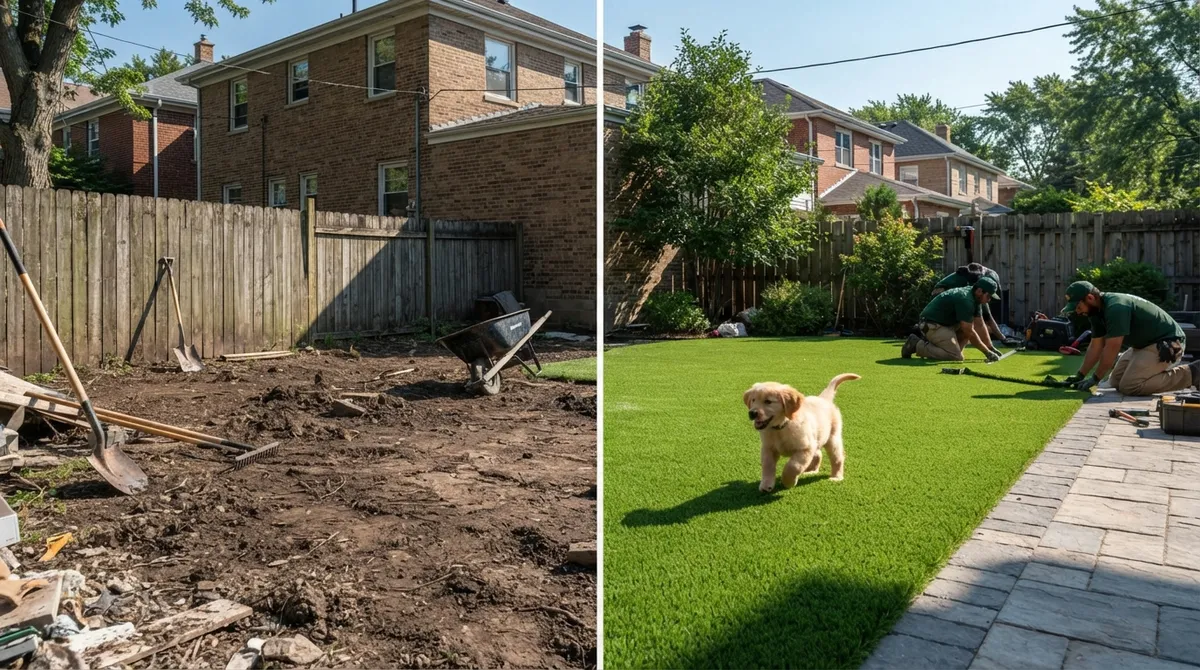
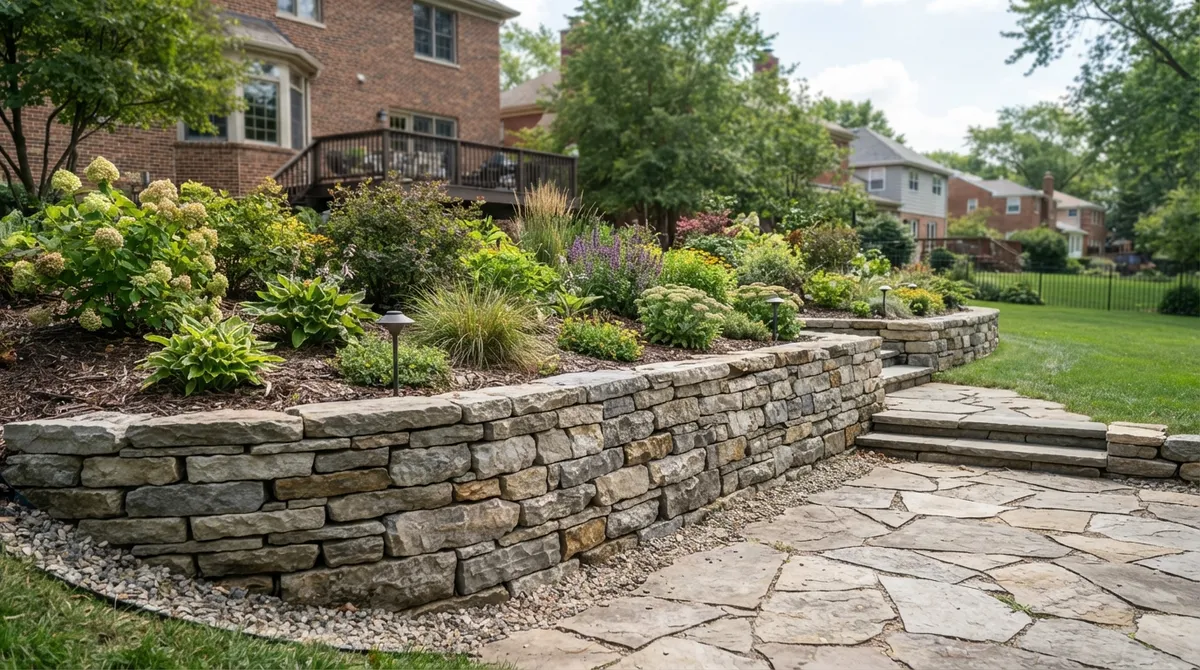
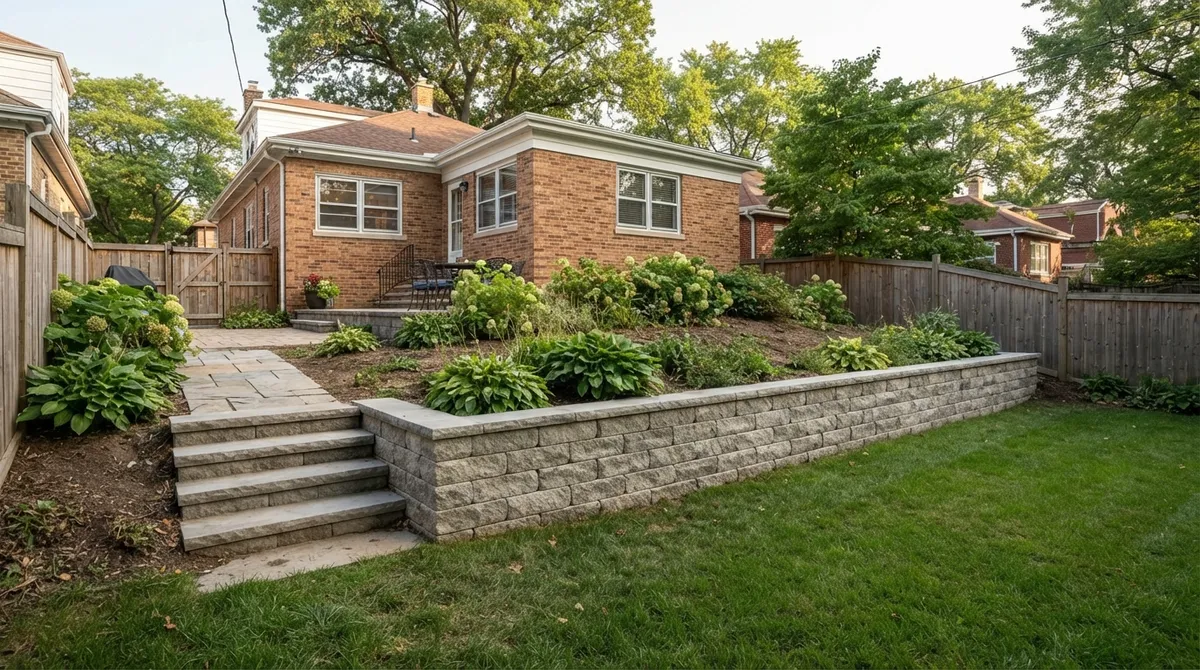
In the landscaping world, retaining walls do double duty. They solve practical problems like erosion and drainage. They also add beauty to your property. A well-built wall can turn a useless, bumpy slope into a flat garden, patio space, or lawn area.
Many homeowners don’t realize how much a sloped yard limits their outdoor living. Once a wall goes in, that wasted space becomes usable again. It’s honestly one of the most rewarding transformations we get to be part of. You can browse real project photos in our gallery of our work to see this in action.
2. Why Chicago Properties Often Need Retaining Walls
Chicago’s clay-heavy soil and heavy spring rains create the perfect storm for erosion problems. Water doesn’t drain well through clay, so it pools and pushes against slopes. Over time, this weakens the ground and causes soil to shift.
Here are some common reasons Chicago-area properties need retaining walls:
- Sloped backyards that lose soil every time it storms
- Foundations at risk from water pooling too close to the house
- HOA communities that require tidy, terraced landscaping
- Commercial parking lots or building entrances with grade changes
- New construction sites where the land wasn’t perfectly flat to begin with
- Gardens or patios that need a level surface on uneven ground
If any of these sound familiar, a retaining wall might be exactly what your property needs. Learn more about the basics in our article on what a retaining wall is and whether you need one.
3. The Step-by-Step Retaining Wall Construction Process
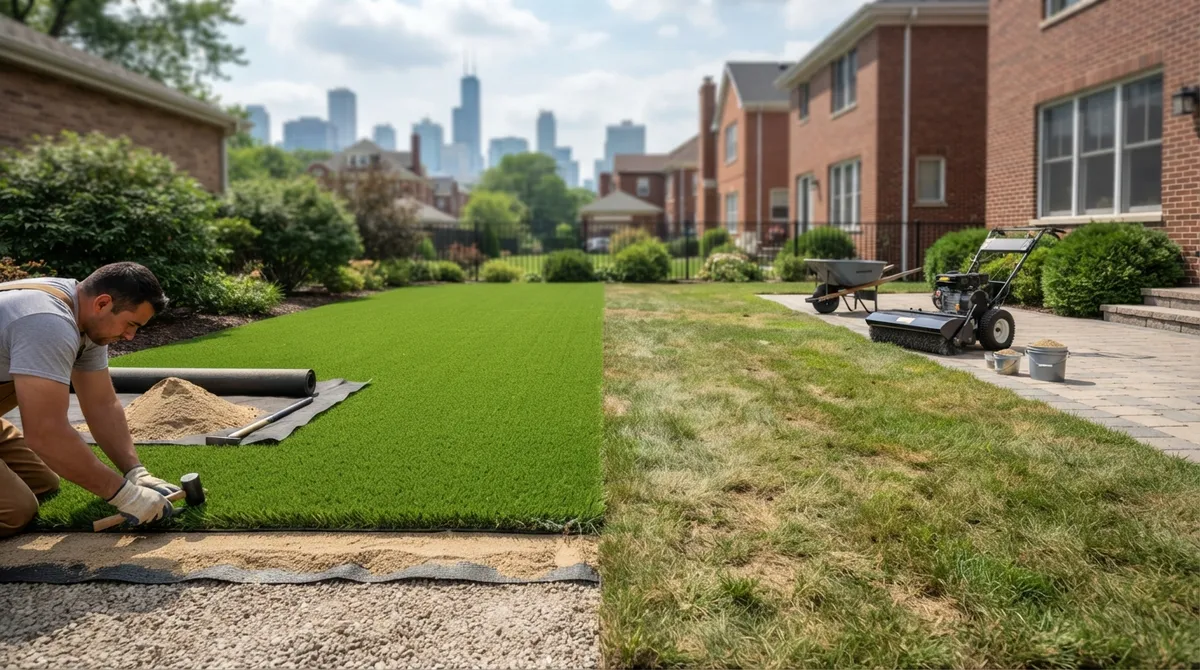
A quality retaining wall isn’t just stacked blocks. It’s an engineered system built to last for decades. Here’s how professional installers typically approach the job:
- Site assessment: The team examines your slope, soil type, and drainage patterns.
- Design planning: Wall height, length, and material are chosen based on your goals and budget.
- Excavation: The site is dug out to create space for the wall’s base and backfill.
- Base preparation: A compacted gravel base is laid to support the wall’s weight evenly.
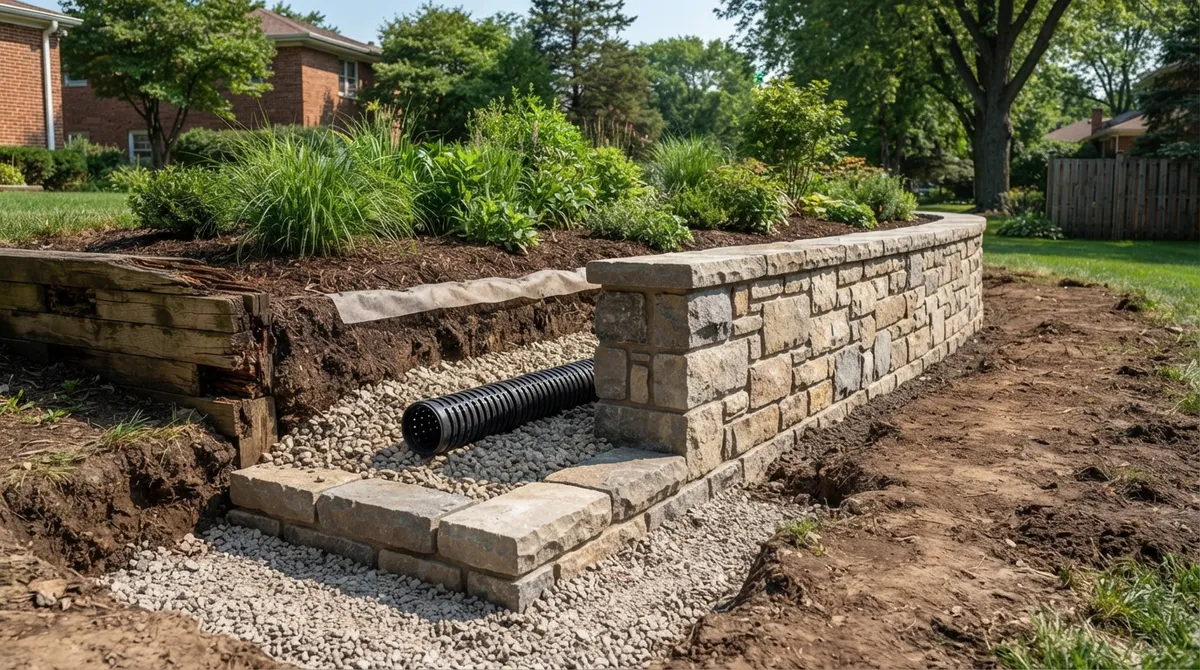
- Drainage installation: Pipes and gravel channels are added to move water away from the wall.
- Wall construction: Blocks, stone, or timber are set in place, layer by layer.
- Backfilling and finishing: Soil is packed behind the wall, and the top is finished with caps, plants, or pavers.
Skipping any of these steps can lead to a wall that fails within a few years. That’s why hiring an experienced team matters so much. Our design and build process covers every one of these stages carefully.
4. Choosing the Best Retaining Wall Materials
Not all retaining walls look or perform the same way. The material you choose affects cost, durability, and style. Here’s a quick breakdown of the most popular options.
| Material | Best For | Durability | Style |
|---|---|---|---|
| Natural Stone | High-end, custom landscapes | Excellent, 50+ years | Rustic, elegant |
| Segmental Block | Most residential yards | Very good, 30-50 years | Clean, modern |
| Concrete Block | Larger commercial walls | Excellent, 50+ years | Simple, sturdy |
| Timber | Budget-friendly, short-term use | Fair, 15-20 years | Natural, rustic |
| Gabion (wire and stone) | Industrial or eco-style yards | Very good, 40+ years | Modern, textured |
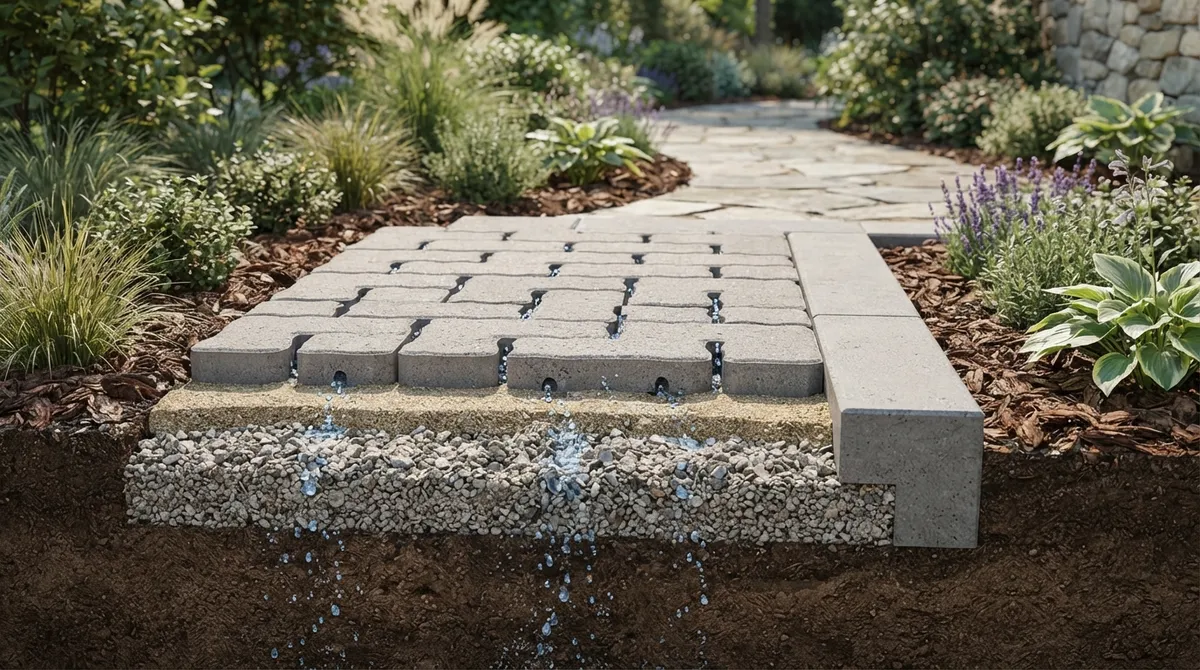
Segmental block walls tend to be the most popular choice for suburban homes because they balance cost and looks well. Natural stone is a favorite for upscale properties that want a timeless look. If you’re pairing your wall with a patio or walkway, check out our tips on paver design and installation to keep your whole yard cohesive.
5. How Much Does Retaining Wall Construction Cost?
Retaining wall costs vary a lot depending on size, material, and site conditions. Based on industry pricing data, here’s a general idea of what to expect.
- Small decorative walls under 2 feet: roughly $3,000 to $5,000
- Mid-size residential walls: $5,000 to $12,000
- Larger or engineered walls: $12,000 to $20,000 or more
- Commercial or heavy-duty walls: often exceed $20,000 depending on scale
Several factors push these numbers up or down. Wall height and length matter most, since taller walls need stronger engineering. Material choice, site accessibility, and drainage requirements also play a big role. A wall on a steep, hard-to-reach slope will always cost more than one on flat, open ground.
Getting a detailed quote is the best way to know your real numbers. You can get a free estimate to see what your specific project might cost.
6. Drainage: The Secret to a Retaining Wall That Lasts
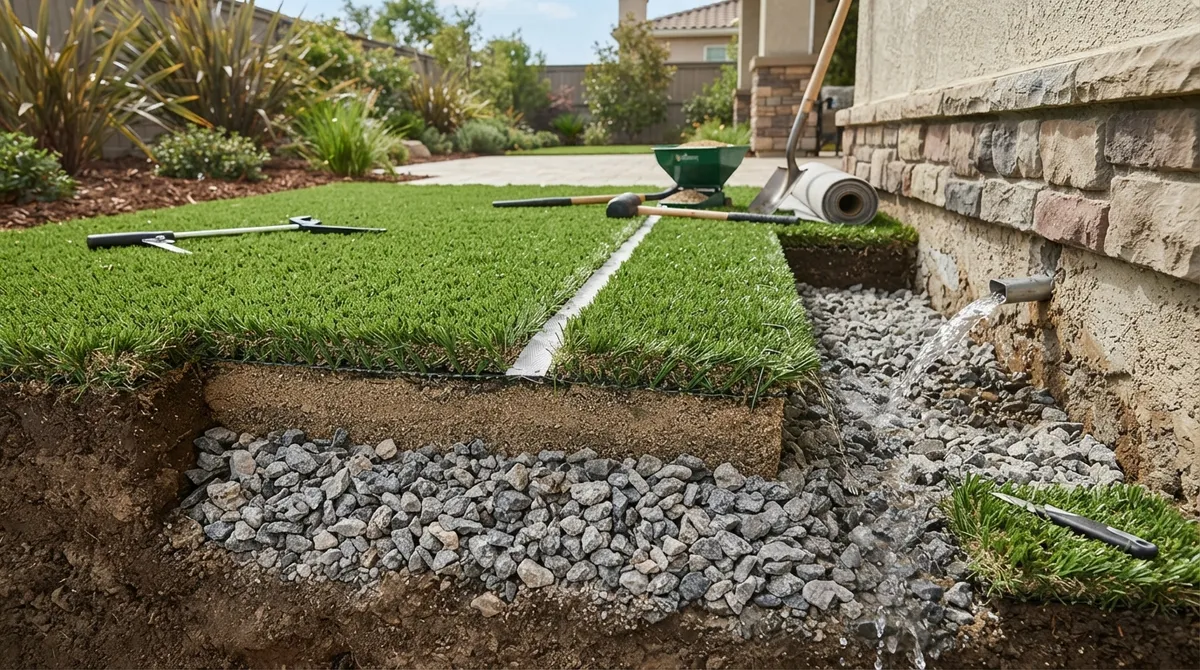
Here’s something many homeowners don’t think about until it’s too late. Water is the number one enemy of retaining walls. Without proper drainage, water builds up behind the wall and pushes it forward over time.
Professional installers include several drainage features as standard practice:
- Perforated drain pipes behind the wall base
- Gravel backfill that lets water flow instead of pooling
- Weep holes for water to escape through the wall face
- Proper grading so surface water flows away from the structure
Skipping drainage is one of the most common and costly mistakes in retaining wall construction. A wall without drainage might look fine for a year or two, then start leaning or cracking. This is exactly the kind of issue our team focuses on preventing during every project. For more on avoiding costly errors, check out 7 hardscaping mistakes to avoid in your outdoor space.
7. When You Need an Engineered Wall and Permits
Not every retaining wall needs a permit or engineering review, but many do. Here’s a simple way to think about it.
- Walls under 3-4 feet tall are often considered decorative and may not need a permit.
- Walls taller than 4 feet usually require an engineered design and local permit approval.
- Walls supporting structures, driveways, or heavy loads almost always need engineering, regardless of height.
- Multiple stacked or tiered walls may count as one taller structure for permit purposes.
Local building codes vary across Chicago suburbs, so it’s smart to check with your municipality before starting. A trustworthy contractor will handle this research for you and make sure your project meets code. Organizations like Landscape Illinois support professional standards across the state, and working with an ICPI Certified Installer gives extra peace of mind that your wall is built correctly.
Decorative Garden Walls vs. Structural Retaining Walls
People often confuse these two types of walls, so let’s clear it up. A decorative garden wall is usually short, under two feet, and mostly for looks. It might separate a flower bed from the lawn or add a border around a patio.
A structural retaining wall does real work. It holds back significant soil weight and often requires engineering. These walls need proper footings, drainage, and sometimes steel reinforcement. Knowing the difference helps you set the right budget and expectations from the start.
Combining Retaining Walls with Other Outdoor Features
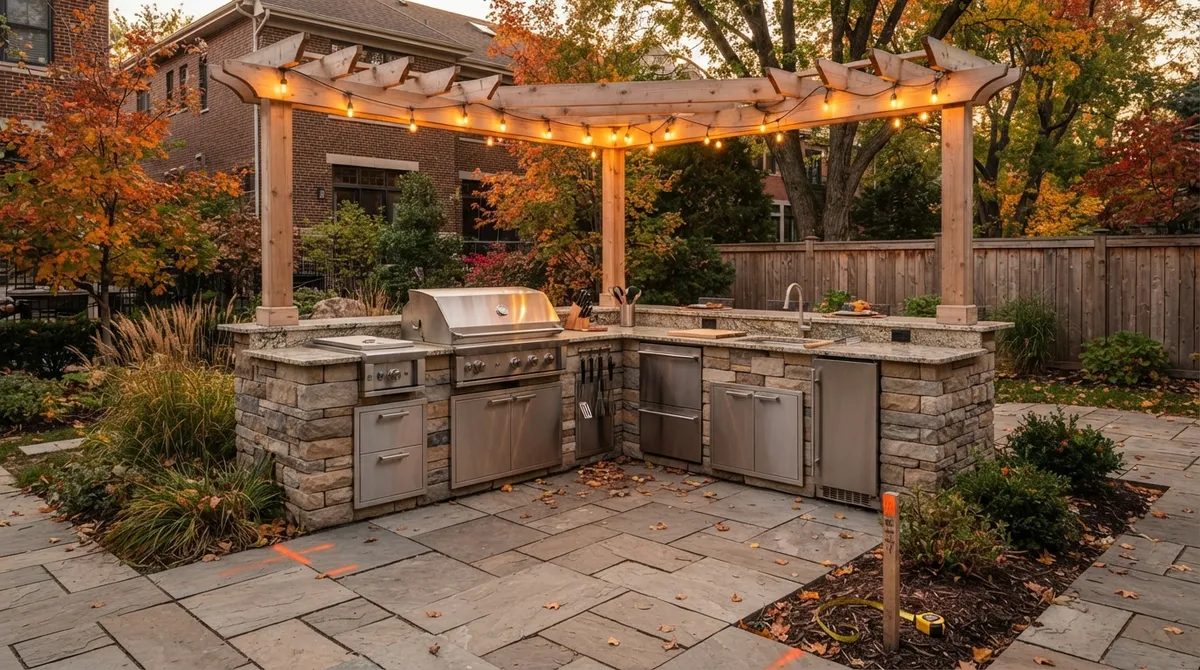
One of the best parts about retaining wall construction is how it opens up new possibilities for your yard. Once you have a flat, stable space, the design options multiply. Homeowners often pair their new walls with:
- A cozy fire pit seating area built into the terrace
- A shaded pergola or pavilion for outdoor dining
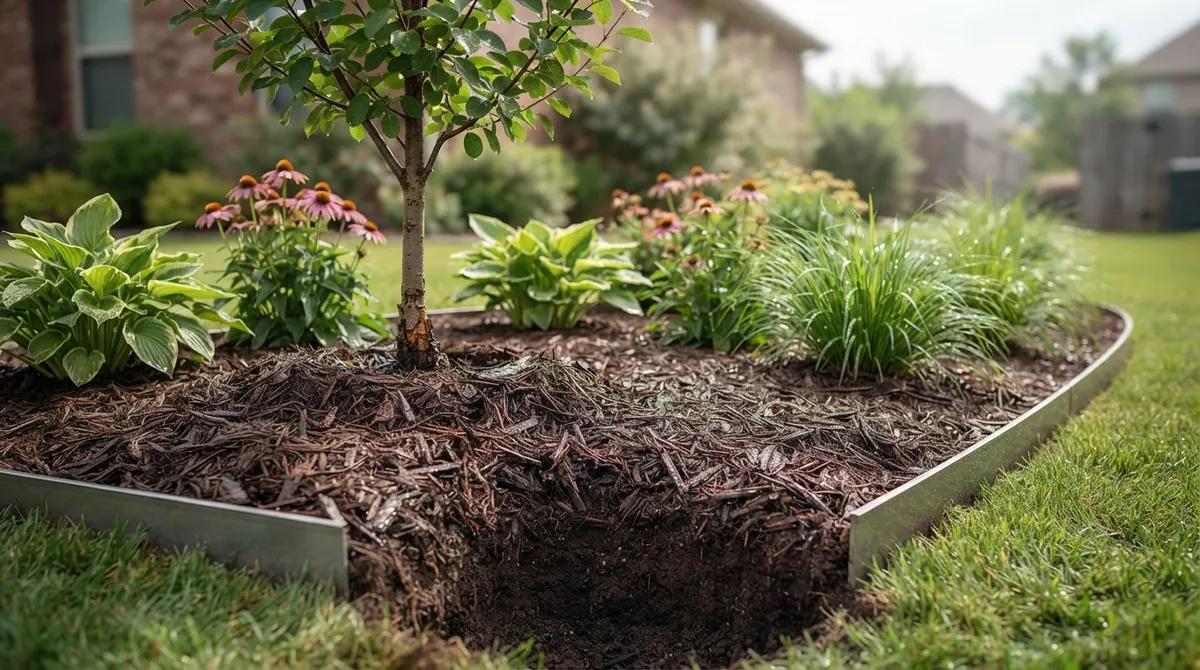
- Layered garden beds using softscape plantings for color and texture
- Ambient lighting and sound features for evening gatherings
This is where landscaping really becomes an art form. A retaining wall isn’t just a fix for a problem slope. It’s the foundation for an entirely new outdoor living space.
Retaining Walls for Commercial Properties
Business owners and property managers have unique needs when it comes to retaining walls. Commercial sites often deal with parking lot grading, stormwater management, and strict municipal codes. A well-designed wall can solve drainage issues while boosting curb appeal for tenants and customers alike.
Property managers overseeing office parks or retail centers should also think about long-term maintenance. Pairing a new wall with commercial lawn maintenance keeps the whole property looking sharp year-round. For new developments in Aurora and nearby suburbs, builders often include retaining walls as part of a complete site package to make homes more attractive to buyers from day one.
How Long Does a Retaining Wall Actually Last?
This is one of the most common questions we hear, and it makes total sense. You’re making an investment, so you want to know it will hold up. With proper installation, most retaining walls last 30 to 50 years or longer.
Factors that affect lifespan include:
- Quality of the drainage system installed
- Material durability, with stone and concrete lasting longest
- Soil conditions and how much pressure the wall handles
- Freeze-thaw cycles, which are tough on walls in Midwest climates
- Regular inspections to catch small issues early
A poorly built wall might fail in just a few years, while a properly engineered one can outlast the house it’s protecting. This is why choosing an experienced team matters more than chasing the lowest price. According to the U.S. Environmental Protection Agency, proper erosion and stormwater controls, like well-built retaining walls, play a real role in protecting soil health and reducing runoff pollution.
Signs Your Existing Retaining Wall Needs Attention
If you already have a retaining wall, keep an eye out for these warning signs:
- Visible leaning or bulging in the wall face
- Cracks running through blocks or stones
- Water pooling at the base after rain
- Gaps forming between wall sections
- Soil or mulch spilling over the top edge
Catching these problems early can save you from a full rebuild later. A quick inspection from a landscaping professional can tell you whether repairs or a complete replacement makes more sense.
Ready to Transform Your Sloped Yard?
Retaining wall construction is one of the smartest investments you can make in your outdoor space. It solves real problems like erosion and drainage while adding usable square footage and serious curb appeal. Whether you’re dealing with a steep suburban backyard, a commercial parking lot, or a small urban lot, the right wall can change everything.
At Serenity Landscape Group, we’ve spent over two decades helping Chicago-area homeowners and businesses turn tricky slopes into beautiful, functional spaces. We handle everything from design to drainage to final finishing touches, so you don’t have to worry about a thing. If you’re ready to see what’s possible for your yard, get a free estimate today, or feel free to call us at (630) 359-5139 to chat about your project. Your dream outdoor space is closer than you think.
FAQs
Q: What is retaining wall construction in landscaping?
A: It’s the process of building a structure that holds back soil on a slope. These walls stop erosion, manage drainage, and create flat, usable space in your yard. Think of it as turning a tricky slope into your new favorite garden spot!
Q: How much does retaining wall construction cost?
A: Costs typically range from $3,000 for small decorative walls to $20,000 or more for larger, engineered structures. The final price depends on height, length, material, and site access. We’re always happy to walk through your specific numbers during a free estimate.
Q: Do retaining walls need drainage?
A: Absolutely, yes! Drainage is honestly the secret ingredient to a wall that lasts for decades. Without it, water builds up behind the wall and causes leaning, cracking, or even total failure over time.
Q: How tall can a retaining wall be before it needs a permit?
A: Many municipalities require permits and engineering once a wall passes 3 to 4 feet in height. Rules vary by town, so it’s always worth checking local codes first. A good contractor will handle this research for you.
Q: How long does a retaining wall last?
A: A properly built retaining wall can last 30 to 50 years or even longer. The key factors are good drainage, quality materials, and correct installation. It’s a wonderful long-term investment for your property.