Key Takeaways
-
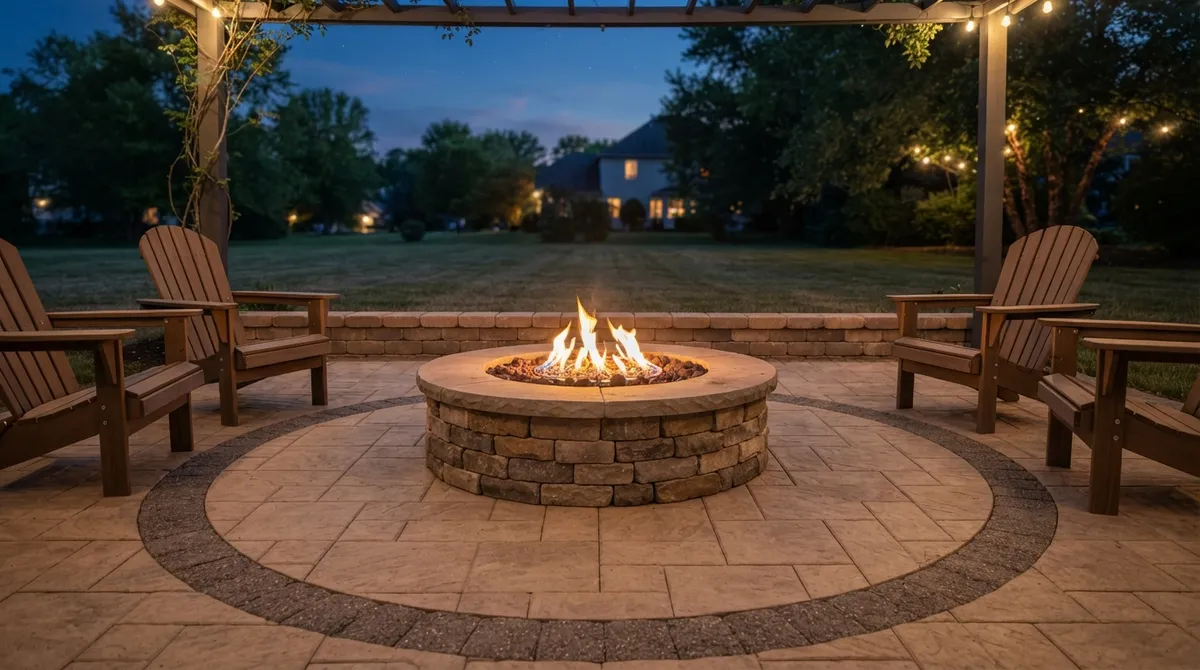
Installed custom fire pit costs vary widely: a basic built-in pit may run hundreds to a few thousand dollars, while custom stone pits with patios and seating often reach $5,000 to $12,000.
-
Fuel type is a major cost driver: wood-burning pits skip gas piping and cost less to install, while natural gas adds line, valve, burner, and inspection expenses, roughly $15 to $25 per linear foot for gas line work.
-
The patio and seating area around the pit can cost as much as the pit itself, so ask each contractor to itemize pit, patio, seating, and lighting separately to compare bids fairly.
-
Difficult site conditions such as slopes, poor drainage, or heavy clay soil can raise project costs substantially, with one 2026 contractor source estimating a 15% to 40% increase.
-
Natural stone costs more in both materials and labor because irregular pieces take longer to fit; mixing premium stone as an accent on a budget-friendly base can help control the total.
-
Permits, HOA rules, and local codes vary by town, so confirm requirements with local authorities and your contractor early to avoid costly redesigns later.
Picture this: a crisp Chicago evening, a warm glow in the backyard, and everyone you love gathered close with a mug in hand. That’s the magic a fire pit brings. But before you get to the s’mores, there’s a big question to answer. What will it actually cost?
The honest answer is, it depends. Understanding custom fire pit installation cost factors helps you plan a smart budget and compare bids with confidence. Some projects are a simple pit in a corner of the yard. Others are full outdoor living rooms with seating walls, lighting, and gas lines.
In this guide, we’ll walk through every major thing that moves the price. You’ll see typical 2026 price ranges, learn where homeowners often overspend, and pick up tips for getting an honest, itemized quote. Whether you own a suburban home, a city condo with a rooftop, or a business with a patio, you’ll leave feeling ready to make a good call.
What Does a Custom Fire Pit Installation Cost in 2026?
Let’s start with the big picture. Published 2026 estimates vary a lot because they measure different things. Some include only the pit. Others include the patio, seating, and utility work around it.
One 2026 cost guide reports a broad installed range of about $300 to $4,500, with a national average near $1,200. That range reflects general installations, not always full custom hardscape projects. Another 2026 guide puts custom fire features at $4,000 to $5,000 or more, with luxury projects tied into larger hardscapes passing $10,000. A regional contractor guide lists custom fire pits with seating areas at roughly $5,000 to $12,000 in its service area.
Here’s a simple way to think about the tiers:
| Project Type | What’s Usually Included | Typical 2026 Range |
|---|---|---|
| Basic built-in pit | Block or manufactured pit, simple base | Hundreds to a few thousand dollars |
| Custom stone or brick pit | Natural materials, custom shape, prepared base | Roughly $4,000 to $5,000 or more |
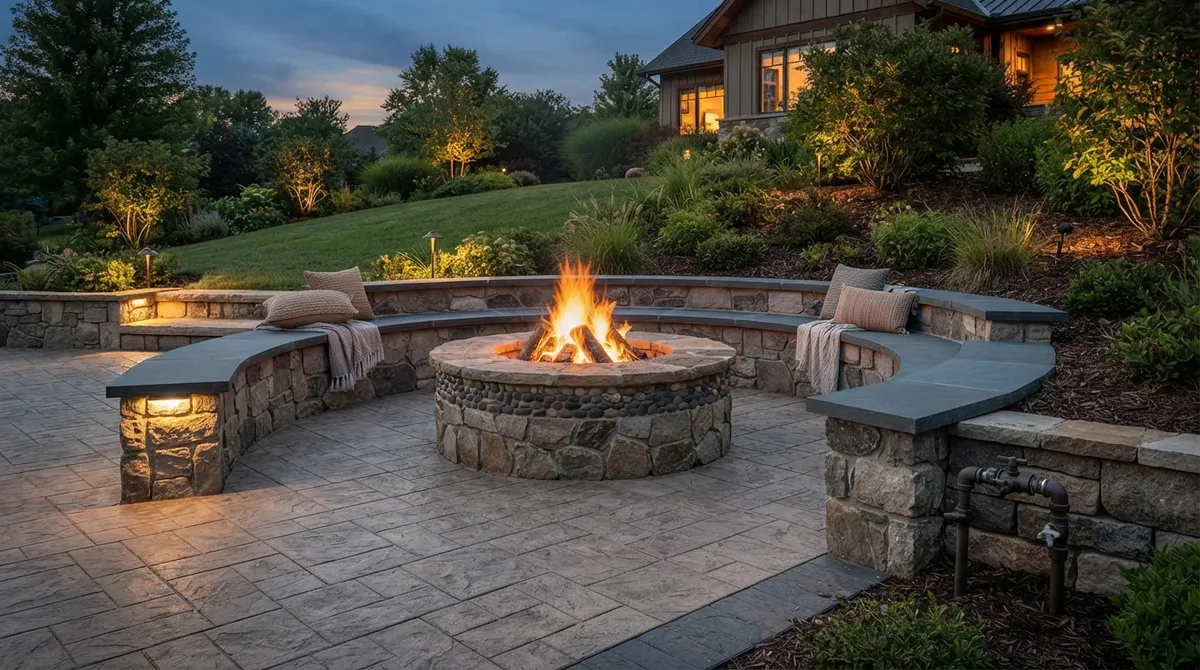
| Pit with patio and seating | Pavers, seating walls, grading, drainage | Roughly $5,000 to $12,000 in some regions |
| Luxury integrated feature | Gas, lighting, premium stone, full hardscape | Can exceed $10,000 |
Treat these as starting points, not promises. Your yard, your design, and your local labor market will decide the final number.
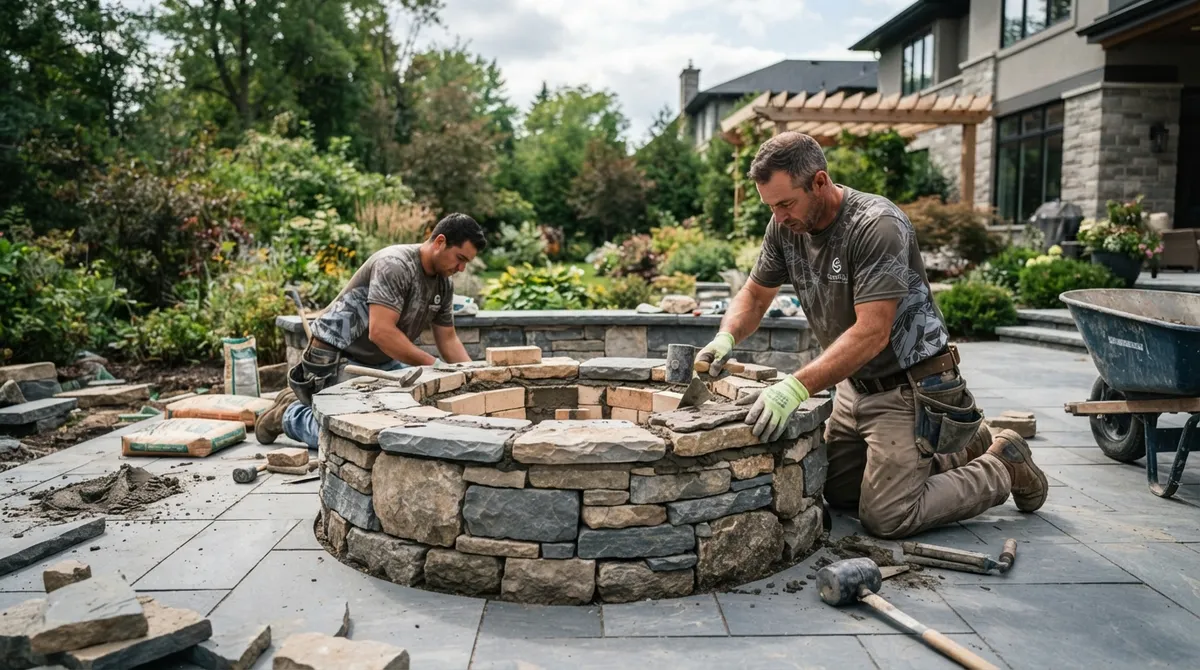
The 7 Biggest Custom Fire Pit Installation Cost Factors
Let’s break down what really drives your price. Knowing these helps you decide where to spend and where to save.
- Fuel type (wood, propane, or natural gas)
- Materials and finishes
- Size and design complexity
- Site conditions and preparation
- The surrounding patio and seating
- Local labor rates
- Permits, inspections, and local rules
We’ll take each one in turn.
Factor 1: Fuel Type
Fuel choice is one of the biggest swings in your budget. It affects both upfront cost and what you’ll spend later.
Wood-Burning Fire Pits
Wood-burning designs usually skip gas piping, which keeps installation simpler. You get that classic crackle and smoky smell, and the upfront price is often lower. The tradeoffs are cleanup, buying or storing firewood, and local burning rules.
Natural Gas Fire Pits
Natural gas is wonderfully convenient. You flip a switch and enjoy instant flames. But installation can require a new gas line, shutoff valves, a burner, ignition parts, and an inspection. One 2026 cost guide estimates gas line work at about $15 to $25 per linear foot. A 20-foot run might land around $400 to $500, though the route, labor, and code requirements can change that.
Propane Fire Pits
Propane sits in the middle. It may need a tank or a connection, and you’ll have ongoing refill costs. It’s a handy option when running a gas line from the house isn’t practical.
| Fuel Type | Upfront Cost | Ongoing Cost | Best For |
|---|---|---|---|
| Wood | Lower (no gas line) | Firewood and cleanup | Classic fire lovers |
| Natural gas | Higher (line, valves, inspection) | Gas usage | Convenience and frequent use |
| Propane | Moderate (tank or connection) | Tank refills | Yards far from gas lines |
Factor 2: Materials and Finishes
Materials affect both what you pay for supplies and how long the crew spends building. Concrete block and manufactured products are typically the most budget-friendly. Natural stone, brick, and premium finishes cost more.
Labor matters here too. Irregular natural stone and intricate masonry take more time to fit and set. A neat, uniform block build goes faster. So a stone pit can cost more in two ways: pricier material and more hours on site.
If you love the look of natural stone but want to manage cost, ask your contractor about mixing materials. For example, you might use natural stone as an accent on a more affordable base. Our guide to why stonework is the secret to a stunning outdoor space shares more on how stone choices shape a project.
Factor 3: Size and Design Complexity
Bigger and fancier means more money. A larger pit needs more materials, more excavation, and more build time. It also needs more room around it so people can move safely.
These design choices often add to the price:
- Built-in seating walls or benches
- Raised hearths and custom shapes
- Fire-and-water combinations
- Integrated lighting
- Decorative caps, inlays, and special finishes
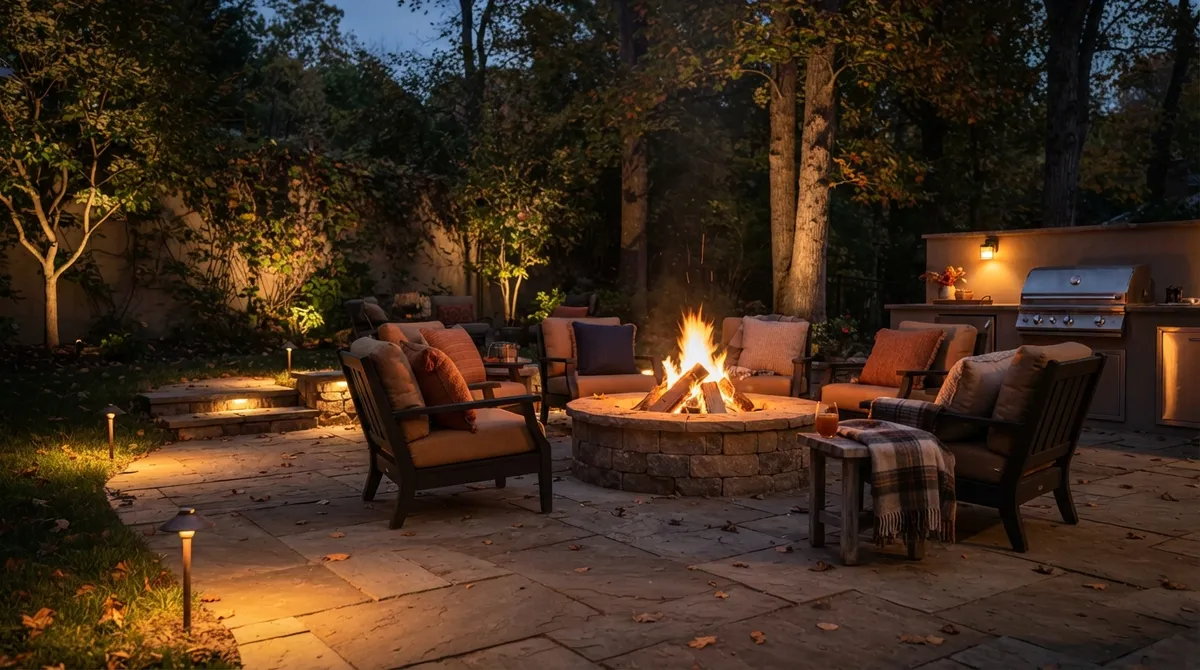
These extras can turn a simple fire pit into a showpiece, which is wonderful if that’s your goal. Just remember that each upgrade adds scope beyond the fire pit itself. If you’re hunting for design inspiration, browse our 12 fire pits that transform backyards in 2026 and see what style speaks to you.
Factor 4: Site Conditions and Preparation
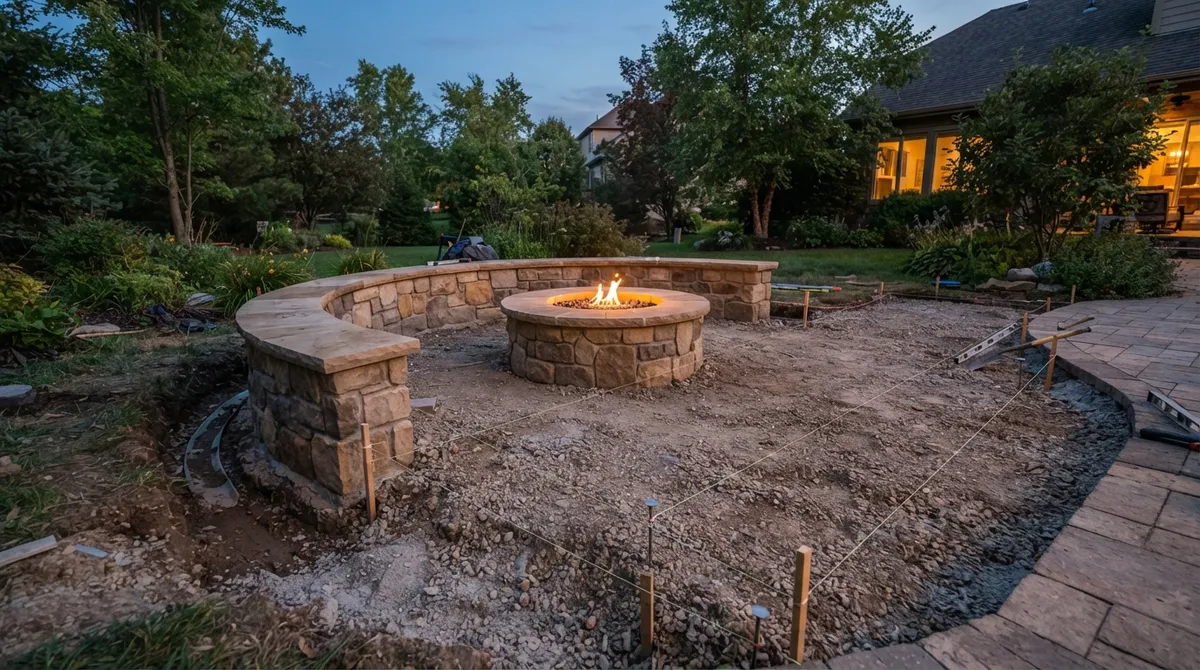
Your yard itself can change the estimate in a big way. Chicago-area soil can be heavy clay, and many yards have slopes or drainage quirks. These conditions often need extra work before the first stone goes down.
Common site issues include:
- Slopes that need grading or leveling
- Poor drainage or standing water
- Difficult soil that needs excavation
- Limited access for equipment
- Existing plants, sod, or structures that must be removed
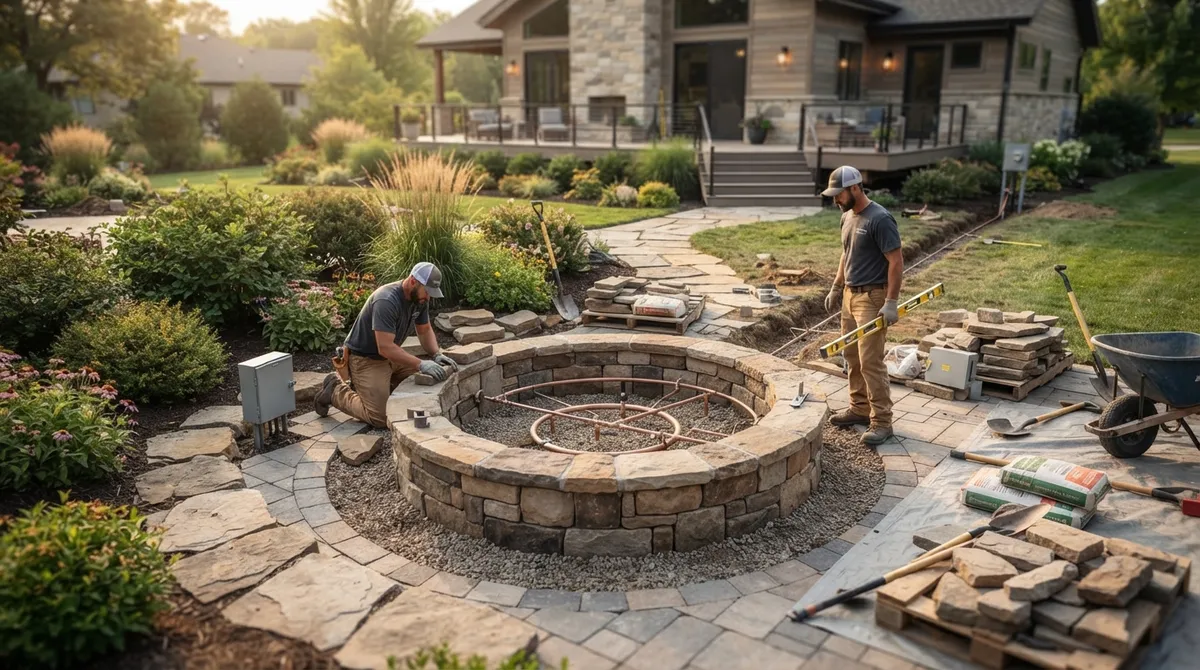
A safe fire pit also needs a compacted, noncombustible base. That prep work is not the glamorous part, but it protects your investment. One 2026 contractor article estimates that difficult site conditions can raise project costs by roughly 15% to 40%. That’s a source-specific estimate, not a universal rule, but it shows why a site visit matters so much.
If your yard has a noticeable slope, a retaining wall may be part of the solution. Learn more in our post on what a retaining wall is and whether you need one.
Factor 5: The Patio and Seating Area Around the Pit
Here’s something that surprises many homeowners. The area around the fire pit can cost as much as the pit itself, or more. A pit sitting on bare grass isn’t very comfortable or safe. Most people want a solid surface and a spot to sit.
Surrounding features that add to the total include:
- Paver or natural-stone patios
- Seating walls and retaining walls
- Steps and pathways
- Drainage solutions
- Lighting and landscaping
When you compare bids, ask each contractor to list these items separately. One quote might cover only the pit, while another includes a full patio. Without itemizing, you can’t compare them fairly. Pavers are a popular choice for the surface, and our overview of paver patio options can help you picture the possibilities. You might also enjoy our ideas for a fire pit paver patio.
Factor 6: Local Labor Rates
Where you live affects what skilled labor costs. Prices in a dense metro area often run higher than in smaller towns. Crew experience, project timing, and how busy local contractors are can all play a part.
It’s tempting to pick the lowest bid, but a very low number can signal missing scope, rushed prep, or less experienced crews. A fire feature involves heat, fuel, and masonry, so good workmanship matters for safety and longevity. Look for contractors with proven experience, such as members of Landscape Illinois, and ask to see past projects. Our gallery of our work shows the kind of detail you can expect from a seasoned team.
Factor 7: Permits, Inspections, and Local Rules
Rules vary a lot from one town to the next, so this step is easy to overlook and important to get right. Permit, inspection, fuel-line, setback, and open-burning requirements differ by jurisdiction. Your HOA may have its own rules too. Manufacturer clearances for gas products can also shape the design.
There is no single clearance number that works everywhere. Instead, confirm requirements with your local authorities and a qualified contractor before you build. Doing this early can save you from costly changes later.
This matters for different property owners in different ways:
- Suburban homeowners should check village codes and HOA standards.
- Urban condo owners should confirm building and municipal rules, especially for rooftops and shared spaces.
- Commercial and restaurant owners may face added fire and safety requirements for customer areas.
- Builders and developers should plan permits into the schedule so closings aren’t delayed.
How to Compare Fire Pit Quotes Fairly
Now that you know what drives cost, here’s how to turn that knowledge into a smart comparison. Follow these steps:
- Ask for an itemized quote. Separate the pit, fuel connection, patio, seating, lighting, and site prep.
- Confirm the scope. Make sure every bid covers the same work.
- Ask about materials. Get brand names, stone types, and base specifications.
- Ask about permits. Find out who handles them and whether fees are included.
- Check experience. Ask for photos, references, and relevant certifications.
- Ask about timelines and warranties. Know when work starts and what’s covered afterward.
If your project includes a paver patio, it’s worth working with installers who follow industry standards. The ICPI Certified Installer program is one helpful resource. You can also read our tips on how to choose professional paver installation.
Smart Ways to Manage Your Fire Pit Budget
A great fire pit doesn’t have to drain your savings. Here are some friendly tips to keep costs in check without losing the wow factor:
- Start with the essentials. Build the pit and a solid base first. Add lighting or extra seating later.
- Choose fuel wisely. A wood-burning pit may save on installation, while gas saves on cleanup.
- Mix materials. Use premium stone as an accent and a budget-friendly material for the rest.
- Plan the whole space at once. Building the patio and pit together is often more efficient than doing them separately.
- Build in the off-season. Talk with your contractor about scheduling that fits your timeline and budget.
A little planning goes a long way. Our process page explains how we guide clients from the first idea to the final reveal. For more help with the big picture, read how to create a landscape design that transforms your space.
Why Work With a Local Landscaping Pro
A fire pit sits at the heart of your outdoor space, so it’s worth getting right. At Serenity Landscape Group, we’ve spent over two decades helping Chicagoland homeowners and businesses design and build outdoor spaces they love. We handle everything from design to installation, including pavers, retaining walls, lighting, pergolas, and more, so your project feels cohesive from start to finish.
Because we know the local soil, climate, and town requirements, we can spot site challenges early and build them into your plan. That means fewer surprises and a clear, itemized estimate you can trust.
Ready to Plan Your Fire Pit?
Every fire pit project is a little different, and that’s the fun of it. The main custom fire pit installation cost factors are fuel type, materials, size and design, site conditions, the surrounding patio, local labor, and permits. When you understand each one, you can ask better questions and shape a budget that fits your goals.
Ready for a quote that fits your yard and your vision? Get a Free Estimate from our team, or call us at (630) 359-5139 to talk through your ideas. We’d love to help you create a warm, welcoming gathering spot you’ll enjoy for years to come.
FAQs
Q: How much does a custom fire pit installation cost?
A: It depends on the scope. A basic built-in pit can cost hundreds to a few thousand dollars, while custom projects with stone, seating, and a patio often run several thousand dollars or more. Luxury projects tied into larger hardscapes can top $10,000.
Q: Is a wood-burning or gas fire pit cheaper to install?
A: Wood-burning pits are usually cheaper to install because they skip gas piping. Gas pits cost more upfront for the line, valves, and burner, but they’re easier to run and clean. Think about both the upfront price and the day-to-day effort.
Q: How much does it cost to run a gas line to a fire pit?
A: One 2026 cost guide estimates about $15 to $25 per linear foot, so a 20-foot run might cost around $400 to $500. Your actual price depends on the route, local labor, and code requirements, so ask for a site-specific quote.
Q: Do I need a permit to install a fire pit?
A: Often, yes, but it depends on where you live. Permit, inspection, setback, and open-burning rules vary by town, and your HOA may add its own rules. Check with your local authorities and your contractor before you build.
Q: What site preparation is needed before a fire pit is installed?
A: Your crew may need to clear the area, grade slopes, fix drainage, and excavate for a compacted, noncombustible base. Difficult soil or tight access can add time and cost, which is why a site visit gives you the most accurate estimate.