Key Takeaways
-
Artificial turf costs $5–$20 per sq ft ($3,245–$8,711 total), while natural sod costs $1–$6 per sq ft; sod is cheaper upfront but turf saves money long-term on mowing, water, and fertilizer.
-
Site preparation—including excavation ($50–$200/cubic yard), grading, and drainage systems ($2,100–$7,000)—often costs as much as the turf itself and is critical to prevent puddles, wrinkles, and shifting.
-
When comparing quotes, verify what’s included: old lawn removal, excavation depth, base material, drainage work, turf brand/fiber type, seaming, edging, infill, and labor warranties to avoid hidden costs.
-
Smaller yards under 1,500 sq ft cost more per square foot ($7–$15) because setup and labor don’t scale down; pairing turf with pavers or planting beds and bundling projects can reduce overall costs.
-
Professional installation is essential because poor prep leads to failure; trained crews follow proven methods, and certified installers through programs like ICPI ensure quality workmanship.
-
Yard-specific factors—soil type, drainage issues, shape complexity, site access, and local labor rates—create wide price variations; an on-site estimate beats online calculators for accuracy.
Picture this: it’s a warm Saturday morning, and your backyard is finally ready for coffee, kids, and the dog. No mud. No patchy spots. No mower noise at 8 a.m. That dream is exactly why so many homeowners ask about backyard turf cost every year. The good news? You have options, and there’s a fit for almost every budget.
The tricky part is that “turf” can mean two different things. It might mean artificial grass. It might mean natural sod rolled out fresh. Each one has its own price tag, its own upkeep, and its own perks.
In this friendly guide, we’ll walk through real 2026 price ranges, what changes your bill, and how to compare quotes fairly. Whether you’re a suburban homeowner chasing HOA-friendly curb appeal or a busy condo owner with a small patch of green, you’ll leave with a clear plan. Let’s dig in!
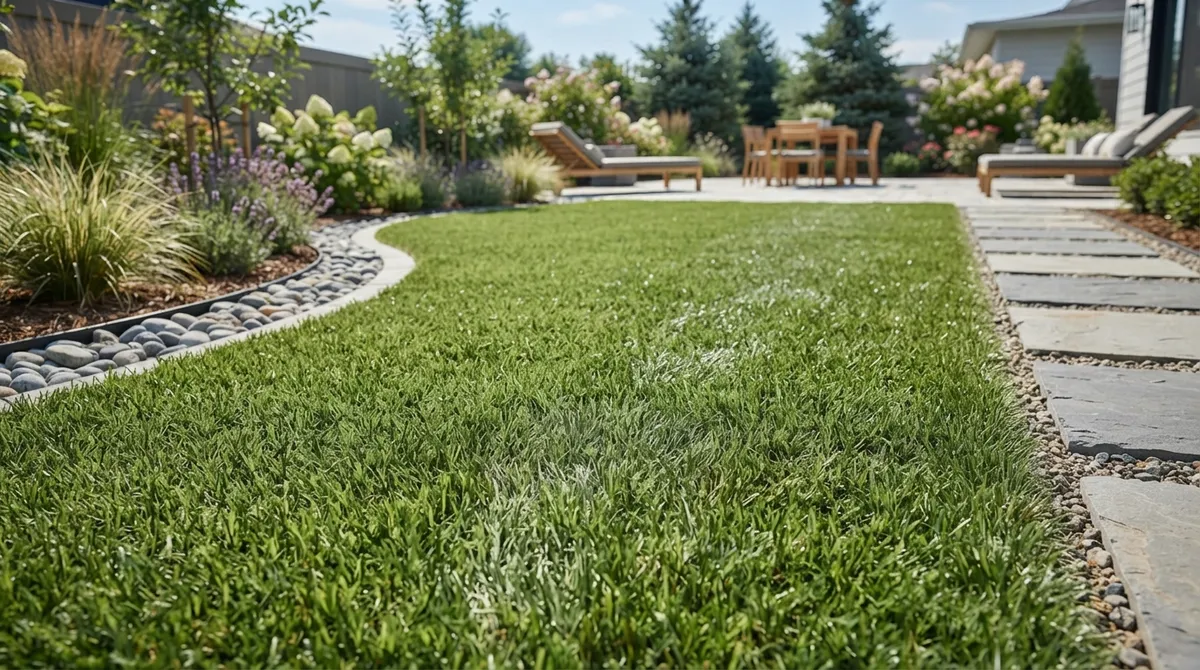
What Does “Backyard Turf” Actually Mean?
Before we talk dollars, let’s get our words straight. In landscaping, backyard turf usually means one of two things:
- Synthetic (artificial) turf: Man-made grass blades set over a compacted base. It stays green all year.
- Natural sod: Living grass grown on a farm, cut into strips, and laid over prepared soil.
These two choices differ a lot in upfront cost and long-term care. So when you collect estimates, make sure every bid is talking about the same type of turf. Otherwise, you’re comparing apples to lawn clippings.
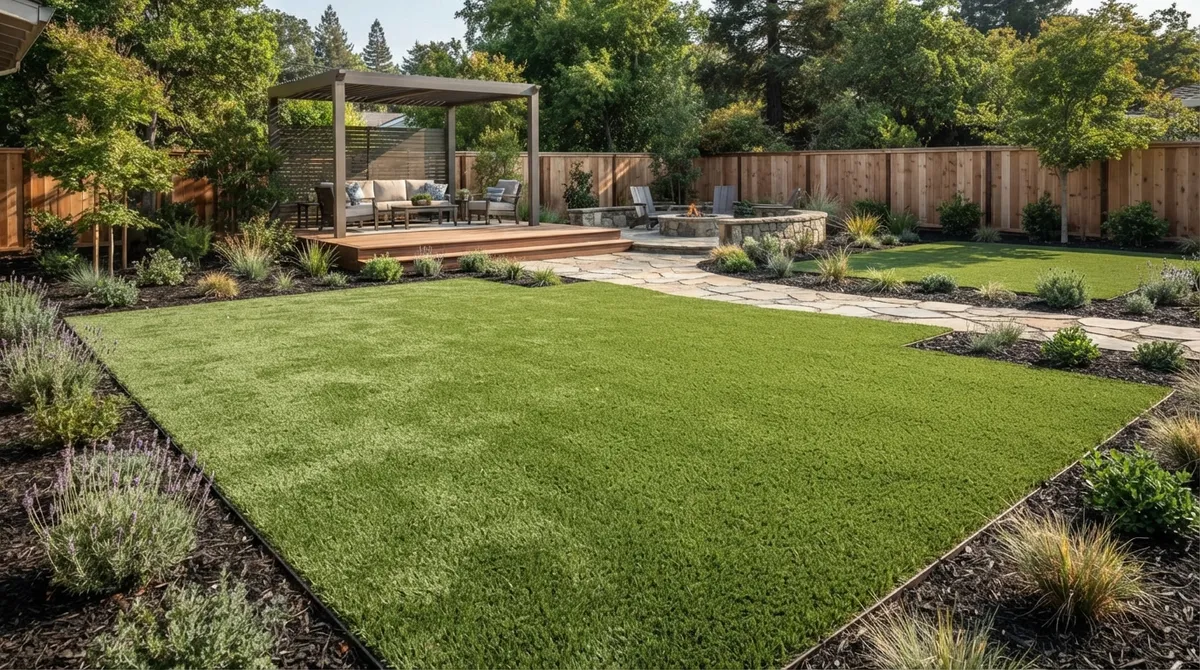
Backyard Turf Cost at a Glance
Here’s a quick look at typical U.S. price ranges from recent 2026 cost guides. These are national averages, not local bids, so your Chicago-area quote may land higher or lower.
| Turf Type | Typical Installed Cost (per sq. ft.) | Common Project Range | Upfront Cost Level |
|---|---|---|---|
| Artificial turf | $5–$20 (many projects $6–$15) | About $3,245–$8,711 (HomeAdvisor average near $5,783) | Higher |
| Natural sod | $1–$6 | Varies widely by yard size and prep | Lower |
Notice how wide those ranges are. That’s because the real story lives in the details. Let’s break each option down.
How Much Does Artificial Turf Cost for a Backyard?
Professionally installed artificial turf generally runs between $5 and $20 per square foot. Many standard projects land closer to $6–$15 per square foot. Here’s how the total usually splits up:
- Turf material: About $2–$8 per square foot
- Installation labor: About $4–$9 per square foot
Some 2026 guides report national project ranges from roughly $2,709 to $7,660, with an average near $4,569. Smaller yards under 1,500 square feet often cost more per square foot, sometimes $7–$15, because setup and labor don’t shrink as fast as the yard does.
Material Choices That Change the Price
The type of fiber you pick matters. Polypropylene typically runs about $2–$7 per square foot. Nylon is tougher and springier, often about $5–$8 per square foot. Higher-quality blades, denser stitching, and softer feel all push the price up. They can also push comfort and lifespan up, so it’s worth thinking about how your family really uses the space.
Not sure what to pick? Our guide on how to choose artificial turf for your backyard walks through blade styles, colors, and use cases in plain language.
How Much Does Sod Cost for a Backyard?
Natural sod is the budget-friendly starter option. Recent guides put installed sod at about $1–$6 per square foot. Here’s how it breaks down:
- Sod material alone: Around $0.35–$1 per square foot (average near $0.60)
- Laying sod on bare soil: Roughly $1–$2.50 per square foot
- Resodding an existing lawn: About $2–$4.50 per square foot, since old grass must come out first
Sod is a great fit if you love the feel of real grass and want a lower upfront price. Just remember that it needs water, mowing, feeding, and seasonal care. Chicago summers can be tough on cool-season lawns, and those costs add up over the years. If you want the nuts and bolts, check out our tips on how to get sod installation right the first time.
Artificial Turf vs. Sod: Which Is Cheaper?
Sod wins on upfront price. Artificial turf often wins on long-term effort. Here’s a simple side-by-side look:
| Factor | Artificial Turf | Natural Sod |
|---|---|---|
| Upfront cost | Higher | Lower |
| Mowing and watering | Little to none | Regular |
| Maintenance | Occasional rinsing and brushing | Mowing, fertilizing, weed control |
| Looks year-round | Green in every season | Seasonal color changes |
| Best for | Busy families, pets, small or shaded yards | Budget-minded folks who love real grass |
So which one is “cheaper”? It depends on your timeline. If you plan to stay in your home for years, it helps to compare lifetime costs, not just the first invoice. Our breakdown of cost-benefit facts for artificial turf vs. real grass can help you run the numbers.
What Factors Affect Backyard Turf Cost?
Two yards of the same size can get very different quotes. Here’s what moves the needle:
- Yard size and shape: Bigger yards cost more in total, but often less per square foot. Curves, corners, and tight spots add labor.
- Turf quality: Premium fibers, dense backing, and realistic color blends cost more.
- Excavation depth: Digging out old grass and soil to make room for a proper base is a big part of the job.
- Soil and slope: Clay-heavy soil and uneven ground need extra grading and prep.
- Drainage needs: If water pools in your yard, fixing it comes first.
- Site access: Narrow gates and tight side yards can mean more hand labor.
- Disposal: Hauling away old lawn and soil costs extra.
- Edging and infill: Borders, infill material, and finishing touches add to the total.
- Local labor rates: Prices vary by region and season.
That’s a lot of moving parts! It’s why a real, on-site estimate beats any online calculator every time.
The Hidden Costs of Site Preparation
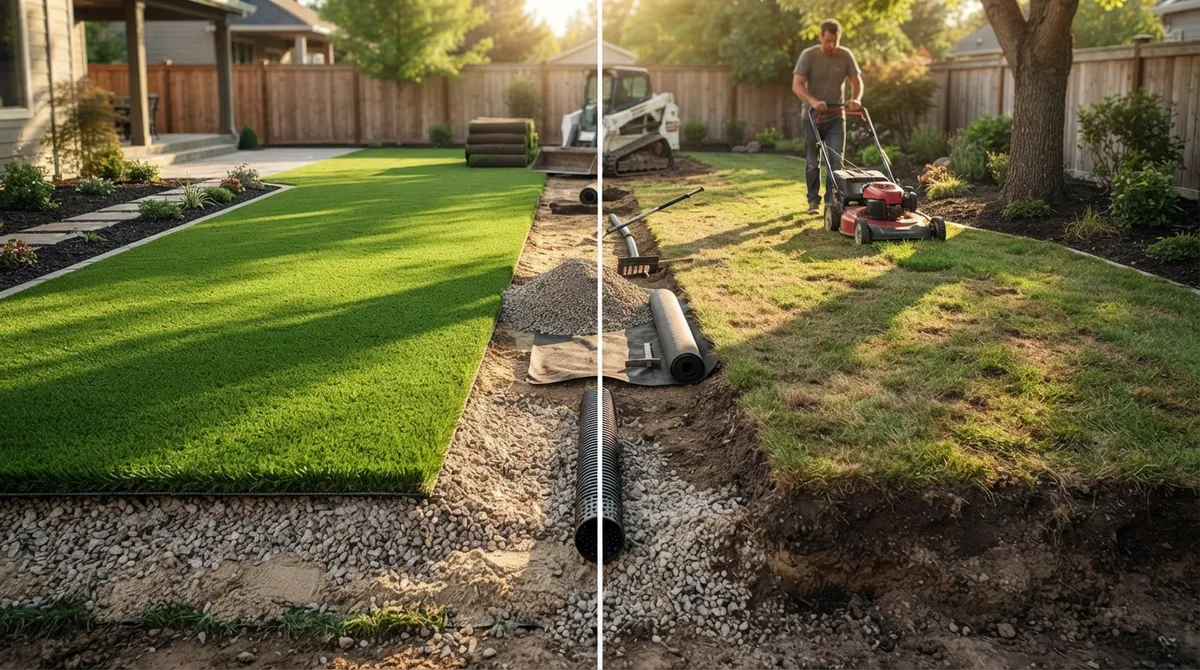
Here’s a secret many homeowners miss: the prep work under the turf often costs as much as the turf itself. Proper artificial turf installation usually includes these steps:
- Removing existing grass and plants
- Excavating to the right depth
- Grading the soil for smooth, even slopes
- Adding and compacting an aggregate base
- Setting up drainage where needed
- Cutting, seaming, and securing the turf
Some 2026 estimates help show how this adds up. Excavation can run about $50–$200 per cubic yard. Hauling away soil and old grass may cost roughly $8–$25 per cubic yard. If your yard needs a drainage system, that can add roughly $2,100–$7,000.
Why pay for all that prep? Because a solid base keeps your turf flat, draining, and looking great for years. Skipping it is the number one reason installs go wrong. Learn more about the best base materials for turf installation and the key stages of the installation process.
How to Compare Turf Quotes the Smart Way
Got a few estimates in your inbox? Wonderful! Now let’s make sure you can compare them fairly. Ask each company these questions:
- Does the price include removing my old lawn?
- How deep will you excavate, and what base material will you use?
- Is drainage work included or extra?
- What turf brand, pile height, and fiber type are you quoting?
- Are seaming, edging, and infill part of the price?
- What warranty comes with the materials and the labor?
A low bid that skips the base prep may cost you more later. A higher bid that includes everything might be the better value. Our guide on how to read landscape quotes and compare them fairly is a handy companion here.
Is Artificial Turf Worth the Upfront Cost?
For many Chicago-area families, yes. Think about what you may no longer need:
- A weekly mowing routine
- Sprinkler bills all summer
- Fertilizer and weed treatments
- Re-seeding muddy or bare patches
Artificial turf still needs a little love, like occasional brushing and rinsing. But it frees up your weekends. It also works well in shaded corners, around pet areas, and on tight urban lots. Curious about the big picture? Take a look at whether artificial turf is worth it for your yard.
On the other hand, if you love real grass and don’t mind the routine, sod can be a wonderful, affordable choice. There’s no wrong answer, only the right fit for your life and budget.
Backyard Turf Cost for Different Property Types
Suburban Homeowners
Larger yards in places like Aurora and the northwest suburbs often mean bigger totals but better per-square-foot pricing. HOA rules may also guide your turf style, color, and edging. Check your HOA guidelines before you pick a product.
Urban Condo Owners
Small patios, courtyards, and rooftops are usually priced per square foot at the higher end. Access, hauling, and drainage can be trickier. Rooftop projects need special planning for weight and runoff. Explore why rooftop artificial turf is a smart choice in Chicago.
Builders and Commercial Properties
Bulk projects can lower the cost per square foot, and turf can cut long-term maintenance for businesses. Our page on commercial lawn maintenance shows what ongoing care can look like, and our artificial turf installation service covers custom builds of every size.
Smart Ways to Save on Backyard Turf
Want to keep costs friendly without cutting corners? Try these ideas:
- Right-size the project: Turf the high-use areas and use planting beds or pavers elsewhere.
- Mix materials: Pair turf with a paver patio to cut square footage and add style.
- Plan drainage early: Fixing water issues up front avoids expensive do-overs.
- Bundle projects: Doing turf, edging, and hardscape together can streamline labor.
- Book in the off-peak season: Scheduling ahead can help with timing and crew availability.
Want inspiration? Browse our gallery of our work to see how turf, pavers, and plantings can work together. You can also learn how to budget for artificial grass installation costs before you commit.
Why Professional Installation Matters
It’s tempting to tackle turf as a weekend DIY. But the base, drainage, and seams make or break the result. Poor prep can lead to puddles, wrinkles, and shifting edges. A trained crew follows proven methods, and industry groups like Landscape Illinois offer helpful resources for finding qualified professionals. If hardscape borders are part of your plan, look for installers certified through the ICPI Certified Installer program.
At Serenity Landscape Group, we’ve spent over two decades helping Chicago-area homeowners and businesses build outdoor spaces they love. We’d be glad to walk your yard, explain your options, and give you a clear, honest number. Read more about why professional turf installation beats DIY.
Ready to Plan Your Backyard Turf Project?
Backyard turf cost comes down to a few big choices: artificial turf or sod, how much prep your yard needs, and what materials you pick. Sod usually wins on price today. Artificial turf often wins on time and effort over the years. Either way, knowing the numbers puts you in the driver’s seat.
Ready to see what your yard could look like? Get a free estimate from our friendly team, or call us at (630) 359-5139 to chat about your project. We can’t wait to help you turn your backyard into the space you’ve been dreaming about!
FAQs
Q: How much does it cost to install artificial turf in a backyard?
A: Most professionally installed artificial turf projects run about $5–$20 per square foot, with many landing near $6–$15. For a typical yard, national guides report totals from roughly $3,245 to $8,711. Your exact price depends on yard size, prep work, and the turf you choose.
Q: Is artificial turf or sod cheaper for a backyard?
A: Sod is cheaper upfront, usually about $1–$6 per square foot installed, compared with $5–$20 for artificial turf. But turf can save you money over time on mowing, water, and fertilizer. It’s smart to compare lifetime costs, not just the first bill.
Q: Does artificial turf need a gravel base or drainage?
A: Yes, a compacted aggregate base is a key part of a good install. It helps the turf stay smooth and drain well. If your yard holds water, extra drainage work may be needed, which can add to the cost.
Q: How much does it cost to remove an existing lawn before installing turf?
A: Removal and hauling vary by yard, but guides estimate excavation at about $50–$200 per cubic yard and hauling old soil and grass at roughly $8–$25 per cubic yard. Always ask whether your quote includes this step, since it can change the total quite a bit.
Q: What factors affect backyard turf installation cost the most?
A: The biggest drivers are yard size and shape, turf quality, excavation depth, drainage needs, site access, and local labor rates. Soil conditions and slope can also change the price. A free on-site estimate is the best way to get an accurate number.