Key Takeaways
-
Installed synthetic turf costs range from $6.50 to $25 per square foot, with most residential projects landing in the $10-$18 range; turf material alone is only $2-$6 per square foot, with labor and prep making up the bulk.
-
Site preparation and base work is the biggest hidden cost factor—poor drainage, inadequate grading, and weak foundations lead to long-term problems like puddles and sinking spots, making quality prep worth the investment.
-
Curved layouts add approximately 15-20% to costs while sloped yards can add 50-60%; small spaces like city patios have higher per-square-foot pricing because crew setup and cutting labor get spread over fewer square feet.
-
Synthetic turf typically lasts 15-25 years with proper installation and requires light maintenance ($250-$350 annually), including debris clearing, rinsing, and fiber brushing—significantly cheaper than ongoing mowing and lawn treatment costs.
-
When comparing quotes, dig deeper than the bottom-line price: verify base depth and material, confirm excavation and drainage work inclusion, and check turf brand, pile height, warranty, and whether extras like edging and infill are itemized.
-
Popular add-ons like pet-friendly odor-control infill, decorative edging, putting greens, and drainage enhancements can significantly increase the total cost, so clarify which upgrades matter most for your specific use.
Let’s be honest: nobody dreams about getting a price quote. But if you’re thinking about swapping your patchy, high-maintenance lawn for something green year-round, you probably want to know one thing first. What will it cost?
Here’s the good news. Synthetic turf cost is easier to understand than it looks. Recent U.S. cost guides put installed prices at roughly $6.50 to $25 per square foot. Many homes land somewhere in the low-to-mid teens. That’s a wide range, and it can feel confusing.
The secret is this: the price of the grass itself is only one piece of the puzzle. What sits under the grass, and how tricky your yard is, matter just as much.
In this friendly guide, we’ll walk through the three biggest things that shape your quote. Whether you own a suburban home, a city condo with a tiny terrace, or a business property, you’ll finish this article knowing what to ask and what to expect. Let’s dig in!
Quick Look: What Synthetic Turf Costs in 2026
Before we get into the three big drivers, here’s a snapshot. Different cost guides report different numbers because they survey different regions and project types. Think of these as helpful estimates, not fixed prices.
| Source (Recent Guide) | Installed Cost Range | Notes |
|---|---|---|
| HomeGuide (2025) | $10–$25 per sq. ft. | Labor is about 50%–60% of total cost |
| Ergeon (2025) | $6.50–$15 per sq. ft. | Cited average of about $10.75 per sq. ft. |
| LawnStarter (2026) | $15–$19 per sq. ft. average | Material-only examples run $2–$6.40 per sq. ft. |
Notice the difference between turf-only pricing and installed pricing. Turf materials often run about $2 to $6 or more per square foot. The rest of your quote covers prep work, base materials, labor, seams, and finishing touches. That’s where the real story begins.
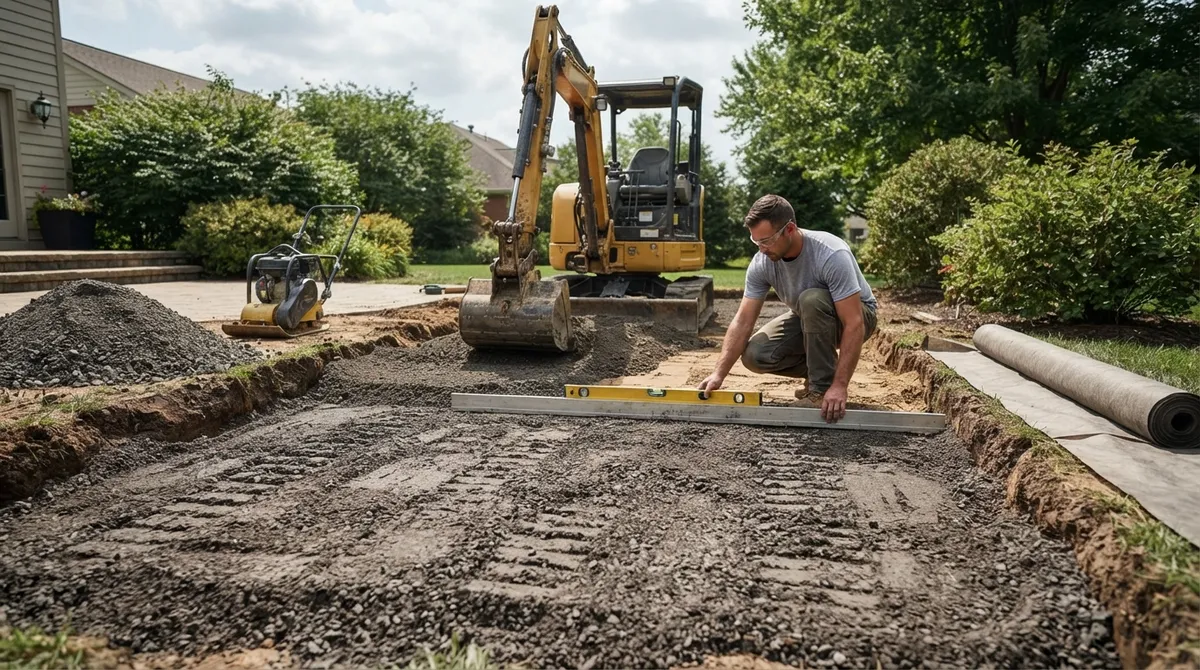
1. Site Preparation and Base Work
If you take only one thing from this article, let it be this. The ground beneath your turf is the biggest hidden part of your price. It’s also the part that decides whether your lawn looks great in year one or year twenty.
What Happens Before the Turf Goes Down
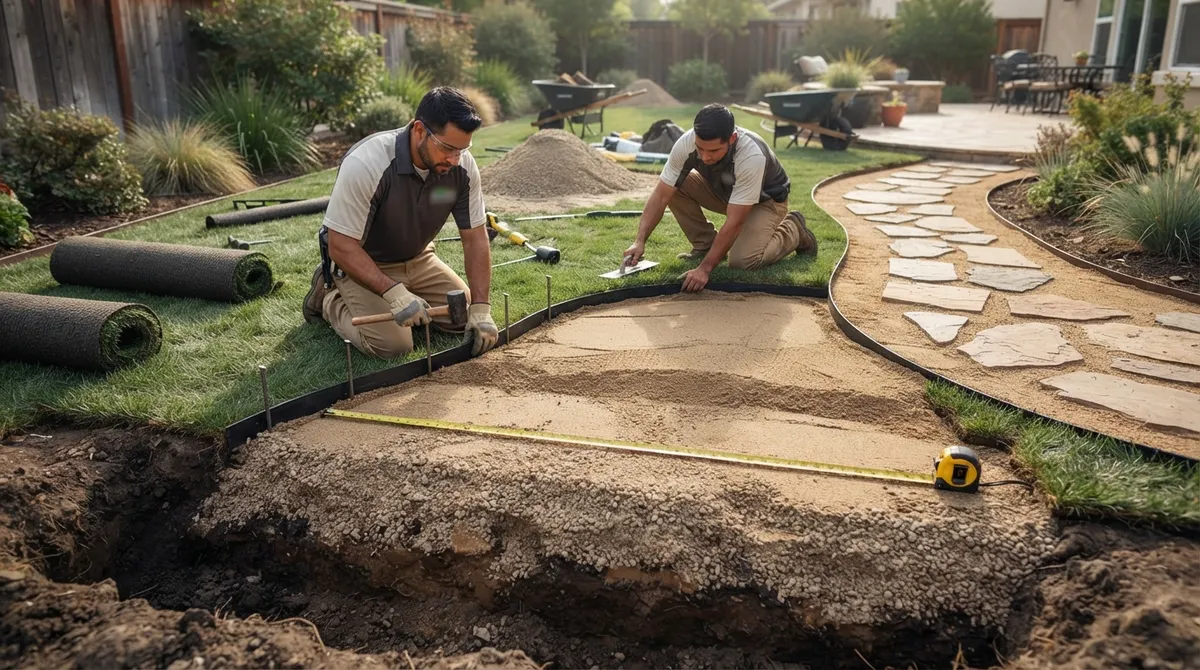
A quality installation follows a clear order of steps. Each one adds time, labor, and materials to your quote:
- Remove existing grass, weeds, and roots.
- Excavate and grade the area so water flows away properly.
- Add and compact a crushed-rock or similar aggregate base.
- Address drainage, especially in heavy clay soil.
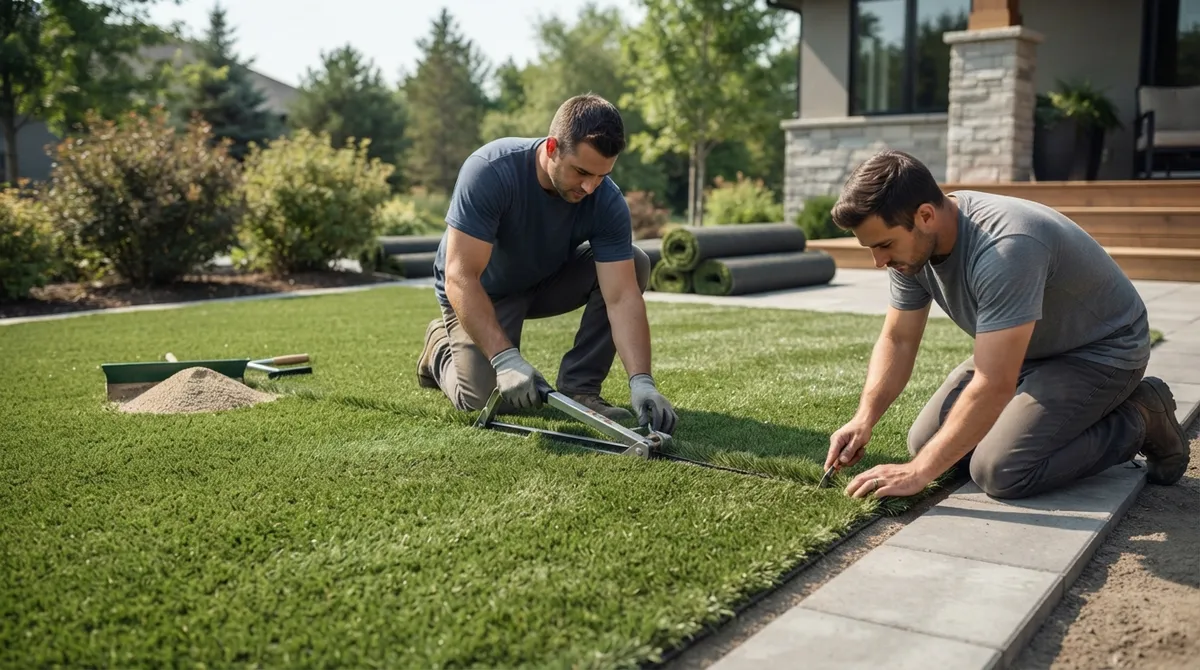
- Roll out the turf, cut it to fit, and join the seams.
- Secure the edges and add infill.
Want to see how this works in detail? Our guide to the 5 key stages of the artificial turf installation process walks through each stage, and our look at the best base materials for turf installation explains what goes under your lawn.
Why Chicago-Area Soil Matters
Here in the greater Chicago area, many yards sit on heavy clay soil. It holds water and freezes and thaws through our winters. A weak base can lead to puddles, bumps, and sinking spots over time.
That’s why a good base is worth the money. Skipping or shrinking prep work might lower your quote today. But it can hurt drainage, looks, and lifespan later. If drainage is a worry in your yard, you may like why synthetic grass drains better than natural lawns.
Extra Prep That Can Raise Your Price
- Excavation and disposal: Hauling away old sod and soil adds cost, especially on big yards.
- Drainage fixes: Low spots or soggy areas may need extra work below the surface.
- Difficult access: If crews can’t bring in equipment easily, hand labor goes up.
- Tree roots and old hardscape: Removing them takes extra time.
Professional labor typically makes up about half or more of a full project. So when you compare bids, look closely at what prep is included. Two quotes can look very different simply because one does the base work properly and the other doesn’t.
2. Turf Quality, Size, and Shape
Now let’s talk about the grass itself, plus the size and shape of the space you’re covering. These two pieces work together to shape your final number.
Not All Turf Is the Same
Turf comes in different fiber types, pile heights, densities, and backings. A budget product may look fine on day one. A higher-quality product usually feels softer, looks more natural, and holds up better under foot traffic and sunshine.
Here’s a simple way to think about it:
- Basic turf: Lower material price, good for low-traffic decorative spaces.
- Mid-range turf: A nice balance of looks and durability for most family yards.
- Premium turf: Higher price, more realistic look, and often longer warranties.
Cost guides commonly estimate a useful lifespan of about 15 to 25 years with the right product and care. Traffic, climate, sun exposure, and installation quality all play a role. Our article on artificial turf lifespan in Chicago shares what to expect locally.
Why Small Spaces Can Cost More Per Square Foot
This surprises many people. A small area can cost more per square foot than a big, open lawn. Why? Because crew travel, setup, cutting, seams, and edge work get spread over fewer square feet.
If you own a city condo with a small patio or rooftop terrace, keep this in mind. Your total bill may be lower, but your per-square-foot price may look higher. Rooftop projects can also bring special needs, like lifting materials and managing drainage. For ideas, check out why rooftop artificial turf is a smart choice in Chicago.
Curves and Slopes Add Labor
Shape matters too. LawnStarter estimates that curved installations can add about 15% to 20% compared with simpler layouts. Sloped areas can add about 50% to 60%. These are guide-specific estimates, not universal rules, but they show how much design and terrain can change your quote.
Curvy garden beds, winding paths, and hilly backyards look lovely. They just take more cutting, fitting, and edge work. If your yard has a slope, a well-built retaining wall may also come into the plan, which is worth discussing up front.
Sample Project Costs by Yard Size
To help you picture the numbers, here are some rough examples using the common $10 to $18 per square foot range. Your actual bid will vary based on everything we’ve covered.
| Yard Size | Estimated Installed Range | Good to Know |
|---|---|---|
| 500 sq. ft. (small yard or terrace) | About $5,000–$9,000 | Higher per-foot pricing is common |
| 1,000 sq. ft. (average backyard) | About $10,000–$18,000 | Typical suburban project size |
| 2,000 sq. ft. (large yard) | About $20,000–$36,000 | Economies of scale may help |
These are simple math examples, not quotes. For a real number, you’ll want an on-site visit. To plan your budget with more confidence, read how to budget for artificial grass installation costs.
3. Add-Ons, Use, and Long-Term Care
The third driver is what you want your turf to do. A plain green lawn costs less than one built for pets, play, or practice swings. And the long-term picture matters too, not just the day-one price.
Popular Add-Ons and Their Cost Impact
Here are common extras that can move your total up:
- Pet-friendly infill: Odor-control infill helps keep pet areas fresh. Our post on 9 infill types that actually work can help you choose.
- Edging and borders: Clean edges give a finished look and keep the turf secure.
- Putting greens: Golf features need special turf and shaping. See how much a backyard golf putting green costs.
- Playground or shock-absorbing layers: These add safety and cost for kids’ areas.
- Lighting and hardscape touches: Pairing turf with pavers, a fire pit, or lighting turns a lawn into a true outdoor room.
What About Maintenance?
Synthetic turf saves you from mowing, fertilizing, and lots of watering. But it isn’t maintenance-free, and it’s smart to say so. Expect to do a little regular care:
- Clear leaves and debris.
- Rinse the surface as needed.
- Brush the fibers to reduce matting.
- Clean up pet waste quickly.
LawnStarter estimates annual care at about $250 to $350, including possible brushing, rinsing, and infill top-ups. Your number depends on your yard size and how heavily you use it. For easy routines, see our 7 artificial turf maintenance tips.
A Word About Heat
Synthetic turf can feel hotter than natural grass in direct sun. That’s worth knowing, especially for families with kids or pets. Placement, shade, and product choice all help. You can learn more in how artificial turf heat reduction technology works.
Thinking About the Long Game
A smart budget looks past the first invoice. Over 15 or more years, you may save on mowing, watering, and lawn treatments. Whether it comes out ahead depends on your yard and your habits. If you’re weighing the two options, our 14 cost-benefit facts: artificial turf vs. real grass can help you compare fairly.
How to Compare Quotes Like a Pro
Once you have two or three bids in hand, don’t just look at the bottom line. A cheaper quote isn’t always a better deal. Here’s a friendly checklist:
- Is the price per square foot, or a flat total? Are both clearly listed?
- How deep is the base, and what material is used?
- Does the quote include excavation and disposal?
- What drainage work is included?
- What brand, pile height, and warranty does the turf carry?
- Are edging, infill, and seaming listed separately?
You can also learn what to look for in how to read landscape quotes and compare them fairly. And since installation quality affects how long your lawn lasts, it’s worth reading why professional turf installation beats DIY. The Landscape Illinois network is another handy place to learn what good local landscape work looks like.
Which Type of Buyer Are You?
Different property owners care about different things. Here’s how the cost drivers may play out for you:
- Suburban homeowners: Watch prep and drainage, since clay soil and HOA standards both matter.
- Condo owners: Expect higher per-foot pricing on small terraces, but a low total bill.
- Commercial managers: Focus on durability and traffic ratings. See high-traffic commercial turf solutions.
- New home builders: Ask about bulk pricing and turnkey installs that help homes sell.
- Small business owners: Turf can create a tidy, welcoming look year-round for patios and storefronts.
Ready to Put a Real Number on Your Project?
Synthetic turf cost really comes down to three things: the work beneath the grass, the turf and shape of your space, and the extras and care you choose. Understand those, and you’ll walk into any estimate feeling calm and confident.
At Serenity Landscape Group, we’ve spent over two decades helping Chicago-area homes and businesses build outdoor spaces they love. You can explore our artificial turf installation services or browse our gallery of our work for inspiration. If you’d like to see the full picture on price, our 2026 Chicago price guide goes even deeper.
Ready to see what your yard would cost? Get a free estimate or call us at (630) 359-5139. We’ll look at your space, answer your questions, and give you a clear, itemized quote with no surprises.
FAQs
Q: How much does synthetic turf cost per square foot installed?
A: Recent U.S. cost guides list installed synthetic turf at roughly $6.50 to $25 per square foot. Many home projects fall between about $10 and $18. Your final price depends on prep work, turf quality, and how tricky your yard is, so an itemized local quote is the best way to know for sure.
Q: Why is installed turf so much more than the price of the turf itself?
A: The turf is only part of the job. Your quote also covers removing old grass, grading, adding a compacted base, handling drainage, seaming, edging, infill, and skilled labor. Turf materials alone often run about $2 to $6 or more per square foot, while the rest makes up the balance.
Q: How long does synthetic turf last, and does it need maintenance?
A: With the right product and good care, many guides estimate a lifespan of about 15 to 25 years. It still needs light upkeep, like clearing debris, rinsing, brushing the fibers, and cleaning up pet waste. Annual care is often estimated at about $250 to $350, depending on your yard.
Q: What makes synthetic turf installation more expensive?
A: Big cost drivers include poor drainage, heavy excavation, sloped or curved layouts, hard-to-reach yards, and premium turf. Add-ons like pet odor-control infill, edging, or putting-green features can raise the total too. Small areas may also cost more per square foot because setup and cutting are spread over less space.
Q: Is synthetic turf a good choice for pets?
A: Yes, many pet owners love it because it stays green and drains well. Just plan for a little extra care, such as prompt waste cleanup, regular rinsing, and possibly odor-control infill. Choosing the right product and base from the start keeps your pet area fresh and comfortable.