Key Takeaways
-
Chicago’s freeze-thaw cycles and heavy rainfall create critical need for earth retention systems to prevent soil erosion, foundation damage, and property degradation on commercial sites.
-
Cantilevered retaining walls are ideal for taller commercial structures requiring space efficiency, while gravity walls suit shorter aesthetic applications with firm soil conditions.
-
Pairing retaining walls with native vegetation and rain gardens can reduce stormwater runoff by up to 65%, ensuring regulatory compliance while improving drainage management.
-
Professional commercial contractors should demonstrate experience with Chicago soil conditions, frost depth requirements, in-house design and installation capabilities, and documented warranties on materials and labor.
-
Integrated landscape design combining retention walls, native plantings, pathways, and lighting creates functional outdoor spaces for parking and seating while enhancing property aesthetics and long-term value.
-
Earth retention system costs vary significantly based on wall height, material selection (stone vs. concrete block), site preparation needs, and soil conditions, requiring detailed local estimates for accurate budgeting.
If you manage or own a commercial property in Chicago, you’ve likely noticed how the weather can be tough on your land. Heavy spring rains, icy winters, and freeze-thaw cycles put constant pressure on slopes and soil. Without the right support, that soil can shift, erode, and cause serious damage to your property. That’s where earth retention systems for commercial Chicago properties come in.
These systems — most commonly retaining walls — hold soil in place, manage water runoff, and create usable, attractive outdoor spaces. They’re not just functional. Done well, they can dramatically improve your property’s curb appeal and long-term value. In this guide, we’ll walk you through everything you need to know about earth retention systems for commercial properties in Chicago.
What Are Earth Retention Systems?
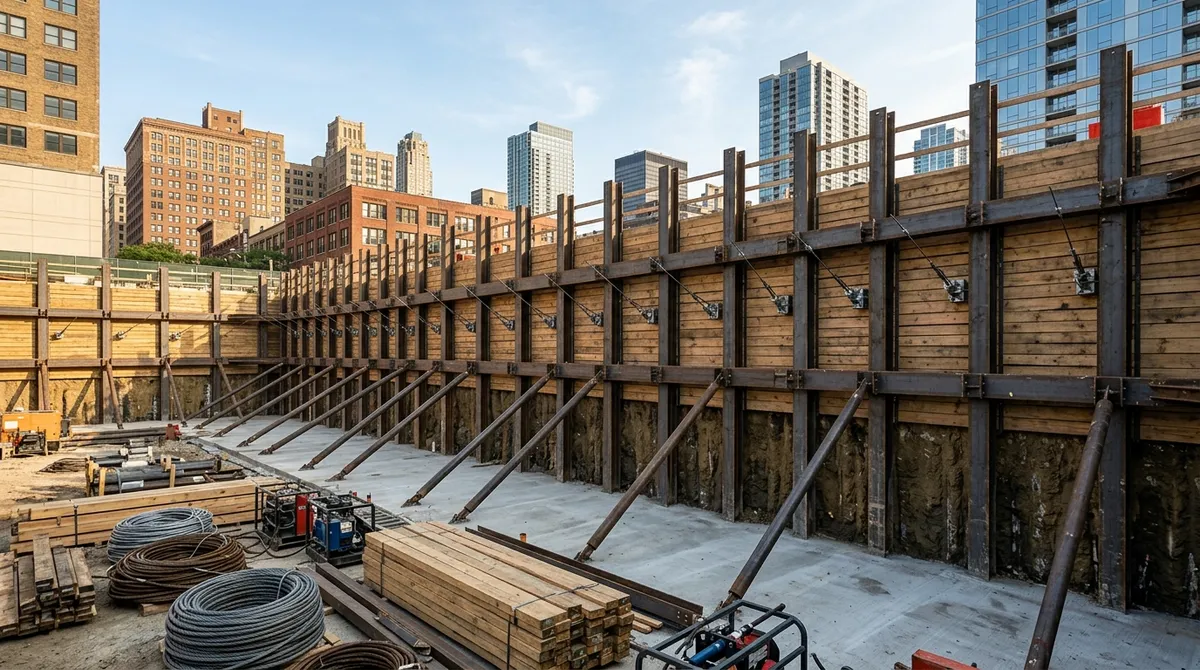
Earth retention systems are structures designed to hold back soil on sloped or uneven terrain. On commercial properties, they prevent erosion, protect foundations, and create flat, usable areas on otherwise challenging land. Think of them as the backbone of a well-designed landscape on any sloped site.
In the world of retaining walls and hardscaping, these systems come in several forms. Each type works best in different soil conditions and project sizes. Choosing the right one depends on your site’s specific needs, soil type, and the amount of pressure the wall will face.
The 4 Main Types of Earth Retention Systems
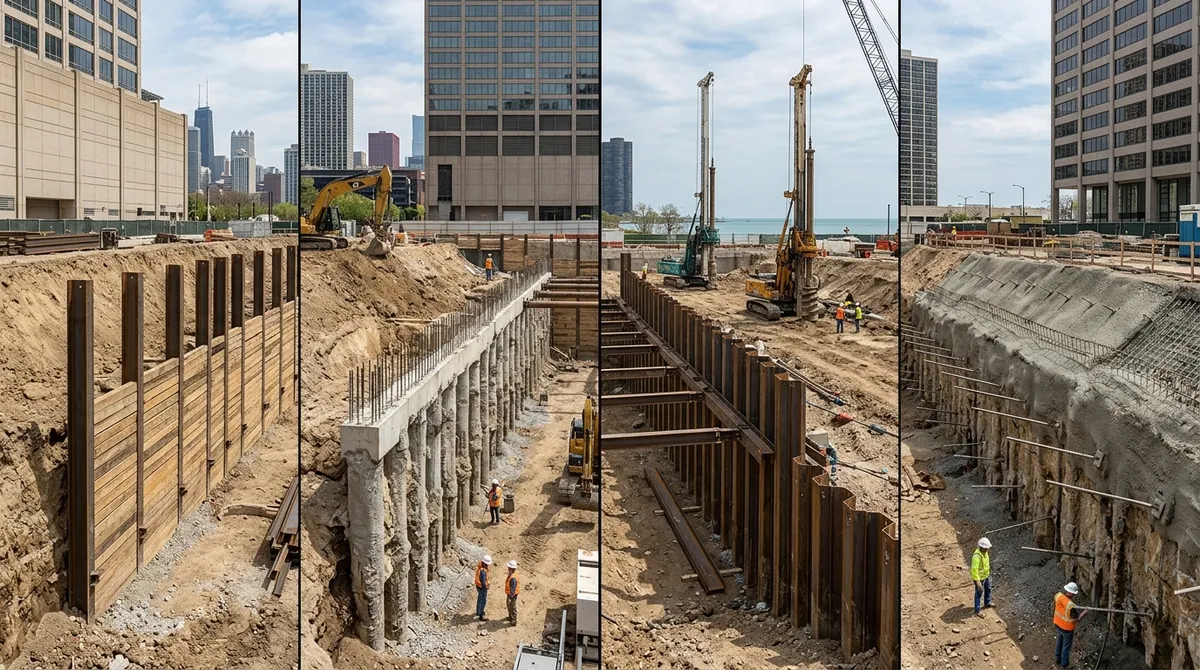
Understanding your options helps you make the best decision for your commercial site. Here’s a breakdown of the most common types used in Chicago-area commercial landscaping:
- Gravity Retaining Walls — These walls use their own weight to resist soil pressure. They rely on the mass of materials like concrete blocks, stone, or gabions to push back against the retained soil. They’re simple and effective for shorter walls.
- Cantilevered Retaining Walls — These use an internal stem to convert horizontal soil pressure into vertical ground pressure. They require less material than gravity walls and work well for taller structures on commercial sites.
- Sheet Piling Walls — Made from planks driven directly into the ground, sheet piling walls are ideal for soft soils and tight commercial spaces where there’s limited room to build outward. You can learn more about sheet piling wall facts to understand if this is right for your site.
- Anchored Retaining Walls — These walls use cables or stays anchored in rock or soil below the surface for extra strength. They’re great for large-scale commercial projects where additional load support is critical. Anchored retaining wall construction is often chosen for high-pressure sites.
Why Chicago’s Climate Makes Earth Retention Critical
Chicago’s weather is no joke. The region experiences heavy rainfall, strong winds, and dramatic freeze-thaw cycles throughout the year. All of these conditions put stress on soil and slopes around commercial buildings.
When water saturates the soil and then freezes, it expands. When it thaws, the soil shifts. Over time, this cycle weakens slopes and can lead to erosion, foundation damage, and unsafe conditions on your property. Slope stabilization becomes essential for any commercial site with grade changes in the Chicago area.
Here are the key reasons Chicago commercial properties benefit from earth retention systems:
- Prevention of soil erosion during heavy rainfall events
- Protection of building foundations from shifting ground
- Management of stormwater runoff across the property
- Creation of level areas for parking, patios, and landscaping
- Compliance with local stormwater management regulations
- Enhanced visual appeal and property value
How Earth Retention Systems Manage Stormwater
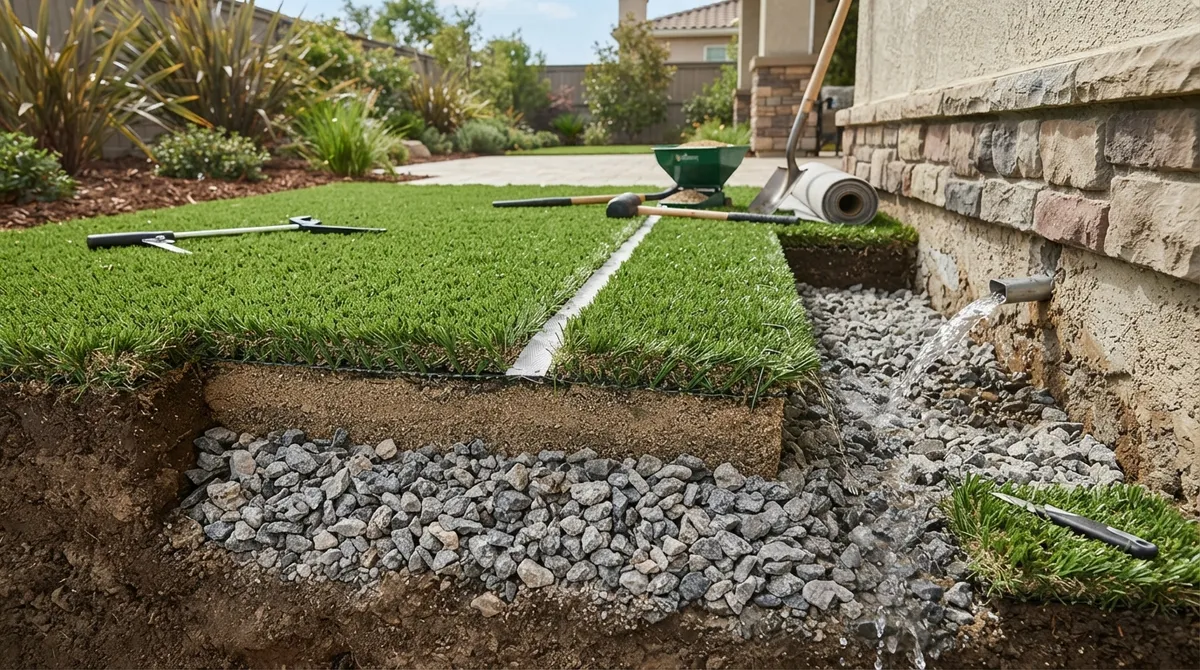
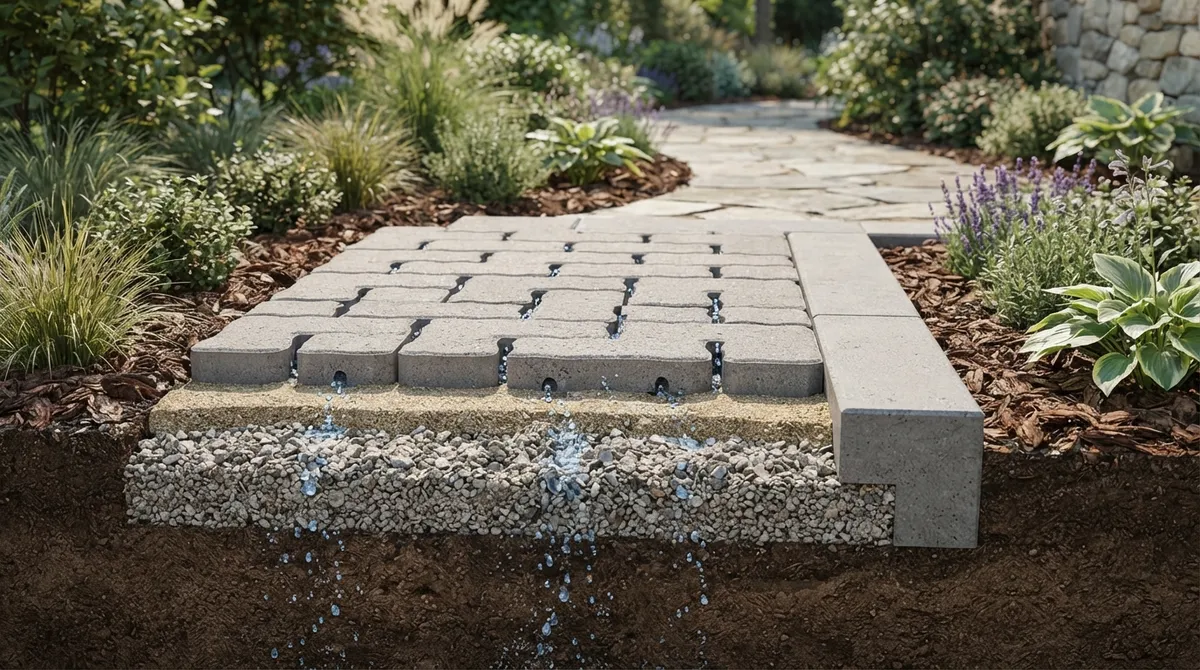
One of the biggest benefits of well-designed earth retention systems for commercial Chicago properties is stormwater management. Retaining walls slow down water flow across your site, reducing the risk of flooding and runoff that can damage neighboring properties or the public storm system.
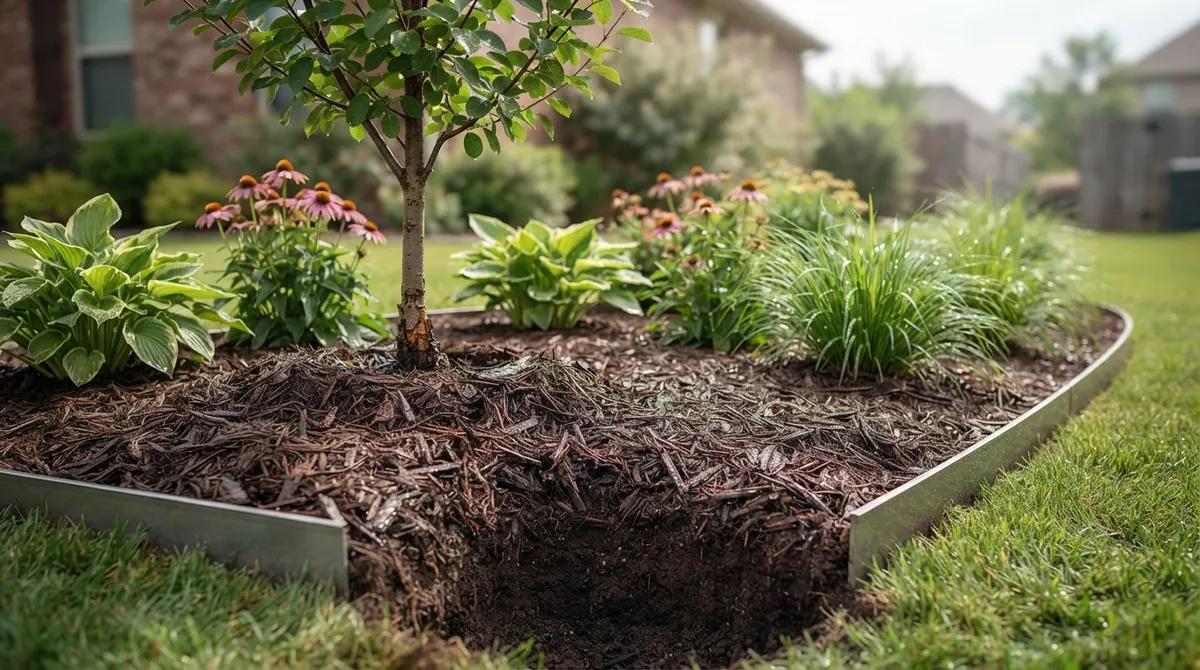
Many Chicago-area landscaping professionals pair retention systems with natural planting strategies. According to Chicago’s Water Management Department, natural planting strips and native vegetation can cut stormwater runoff by up to 65%. Native plants have deep root systems that absorb and evaporate more rainfall compared to standard turfgrass.
Integrating native vegetation and rain gardens alongside your retaining walls creates a powerful, multi-layered approach to stormwater control. This is something commercial lawn maintenance professionals can help you plan and maintain year-round.
Comparing Earth Retention System Types for Commercial Use
Not sure which system fits your project? This comparison table breaks down the most important factors for commercial property managers and developers in the Chicago area:
| System Type | Best For | Material | Soil Type | Relative Cost |
|---|---|---|---|---|
| Gravity Wall | Short walls, aesthetic applications | Stone, concrete block, gabion | Firm, stable soil | Low to Medium |
| Cantilevered Wall | Taller walls, space-efficient sites | Reinforced concrete | Most soil types | Medium |
| Sheet Piling Wall | Tight spaces, soft soils | Steel, vinyl, wood planks | Soft or wet soil | Medium to High |
| Anchored Wall | High-load, large commercial sites | Concrete with cable anchors | Rock or firm soil | High |
| MSE Wall | Large-scale terracing, highway-style projects | Geogrid-reinforced fill | Granular soil | Medium to High |
If you’re weighing your options, this guide on cantilever vs. gravity retaining walls for commercial use is a great resource.
Key Benefits for Commercial Property Managers
For commercial property managers across the greater Chicago area, earth retention systems deliver real, measurable value. Here’s what you gain when you invest in a quality system:
- Long-term foundation protection — Stable soil means less risk of foundation movement or settling over time.
- Reduced maintenance costs — Preventing erosion means less repair work and less soil replacement each year.
- More usable outdoor space — Terraced walls create flat areas for parking, outdoor seating, or landscaping where slopes once made that impossible.
- Improved aesthetics — Natural stone or decorative block walls enhance the professional look of your property.
- Stormwater compliance — Proper drainage design helps you meet local municipal requirements.
If you’d like to explore how commercial landscaping services can address these needs, connecting with an experienced local team is a smart first step.
5 Steps to Planning an Earth Retention System for Your Chicago Property
Planning a retention system doesn’t have to be overwhelming. Follow these steps to move from idea to installation with confidence:
- Assess your site — Walk your property and identify all sloped areas, drainage paths, and problem zones where erosion or runoff occurs.
- Consult a professional — Work with a licensed commercial landscape contractor who understands Chicago’s soil conditions and local building codes. Landscape Illinois is a great resource for finding qualified professionals in the state.
- Choose the right system — Based on your site assessment, your contractor will recommend the best wall type, materials, and drainage solutions for your project.
- Review engineering requirements — Larger walls often require engineering approval. Learn more about retaining wall engineering services to understand what’s involved.
- Plan your plantings — Pair your retention system with native plants or rain gardens to maximize stormwater management and visual appeal. Check out softscape design options to complement your hardscape.
Integrating Earth Retention With Broader Commercial Landscaping
The best commercial landscapes don’t treat retention walls as isolated structures. They weave them into a cohesive design that includes plantings, pavers, pathways, and lighting. When everything works together, the result is a property that looks polished, functions beautifully, and handles Chicago’s tough weather with ease.
For example, a sloped commercial site might use a tiered retaining wall system to create level outdoor seating areas, then add landscape lighting to highlight the walls at night. Native plantings along the top of each tier manage runoff while adding color and texture. The result feels intentional and beautiful rather than purely structural.
Working with a team that offers full-service design and installation — like Serenity Landscape Group, with over two decades of Chicago-area experience — makes this kind of integrated approach much easier to achieve. You also benefit from working with professionals who are familiar with ICPI Certified Installer standards, ensuring quality hardscape installation from the ground up.
What to Look for in a Commercial Earth Retention Contractor
Choosing the right contractor is one of the most important decisions you’ll make for your project. Here’s what to look for when evaluating commercial retaining wall and earth retention contractors in Chicago:
- Proven experience with commercial-scale retaining wall projects
- Knowledge of Chicago’s soil types, frost depth, and drainage requirements
- Ability to handle both design and installation in-house
- Clear warranties on materials and labor
- References or a portfolio of completed commercial projects
It also helps to understand what a commercial retaining wall contractor actually does before your first consultation. That way, you can ask the right questions and feel confident in your choice.
You can also avoid common pitfalls by reading about commercial landscape grading wall mistakes to avoid before your project begins.
Costs and Warranties for Commercial Retaining Walls in Chicago
Cost is always a factor in commercial landscaping decisions. The price of an earth retention system varies based on wall height, material choice, site conditions, and drainage requirements. Here’s a general overview of what affects your investment:
- Wall height and length — Taller, longer walls require more materials and labor, increasing overall cost.
- Material selection — Natural stone costs more than concrete block but offers a premium aesthetic. Gabion walls offer a mid-range option with excellent drainage.
- Site preparation — Soft or wet soils may require additional grading or drainage work before installation begins.
Reputable commercial landscape contractors in the Chicago area typically offer warranties on both materials and workmanship. Always ask about warranty terms before signing a contract. For a deeper dive into the installation process, explore commercial retaining wall installation details.
Ready to Protect and Transform Your Commercial Property?
Earth retention systems are one of the smartest investments you can make for a commercial property in Chicago. They protect your soil, manage stormwater, prevent costly foundation damage, and create beautiful, functional outdoor spaces. Whether you’re dealing with a gently sloped parking lot or a dramatically terraced commercial site, there’s a retention solution that fits your needs.
At Serenity Landscape Group, we love helping commercial property owners and managers turn challenging outdoor spaces into landscapes they’re proud of. Our team brings over 20 years of Chicago-area expertise to every project, from initial design through final installation.
Ready to get started? Request your free estimate today and let’s talk about how the right earth retention system can protect your property and elevate your landscape for years to come.
FAQs
Q: What are the best earth retention systems for commercial properties in Chicago?
A: The best system depends on your site’s soil type, slope height, and drainage needs. Cantilevered walls work great for taller structures, while gravity walls suit shorter, more decorative applications. A local commercial landscape contractor can assess your site and recommend the right fit.
Q: How do retaining walls help prevent soil erosion on commercial sites?
A: Retaining walls physically hold soil in place, preventing it from washing away during heavy rain or shifting during freeze-thaw cycles. Combined with native plantings and proper drainage, they create a stable, long-lasting solution for sloped commercial properties in Chicago.
Q: How much does it cost to install a commercial retaining wall in Chicago?
A: Costs vary based on wall height, length, material type, and site conditions. Taller walls with premium materials like natural stone will cost more than shorter concrete block walls. Getting a detailed estimate from an experienced local contractor is the best way to plan your budget accurately.
Q: Can earth retention systems improve stormwater management on commercial properties?
A: Absolutely! Retaining walls slow water movement across your site and, when paired with native plants and rain gardens, can reduce stormwater runoff by up to 65% according to Chicago’s Water Management Department. This helps protect neighboring properties and keeps you compliant with local regulations.
Q: Do commercial retaining wall contractors in Chicago offer warranties?
A: Yes! Reputable contractors typically offer warranties on both materials and workmanship. Always ask about warranty terms upfront, and choose a contractor with a proven track record of completed commercial projects in the Chicago area for the best peace of mind.