Key Takeaways
-
Professional site assessment is critical before installation—evaluate slope angle, soil type, drainage patterns, and local conditions like Chicago’s clay-heavy soils that expand when wet and create extra wall pressure.
-
Proper drainage planning is essential and non-optional; include gravel backfill, perforated drain pipes at the base, and weep holes to prevent hydrostatic pressure buildup that causes cracking, tilting, or collapse.
-
The base course (first row) must be perfectly level and properly compacted below grade, as any misalignment cascades through all upper layers and is a leading cause of wall failure.
-
Large-scale retaining walls over 4 feet tall or 50+ linear feet require building permits and often engineering review in the Chicago area; skip permits at risk of fines, forced removal, and liability.
-
Hire certified professionals with structural knowledge and proper equipment; large-scale installation demands expertise in soil behavior and specialized machinery that DIY approaches cannot replicate.
-
Material choice significantly impacts durability and aesthetics—natural stone and concrete blocks offer superior strength for large-scale projects, while costs vary from $15-50+ per linear foot depending on height and complexity.
If your property has a slope, you already know the headaches it can bring. Soggy low spots after rain, soil washing away, and yards that feel impossible to use. A large scale retaining wall installation solves all of that — and then some. These structural walls hold back soil, manage water runoff, and turn unusable slopes into flat, beautiful spaces you can actually enjoy.
Whether you’re a suburban homeowner tired of fighting erosion, a commercial property manager needing a polished, safe landscape, or a developer looking to maximize usable space on a new build, retaining walls deliver real results. In 2026, more Chicago-area property owners are investing in large-scale hardscaping than ever before — and it’s easy to see why. Let’s walk through the 12 key steps that make a retaining wall project successful from start to finish.
Why Large Scale Retaining Wall Installation Matters
Retaining walls do more than look good. They solve real problems. On sloped or uneven land, soil naturally wants to move downhill. Without a wall to hold it back, you get erosion, foundation damage, and drainage issues that get worse every year. A well-built retaining wall stops that movement in its tracks.
Large-scale projects — think walls over 4 feet tall or spanning significant lengths — are treated as structural landscaping jobs. They must resist serious soil pressure and hold up for decades. That’s why getting the process right matters so much. You can learn more about what these walls actually do by reading what a retaining wall is and whether you need one.
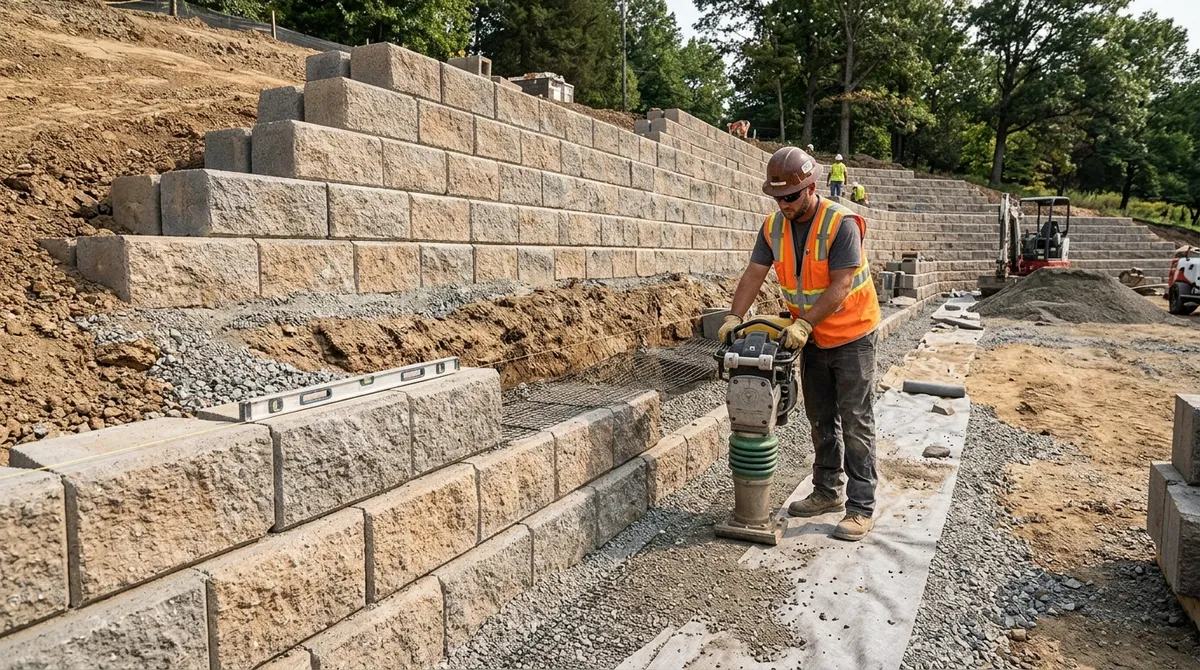
The 12 Key Steps for a Successful Installation
1. Start With a Professional Site Assessment
Every great retaining wall begins with a thorough look at your land. A professional team evaluates the slope angle, soil type, drainage patterns, and any existing structures nearby. This step shapes every decision that follows, so skipping it is never a good idea.
In the Chicago area, clay-heavy soils are common. They hold water and expand when wet, which puts extra pressure on walls. Knowing this upfront helps your contractor design a wall that can handle local conditions.
2. Define Your Goals and Design Vision
Are you building the wall to create a flat patio area? To protect a driveway from erosion? To add visual structure to a commercial property? Your goals directly influence the wall’s height, length, material, and shape.
This is also where aesthetics come in. Retaining walls can be stunning design features — not just functional barriers. Think natural stone, textured concrete blocks, or clean modern finishes. Check out our gallery of work for inspiration on what’s possible.
3. Choose the Right Materials
Material selection is one of the most important choices in any large scale retaining wall installation. Each option has its own strengths, aesthetic appeal, and price range. Here’s a quick comparison to help you decide:
| Material | Best For | Durability | Aesthetic Appeal |
|---|---|---|---|
| Natural Stone | High-end residential and commercial | Very High | Excellent — timeless look |
| Concrete Blocks | Large-scale structural walls | Very High | Clean, modern appearance |
| Pavers | Decorative walls with style | High | Versatile and polished |
| Timber | Smaller garden walls | Moderate | Natural, rustic feel |
For large-scale projects, natural stone and concrete blocks are the most popular choices. They offer the strength needed to resist heavy soil pressure over time. If you love the look of stone, explore how to choose natural stone for commercial retaining walls for deeper guidance.
4. Check Local Permits and Building Codes
In most jurisdictions, including the greater Chicago area, large retaining walls require permits. This is especially true for walls over 4 feet tall or those that are load-bearing. Skipping permits can result in fines, forced removal, and serious liability issues.
Your contractor should handle permit research and submissions as part of the project. According to industry best practices, any wall that poses a safety risk must meet local building codes and often requires an engineering review. Landscape Illinois is a great resource for understanding professional standards in our state.
5. Hire a Qualified Retaining Wall Contractor
This isn’t a DIY project. Large scale retaining wall installation demands structural knowledge, the right equipment, and experience with soil behavior. A qualified contractor brings all three.
Look for professionals with certifications in hardscaping and retaining wall construction. Working with an ICPI Certified Installer gives you confidence that your contractor meets industry standards. At Serenity Landscape Group, our team brings over 20 years of hardscaping experience to every project in the Chicago metropolitan area.
6. Plan the Drainage System
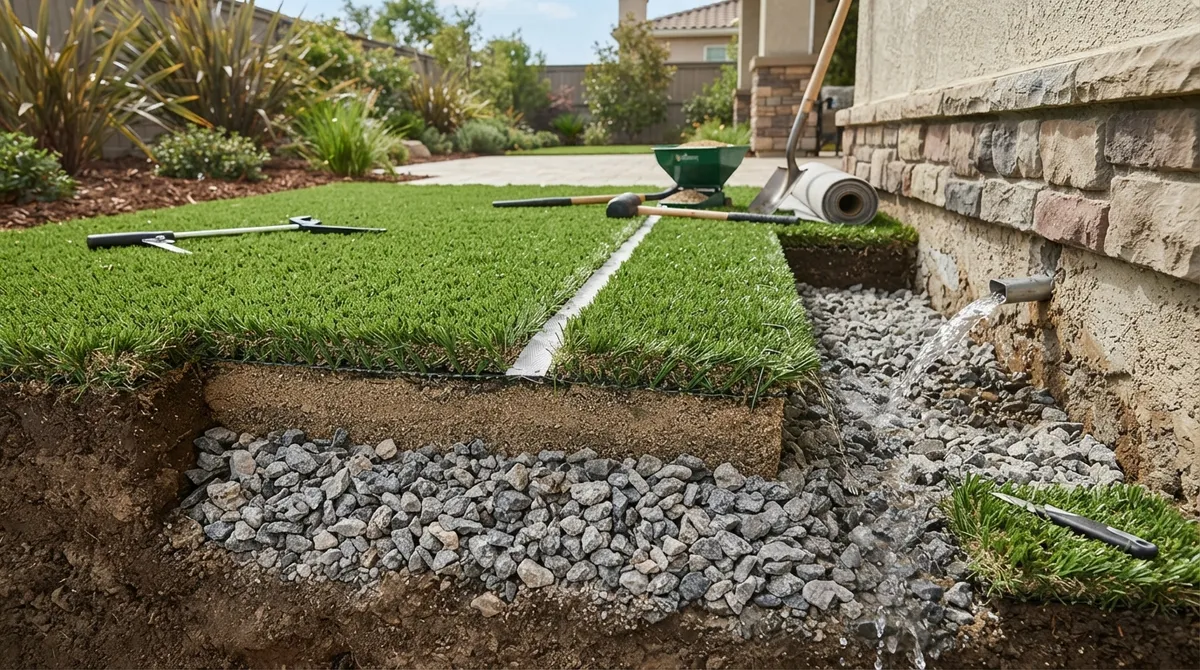
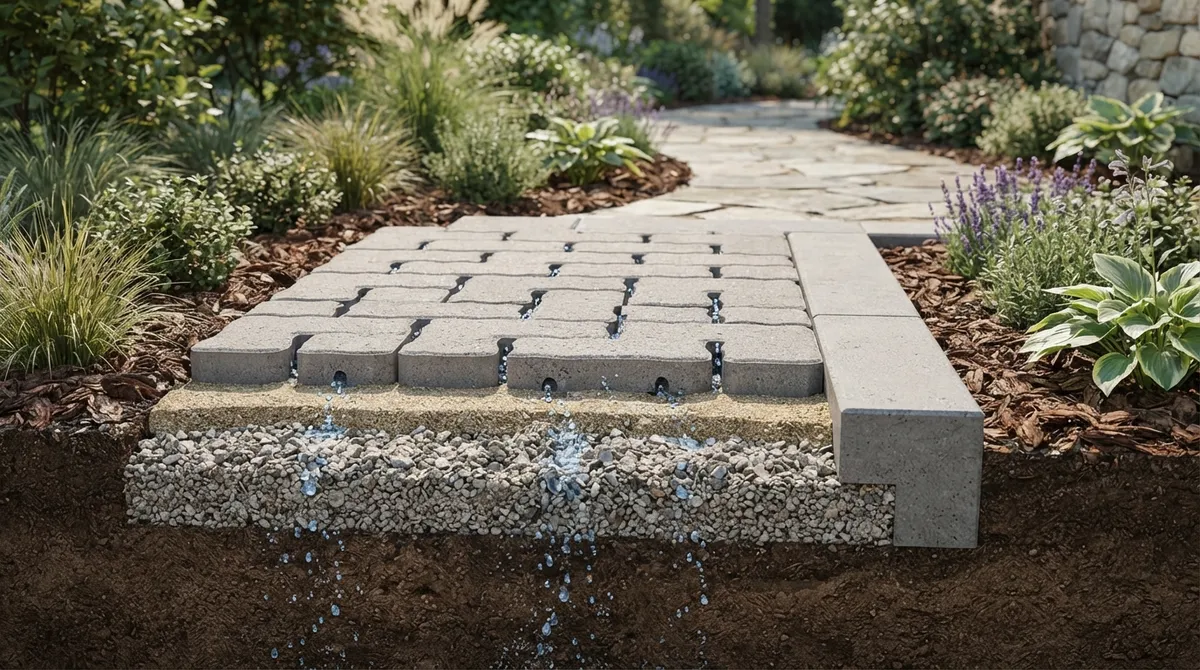
Drainage is not optional — it’s essential. Without proper drainage, water builds up behind the wall and creates what’s called hydrostatic pressure. Over time, this pressure can cause the wall to crack, tilt, or even collapse.
Good drainage planning typically includes:
- Gravel backfill directly behind the wall
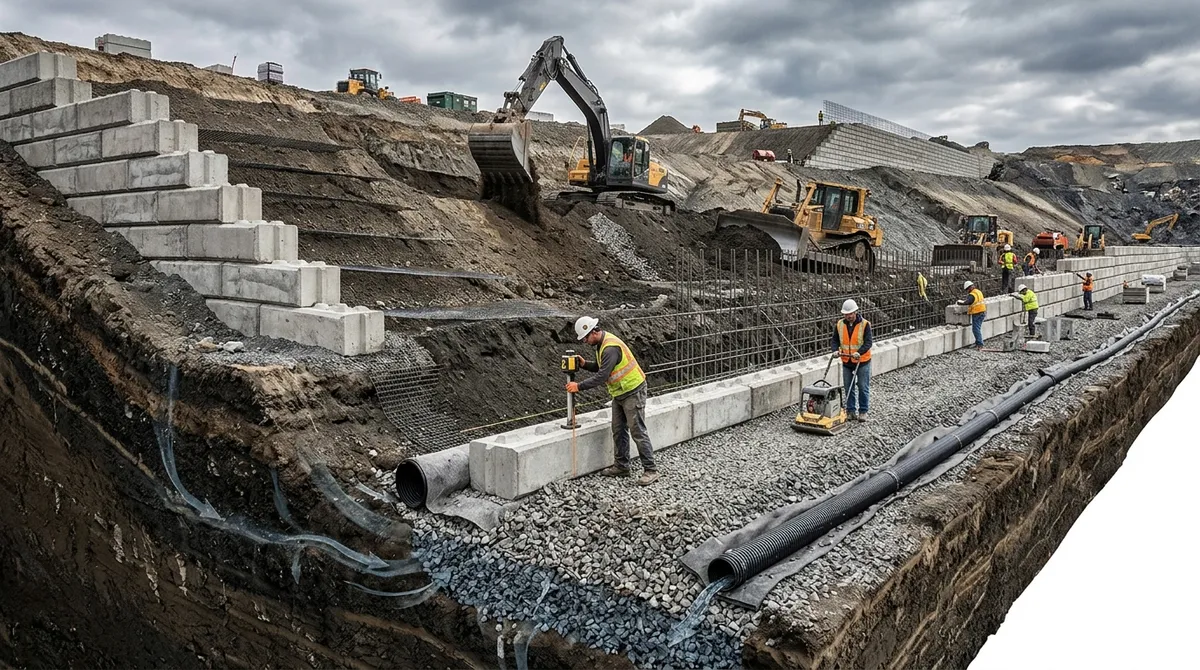
- Perforated drainage pipes at the base
- Weep holes in the wall face to let water escape
- Proper grading to direct runoff away from the structure
If your property already has stormwater issues, this step is even more critical. Learn more about how retaining walls compare to drainage systems for stormwater management.
7. Prepare the Site Thoroughly
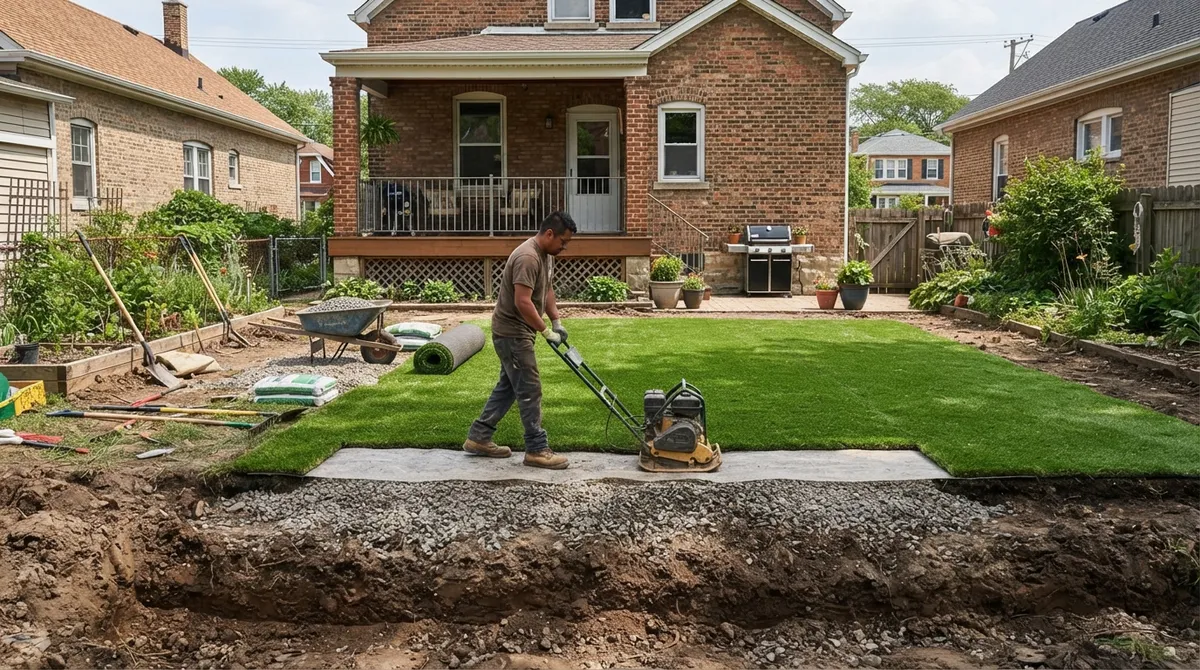
Before the first block goes down, the site needs careful preparation. This includes excavation, grading, and creating a level, compacted base. A strong foundation prevents settling and shifting over time.
For large-scale projects, heavy equipment is often needed for excavation. This is another reason professional installation matters — the right machinery makes site prep faster, safer, and more accurate.
8. Install the Base Course With Precision
The base course (the very first row of blocks or stones) is the most important part of the entire wall. If this layer isn’t perfectly level and properly compacted, every layer above it will be off. Contractors typically set the base course partially or fully below grade for added stability.
Getting this step right takes patience and skill. Rushing the base course is one of the most common mistakes that leads to wall failure down the road. See 7 hardscaping mistakes to avoid in your outdoor space to learn what pitfalls to watch out for.
9. Build Up the Wall in Layers
Once the base is set, the wall goes up one layer at a time. Each course is set back slightly from the one below it — this is called a batter, and it helps the wall lean into the slope for added stability. Gravel backfill is added progressively as the wall rises.
Large walls may also use geogrid reinforcement — a mesh material buried in the backfill at regular intervals that ties the wall to the soil behind it. This is common in segmental retaining wall installations and adds significant structural strength.
10. Add Finishing Touches and Landscaping
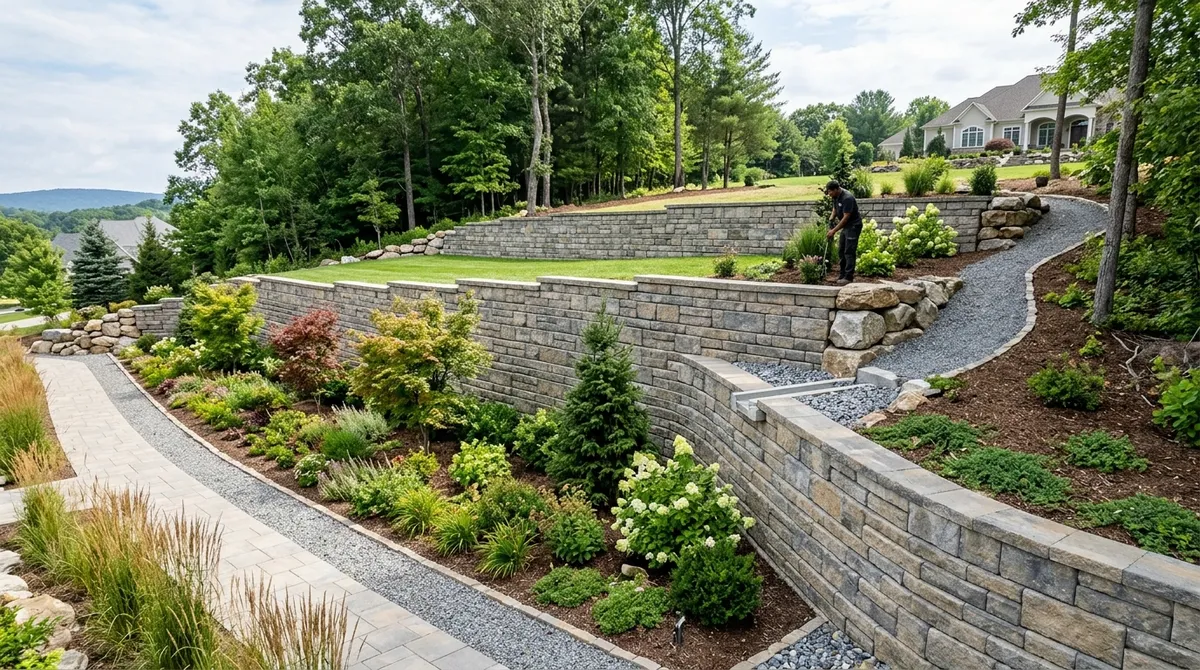
A retaining wall doesn’t have to stand alone. Thoughtful finishing touches transform a functional structure into a beautiful landscape feature. Here are popular enhancements to consider:
- Coping stones or cap blocks for a polished top edge
- Integrated landscape lighting to highlight the wall at night
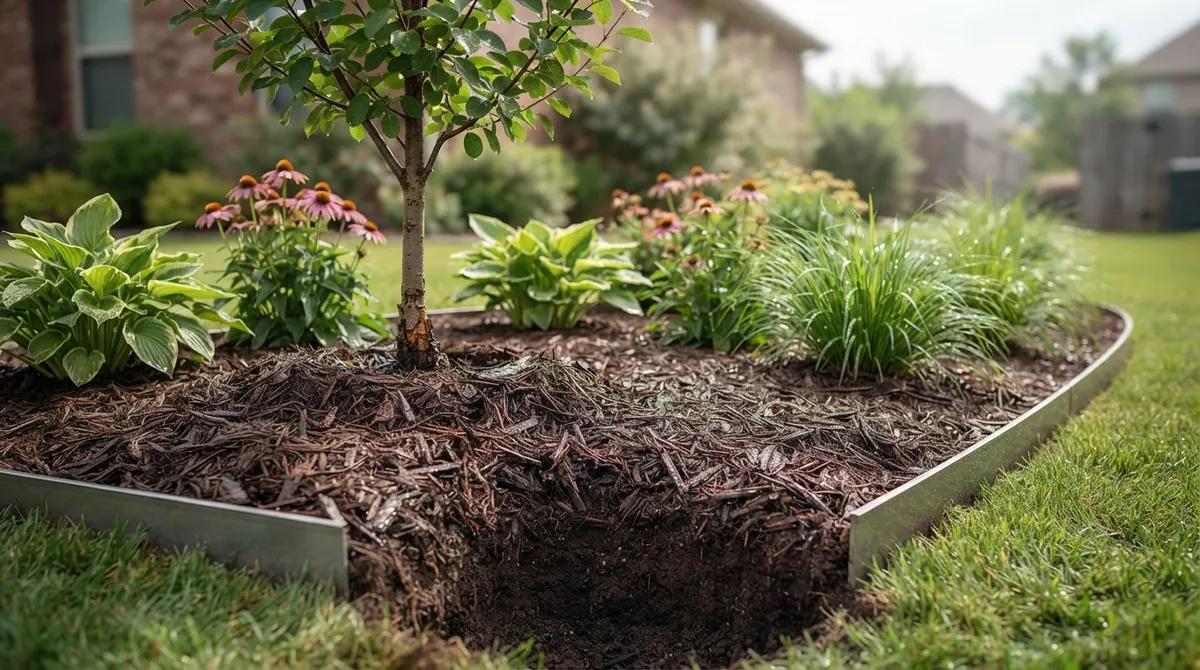
- Planting beds or softscaping at the base or top of the wall
- Steps built into the wall for easy access between levels
- A paver patio on the newly leveled space above the wall
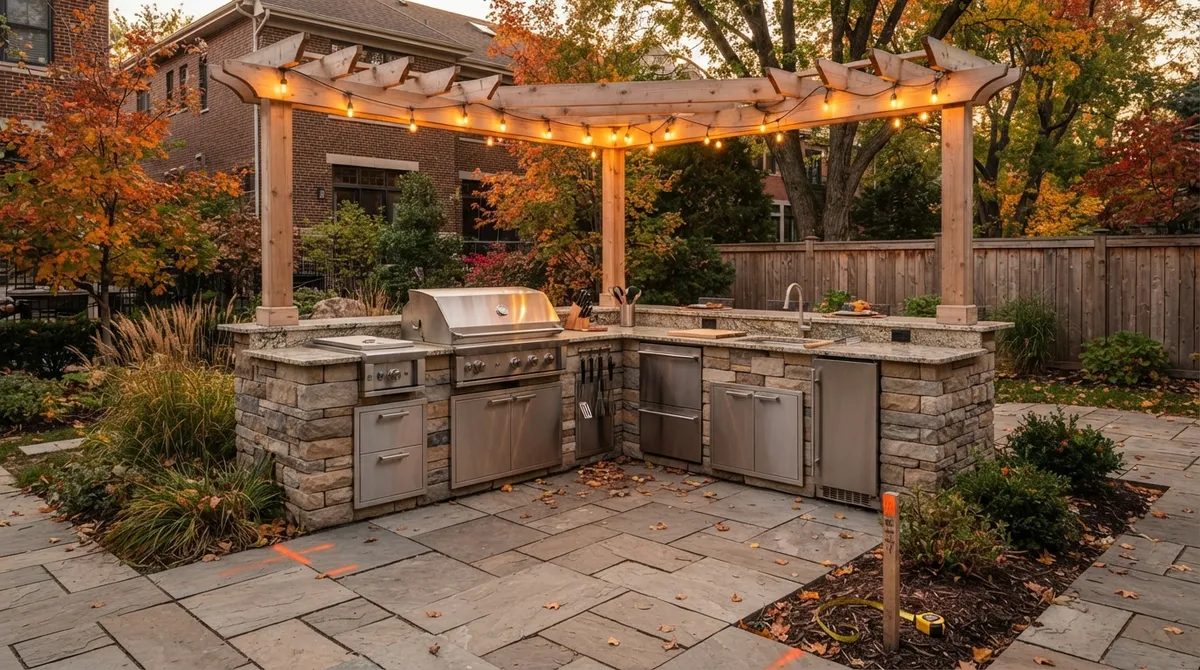
Pairing a retaining wall with beautiful pavers on the flat area above creates an outdoor living space that feels like it was always meant to be there. Some homeowners even add a fire pit to the new level — turning a once-unusable slope into the best spot in the yard.
11. Conduct a Final Inspection
Before the project is declared complete, a thorough final inspection is essential. This step verifies that:
- The wall is structurally sound and properly aligned
- Drainage systems are functioning correctly
- All permit requirements have been met
- Backfill is properly compacted and graded
- Finishing details are complete and clean
If permits were required, a municipal inspector may also visit the site to sign off on the work. This is normal and actually gives you peace of mind that everything meets code.
12. Plan for Long-Term Maintenance
A well-built retaining wall is designed to last for decades. But some basic maintenance keeps it looking and performing its best over the long haul. Here’s a simple maintenance checklist:
- Check weep holes annually to make sure they aren’t blocked
- Look for cracks or leaning sections after harsh winters
- Clear debris and vegetation from the base of the wall
- Monitor drainage patterns during heavy rain
- Address any minor repairs quickly before they become major ones
Chicago winters are tough on all hardscaping. Freeze-thaw cycles can stress masonry materials, so an annual check each spring is a smart habit. If you notice signs of movement or damage, it’s time to call in a professional before things get worse.
How Long Does Large Scale Retaining Wall Installation Take?
Most retaining wall projects are completed within a few days to a week for standard sizes. Large-scale installations — especially those with complex terrain, multiple tiers, or engineering requirements — can take two to four weeks or longer. The permit process can also add time before physical work begins, so plan accordingly and start conversations with your contractor early.
What Does It Cost?
Costs vary widely based on wall size, material choice, site conditions, and design complexity. Natural stone and engineered walls tend to cost more than concrete block systems, but they also deliver superior aesthetics and longevity. Here’s a general cost overview:
| Project Scale | Typical Timeframe | Key Cost Factors |
|---|---|---|
| Small wall (under 50 linear feet) | 2–4 days | Material type, height |
| Medium wall (50–150 linear feet) | 5–10 days | Drainage system, permits |
| Large wall (150+ linear feet) | 2–4+ weeks | Engineering, equipment, backfill |
The best way to understand your specific costs is to get a professional estimate. Request a free estimate from our team and we’ll walk you through the options that make the most sense for your property and budget.
Signs You Need a Retaining Wall Now
Not sure if your property needs a large retaining wall? Watch for these warning signs:
- Soil eroding or washing onto your driveway or lawn after rain
- Visible cracks in an existing wall that’s leaning or shifting
- Slopes that make your yard unusable for entertaining or recreation
- Water pooling at the base of a hillside near your foundation
- Loss of topsoil year after year despite replanting
If any of these sound familiar, don’t wait. These issues tend to get more expensive the longer they go unaddressed. See why retaining walls transform sloped yards into usable spaces and take the first step toward solving the problem. You can also explore our retaining wall services to see everything we offer.
Conclusion
A large scale retaining wall installation is one of the smartest investments you can make in your property. It solves real problems — erosion, drainage, unusable slopes — while creating beautiful, functional space you’ll love for years. From the initial site assessment to the final inspection, every step in the process matters. Working with an experienced team ensures your wall is built right the first time.
At Serenity Landscape Group, we’ve been helping homeowners and commercial clients across the greater Chicago area build retaining walls that stand the test of time. We handle everything from design and permits to construction and finishing touches — all with a client-first approach that puts your vision at the center. You can also explore how heavy duty retaining wall construction actually works to get even more familiar with the process.
Ready to turn that problem slope into your favorite outdoor feature? Get your free estimate today and let’s start building something great together. You can also call us directly at (630) 359-5139 — we’d love to chat about your project.
FAQs
Q: What is considered a large scale retaining wall installation?
A: Generally, a large scale retaining wall installation involves walls over 4 feet tall, longer than 50 linear feet, or those built on challenging terrain that requires engineering review. These projects typically need permits and professional contractors with structural landscaping experience — not something you’d want to tackle on a weekend!
Q: Do large retaining walls require a permit in the Chicago area?
A: Yes, in most Chicago-area municipalities, retaining walls over 4 feet tall require a building permit and sometimes an engineering review. Your professional contractor should handle the permit process for you as part of the project — it’s a normal part of doing things right and keeps you protected legally.
Q: What drainage is needed behind a retaining wall?
A: Proper drainage typically includes gravel backfill directly behind the wall, a perforated drain pipe at the base, and weep holes in the wall face. Without this, hydrostatic water pressure builds up and can cause even a well-built wall to lean or crack over time — so drainage is never something to skip!
Q: How long does large scale retaining wall installation take?
A: Smaller walls can be completed in a few days, while larger projects with complex terrain, multiple tiers, or engineering requirements can take two to four weeks or more. Adding in the permit approval timeline, it’s smart to start planning your project several weeks before you need it finished.
Q: What materials are best for a large retaining wall?
A: Natural stone and concrete blocks are the most popular choices for large-scale retaining walls because they offer the strength needed to resist heavy soil pressure over decades. Your best material depends on your budget, design goals, and site conditions — a professional site assessment will help you make the right call!