Key Takeaways
-
Professional MSE contractors perform critical site assessment including soil type evaluation, drainage analysis, and freeze-thaw cycle planning—skipping this step leads to structural failure in Midwest climates.
-
Proper drainage integration with crushed stone layers, perforated pipes, and outlet points is essential; poor drainage is the #1 cause of retaining wall failure and is completely preventable.
-
MSE walls require custom engineering for reinforcement spacing, geogrid placement, and facing material selection—this is precision work, not a one-size-fits-all solution.
-
Permit compliance is non-negotiable in Chicago suburbs; walls over 4-6 feet typically require permits and engineered drawings, and experienced contractors handle this to avoid fines or forced removal.
-
Choose contractors with proven MSE-specific experience, local references, documented site assessment processes, and a commitment to long-term maintenance guidance beyond installation.
-
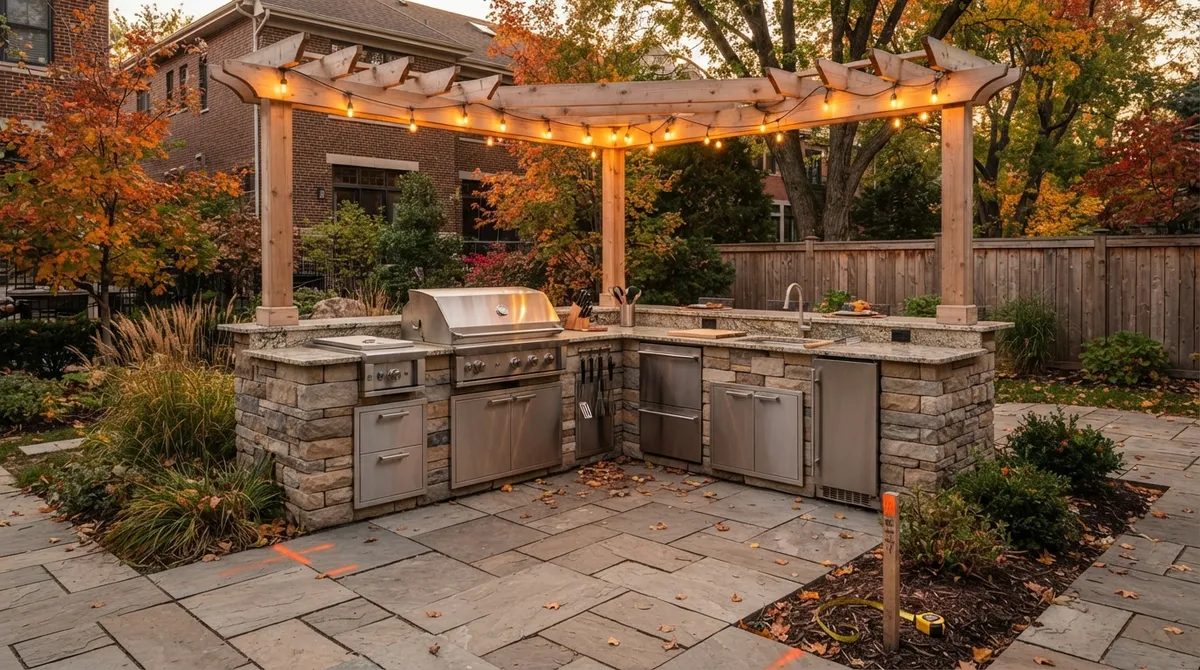
Well-designed MSE walls integrate with broader landscape features like patios, plantings, and lighting; terraced areas unlock new usable outdoor space and can support raised beds or entertainment zones.
If your yard has a slope, erosion problem, or a grade change that’s eating into your usable outdoor space, an MSE retaining wall might be exactly what you need. These walls are incredibly strong, visually flexible, and built to last — but only when installed by skilled MSE retaining wall contractors who know what they’re doing. Whether you’re a homeowner in the Chicago suburbs, a commercial property manager, or a developer building new homes in Aurora, understanding what these contractors actually do can help you make a smarter investment. Let’s walk through the seven key things experienced MSE retaining wall contractors bring to the table — and why it matters for your property.
What Is an MSE Retaining Wall?
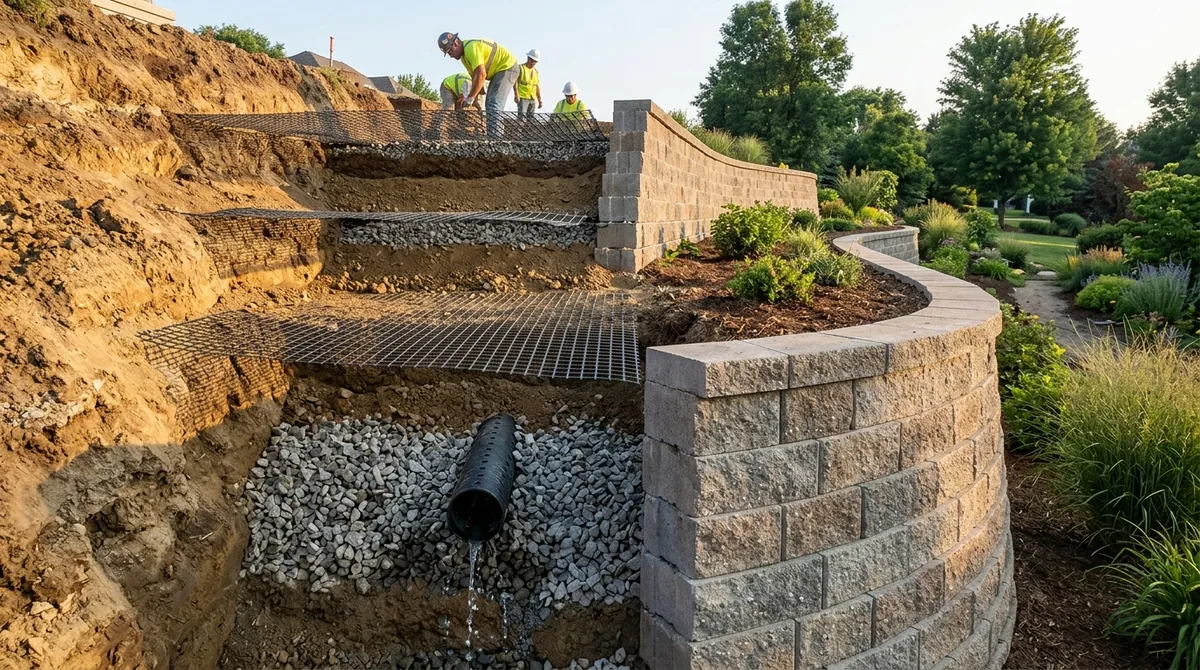
MSE stands for mechanically stabilized earth. These walls use layers of compacted soil reinforced with materials like geogrids, steel straps, or geotextile fabric to hold back earth and manage grade changes. Think of it like a layered sandwich of soil and reinforcement that creates a stable, load-bearing structure. They’re often used in landscaping to create terraces, support planting beds, and manage sloped terrain.
Unlike simple gravity walls that rely purely on their own weight, MSE walls spread the load through reinforcement embedded deep into the soil behind them. This makes them ideal for taller wall applications, sloped properties, and sites where soil conditions are tricky. For more background on whether you need a retaining wall, check out what a retaining wall is and whether you need one.
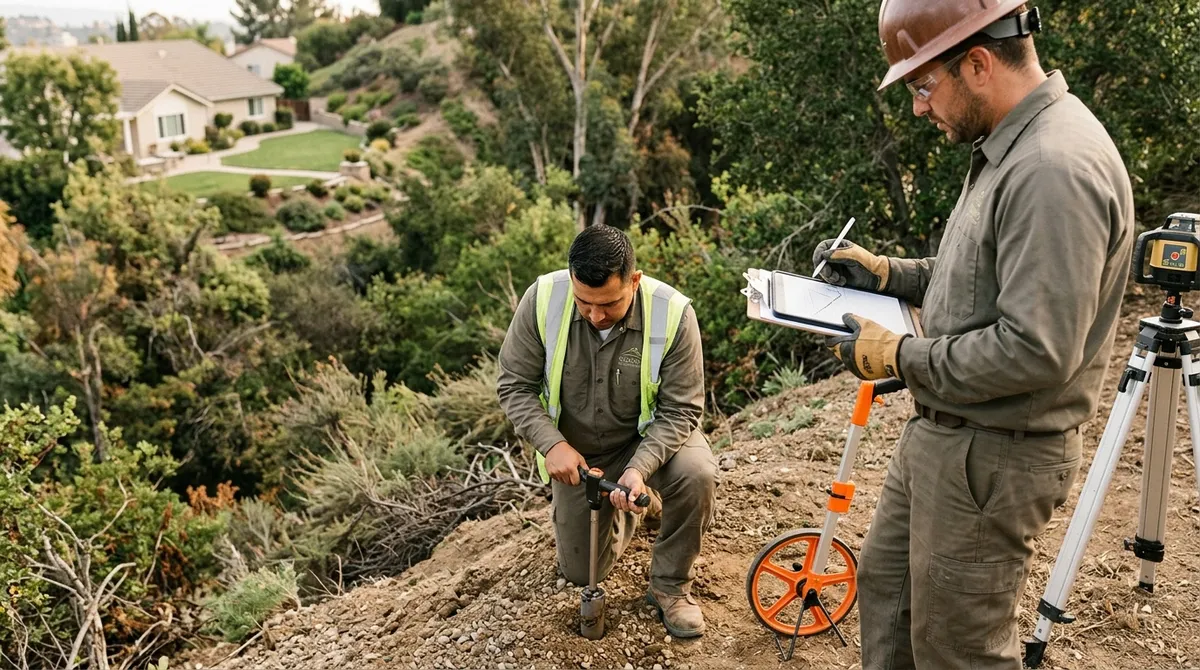
1. Site Assessment and Soil Evaluation
Before a single block goes in the ground, professional MSE retaining wall contractors assess your site carefully. They look at soil type, slope angle, drainage patterns, and load conditions. This step is non-negotiable for a wall that lasts.
Chicago-area soils can be especially unpredictable. Clay-heavy soil expands when wet and contracts when dry, which puts enormous pressure on retaining structures. A contractor who skips this step is setting you up for future failure. Experienced professionals partner with geotechnical data and years of local knowledge to design walls that actually hold up through our tough Midwest seasons.
- Soil bearing capacity testing
- Drainage and water table evaluation
- Slope angle and grade change measurement
- Assessment of existing structures nearby
- Freeze-thaw cycle planning for Illinois winters
2. Custom Engineering and Design
MSE walls aren’t one-size-fits-all. Good MSE retaining wall contractors create a custom design based on your site’s specific needs. They calculate reinforcement spacing, select the right facing materials, and determine the correct geogrid or strap layout.
The facing of an MSE wall can be modular concrete blocks, natural stone veneers, or even vegetation panels — giving you both structural performance and aesthetic appeal. This is where the wall stops being just a structural element and starts becoming a feature of your landscape. You can explore retaining wall options to get a feel for what design possibilities exist for your property.
Common MSE Wall Facing Options
| Facing Type | Best For | Aesthetic Appeal | Durability |
|---|---|---|---|
| Modular Concrete Block | Residential & commercial | High – many styles available | Excellent |
| Natural Stone Veneer | High-end residential | Very High – premium look | Excellent |
| Vegetated Panels | Eco-friendly commercial | Unique – green living wall | Good with maintenance |
| Precast Concrete Panels | Large commercial projects | Moderate – clean industrial | Excellent |
3. Proper Drainage Integration
Water is the number one enemy of any retaining wall. Without proper drainage, hydrostatic pressure builds up behind the wall and eventually causes failure. This is one area where experienced MSE retaining wall contractors truly earn their value.
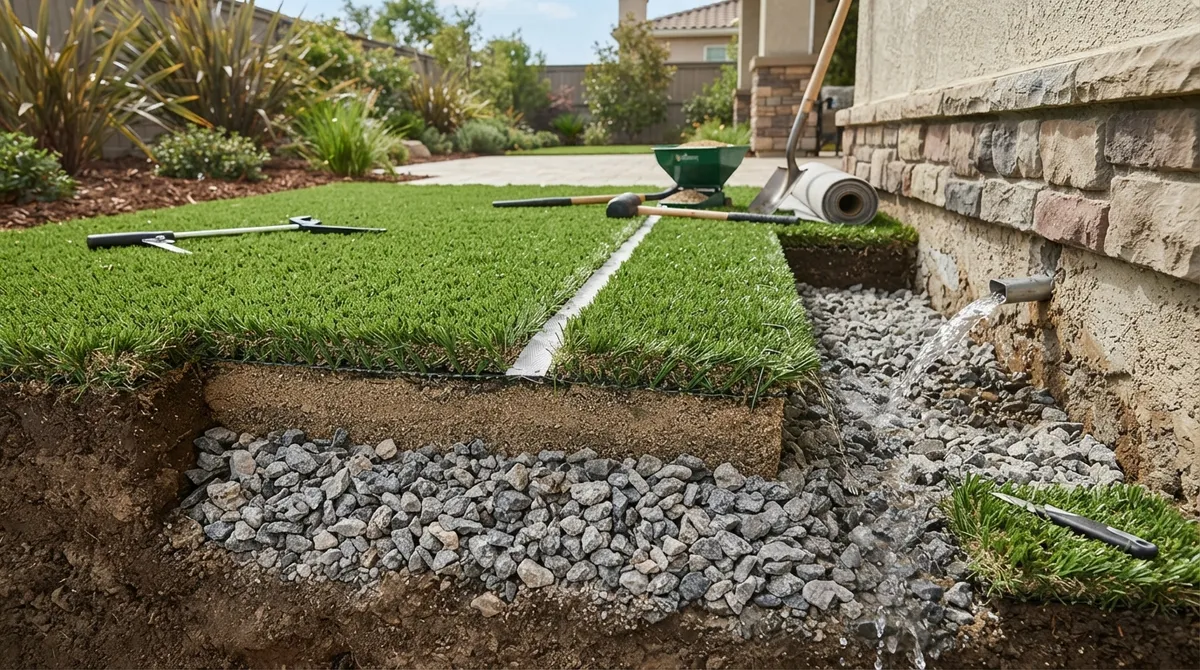
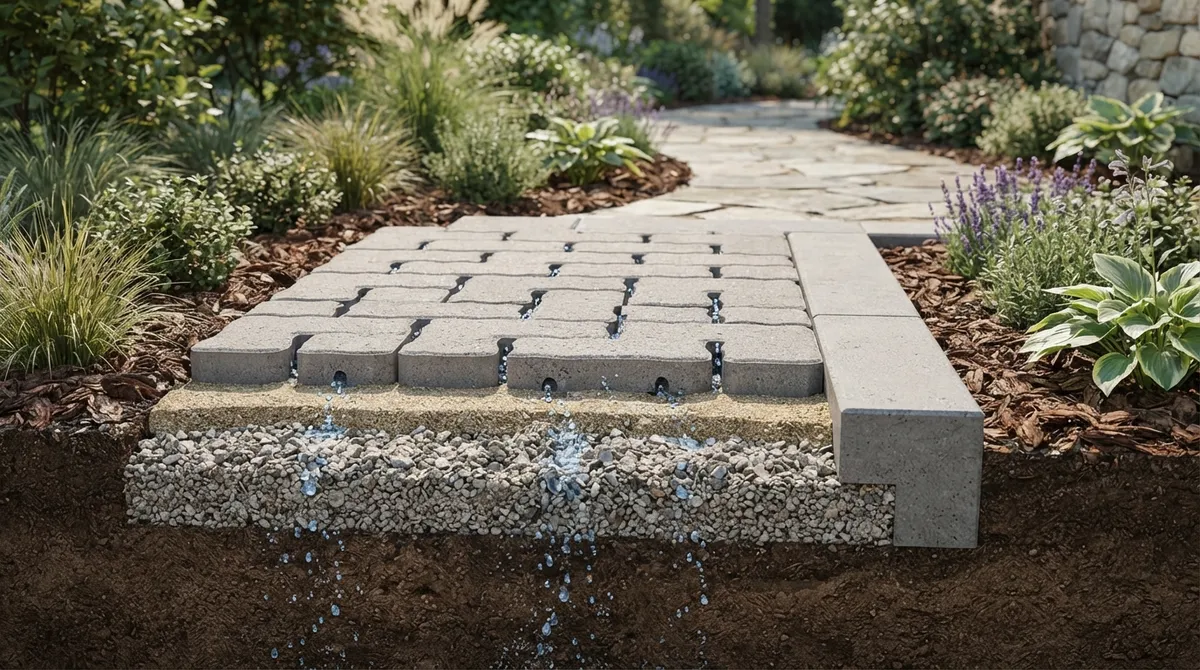
A properly built MSE wall includes drainage aggregate, perforated pipe systems, and carefully planned outlet points. This protects both the wall and the surrounding landscape from water damage. Poor drainage is one of the most common hardscaping mistakes to avoid, and it’s completely preventable with the right team.
- Install a crushed stone drainage layer directly behind the wall
- Place perforated drainage pipe at the base of the wall
- Direct water flow away from the structure and off the property safely
- Incorporate surface drainage channels where needed
4. Reinforcement Layer Installation
The defining feature of an MSE wall is its reinforcement system. Contractors carefully place geogrids or metal straps at specified intervals within the compacted fill soil. These layers tie the facing to the soil mass behind it, creating a unified structure.
The spacing, length, and type of reinforcement depend on the wall height and the forces it needs to resist. This is engineering — not guesswork. Industry bodies like the ICPI Certified Installer program help ensure contractors are trained in proper installation techniques for hardscape and retaining wall systems.
- Geogrid reinforcement for lightweight, flexible systems
- Galvanized steel straps for heavy-duty applications
- Geotextile fabric for soil separation and filtration
- Proper compaction between each reinforced layer
5. Permit Compliance and Local Codes
In the greater Chicago metropolitan area, retaining walls above a certain height require permits. Experienced MSE retaining wall contractors know local codes and handle this process for you. Skipping permits can mean fines, forced removal, or trouble when you sell your property.
Contractors who are well-versed in Illinois regulations stay current with local municipality requirements across the suburbs. The Landscape Illinois professional association is one resource that keeps industry professionals updated on state-level standards and best practices. A knowledgeable contractor navigates this red tape so you don’t have to.
What Permits May Be Required
| Wall Height | Typical Permit Requirement | Engineering Stamp Needed? |
|---|---|---|
| Under 4 feet | Usually none in most municipalities | No |
| 4–6 feet | Building permit in many areas | Sometimes |
| Over 6 feet | Permit + engineered drawings required | Yes |
6. Integration With the Broader Landscape
A great MSE wall doesn’t just hold soil — it transforms the entire outdoor space. Skilled contractors think about how the wall integrates with your planting plan, patio areas, pathways, and other hardscape features. This holistic approach is what separates a truly beautiful project from a purely functional one.
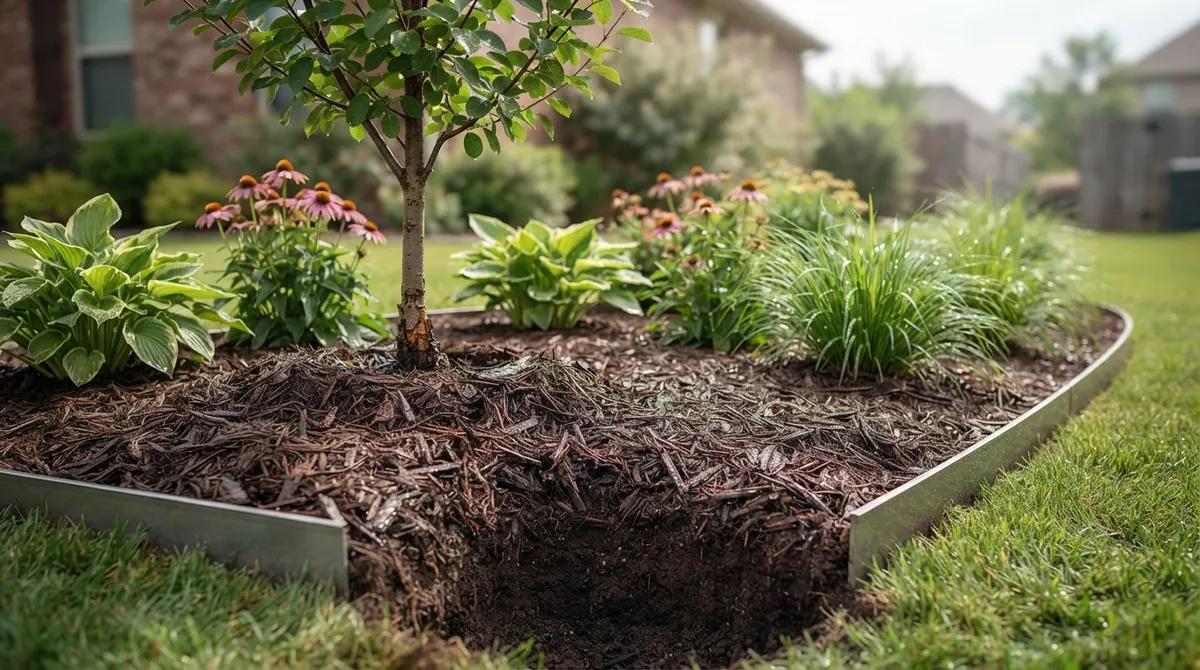
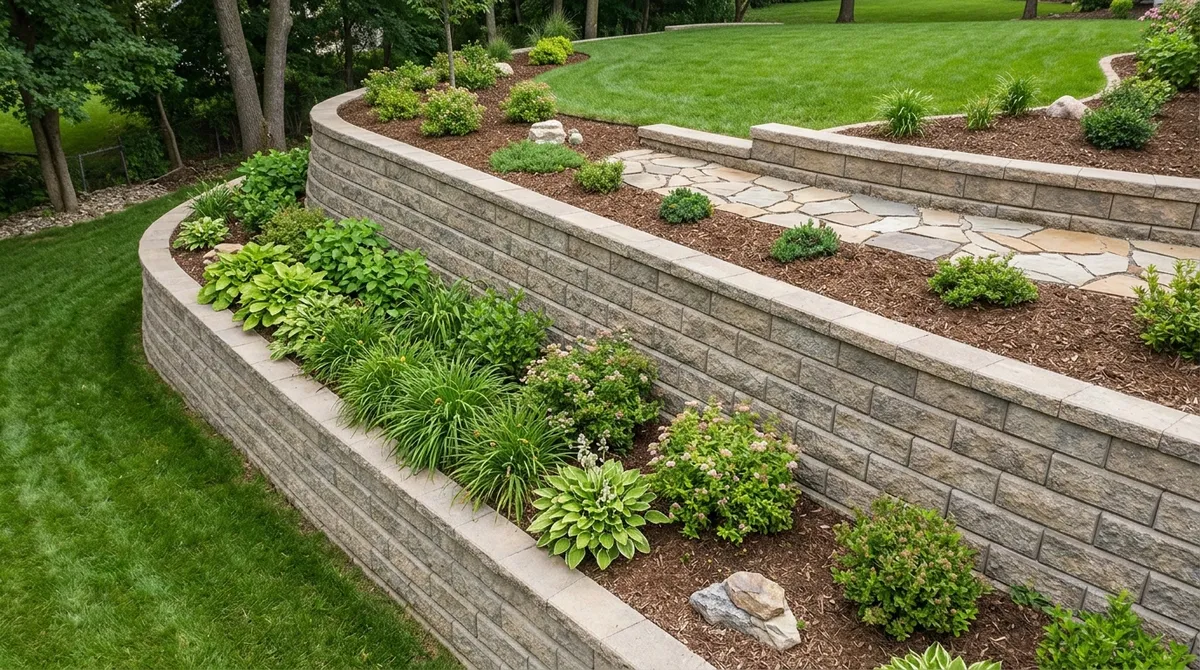
Once your MSE wall is in place, the terraced areas it creates can support raised garden beds, softscape plantings, and even outdoor living spaces. You can learn more about how retaining walls transform sloped yards into usable spaces that you’ll actually enjoy. Pairing a wall with softscape planting designs turns a functional structure into a true landscape feature.
- Plan wall placement in relation to patios and pathways
- Choose facing materials that complement your home’s exterior
- Design planting pockets and terraced beds into the wall system
- Coordinate with lighting plans for dramatic evening effect
- Connect drainage to the overall site stormwater strategy
Many homeowners love pairing their new retaining wall with custom paver patios on the newly leveled areas. And don’t overlook the wow factor of adding landscape lighting that highlights your wall at night — it’s a game changer.
7. Long-Term Maintenance Guidance
A well-built MSE retaining wall is low maintenance — but that doesn’t mean zero maintenance. Good contractors don’t just build and disappear. They walk you through what to watch for, how to keep drainage clear, and when to call for help if something looks off.
Signs of wall distress like bulging, cracking, or leaning are always easier and cheaper to address early. Annual inspections, especially after Chicago’s harsh winters, help catch any minor issues before they become expensive repairs. That’s the kind of relationship a trusted contractor builds with their clients. At Serenity Landscape Group, we believe our job isn’t done at installation — it’s an ongoing commitment to making sure your outdoor space performs beautifully year after year.
- Clear weep holes and drainage outlets seasonally
- Monitor wall face for any movement or bulging
- Keep vegetation trimmed away from wall joints
- Inspect after heavy rainfall or freeze-thaw events
- Address any drainage issues promptly to prevent pressure buildup
How to Choose the Right MSE Retaining Wall Contractor
Not every contractor has the experience or technical knowledge to build a proper MSE wall. Here’s a quick checklist to help you find the right team for your project.
- Ask about their specific MSE wall experience — not just general retaining wall work
- Request references from similar projects in the Chicago area
- Verify they pull permits and follow local codes
- Check that drainage is included in their standard scope of work
- Ask to see their process from site assessment through final installation
- Look at their portfolio to see real-world results
You can also explore our gallery of completed projects to see how retaining walls and hardscaping come together in real Chicago-area landscapes. For those considering commercial applications, our guide on finding the best commercial retaining wall contractors is a helpful resource. You can also learn about how earth retention systems work on commercial properties for a deeper dive into the technical side.
Is an MSE Wall Right for Your Property?
MSE walls shine in specific situations. They’re particularly well-suited for taller grade changes, sites with difficult soil conditions, and projects where a natural or vegetated appearance is desired. They also perform beautifully in commercial settings where large areas of slope need to be stabilized quickly and cost-effectively.
For residential properties, MSE walls create beautiful terraced gardens, level backyard entertainment areas, and protect foundations from erosion. If you’re curious about how different wall types compare, check out our breakdown of cantilever vs. gravity retaining walls to understand all your options. Our team is happy to walk you through what makes the most sense for your specific site.
Ready to Transform Your Outdoor Space?
Working with the right MSE retaining wall contractors can turn a challenging slope or erosion problem into one of the most stunning features of your property. From site assessment to final planting, a skilled team brings your vision to life with walls that are as beautiful as they are functional. Serenity Landscape Group has been helping homeowners and businesses across the greater Chicago area create outdoor spaces they love for over two decades — and we’d love to do the same for you.
Take the first step toward a more beautiful, functional yard by visiting our project process page to see how we work, or reach out directly to get your free estimate today and start planning the landscape transformation your property deserves.
FAQs
Q: What does MSE stand for in retaining walls?
A: MSE stands for mechanically stabilized earth. It’s a wall-building method that uses reinforcement layers like geogrids or metal straps embedded in compacted soil to create a strong, stable structure. Think of it as a layered system where the soil and reinforcement work together rather than relying on the wall’s weight alone!
Q: How tall can an MSE retaining wall be in a residential landscape?
A: MSE walls can be built quite tall — often 10 feet or more — which makes them one of the most versatile options for significant grade changes. In the Chicago area, walls taller than about 4 to 6 feet typically require permits and engineered drawings, so working with experienced MSE retaining wall contractors is key to staying compliant and safe.
Q: How long does an MSE retaining wall last?
A: When properly designed and installed, an MSE retaining wall can last 50 years or more. The key factors are quality materials, proper drainage, and good compaction during installation. Routine maintenance — like keeping drainage clear and checking for any movement after harsh winters — helps ensure your wall looks great and performs well for decades.
Q: Can plants be grown on or near an MSE retaining wall?
A: Absolutely — and it’s one of the best things about MSE walls! The terraced areas they create are perfect for planting beds, groundcovers, and shrubs. Some MSE wall systems even include vegetated facing panels that let plants grow directly from the wall face, creating a beautiful living wall effect that blends structure with nature.
Q: Do I need a permit for an MSE retaining wall in the Chicago suburbs?
A: It depends on the wall height and your specific municipality. In most Chicago-area communities, walls under 4 feet don’t require a permit, but taller walls often do — and some may require stamped engineering drawings. A knowledgeable MSE retaining wall contractor will know your local requirements and handle the permitting process for you, so you don’t have to stress about it!