Key Takeaways
-
Create a site plan before buying plants or materials, covering sun and shade, soil, slope, drainage, and how you will use the space, to avoid a patchwork yard that never feels finished.
-
Plan drainage through grading and rain gardens; ignored water pooling can damage patios, kill plants, and wash away soil.
-
Group plants by water needs (hydrozoning) and choose native or regionally suited species that match your light and soil conditions.
-
Limit lawn to areas that serve a real purpose like play, and replace unused turf with planting beds, patios, or low-maintenance options.
-
Mulch planting beds about 3 inches deep, but keep mulch away from plant stems and trunks to prevent moisture trapping and rot.
-
Amend compacted clay soil and aim for 4 to 6 inches of good topsoil where feasible, since healthy soil is the foundation of a good yard.
Picture this: you spend a whole spring weekend hauling plants, stone, and mulch. Then, by August, half the plants are dead, the patio floods after every storm, and the yard feels like a space you walk past instead of one you use. We hear this story all the time, and we promise it is more common than you think.
The good news? Most of these problems come from a handful of avoidable missteps. If you are collecting landscape ideas for backyard projects in 2026, this guide will help you skip the headaches. We will walk through 13 common mistakes, why they happen, and what to do instead.
Whether you own a suburban home with tricky clay soil, a small city space, or a new build that needs a fresh start, you will find friendly, practical tips here. Think of this as a chat with a neighbor who has seen it all. Let’s get your yard working for you.
Why Backyard Planning Matters Before You Buy Anything
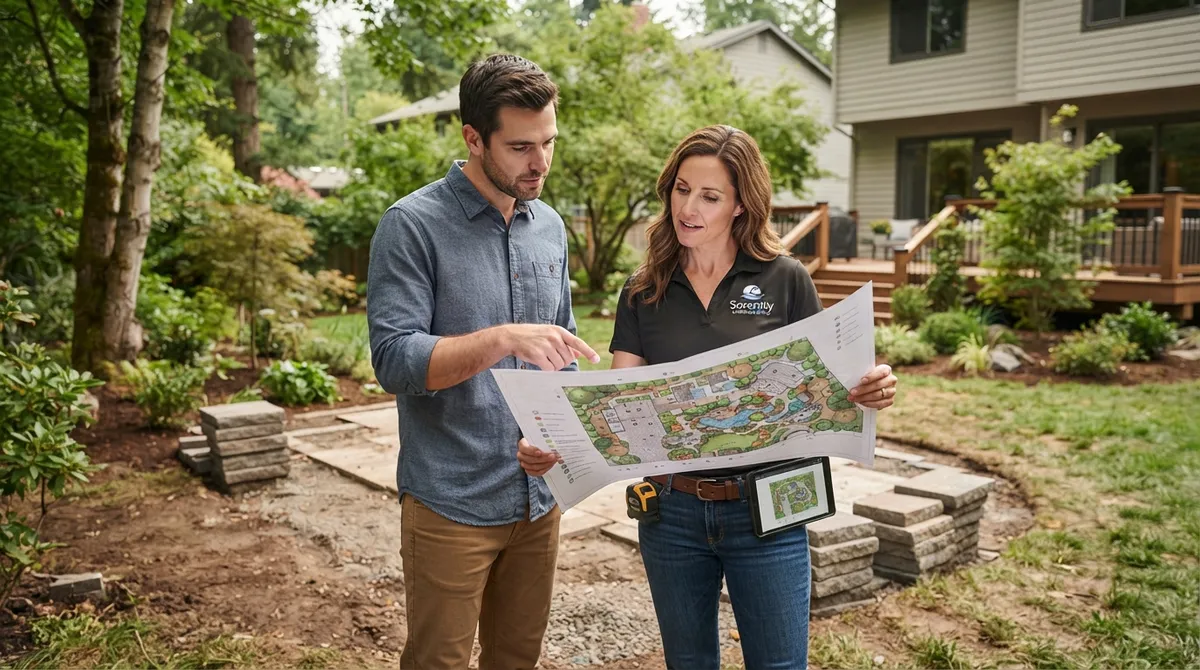
A great backyard starts with a plan, not a shopping trip. According to EPA WaterSense landscaping guidance, a healthy landscape should consider how the space will be used, plus the site’s sun, soil, slope, drainage, and plant water needs.
That means the best landscape ideas for backyard spaces are never one-size-fits-all. What works in a sunny, flat yard may fail in a shady, sloped one. A quick site review saves you from costly do-overs later.
Here is what a solid plan usually covers:
- How you want to use the space (dining, play, gardening, privacy)
- Sun and shade patterns across the day
- Soil type and drainage
- Slopes and grading
- Existing trees and plants worth keeping
- How much upkeep you really want to do
Now, let’s look at the 13 mistakes that trip people up most.
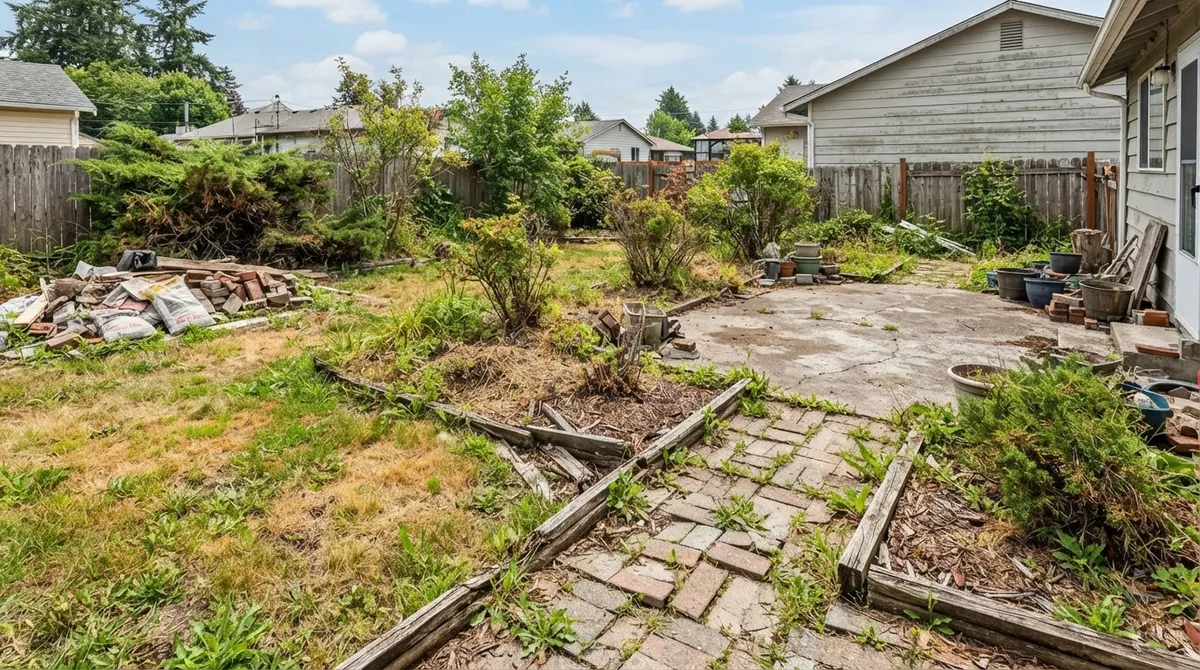
The 13 Backyard Landscape Mistakes to Avoid
1. Skipping the Site Plan
Jumping straight to plants is the number one mistake. Without a plan, you end up with a patchwork yard that never feels finished. Sketch your zones first, then choose materials. A designer can turn your wish list into a layout that fits your lot. Our design and installation process starts with exactly this kind of conversation.
2. Ignoring Drainage
Water is the quiet troublemaker in many yards. If you ignore grading, pooled water can damage patios, kill plants, and wash away soil. Drainage should be part of the design, not an afterthought. Rain gardens can capture runoff from roofs and paved areas, and proper grading keeps water moving away from your home.
If your yard stays soggy, check out our guide on grass alternatives for wet backyards.
3. Choosing Plants That Don’t Match Your Site
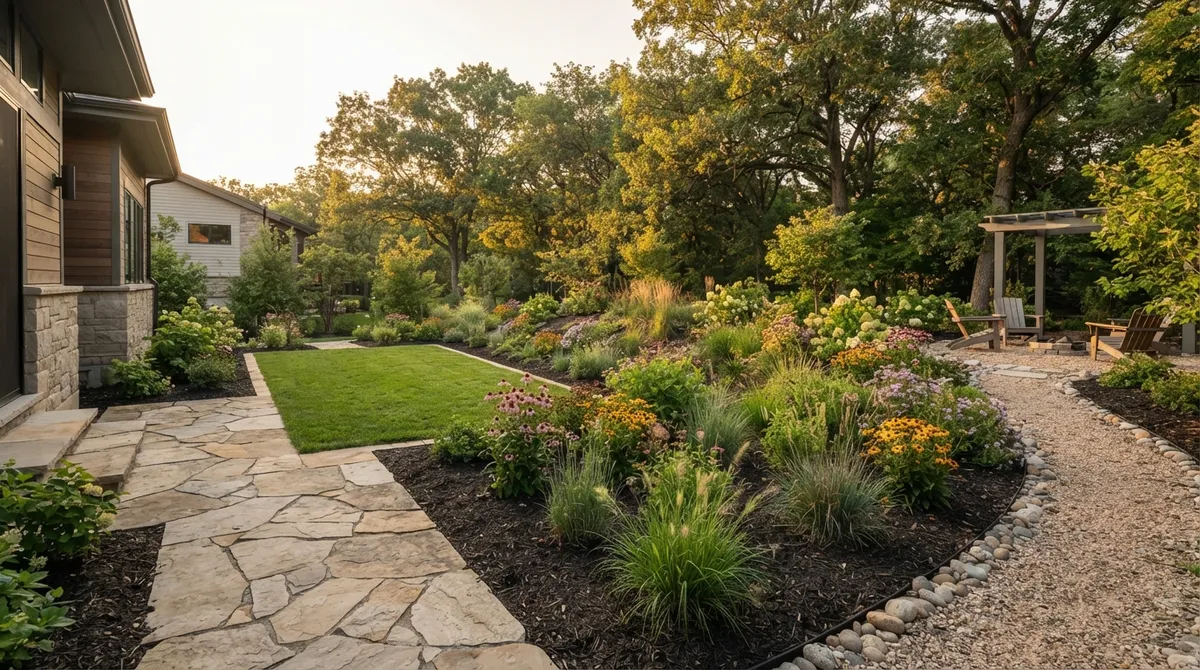
A plant that loves full sun will sulk in shade. Picking plants because they look pretty at the garden center is a classic trap. Choose native or regionally suited plants that fit your light, soil, and water conditions. Once established, many of these plants need little extra watering and fewer treatments than poorly matched species.
4. Forgetting About Water Zones
Mixing thirsty and drought-tolerant plants in the same bed means one group always suffers. EPA guidance suggests grouping plants with similar water needs together, a trick called hydrozoning. It also recommends microirrigation for beds, shrubs, and trees where it makes sense. Your plants stay healthier and your water bill stays friendlier.
5. Making the Lawn Too Big
A giant lawn looks classic, but it is also a lot of mowing, watering, and feeding. EPA guidance recommends limiting turf to places where it serves a real purpose, like play or recreation. Ask yourself: do we actually use this much grass? If not, swap some of it for planting beds, a patio, or low-maintenance options like artificial turf installation in high-traffic or shady zones.
6. Skimping on Mulch (or Piling It Too High)
Bare soil dries out fast and invites weeds. Mulch helps reduce evaporation, suppress weeds, moderate soil temperature, and limit erosion. EPA guidance notes that about three inches is a typical depth over planting beds. But don’t pile it against plant stems, since that can trap moisture and cause rot. Keep a little breathing room around trunks and stems.
7. Overlooking Soil Health
Healthy soil is the foundation of every good yard. EPA WaterSense at Work guidance recommends roughly 4 to 6 inches of good topsoil where feasible, because it helps capture rain and feed roots. Many Chicago-area yards have compacted clay, which can choke roots. Amending soil before planting makes a huge difference down the road.
8. Skipping Privacy Planning
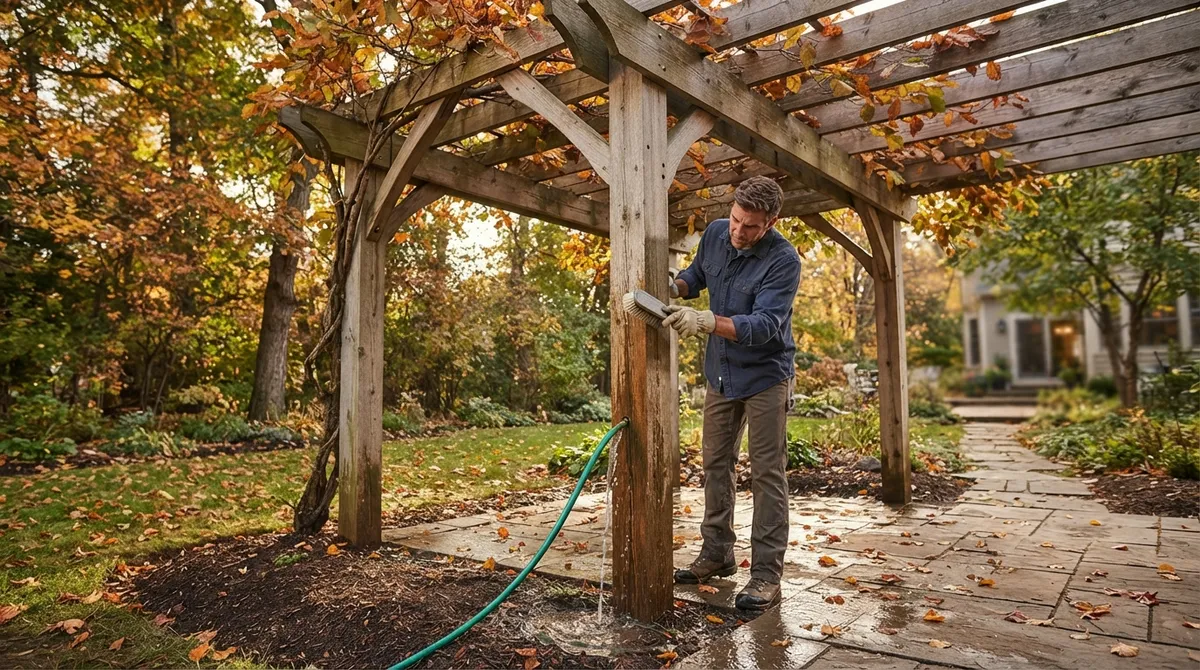
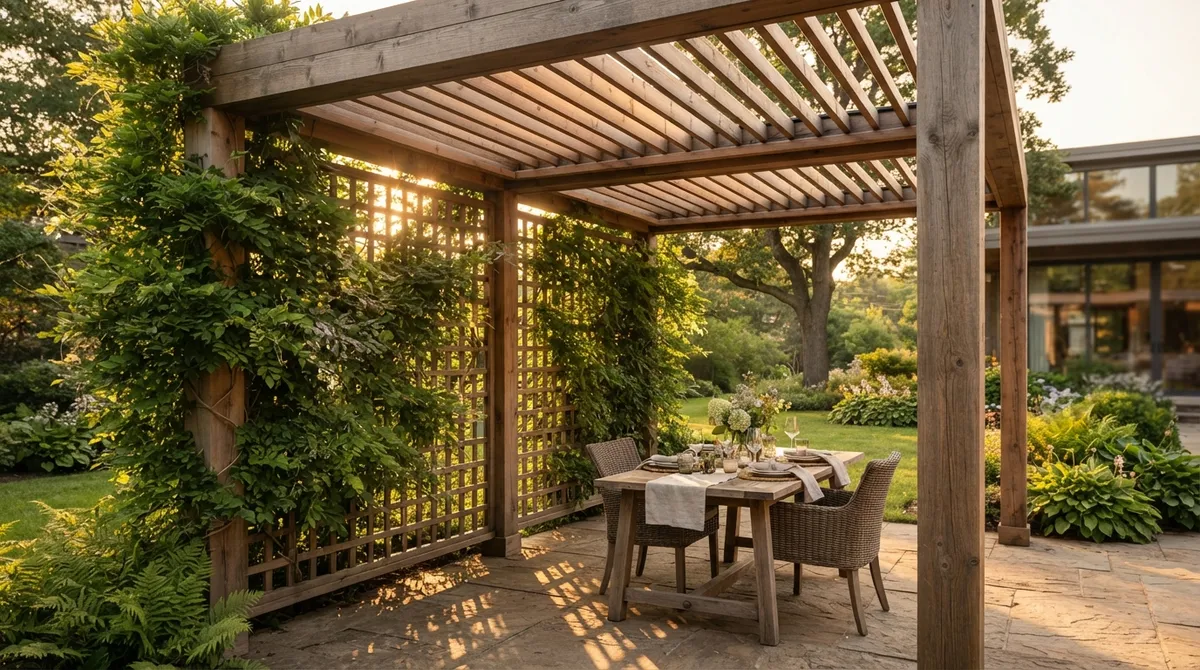
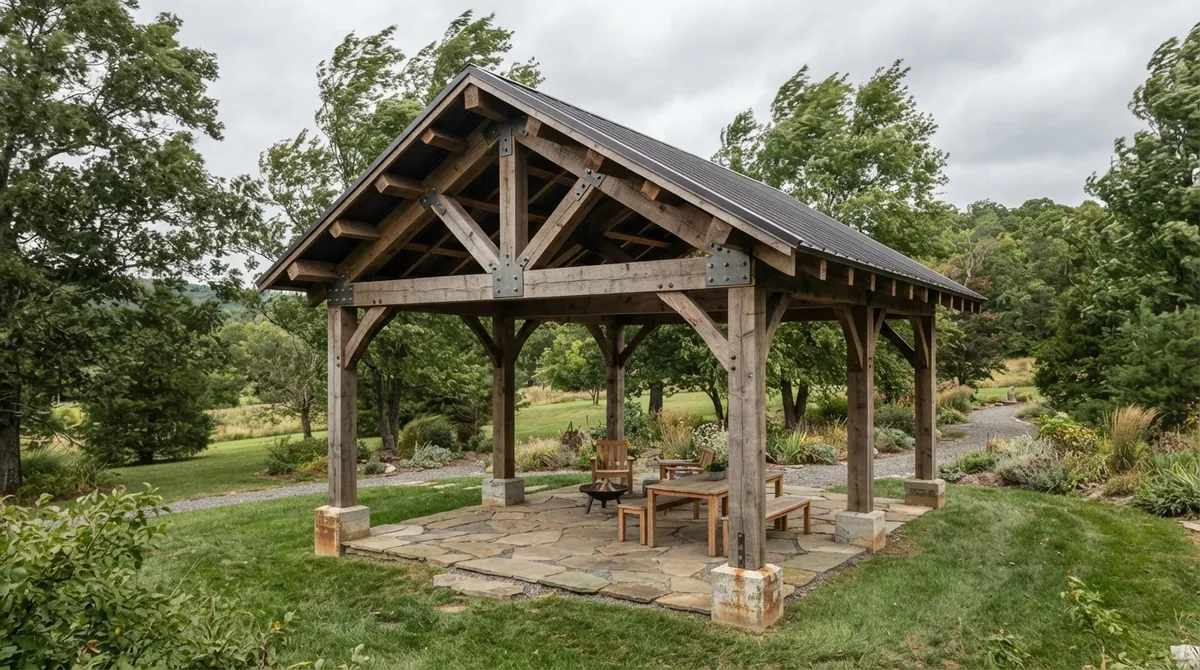
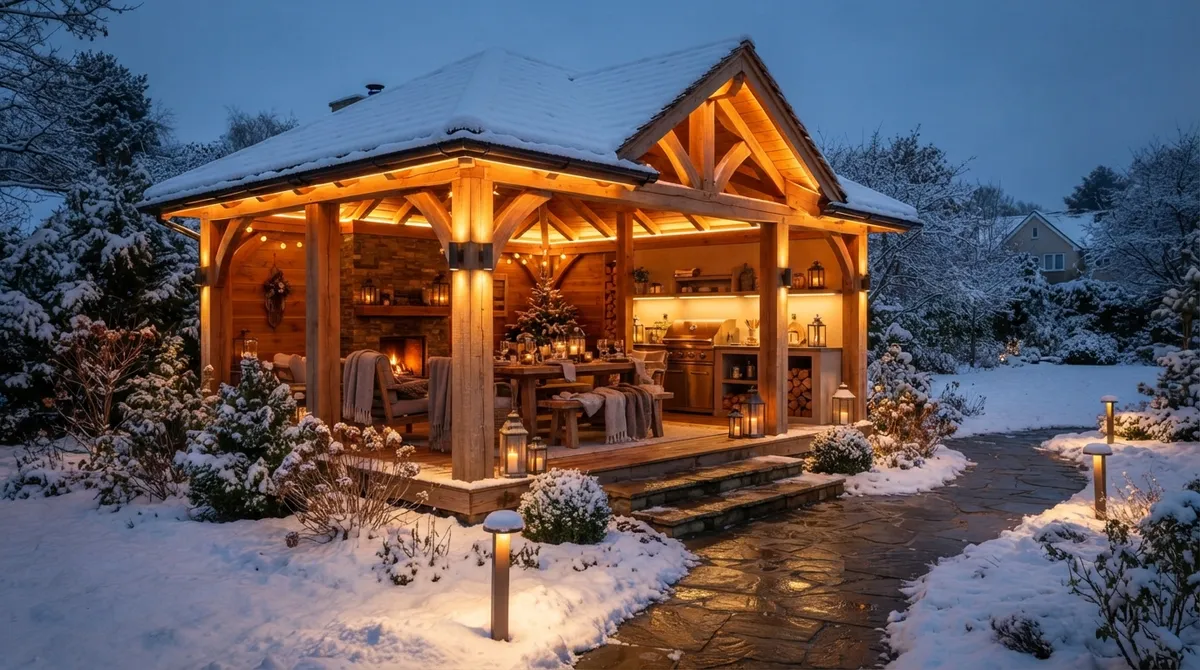
Nothing ruins a relaxing evening like feeling watched. Many homeowners wait until after the patio is built to think about screening. Plan privacy early with layered evergreens, tall grasses, or a structure like a pergola. Our pergolas and pavilions add shade and a sense of enclosure in one go.
9. Underestimating Hardscape Needs
Plants are only half the story. Patios, paths, and walls give your yard structure and make it usable all year. Cheap base prep is a top reason hardscapes shift and crack. Choose quality materials and proper installation. Learn more in our post on hardscaping mistakes to avoid, or explore paver options that stand up to Midwest winters.
10. Ignoring Slopes and Erosion
A sloped yard can feel like a problem, but it can also be a gift. Slopes may need deep-rooted plantings to reduce erosion, and steeper areas often call for structure. A well-built wall can turn a hillside into usable, flat space. Read what a retaining wall is and whether you need one, or see our retaining wall services.
11. Forgetting Lighting
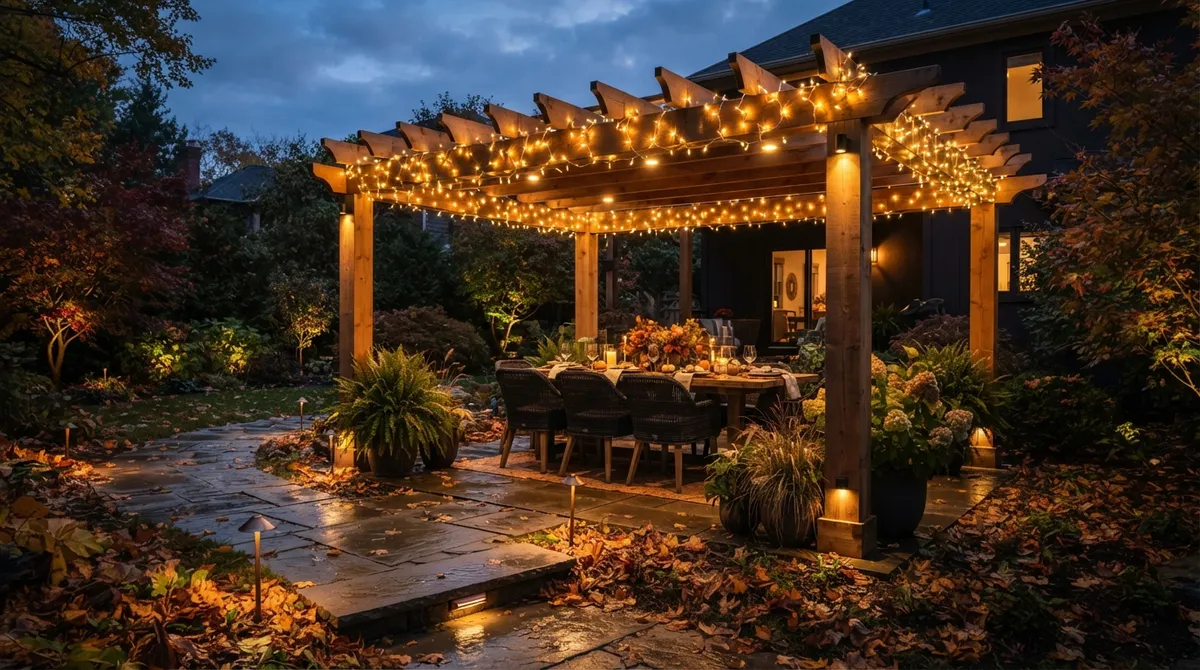
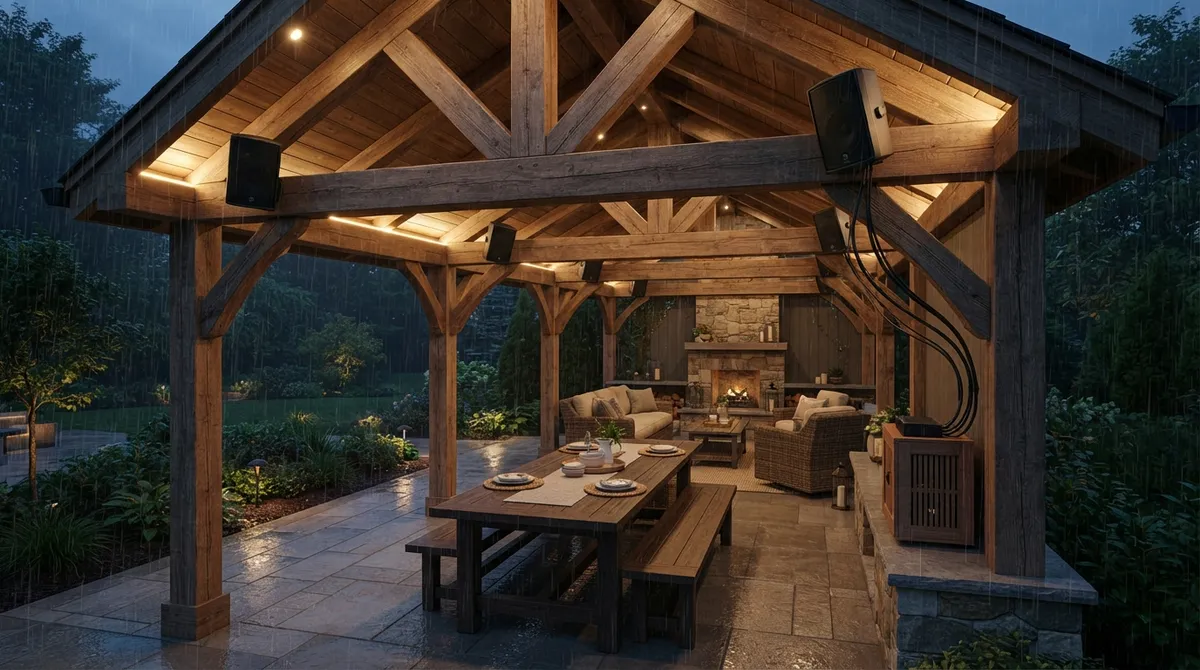
A beautiful yard that goes dark at 5 p.m. in winter is only half used. Lighting adds safety, mood, and extra hours of enjoyment. Plan wiring before you pour patios or plant beds, since it is much easier than retrofitting. Take a look at our lighting and sound options for ideas.
12. Skipping a Gathering Spot
Many yards have plants but no place to actually hang out. A cozy seating zone is often what turns a pretty yard into a favorite room. A fire pit is a great anchor, and you can browse inspiration in 12 fire pits that transform backyards in 2026. Add comfy seating, string lights, and you have a spot everyone will fight over.
13. Not Planning for Maintenance
This one sneaks up on everybody. A high-maintenance design looks lovely in year one and exhausting by year three. Be honest about how much time you want to spend. Pick tough plants, simple bed shapes, and smart irrigation. And if you would rather not do it yourself, a maintenance plan keeps everything looking sharp.
Quick Comparison: Common Mistake vs. Smarter Move
| Common Mistake | Smarter Move | Why It Helps |
|---|---|---|
| Buying plants first | Create a site plan first | Layout fits your lot and lifestyle |
| Ignoring drainage | Grade and add rain gardens | Protects patios and plants |
| Huge lawn everywhere | Keep turf where you use it | Less mowing and watering |
| Random plant mix | Group by water needs | Healthier plants, lower water use |
| Bare soil | Mulch beds about 3 inches deep | Fewer weeds, less evaporation |
| No gathering space | Add a patio or fire pit zone | Yard gets used more often |
Smart Backyard Zones That Actually Work
Strong landscape ideas for backyard projects usually break the space into zones. Zones make a yard feel organized, and they help you spend your budget where it counts. Here are popular options:
- Entertaining zone: a patio, pergola, or fire pit area with seating
- Play zone: a durable lawn or turf space for kids and pets
- Garden zone: raised beds, pollinator plantings, or edible gardens
- Privacy zone: layered shrubs, trees, or screens along property lines
- Quiet zone: a shaded bench or nook for morning coffee
You do not need all five. Pick the two or three that match how your family really lives. If you want to see what finished spaces look like, browse our gallery of our work.
How to Plan Your Backyard in 6 Simple Steps
Ready to avoid the mistakes above? Follow this simple path:
- List your must-haves. Write down how you want to use the space, from dinners to dog runs.
- Study your site. Note sun, shade, slopes, soggy spots, and existing trees.
- Set a realistic budget. Costs vary by location, materials, and scope, so get an on-site estimate.
- Sketch zones and paths. Think about how people will move through the yard.
- Choose materials and plants. Match them to your climate, soil, and upkeep goals.
- Phase the project if needed. Build the bones first, then add plantings and extras over time.
For more on turning a plan into reality, read how to create a landscape design that transforms your space.
Should You Hire a Pro or DIY?
Plenty of folks happily tackle planting beds and mulch on their own, and that is great. But bigger jobs, like grading, drainage, walls, patios, and irrigation, are where experience pays off. A pro can assess your grading, soil, and plant suitability, then coordinate installation and upkeep.
Before you hire anyone, it helps to ask for:
- A site-specific design, not a generic template
- An itemized scope of work
- A plant list with sun and water needs
- A drainage plan
- Clear maintenance expectations
If you are weighing options, our post on choosing between landscaping and hardscaping can help you decide where to start. You can also look for professionals who belong to groups like Landscape Illinois or installers certified through the ICPI Certified Installer program for added peace of mind.
What About Cost?
Everyone wants a number, and we get it. Here is the honest answer: it depends. One 2025 industry roundup citing Angi puts average homeowner spending at about $300 per month for general landscaping services. But that is a broad service figure, not a project quote. A new patio, a retaining wall, and a full replant will each price very differently.
The best way to get a real number is an on-site visit. Your yard’s size, slope, soil, and material choices all change the price. We are happy to walk your property and give you a clear, itemized estimate.
Make Your Backyard Work Year-Round in Chicagoland
Chicago-area yards face real weather swings, from freezing winters to humid summers. That means your plan should include tough plants, durable hardscape, and good drainage. Evergreens add winter color, structural elements like walls and pergolas shine when beds are dormant, and lighting keeps the space inviting during short winter days.
If you are building a new home or refreshing an older property, think about the whole-year picture. A yard that looks good in July but sad in January is not finished yet. Our post on designing softscapes shows how to layer plants for four-season interest.
Ready to Skip the Mistakes?
Great backyards are not built by accident. They come from smart planning, the right plants, solid materials, and a little patience. Avoid these 13 mistakes and you will save money, time, and plenty of frustration.
At Serenity Landscape Group, we have spent over two decades helping Chicagoland homeowners and businesses turn ordinary spaces into places they love. If you are ready to start, get a free estimate or call us at (630) 359-5139. We would love to help you build a backyard you will want to spend every season in.
FAQs
Q: What are the best low-maintenance landscape ideas for a backyard?
A: Great low-maintenance picks include native plants suited to your site, a smaller lawn, mulched planting beds, and a paver patio for relaxing. Grouping plants by water needs and using drip irrigation cuts upkeep even more. Your best mix depends on your sun, soil, and how you use the space.
Q: How do I plan a backyard landscape for my climate and soil?
A: Start by noting your sun and shade, soil type, slopes, and drainage, then decide how you want to use the space. From there, choose plants and materials that fit those conditions. A professional site visit can make this step much easier, especially with tricky Chicago-area clay.
Q: How can I improve backyard drainage and prevent erosion?
A: Good grading is the first step, since it moves water away from your home. Rain gardens, healthy soil, permeable surfaces, and deep-rooted plantings on slopes can also help. For bigger slope problems, a retaining wall may be the best fix.
Q: How much does professional backyard landscaping cost?
A: It varies a lot by location, size, materials, and scope. One industry roundup puts general landscaping service spending at around $300 per month, but that is not a project quote. The most accurate number comes from an on-site assessment and itemized estimate.
Q: Should I hire a landscape designer or a landscaping contractor?
A: A designer is great for planning, while a contractor handles the building. Many full-service landscaping companies do both, which keeps design and installation on the same page. Ask for a site-specific plan, an itemized scope, and a plant list before you commit.