Key Takeaways
-
Smart lighting systems now allow complete outdoor landscape control through a single smartphone app, enabling custom scenes and automated settings.
-
Warm color temperature LEDs (2700K-3000K) create cozy, inviting outdoor environments that enhance landscape aesthetics and psychological comfort.
-
Tunable white LED technology mimics natural sunlight cycles, supporting wellness by adjusting light temperatures throughout the evening.
-
Invisible glow line lighting integrates seamlessly into hardscapes, providing safety and architectural definition without visible fixtures.
-
Layered lighting design combines ambient, task, and accent lighting to create versatile and dynamic outdoor spaces adaptable to different occasions.
-
Strategic tree lighting techniques like moonlighting and uplighting add dramatic visual depth and enhance landscape architectural features.
-
Color-changing LED systems offer flexible, smartphone-controlled lighting that can transform outdoor spaces for holidays, events, and personal moods.
-
Professional path lighting ensures safety and aesthetic appeal by carefully spacing and positioning fixtures to guide movement through landscapes.
Have you ever looked at your beautifully landscaped yard at night and wished you could enjoy it after sunset? You’re not alone! As the sun sets earlier during Chicago’s long winter months, homeowners are discovering that the right outdoor lighting doesn’t just illuminate their property—it transforms it into a magical evening retreat. Whether you’re hosting weekend barbecues, enjoying a quiet evening on your patio, or simply wanting to boost your home’s curb appeal and security, landscape lighting creates an entirely new dimension for your outdoor space.
In 2026, landscape lighting has evolved far beyond simple path lights and porch fixtures. Today’s outdoor lighting systems are smart, sustainable, and incredibly versatile, offering everything from color-changing ambiance to wellness-focused designs that sync with your body’s natural rhythms. With integrated technology and creative installation techniques, you can now control your entire outdoor lighting scheme from your smartphone, creating different moods for relaxation, entertaining, or seasonal celebrations. Let’s explore thirteen innovative lighting ideas that will help you make the most of your Chicago-area landscape, no matter the season.
1. Smart Integrated Lighting Systems
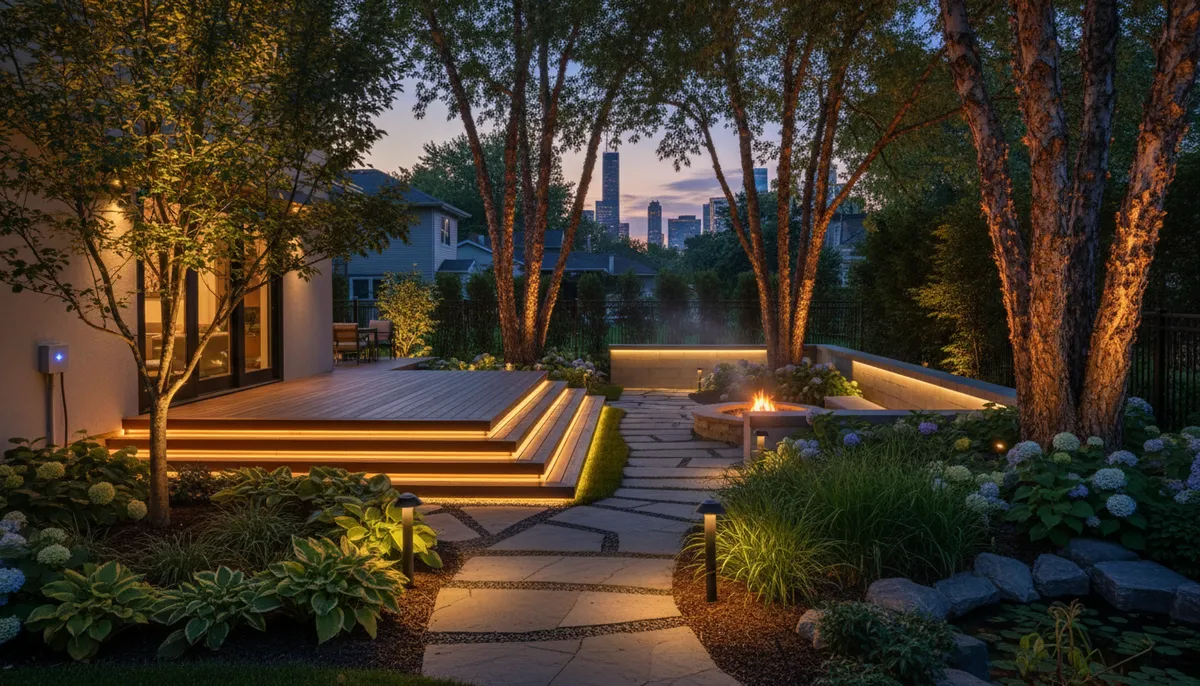
The biggest shift in landscape lighting for 2026 is the move toward fully integrated systems that connect your landscape, hardscape, and outdoor structures into one seamless network. According to industry veteran Bob Gurkin, with 32 years of design experience, this integration represents the most significant trend transforming outdoor spaces today. Instead of managing separate controllers for path lights, patio lights, and accent lighting, you can now control everything through a single AI-driven app on your smartphone.
These smart systems allow you to create custom lighting scenes for different occasions—perhaps a “dinner party” setting that highlights your pergola and dining area, or a “relaxation” mode that provides soft, warm illumination around your fire pit. You can schedule lights to turn on automatically at sunset, adjust brightness levels remotely, and even change colors to match holidays or special events. For Chicago homeowners dealing with varying sunset times throughout the year, this automation means your outdoor space is always perfectly lit without manual adjustments.
When considering a smart lighting upgrade, professional installation ensures proper integration with your existing landscape features and hardscape elements. The investment pays off in convenience, energy savings, and the ability to maximize your outdoor enjoyment year-round.
2. Warm Color Temperature LEDs
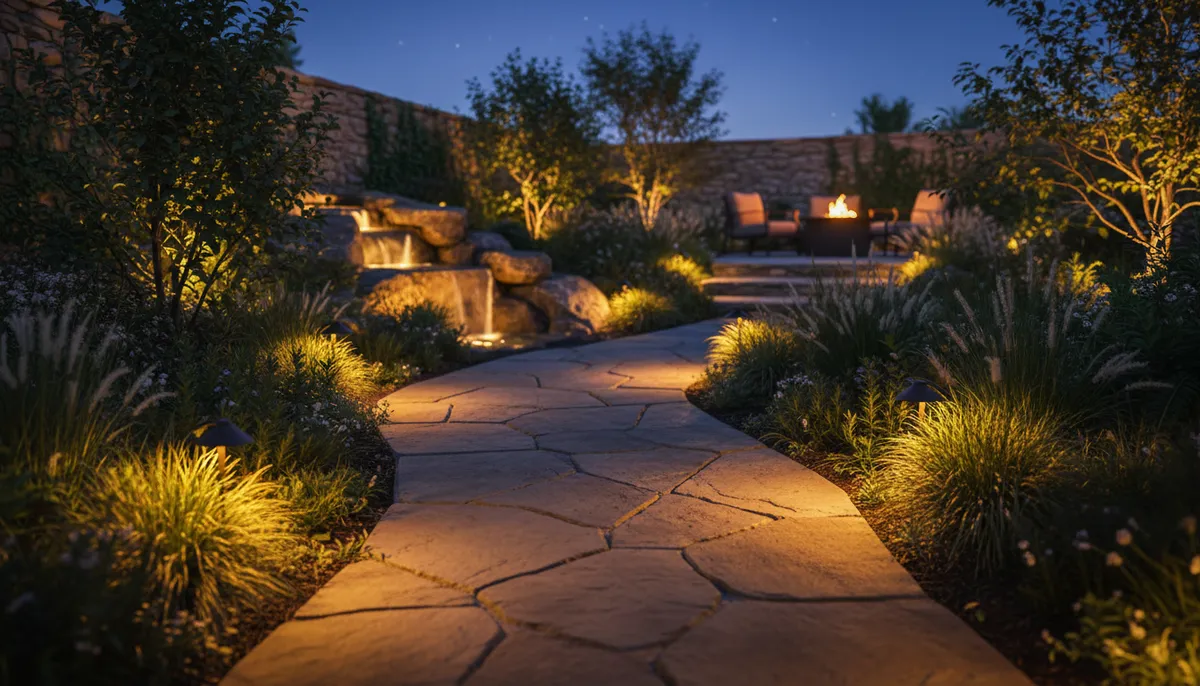
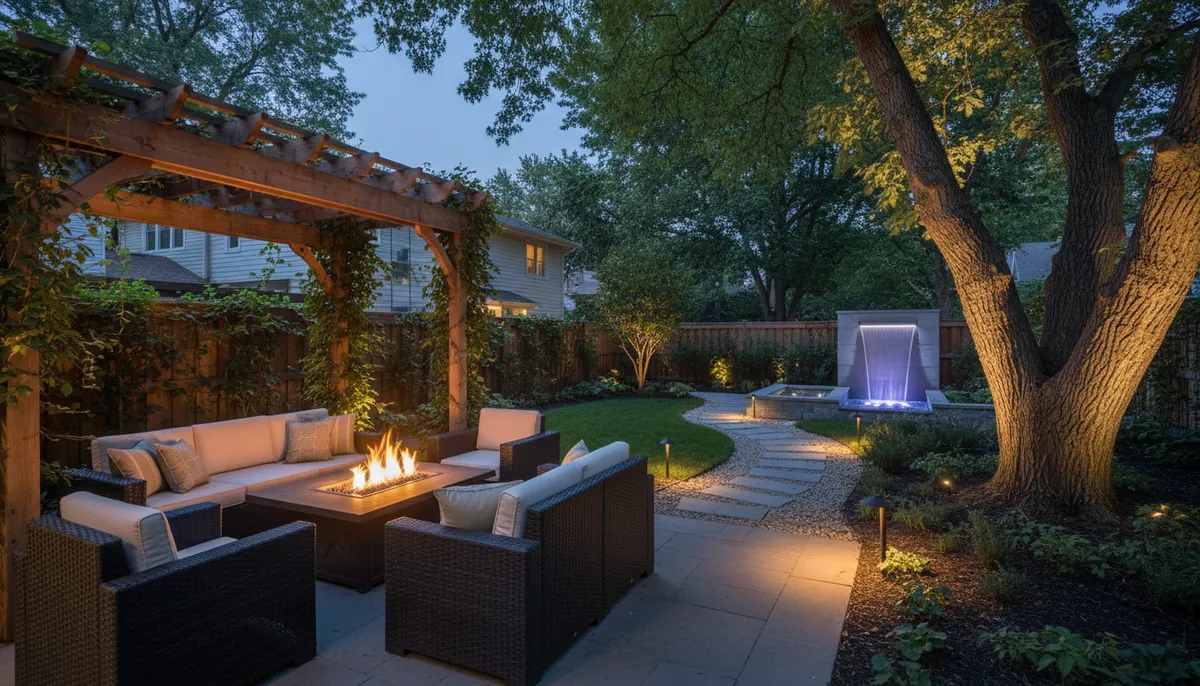
Gone are the days of harsh, cool-white outdoor lighting that makes your landscape feel clinical and unwelcoming. The 2026 trend emphasizes warm color temperatures that create a cozy, inviting atmosphere similar to candlelight or a crackling fire. These warmer tones (typically in the 2700K-3000K range) make evening gatherings feel more intimate and comfortable while reducing the stark contrast that can strain your eyes.
Warm LEDs also complement the natural colors in your landscape better than cool whites, enhancing the rich tones of wood pergolas, stone pavers, and plantings rather than washing them out. For Chicago properties where outdoor entertaining extends from spring through fall, this warmer lighting makes patios and decks feel like natural extensions of your indoor living space. The psychological impact shouldn’t be underestimated either—warm lighting helps signal to your body that it’s time to relax and unwind, making your outdoor space the perfect evening retreat after a long day.
Choosing the Right Warmth Level
Not all warm lighting is created equal. Here’s how to select the perfect temperature for different areas:
- 2700K (Extra Warm): Best for intimate seating areas, fire pit surroundings, and dining spaces where you want maximum coziness
- 3000K (Warm White): Ideal for path lighting, entryways, and general landscape illumination that balances warmth with visibility
- 3500K (Neutral Warm): Works well for task areas like outdoor kitchens or workspaces where you need clarity without harshness
- Variable/Tunable: Advanced systems that adjust color temperature throughout the evening, starting warmer and cooling slightly for late-night activities
3. Tunable White Technology for Wellness
One of the most exciting developments in landscape lighting for 2026 is tunable white LED technology that mimics the sun’s natural light cycle throughout the day. This wellness-focused approach to outdoor lighting has seen a massive rise in popularity as homeowners become more aware of how light affects their circadian rhythms and overall health. These systems automatically adjust color temperature from cooler, energizing light in the early evening to warmer, relaxing tones as night progresses.
The benefit extends beyond just mood—proper light exposure in the evening can actually improve your sleep quality by supporting your body’s natural melatonin production. For Chicago residents who spend precious summer evenings outdoors, tunable white lighting helps you enjoy your yard without disrupting your sleep schedule. The technology works seamlessly with smart home systems, automatically adjusting based on sunset times and your personal preferences.
Consider incorporating tunable white fixtures in areas where you spend extended periods, like covered patios, outdoor living rooms, or poolside lounging areas. The subtle shifts in light quality happen gradually, so you won’t notice the changes—you’ll just feel more naturally relaxed as evening turns to night.
4. Invisible Glow Lines in Hardscapes
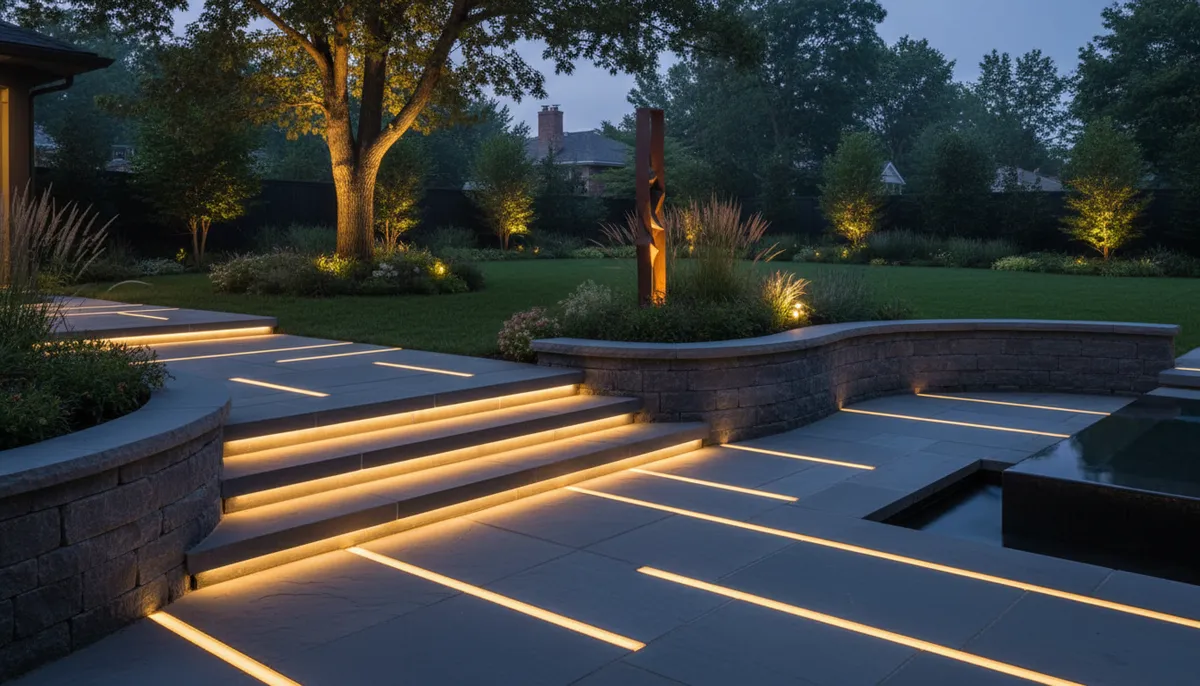
Modern landscape lighting design increasingly focuses on creating illumination without visible fixtures—a concept that’s gaining tremendous traction in 2026. Invisible glow lines use embedded LED strips installed directly into concrete steps, retaining walls, driveways, and paver walkways to create seamless ribbons of light that highlight architectural features without cluttering your landscape with fixtures.
This technique works beautifully with custom paver installations and retaining wall designs, where the lighting becomes an integrated architectural element rather than an afterthought. The result is a clean, contemporary look that provides excellent safety lighting for steps and pathways while maintaining the minimalist aesthetic many homeowners prefer. During the day, the LED strips are virtually invisible, and at night, they create a sophisticated glow that makes navigating your landscape easy and elegant.
Best Applications for Glow Line Lighting
- Stairway Risers: Install LED strips along each step riser to clearly define elevation changes and prevent trips and falls
- Retaining Wall Caps: Place linear lights along the top edge to create floating planes of light that add drama and depth
- Driveway Borders: Define the edges of your driveway with subtle guide lights that improve navigation and curb appeal
- Patio Perimeters: Frame outdoor living spaces with continuous lighting that separates different functional zones
- Pool Coping: Integrate lighting into pool edges for safety and visual appeal without protruding fixtures
5. Layered Lighting Design
Professional landscape lighting designers in 2026 embrace a layered approach that combines multiple types of lighting to create depth, dimension, and versatility in outdoor spaces. This technique borrows from interior design principles, using ambient lighting (general illumination), task lighting (functional areas), and accent lighting (focal points) to build a complete lighting ecosystem that serves multiple purposes.
The layered approach might include ground-level path lights for safe navigation, uplighting on mature trees to create dramatic shadows and height, spotlights on architectural features like pergolas or sculptures, and soft wall-washing on your home’s exterior. By controlling these layers independently through a smart system, you can create different scenes—perhaps turning on all layers for a party, using only ambient and path lighting for a quiet evening, or highlighting just accent features for dramatic nighttime curb appeal.
This flexibility means your lighting investment works harder for you, adapting to different seasons, occasions, and moods throughout the year. For Chicago properties with distinct seasonal changes, layered lighting ensures your outdoor space remains functional and beautiful whether you’re enjoying a summer cookout or admiring a winter snow scene from inside.
6. Moonlighting and Uplighting on Trees
One of the most magical effects in landscape lighting comes from strategically placed lights in and around trees. Moonlighting involves installing fixtures high in tree branches aimed downward, creating dappled light patterns that mimic natural moonlight filtering through leaves. This technique adds romance and natural beauty to your landscape while providing subtle ambient illumination for seating areas beneath the canopy.
Uplighting, by contrast, places fixtures at ground level aimed upward to highlight the tree’s trunk, branching structure, and foliage. This creates dramatic silhouettes and emphasizes the architectural qualities of mature trees, which are often the most valuable features in established Chicago landscapes. The interplay of light and shadow adds texture and movement, especially when leaves rustle in the breeze, creating a dynamic, living light show.
When working with professional softscape design, consider how lighting will enhance your plantings from the design phase. Trees selected and positioned with lighting in mind create more impactful nighttime displays and allow for easier installation of fixtures and wiring.
Tree Lighting Installation Tips
- Choose fixtures with adjustable beams to accommodate tree growth and seasonal foliage changes
- Use warm white LEDs (2700K-3000K) to complement natural leaf colors and bark tones
- Install moonlighting fixtures on sturdy branches using non-invasive mounting hardware that won’t damage the tree
- Consider deciduous trees carefully—they’ll look dramatically different in summer versus winter
- Use multiple fixtures per tree to avoid flat, one-dimensional lighting and create depth
- Position uplights several feet from the trunk to avoid harsh shadows and create a more natural effect
7. Color-Changing LED Systems
While warm white lighting forms the foundation of most landscape designs, color-changing LED technology adds a playful, versatile dimension that’s increasingly popular in 2026. These systems use RGB (red, green, blue) or RGBW (adding white) LEDs that can display millions of color combinations, allowing you to transform your outdoor space for holidays, seasons, special events, or just your mood.
Imagine switching your landscape to orange and purple for Halloween, red and green for Christmas, or your favorite team’s colors for game day—all from your smartphone without installing a single new fixture. The technology integrates seamlessly with smart home systems, so your outdoor lighting can coordinate with indoor colors for a cohesive whole-home experience. Many systems now include pre-programmed scenes and dynamic effects like color fading, transitions, and even music synchronization for entertaining.
The key to tasteful color-changing lighting is restraint. Use these features as accent elements rather than lighting your entire property in bright colors. Subtle color washes on fire pit areas, water features, or architectural walls create ambiance without overwhelming your landscape design.
8. Path and Walkway Lighting
Safety meets style with thoughtfully designed path lighting that guides visitors through your landscape while enhancing your property’s nighttime aesthetic. In 2026, path lighting has evolved beyond basic functionality to become an integral design element that defines circulation patterns, creates visual rhythm, and contributes to your landscape’s overall ambiance.
Modern path lights come in countless styles, from traditional post lights to contemporary bollards, flush-mounted fixtures, and the invisible glow lines mentioned earlier. The key is selecting fixtures that complement your home’s architecture and landscape style while providing adequate illumination for safe navigation. For Chicago properties where snow, ice, and fallen leaves can obscure pathways, good lighting becomes especially important for year-round safety.
Spacing and placement matter tremendously. Lights positioned every six to eight feet along paths create even illumination without gaps, while staggering lights on alternating sides of wider walkways adds visual interest. Consider placing fixtures slightly off the path edge rather than directly beside it—this creates softer, more natural lighting and protects fixtures from snow removal equipment and foot traffic.
Path Lighting Placement Guidelines
- Primary Walkways: Place fixtures 6-8 feet apart on both sides for clear, even illumination of high-traffic areas
- Secondary Paths: Use alternating placement every 8-10 feet for sufficient light while maintaining a more natural feel
- Steps and Slopes: Install fixtures at every elevation change and at the top and bottom of slopes for safety
- Curves and Corners: Add extra fixtures at path bends to clearly define direction changes
- Width Consideration: Wider paths (4+ feet) benefit from bilateral lighting; narrow paths work well with single-side placement
9. Dramatic Feature Lighting
Every landscape has standout features that deserve special attention after dark—whether that’s a stunning water feature, elegant sculpture, impressive architectural element, or beautifully designed fire pit. Feature lighting uses focused beams to create dramatic focal points that draw the eye and add personality to your nighttime landscape.
The technique works particularly well with water features, where lighting can illuminate moving water from above, below, or within to create mesmerizing effects. Underwater lights in fountains or ponds create magical reflections and highlight the water’s movement, while spotlights aimed at waterfalls emphasize the cascade’s texture and power. For pergolas and pavilions, strategic uplighting on columns or downlighting from the structure creates an inviting outdoor room that beckons you outside.
When lighting features, consider both the object itself and the shadows it creates. Sometimes the most dramatic effect comes not from illuminating the feature directly, but from backlighting it to create a striking silhouette against a wall or backdrop. Experiment with different angles and intensities to find the most compelling presentation for each element.
10. Low-Voltage and Solar-Powered Options
Sustainability remains a major priority for landscape lighting in 2026, with low-voltage LED systems and advanced solar-powered options leading the way. Low-voltage systems (typically 12V) use transformer units to step down household current, making them significantly safer to install and maintain than traditional 120V line voltage systems. They’re also more energy-efficient, reducing operating costs while providing excellent illumination.
Solar-powered landscape lights have improved dramatically in recent years, with better batteries, more efficient panels, and brighter, longer-lasting LEDs. While they may not match the intensity and reliability of hardwired systems for primary lighting needs, solar fixtures work beautifully for supplemental accent lighting, marking garden beds, or illuminating areas where running electrical lines would be impractical or expensive.
The combination of low-voltage LEDs and smart controls creates remarkably sustainable landscape lighting systems that use a fraction of the energy traditional systems required while offering far more features and flexibility. For environmentally conscious Chicago homeowners, these systems reduce both carbon footprint and utility bills while maintaining beautiful outdoor spaces.
Comparing Low-Voltage and Solar Options
| Feature | Low-Voltage LED | Solar-Powered |
|---|---|---|
| Installation Complexity | Moderate (requires transformer and wiring) | Easy (no wiring needed) |
| Brightness/Output | High and consistent | Moderate (weather dependent) |
| Operating Cost | Very low | Zero |
| Reliability | Excellent year-round | Reduced in winter/cloudy periods |
| Smart Integration | Full compatibility | Limited options |
| Best Applications | Primary lighting, paths, features | Accent lighting, garden borders |
11. Architectural Wall Washing
Wall washing uses strategically placed fixtures to bathe vertical surfaces in smooth, even light that enhances texture and creates a sophisticated backdrop for your outdoor living spaces. This technique works beautifully on your home’s exterior walls, retaining walls, privacy fences, and other vertical elements that benefit from subtle illumination.
The goal is to create uniform light distribution without visible hot spots or dark areas, which requires careful fixture selection and placement. Ground-mounted fixtures positioned several feet from the wall and aimed upward at specific angles create the most even coverage. The technique not only adds ambiance but also makes your property appear larger by pushing visual boundaries outward and reducing the stark contrast between illuminated and dark areas.
Wall washing proves particularly effective on textured surfaces like stone, brick, or stucco, where the grazing light emphasizes the material’s depth and character. For Chicago homes with beautiful brickwork or distinctive architectural details, this lighting approach brings those features to life after sunset, significantly boosting curb appeal and making your home stand out in the neighborhood.
12. Seasonal and Holiday Flexibility
One of the smartest investments you can make in landscape lighting is designing systems with seasonal flexibility built in from the start. Chicago’s dramatic seasonal changes mean your outdoor space serves different purposes throughout the year—entertaining in summer, leaf-watching in fall, holiday displays in winter, and early spring evenings as weather warms. Your lighting should adapt to these changing needs without requiring constant adjustments or installations.
Smart lighting systems with color-changing capabilities and programmable scenes make seasonal transitions effortless. Create and save custom settings for different times of year—perhaps brighter, more extensive lighting for summer entertaining, focused accent lighting for fall and winter when you’ll view your landscape primarily from inside, and festive holiday colors that transform your property for celebrations. Many systems now include seasonal programming that automatically adjusts timing based on sunset changes throughout the year.
Consider adding dedicated circuits or outlets in strategic locations during initial installation, making it easy to add temporary seasonal elements like illuminated holiday decorations, extra party lighting, or special event features without running extension cords or making permanent changes to your core lighting design.
13. Professional Design and Installation
While DIY landscape lighting kits tempt many homeowners, professional design and installation offer tremendous advantages that become apparent the first time you see your property illuminated by expertly placed, properly installed fixtures. Professional landscape lighting designers understand the technical aspects of electrical systems, transformer sizing, wire gauge selection, and fixture placement, but more importantly, they bring artistic vision that transforms your outdoor space into something truly special.
A professional assessment considers your landscape’s unique characteristics—existing trees and plantings, architectural features, circulation patterns, and how you actually use your outdoor spaces. Designers can identify opportunities you might miss, like the perfect spot to uplight a specimen tree, the ideal angle to illuminate a water feature, or the placement that makes your paver patio feel like an elegant outdoor room. They also ensure all electrical work meets code requirements and uses weather-resistant, durable components that will perform reliably through Chicago’s challenging climate.
Professional installation includes proper burial depth for wiring, secure fixture mounting, weatherproof connections, and appropriate transformer sizing that prevents overloading and ensures consistent performance. Many professionals also offer maintenance services that keep your system performing optimally year after year, replacing bulbs, adjusting timers seasonally, and making adjustments as your landscape matures and changes.
Questions to Ask Lighting Professionals
- How many years of landscape lighting experience do you have specifically?
- Can you provide examples of similar projects in the Chicago area?
- What fixture brands do you recommend and why?
- Do you offer design consultations or just installation services?
- What warranties cover the fixtures, transformer, and installation work?
- Will you provide a photometric plan showing expected light levels?
- How do you handle maintenance and seasonal adjustments?
- Can the system integrate with my existing smart home setup?
Making Your Landscape Lighting Decision
Choosing the right landscape lighting approach for your Chicago property involves balancing aesthetic goals, functional needs, budget considerations, and long-term maintenance expectations. The thirteen ideas we’ve explored represent the most effective and popular approaches in 2026, but the best solution for your property depends on your unique circumstances, landscape features, and how you use your outdoor spaces.
Start by identifying your primary goals—are you focused on safety and security, creating ambiance for entertaining, highlighting specific features, or some combination of all three? Consider which areas of your landscape you use most and which features you want to showcase. Think about your tolerance for technology and whether smart, programmable systems appeal to you or feel overwhelming. And honestly assess whether you have the time, skills, and interest to maintain a DIY system or whether professional installation and maintenance better suit your lifestyle.
Remember that landscape lighting is an investment that pays dividends beyond just aesthetics. Properly lit outdoor spaces extend your usable living area well into the evening, increase your property value, improve security by eliminating dark hiding spots, and reduce accident risks from trips and falls. The right system also grows with your landscape, with fixtures that can be repositioned and programming that can be adjusted as your needs change over time. For more information about how professional landscape services can transform your outdoor space, explore the complete design and installation process.
Transform Your Chicago Landscape With Professional Lighting
Your outdoor space has incredible potential to become a beautiful, functional extension of your home that you can enjoy year-round, even after sunset. Whether you’re drawn to the wellness benefits of tunable white technology, the drama of uplighted trees, the convenience of smart integrated systems, or the timeless elegance of layered lighting design, the right landscape lighting transforms how you experience your property.
At Serenity Landscape Group, we’ve been helping Chicago-area homeowners create stunning outdoor spaces for over two decades. Our comprehensive approach considers your entire landscape—from softscapes and hardscapes to architectural features and how you actually live in your outdoor spaces. We design lighting systems that enhance your investment in beautiful landscaping, making every feature shine while providing the safety, security, and ambiance that make your property truly special. If you’re ready to experience your landscape in a whole new light and see what’s possible when professional design meets innovative technology, request your free estimate today and let us show you how the right lighting can make your outdoor space a place you’ll love spending time, season after season.
FAQs
Q: What’s the best type of landscape lighting for Chicago’s climate?
A: Low-voltage LED systems work best for Chicago properties because they’re energy-efficient, weather-resistant, and perform reliably through temperature extremes, snow, and ice. Look for fixtures with durable, corrosion-resistant materials and sealed connections that prevent moisture damage during freeze-thaw cycles.
Q: How much does professional landscape lighting installation cost?
A: Professional landscape lighting typically ranges from $2,000 to $10,000+ depending on property size, number of fixtures, and system complexity. While this represents a significant investment, professional installation ensures proper electrical work, optimal fixture placement, and reliable performance that DIY systems often can’t match, making it worthwhile for most homeowners.
Q: Can I control landscape lighting with my smartphone?
A: Yes! Modern smart landscape lighting systems integrate with smartphone apps and popular smart home platforms like Amazon Alexa and Google Home, letting you control lights remotely, create custom scenes, adjust brightness and colors, and set automated schedules. This convenience is one of the biggest lighting trends for 2026.
Q: How do I choose between warm and cool LED color temperatures?
A: For landscape lighting, warm color temperatures (2700K-3000K) are almost always the better choice because they create inviting, comfortable outdoor spaces and complement natural materials like wood, stone, and plantings. Cool white LEDs can feel harsh and clinical outdoors, though they work for specific task lighting in areas like outdoor kitchens.
Q: Do landscape lights increase home value?
A: Absolutely! Professional landscape lighting typically offers a strong return on investment by boosting curb appeal, extending usable outdoor living space, improving security, and making your property stand out in the neighborhood. Many real estate professionals note that well-lit landscapes help homes sell faster and for higher prices than similar properties without outdoor lighting.