Key Takeaways
-
Poor drainage and grading is a critical oversight that can damage foundations and cause pavers to shift; prioritize proper water management through grading, permeable pavers, and strategic slope design before installation.
-
Skipping the planning stage is the biggest mistake—hardscaping is permanent, so define goals, assess drainage patterns, check permits, and create a design plan with a professional before any work begins.
-
Chicago’s freeze-thaw cycles require climate-appropriate materials; clay brick pavers and natural stone are superior choices to poured concrete, which is prone to cracking in cold climates.
-
Inadequate base preparation ruins expensive investments within years; ensure contractors outline detailed compaction of gravel and sand foundations that provide proper drainage and stability.
-
Hiring unqualified contractors leads to cracked patios and uneven surfaces; verify licensing, insurance, industry certifications, and request a portfolio of past work before hiring.
-
Plan lighting and utility needs during hardscaping design, not after; installing conduit beneath pavers before installation saves significant time and money compared to retrofitting later.
You’ve finally decided to upgrade your outdoor space. Maybe you want a beautiful patio, a winding walkway, or a sturdy retaining wall. So you search for hardscaping near me and start dreaming about the possibilities. But here’s the thing — many homeowners and property managers jump into hardscaping projects without knowing what can go wrong. And when things go wrong with hardscaping, they can be expensive to fix.
Hardscaping includes all the non-living, durable elements of your landscape — think pavers, stone walkways, retaining walls, driveways, patios, outdoor kitchens, and pergolas. These features add function, beauty, and long-term value to any property. But getting them right requires skill, planning, and the right materials. Whether you’re a suburban homeowner, a commercial property manager, or a new home builder in the greater Chicago area, this guide will help you dodge the most common hardscaping pitfalls.
Mistake #1: Skipping the Planning Stage
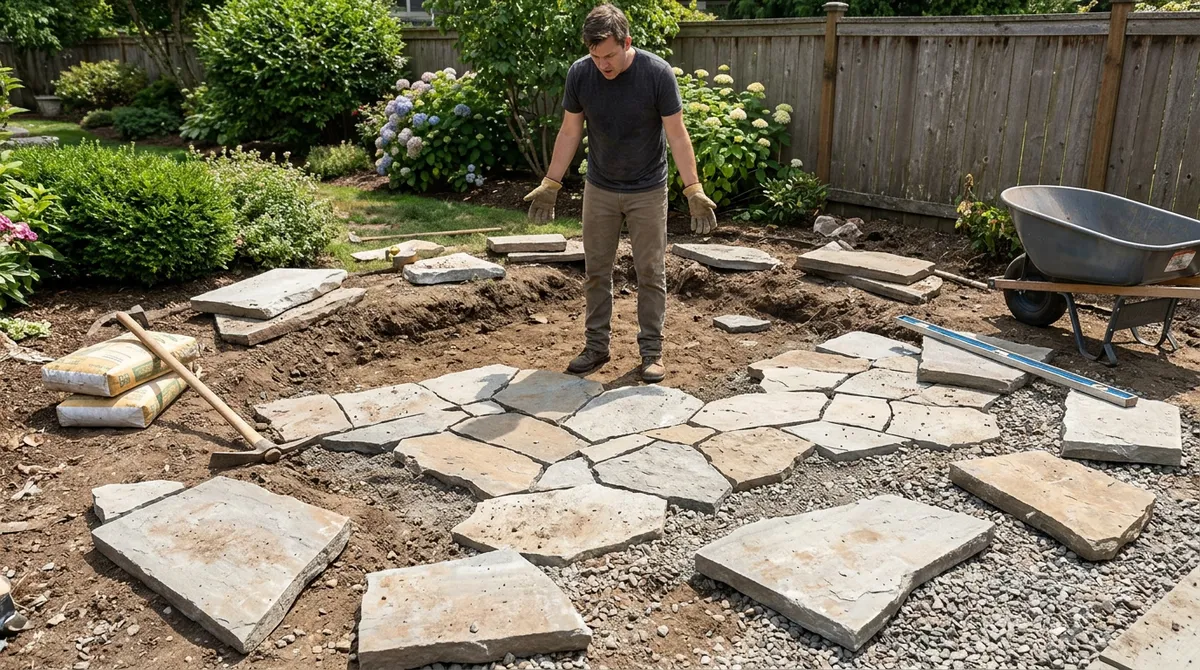
This is the biggest mistake people make. They get excited, pick some materials, and start building — without a real plan. Hardscaping is permanent. Once those pavers are laid or that retaining wall is built, changing your mind is costly and time-consuming.
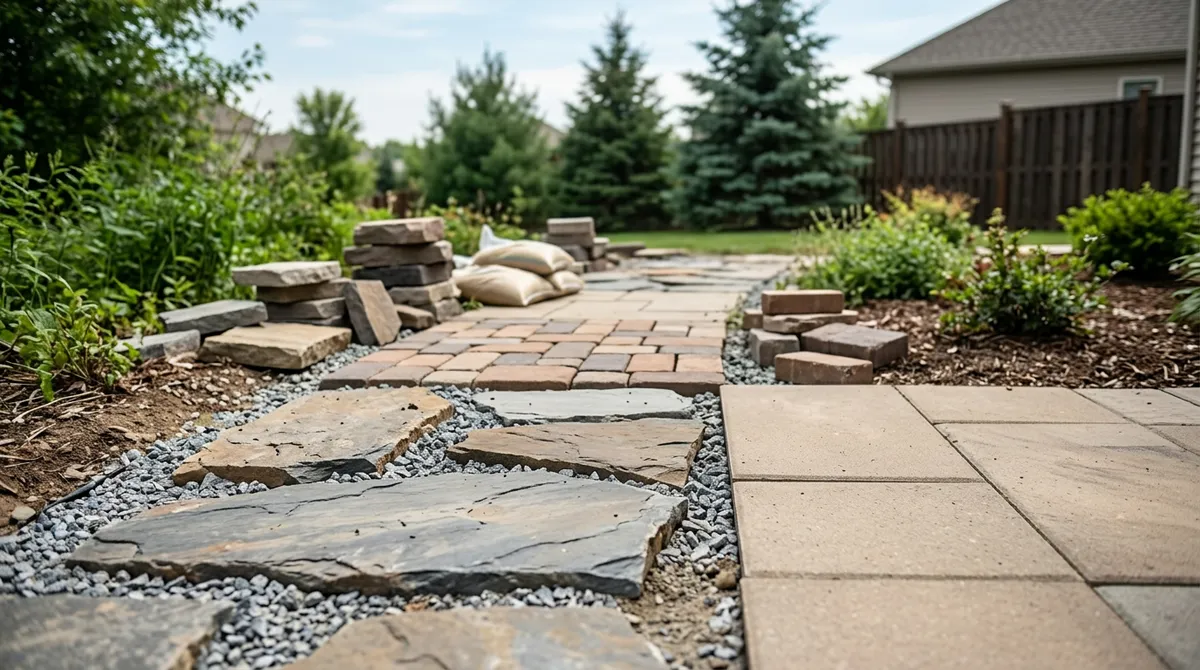
Good planning means thinking about how you’ll use the space. Will you host large gatherings? Do you need a clear path to your garage? Is drainage a concern? You also need to consider how the hardscape will connect with your softscapes — the plants, grass, and trees that surround it. A cohesive outdoor design brings everything together beautifully.
Here are the key planning steps to follow before starting any project:
- Define your goals — entertainment, curb appeal, drainage, accessibility
- Set a realistic budget that includes materials, labor, and contingencies
- Assess your property’s drainage patterns and soil conditions
- Create or review a design plan with a professional
- Check local permits and HOA requirements in your Chicago suburb
Mistake #2: Choosing the Wrong Materials
Not all hardscaping materials work well in every climate. Chicago winters are brutal. Freeze-thaw cycles can crack concrete, shift pavers, and damage poorly installed surfaces. Choosing the right material for your region is critical.
Here’s a quick comparison of common hardscaping materials and how they hold up in Chicago’s climate:
| Material | Durability in Cold Climates | Maintenance Level | Best Use |
|---|---|---|---|
| Concrete Pavers | High (if properly installed) | Low | Patios, driveways, walkways |
| Natural Stone | Very High | Low to Medium | Walls, pathways, patios |
| Clay Brick | High | Low | Walkways, borders, patios |
| Poured Concrete | Medium (prone to cracking) | Medium | Driveways, basic slabs |
| Pressure-Treated Wood | Medium | High | Decks, pergolas |
If you’re unsure which material fits your project, resources like ICPI Certified Installers can help you find professionals trained in best practices for paver and hardscape installation. For Chicago-specific projects, clay brick pavers are often an excellent choice for their durability and classic look.
Mistake #3: Ignoring Drainage and Grading
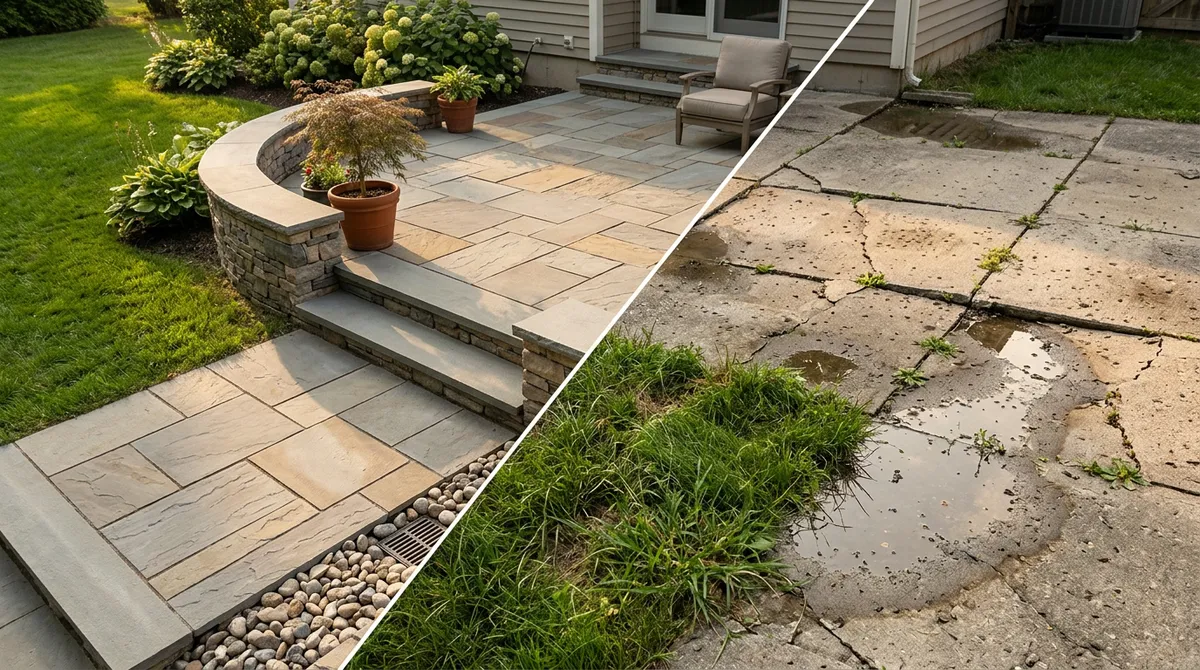
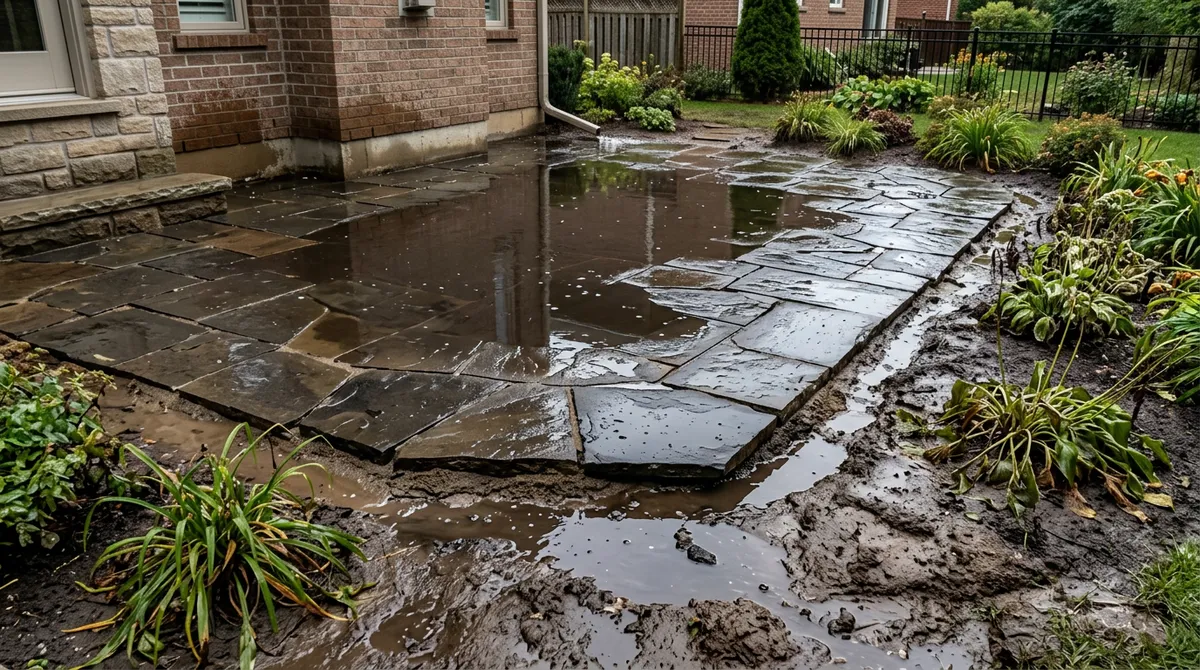
Poor drainage is one of the most overlooked hardscaping problems. If water pools on your patio or floods toward your home’s foundation, you’ve got a serious issue. And here’s the tricky part — adding hardscape surfaces can actually make drainage worse if not handled correctly.
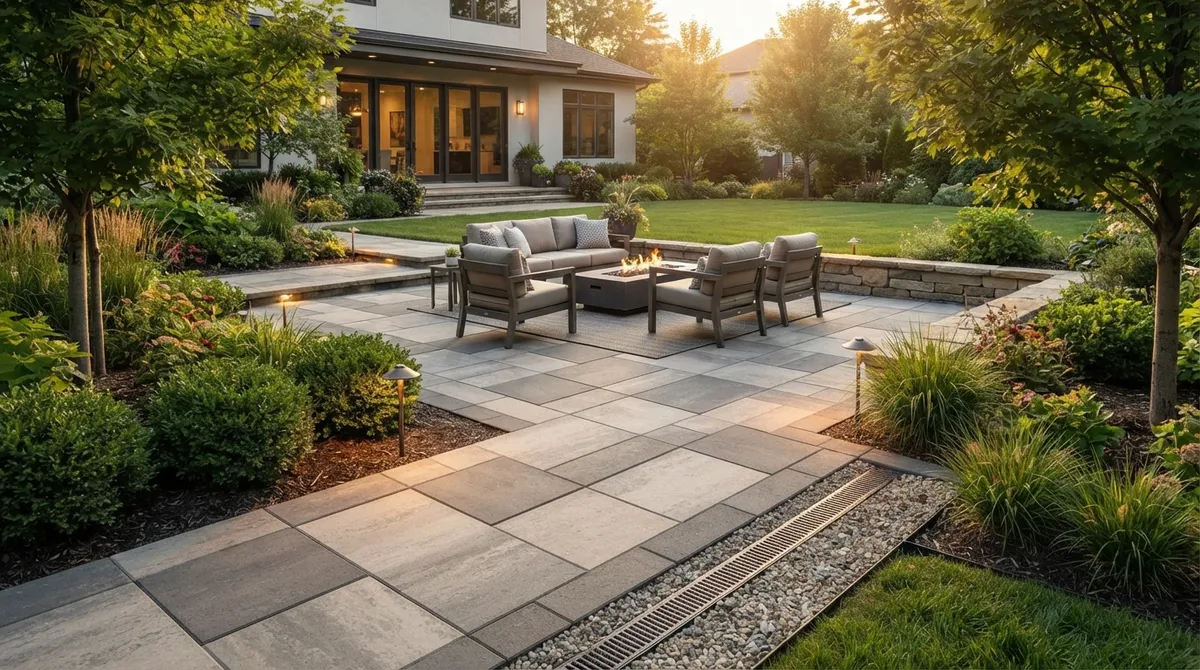
Proper grading ensures water flows away from structures. Permeable pavers, gravel beds, and strategic slope design all help manage runoff. Retaining walls also play a huge role in managing water flow on sloped properties.
Signs that drainage hasn’t been properly addressed include:
- Water pooling after rain on patios or walkways
- Erosion around the edges of hardscape features
- Moisture seeping toward your home’s foundation
- Shifting or sinking pavers over time
- Muddy areas adjacent to hardscaped zones
Mistake #4: Hiring an Unqualified Contractor
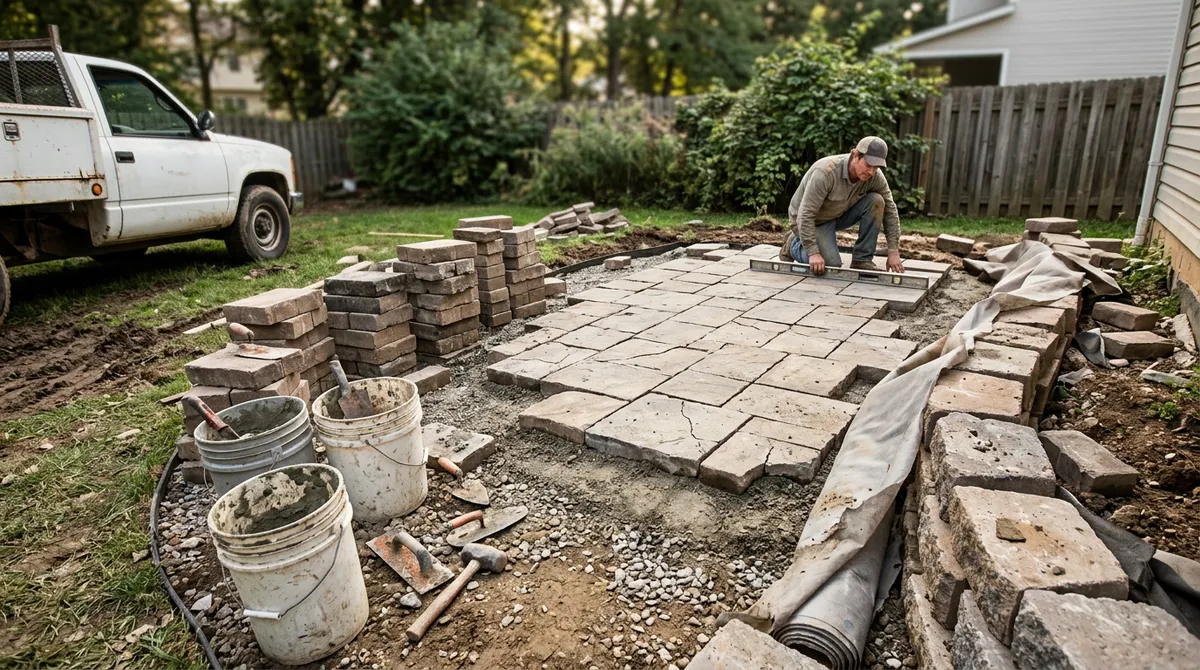
When you search for hardscaping near me, you’ll find a long list of contractors. Not all of them are equally skilled. Hardscaping is more like construction than gardening — it requires knowledge of load-bearing structures, proper base preparation, and material installation techniques.
Hiring someone without the right experience can lead to cracked patios, leaning walls, or uneven walkways within just a few years. That’s money wasted and frustration gained. Always verify credentials, check reviews, and ask to see a portfolio of past work.
Here’s what to look for when vetting a hardscaping contractor:
- Verify they are licensed and insured in Illinois
- Ask for references from recent hardscaping projects
- Look for certifications from industry organizations
- Review their project portfolio or gallery of completed work
- Get a detailed written estimate and timeline
- Confirm they handle permits and inspections
Organizations like Landscape Illinois can be a helpful starting point for finding vetted landscape professionals in the state.
Mistake #5: Overlooking the Base Preparation
What’s underneath your hardscape matters just as much as what’s on top. A beautiful paver patio installed over a poorly compacted base will shift, sink, and crack within a few seasons — especially in Chicago where the ground freezes and thaws repeatedly.
A proper base typically includes several inches of compacted gravel and sand, depending on the project. This foundation allows for drainage and stability. Cutting corners here is one of the fastest ways to ruin an expensive investment.
When reviewing a contractor’s proposal, make sure the base preparation process is clearly outlined. Want to understand the full installation process? You can learn more about Serenity Landscape Group’s detailed project process to see how professionals handle this from start to finish.
Mistake #6: Forgetting About Lighting and Functionality
A gorgeous patio or walkway loses its appeal after dark if there’s no lighting. Outdoor lighting isn’t just about beauty — it’s about safety and usability too. Walkways without lights become tripping hazards. Patios without ambient lighting feel uninviting at night.
Planning for outdoor lighting and sound during the hardscaping phase is much easier than adding it later. Conduit for wiring can be installed beneath pavers before they’re set, saving time and money down the road.
Functional elements to consider during your hardscaping design include:
- Path lighting along walkways and steps
- Accent lighting for retaining walls and garden beds
- Ambient string lights or fixtures for patio areas
- Outlet placement for outdoor appliances or entertainment
- Speaker wiring integrated beneath hardscape surfaces
Mistake #7: Treating Hardscaping as a One-Size-Fits-All Solution
Every property is different. A patio design that works beautifully in a spacious suburban backyard won’t translate well to a compact urban rooftop. Similarly, a commercial parking lot entrance needs different materials and grading than a residential front walkway.
This is why custom design matters so much. A good hardscaping professional will assess your specific site conditions, understand your goals, and recommend solutions tailored to your needs. Features like fire pits, pergolas and pavilions, and custom paver designs can all be scaled and styled to fit any property type or size.
Here’s how hardscaping needs vary by property type:
| Property Type | Top Hardscaping Priorities | Key Considerations |
|---|---|---|
| Suburban Residential | Patios, walkways, fire pits | HOA compliance, aesthetic appeal |
| Urban Condo/Rooftop | Space-efficient pavers, container-friendly designs | Weight limits, drainage, regulations |
| Commercial Property | Driveways, entrance paths, seating areas | High-traffic durability, ADA accessibility |
| New Construction | Full outdoor design integration | Timeline coordination, buyer appeal |
| Small Business / Retail | Pedestrian paths, curb appeal features | Brand alignment, seasonal flexibility |
How to Get Hardscaping Right the First Time
The good news? All of these mistakes are completely avoidable. The key is working with an experienced, trustworthy professional who understands both design and construction. A skilled hardscaping team will guide you through material selection, drainage planning, base preparation, and design — so you get a result that lasts and looks incredible.
Here’s a quick checklist to set your project up for success:
- Start with a clear vision and written goals for the space
- Work with a licensed and experienced hardscaping contractor
- Choose materials suited to Chicago’s climate and freeze-thaw cycles
- Prioritize proper drainage and base preparation
- Plan lighting and utility needs before installation begins
- Review the design carefully before any work starts
For deeper inspiration, check out these helpful resources: how to plan your driveway paver installation, walkway paver design ideas, and how to create a landscape design that transforms your space.
When it comes to hardscaping near me searches in the greater Chicago area, Serenity Landscape Group brings over 20 years of hands-on experience to every project. From retaining walls to custom paver patios, the team handles every detail so your outdoor space is not just beautiful — it’s built to last through every Chicago season.
You can also explore what makes landscape pavers the best choice for Chicago homes and browse the top fire pit designs transforming backyards in 2026 for even more ideas. For commercial property managers, our commercial lawn maintenance services pair perfectly with hardscape installations for a complete, polished look year-round.
Finally, it’s worth noting that the ICPI and other industry bodies continue to raise the bar for installation standards — which is why working with certified, experienced contractors makes such a measurable difference in project outcomes.
Ready to Transform Your Outdoor Space?
Avoiding these common hardscaping mistakes can save you time, money, and a lot of headaches. When planned and installed correctly, hardscaping features can dramatically improve your property’s beauty, functionality, and value. Whether you’re dreaming of a cozy backyard patio, a sleek commercial entrance, or a fully designed outdoor living space, the right team makes all the difference.
Don’t let preventable mistakes derail your project. Request your free estimate today and let Serenity Landscape Group help you create an outdoor space you’ll love for years to come. You’re also welcome to call us at (630) 359-5139 to chat with our friendly team about your vision.
FAQs
Q: What is hardscaping and how is it different from landscaping?
A: Great question! Hardscaping refers to the non-living, durable elements in your outdoor space — things like patios, pavers, walkways, retaining walls, and pergolas. Landscaping is the broader term that includes both hardscaping and softscaping (plants, grass, and trees). Think of hardscaping as the ‘bones’ of your yard that give it structure and functionality.
Q: How much does hardscaping cost near me in the Chicago area?
A: Hardscaping costs vary depending on the size of your project, the materials chosen, and the complexity of the design. In the Chicago area, a paver patio might start around a few thousand dollars, while larger projects like retaining walls or full outdoor living spaces can range much higher. The best way to get an accurate number is to request a free estimate from a local professional!
Q: Can hardscaping help with drainage problems in my yard?
A: Absolutely — in fact, well-designed hardscaping is one of the best ways to improve drainage. Proper grading, permeable pavers, and strategically placed retaining walls can redirect water away from your home and prevent erosion. Just make sure your contractor addresses drainage as part of the design process, not as an afterthought.
Q: How do I find a reliable hardscaping contractor near me?
A: Start by looking for licensed, insured contractors with a solid portfolio of completed projects in your area. Ask for references, check reviews, and confirm they’re familiar with your local climate and regulations. Organizations like Landscape Illinois are a helpful resource for finding vetted professionals in the Chicago area.
Q: What hardscaping features add the most value to a home?
A: Patios, paver walkways, retaining walls, and outdoor living features like fire pits and pergolas are all popular additions that boost both property value and everyday enjoyment. The key is choosing durable materials and a design that complements your home’s style — a well-installed hardscape can make your property stand out and feel like an extension of your living space.