Key Takeaways
-
Professional installation is critical — poor grading, drainage, or seaming can cause wrinkles, pooling water, and premature wear, so hiring a skilled installer pays off over the turf’s 8-25 year lifespan.
-
Choose turf material based on use: Polyethylene for residential lawns and pet areas, Nylon for high-traffic and commercial zones, and Polypropylene for low-traffic decorative spaces.
-
Artificial grass installation costs $12-$20 per square foot (most projects start around $5,000) and typically pays for itself quickly through water and maintenance savings compared to natural lawns.
-
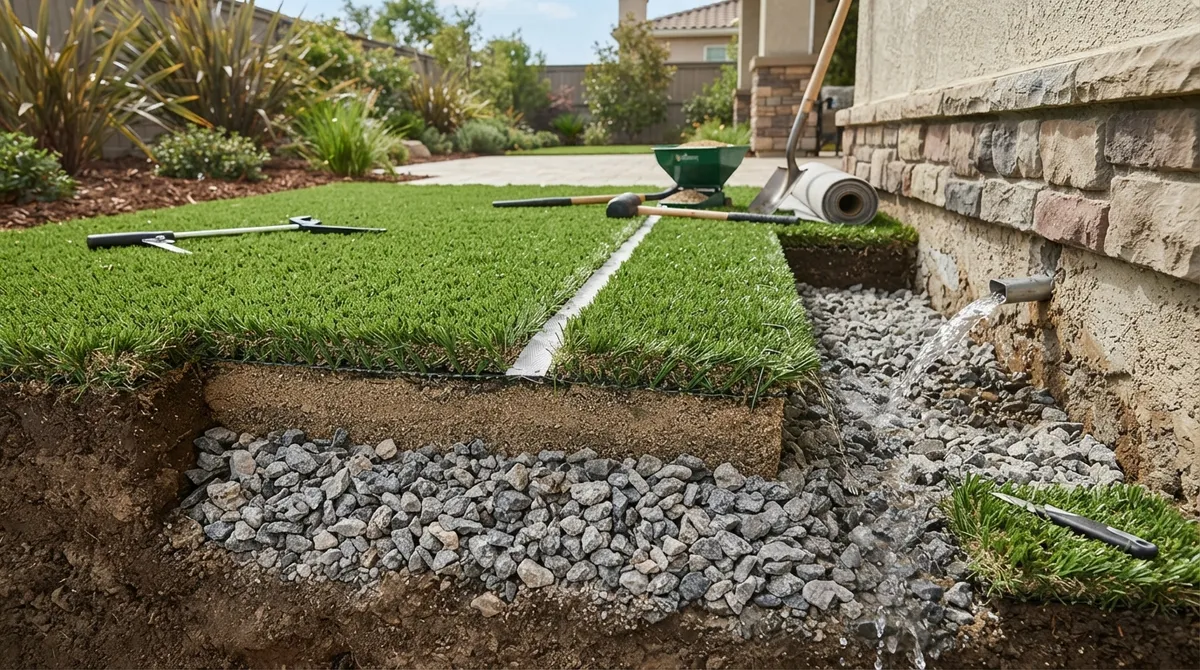
Proper base preparation with crushed aggregate, drainage design, and a weed barrier are essential steps that prevent drainage problems and extend turf lifespan by years.
-
Basic maintenance—brushing, rinsing, debris removal, and enzyme sanitizer in pet areas—keeps artificial grass looking new and extends its life significantly.
-
Chicago’s harsh winters and unpredictable weather make synthetic turf a reliable alternative to natural grass, which struggles with freeze-thaw cycles and requires constant mowing, watering, and fertilizing.
If you’ve ever dreamed of a lush, green lawn without the weekend chores, artificial grass and installation might be exactly what you need. No more mowing, watering, or patching bare spots. Whether you’re a busy suburban homeowner, a condo owner with a rooftop terrace, or a commercial property manager looking to reduce maintenance costs, synthetic turf is a smart, stylish solution that keeps looking great year after year.
But here’s the thing — not all artificial grass is created equal, and the installation process makes all the difference. A poorly installed lawn can wrinkle, drain badly, or wear out quickly. In this guide, we’ll walk you through everything you need to know so you can make the best decision for your outdoor space right here in the greater Chicago area.
Why More Chicago Homeowners Are Choosing Artificial Grass
Chicago’s weather is notoriously tough on natural lawns. Frigid winters, unpredictable spring rains, and scorching summer heat can leave your grass looking patchy and tired. That’s why more homeowners and businesses are turning to synthetic turf as a reliable, beautiful alternative. You can learn more about how artificial turf holds up against natural grass in Midwest winters to see just how well it performs locally.
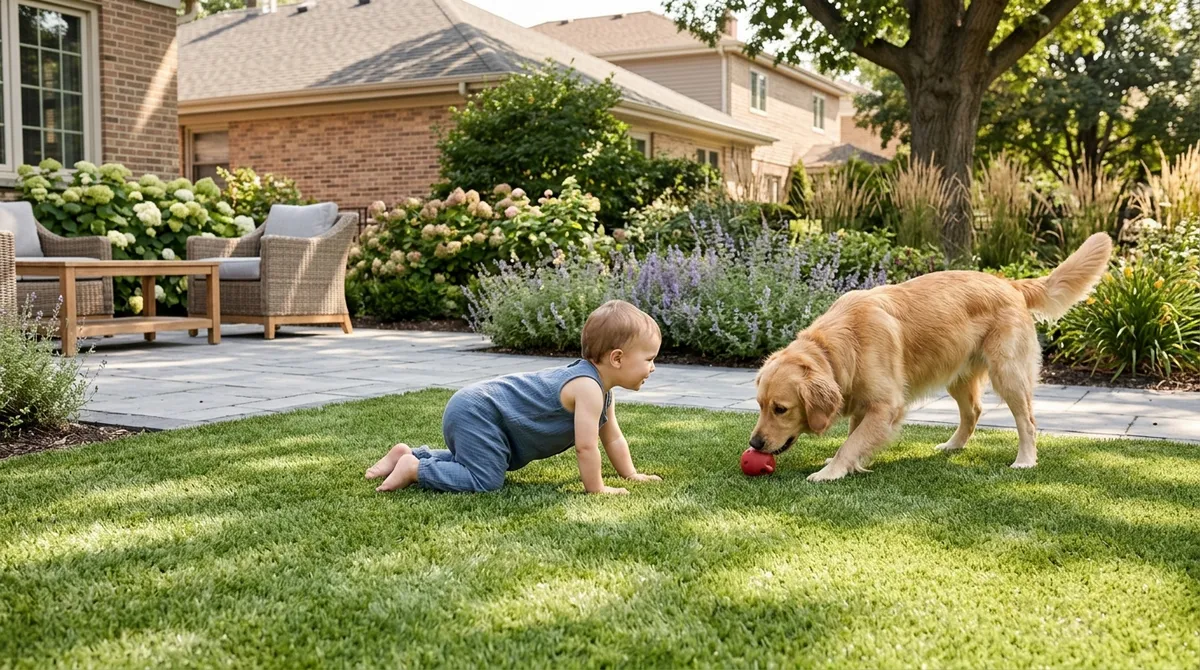
Beyond weather resistance, the low-maintenance appeal is a huge draw. Artificial grass doesn’t need mowing, watering, or fertilizing. For families, pet owners, and anyone who values their weekends, that’s a life-changing upgrade. Check out 8 benefits of synthetic grass for families in 2026 for a closer look at what makes it such a popular choice.
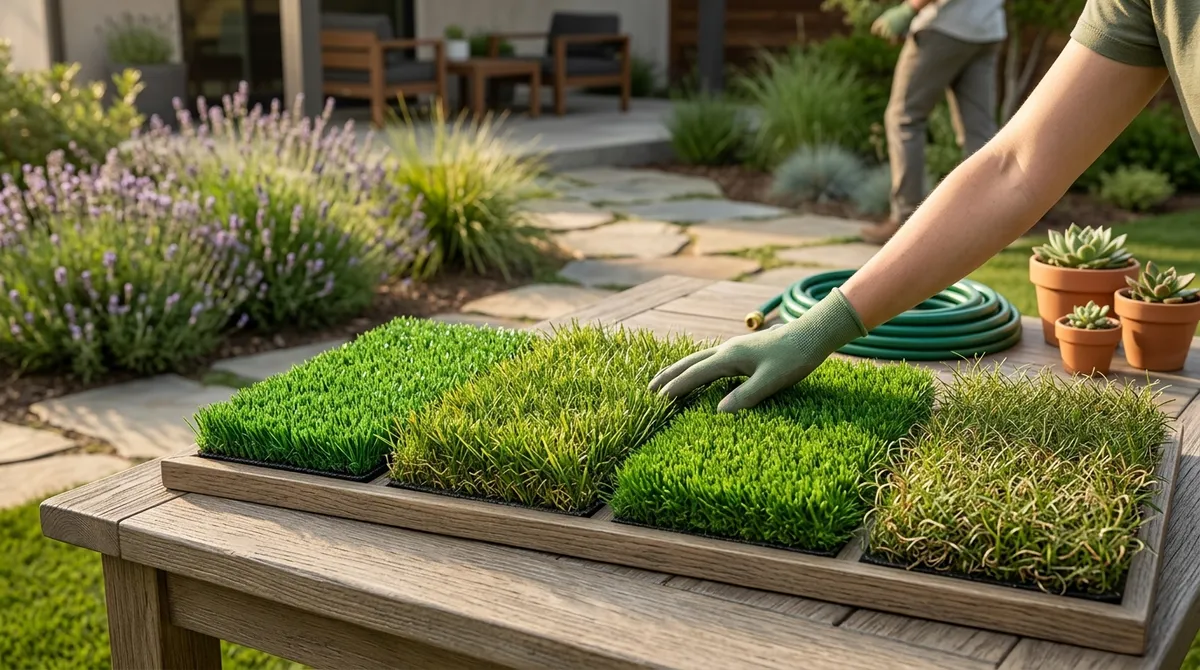
Understanding Your Artificial Grass Options
Before you dive into installation, it helps to understand the types of turf materials available. Each has its own strengths, so choosing the right one depends on how you plan to use your space.
Common Turf Material Types
- Polyethylene: The most popular choice for residential lawns. It’s soft, realistic-looking, and durable enough for kids and pets.
- Polypropylene: A budget-friendly option best suited for low-traffic decorative areas or indoor use.
- Nylon: The toughest and most heat-resistant material. Ideal for high-traffic zones, putting greens, or commercial applications.
For pet owners, there are also specially designed pet-friendly turfs with superior drainage and odor-resistant properties. Read about easy-clean pet turf for pet-friendly yards to find the best fit for your furry friends.
Choosing Turf for Your Specific Use Case
Different applications call for different turf products. Here’s a quick reference to help you match the right turf to the right space:
| Application | Recommended Material | Key Feature |
|---|---|---|
| Front or backyard lawn | Polyethylene | Soft, natural appearance |
| Pet run or dog area | Polyethylene with drainage | Odor-resistant, easy to clean |
| Children’s play area | Polyethylene (cushioned infill) | Shock absorption, safety |
| Putting green | Nylon | Durability, consistent roll |
| Commercial property | Nylon or blended | High traffic resistance |
| Rooftop or patio | Polypropylene or polyethylene | Lightweight, UV-resistant |
If you’re thinking about a putting green, explore how much a backyard golf putting green costs to plan your budget accordingly.
How Professional Artificial Grass Installation Works
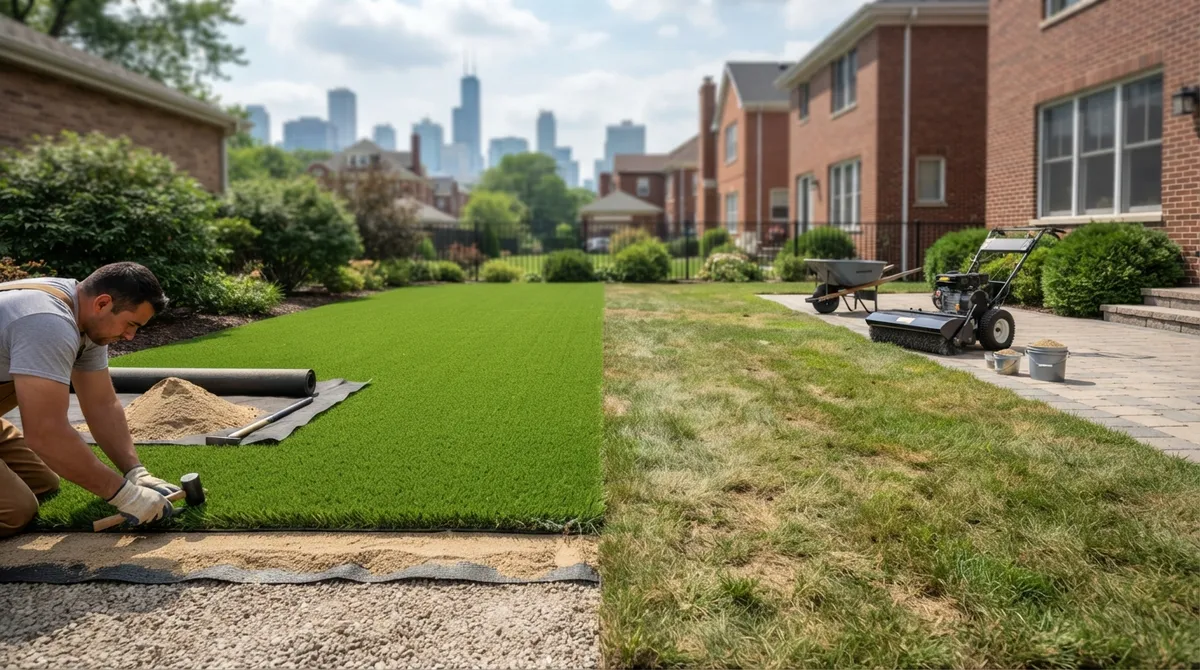
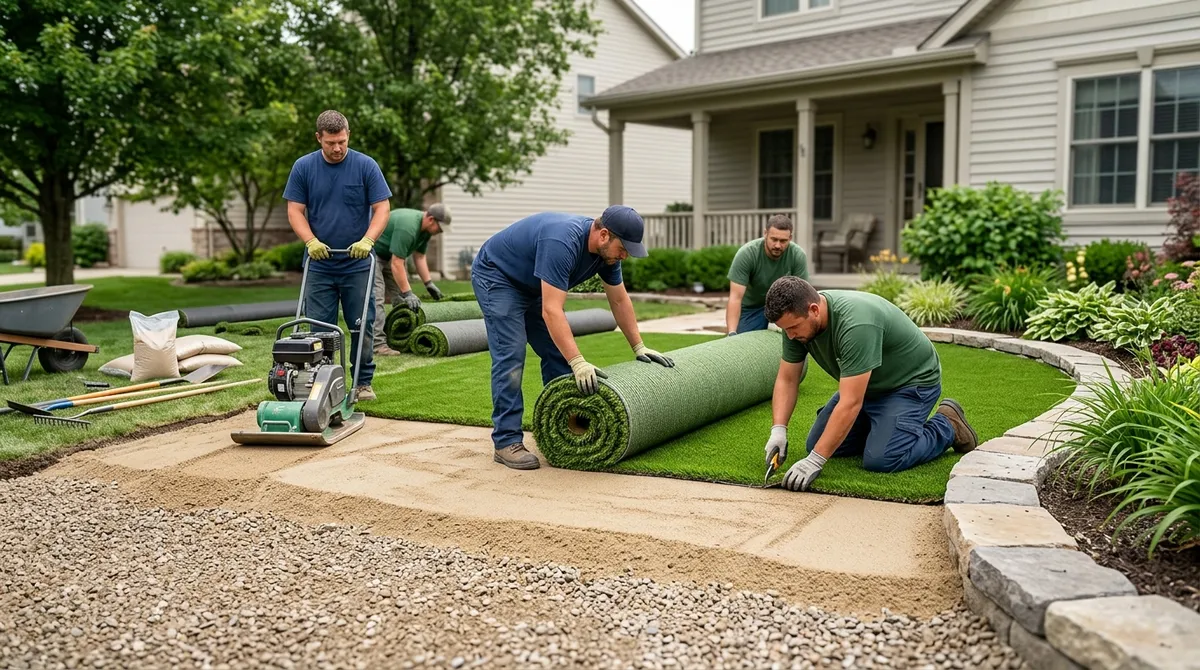
This is where the magic really happens — and where professional expertise truly pays off. A quality installation is what separates a lawn that looks great for 15 to 25 years from one that starts showing problems within just a couple of seasons. You can explore the 5 key stages of the artificial turf installation process for a detailed breakdown.
Step-by-Step Installation Overview
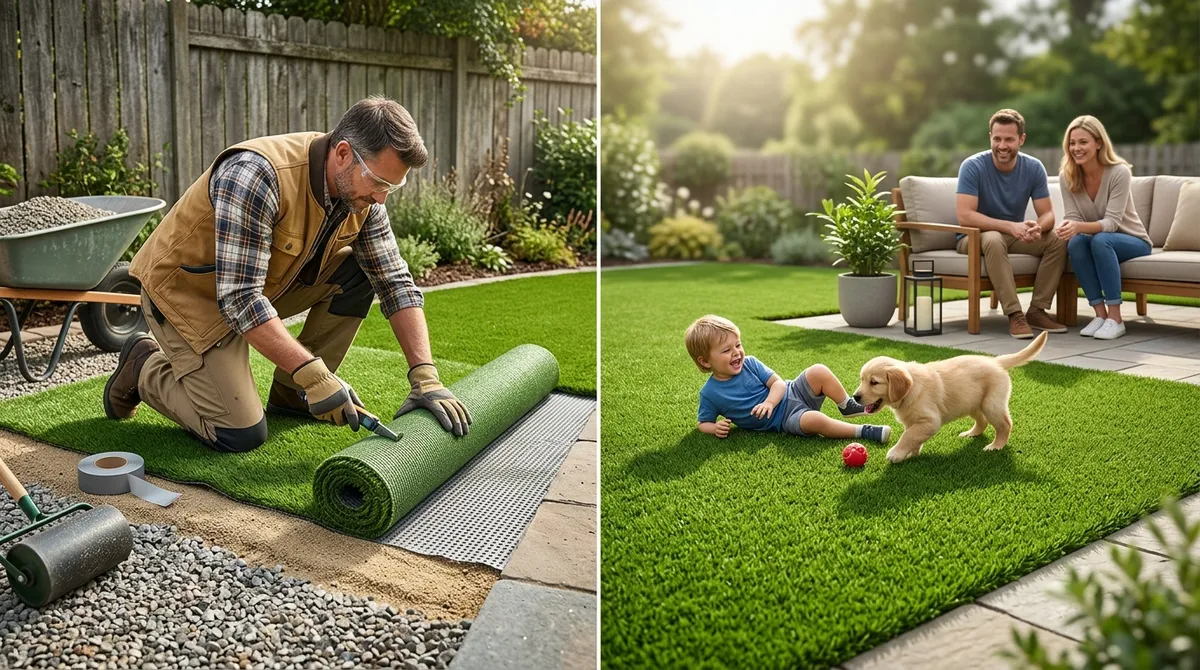
- Site Assessment: A professional evaluates your yard’s size, shape, drainage patterns, and existing surface conditions.
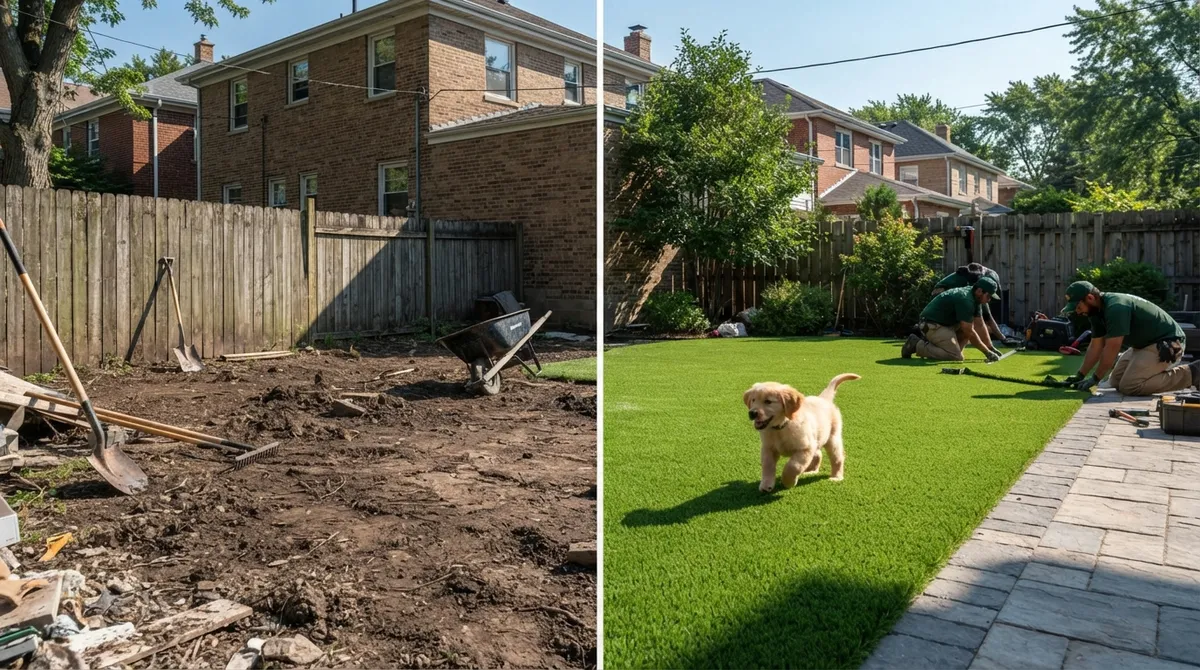
- Existing Material Removal: Old sod, rocks, or debris are cleared away to create a clean, level surface.
- Grading and Compacting: The ground is graded to ensure proper slope for water runoff, then compacted for stability.
- Base Layer Installation: A crushed aggregate base (typically decomposed granite or crushed stone) is laid and compacted. This layer is critical for drainage and support. See the 7 best base materials for turf installation in 2026 to understand your options.
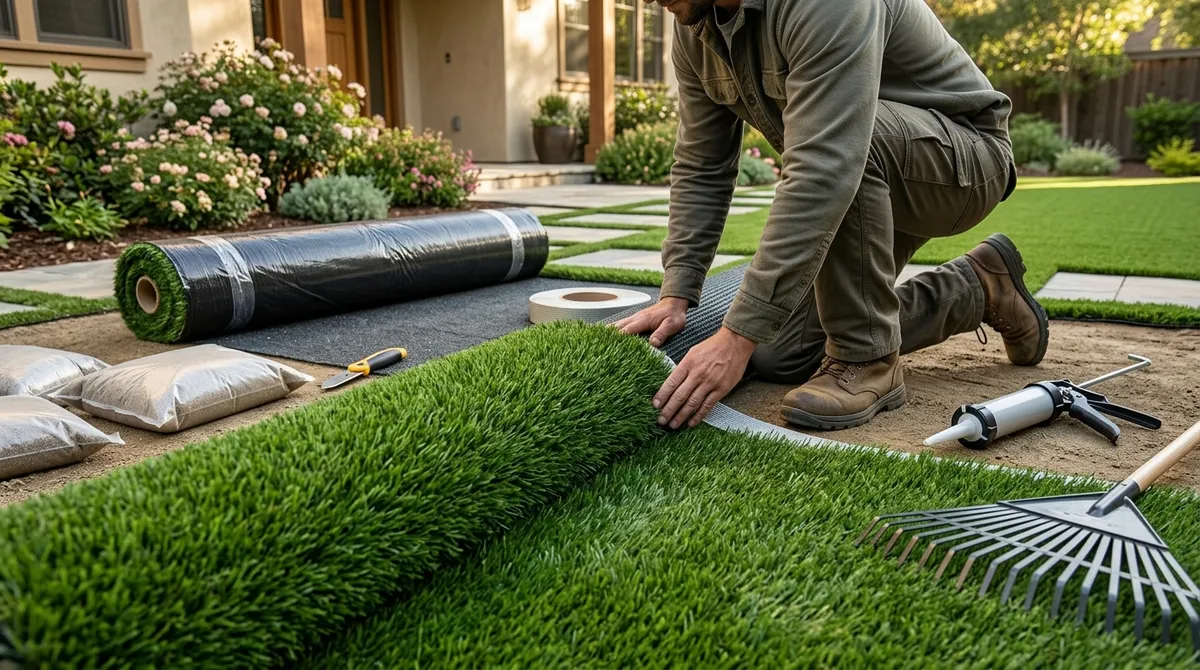
- Weed Barrier: A permeable landscape fabric is placed over the base to prevent weed growth without blocking drainage.
- Turf Cutting and Seaming: The turf rolls are carefully cut to fit the space and seamed together so joints are nearly invisible.
- Securing the Edges: Nails, staples, or bender boards anchor the turf firmly around the perimeter.
- Infill Application: Sand, crumb rubber, or other infill materials are spread across the turf to support the blades, add weight, and improve performance. Explore 9 infill types for artificial grass that actually work to find the right match.
- Final Brushing: The turf is power-brushed to lift the blades and give it that fresh, natural appearance.
Poor grading or drainage can lead to wrinkles, pooling water, unpleasant odors, or a shorter turf lifespan. That’s why hiring a skilled professional isn’t just convenient — it’s essential. To avoid common pitfalls, read about 7 artificial turf installation mistakes to avoid in Chicago.
What Does Artificial Grass Installation Cost?
Cost is one of the first questions most homeowners ask, and it’s a fair one. Professional artificial grass and installation typically ranges from $12 to $20 per square foot, including materials and labor. Most installation jobs start around $5,000 and increase based on the size, scope, and site conditions of your project.
Here’s a simple breakdown of what affects your total cost:
- Square footage: Larger areas require more materials and labor.
- Turf quality: Higher-pile, more realistic turf costs more upfront but lasts longer.
- Base preparation: Rocky, uneven, or poorly drained sites require more prep work.
- Infill type: Premium infill options like antimicrobial or cooling infills add to the cost.
- Site access: Tight spaces like rooftops or small urban courtyards may require extra labor.
For a more thorough cost comparison, check out 14 cost-benefit facts about artificial turf vs. real grass to see the full financial picture over time. You might be surprised how quickly synthetic turf pays for itself in water and maintenance savings.
How Long Does Artificial Grass Last?
With proper installation and regular care, most artificial grass products last between 8 to 20 years, and some premium products can last 15 to 25 years. The lifespan depends on the quality of the turf, the type of infill used, how heavily the area is trafficked, and how well it’s maintained.
The good news? Maintenance is easy. Learn more about artificial turf lifespan in Chicago and what to expect so you can plan your investment wisely.
Simple Maintenance Tasks That Extend Turf Life
- Brush the turf regularly to keep blades upright and looking natural.
- Rinse with water periodically to remove dust, pollen, and light debris.
- Remove leaves, twigs, and other organic material promptly.
- Use an enzyme-based sanitizer in pet areas to control odors.
- Check seams and edges seasonally for any lifting or shifting.
For a full maintenance routine, explore 7 artificial turf maintenance tips that keep it looking new.
Artificial Grass Applications for Every Outdoor Space
One of the best things about synthetic turf is how versatile it is. It works beautifully across a wide range of residential and commercial settings. The Landscape Illinois association also recognizes synthetic turf as a valuable landscaping solution for Illinois properties, particularly in urban and water-conscious environments.
Residential Uses
- Front yard curb appeal lawns
- Backyard entertaining areas
- Pet runs and dog play areas
- Children’s backyard play zones
- Poolside surrounds
- Custom putting greens
Commercial and Urban Uses
- Office building and retail plaza green spaces
- Rooftop terraces and condo outdoor areas
- Restaurant patios and outdoor dining areas
- Daycare and school playgrounds
- Hotel courtyards and amenity spaces
Urban condo owners will love the idea of a lush rooftop turf space. Find out why rooftop artificial turf is a smart choice in Chicago. And for commercial property managers, discover why commercial artificial turf is the smart choice in Chicago.
Should You DIY or Hire a Professional?
We get it — DIY projects can be tempting. But artificial grass and installation is one area where professional expertise genuinely pays off. Improper base preparation, poor drainage design, or bad seaming can shorten your turf’s life significantly and cost more to fix later. The ICPI Certified Installer program highlights just how important trained installation professionals are in the hardscaping and outdoor surfacing industry.
Read why professional turf installation beats DIY and save yourself the headache. A professional installer brings the right tools, the right materials, and years of real-world experience to your project.
Key Questions to Ask Any Turf Installer
- How long have you been installing artificial grass in the Chicago area?
- What base materials do you use, and why?
- Do you offer drainage design as part of the installation?
- What infill options do you recommend for my specific use?
- What warranty do you offer on materials and installation labor?
If you want guidance on finding the right team, check out how to choose Illinois artificial turf specialists for your yard.
How Artificial Grass Fits Into Your Broader Landscape Design
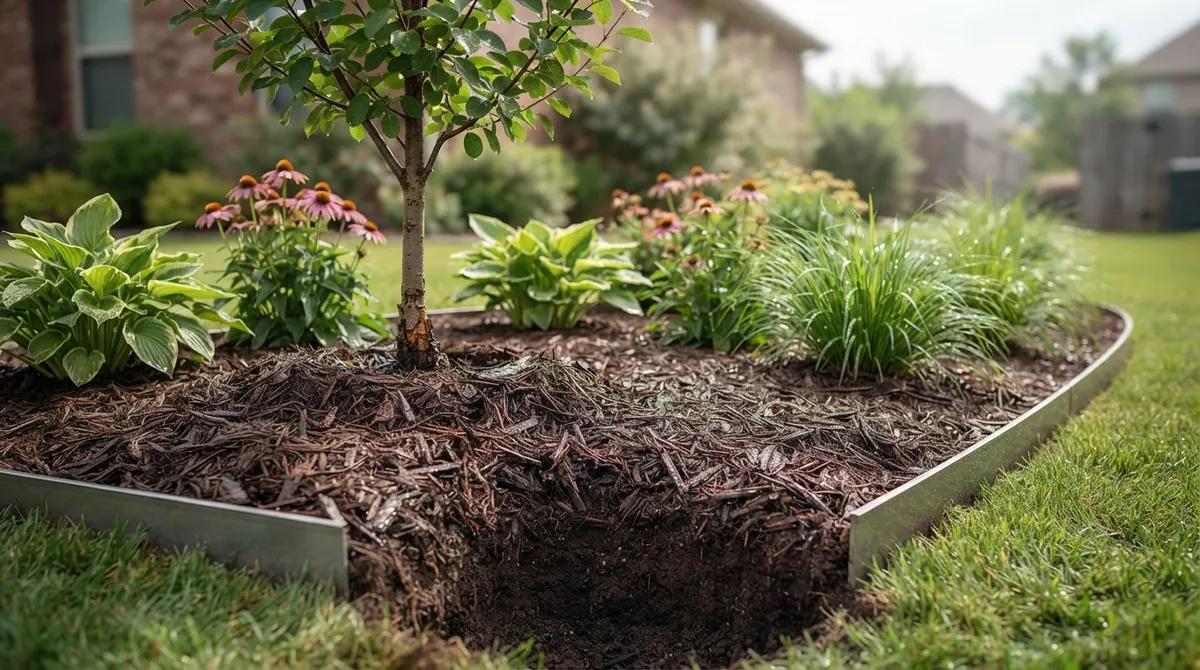
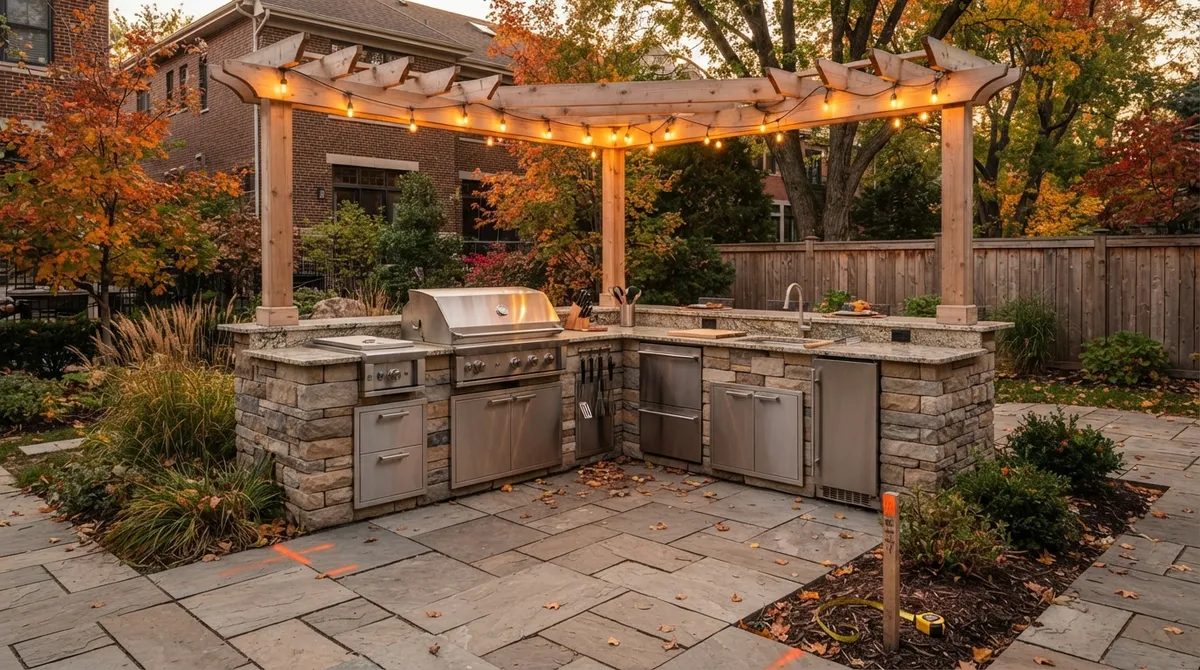
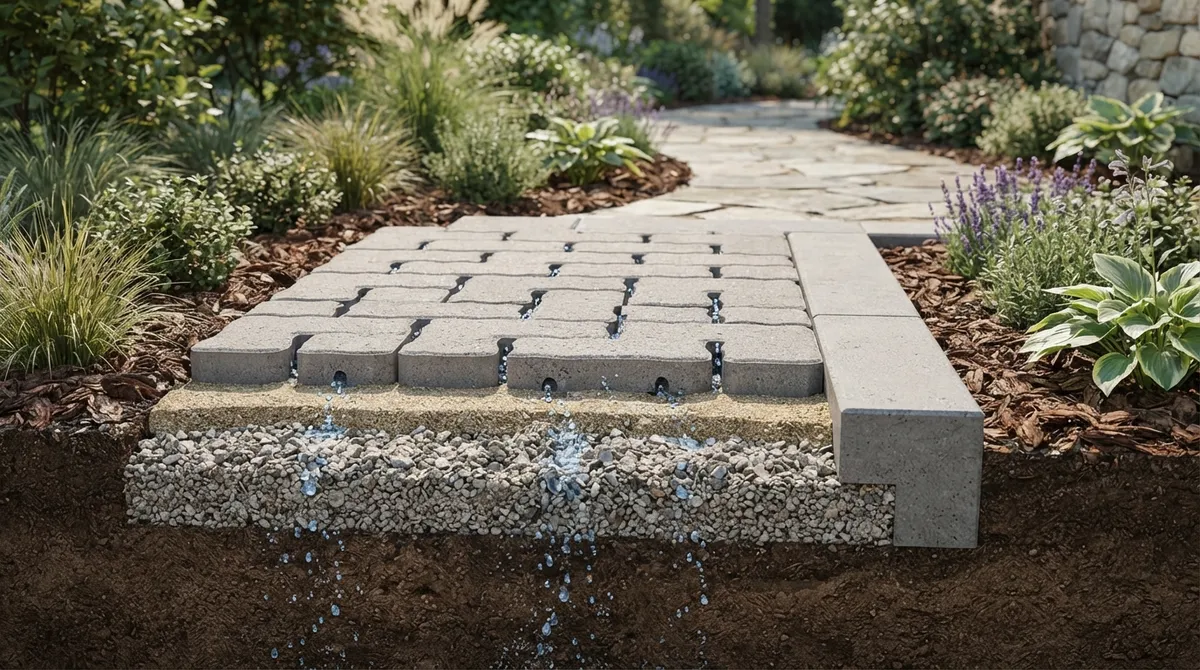
Artificial grass looks even better when it’s part of a thoughtfully designed outdoor space. Think of it paired with beautiful paver pathways and patios, framed by lush softscape plantings, or lit up beautifully with landscape lighting. The combination creates an outdoor environment that feels like a true extension of your home or business.
At Serenity Landscape Group, we’ve been transforming Chicago-area outdoor spaces for over two decades. From residential turf installations to full commercial landscape transformations, our team designs and installs everything with a client-first approach. We also pair our turf work with services like retaining walls and fire pits to create complete, cohesive outdoor spaces you’ll love.
You can also browse our gallery of our work to see real project transformations and get inspired for your own space. And to understand how we approach every project from start to finish, take a look at our installation process.
According to EPA WaterSense guidelines, outdoor water use accounts for nearly 30% of household water consumption on average — and that number climbs even higher in drier seasons. Switching to artificial grass is one of the most impactful changes a homeowner can make to reduce outdoor water use significantly.
Ready to Get Started with Artificial Grass and Installation?
Choosing artificial grass and installation is one of the best investments you can make in your outdoor space. You get a beautiful, low-maintenance lawn that performs well in Chicago’s challenging climate, season after season. Whether you want a lush front yard, a safe play area for kids, a pet-friendly backyard, or a stunning commercial green space, synthetic turf delivers.
The key is getting the installation right from the start — the right base, the right drainage, the right turf product, and the right team. When all of those elements come together, you end up with a lawn that looks great, lasts for decades, and brings you joy every single day.
Ready to bring your vision to life? Request your free estimate today and let our experienced team help you design and install the perfect artificial turf solution for your home or business. You can also call us at (630) 359-5139 to speak with a friendly team member and get your questions answered right away.
FAQs
Q: How much does artificial grass installation cost per square foot?
A: Professional artificial grass and installation typically costs between $12 and $20 per square foot, including materials and labor. Most projects start around $5,000 and go up based on the size of the area, the turf quality you choose, and how much site preparation is needed. It’s always a great idea to get a free estimate so you know exactly what to expect for your specific yard!
Q: How long does artificial grass last in a Chicago yard?
A: With proper installation and basic maintenance, most artificial grass products last between 8 and 20 years, and premium options can even reach 15 to 25 years. Chicago’s freeze-thaw cycles and heavy snowfall are no problem for quality synthetic turf when it’s installed correctly. Regular brushing, rinsing, and debris removal go a long way toward keeping it looking fresh and lasting longer.
Q: Is artificial turf a good choice for pets and dogs?
A: Absolutely — pet-friendly artificial turf is actually one of the most popular choices for dog owners! It’s designed with superior drainage to handle pet waste quickly, and odor-resistant properties keep your yard smelling fresh. Just rinse it regularly and use an enzyme-based sanitizer for pet areas, and you’ll have a clean, happy space for your four-legged family members.
Q: Does artificial grass need drainage, and how does it work?
A: Yes, drainage is one of the most important parts of a great artificial grass installation! A properly prepared base — usually compacted crushed aggregate — allows water to flow through and away from the surface quickly. Many high-quality turf products also have perforated backings that let water drain straight through, so you won’t end up with puddles or soggy spots after Chicago’s spring rains.
Q: Can artificial grass be installed on concrete, soil, or an existing lawn?
A: Great news — artificial grass can be installed on just about any surface, including soil, concrete, rooftop decks, and even over an existing lawn! The preparation process differs depending on the surface: natural ground requires base excavation and grading, while concrete or decking needs proper fastening methods and drainage planning. A professional installer will assess your specific surface and recommend the best approach for a long-lasting, beautiful result.