Key Takeaways
-
Professional artificial grass fitting costs $6-$17 per square foot; a standard 500-square-foot lawn runs $3,000-$8,500 total and typically pays for itself within 5-7 years through eliminated watering, mowing, and fertilizing costs.
-
A skilled 4-person crew installs up to 700 square feet per day, completing most 500-square-foot residential projects in just 2-3 days—dramatically faster than establishing a natural lawn from seed.
-
Quality synthetic turf lasts 15-25 years with proper maintenance; improper installation by DIY methods leads to drainage issues and shorter lifespan, making certified professional installers essential.
-
Most Chicago-area municipalities require permits ($200-$250) for artificial grass installation due to drainage impacts; check HOA guidelines if applicable and hire professionals familiar with local regulations.
-
Artificial turf requires low but not zero maintenance: regular sweeping, occasional rinsing, pet area sanitizing, and fiber brushing; it eliminates watering, mowing, and fertilizing needs entirely.
-
Modern polyethylene artificial grass feels soft underfoot, looks realistic, and can be installed over concrete, soil, or rooftops; it solves drainage issues, shade problems, and provides safe surfaces for kids and pets.
If you’ve ever daydreamed about a lush green lawn that never needs mowing, watering, or fussing over, you’re in good company. Artificial grass fitting has become one of the most popular upgrades for Chicago-area homeowners and businesses alike, and for good reason. Between our unpredictable weather and busy schedules, a low-maintenance lawn sounds like a dream come true. But before you jump in, you probably have questions: How long will it take? What does it cost? Is it really worth it?
We get these questions all the time, and we love answering them. At Serenity Landscape Group, we’ve spent over two decades helping folks across the greater Chicago area fall in love with their outdoor spaces again. So grab a cup of coffee, get comfy, and let’s walk through everything you need to know about artificial grass fitting, from timelines and costs to maintenance and permits.
What Exactly Is Artificial Grass Fitting?
Artificial grass fitting, sometimes called synthetic turf installation, is the process of replacing your natural lawn with a durable, realistic-looking synthetic surface. It’s not the scratchy, plastic-looking stuff from decades ago. Today’s turf feels soft underfoot and looks remarkably like a healthy, well-kept lawn.
This service works beautifully for front yards, backyards, rooftop patios, dog runs, and even commercial properties. Whether you’re a suburban homeowner tired of brown patches or a property manager looking to boost curb appeal, artificial turf installation offers a practical, attractive solution.
Why So Many Chicagoland Residents Are Making the Switch
Our clients tell us the same things over and over: they’re tired of dealing with muddy patches after rain, brown spots from summer heat, and endless weekend mowing. Artificial grass solves all of that. Here’s what draws people in:
- No more watering, mowing, or fertilizing
- A lawn that stays green through drought and shade
- Better drainage than many natural lawns
- A safe, soft surface for kids and pets
- Long-term savings compared to constant lawn care
How Long Does the Installation Process Actually Take?
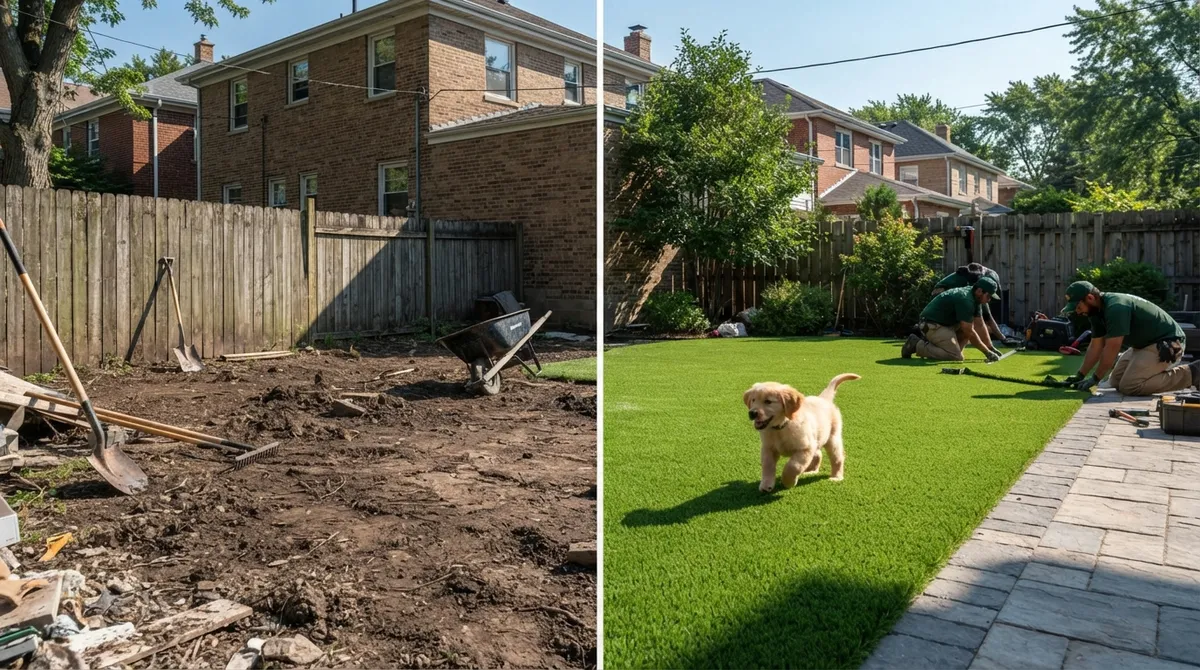
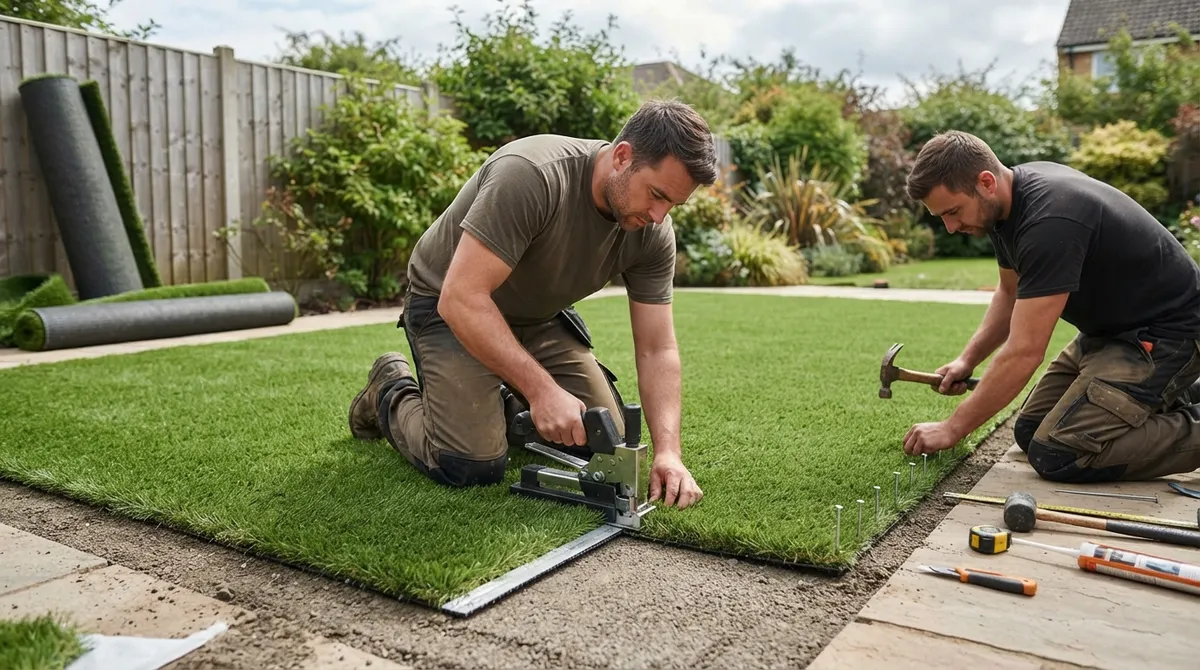
This is one of the most common questions we hear, and the answer depends on your yard’s size and condition. For a standard 500-square-foot lawn, most professional crews complete the job in 2 to 3 days. A skilled 4-person crew can typically install up to 700 square feet per day, weather permitting.
Larger commercial projects or yards with tricky drainage issues may take a bit longer. But compared to growing a natural lawn from seed, which can take months to establish, artificial grass fitting is remarkably fast.
The Step-by-Step Installation Process
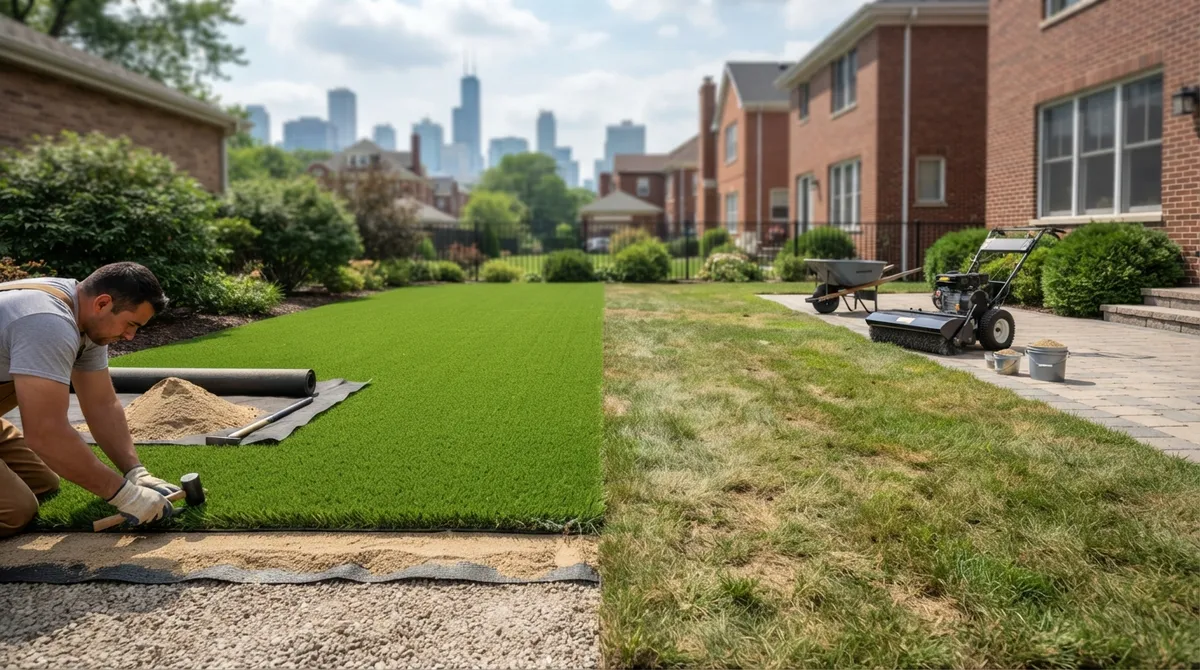
Wondering what actually happens during your installation? Here’s a simple breakdown of the typical process:
- Remove existing grass, weeds, and debris from the area
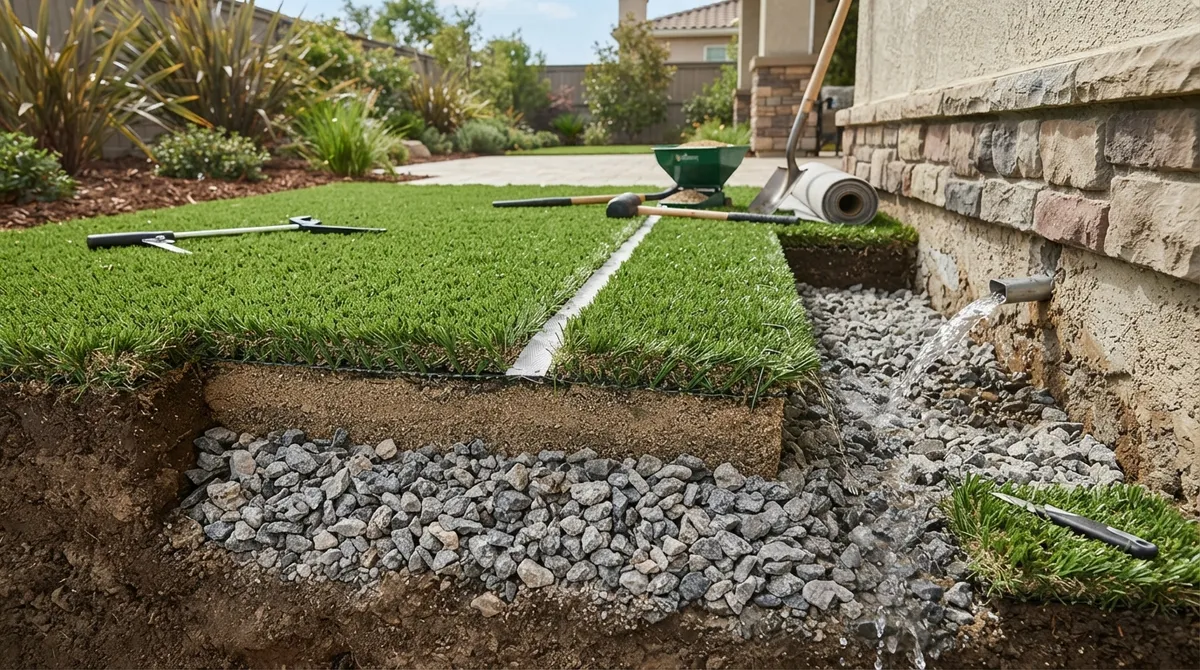
- Grade the soil and install a compacted base for proper drainage
- Lay a weed barrier to prevent future growth
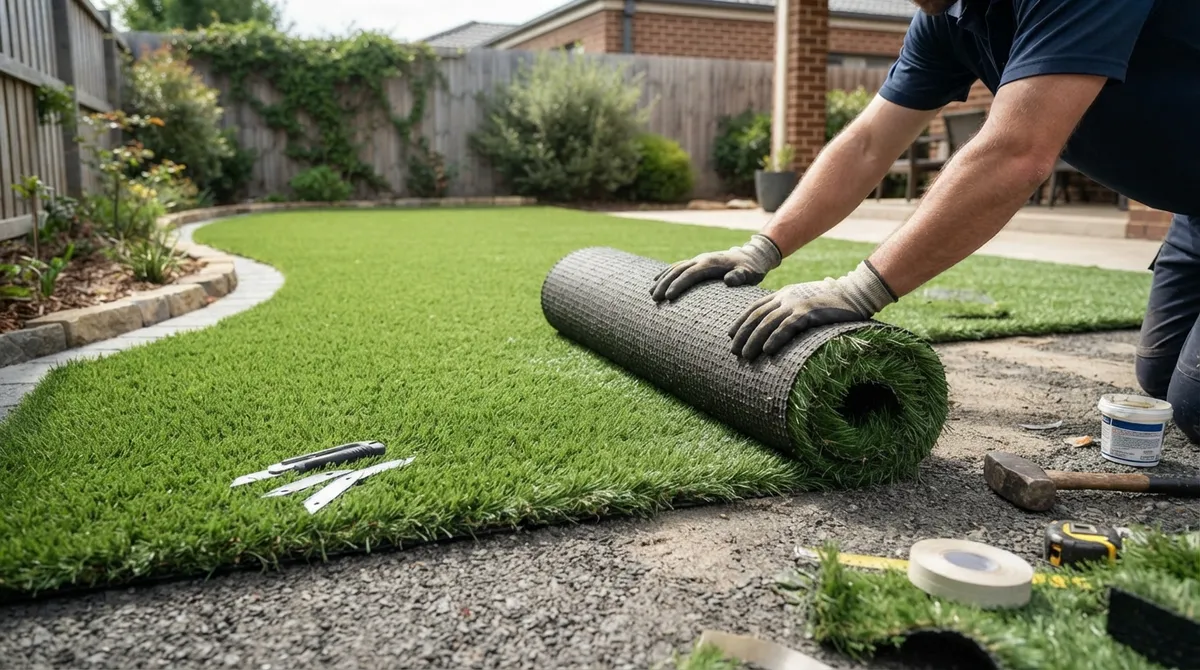
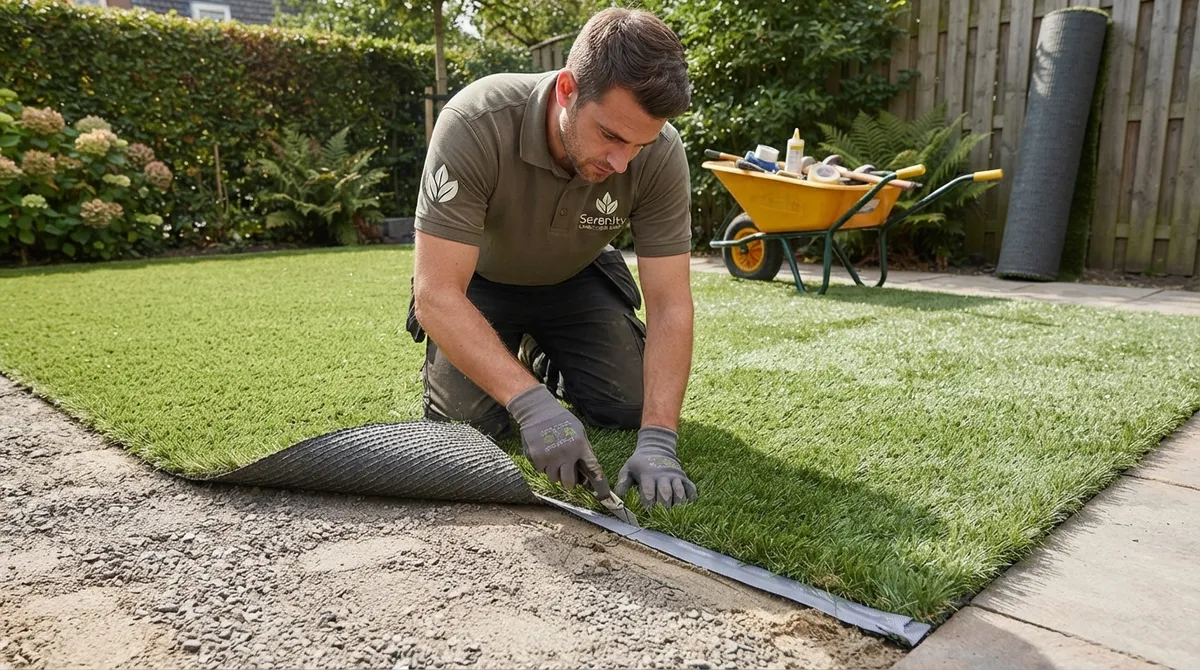
- Roll out and secure the artificial turf sections
- Trim edges and seam pieces together seamlessly
- Add infill material to keep blades upright and cushioned
- Brush and groom the turf for a natural, finished look
Our team walks you through every stage of this process so you always know what to expect. We also recommend checking out our 5 key stages of the artificial turf installation process for a deeper dive into what happens behind the scenes.
What Does Artificial Grass Fitting Cost?
Let’s talk numbers, because we know budget matters. Professional installation typically runs $6 to $17 per square foot. That range includes materials, which cost $2 to $8 per square foot, and labor, which runs $4 to $9 per square foot.
For a standard 500-square-foot lawn, homeowners can expect to pay between $3,000 and $8,500. The average residential project lands around $3,458. It might sound like a big investment upfront, but many homeowners find it pays for itself within 5 to 7 years thanks to eliminated watering, mowing, and fertilizing costs.
| Cost Factor | Price Range |
|---|---|
| Materials (per sq. ft.) | $2 – $8 |
| Labor (per sq. ft.) | $4 – $9 |
| Total Installed Cost (per sq. ft.) | $6 – $17 |
| 500 sq. ft. Project Total | $3,000 – $8,500 |
| Average Residential Project | $3,458 |
| Permit Fees (varies by municipality) | $200 – $250 |
Curious about what affects your specific quote? Our article on 5 factors that shape artificial grass installation cost breaks it all down. You can also request a personalized quote by reaching out for a free estimate tailored to your property.
Do You Need a Permit for Artificial Grass Fitting?
In many Chicago-area municipalities, yes. Because artificial turf can affect drainage patterns, permits are often required before installation begins. These typically cost between $200 and $250, though the exact fee and requirements vary by town.
If you live in a neighborhood with an HOA, it’s smart to check their guidelines too. Some HOAs have specific rules about turf type, color, or installation methods. A professional landscaping team, like ours, can help you navigate these local rules so there are no surprises down the road.
How Long Does Artificial Turf Actually Last?
This is another question we get constantly, and the answer is genuinely impressive. Quality synthetic turf lasts 15 to 25 years with proper care, though some lower-grade materials may only last 8 to 10 years.
Curious how our Chicago winters affect that lifespan? Check out our detailed guide on artificial turf lifespan in Chicago to learn what to expect season after season.
What Types of Turf Materials Are Available?
Not all artificial grass is created equal. The material you choose affects both cost and durability. Here are the three main types:
- Polyethylene: Soft, natural-looking, and the most popular choice for residential lawns
- Polypropylene: More affordable but less durable, often used for lower-traffic areas
- Nylon: The most durable and resilient option, ideal for high-traffic commercial spaces or putting greens
Is Artificial Grass Really Low-Maintenance?
Here’s an important truth: low-maintenance doesn’t mean zero-maintenance. Your synthetic lawn will still need occasional care to look its best and last as long as possible. But compared to natural grass, the workload is dramatically reduced.
Here’s what regular upkeep looks like:
- Sweep or rake debris like leaves and twigs regularly
- Rinse the turf occasionally to remove dust and pollen
- Sanitize pet areas to prevent odors
- Brush the fibers periodically to keep them standing upright
- Check drainage points to make sure water flows properly
If you have pets, you’ll want to pay special attention to odor control. Our guide on cleaning artificial turf from pet waste offers simple, effective tips.
Managing Heat and Drainage Concerns
Synthetic turf can get warm in direct summer sunlight, especially during Chicago’s hot, humid stretches. Thankfully, newer turf technologies help reduce heat buildup significantly. Learn more in our piece about artificial turf heat reduction technology.
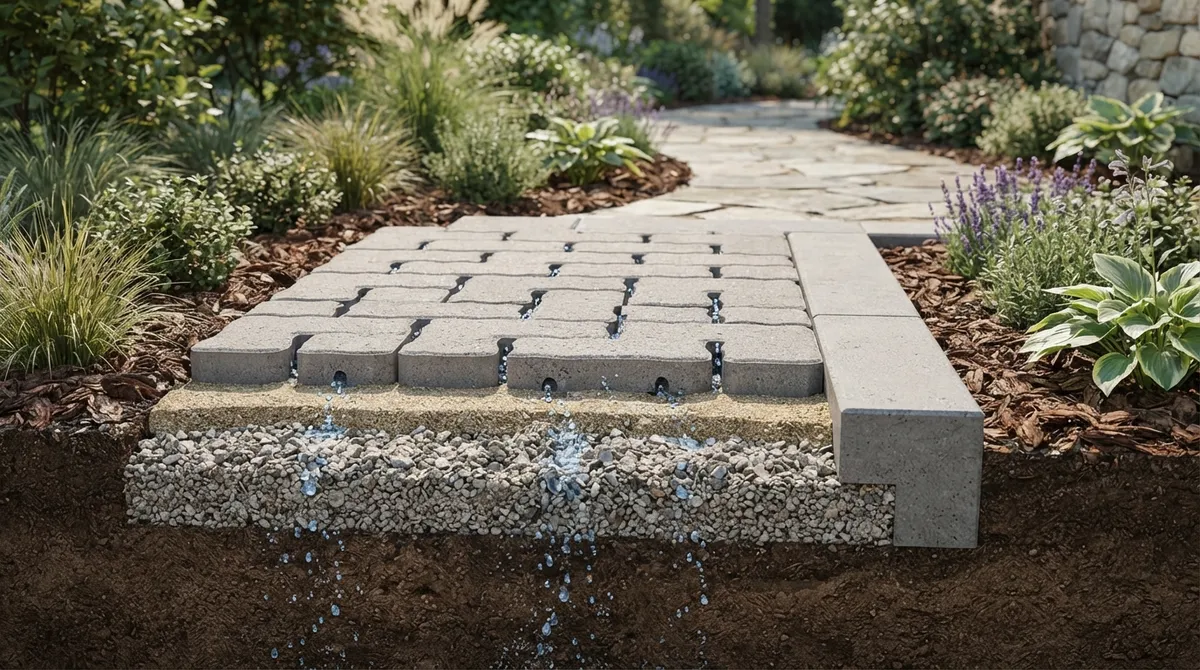
Proper drainage is equally important, especially given our region’s heavy spring rains. A well-installed turf system actually drains better than many natural lawns, but only when the base and drainage layers are installed correctly. That’s why hiring an experienced team matters so much.
Can Artificial Grass Be Installed Over Concrete or Soil?
Yes, and this flexibility is one of the biggest perks of synthetic turf. Whether you’re working with a rooftop terrace, an existing concrete patio, or plain soil, artificial grass can be adapted to fit almost any surface. This makes it a fantastic option for urban condo owners with limited outdoor space or commercial properties looking to green up hardscaped areas.
For rooftop applications specifically, drainage and weight considerations become especially important. Our article on rooftop terrace turf design covers what property owners need to know before installing turf above ground level.
Is Artificial Grass Fitting Good for the Environment?
This is a fair question, and the answer is a bit nuanced. On one hand, synthetic turf eliminates the need for water, gas-powered mowers, and chemical fertilizers, which reduces your environmental footprint significantly. According to the Landscape Illinois organization, water conservation continues to be a growing priority for Midwest landscaping professionals.
On the other hand, artificial turf is a manufactured product, so it doesn’t offer the same soil health benefits as natural grass. For homeowners balancing sustainability with practicality, synthetic turf is often a smart middle ground, especially in areas with poor soil, heavy shade, or high foot traffic. Learn more in our article about the eco-friendly benefits of synthetic lawns.
Who Benefits Most From Artificial Grass Fitting?
Honestly, almost everyone can benefit, but certain groups tend to see the biggest impact:
- Suburban homeowners dealing with clay soil or drainage challenges
- Urban condo owners with small rooftop or balcony spaces
- Commercial property managers wanting low-maintenance curb appeal
- New home builders offering turnkey outdoor features to buyers
- Small business owners creating pedestrian-friendly storefronts
If you’re a commercial property manager, pairing artificial turf with other commercial lawn maintenance services can create a cohesive, professional look year-round.
Choosing the Right Professional for Your Project
We won’t sugarcoat it: DIY artificial grass installation is tempting, but it’s also easy to get wrong. Improper base preparation leads to drainage issues, uneven seams, and a shorter lifespan for your turf. That’s why so many homeowners choose to work with certified professionals instead.
When searching for an installer, look for these qualities:
- Years of hands-on landscaping and hardscaping experience
- Proper licensing and knowledge of local permit requirements
- Positive reviews and a strong local reputation
- Clear, upfront pricing with no hidden fees
- A portfolio of completed projects you can review
Organizations like the ICPI Certified Installer program help set industry standards for quality hardscape and turf installation work. Choosing a certified team gives you peace of mind that the job will be done right the first time.
Want to see real examples of our work? Take a look through our gallery of completed projects to get inspired for your own yard transformation.
Bringing It All Together
Artificial grass fitting offers a practical, beautiful solution for homeowners and businesses across Chicagoland. From faster installation timelines to decades of durability, it’s easy to see why so many of our neighbors are making the switch. Whether you’re dealing with stubborn shade, muddy drainage issues, or simply want more time to enjoy your yard instead of maintaining it, synthetic turf might be exactly what you need.
At Serenity Landscape Group, we’ve spent over 20 years helping Chicago-area homeowners and businesses fall in love with their outdoor spaces. We’d be honored to help you do the same. If you’re ready to explore your options, get a free estimate today, or feel free to call us at (630) 359-5139 to talk through your project with our friendly team. Your dream lawn is closer than you think, and we can’t wait to help you get there.
FAQs
Q: How much does artificial grass fitting cost per square foot?
A: Professional artificial grass fitting typically costs $6 to $17 per square foot, including both materials and labor. A standard 500-square-foot lawn usually runs between $3,000 and $8,500 total. Your final price depends on turf quality, yard prep needs, and local labor rates.
Q: How long does it take to install artificial turf?
A: Most standard 500-square-foot lawns take 2 to 3 days to complete with a skilled crew. Larger or more complex projects may take a bit longer, especially if drainage work is needed. Either way, it’s much faster than growing a natural lawn from scratch!
Q: Do I need a permit for artificial grass installation?
A: In many Chicago-area municipalities, yes, you’ll likely need a permit since turf installation affects drainage. Permits typically cost between $200 and $250, though this varies by town. We’re happy to help you navigate your local requirements before we begin.
Q: How long does artificial grass last?
A: Quality synthetic turf typically lasts 15 to 25 years with proper care and maintenance. Lifespan depends on material quality, foot traffic, and how well it’s maintained over time. Many homeowners find it pays for itself within 5 to 7 years compared to natural lawn costs.
Q: Is artificial grass low-maintenance to care for?
A: Yes, but it’s not entirely maintenance-free. You’ll still need to sweep debris, rinse occasionally, and sanitize pet areas to prevent odors. Compared to mowing, watering, and fertilizing a natural lawn, though, the workload is dramatically lighter.