Key Takeaways
-
Proper site preparation is critical for synthetic lawn longevity and drainage; skipping steps in base building, grading, and compacting almost always leads to drainage problems, wrinkles, and premature wear.
-
Professional installation costs $8-$14 per square foot for standard residential projects, with premium or pet-friendly systems reaching $15-$22 per square foot depending on site complexity and product quality.
-
Chicago's clay soil and freeze-thaw cycles require special attention during installation; synthetic turf with permeable backing, proper grading, and enhanced drainage prevents pooling and performs better than natural lawns.
-
Synthetic lawns last 15-20 years with quality materials and proper installation, but longevity heavily depends on sun exposure, foot traffic, pet use, and maintenance; installation quality matters more than turf quality alone.
-
For pet owners, choosing the right infill type is essential; zeolite absorbs odors naturally while antimicrobial and silica sand options offer different benefits for pet waste management and drainage.
-
Synthetic turf can get noticeably hotter in summer sun, but simple solutions like shade planning, cooling rinses, and lighter-colored products make it safe and comfortable for barefoot kids and lounging pets.
Tired of fighting Chicago’s clay soil just to keep your grass green? You are not alone. Between our brutal winters, humid summers, and unpredictable spring rains, growing a lush natural lawn here can feel like a full-time job. That’s why so many homeowners, condo owners, and business owners across the suburbs are turning to synthetic lawn installation as a smart, lasting solution.
At Serenity Landscape Group, we’ve spent over two decades helping families and property owners across greater Chicago fall back in love with their outdoor spaces. Synthetic turf has come a long way from the plastic-looking grass of decades past. Today’s products look soft, natural, and inviting, while saving you hours of mowing, watering, and weeding every single week. Let’s walk through everything you need to know before you take the leap.
What Is Synthetic Lawn Installation, Exactly?
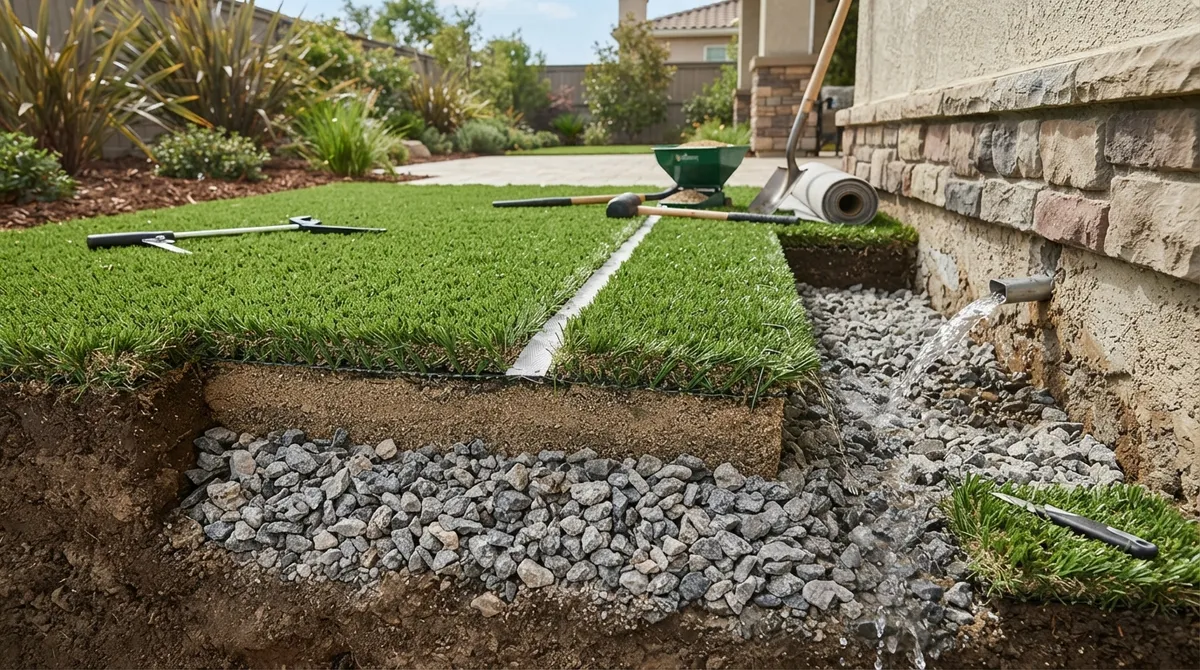
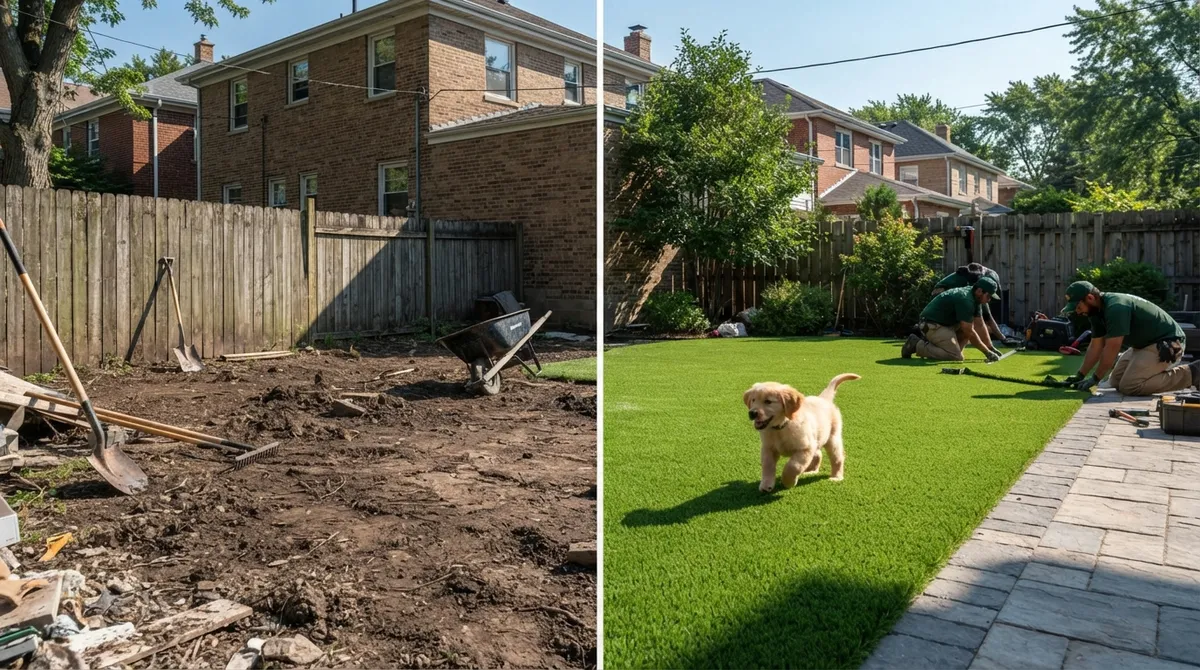
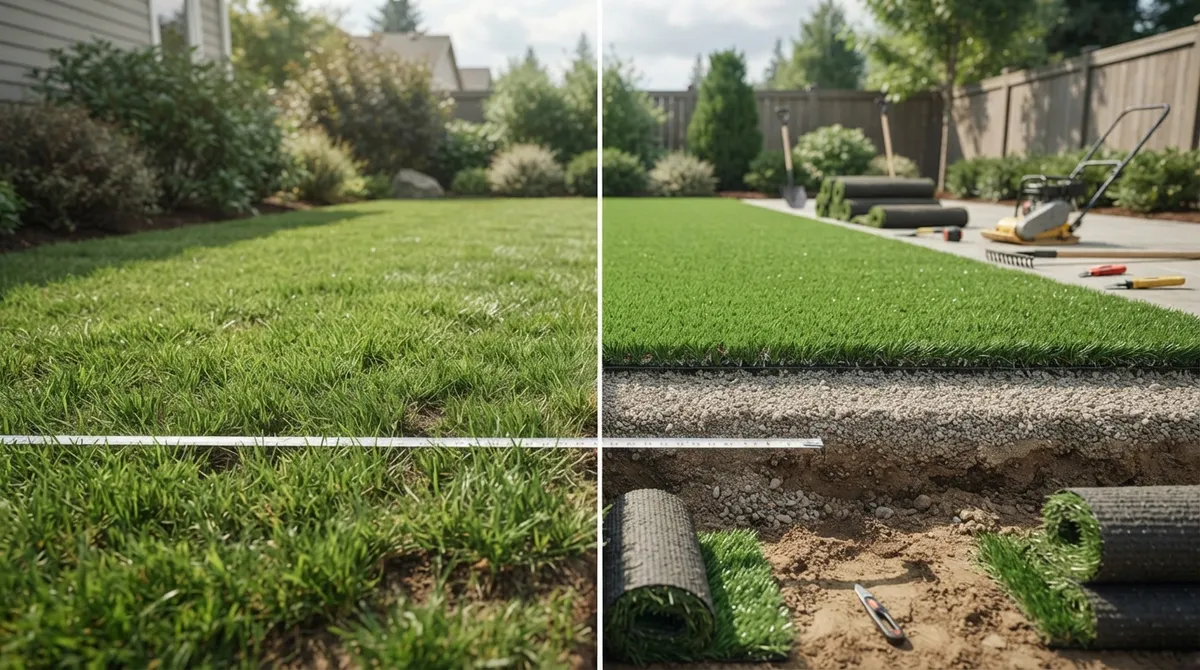
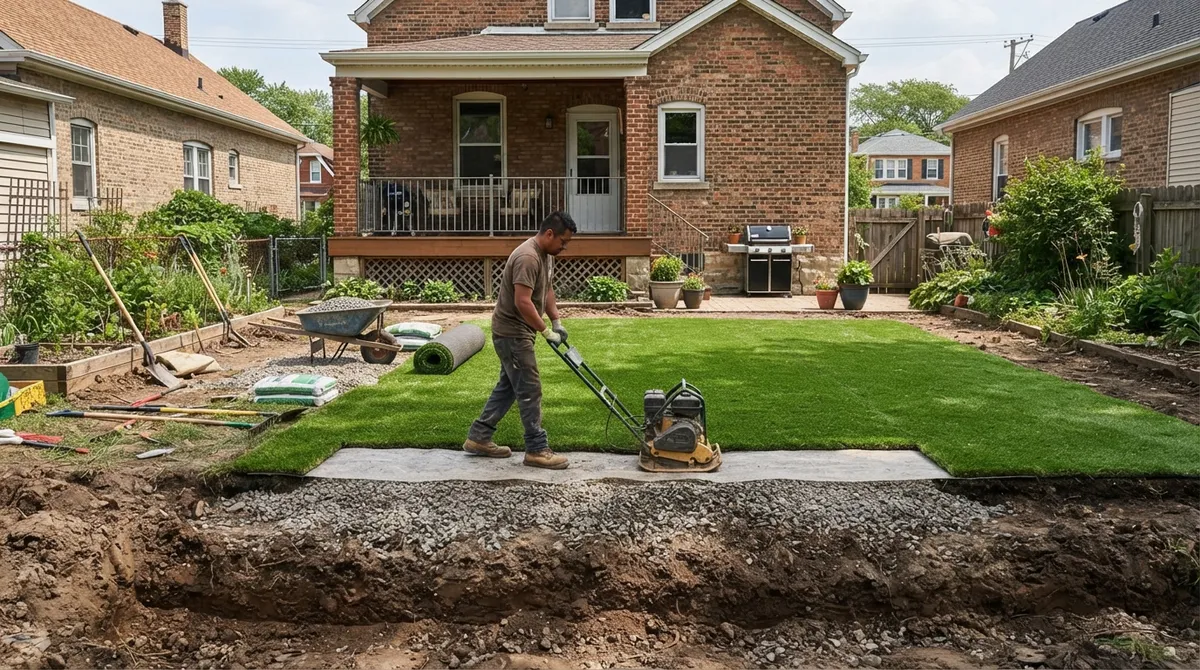
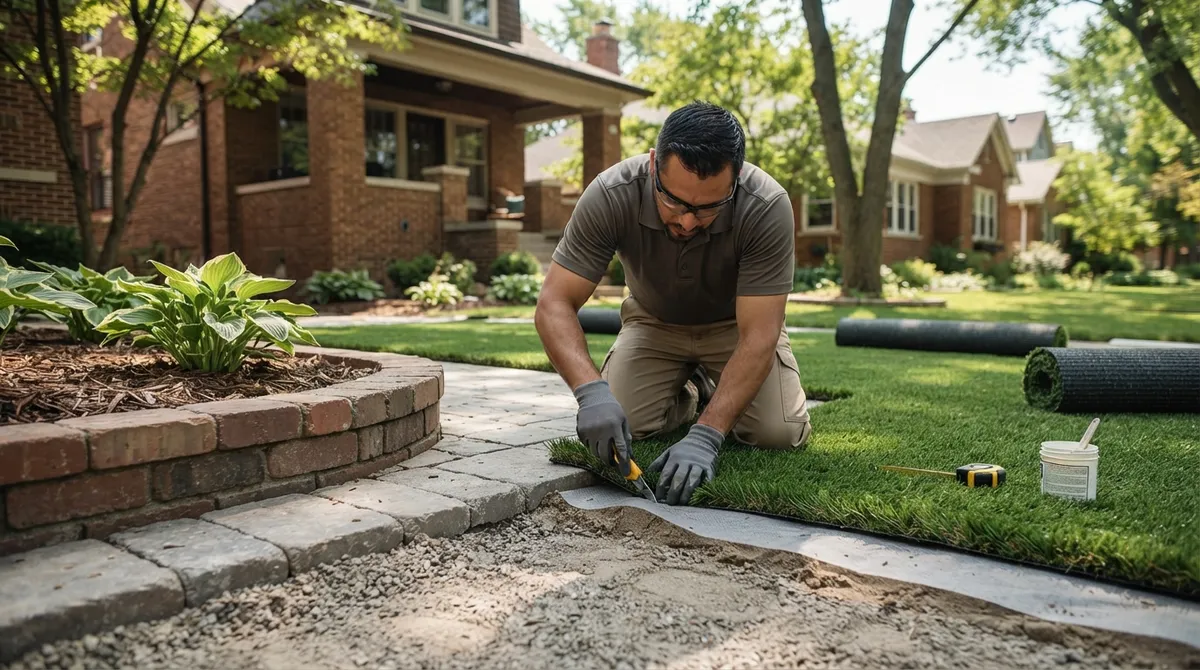
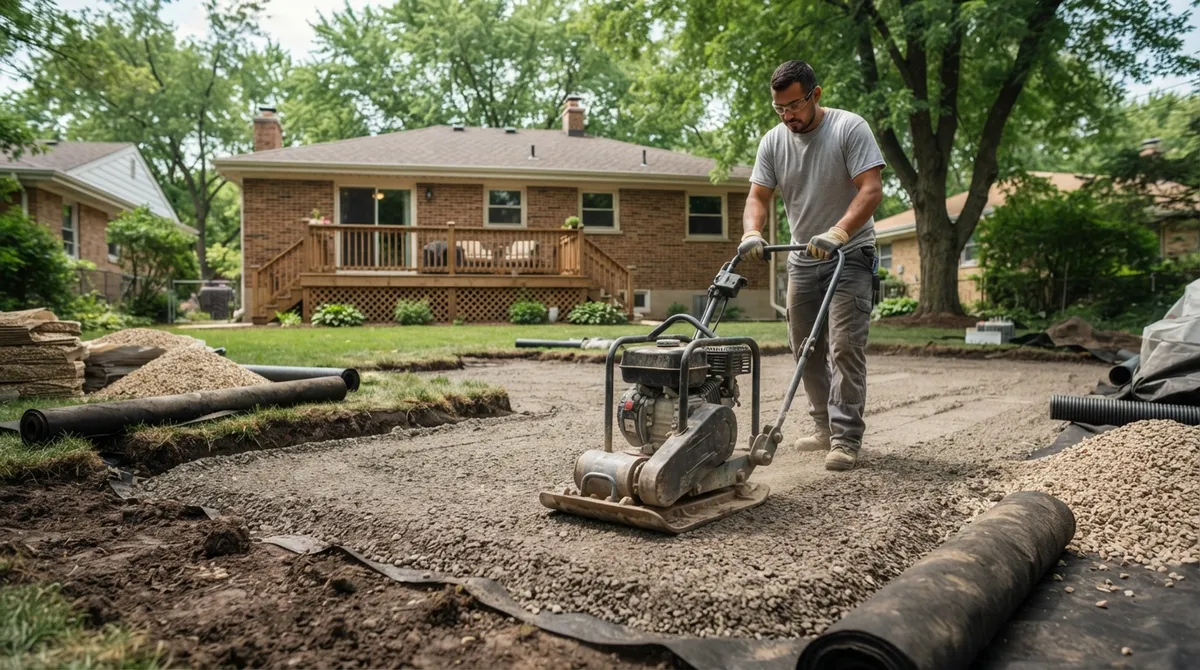
Synthetic lawn installation is the process of replacing your living grass with manufactured turf, secured over a carefully prepared base. It is not as simple as rolling out a carpet. A proper job involves grading your yard, building a compacted aggregate base for drainage, cutting and seaming the turf pieces, adding infill, and brushing everything into place so it looks and feels like real grass.
This is one of the reasons we always recommend professional turf installation over DIY attempts. Skipping steps in the base preparation almost always leads to drainage problems, wrinkles, or a lawn that simply doesn’t last as long as it should.
The Step-by-Step Installation Process
Here’s what a trustworthy synthetic lawn installation typically looks like from start to finish:
- Site measurement and planning: Your installer measures the space and checks for slopes, drainage paths, and access issues.
- Removal of existing grass: Crews strip away several inches of soil, sod, roots, and weeds.
- Grading and drainage planning: The ground is shaped to direct water away from your home and any low spots.
- Aggregate base installation: A layer of crushed rock or decomposed granite gets added and compacted firmly.
- Turf cutting and seaming: The synthetic grass is cut to fit your yard’s shape and seamed together seamlessly.
- Edging and securing: Edges get anchored so the turf doesn’t shift, lift, or separate over time.
- Infill application: Sand, rubber, or other infill materials are spread to help the blades stand up and add cushioning.
- Final brushing: A power broom fluffs the fibers so your new lawn looks natural right away.
For a deeper look at each phase, check out our guide on the key stages of the artificial turf installation process.
Why Site Preparation Makes or Breaks Your Lawn
We can’t stress this enough: proper site prep is everything. It affects how your lawn looks, how well it drains, and whether your warranty stays valid. Skimping here is like building a house on a shaky foundation.
A solid installation removes old roots and weeds completely, compacts the base so it won’t shift, and uses the right base materials for turf installation for your specific soil type. Chicago’s clay-heavy ground needs special attention, since it holds water and can shift with our freeze-thaw cycles.
Drainage Considerations for Illinois Weather
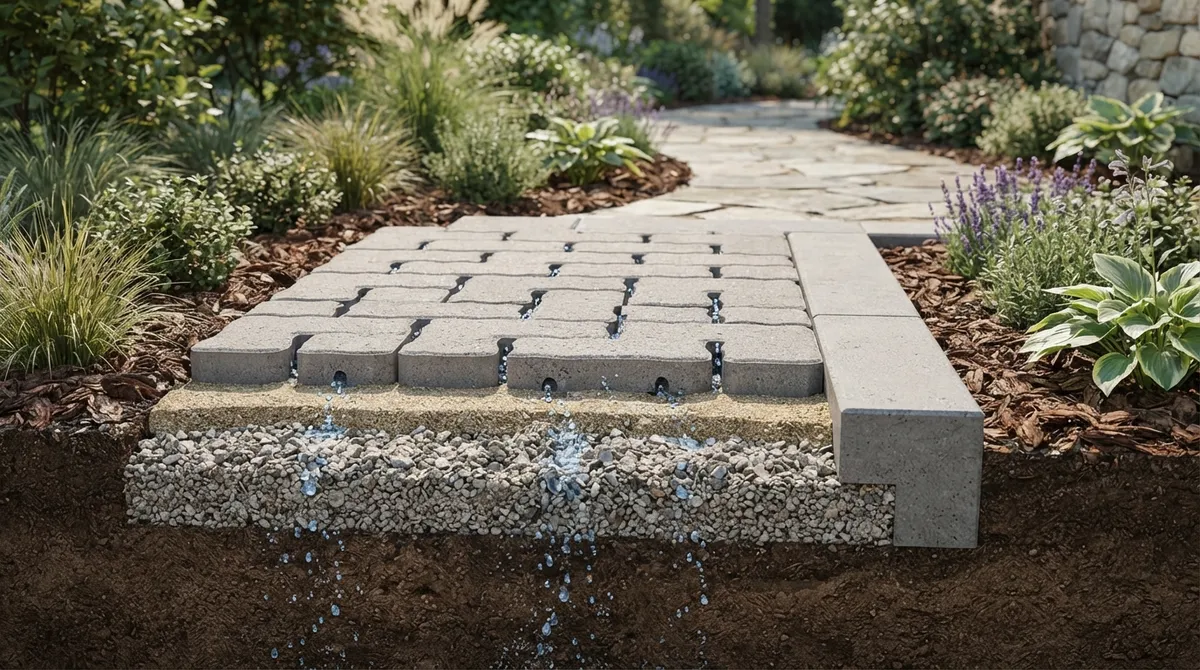
Good drainage isn’t optional here. Synthetic turf should include a permeable backing, a properly graded base, and well-detailed edges to stop water from pooling. This matters even more if you have pets, since synthetic grass can actually drain better than natural lawns when it’s installed correctly. Homes with dogs often benefit from enhanced drainage layers and odor-control infill to keep things fresh.
How Much Does Synthetic Lawn Installation Cost?
Let’s talk numbers, because we know budget matters. Published 2025 estimates from turf and landscaping sources put professional installation at roughly $8 to $14 per square foot. The University of Florida IFAS reports a slightly wider range of $5 to $15 per square foot, depending on the product quality and how much site work is needed.
| Project Size | Estimated Cost Range | Notes |
|---|---|---|
| 300 sq ft (small patio area) | $3,600 – $6,600 | Based on $12-$22/sq ft for smaller projects |
| 1,000 sq ft (average residential lawn) | $8,000 – $14,000 | Standard pricing before complex site work |
| Premium/pet systems, difficult access | $15 – $22 per sq ft | Includes demolition, drainage upgrades, premium turf |
Several things influence your final price: the size and shape of your yard, how much old material needs removing, drainage complexity, and whether you choose a pet-friendly or premium product. Our article on factors that shape artificial grass installation cost breaks this down in more detail.
Ongoing Maintenance Costs to Expect
Synthetic lawns need way less upkeep than natural grass, but they aren’t completely maintenance-free. The University of Florida IFAS estimates synthetic turf maintenance runs about $0.25 to $1.00 per square foot annually, compared to $0.10 to $0.50 per square foot for a low-input natural lawn. That said, most homeowners find the trade-off well worth it once they stop paying for weekly mowing, fertilizer, and irrigation repairs.
Water Savings: What the Research Really Says
One of the biggest draws of synthetic turf is water savings, but the numbers vary a lot depending on where you live. The Alliance for Water Efficiency found that homeowners participating in landscape-transformation programs saved anywhere from 7% to 39% on water use. That’s a broad range because it depends on your climate, your old landscape, and your watering habits.
In drier climates, the savings can be dramatic. The Southern Nevada Water Authority estimates that replacing grass can save about 55 gallons per square foot each year in that region. For a Chicago yard, actual savings will look different since our summers get more natural rainfall. Still, cutting out routine irrigation adds up, especially during dry stretches. If lowering your water bill matters to you, it’s worth calculating your own numbers based on local rates rather than relying on national averages.
Does Synthetic Turf Get Hot in the Summer?
Yes, and this is something every homeowner should know upfront. Synthetic turf can get noticeably hotter than natural grass under direct summer sun. If you have kids running around barefoot or pets that love to lounge outside, this matters.
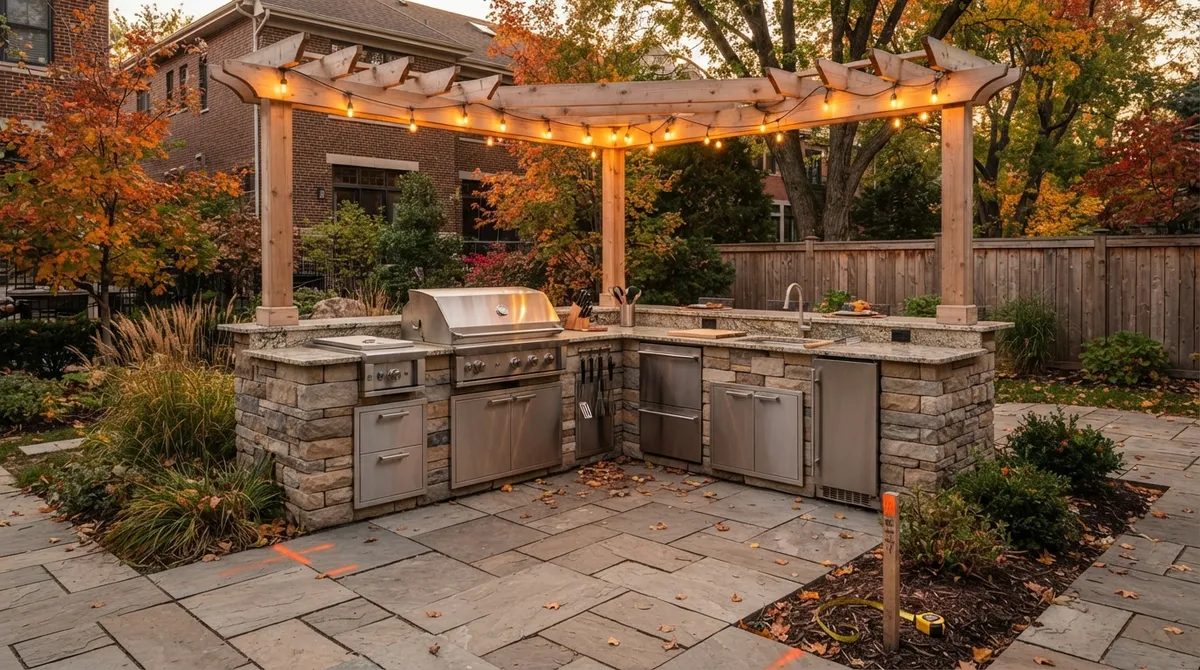
The good news? There are simple fixes. Planning shade with trees or a pergola or pavilion, giving the turf a quick cooling rinse on hot days, and choosing lighter-colored or more breathable products all help. We cover this topic in depth in our piece on how artificial turf heat reduction technology works.
Is Synthetic Turf Safe for Kids and Pets?
This is one of the most common questions we hear, and it’s a great one to ask. Modern synthetic turf products are designed with families in mind. Many use non-toxic materials and infill options specifically made for homes with children and pets.
If you share your yard with a dog, choosing the right infill really matters. Options include:
- Zeolite infill: Naturally absorbs odors and is a popular choice for pet owners
- Antimicrobial infill: Helps reduce bacteria buildup from pet waste
- Silica sand: Affordable and helps blades stand upright, though it doesn’t control odor as well
- Rubber infill: Adds cushioning but can retain more heat in direct sun
For more guidance, take a look at our comparison of infill types for artificial grass that actually work. We also have a helpful guide on cleaning artificial turf from pet waste to keep things smelling fresh.
Maintenance: Keeping Your Synthetic Lawn Looking Great
Even though synthetic turf skips the mowing and fertilizing, a little routine care goes a long way. Here’s what regular maintenance typically involves:
- Removing leaves, sticks, and debris regularly, especially during fall
- Brushing the fibers occasionally to keep the pile standing upright
- Rinsing the surface to clear dust and refresh the appearance
- Spot cleaning any spills or stains as soon as they happen
- Topping off or redistributing infill every so often
- Pulling weeds that try to sneak in around the edges
Curious how to prevent that last issue before it starts? Our article on how to prevent weeds from growing in artificial turf has some great tips.
Can You Install Synthetic Turf Over Existing Surfaces?
Good news here: synthetic turf is flexible when it comes to what’s underneath. It can be installed over soil, existing grass, and even concrete, though each surface requires different prep work.
- Over soil: Requires full excavation and base building, which is the most common scenario for residential yards
- Over existing grass: The old lawn must be removed first, roots and all, before building a proper base
- Over concrete: Often used for patios or rooftop spaces, typically needs a cushioned underlayment for comfort and drainage
Rooftop and patio installations have become especially popular with our urban condo clients looking to soften hard surfaces and combat the urban heat island effect.
How Long Does a Synthetic Lawn Last?
Quality matters a lot here. Some published estimates suggest high-quality residential synthetic turf can last roughly 15 to 20 years. But that number depends heavily on sun exposure, foot traffic, pets, and how well it’s maintained. Think of it as a solid estimate, not a guarantee carved in stone.
Installation quality plays a bigger role than most people realize. A rushed job with poor base prep will wear out faster, no matter how good the turf itself is. That’s why choosing an experienced team matters so much. Learn more about what affects longevity in our article on artificial turf lifespan in Chicago.
What Happens When Turf Needs Replacing?
It’s worth having an honest conversation about end-of-life planning before you install. Synthetic turf is a petroleum-based product, so disposal and recycling options vary depending on the manufacturer and your local regulations. When you’re shopping around, ask about the product’s composition, warranty terms, and whether the manufacturer offers a recycling program. Being upfront about these details now saves headaches down the road.
Synthetic Turf for Different Property Types
Whether you’re a homeowner in Naperville, a condo owner downtown, or managing a commercial property, synthetic turf adapts to fit your needs.
| Property Type | Common Use Case | Key Benefit |
|---|---|---|
| Suburban homes | Backyard lawns, play areas, pet runs | Consistent green look despite clay soil challenges |
| Urban condos | Rooftop terraces, balconies | Space-efficient, low-maintenance greenery |
| Commercial properties | Courtyards, entryways, common areas | Boosts curb appeal with minimal upkeep |
| New construction | Turnkey landscape packages | Move-in ready lawns that appeal to buyers |
| Local businesses | Storefront and patio areas | Attractive, durable pedestrian-friendly spaces |
Builders and developers working across Aurora and the surrounding suburbs often turn to synthetic lawns as a turnkey feature that appeals to buyers from day one. Meanwhile, business owners appreciate how a well-installed lawn can boost curb appeal without adding to the maintenance workload. If you manage a commercial property, our commercial lawn maintenance services can help keep every green space looking sharp year-round.
Choosing the Right Installer
Not all installers are created equal, and this is a decision worth researching. Look for a team with real experience in your climate, clear communication about the process, and a portfolio you can actually see. Organizations like Landscape Illinois and certifications from groups such as the ICPI Certified Installer program are good signs that a company takes its craft seriously.
We’d love for you to browse our gallery of completed projects to see the kind of craftsmanship we bring to every job. You can also learn more about our approach on our process page and our about page to see why so many Chicago-area families and businesses trust us with their outdoor spaces.
Ready to Make the Switch?
Synthetic lawn installation isn’t just about saving time on yard work, though that’s a wonderful bonus. It’s about creating a space you can actually enjoy, rain or shine, season after season. Whether you’re dreaming of a low-maintenance backyard, a pet-friendly play area, or a stunning rooftop retreat, the right installation makes all the difference.
We’d love to help bring your vision to life. Reach out today to get a free estimate, or feel free to call us at (630) 359-5139 to chat about your project. Let’s create an outdoor space you’ll fall in love with, together.
FAQs
Q: How much does synthetic lawn installation cost per square foot?
A: Great question, and one we hear all the time! Most professional installations run about $8 to $14 per square foot, though premium products or tricky site conditions can push that up to $15-$22. We’re always happy to walk through the details during a free estimate so there are no surprises.
Q: How long does a synthetic lawn last?
A: With quality materials and proper installation, you can expect your synthetic lawn to last around 15 to 20 years. Of course, things like foot traffic, pets, and sun exposure play a role too, but a well-built lawn is truly a long-term investment in your outdoor space.
Q: Does artificial grass get hot in the summer?
A: It sure can, especially in direct sunlight during those peak summer afternoons. The good news is a quick cooling rinse, some shade planning, or choosing a lighter-colored turf can make a big difference in comfort for you, your kids, and your pets.
Q: Is synthetic turf safe for children and pets?
A: Absolutely, that’s one of the reasons so many families love it! Modern turf products use non-toxic materials, and there are even specialized infill options designed specifically to keep pet areas clean and odor-free.
Q: Can synthetic turf be installed over existing grass or concrete?
A: Yes, it’s actually quite versatile! Installing over soil or existing grass requires removing the old lawn first, while concrete installations, like rooftop patios, typically need a cushioned underlayment. Either way, our team handles the prep so your new lawn looks flawless.