Key Takeaways
-
Installation quality matters more than the product itself; skipping steps like proper grading, base compaction, or drainage provisions leads to bumps, puddles, and lifting seams that show up later.
-
Artificial turf requires ongoing maintenance including debris removal, rinsing, fiber brushing, and infill top-offs—it’s low-maintenance but not no-maintenance, so set realistic expectations before installing.
-
Surface temperatures can reach 53°C to 93°C in direct sun, potentially 100°F hotter than natural grass, making it unsuitable for barefoot use by small children on hot afternoons without adequate shade.
-
Typical lifespan is 10 to 20 years at $6.50 to $15.00 per square foot installed, depending on site prep, drainage needs, and product quality; plan for eventual removal and disposal before installation.
Picture a lawn that stays green all summer, never needs mowing, and still looks great after a muddy spring. That is the promise of artificial turf, and it’s easy to see why so many Chicago-area homeowners are curious. Between hot July afternoons, soggy April yards, and long winters, a natural lawn can feel like a part-time job.
But artificial turf isn’t magic. It saves you some chores, and it adds a few new ones. It can also get hot, and it works best when it’s installed the right way. Our team at Serenity Landscape Group has spent over two decades helping Chicagoland families design outdoor spaces they love, so we want you to hear the good and the not-so-good.
Here are 15 friendly, honest facts to help you decide if artificial turf is right for your yard, your condo patio, or your business property in 2026.
The Basics: What Artificial Turf Really Is
1. It’s a Layered System, Not Just a Green Rug
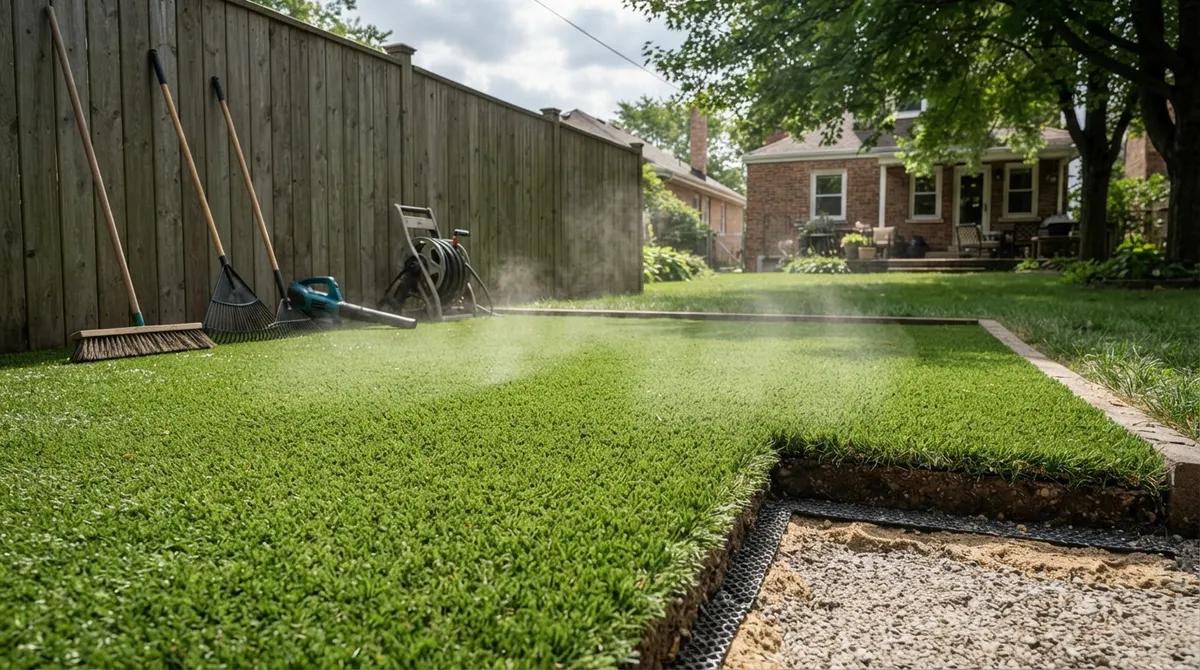
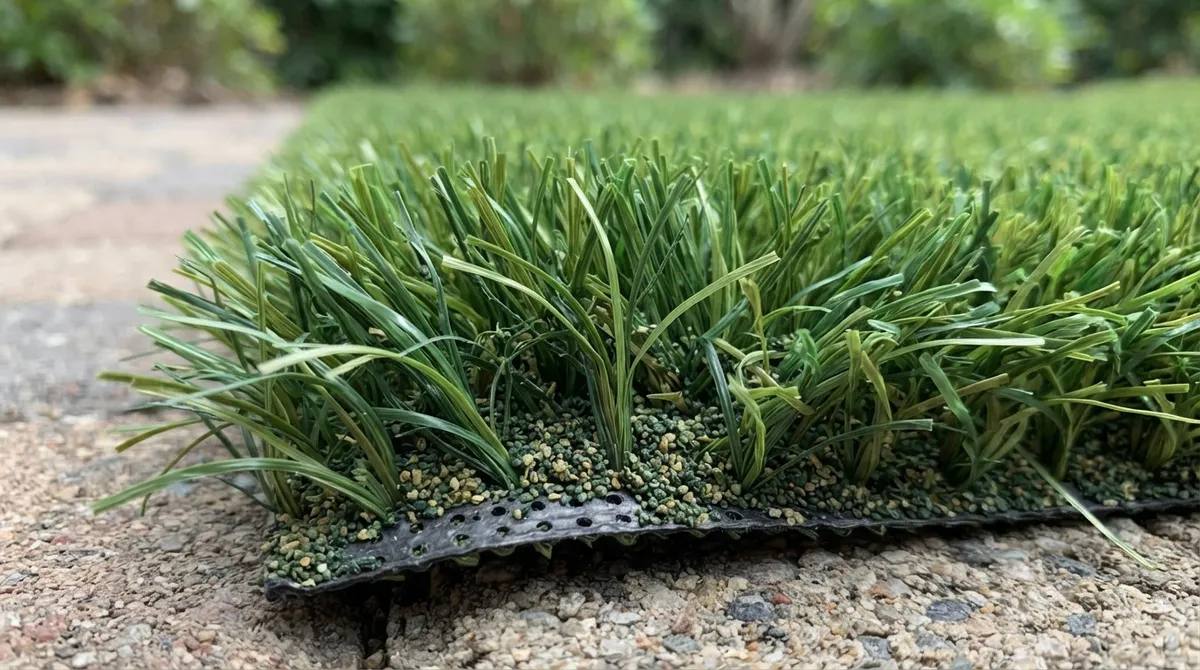
Artificial turf is a synthetic lawn made of plastic grass-like fibers. But the fibers are only the top layer. A good installation also includes a compacted base, drainage provisions where needed, and often an infill such as sand or rubber.
Think of it like a house. The pretty part is on top, but the foundation does most of the work. If you’d like to see how the pieces fit together, our guide to the 5 key stages of the artificial turf installation process walks through it.
2. Installation Quality Matters More Than the Product
A typical residential installation follows these steps:
- Remove existing grass, weeds, and some soil.
- Grade the area so water flows where it should.
- Add and compact a stable base.
- Include drainage provisions if your soil needs them.
- Lay the turf, join the seams, and secure the edges.
- Apply and brush in the infill.
Skipping or rushing any of these steps shows up later as bumps, puddles, or lifting seams. That’s why many homeowners lean on professional turf installation over DIY.
3. Your Soil and Drainage Come First
Chicago-area yards often have heavy clay soil that holds water. Before any turf goes down, a good installer checks how your yard drains. A soggy spot underneath can cause trouble later, no matter how nice the turf looks.
If wet areas are your main frustration, you might also enjoy our look at grass alternatives for wet backyards.
The Upsides: Why People Love It
4. Goodbye, Mowing
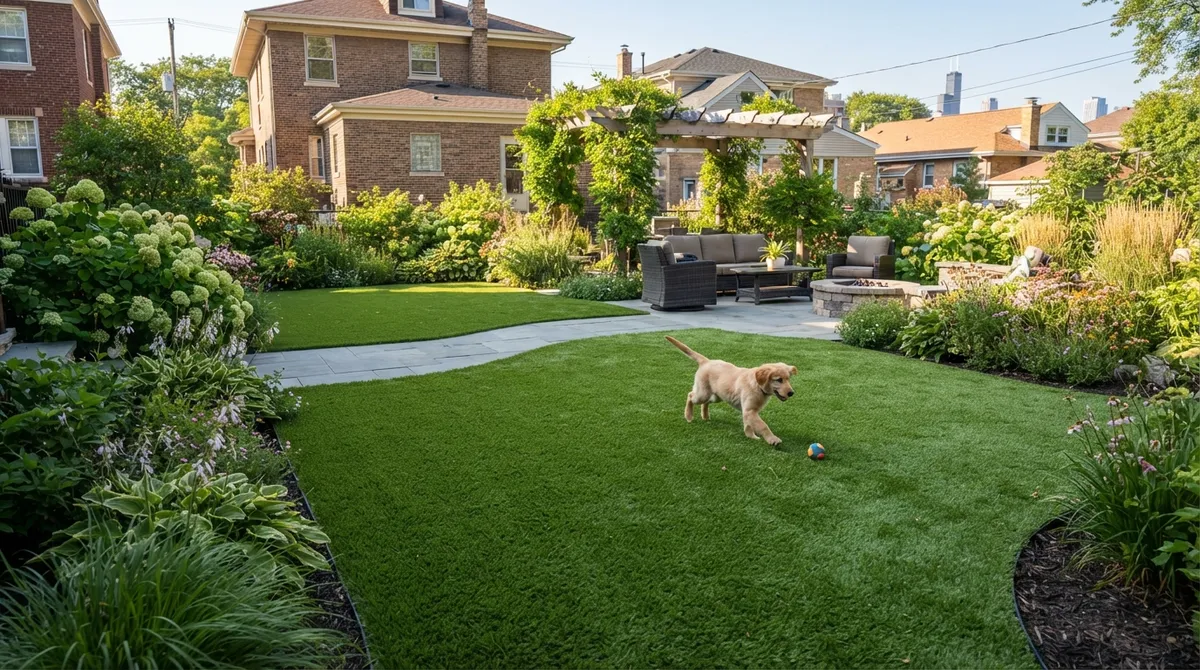
This is the big one. Artificial turf eliminates mowing, and it usually avoids routine irrigation, fertilizing, and many weed-control tasks too. For busy suburban families, that can give back whole weekends.
5. It Stays Green Through Rough Weather
Dry spells, heavy foot traffic, and patchy shade can leave a natural lawn looking tired. Turf keeps a consistent green look. It also works well in spots where grass struggles, like shaded areas under big trees.
6. It’s Great for Small Urban Spaces
If you live in a Chicago condo with a small patio or rooftop, real grass can be tough to keep alive. Turf can turn a bare corner into a usable green space. Rooftop projects take extra planning, so see our tips on Chicago rooftop turf installation.
7. Commercial Properties Get a Tidy Look
Property managers often want a clean, welcoming look without constant crews. Turf can deliver that for entryways, courtyards, and amenity areas. Learn more in why commercial artificial turf is a smart choice in Chicago.
The Honest Downsides
8. It’s Low-Maintenance, Not No-Maintenance
Here’s where we keep it real. Artificial turf still needs some care:
- Removing leaves and debris
- Rinsing off dust and spills
- Brushing fibers to lift matted spots
- Spot cleaning stains
- Topping off infill now and then
It’s far less work than a natural lawn, but it isn’t zero. Our artificial turf maintenance tips make the routine simple.
9. Heat Is a Real Concern
This is the biggest practical drawback. In direct sun, synthetic surfaces can get much hotter than the air and much hotter than natural grass. A Western Sydney University review found maximum surface temperatures of 53°C to 93°C across studies, with the highest readings on sunny days. Those are study peaks, not what every yard will see, but they’re worth respecting.
University of Florida guidance also notes that natural turf can be up to 100°F cooler than synthetic turf in some conditions. Spraying water cools the surface only briefly, and it uses water.
So think about shade, how your family uses the space, and whether kids or pets will be out there on hot afternoons. For more on this, read about how heat reduction technology works and the heat mistakes Chicago homeowners make.
10. It Doesn’t Act Like Living Grass
Artificial turf doesn’t support soil life or pollinators the way a planted lawn can. It also doesn’t cool the air through evapotranspiration, the natural process where plants release water vapor. If wildlife and cooling matter to you, a mixed approach can work well. Pair turf in high-use spots with planting beds. Our team designs softscapes that balance both.
11. Stormwater Needs a Plan
A compacted base can reduce how much water soaks into the ground. Without good design, that can increase runoff. A well-planned system manages stormwater on purpose. If you’re curious how that works, check out how turf drainage systems work.
Costs and Lifespan
12. Prices Vary Widely
A 2025 cost guide from Ergeon estimated an installed range of $6.50 to $15.00 per square foot, with an average near $10.75. That’s a contractor-published estimate, not a national price survey. Your real number depends on your region, the product, site prep, access, drainage, and removal of what’s already there.
Here’s a quick look at what shapes your quote:
| Cost Factor | Why It Matters |
|---|---|
| Turf product quality | Fiber type and backing affect price and durability |
| Site preparation | Removing old lawn and grading adds labor |
| Drainage needs | Clay soil may need extra base work |
| Access to your yard | Tight gates make hauling harder |
| Infill choice | Different materials cost and perform differently |
The best move is to ask for an itemized local quote. Our guide to real artificial turf prices can help you read one with confidence.
13. Most Turf Lasts 10 to 20 Years
University of Florida guidance from 2025 gives a typical lifespan of about 10 to 20 years. Your results depend on the material, sun exposure, foot traffic, installation quality, and upkeep. Check the product warranty, too. For local insight, see artificial turf lifespan in Chicago and tips to maximize it in Illinois.
14. Plan for the End of the Road
Every turf lawn eventually needs replacing. Recycling options can be limited, so it’s smart to ask about removal and disposal before you install. Thinking ahead now saves surprises later.
Pets, Kids, and Everyday Life
15. Pet Areas Need a Little Extra Love
Dogs often love turf because there’s no mud. But pet areas may need more frequent rinsing and some odor management. Choosing the right infill helps a lot. Explore the infill types that actually work and our simple guide to cleaning pet waste from turf.
Quick Comparison: Turf vs. Natural Lawn
| Feature | Artificial Turf | Natural Lawn |
|---|---|---|
| Mowing | None | Weekly in season |
| Watering | Usually none | Regular |
| Surface heat | Can get very hot in sun | Stays cooler |
| Ecological value | Limited | Supports soil life and pollinators |
| Upfront cost | Higher | Lower |
| Typical lifespan | About 10 to 20 years | Ongoing with care |
Want to dig deeper into the money side? Our breakdown of the cost-benefit facts of turf vs. real grass is a great next read.
How to Know If Turf Fits Your Property
Artificial turf tends to shine in a few situations. Consider it if you have:
- Heavily shaded areas where grass won’t grow
- High-traffic play or pet zones
- Small urban patios or rooftops
- Commercial entryways that need a tidy look year-round
- A strong desire to cut back on mowing and watering
It may be a weaker fit if you have a sun-baked yard used barefoot by small children, or if supporting pollinators is a top goal. Many clients choose a blend: turf for the busy zones, plus planting beds, pavers, and a cozy fire pit to round out the space.
Ready to Explore Artificial Turf?
Artificial turf can be a wonderful fit when it’s planned well and installed with care. The key is honest expectations: less mowing, yes; zero upkeep, no. When you weigh heat, drainage, cost, and lifespan up front, you’ll end up with a lawn you actually enjoy.
We’d love to help you picture the possibilities. You can learn more about our artificial turf installation services, peek at our gallery of our work, or get a free estimate to start planning. Prefer to chat? Just call us at (630) 359-5139, and we’ll walk through your yard together.
For extra reading, the Landscape Illinois association and the ICPI Certified Installer program are helpful resources when you’re comparing outdoor projects.
FAQs
Q: How much does artificial turf cost to install per square foot?
A: A 2025 contractor-published estimate puts installed turf at roughly $6.50 to $15.00 per square foot, with an average near $10.75. Your actual price depends on your site, the product, drainage needs, and removal of the old lawn, so an itemized local quote is your best guide.
Q: How long does artificial turf last in a residential yard?
A: Most artificial turf lasts about 10 to 20 years, according to University of Florida guidance. Sun exposure, foot traffic, installation quality, and regular upkeep all play a part, so check the product warranty too.
Q: Does artificial turf get too hot for kids and pets?
A: It can, especially in direct sun. Studies have recorded surface temperatures far above the air temperature on sunny days, so shade, timing, and how you use the space really matter. Wetting the surface only cools it for a short time.
Q: What maintenance does artificial turf need?
A: It’s much lighter than a natural lawn, but not zero. Plan on clearing debris, rinsing, brushing fibers to lift matted spots, spot cleaning, and topping off infill when needed. Pet areas may need more frequent rinsing.
Q: Does artificial turf drain well?
A: A well-designed system drains nicely, but a compacted base can reduce how much water soaks into the ground. Good grading and drainage planning are key to avoiding puddles and extra runoff.