Key Takeaways
-
Artificial turf typically costs $25-$35 per square foot upfront, but saves $1,700-$4,700+ annually on maintenance, watering, and repairs, often paying for itself within 10+ years of use.
-
Professional installation is critical—avoid DIY projects and common mistakes like poor base preparation, cheap products, or ignoring drainage to ensure 10-15+ year lifespan and avoid costly underperformance.
-
Artificial turf stays green year-round even through harsh Chicago winters, eliminating brown dormancy and expensive spring repairs while handling heavy snow without damage.
-
Synthetic grass is ideal for high-traffic areas, pet owners, and commercial properties since it resists mud, wear, and damage while remaining safe without pesticides or digging hazards.
-
Modern artificial turf can retain significant heat in direct summer sun—hotter than natural grass—so consider heat reduction technology options if young children play outdoors during peak heat.
-
Work with experienced professionals and ICPI-certified installers rather than DIY to ensure proper site assessment, ground preparation, correct infill application, and seamless seam joining for optimal results.
If you’ve been staring at patchy grass or drowning in lawn care bills, you’ve probably asked yourself: is artificial turf worth it? It’s one of the most common questions we hear from homeowners and property managers across the Chicago area. And honestly, it’s a great question — because the answer isn’t always the same for everyone.
Artificial turf has come a long way from the scratchy plastic carpets of decades past. Today’s synthetic grass looks and feels remarkably realistic. It’s showing up in suburban backyards, urban rooftops, commercial courtyards, and even pet-friendly play areas. The artificial turf installation industry is booming, with the global market projected to reach $7 billion — and for good reason.
But is it the right choice for your space? In this guide, we’ll walk through the real pros and cons, the true costs, and when synthetic turf makes the most sense. Let’s dig in.
What Is Artificial Turf in Landscaping?
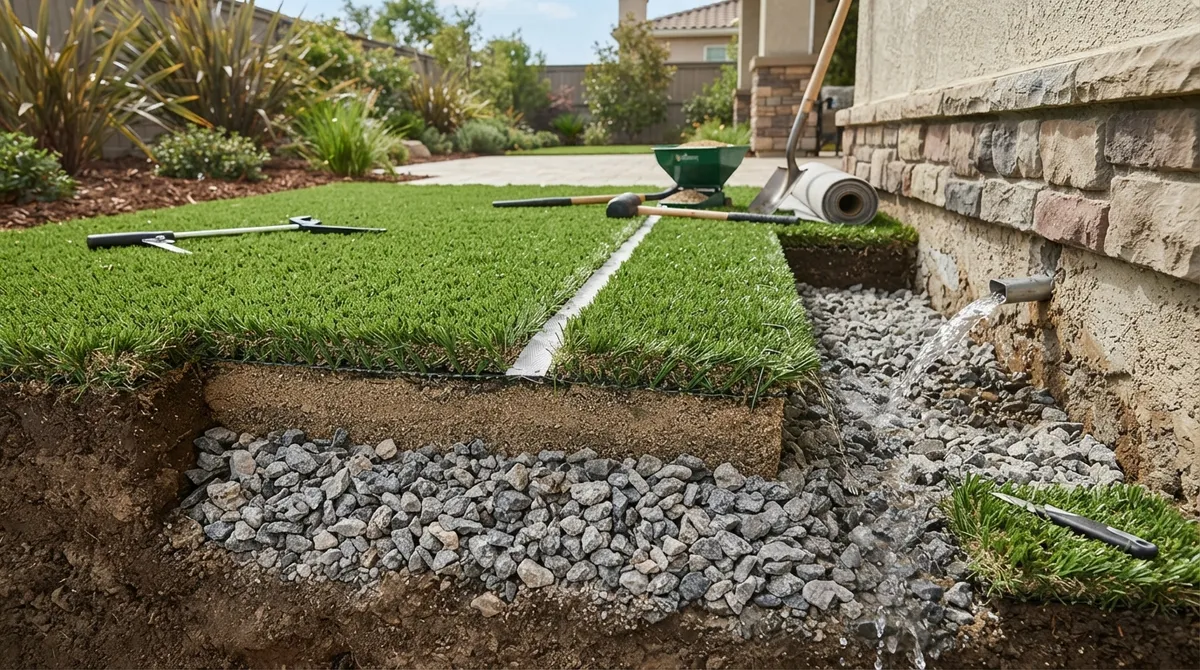
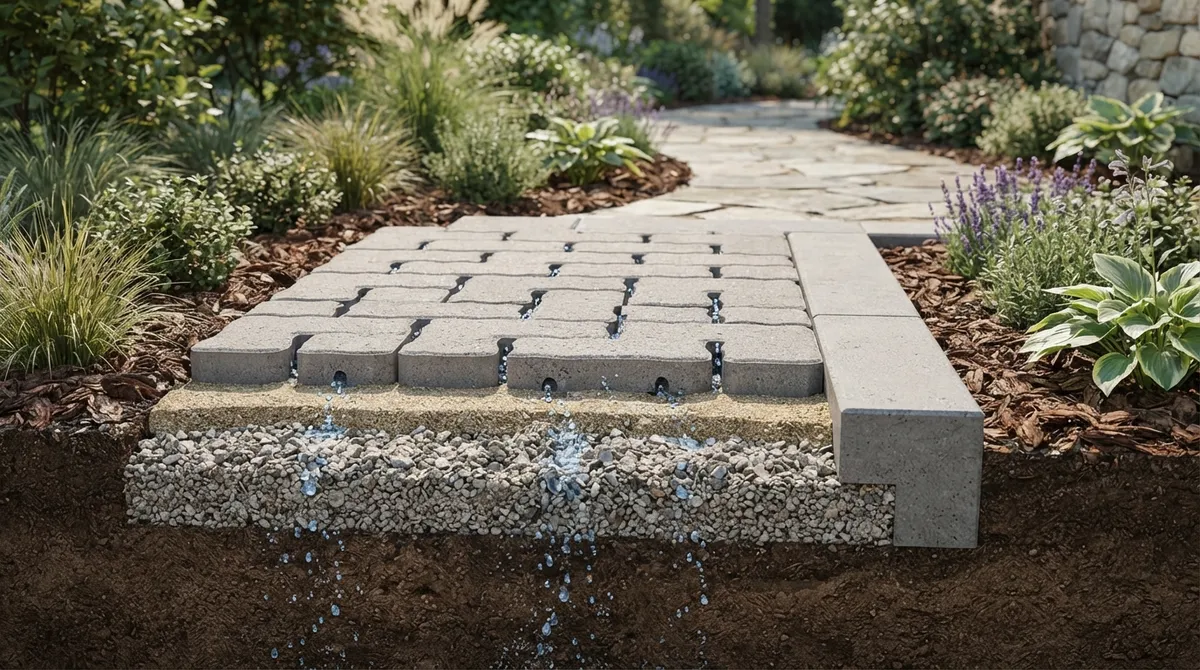
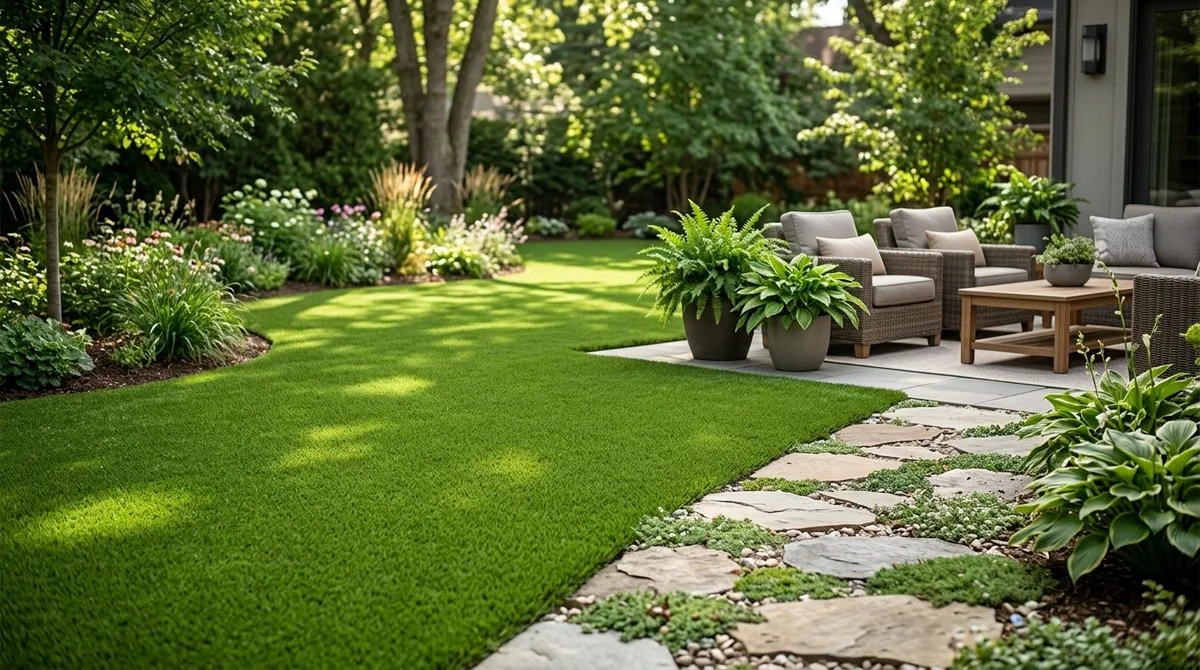
Artificial turf — also called synthetic grass — is a surface made from synthetic fibers designed to look like natural grass. In landscaping, it’s used for lawns, patios, play areas, dog runs, rooftop terraces, and commercial properties. It’s installed over a base layer of compacted materials that ensures proper drainage and stability.
Nearly one-third of the global turf market is now used for landscape and recreational purposes — up from its sports-field origins. That shift tells you something important: everyday homeowners and businesses are embracing it as a serious landscaping option. If you’re curious about how to get artificial grass installation right the first time, the foundation starts with understanding what you’re working with.
The Real Cost of Artificial Turf
Let’s talk numbers first, because cost is usually the biggest concern. Artificial turf is not cheap upfront. Proper installation typically runs $25 to $35 per square foot. For a 1,000 square foot lawn, that’s over $25,000 to start.
That sounds like a lot — and it is. But here’s the key: you have to look at the full picture over time. Check out this cost comparison:
| Cost Category | Natural Grass (Annual) | Artificial Turf (Annual After Install) |
|---|---|---|
| Watering | $500–$1,200+ | $0–$50 (occasional rinse) |
| Mowing / Lawn Service | $800–$2,000+ | $0 |
| Fertilizing & Weed Control | $200–$600 | $0–$100 |
| Pest & Disease Control | $100–$400 | $0 |
| Repairs & Reseeding | $100–$500 | Minimal |
| Total Estimated Annual | $1,700–$4,700+ | $50–$150 |
When you add up those savings year after year — especially over a 10+ year lifespan — artificial turf often pays for itself. For many Chicago-area homeowners dealing with harsh winters and hot summers, that math makes a lot of sense. You can also explore 14 cost-benefit facts comparing artificial turf vs real grass to dig deeper into the numbers.
Top Benefits of Artificial Turf for Landscaping
So why are so many people saying yes to synthetic grass? Here are the biggest reasons homeowners, property managers, and business owners are making the switch.
1. Dramatically Lower Maintenance
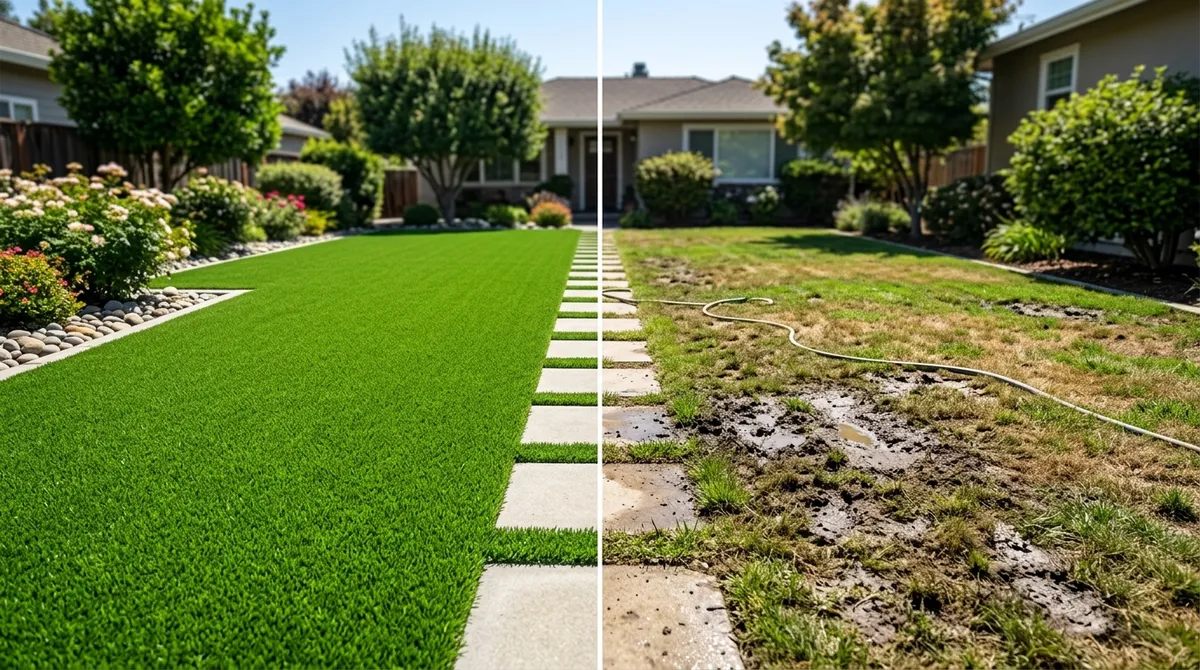
One of the biggest draws is how little upkeep artificial turf requires. Once it’s installed, you can say goodbye to mowing, watering, fertilizing, weeding, and applying pest treatments. That saves serious time and money every single season.
It does need some care — occasional brushing, sweeping off debris, and rinsing. But compare that to the weekly grind of natural lawn care, and it’s a totally different lifestyle. Learn more about how to maximize your artificial turf lifespan in Illinois with simple, easy habits.
2. Stays Green Year-Round in Chicago
Chicago winters are no joke. Natural grass goes dormant, turns brown, and often suffers freeze-thaw damage that requires expensive spring repairs. Artificial turf stays green and lush no matter what the season brings. It handles heavy snow beautifully — as you can read about in our guide on how artificial turf handles heavy snow like a pro.
3. Perfect for High-Traffic Areas
Natural grass gets worn out fast in high-use spots — think pet areas, play zones, or commercial entrances. Artificial turf stands up to heavy foot traffic without turning muddy or bald. That’s why it’s a top choice for high-traffic commercial turf solutions for Illinois properties.
4. Boosts Curb Appeal and Property Value
A lush, green lawn year-round creates a great first impression. For homeowners, that means stronger curb appeal and potentially higher resale value. For businesses, it means a polished, professional look that attracts customers. Artificial turf doesn’t brown out or look patchy — it always looks its best. Explore 15 ways artificial turf increases Chicago property value to see the full impact.
5. Great for Pets and Kids
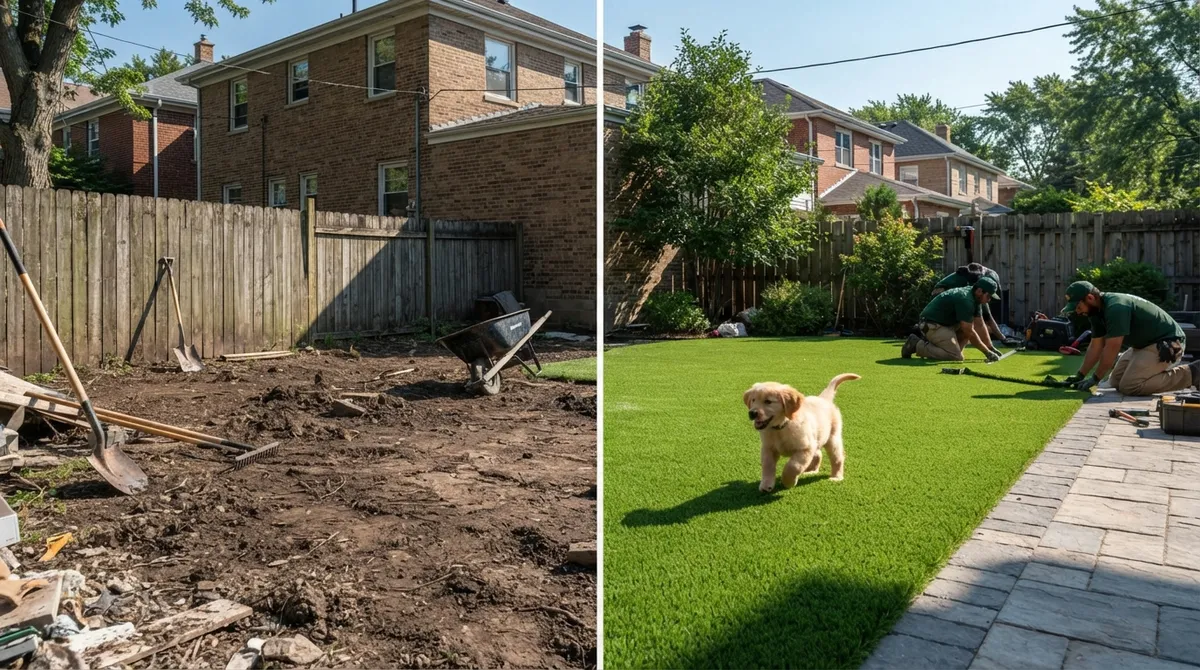
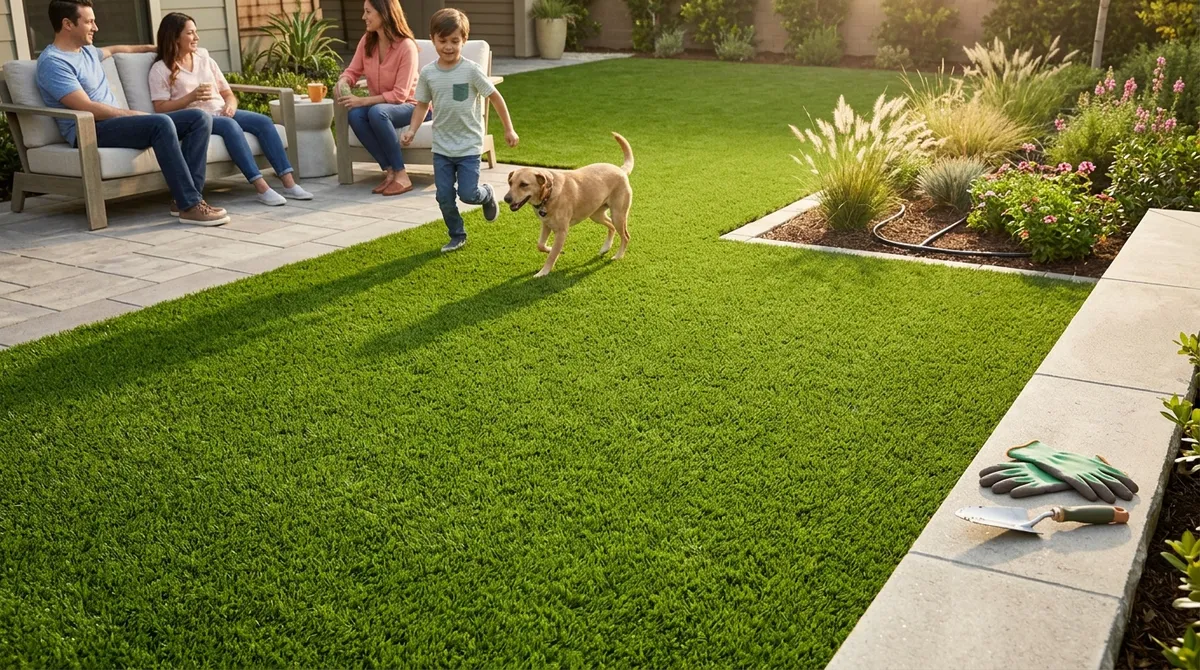
Artificial turf provides a clean, safe surface for children and pets. There’s no mud tracked into the house, no pesticides in the play zone, and no digging up the yard. Pet-specific turf varieties are designed for easy cleanup and odor control. For pet owners, it’s often a game-changer — check out our guide on easy-clean pet turf for pet-friendly yards.
Honest Drawbacks to Consider
We believe in giving you the full picture. Artificial turf isn’t perfect for every situation. Here are a few things to think carefully about before deciding.
- High upfront cost: At $25–$35 per square foot, installation is a significant investment that not every budget can absorb at once.
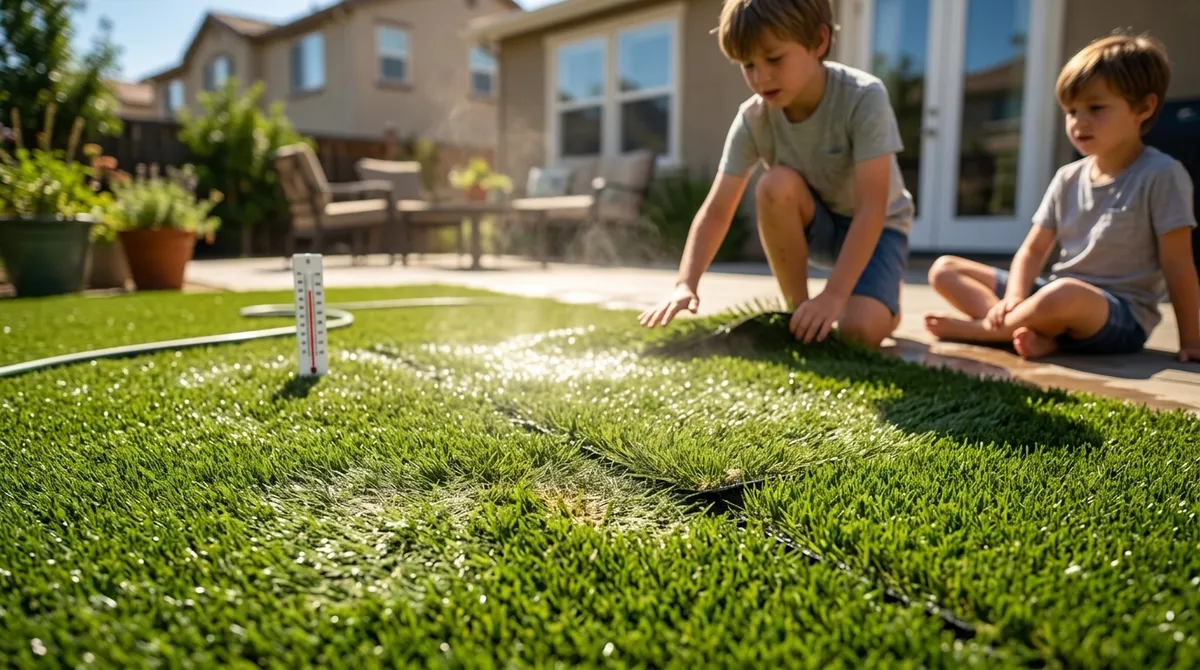
- Heat retention: Synthetic turf can get hot in direct summer sun — hotter than natural grass. This is worth knowing if you have young children playing outdoors midday. Read about how artificial turf heat reduction technology works to understand your options.
- Environmental concerns: Recyclability of older turf products has been a challenge. However, the industry is improving, and eco-friendly options are growing. Learn about the eco-friendly benefits of synthetic lawns.
- Not zero maintenance: You still need to brush, rinse, and clear debris regularly to keep it looking great and performing well.
- Not ideal for every yard: Heavily shaded areas, certain drainage challenges, or HOA restrictions may limit where turf can be installed.
The good news? Many of these concerns can be addressed with the right product selection and professional installation. That’s why working with an experienced team — rather than going DIY — makes a real difference. Here’s a helpful read on why professional turf installation beats DIY.
Who Benefits Most from Artificial Turf?
Artificial turf isn’t the perfect solution for everyone — but for certain situations, it’s a clear winner. Here’s a quick breakdown:
Best Candidates for Artificial Turf
- Suburban homeowners with busy schedules who want a beautiful lawn without constant upkeep
- Urban condo owners with rooftop terraces or small courtyards — great for rooftop artificial turf in Chicago
- Commercial property managers who need low-maintenance, year-round green spaces for office parks or retail properties
- Pet owners who want a clean, durable yard that handles dogs gracefully
- New home builders looking to deliver turnkey, move-in-ready landscaping that impresses buyers
- Small business owners who want polished outdoor spaces (like restaurant patios) that need to look great every day
According to Landscape Illinois, sustainable and low-maintenance landscaping choices are increasingly popular among Illinois property owners — and artificial turf fits right into that trend.
Artificial Turf vs. Natural Grass: A Quick Comparison
Still on the fence? Here’s a side-by-side look at how synthetic and natural grass stack up across the factors that matter most:
| Factor | Artificial Turf | Natural Grass |
|---|---|---|
| Upfront Cost | High ($25–$35/sq ft) | Low to moderate |
| Annual Maintenance Cost | Very low | High |
| Water Usage | Minimal | High |
| Appearance Year-Round | Always green | Seasonal variation |
| Lifespan | 10–15+ years | Ongoing replanting needed |
| Durability / Traffic | Excellent | Moderate |
| Environmental Impact | Saves water; recyclability improving | Absorbs carbon; needs chemicals |
| Pet & Child Friendly | Very high (no mud, no chemicals) | Moderate (mud, pesticides) |
For more details on this comparison in the context of Chicago’s climate, check out artificial turf vs. natural grass for Midwest winters.
What Does the Installation Process Look Like?
Knowing what to expect makes the whole process feel a lot less intimidating. Here are the key stages of professional artificial turf installation:
- Site assessment and planning: A professional evaluates your space, drainage, usage needs, and turf options.
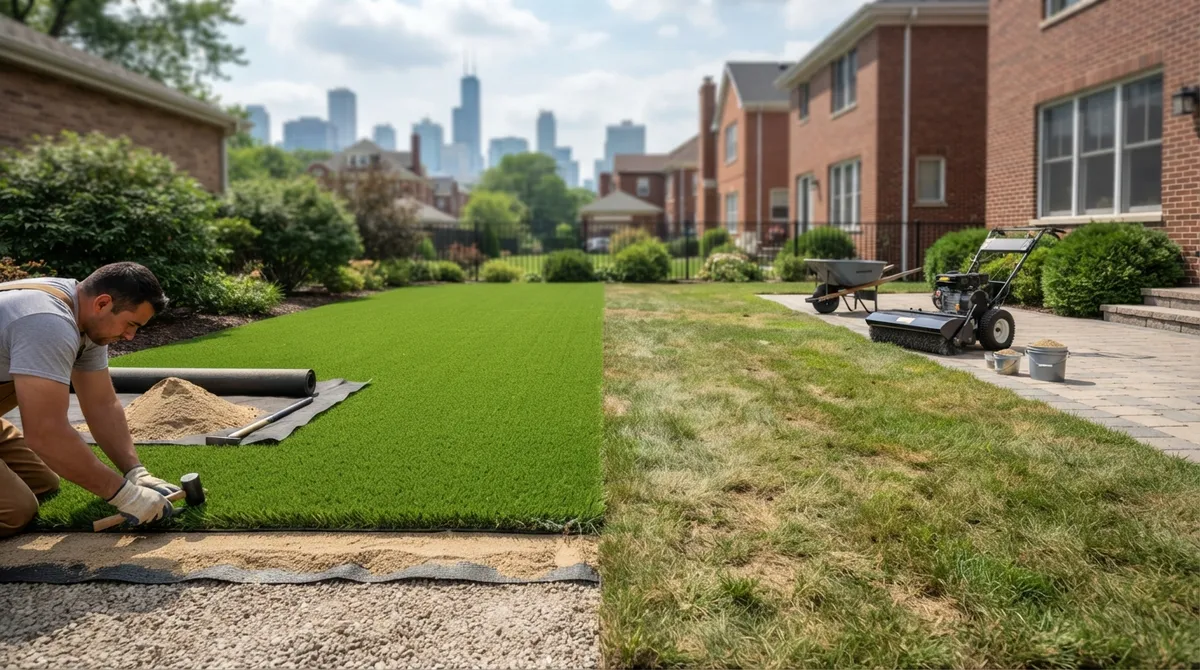
- Ground preparation: The existing grass is removed, and the ground is leveled and compacted. Choosing the right base material is critical — read about the 7 best base materials for turf installation in 2026.
- Weed barrier installation: A barrier is laid to prevent future weed growth beneath the turf.
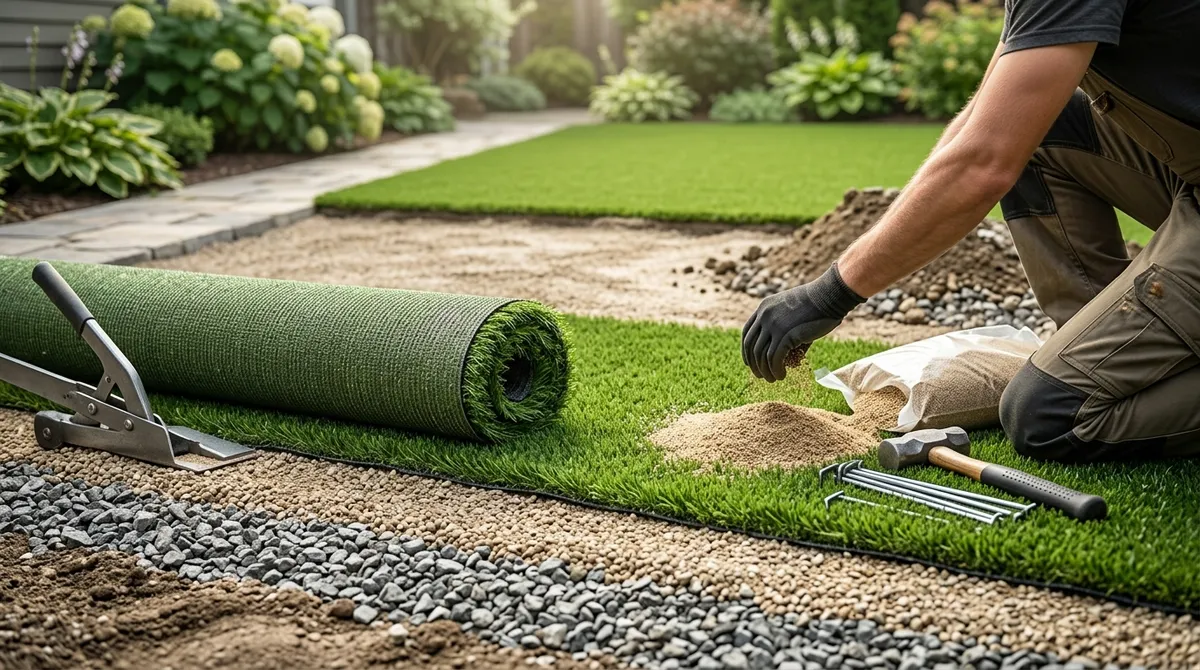
- Turf installation: The synthetic grass is rolled out, trimmed, and secured. Seams are carefully joined for a seamless look.
- Infill application and finishing: Infill material is spread to support the fibers and give the turf its natural feel. Learn about 9 infill types for artificial grass that actually work.
Getting each stage right is what separates a long-lasting installation from one that underperforms. The team at Serenity Landscape Group follows a detailed process to ensure every installation is done properly the first time. You can explore our full approach on the Serenity Landscape Group process page.
Common Mistakes to Avoid
Artificial turf is a big investment, so avoiding costly errors matters. Here are the most common pitfalls we see:
- Choosing the cheapest product without considering quality or pile height
- Skipping proper base preparation, which leads to drainage problems and uneven surfaces
- DIY installation that results in visible seams or edges that lift over time
- Ignoring heat management in sunny areas — especially relevant for Chicago summers
- Not understanding HOA rules before installation
Our full guide on 7 artificial turf installation mistakes to avoid in Chicago covers each of these in detail. Being informed upfront saves headaches down the road.
For additional guidance, the ICPI Certified Installer network is a trusted resource for finding vetted landscape professionals who meet industry installation standards.
Is Artificial Turf Worth It? The Bottom Line
So, is artificial turf worth it? For most homeowners and commercial property owners in the Chicago area, the answer is yes — with the right expectations and the right installation. The upfront cost is real, but the long-term savings on water, maintenance, and repairs add up quickly.
It’s especially worth it if you want a beautiful, low-maintenance outdoor space that looks great all year. It’s also ideal for high-traffic areas, pet owners, rooftop spaces, and commercial properties where curb appeal matters every day. For more inspiration on creating a complete outdoor transformation, explore 11 ways to transform your outdoor spaces in 2026.
According to the Landscape Illinois association, sustainable landscaping choices — including water-saving solutions like artificial turf — are among the fastest-growing trends in the state. That momentum isn’t slowing down anytime soon.
Whether you’re a homeowner ready to retire the lawnmower, a property manager seeking a year-round solution, or a builder wanting to wow buyers, artificial turf deserves a serious look. The key is working with experienced professionals who get the details right.
Ready to find out if artificial turf is the right fit for your property? Request your free estimate today and let our team help you explore the best options for your space — or feel free to call us at (630) 359-5139 to chat with a landscaping expert.
FAQs
Q: How long does artificial turf last before it needs to be replaced?
A: Great news — properly installed artificial turf typically lasts more than 10 to 15 years with minimal repairs needed. The key is getting the installation done right from the start and keeping up with basic maintenance like brushing and rinsing. In Chicago’s variable climate, choosing a high-quality product built for freeze-thaw conditions also makes a big difference in longevity.
Q: Does artificial turf really save money compared to natural grass?
A: Yes, it really does — just not right away! The upfront installation cost of $25–$35 per square foot is significant, but you save thousands each year by eliminating watering, mowing, fertilizing, and pest control expenses. Most homeowners and commercial property managers find that the investment pays for itself over time, especially in areas where water costs are high.
Q: Is artificial turf safe for pets and children?
A: Absolutely — and this is one of its biggest advantages! Artificial turf eliminates mud, puddles, and the need for chemical pesticides or fertilizers, creating a much cleaner and safer play environment for kids and pets. Pet-specific turf varieties are available with enhanced drainage and odor-control features, making cleanup a breeze.
Q: Can artificial turf be installed on rooftops or small urban spaces?
A: Yes, and it’s actually one of the best uses for synthetic grass in Chicago! Rooftop terraces, balconies, and small courtyard spaces are perfect candidates for artificial turf because it’s lightweight, durable, and requires no irrigation. It transforms otherwise underused spaces into beautiful, functional green areas without the weight and complexity of natural soil and sod.
Q: What maintenance does artificial turf require after installation?
A: Artificial turf is wonderfully low-maintenance — but it’s not completely zero effort! You’ll want to brush the fibers periodically to keep them upright, sweep off leaves and debris, and rinse the surface occasionally to keep it clean and fresh. For pet owners, a bit more regular rinsing is recommended to manage odors. Compared to the weekly demands of a natural lawn, it’s a very manageable routine!