Key Takeaways
-
Cantilever retaining walls use leverage and soil weight on their T-shaped base to resist pressure efficiently, making them ideal for commercial applications over 4 feet tall without requiring excessive material volume.
-
In Illinois, commercial retaining walls typically require building permits, structural engineering drawings, and inspections, especially for walls over 4 feet or supporting significant loads like parking areas.
-
Proper drainage with gravel backfill and perforated pipe is critical for both wall types to prevent hydrostatic pressure buildup that causes movement, cracking, and potential wall failure.
-
Cantilever walls are the smart choice for parking lots, driveways, and heavy-load applications, while gravity walls work better for decorative structures under 3-4 feet with limited budgets.
-
Well-built cantilever retaining walls last 50+ years, but footings must extend below Chicago’s 42-inch frost line and soil must be properly compacted in lifts to prevent settling and shifting.
-
Commercial cantilever walls can be finished with stone veneer, precast panels, or concrete masonry units to combine structural strength with aesthetic appeal matching your landscape design.
If your commercial property has slopes, uneven terrain, or erosion problems, you’ve probably heard about retaining walls. But here’s the thing — not all retaining walls are created equal. Two of the most common types are commercial cantilever retaining walls and gravity retaining walls, and choosing between them can feel overwhelming. Don’t worry — we’re here to make it simple. In this guide, we’ll break down exactly what each wall does, how they compare, and when one makes more sense than the other for your property. Whether you manage an office park, own a retail strip, or are developing a new commercial site in the greater Chicago area, this comparison will help you make a smart, confident decision for your landscape project.
What Is a Cantilever Retaining Wall?
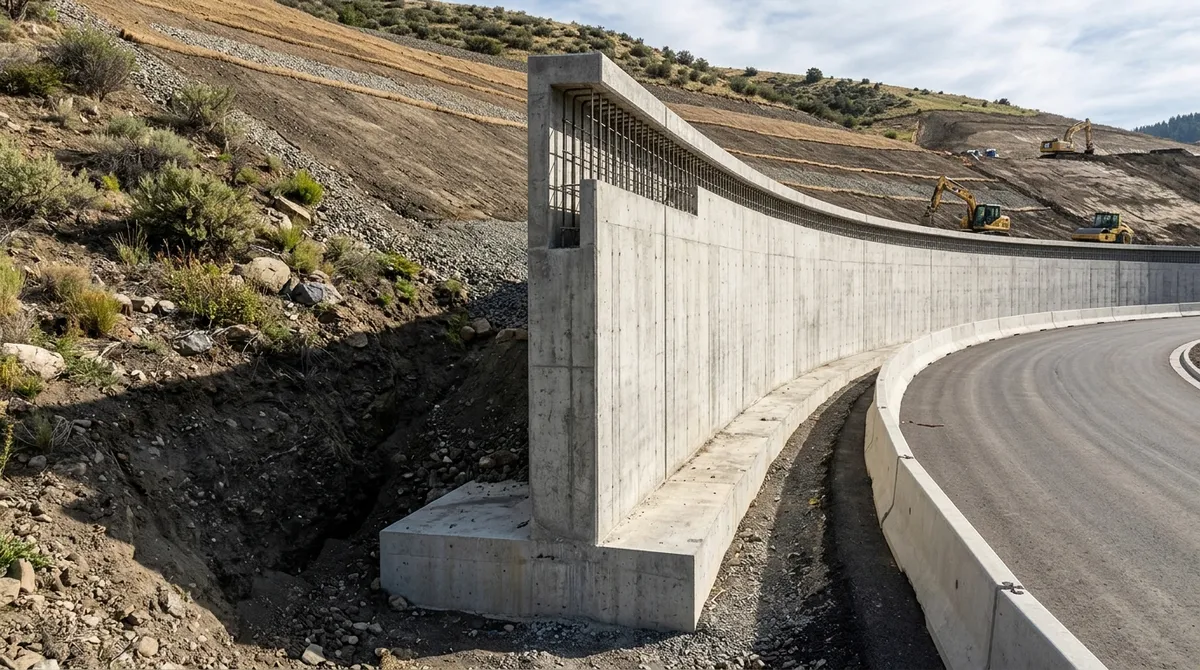
A cantilever retaining wall is an engineered structure, typically made from reinforced concrete. It has a vertical stem that rises from a wide, flat footing — kind of like an upside-down “T” shape. The magic of this design is leverage. The wall uses its own base and the weight of the soil sitting on the footing’s “heel” to resist the pressure of the soil behind it. This means it doesn’t need to be massive or overly thick to do its job. You can learn more about how these structures are used in commercial landscaping on our retaining walls service page.
These walls are a go-to choice for taller installations — typically anything over four feet in height. They’re engineered to handle significant lateral soil pressure without requiring the sheer volume of material that other wall types need. That makes them both space-efficient and cost-effective on the right project.
What Is a Gravity Retaining Wall?
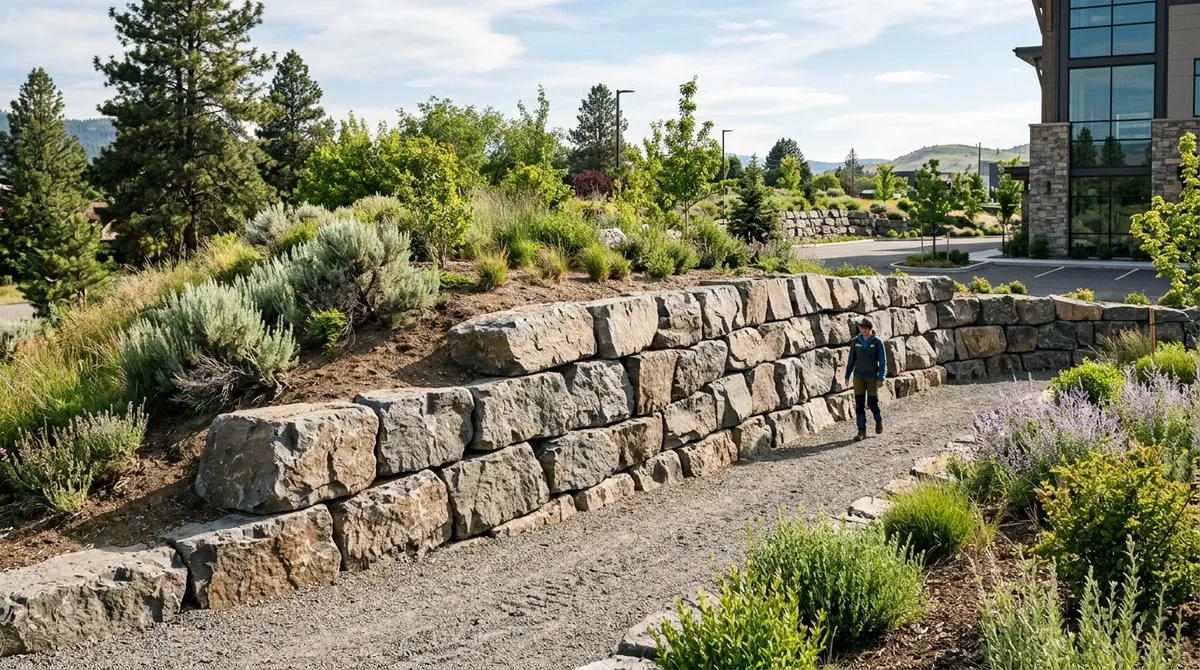
A gravity retaining wall, by contrast, relies purely on its own weight to hold soil back. Think of a thick, heavy mass of stone, concrete block, or natural rock stacked to create a barrier. These walls are generally shorter — most landscape applications keep them under four feet tall — and they’re very popular for decorative or residential-scale projects.
Gravity walls are simpler to build and don’t always require engineering or deep footings. But as the height requirement grows, so does the material needed, which can drive up costs quickly. For a deeper dive into wall options for your property, check out our article on what a retaining wall is and whether you need one.
Cantilever vs. Gravity: Side-by-Side Comparison
Let’s put both wall types head-to-head so you can see the key differences at a glance. This table covers the most important factors for commercial landscaping decisions.
| Feature | Cantilever Retaining Wall | Gravity Retaining Wall |
|---|---|---|
| Primary Material | Reinforced concrete | Stone, block, or mass concrete |
| Height Range | Best for 4–25+ feet | Best for under 4 feet |
| How It Works | Uses leverage and soil weight | Uses sheer mass and gravity |
| Material Efficiency | High — uses less material | Lower — needs more volume |
| Engineering Required | Yes — structural design needed | Often not for shorter walls |
| Permits Required | Usually yes | Sometimes, depending on height |
| Best For | Commercial, heavy loads, tall grades | Decorative, low-height applications |
| Aesthetic Options | Moderate — can be faced with stone | High — natural, varied looks |
| Long-Term Durability | Very high when properly installed | Good for low walls |
When Should You Choose a Cantilever Retaining Wall?
Commercial cantilever retaining walls shine in specific situations. Here are the top scenarios where a cantilever design makes the most sense for your property:
- You need a tall wall. When terrain drops more than four feet or you’re managing a significant grade change, cantilever walls are the smart engineering choice.
- You’re dealing with heavy loads above the wall. Parking lots, driveways, equipment pads, and pedestrian walkways all place extra pressure on retaining structures. Cantilever walls are built to handle it.
- Space is limited on your site. Because cantilever walls use leverage instead of mass, they have a smaller footprint than a gravity wall of equal height.
- Your site has unstable or expansive soil. Chicago’s clay-heavy soil is notorious for shifting. An engineered cantilever wall with proper drainage handles these conditions far better.
- Your project must meet local building codes. Commercial properties in Illinois often require engineered retaining solutions for taller walls or load-bearing applications.
If any of these situations sound familiar, a cantilever wall is likely your best path forward. Our team at Serenity Landscape Group can evaluate your site conditions and recommend the right solution. For more insight on slope challenges, read our article on why commercial properties need slope stabilization.
When Should You Choose a Gravity Retaining Wall?
Gravity walls are a wonderful option in the right setting. Here’s when they make perfect sense:
- You need a shorter, decorative wall. Walls under three to four feet that serve both a structural and aesthetic role are perfect for gravity designs using natural stone or attractive block.
- Your budget is tighter and the grade is modest. Gravity walls can be more affordable for low-height applications because engineering fees and deep footings aren’t always required.
- Curb appeal is a top priority. Stacked stone, brick, and natural block walls offer a beautiful, organic look that blends with plantings and softscape features. Pair them with our softscape services for a stunning effect.
Key Factors That Affect Both Wall Types
No matter which wall type you choose, a few factors are critical to long-term success. Skipping any of these steps can lead to movement, cracking, or even wall failure down the road.
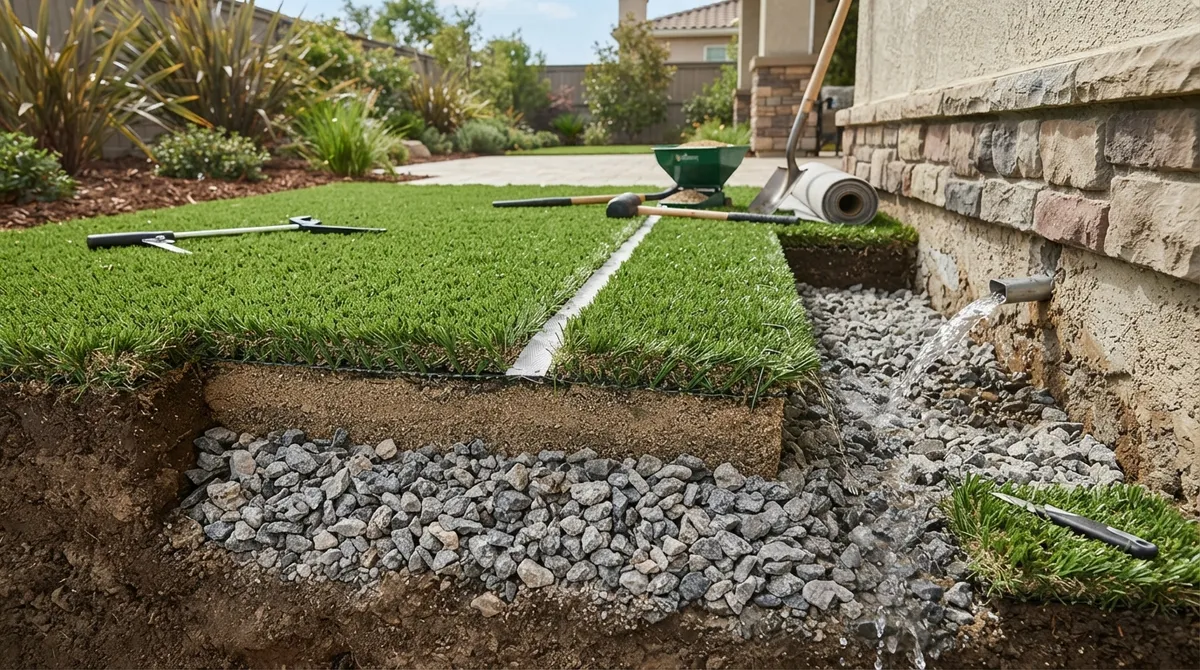
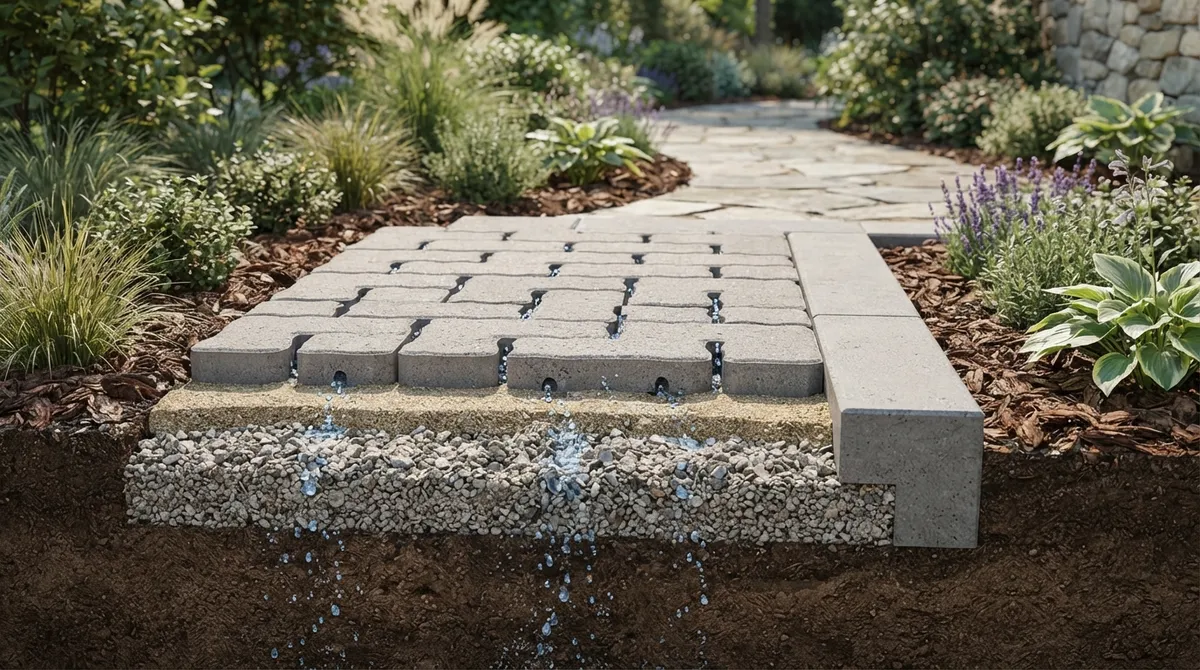
- Drainage: Water is a wall’s biggest enemy. Proper drainage behind the wall — typically gravel backfill and perforated pipe — relieves hydrostatic pressure that can push walls out of position.
- Soil compaction: Backfill must be compacted in lifts to prevent settling. Poor compaction causes walls to lean or shift over time.
- Footing depth: The footing must sit below the frost line — in Chicago, that’s typically around 42 inches. Shallow footings heave during winter freeze-thaw cycles.
- Site engineering: A geotechnical assessment of soil bearing capacity and conditions ensures the right wall design for your specific site.
- Code compliance: Commercial retaining walls in Illinois often require permits and inspections, especially when walls are tall or support significant loads.
For more context on common mistakes to watch for, check out our guide on commercial landscape grading wall mistakes to avoid. You can also find helpful industry standards through Landscape Illinois, the state’s leading green industry association.
Materials Used in Commercial Cantilever Retaining Walls
True cantilever retaining walls are primarily built from reinforced concrete, but that doesn’t mean they have to look plain. Here are the most common material choices and finishes used in commercial landscaping:
- Poured reinforced concrete: The structural standard for cantilever walls — strong, durable, and engineered precisely for load requirements.
- Concrete masonry units (CMU): Block systems can be reinforced to create cantilever-style behavior in some applications.
- Stone veneer facing: A natural stone face applied over structural concrete combines the strength of a cantilever design with the beauty of stone. See our natural stone commercial retaining wall guide for details.
- Precast modular panels: Factory-built panels offer consistent quality and faster installation on large commercial sites.
The best material for your project depends on structural needs, budget, and how you want the finished wall to look and feel within your overall landscape design.
Permits, Engineering, and Code Compliance in Illinois
One thing that surprises many commercial property owners is how much regulatory oversight is involved with taller retaining walls. In Illinois and the greater Chicago area, commercial retaining wall projects typically require:
- Building permits from your local municipality
- Structural engineering drawings and calculations
- Inspections during and after construction
- Compliance with local grading and stormwater ordinances
Working with a licensed, experienced landscaping contractor ensures all these requirements are met. You can also verify best practices through resources like the ICPI Certified Installer program, which sets professional standards for hardscape and masonry installation. Our team manages the entire permit and compliance process for you — you can explore how we work on our project process page.
Real-World Commercial Uses for Cantilever Walls in Landscaping
Commercial cantilever retaining walls pop up in all kinds of landscaping and site development scenarios across Chicagoland. Here are some of the most common applications:
- Parking lot support and edge retention: Holding back slopes along parking areas and preventing erosion under paved surfaces. See our guide on retaining walls for commercial parking lots.
- Slope stabilization for office and retail properties: Creating flat, usable outdoor spaces on steeply graded commercial lots for seating, walkways, and landscaped areas.
- Site development grading: Supporting cut-and-fill operations when developing new commercial properties to meet grade requirements.
- Stormwater and erosion management: Controlling runoff and protecting adjacent properties from soil movement. Our article on retaining walls vs. drainage systems for stormwater goes deeper on this topic.
- Terracing for outdoor commercial spaces: Creating multi-level planting beds, green spaces, and customer areas on sloped commercial sites.
How Long Do Commercial Retaining Walls Last?
A well-designed and properly installed commercial cantilever retaining wall can last 50 years or more. Gravity walls made from natural stone or quality block also have excellent longevity when built correctly. The key factors that determine lifespan include drainage quality, soil conditions, material selection, and ongoing maintenance.
In Chicago’s climate — with harsh winters and freeze-thaw cycles — proper drainage and frost-depth footings are especially important. A wall that was cut corners during installation will show problems in just a few years. Investing in quality upfront saves you significantly in the long run. To see examples of our work, visit our gallery of completed projects.
Making the Right Choice for Your Commercial Property
So, which wall is right for you? Here’s a quick summary to help you decide:
| Your Situation | Best Wall Type |
|---|---|
| Wall height over 4 feet | Cantilever retaining wall |
| Supporting parking lots or heavy loads | Cantilever retaining wall |
| Tight site with limited space | Cantilever retaining wall |
| Decorative low wall under 3–4 feet | Gravity retaining wall |
| Budget-conscious, modest grade change | Gravity retaining wall |
| Natural stone aesthetic priority | Gravity wall or faced cantilever |
Still unsure? That’s completely normal — every commercial site is unique, and the best wall for your property depends on a combination of factors that are hard to assess without a site visit. Our experienced team at Serenity Landscape Group is happy to walk your property, evaluate the grade, soil, and load conditions, and recommend the right solution. Whether you need a robust engineered cantilever wall or a beautiful gravity structure, we’ll make sure it’s built to last and looks fantastic. You can also browse related services like our commercial lawn maintenance and paver installation services to complete your outdoor vision.
Ready to get started on your commercial retaining wall project? Request your free estimate today and let’s turn that challenging terrain into a polished, functional, and beautiful commercial landscape you’ll be proud of for decades to come.
FAQs
Q: What is a commercial cantilever retaining wall?
A: A commercial cantilever retaining wall is an engineered structure — usually reinforced concrete — shaped like an upside-down ‘T’. It uses leverage and the weight of soil on its base to resist soil pressure, making it perfect for taller, load-bearing commercial applications.
Q: How is a cantilever retaining wall different from a gravity retaining wall?
A: Great question! A cantilever wall uses engineering and leverage to do its job with less material, while a gravity wall relies on sheer mass and weight. Cantilever walls are better for taller heights and commercial loads, while gravity walls shine for shorter, decorative applications.
Q: Do commercial cantilever retaining walls require permits and engineering in Illinois?
A: Yes — in most Illinois municipalities, commercial retaining walls over a certain height (often 4 feet) require building permits, structural engineering drawings, and inspections. Working with an experienced commercial landscaping contractor ensures all code requirements are handled smoothly.
Q: What drainage is needed behind a commercial cantilever retaining wall?
A: Proper drainage is essential! Typically, a layer of gravel backfill combined with a perforated drain pipe behind the wall helps relieve hydrostatic pressure. Without good drainage, water buildup can push against the wall and cause movement or failure over time.
Q: How long does a commercial cantilever retaining wall last?
A: When designed and installed correctly, a commercial cantilever retaining wall can last 50 years or more! The key is proper drainage, frost-depth footings, quality materials, and working with a qualified contractor — especially important in Chicago’s challenging freeze-thaw climate.